Free Shipping!

BLOG

Trending Topics

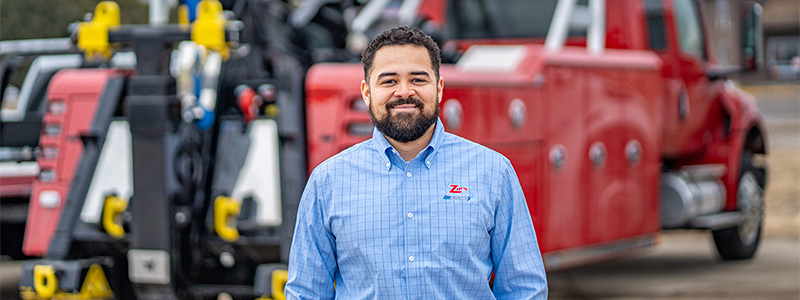
NEW Zip’s AW Direct Welcomes Johnnie Manier to Equipment Sales Team

NEW HAMPTON, Iowa – Zip's AW Direct, a leading provider of heavy-duty wreckers, rotators, car carriers, service bodies and industrial trailers, proudly announces the addition of Johnnie Manier to its ...
Read more
Zip’s AW Direct Welcomes Johnnie Manier to Equipment Sales Team
A Deeper Dive into Tow Operator PPE

A Deeper Dive into Tow Operator PPE

John Kuhn | Nov 12, 2025 9:12:18 AM
Who doesn’t love a well-dressed man or woman, especially when it comes to safety gear, commonly called PPE (Personal Protective Equipment)? Are we ...
Read more
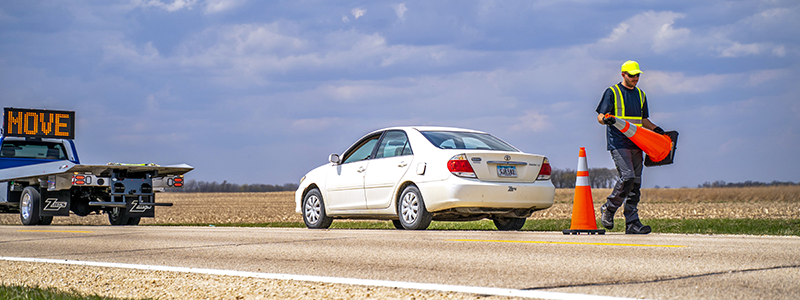
Understanding the Basics: Cone Types, Sizes, and Colors

Understanding the Basics: Cone Types, Sizes, and Colors

John Kuhn | Oct 7, 2025 3:59:59 PM
Traffic cones are one of the most common—and commonly misused—tools in traffic control. At first glance, they seem simple: bright, visible and easy ...
Read more
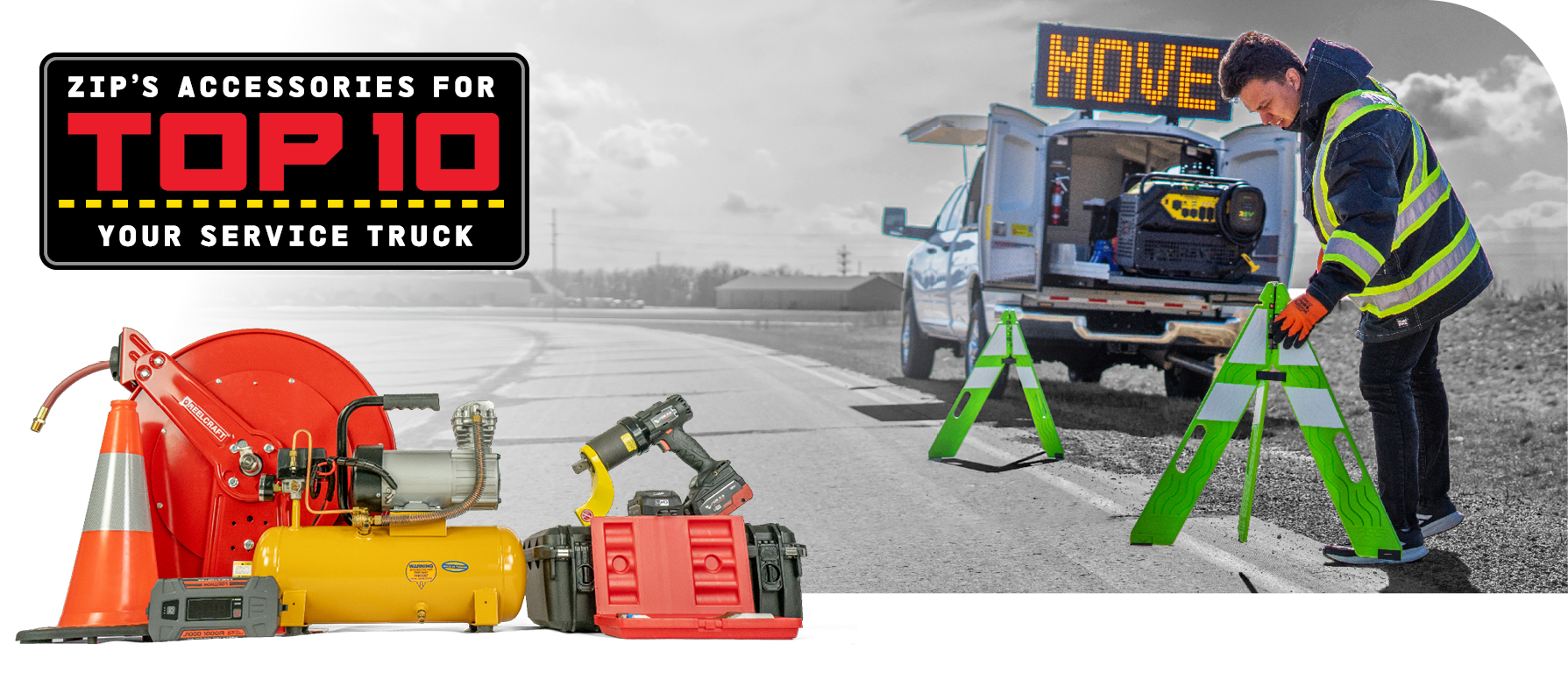
Zip's Top 10 Accessories for Your Service Truck

Zip's Top 10 Accessories for Your Service Truck

Providing top-tier roadside service begins with having the right tools for the job. With so many ...
Read more
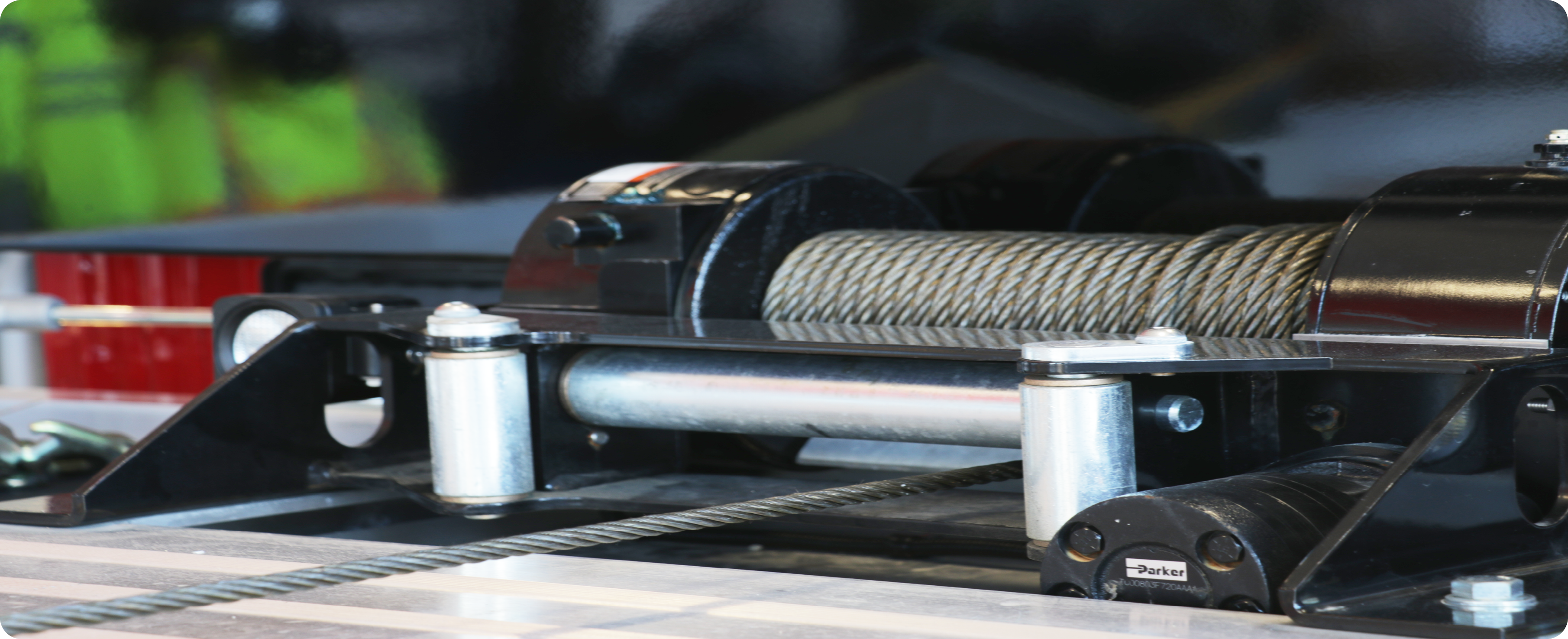
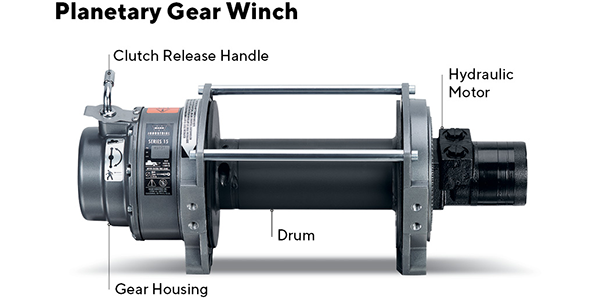
How to Maintain Your Winch

How to Maintain Your Winch

Proper care can save your equipment and save you money. With the right maintenance, you can ensure ...
Read more
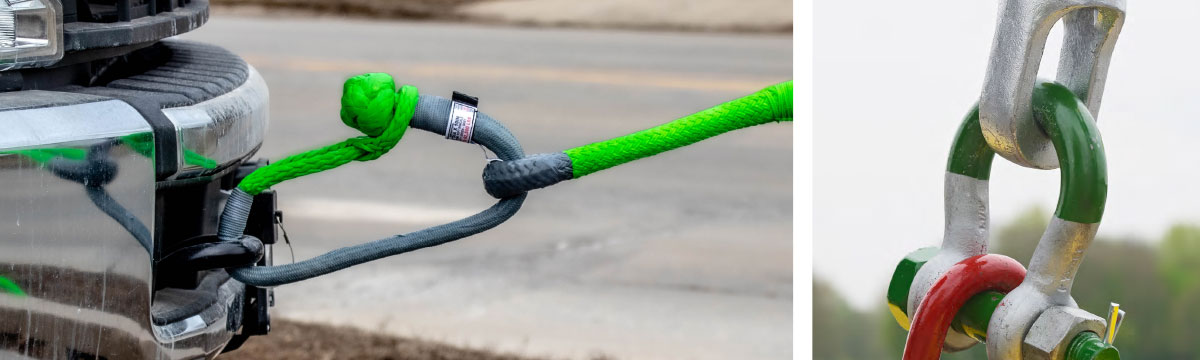
Which Shackle Is Right For You?

Which Shackle Is Right For You?

There are so many shackles out there that it can be hard to figure out the right one for you. ...
Read more
The Right Hitch for You: Class & Style Explained

The Right Hitch for You: Class & Style Explained

It can be a difficult decision when figuring out which trailer hitch works best for you. With a ...
Read more
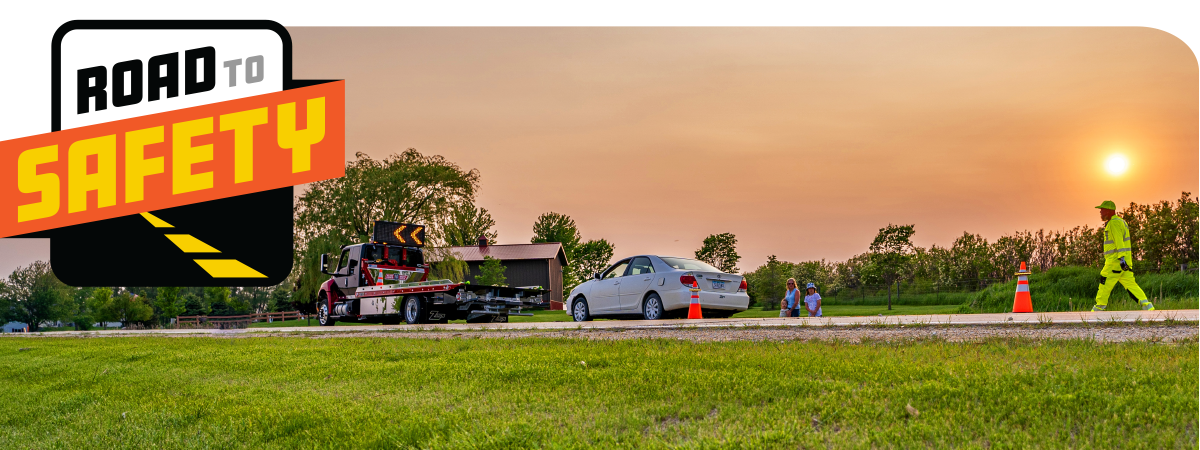
Road To Safety: Traffic Commander

Road To Safety: Traffic Commander

Experts’ Opinions of the Traffic Commander Turn any busy highway into a Road To Safety with the ...
Read more
Welcome, Canadian customers!

Welcome, Canadian customers!

Zip’s AW Direct offers hassle-free shipping to Canada. Our company is a registered Non-Resident ...
Read more
truck with clean lightbar

Explore Lightbar Cleaning Methods & Tips

Keeping wreckers clean and professional looking is part of maintaining a good business reputation. ...
Read more
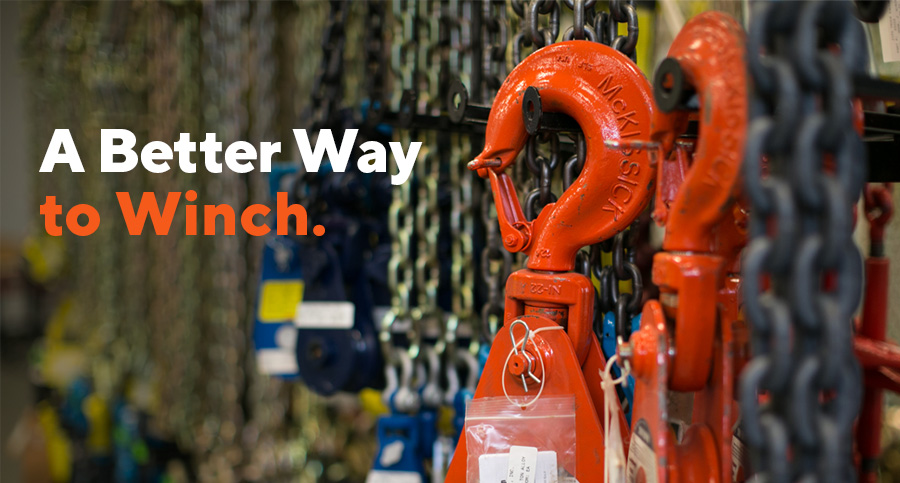
Snatch Blocks: A Better Way to Winch

Snatch Blocks: A Better Way to Winch

Snatch blocks are a common tool on almost every tow truck for good reason. Snatch blocks are useful ...
Read more
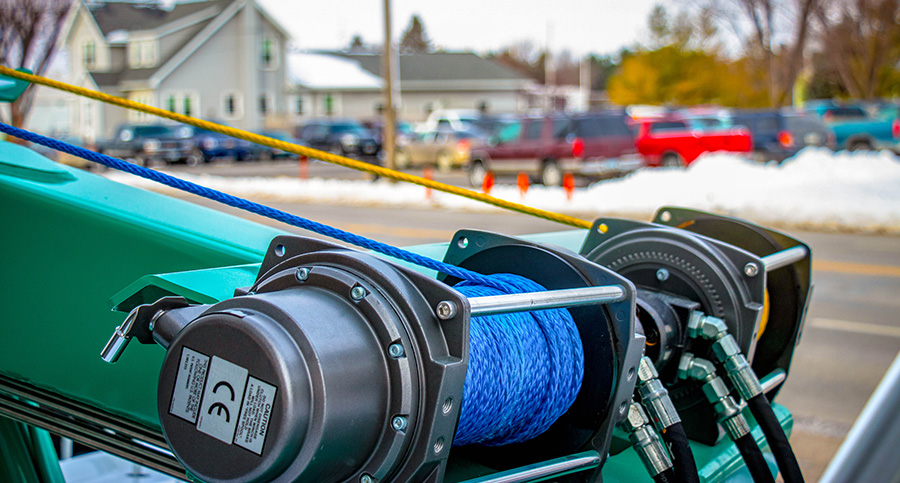
Choosing & Caring for Winch Lines

Choosing & Caring for Winch Lines

Understand the different pros and cons of different types of winch lines. Additionally, know how to ...
Read more
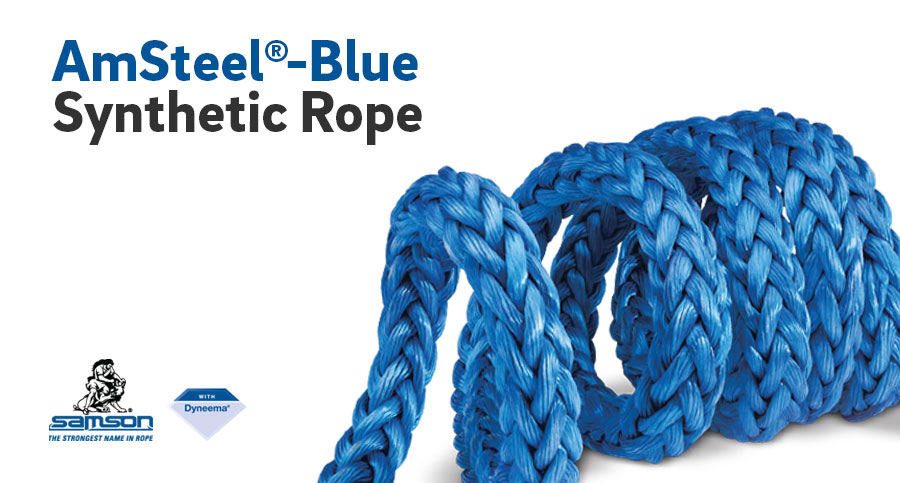
Make the switch to synthetics with Zip's

Make the switch to synthetics with Zip's

The use of this recovery rope will drastically cut down on the overall weight of any truck.
Read more
","rss_summary":"

NEW HAMPTON, Iowa – Zip's AW Direct, a leading provider of heavy-duty wreckers, rotators, car carriers, service bodies and industrial trailers, proudly announces the addition of Johnnie Manier to its equipment sales team. This strategic hire strengthens Zip’s ability to deliver knowledgeable, hands-on consultation to customers across Michigan.

\n","rss_body":"

NEW HAMPTON, Iowa – Zip's AW Direct, a leading provider of heavy-duty wreckers, rotators, car carriers, service bodies and industrial trailers, proudly announces the addition of Johnnie Manier to its equipment sales team. This strategic hire strengthens Zip’s ability to deliver knowledgeable, hands-on consultation to customers across Michigan.

\n

Based out of our location in the Detroit suburb of Taylor, Johnnie brings to his new position more than a decade of professional experience in the trucking industry. No stranger to coast-to-coast industrial hauling, he offers firsthand knowledge of equipment operation, real-world road conditions and the day-to-day demands professional operators face.

\n

“We’re excited to officially welcome Johnnie to our sales team,” said Eric Albertson, Executive Director of Equipment Sales at Zip’s. “From the moment he walked in the door, it was clear he brings great energy, strong people skills and a passion for the towing industry. With his background in the trucking industry, Johnnie brings valuable knowledge of over-the-road operations, weight laws and axle limits.”

\n

As an Equipment Sales Specialist, Johnnie will guide customers toward equipment solutions that enhance performance, safety and profitability. A Detroit native, he understands the work ethic and values that define the operators he serves. He is family-oriented, married with a daughter and deeply connected to his community.

\n

“Johnnie will be the face of our Michigan storefront, supporting our loyal local customers while also playing a key role on our national sales team, helping customers across the country find the right trucks for their needs,” Albertson said. “We’re thrilled to have Johnnie on board and look forward to the impact he’ll make. Be sure to stop in and meet him!”

\n

With Johnnie’s addition, Zip’s AW Direct continues to invest in experienced professionals who understand the industry from the ground up and are dedicated to supporting customers with expertise, integrity and service. Johnnie can be reached in the office at 800-222-6047, ext. 70008, by email at or by cell at 313-720-8440.

\n","enable_google_amp_output_override":false,"generate_json_ld_enabled":true,"blog_post_schedule_task_uid":null,"blog_publish_to_social_media_task":"DONE_NOT_SENT","blog_publish_instant_email_task_uid":null,"blog_publish_instant_email_campaign_id":null,"blog_publish_instant_email_retry_count":null,"keywords":[],"composition_id":0,"is_crawlable_by_bots":false,"html_title":"Zip’s AW Direct Welcomes Johnnie Manier to Equipment Sales Team","public_access_rules":[],"public_access_rules_enabled":false,"use_featured_image":true,"published_at":1771538217195,"layout_sections":{},"past_mab_experiment_ids":[],"deleted_by":null,"featured_image_alt_text":"","enable_layout_stylesheets":null,"tweet":null,"tweet_at":null,"campaign_name":null,"campaign_utm":null,"meta_keywords":null,"meta_description":"Zip’s AW Direct Welcomes Johnnie Manier to Equipment Sales Team","tweet_immediately":false,"publish_immediately":true,"security_state":"NONE","scheduled_update_date":0,"placement_guids":[],"header_template_path":null,"header_variant_name":null,"footer_template_path":null,"footer_variant_name":null,"global_block_overrides":{},"property_for_dynamic_page_title":null,"property_for_dynamic_page_slug":null,"property_for_dynamic_page_meta_description":null,"property_for_dynamic_page_featured_image":null,"property_for_dynamic_page_canonical_url":null,"preview_image_src":null,"legacy_blog_tabid":null,"legacy_post_guid":null,"performable_variation_letter":null,"style_override_id":null,"has_user_changes":true,"css":{},"css_text":"","unpublished_at":0,"published_by_id":76755706,"allowed_slug_conflict":false,"ai_features":null,"link_rel_canonical_url":"","page_redirected":false,"page_expiry_enabled":null,"page_expiry_date":null,"page_expiry_redirect_id":null,"page_expiry_redirect_url":null,"deleted_by_id":null,"state_when_deleted":null,"cloned_from":null,"staged_from":null,"personas":[],"compose_body":null,"featured_image":"https://48463649.fs1.hubspotusercontent-na1.net/hubfs/48463649/johnnie-manier-header.jpg","featured_image_width":800,"featured_image_height":300,"publish_timezone_offset":null,"theme_settings_values":null,"head_html":"","footer_html":null,"attached_stylesheets":[],"enable_domain_stylesheets":null,"include_default_custom_css":null,"header":null,"password":null,"last_edit_session_id":null,"last_edit_update_id":null,"created_by_agent":null},"metaDescription":"Zip’s AW Direct Welcomes Johnnie Manier to Equipment Sales Team","metaKeywords":null,"name":"Zip’s AW Direct Welcomes Johnnie Manier to Equipment Sales Team","nextPostFeaturedImage":"https://48463649.fs1.hubspotusercontent-na1.net/hubfs/48463649/ppe-hi-vis-jan2023-low-res-21%20blog.png","nextPostFeaturedImageAltText":"","nextPostName":"A Deeper Dive into Tow Operator PPE","nextPostSlug":"blog/tow-operator-ppe-guide","pageExpiryDate":null,"pageExpiryEnabled":null,"pageExpiryRedirectId":null,"pageExpiryRedirectUrl":null,"pageRedirected":false,"pageTitle":"Zip’s AW Direct Welcomes Johnnie Manier to Equipment Sales Team","parentBlog":{"absoluteUrl":"/blog","allowComments":true,"ampBodyColor":"#404040","ampBodyFont":"'Helvetica Neue', Helvetica, Arial, sans-serif","ampBodyFontSize":"18","ampCustomCss":"","ampHeaderBackgroundColor":"#ffffff","ampHeaderColor":"#1e1e1e","ampHeaderFont":"'Helvetica Neue', Helvetica, Arial, sans-serif","ampHeaderFontSize":"36","ampLinkColor":"#416bb3","ampLogoAlt":"","ampLogoHeight":0,"ampLogoSrc":"","ampLogoWidth":0,"analyticsPageId":190096341139,"attachedStylesheets":[],"audienceAccess":"PUBLIC","businessUnitId":null,"captchaAfterDays":7,"captchaAlways":false,"categoryId":3,"cdnPurgeEmbargoTime":null,"closeCommentsOlder":0,"commentDateFormat":"medium","commentFormGuid":"a4128401-39db-4c54-a62b-88ff335d3a69","commentMaxThreadDepth":1,"commentModeration":false,"commentNotificationEmails":[],"commentShouldCreateContact":false,"commentVerificationText":"","cosObjectType":"BLOG","created":1747163443999,"createdDateTime":1747163443999,"dailyNotificationEmailId":null,"dateFormattingLanguage":null,"defaultGroupStyleId":"","defaultNotificationFromName":"","defaultNotificationReplyTo":"","deletedAt":0,"description":"","domain":"","domainWhenPublished":"www.zips.com","emailApiSubscriptionId":null,"enableGoogleAmpOutput":true,"enableSocialAutoPublishing":false,"generateJsonLdEnabled":true,"header":null,"htmlFooter":"","htmlFooterIsShared":true,"htmlHead":"","htmlHeadIsShared":true,"htmlKeywords":[],"htmlTitle":"blog","id":190096341139,"ilsSubscriptionListsByType":{},"instantNotificationEmailId":null,"itemLayoutId":null,"itemTemplateIsShared":false,"itemTemplatePath":"zips-basic-theme/templates/blog-post.html","label":"blog","language":"en","legacyGuid":null,"legacyModuleId":null,"legacyTabId":null,"listingLayoutId":null,"listingPageId":190096341141,"listingTemplatePath":"","liveDomain":"www.zips.com","monthFilterFormat":"MMMM yyyy","monthlyNotificationEmailId":null,"name":"blog","parentBlogUpdateTaskId":null,"portalId":48463649,"postHtmlFooter":"","postHtmlHead":"","postsPerListingPage":111,"postsPerRssFeed":10,"publicAccessRules":[],"publicAccessRulesEnabled":false,"publicTitle":"blog","publishDateFormat":"medium","resolvedDomain":"www.zips.com","rootUrl":"/blog","rssCustomFeed":null,"rssDescription":null,"rssItemFooter":null,"rssItemHeader":null,"settingsOverrides":{"itemLayoutId":false,"itemTemplatePath":false,"itemTemplateIsShared":false,"listingLayoutId":false,"listingTemplatePath":false,"postsPerListingPage":false,"showSummaryInListing":false,"useFeaturedImageInSummary":false,"htmlHead":false,"postHtmlHead":false,"htmlHeadIsShared":false,"htmlFooter":false,"listingPageHtmlFooter":false,"postHtmlFooter":false,"htmlFooterIsShared":false,"attachedStylesheets":false,"postsPerRssFeed":false,"showSummaryInRss":false,"showSummaryInEmails":false,"showSummariesInEmails":false,"allowComments":false,"commentShouldCreateContact":false,"commentModeration":false,"closeCommentsOlder":false,"commentNotificationEmails":false,"commentMaxThreadDepth":false,"commentVerificationText":false,"socialAccountTwitter":false,"showSocialLinkTwitter":false,"showSocialLinkLinkedin":false,"showSocialLinkFacebook":false,"enableGoogleAmpOutput":false,"ampLogoSrc":false,"ampLogoHeight":false,"ampLogoWidth":false,"ampLogoAlt":false,"ampHeaderFont":false,"ampHeaderFontSize":false,"ampHeaderColor":false,"ampHeaderBackgroundColor":false,"ampBodyFont":false,"ampBodyFontSize":false,"ampBodyColor":false,"ampLinkColor":false,"generateJsonLdEnabled":false},"showSocialLinkFacebook":true,"showSocialLinkLinkedin":true,"showSocialLinkTwitter":true,"showSummaryInEmails":true,"showSummaryInListing":true,"showSummaryInRss":true,"siteId":null,"slug":"blog","socialAccountTwitter":"","state":null,"subscriptionContactsProperty":null,"subscriptionEmailType":null,"subscriptionFormGuid":null,"subscriptionListsByType":{},"title":null,"translatedFromId":null,"translations":{},"updated":1755110916417,"updatedDateTime":1755110916417,"urlBase":"www.zips.com/blog","urlSegments":{"all":"all","archive":"archive","author":"author","page":"page","tag":"tag"},"useFeaturedImageInSummary":true,"usesDefaultTemplate":false,"weeklyNotificationEmailId":null},"password":null,"pastMabExperimentIds":[],"performableGuid":null,"performableVariationLetter":null,"personalizationStrategyId":null,"personalizationVariantStatus":null,"personas":[],"placementGuids":[],"portableKey":null,"portalId":48463649,"position":null,"postBody":"

NEW HAMPTON, Iowa – Zip's AW Direct, a leading provider of heavy-duty wreckers, rotators, car carriers, service bodies and industrial trailers, proudly announces the addition of Johnnie Manier to its equipment sales team. This strategic hire strengthens Zip’s ability to deliver knowledgeable, hands-on consultation to customers across Michigan.

\n

Based out of our location in the Detroit suburb of Taylor, Johnnie brings to his new position more than a decade of professional experience in the trucking industry. No stranger to coast-to-coast industrial hauling, he offers firsthand knowledge of equipment operation, real-world road conditions and the day-to-day demands professional operators face.

\n

“We’re excited to officially welcome Johnnie to our sales team,” said Eric Albertson, Executive Director of Equipment Sales at Zip’s. “From the moment he walked in the door, it was clear he brings great energy, strong people skills and a passion for the towing industry. With his background in the trucking industry, Johnnie brings valuable knowledge of over-the-road operations, weight laws and axle limits.”

\n

As an Equipment Sales Specialist, Johnnie will guide customers toward equipment solutions that enhance performance, safety and profitability. A Detroit native, he understands the work ethic and values that define the operators he serves. He is family-oriented, married with a daughter and deeply connected to his community.

\n

“Johnnie will be the face of our Michigan storefront, supporting our loyal local customers while also playing a key role on our national sales team, helping customers across the country find the right trucks for their needs,” Albertson said. “We’re thrilled to have Johnnie on board and look forward to the impact he’ll make. Be sure to stop in and meet him!”

\n

With Johnnie’s addition, Zip’s AW Direct continues to invest in experienced professionals who understand the industry from the ground up and are dedicated to supporting customers with expertise, integrity and service. Johnnie can be reached in the office at 800-222-6047, ext. 70008, by email at or by cell at 313-720-8440.

\n","postBodyRss":"

NEW HAMPTON, Iowa – Zip's AW Direct, a leading provider of heavy-duty wreckers, rotators, car carriers, service bodies and industrial trailers, proudly announces the addition of Johnnie Manier to its equipment sales team. This strategic hire strengthens Zip’s ability to deliver knowledgeable, hands-on consultation to customers across Michigan.

\n

Based out of our location in the Detroit suburb of Taylor, Johnnie brings to his new position more than a decade of professional experience in the trucking industry. No stranger to coast-to-coast industrial hauling, he offers firsthand knowledge of equipment operation, real-world road conditions and the day-to-day demands professional operators face.

\n

“We’re excited to officially welcome Johnnie to our sales team,” said Eric Albertson, Executive Director of Equipment Sales at Zip’s. “From the moment he walked in the door, it was clear he brings great energy, strong people skills and a passion for the towing industry. With his background in the trucking industry, Johnnie brings valuable knowledge of over-the-road operations, weight laws and axle limits.”

\n

As an Equipment Sales Specialist, Johnnie will guide customers toward equipment solutions that enhance performance, safety and profitability. A Detroit native, he understands the work ethic and values that define the operators he serves. He is family-oriented, married with a daughter and deeply connected to his community.

\n

“Johnnie will be the face of our Michigan storefront, supporting our loyal local customers while also playing a key role on our national sales team, helping customers across the country find the right trucks for their needs,” Albertson said. “We’re thrilled to have Johnnie on board and look forward to the impact he’ll make. Be sure to stop in and meet him!”

\n

With Johnnie’s addition, Zip’s AW Direct continues to invest in experienced professionals who understand the industry from the ground up and are dedicated to supporting customers with expertise, integrity and service. Johnnie can be reached in the office at 800-222-6047, ext. 70008, by email at or by cell at 313-720-8440.

\n","postEmailContent":"

NEW HAMPTON, Iowa – Zip's AW Direct, a leading provider of heavy-duty wreckers, rotators, car carriers, service bodies and industrial trailers, proudly announces the addition of Johnnie Manier to its equipment sales team. This strategic hire strengthens Zip’s ability to deliver knowledgeable, hands-on consultation to customers across Michigan.

","postFeaturedImageIfEnabled":"https://48463649.fs1.hubspotusercontent-na1.net/hubfs/48463649/johnnie-manier-header.jpg","postListContent":"

NEW HAMPTON, Iowa – Zip's AW Direct, a leading provider of heavy-duty wreckers, rotators, car carriers, service bodies and industrial trailers, proudly announces the addition of Johnnie Manier to its equipment sales team. This strategic hire strengthens Zip’s ability to deliver knowledgeable, hands-on consultation to customers across Michigan.

","postListSummaryFeaturedImage":"https://48463649.fs1.hubspotusercontent-na1.net/hubfs/48463649/johnnie-manier-header.jpg","postRssContent":"

NEW HAMPTON, Iowa – Zip's AW Direct, a leading provider of heavy-duty wreckers, rotators, car carriers, service bodies and industrial trailers, proudly announces the addition of Johnnie Manier to its equipment sales team. This strategic hire strengthens Zip’s ability to deliver knowledgeable, hands-on consultation to customers across Michigan.

","postRssSummaryFeaturedImage":"https://48463649.fs1.hubspotusercontent-na1.net/hubfs/48463649/johnnie-manier-header.jpg","postSummary":"

NEW HAMPTON, Iowa – Zip's AW Direct, a leading provider of heavy-duty wreckers, rotators, car carriers, service bodies and industrial trailers, proudly announces the addition of Johnnie Manier to its equipment sales team. This strategic hire strengthens Zip’s ability to deliver knowledgeable, hands-on consultation to customers across Michigan.

\n","postSummaryRss":"

NEW HAMPTON, Iowa – Zip's AW Direct, a leading provider of heavy-duty wreckers, rotators, car carriers, service bodies and industrial trailers, proudly announces the addition of Johnnie Manier to its equipment sales team. This strategic hire strengthens Zip’s ability to deliver knowledgeable, hands-on consultation to customers across Michigan.

","postTemplate":"zips-basic-theme/templates/blog-post.html","previewImageSrc":null,"previewKey":"BYcLmjGc","previousPostFeaturedImage":"https://48463649.fs1.hubspotusercontent-na1.net/hubfs/48463649/kevin-andera-header.jpg","previousPostFeaturedImageAltText":"","previousPostName":"Kevin Andera - Sales Rep.","previousPostSlug":"blog/kevin-andera-sales-rep","processingStatus":"PUBLISHED","propertyForDynamicPageCanonicalUrl":null,"propertyForDynamicPageFeaturedImage":null,"propertyForDynamicPageMetaDescription":null,"propertyForDynamicPageSlug":null,"propertyForDynamicPageTitle":null,"publicAccessRules":[],"publicAccessRulesEnabled":false,"publishDate":1771538217000,"publishDateLocalTime":1771538217000,"publishDateLocalized":{"date":1771538217000,"format":"medium","language":null},"publishImmediately":true,"publishTimezoneOffset":null,"publishedAt":1771538217195,"publishedByEmail":null,"publishedById":76755706,"publishedByName":null,"publishedUrl":"/blog/johnnie-manier-equipment-sales-team","resolvedDomain":"www.zips.com","resolvedLanguage":null,"rssBody":"

NEW HAMPTON, Iowa – Zip's AW Direct, a leading provider of heavy-duty wreckers, rotators, car carriers, service bodies and industrial trailers, proudly announces the addition of Johnnie Manier to its equipment sales team. This strategic hire strengthens Zip’s ability to deliver knowledgeable, hands-on consultation to customers across Michigan.

\n

Based out of our location in the Detroit suburb of Taylor, Johnnie brings to his new position more than a decade of professional experience in the trucking industry. No stranger to coast-to-coast industrial hauling, he offers firsthand knowledge of equipment operation, real-world road conditions and the day-to-day demands professional operators face.

\n

“We’re excited to officially welcome Johnnie to our sales team,” said Eric Albertson, Executive Director of Equipment Sales at Zip’s. “From the moment he walked in the door, it was clear he brings great energy, strong people skills and a passion for the towing industry. With his background in the trucking industry, Johnnie brings valuable knowledge of over-the-road operations, weight laws and axle limits.”

\n

As an Equipment Sales Specialist, Johnnie will guide customers toward equipment solutions that enhance performance, safety and profitability. A Detroit native, he understands the work ethic and values that define the operators he serves. He is family-oriented, married with a daughter and deeply connected to his community.

\n

“Johnnie will be the face of our Michigan storefront, supporting our loyal local customers while also playing a key role on our national sales team, helping customers across the country find the right trucks for their needs,” Albertson said. “We’re thrilled to have Johnnie on board and look forward to the impact he’ll make. Be sure to stop in and meet him!”

\n

With Johnnie’s addition, Zip’s AW Direct continues to invest in experienced professionals who understand the industry from the ground up and are dedicated to supporting customers with expertise, integrity and service. Johnnie can be reached in the office at 800-222-6047, ext. 70008, by email at or by cell at 313-720-8440.

\n","rssSummary":"

NEW HAMPTON, Iowa – Zip's AW Direct, a leading provider of heavy-duty wreckers, rotators, car carriers, service bodies and industrial trailers, proudly announces the addition of Johnnie Manier to its equipment sales team. This strategic hire strengthens Zip’s ability to deliver knowledgeable, hands-on consultation to customers across Michigan.

\n","rssSummaryFeaturedImage":"https://48463649.fs1.hubspotusercontent-na1.net/hubfs/48463649/johnnie-manier-header.jpg","scheduledUpdateDate":0,"screenshotPreviewTakenAt":1771538217564,"screenshotPreviewUrl":"https://cdn1.hubspot.net/hubshotv3/prod/e/0/677d4e78-7a05-499f-9241-08180e4df346.png","sections":{},"securityState":"NONE","siteId":null,"slug":"blog/johnnie-manier-equipment-sales-team","stagedFrom":null,"state":"PUBLISHED","stateWhenDeleted":null,"structuredContentPageType":null,"structuredContentType":null,"styleOverrideId":null,"subcategory":"normal_blog_post","syncedWithBlogRoot":true,"tagIds":[192169769098,192169769490,192174528148,192174529697,192174572390,194719179273,194719586584],"tagList":[{"categoryId":3,"cdnPurgeEmbargoTime":null,"contentIds":[],"cosObjectType":"TAG","created":1751598252099,"deletedAt":0,"description":"","id":192169769098,"label":"Over the Road","language":null,"name":"Over the Road","portalId":48463649,"slug":"over-the-road","translatedFromId":null,"translations":{},"updated":1751598252099},{"categoryId":3,"cdnPurgeEmbargoTime":null,"contentIds":[],"cosObjectType":"TAG","created":1751598346713,"deletedAt":0,"description":"","id":192169769490,"label":"Towing & Recovery","language":null,"name":"Towing & Recovery","portalId":48463649,"slug":"towing-recovery","translatedFromId":null,"translations":{},"updated":1751598346713},{"categoryId":3,"cdnPurgeEmbargoTime":null,"contentIds":[],"cosObjectType":"TAG","created":1751601475164,"deletedAt":0,"description":"","id":192174528148,"label":"Automotive","language":null,"name":"Automotive","portalId":48463649,"slug":"automotive","translatedFromId":null,"translations":{},"updated":1751601475164},{"categoryId":3,"cdnPurgeEmbargoTime":null,"contentIds":[],"cosObjectType":"TAG","created":1751602285139,"deletedAt":0,"description":"","id":192174529697,"label":"Construction","language":null,"name":"Construction","portalId":48463649,"slug":"construction","translatedFromId":null,"translations":{},"updated":1751602285139},{"categoryId":3,"cdnPurgeEmbargoTime":null,"contentIds":[],"cosObjectType":"TAG","created":1751602285335,"deletedAt":0,"description":"","id":192174572390,"label":"Agriculture","language":null,"name":"Agriculture","portalId":48463649,"slug":"agriculture","translatedFromId":null,"translations":{},"updated":1751602285335},{"categoryId":3,"cdnPurgeEmbargoTime":null,"contentIds":[],"cosObjectType":"TAG","created":1755545199638,"deletedAt":0,"description":"","id":194719179273,"label":"News & Insights","language":null,"name":"News & Insights","portalId":48463649,"slug":"news-insights","translatedFromId":null,"translations":{},"updated":1755545199638},{"categoryId":3,"cdnPurgeEmbargoTime":null,"contentIds":[],"cosObjectType":"TAG","created":1755545289731,"deletedAt":0,"description":"","id":194719586584,"label":"Press Release","language":null,"name":"Press Release","portalId":48463649,"slug":"press-release","translatedFromId":null,"translations":{},"updated":1755545289731}],"tagNames":["Over the Road","Towing & Recovery","Automotive","Construction","Agriculture","News & Insights","Press Release"],"teamPerms":[],"templatePath":"","templatePathForRender":"zips-basic-theme/templates/blog-post.html","textToAudioFileId":null,"textToAudioGenerationRequestId":null,"themePath":null,"themeSettingsValues":null,"title":"Zip’s AW Direct Welcomes Johnnie Manier to Equipment Sales Team","tmsId":null,"topicIds":[192169769098,192169769490,192174528148,192174529697,192174572390,194719179273,194719586584],"topicList":[{"categoryId":3,"cdnPurgeEmbargoTime":null,"contentIds":[],"cosObjectType":"TAG","created":1751598252099,"deletedAt":0,"description":"","id":192169769098,"label":"Over the Road","language":null,"name":"Over the Road","portalId":48463649,"slug":"over-the-road","translatedFromId":null,"translations":{},"updated":1751598252099},{"categoryId":3,"cdnPurgeEmbargoTime":null,"contentIds":[],"cosObjectType":"TAG","created":1751598346713,"deletedAt":0,"description":"","id":192169769490,"label":"Towing & Recovery","language":null,"name":"Towing & Recovery","portalId":48463649,"slug":"towing-recovery","translatedFromId":null,"translations":{},"updated":1751598346713},{"categoryId":3,"cdnPurgeEmbargoTime":null,"contentIds":[],"cosObjectType":"TAG","created":1751601475164,"deletedAt":0,"description":"","id":192174528148,"label":"Automotive","language":null,"name":"Automotive","portalId":48463649,"slug":"automotive","translatedFromId":null,"translations":{},"updated":1751601475164},{"categoryId":3,"cdnPurgeEmbargoTime":null,"contentIds":[],"cosObjectType":"TAG","created":1751602285139,"deletedAt":0,"description":"","id":192174529697,"label":"Construction","language":null,"name":"Construction","portalId":48463649,"slug":"construction","translatedFromId":null,"translations":{},"updated":1751602285139},{"categoryId":3,"cdnPurgeEmbargoTime":null,"contentIds":[],"cosObjectType":"TAG","created":1751602285335,"deletedAt":0,"description":"","id":192174572390,"label":"Agriculture","language":null,"name":"Agriculture","portalId":48463649,"slug":"agriculture","translatedFromId":null,"translations":{},"updated":1751602285335},{"categoryId":3,"cdnPurgeEmbargoTime":null,"contentIds":[],"cosObjectType":"TAG","created":1755545199638,"deletedAt":0,"description":"","id":194719179273,"label":"News & Insights","language":null,"name":"News & Insights","portalId":48463649,"slug":"news-insights","translatedFromId":null,"translations":{},"updated":1755545199638},{"categoryId":3,"cdnPurgeEmbargoTime":null,"contentIds":[],"cosObjectType":"TAG","created":1755545289731,"deletedAt":0,"description":"","id":194719586584,"label":"Press Release","language":null,"name":"Press Release","portalId":48463649,"slug":"press-release","translatedFromId":null,"translations":{},"updated":1755545289731}],"topicNames":["Over the Road","Towing & Recovery","Automotive","Construction","Agriculture","News & Insights","Press Release"],"topics":[192169769098,192169769490,192174528148,192174529697,192174572390,194719179273,194719586584],"translatedContent":{},"translatedFromId":null,"translations":{},"tweet":null,"tweetAt":null,"tweetImmediately":false,"unpublishedAt":0,"updated":1771538217199,"updatedById":76755706,"upsizeFeaturedImage":false,"url":"/blog/johnnie-manier-equipment-sales-team","useFeaturedImage":true,"userPerms":[],"views":null,"visibleToAll":null,"widgetContainers":{},"widgetcontainers":{},"widgets":{}},{"ab":false,"abStatus":null,"abTestId":null,"abVariation":false,"abVariationAutomated":false,"absoluteUrl":"/blog/tow-operator-ppe-guide","afterPostBody":null,"aifeatures":null,"allowedSlugConflict":false,"analytics":null,"analyticsPageId":"199531965851","analyticsPageType":"blog-post","approvalStatus":null,"archived":false,"archivedAt":0,"archivedInDashboard":false,"areCommentsAllowed":true,"attachedStylesheets":[],"audienceAccess":"PUBLIC","author":null,"authorName":null,"authorUsername":null,"blogAuthor":{"avatar":"","bio":"","cdnPurgeEmbargoTime":null,"cosObjectType":"BLOG_AUTHOR","created":1759764559705,"deletedAt":0,"displayName":"John Kuhn","email":null,"facebook":"","fullName":"John Kuhn","gravatarUrl":null,"hasSocialProfiles":false,"id":197145277539,"label":"John Kuhn","language":"en","linkedin":"","name":"John Kuhn","portalId":48463649,"slug":"john-kuhn","translatedFromId":null,"translations":{},"twitter":"","twitterUsername":"","updated":1759764559705,"userId":null,"username":null,"website":""},"blogAuthorId":197145277539,"blogAuthorIdList":[197145277539],"blogAuthorList":[{"avatar":"","bio":"","cdnPurgeEmbargoTime":null,"cosObjectType":"BLOG_AUTHOR","created":1759764559705,"deletedAt":0,"displayName":"John Kuhn","email":null,"facebook":"","fullName":"John Kuhn","gravatarUrl":null,"hasSocialProfiles":false,"id":197145277539,"label":"John Kuhn","language":"en","linkedin":"","name":"John Kuhn","portalId":48463649,"slug":"john-kuhn","translatedFromId":null,"translations":{},"twitter":"","twitterUsername":"","updated":1759764559705,"userId":null,"username":null,"website":""}],"blogPostAuthor":{"avatar":"","bio":"","cdnPurgeEmbargoTime":null,"cosObjectType":"BLOG_AUTHOR","created":1759764559705,"deletedAt":0,"displayName":"John Kuhn","email":null,"facebook":"","fullName":"John Kuhn","gravatarUrl":null,"hasSocialProfiles":false,"id":197145277539,"label":"John Kuhn","language":"en","linkedin":"","name":"John Kuhn","portalId":48463649,"slug":"john-kuhn","translatedFromId":null,"translations":{},"twitter":"","twitterUsername":"","updated":1759764559705,"userId":null,"username":null,"website":""},"blogPostScheduleTaskUid":null,"blogPublishInstantEmailCampaignId":null,"blogPublishInstantEmailRetryCount":null,"blogPublishInstantEmailTaskUid":null,"blogPublishToSocialMediaTask":"DONE_NOT_SENT","blueprintTypeId":0,"businessUnitId":null,"campaign":null,"campaignName":null,"campaignUtm":null,"category":3,"categoryId":3,"cdnPurgeEmbargoTime":null,"checkPostLevelAudienceAccessFirst":true,"clonedFrom":null,"composeBody":null,"compositionId":0,"contentAccessRuleIds":[],"contentAccessRuleTypes":[],"contentGroup":190096341139,"contentGroupId":190096341139,"contentTypeCategory":3,"contentTypeCategoryId":3,"contentTypeId":null,"created":1762898274426,"createdByAgent":null,"createdById":76755706,"createdTime":1762898274426,"crmObjectId":null,"css":{},"cssText":"","ctaClicks":null,"ctaViews":null,"currentState":"PUBLISHED","currentlyPublished":true,"deletedAt":0,"deletedBy":null,"deletedByEmail":null,"deletedById":null,"domain":"","dynamicPageDataSourceId":null,"dynamicPageDataSourceType":null,"dynamicPageHubDbTableId":null,"enableDomainStylesheets":null,"enableGoogleAmpOutputOverride":false,"enableLayoutStylesheets":null,"errors":[],"featuredImage":"https://48463649.fs1.hubspotusercontent-na1.net/hubfs/48463649/ppe-hi-vis-jan2023-low-res-21%20blog.png","featuredImageAltText":"","featuredImageHeight":300,"featuredImageLength":0,"featuredImageWidth":800,"flexAreas":{},"folderId":null,"footerHtml":null,"footerTemplatePath":null,"footerVariantName":null,"freezeDate":1762960338000,"generateJsonLdEnabledOverride":true,"globalBlockOverrides":{},"hasContentAccessRules":false,"hasUserChanges":true,"headHtml":"","header":null,"headerTemplatePath":null,"headerVariantName":null,"htmlTitle":"A Deeper Dive into Tow Operator PPE","id":199531965851,"includeDefaultCustomCss":null,"isCaptchaRequired":true,"isCrawlableByBots":false,"isDraft":false,"isInstantEmailEnabled":false,"isPublished":true,"isSocialPublishingEnabled":false,"keywords":[],"label":"A Deeper Dive into Tow Operator PPE","language":"en","lastEditSessionId":null,"lastEditUpdateId":null,"layoutSections":{},"legacyBlogTabid":null,"legacyId":null,"legacyPostGuid":null,"linkRelCanonicalUrl":"","listTemplate":"","liveDomain":"www.zips.com","mab":false,"mabExperimentId":null,"mabMaster":false,"mabVariant":false,"marketingCampaignGuids":[],"meta":{"html_title":"A Deeper Dive into Tow Operator PPE","public_access_rules":[],"public_access_rules_enabled":false,"use_featured_image":true,"tag_ids":[192169769490,192174529697,192174572389,194719179289,194719586666,197143417675],"topic_ids":[192169769490,192174529697,192174572389,194719179289,194719586666,197143417675],"post_summary":"

Who doesn’t love a well-dressed man or woman, especially when it comes to safety gear, commonly called PPE (Personal Protective Equipment)? Are we equipping our operators with the correct tools and equipment to allow them return home safely?

\n","post_body":"

Who doesn’t love a well-dressed man or woman, especially when it comes to safety gear, commonly called PPE (Personal Protective Equipment)? Are we equipping our operators with the correct tools and equipment to allow them return home safely?

\n\n

We all know the obvious guidelines set for us by the DOT, which include triangles and a fire extinguisher on the truck, but let’s take a little deeper look. This is not an all-inclusive list. By all means, please follow the guidelines set forth by your company, as well as the local, state, or federal jurisdiction you are working in.

\n

Safety Gear Class 1, 2 or 3

\n

The difference between them boils down to risk level. The DOT has put a value on it, but can we put a dollar value on it? I have witnessed many companies putting their operators in Class 3 work uniforms at the beginning of their shift. Hats off to them!

\n

Many others have gone the route of Class 2, and we’ll dress up when we have that call. I’ll just respond to that with a question of where will you put those Class 3 pants on? Before we leave the shop? In the cab, back seat, or sleeper of your truck? On the side of the road? Let’s prepare and plan. Below is a quick list of the classes.

\n

Class 1

\n
    \n
  • Risk Level: Low-risk environments where the worker is a safe distance from traffic.
  • \n
  • Examples: Warehouse workers, parking lot attendants or sidewalk repair in residential areas.
  • \n
  • Requirements: The lowest level of visibility, suitable for traffic speeds not exceeding 25 mph.
  • \n
\n

Class 2

\n
    \n
  • Risk Level: Moderate-risk environments with moderate traffic speeds (e.g., 25-50 mph).
  • \n
  • Examples: Crossing guards, airport baggage handlers, survey crews or highway work.
  • \n
  • Requirements: A higher amount of background and reflective material than Class 1 to provide enhanced visibility.
  • \n
\n

Class 3

\n
    \n
  • Risk Level: High-risk environments with high-speed traffic, complex backgrounds or poor visibility conditions (rain, fog, snow).
  • \n
  • Examples: Emergency responders, construction workers on highways or airport operations.
  • \n
  • Requirements: The highest level of visibility with the most background and reflective material, offering full-body coverage.
  • \n
\n

Safety Considerations

\n

The following are random thoughts about operator PPE, and maybe something we should all consider or require in our toolbox.

\n
    \n
  • Safety glasses, safety shields or goggles: If you have an operator wearing glasses, are their lenses shatter-proof?
  • \n
  • Work and rubber gloves: For protection from sharp edges or oils. It might also help keep the cab interior a little cleaner.
  • \n
  • Steel-toed work boots/shoes
  • \n
  • GPS or Locate on the truck or operator phone.
  • \n
  • Would a simple safety kit come in handy with eye wash, bandages and tweezers for a sliver or operator first aid?
  • \n
  • Reflective traffic cones, Traffic Commander or directional devices
  • \n
\n

Essential equipment

\n

Let’s look at a few items that could be deemed PPE but also a good general safety item to have on the service or recovery truck and with the air bag trailer. Let’s think about the door we are opening when we go on that heavy recovery and what tools we might be loading in the service truck or air bag trailer.

\n
    \n
  • Quickie or chop saw and cutting torch: Should you grab an extra fire extinguisher or blanket you could take closer to the cut? Don’t forget these saws and torches require goggles. A good pair of work gloves would also come in handy. We all can recognize the advantages and the hazards here, so let’s plan for it.
  • \n
  • Corner protector placement and/or telescopic retrieval and rigging tools to help push straps in place and grab chains. REMEMBER TO NEVER, EVER go under a live load!!!! Don’t make me say it again!!
  • \n
  • A hard hat and Muck boots might come in handy on the heavy recovery jobs.
  • \n
\n

Closing thoughts

\n

Let’s keep in mind the safety of our “on call clean up crew” here. If you have a hand off-load/re-load job, is that staff protected? At a minimum, wouldn’t four to six extra vests, safety glasses and gloves in the trailer be a good idea! This is also a good time to remind you to inventory and reload the truck or trailer after the job.

\n

As a note, many workers’ compensation or business insurance companies offer free or reduced price training and guidance when it comes to safety, training and PPE, so don’t be afraid to call your provider and ask them for guidance. Also, a large number of workers comp insurance companies also offer to come out and do a mock OSHA audit, should you want to go down that road.

\n

Remember, getting hurt on the job is not a scored event, and you sure don’t want to see the score the worker comp people will give you after the injury.

","rss_summary":"

Who doesn’t love a well-dressed man or woman, especially when it comes to safety gear, commonly called PPE (Personal Protective Equipment)? Are we equipping our operators with the correct tools and equipment to allow them return home safely?

\n","rss_body":"

Who doesn’t love a well-dressed man or woman, especially when it comes to safety gear, commonly called PPE (Personal Protective Equipment)? Are we equipping our operators with the correct tools and equipment to allow them return home safely?

\n\n

We all know the obvious guidelines set for us by the DOT, which include triangles and a fire extinguisher on the truck, but let’s take a little deeper look. This is not an all-inclusive list. By all means, please follow the guidelines set forth by your company, as well as the local, state, or federal jurisdiction you are working in.

\n

Safety Gear Class 1, 2 or 3

\n

The difference between them boils down to risk level. The DOT has put a value on it, but can we put a dollar value on it? I have witnessed many companies putting their operators in Class 3 work uniforms at the beginning of their shift. Hats off to them!

\n

Many others have gone the route of Class 2, and we’ll dress up when we have that call. I’ll just respond to that with a question of where will you put those Class 3 pants on? Before we leave the shop? In the cab, back seat, or sleeper of your truck? On the side of the road? Let’s prepare and plan. Below is a quick list of the classes.

\n

Class 1

\n
    \n
  • Risk Level: Low-risk environments where the worker is a safe distance from traffic.
  • \n
  • Examples: Warehouse workers, parking lot attendants or sidewalk repair in residential areas.
  • \n
  • Requirements: The lowest level of visibility, suitable for traffic speeds not exceeding 25 mph.
  • \n
\n

Class 2

\n
    \n
  • Risk Level: Moderate-risk environments with moderate traffic speeds (e.g., 25-50 mph).
  • \n
  • Examples: Crossing guards, airport baggage handlers, survey crews or highway work.
  • \n
  • Requirements: A higher amount of background and reflective material than Class 1 to provide enhanced visibility.
  • \n
\n

Class 3

\n
    \n
  • Risk Level: High-risk environments with high-speed traffic, complex backgrounds or poor visibility conditions (rain, fog, snow).
  • \n
  • Examples: Emergency responders, construction workers on highways or airport operations.
  • \n
  • Requirements: The highest level of visibility with the most background and reflective material, offering full-body coverage.
  • \n
\n

Safety Considerations

\n

The following are random thoughts about operator PPE, and maybe something we should all consider or require in our toolbox.

\n
    \n
  • Safety glasses, safety shields or goggles: If you have an operator wearing glasses, are their lenses shatter-proof?
  • \n
  • Work and rubber gloves: For protection from sharp edges or oils. It might also help keep the cab interior a little cleaner.
  • \n
  • Steel-toed work boots/shoes
  • \n
  • GPS or Locate on the truck or operator phone.
  • \n
  • Would a simple safety kit come in handy with eye wash, bandages and tweezers for a sliver or operator first aid?
  • \n
  • Reflective traffic cones, Traffic Commander or directional devices
  • \n
\n

Essential equipment

\n

Let’s look at a few items that could be deemed PPE but also a good general safety item to have on the service or recovery truck and with the air bag trailer. Let’s think about the door we are opening when we go on that heavy recovery and what tools we might be loading in the service truck or air bag trailer.

\n
    \n
  • Quickie or chop saw and cutting torch: Should you grab an extra fire extinguisher or blanket you could take closer to the cut? Don’t forget these saws and torches require goggles. A good pair of work gloves would also come in handy. We all can recognize the advantages and the hazards here, so let’s plan for it.
  • \n
  • Corner protector placement and/or telescopic retrieval and rigging tools to help push straps in place and grab chains. REMEMBER TO NEVER, EVER go under a live load!!!! Don’t make me say it again!!
  • \n
  • A hard hat and Muck boots might come in handy on the heavy recovery jobs.
  • \n
\n

Closing thoughts

\n

Let’s keep in mind the safety of our “on call clean up crew” here. If you have a hand off-load/re-load job, is that staff protected? At a minimum, wouldn’t four to six extra vests, safety glasses and gloves in the trailer be a good idea! This is also a good time to remind you to inventory and reload the truck or trailer after the job.

\n

As a note, many workers’ compensation or business insurance companies offer free or reduced price training and guidance when it comes to safety, training and PPE, so don’t be afraid to call your provider and ask them for guidance. Also, a large number of workers comp insurance companies also offer to come out and do a mock OSHA audit, should you want to go down that road.

\n

Remember, getting hurt on the job is not a scored event, and you sure don’t want to see the score the worker comp people will give you after the injury.

","enable_google_amp_output_override":false,"generate_json_ld_enabled":true,"blog_post_schedule_task_uid":null,"blog_publish_to_social_media_task":"DONE_NOT_SENT","blog_publish_instant_email_task_uid":null,"blog_publish_instant_email_campaign_id":null,"blog_publish_instant_email_retry_count":null,"keywords":[],"composition_id":0,"is_crawlable_by_bots":false,"header":null,"published_at":1762960338436,"head_html":"","footer_html":null,"attached_stylesheets":[],"enable_domain_stylesheets":null,"include_default_custom_css":null,"layout_sections":{},"past_mab_experiment_ids":[],"deleted_by":null,"featured_image_alt_text":"","enable_layout_stylesheets":null,"tweet":null,"tweet_at":null,"campaign_name":null,"campaign_utm":null,"meta_keywords":null,"meta_description":"Tow operator PPE essentials explained—visibility classes, protective gear, gloves, and boots to help every operator return home safe.","tweet_immediately":false,"publish_immediately":true,"security_state":"NONE","scheduled_update_date":0,"placement_guids":[],"header_template_path":null,"header_variant_name":null,"footer_template_path":null,"footer_variant_name":null,"global_block_overrides":{},"property_for_dynamic_page_title":null,"property_for_dynamic_page_slug":null,"property_for_dynamic_page_meta_description":null,"property_for_dynamic_page_featured_image":null,"property_for_dynamic_page_canonical_url":null,"preview_image_src":null,"legacy_blog_tabid":null,"legacy_post_guid":null,"performable_variation_letter":null,"style_override_id":null,"has_user_changes":true,"css":{},"css_text":"","unpublished_at":0,"published_by_id":76755706,"allowed_slug_conflict":false,"ai_features":null,"link_rel_canonical_url":"","page_redirected":false,"page_expiry_enabled":null,"page_expiry_date":null,"page_expiry_redirect_id":null,"page_expiry_redirect_url":null,"deleted_by_id":null,"state_when_deleted":null,"cloned_from":null,"staged_from":null,"personas":[],"compose_body":null,"featured_image":"https://48463649.fs1.hubspotusercontent-na1.net/hubfs/48463649/ppe-hi-vis-jan2023-low-res-21%20blog.png","featured_image_width":800,"featured_image_height":300,"publish_timezone_offset":null,"theme_settings_values":null,"password":null,"last_edit_session_id":null,"last_edit_update_id":null,"created_by_agent":null},"metaDescription":"Tow operator PPE essentials explained—visibility classes, protective gear, gloves, and boots to help every operator return home safe.","metaKeywords":null,"name":"A Deeper Dive into Tow Operator PPE","nextPostFeaturedImage":"https://48463649.fs1.hubspotusercontent-na1.net/hubfs/48463649/sa-cone1-safeall-traffic-cones.png","nextPostFeaturedImageAltText":"","nextPostName":"Understanding the Basics: Cone Types, Sizes, and Colors","nextPostSlug":"blog/traffic-cones","pageExpiryDate":null,"pageExpiryEnabled":null,"pageExpiryRedirectId":null,"pageExpiryRedirectUrl":null,"pageRedirected":false,"pageTitle":"A Deeper Dive into Tow Operator PPE","parentBlog":{"absoluteUrl":"/blog","allowComments":true,"ampBodyColor":"#404040","ampBodyFont":"'Helvetica Neue', Helvetica, Arial, sans-serif","ampBodyFontSize":"18","ampCustomCss":"","ampHeaderBackgroundColor":"#ffffff","ampHeaderColor":"#1e1e1e","ampHeaderFont":"'Helvetica Neue', Helvetica, Arial, sans-serif","ampHeaderFontSize":"36","ampLinkColor":"#416bb3","ampLogoAlt":"","ampLogoHeight":0,"ampLogoSrc":"","ampLogoWidth":0,"analyticsPageId":190096341139,"attachedStylesheets":[],"audienceAccess":"PUBLIC","businessUnitId":null,"captchaAfterDays":7,"captchaAlways":false,"categoryId":3,"cdnPurgeEmbargoTime":null,"closeCommentsOlder":0,"commentDateFormat":"medium","commentFormGuid":"a4128401-39db-4c54-a62b-88ff335d3a69","commentMaxThreadDepth":1,"commentModeration":false,"commentNotificationEmails":[],"commentShouldCreateContact":false,"commentVerificationText":"","cosObjectType":"BLOG","created":1747163443999,"createdDateTime":1747163443999,"dailyNotificationEmailId":null,"dateFormattingLanguage":null,"defaultGroupStyleId":"","defaultNotificationFromName":"","defaultNotificationReplyTo":"","deletedAt":0,"description":"","domain":"","domainWhenPublished":"www.zips.com","emailApiSubscriptionId":null,"enableGoogleAmpOutput":true,"enableSocialAutoPublishing":false,"generateJsonLdEnabled":true,"header":null,"htmlFooter":"","htmlFooterIsShared":true,"htmlHead":"","htmlHeadIsShared":true,"htmlKeywords":[],"htmlTitle":"blog","id":190096341139,"ilsSubscriptionListsByType":{},"instantNotificationEmailId":null,"itemLayoutId":null,"itemTemplateIsShared":false,"itemTemplatePath":"zips-basic-theme/templates/blog-post.html","label":"blog","language":"en","legacyGuid":null,"legacyModuleId":null,"legacyTabId":null,"listingLayoutId":null,"listingPageId":190096341141,"listingTemplatePath":"","liveDomain":"www.zips.com","monthFilterFormat":"MMMM yyyy","monthlyNotificationEmailId":null,"name":"blog","parentBlogUpdateTaskId":null,"portalId":48463649,"postHtmlFooter":"","postHtmlHead":"","postsPerListingPage":111,"postsPerRssFeed":10,"publicAccessRules":[],"publicAccessRulesEnabled":false,"publicTitle":"blog","publishDateFormat":"medium","resolvedDomain":"www.zips.com","rootUrl":"/blog","rssCustomFeed":null,"rssDescription":null,"rssItemFooter":null,"rssItemHeader":null,"settingsOverrides":{"itemLayoutId":false,"itemTemplatePath":false,"itemTemplateIsShared":false,"listingLayoutId":false,"listingTemplatePath":false,"postsPerListingPage":false,"showSummaryInListing":false,"useFeaturedImageInSummary":false,"htmlHead":false,"postHtmlHead":false,"htmlHeadIsShared":false,"htmlFooter":false,"listingPageHtmlFooter":false,"postHtmlFooter":false,"htmlFooterIsShared":false,"attachedStylesheets":false,"postsPerRssFeed":false,"showSummaryInRss":false,"showSummaryInEmails":false,"showSummariesInEmails":false,"allowComments":false,"commentShouldCreateContact":false,"commentModeration":false,"closeCommentsOlder":false,"commentNotificationEmails":false,"commentMaxThreadDepth":false,"commentVerificationText":false,"socialAccountTwitter":false,"showSocialLinkTwitter":false,"showSocialLinkLinkedin":false,"showSocialLinkFacebook":false,"enableGoogleAmpOutput":false,"ampLogoSrc":false,"ampLogoHeight":false,"ampLogoWidth":false,"ampLogoAlt":false,"ampHeaderFont":false,"ampHeaderFontSize":false,"ampHeaderColor":false,"ampHeaderBackgroundColor":false,"ampBodyFont":false,"ampBodyFontSize":false,"ampBodyColor":false,"ampLinkColor":false,"generateJsonLdEnabled":false},"showSocialLinkFacebook":true,"showSocialLinkLinkedin":true,"showSocialLinkTwitter":true,"showSummaryInEmails":true,"showSummaryInListing":true,"showSummaryInRss":true,"siteId":null,"slug":"blog","socialAccountTwitter":"","state":null,"subscriptionContactsProperty":null,"subscriptionEmailType":null,"subscriptionFormGuid":null,"subscriptionListsByType":{},"title":null,"translatedFromId":null,"translations":{},"updated":1755110916417,"updatedDateTime":1755110916417,"urlBase":"www.zips.com/blog","urlSegments":{"all":"all","archive":"archive","author":"author","page":"page","tag":"tag"},"useFeaturedImageInSummary":true,"usesDefaultTemplate":false,"weeklyNotificationEmailId":null},"password":null,"pastMabExperimentIds":[],"performableGuid":null,"performableVariationLetter":null,"personalizationStrategyId":null,"personalizationVariantStatus":null,"personas":[],"placementGuids":[],"portableKey":null,"portalId":48463649,"position":null,"postBody":"

Who doesn’t love a well-dressed man or woman, especially when it comes to safety gear, commonly called PPE (Personal Protective Equipment)? Are we equipping our operators with the correct tools and equipment to allow them return home safely?

\n\n

We all know the obvious guidelines set for us by the DOT, which include triangles and a fire extinguisher on the truck, but let’s take a little deeper look. This is not an all-inclusive list. By all means, please follow the guidelines set forth by your company, as well as the local, state, or federal jurisdiction you are working in.

\n

Safety Gear Class 1, 2 or 3

\n

The difference between them boils down to risk level. The DOT has put a value on it, but can we put a dollar value on it? I have witnessed many companies putting their operators in Class 3 work uniforms at the beginning of their shift. Hats off to them!

\n

Many others have gone the route of Class 2, and we’ll dress up when we have that call. I’ll just respond to that with a question of where will you put those Class 3 pants on? Before we leave the shop? In the cab, back seat, or sleeper of your truck? On the side of the road? Let’s prepare and plan. Below is a quick list of the classes.

\n

Class 1

\n
    \n
  • Risk Level: Low-risk environments where the worker is a safe distance from traffic.
  • \n
  • Examples: Warehouse workers, parking lot attendants or sidewalk repair in residential areas.
  • \n
  • Requirements: The lowest level of visibility, suitable for traffic speeds not exceeding 25 mph.
  • \n
\n

Class 2

\n
    \n
  • Risk Level: Moderate-risk environments with moderate traffic speeds (e.g., 25-50 mph).
  • \n
  • Examples: Crossing guards, airport baggage handlers, survey crews or highway work.
  • \n
  • Requirements: A higher amount of background and reflective material than Class 1 to provide enhanced visibility.
  • \n
\n

Class 3

\n
    \n
  • Risk Level: High-risk environments with high-speed traffic, complex backgrounds or poor visibility conditions (rain, fog, snow).
  • \n
  • Examples: Emergency responders, construction workers on highways or airport operations.
  • \n
  • Requirements: The highest level of visibility with the most background and reflective material, offering full-body coverage.
  • \n
\n

Safety Considerations

\n

The following are random thoughts about operator PPE, and maybe something we should all consider or require in our toolbox.

\n
    \n
  • Safety glasses, safety shields or goggles: If you have an operator wearing glasses, are their lenses shatter-proof?
  • \n
  • Work and rubber gloves: For protection from sharp edges or oils. It might also help keep the cab interior a little cleaner.
  • \n
  • Steel-toed work boots/shoes
  • \n
  • GPS or Locate on the truck or operator phone.
  • \n
  • Would a simple safety kit come in handy with eye wash, bandages and tweezers for a sliver or operator first aid?
  • \n
  • Reflective traffic cones, Traffic Commander or directional devices
  • \n
\n

Essential equipment

\n

Let’s look at a few items that could be deemed PPE but also a good general safety item to have on the service or recovery truck and with the air bag trailer. Let’s think about the door we are opening when we go on that heavy recovery and what tools we might be loading in the service truck or air bag trailer.

\n
    \n
  • Quickie or chop saw and cutting torch: Should you grab an extra fire extinguisher or blanket you could take closer to the cut? Don’t forget these saws and torches require goggles. A good pair of work gloves would also come in handy. We all can recognize the advantages and the hazards here, so let’s plan for it.
  • \n
  • Corner protector placement and/or telescopic retrieval and rigging tools to help push straps in place and grab chains. REMEMBER TO NEVER, EVER go under a live load!!!! Don’t make me say it again!!
  • \n
  • A hard hat and Muck boots might come in handy on the heavy recovery jobs.
  • \n
\n

Closing thoughts

\n

Let’s keep in mind the safety of our “on call clean up crew” here. If you have a hand off-load/re-load job, is that staff protected? At a minimum, wouldn’t four to six extra vests, safety glasses and gloves in the trailer be a good idea! This is also a good time to remind you to inventory and reload the truck or trailer after the job.

\n

As a note, many workers’ compensation or business insurance companies offer free or reduced price training and guidance when it comes to safety, training and PPE, so don’t be afraid to call your provider and ask them for guidance. Also, a large number of workers comp insurance companies also offer to come out and do a mock OSHA audit, should you want to go down that road.

\n

Remember, getting hurt on the job is not a scored event, and you sure don’t want to see the score the worker comp people will give you after the injury.

","postBodyRss":"

Who doesn’t love a well-dressed man or woman, especially when it comes to safety gear, commonly called PPE (Personal Protective Equipment)? Are we equipping our operators with the correct tools and equipment to allow them return home safely?

\n\n

We all know the obvious guidelines set for us by the DOT, which include triangles and a fire extinguisher on the truck, but let’s take a little deeper look. This is not an all-inclusive list. By all means, please follow the guidelines set forth by your company, as well as the local, state, or federal jurisdiction you are working in.

\n

Safety Gear Class 1, 2 or 3

\n

The difference between them boils down to risk level. The DOT has put a value on it, but can we put a dollar value on it? I have witnessed many companies putting their operators in Class 3 work uniforms at the beginning of their shift. Hats off to them!

\n

Many others have gone the route of Class 2, and we’ll dress up when we have that call. I’ll just respond to that with a question of where will you put those Class 3 pants on? Before we leave the shop? In the cab, back seat, or sleeper of your truck? On the side of the road? Let’s prepare and plan. Below is a quick list of the classes.

\n

Class 1

\n
    \n
  • Risk Level: Low-risk environments where the worker is a safe distance from traffic.
  • \n
  • Examples: Warehouse workers, parking lot attendants or sidewalk repair in residential areas.
  • \n
  • Requirements: The lowest level of visibility, suitable for traffic speeds not exceeding 25 mph.
  • \n
\n

Class 2

\n
    \n
  • Risk Level: Moderate-risk environments with moderate traffic speeds (e.g., 25-50 mph).
  • \n
  • Examples: Crossing guards, airport baggage handlers, survey crews or highway work.
  • \n
  • Requirements: A higher amount of background and reflective material than Class 1 to provide enhanced visibility.
  • \n
\n

Class 3

\n
    \n
  • Risk Level: High-risk environments with high-speed traffic, complex backgrounds or poor visibility conditions (rain, fog, snow).
  • \n
  • Examples: Emergency responders, construction workers on highways or airport operations.
  • \n
  • Requirements: The highest level of visibility with the most background and reflective material, offering full-body coverage.
  • \n
\n

Safety Considerations

\n

The following are random thoughts about operator PPE, and maybe something we should all consider or require in our toolbox.

\n
    \n
  • Safety glasses, safety shields or goggles: If you have an operator wearing glasses, are their lenses shatter-proof?
  • \n
  • Work and rubber gloves: For protection from sharp edges or oils. It might also help keep the cab interior a little cleaner.
  • \n
  • Steel-toed work boots/shoes
  • \n
  • GPS or Locate on the truck or operator phone.
  • \n
  • Would a simple safety kit come in handy with eye wash, bandages and tweezers for a sliver or operator first aid?
  • \n
  • Reflective traffic cones, Traffic Commander or directional devices
  • \n
\n

Essential equipment

\n

Let’s look at a few items that could be deemed PPE but also a good general safety item to have on the service or recovery truck and with the air bag trailer. Let’s think about the door we are opening when we go on that heavy recovery and what tools we might be loading in the service truck or air bag trailer.

\n
    \n
  • Quickie or chop saw and cutting torch: Should you grab an extra fire extinguisher or blanket you could take closer to the cut? Don’t forget these saws and torches require goggles. A good pair of work gloves would also come in handy. We all can recognize the advantages and the hazards here, so let’s plan for it.
  • \n
  • Corner protector placement and/or telescopic retrieval and rigging tools to help push straps in place and grab chains. REMEMBER TO NEVER, EVER go under a live load!!!! Don’t make me say it again!!
  • \n
  • A hard hat and Muck boots might come in handy on the heavy recovery jobs.
  • \n
\n

Closing thoughts

\n

Let’s keep in mind the safety of our “on call clean up crew” here. If you have a hand off-load/re-load job, is that staff protected? At a minimum, wouldn’t four to six extra vests, safety glasses and gloves in the trailer be a good idea! This is also a good time to remind you to inventory and reload the truck or trailer after the job.

\n

As a note, many workers’ compensation or business insurance companies offer free or reduced price training and guidance when it comes to safety, training and PPE, so don’t be afraid to call your provider and ask them for guidance. Also, a large number of workers comp insurance companies also offer to come out and do a mock OSHA audit, should you want to go down that road.

\n

Remember, getting hurt on the job is not a scored event, and you sure don’t want to see the score the worker comp people will give you after the injury.

","postEmailContent":"

Who doesn’t love a well-dressed man or woman, especially when it comes to safety gear, commonly called PPE (Personal Protective Equipment)? Are we equipping our operators with the correct tools and equipment to allow them return home safely?

","postFeaturedImageIfEnabled":"https://48463649.fs1.hubspotusercontent-na1.net/hubfs/48463649/ppe-hi-vis-jan2023-low-res-21%20blog.png","postListContent":"

Who doesn’t love a well-dressed man or woman, especially when it comes to safety gear, commonly called PPE (Personal Protective Equipment)? Are we equipping our operators with the correct tools and equipment to allow them return home safely?

","postListSummaryFeaturedImage":"https://48463649.fs1.hubspotusercontent-na1.net/hubfs/48463649/ppe-hi-vis-jan2023-low-res-21%20blog.png","postRssContent":"

Who doesn’t love a well-dressed man or woman, especially when it comes to safety gear, commonly called PPE (Personal Protective Equipment)? Are we equipping our operators with the correct tools and equipment to allow them return home safely?

","postRssSummaryFeaturedImage":"https://48463649.fs1.hubspotusercontent-na1.net/hubfs/48463649/ppe-hi-vis-jan2023-low-res-21%20blog.png","postSummary":"

Who doesn’t love a well-dressed man or woman, especially when it comes to safety gear, commonly called PPE (Personal Protective Equipment)? Are we equipping our operators with the correct tools and equipment to allow them return home safely?

\n","postSummaryRss":"

Who doesn’t love a well-dressed man or woman, especially when it comes to safety gear, commonly called PPE (Personal Protective Equipment)? Are we equipping our operators with the correct tools and equipment to allow them return home safely?

","postTemplate":"zips-basic-theme/templates/blog-post.html","previewImageSrc":null,"previewKey":"ITwYdoBu","previousPostFeaturedImage":"https://48463649.fs1.hubspotusercontent-na1.net/hubfs/48463649/johnnie-manier-header.jpg","previousPostFeaturedImageAltText":"","previousPostName":"Zip’s AW Direct Welcomes Johnnie Manier to Equipment Sales Team","previousPostSlug":"blog/johnnie-manier-equipment-sales-team","processingStatus":"PUBLISHED","propertyForDynamicPageCanonicalUrl":null,"propertyForDynamicPageFeaturedImage":null,"propertyForDynamicPageMetaDescription":null,"propertyForDynamicPageSlug":null,"propertyForDynamicPageTitle":null,"publicAccessRules":[],"publicAccessRulesEnabled":false,"publishDate":1762960338000,"publishDateLocalTime":1762960338000,"publishDateLocalized":{"date":1762960338000,"format":"medium","language":null},"publishImmediately":true,"publishTimezoneOffset":null,"publishedAt":1762960338436,"publishedByEmail":null,"publishedById":76755706,"publishedByName":null,"publishedUrl":"/blog/tow-operator-ppe-guide","resolvedDomain":"www.zips.com","resolvedLanguage":null,"rssBody":"

Who doesn’t love a well-dressed man or woman, especially when it comes to safety gear, commonly called PPE (Personal Protective Equipment)? Are we equipping our operators with the correct tools and equipment to allow them return home safely?

\n\n

We all know the obvious guidelines set for us by the DOT, which include triangles and a fire extinguisher on the truck, but let’s take a little deeper look. This is not an all-inclusive list. By all means, please follow the guidelines set forth by your company, as well as the local, state, or federal jurisdiction you are working in.

\n

Safety Gear Class 1, 2 or 3

\n

The difference between them boils down to risk level. The DOT has put a value on it, but can we put a dollar value on it? I have witnessed many companies putting their operators in Class 3 work uniforms at the beginning of their shift. Hats off to them!

\n

Many others have gone the route of Class 2, and we’ll dress up when we have that call. I’ll just respond to that with a question of where will you put those Class 3 pants on? Before we leave the shop? In the cab, back seat, or sleeper of your truck? On the side of the road? Let’s prepare and plan. Below is a quick list of the classes.

\n

Class 1

\n
    \n
  • Risk Level: Low-risk environments where the worker is a safe distance from traffic.
  • \n
  • Examples: Warehouse workers, parking lot attendants or sidewalk repair in residential areas.
  • \n
  • Requirements: The lowest level of visibility, suitable for traffic speeds not exceeding 25 mph.
  • \n
\n

Class 2

\n
    \n
  • Risk Level: Moderate-risk environments with moderate traffic speeds (e.g., 25-50 mph).
  • \n
  • Examples: Crossing guards, airport baggage handlers, survey crews or highway work.
  • \n
  • Requirements: A higher amount of background and reflective material than Class 1 to provide enhanced visibility.
  • \n
\n

Class 3

\n
    \n
  • Risk Level: High-risk environments with high-speed traffic, complex backgrounds or poor visibility conditions (rain, fog, snow).
  • \n
  • Examples: Emergency responders, construction workers on highways or airport operations.
  • \n
  • Requirements: The highest level of visibility with the most background and reflective material, offering full-body coverage.
  • \n
\n

Safety Considerations

\n

The following are random thoughts about operator PPE, and maybe something we should all consider or require in our toolbox.

\n
    \n
  • Safety glasses, safety shields or goggles: If you have an operator wearing glasses, are their lenses shatter-proof?
  • \n
  • Work and rubber gloves: For protection from sharp edges or oils. It might also help keep the cab interior a little cleaner.
  • \n
  • Steel-toed work boots/shoes
  • \n
  • GPS or Locate on the truck or operator phone.
  • \n
  • Would a simple safety kit come in handy with eye wash, bandages and tweezers for a sliver or operator first aid?
  • \n
  • Reflective traffic cones, Traffic Commander or directional devices
  • \n
\n

Essential equipment

\n

Let’s look at a few items that could be deemed PPE but also a good general safety item to have on the service or recovery truck and with the air bag trailer. Let’s think about the door we are opening when we go on that heavy recovery and what tools we might be loading in the service truck or air bag trailer.

\n
    \n
  • Quickie or chop saw and cutting torch: Should you grab an extra fire extinguisher or blanket you could take closer to the cut? Don’t forget these saws and torches require goggles. A good pair of work gloves would also come in handy. We all can recognize the advantages and the hazards here, so let’s plan for it.
  • \n
  • Corner protector placement and/or telescopic retrieval and rigging tools to help push straps in place and grab chains. REMEMBER TO NEVER, EVER go under a live load!!!! Don’t make me say it again!!
  • \n
  • A hard hat and Muck boots might come in handy on the heavy recovery jobs.
  • \n
\n

Closing thoughts

\n

Let’s keep in mind the safety of our “on call clean up crew” here. If you have a hand off-load/re-load job, is that staff protected? At a minimum, wouldn’t four to six extra vests, safety glasses and gloves in the trailer be a good idea! This is also a good time to remind you to inventory and reload the truck or trailer after the job.

\n

As a note, many workers’ compensation or business insurance companies offer free or reduced price training and guidance when it comes to safety, training and PPE, so don’t be afraid to call your provider and ask them for guidance. Also, a large number of workers comp insurance companies also offer to come out and do a mock OSHA audit, should you want to go down that road.

\n

Remember, getting hurt on the job is not a scored event, and you sure don’t want to see the score the worker comp people will give you after the injury.

","rssSummary":"

Who doesn’t love a well-dressed man or woman, especially when it comes to safety gear, commonly called PPE (Personal Protective Equipment)? Are we equipping our operators with the correct tools and equipment to allow them return home safely?

\n","rssSummaryFeaturedImage":"https://48463649.fs1.hubspotusercontent-na1.net/hubfs/48463649/ppe-hi-vis-jan2023-low-res-21%20blog.png","scheduledUpdateDate":0,"screenshotPreviewTakenAt":1770131538405,"screenshotPreviewUrl":"https://cdn1.hubspot.net/hubshotv3/prod/e/0/5a6c7e8d-80a0-41b9-9071-a16d539c935e.png","sections":{},"securityState":"NONE","siteId":null,"slug":"blog/tow-operator-ppe-guide","stagedFrom":null,"state":"PUBLISHED","stateWhenDeleted":null,"structuredContentPageType":null,"structuredContentType":null,"styleOverrideId":null,"subcategory":"normal_blog_post","syncedWithBlogRoot":true,"tagIds":[192169769490,192174529697,192174572389,194719179289,194719586666,197143417675],"tagList":[{"categoryId":3,"cdnPurgeEmbargoTime":null,"contentIds":[],"cosObjectType":"TAG","created":1751598346713,"deletedAt":0,"description":"","id":192169769490,"label":"Towing & Recovery","language":null,"name":"Towing & Recovery","portalId":48463649,"slug":"towing-recovery","translatedFromId":null,"translations":{},"updated":1751598346713},{"categoryId":3,"cdnPurgeEmbargoTime":null,"contentIds":[],"cosObjectType":"TAG","created":1751602285139,"deletedAt":0,"description":"","id":192174529697,"label":"Construction","language":null,"name":"Construction","portalId":48463649,"slug":"construction","translatedFromId":null,"translations":{},"updated":1751602285139},{"categoryId":3,"cdnPurgeEmbargoTime":null,"contentIds":[],"cosObjectType":"TAG","created":1751602285235,"deletedAt":0,"description":"","id":192174572389,"label":"Municipalities","language":null,"name":"Municipalities","portalId":48463649,"slug":"municipalities","translatedFromId":null,"translations":{},"updated":1751602285235},{"categoryId":3,"cdnPurgeEmbargoTime":null,"contentIds":[],"cosObjectType":"TAG","created":1755545213046,"deletedAt":0,"description":"","id":194719179289,"label":"Industry Knowledge & Updates","language":null,"name":"Industry Knowledge & Updates","portalId":48463649,"slug":"industry-knowledge-updates","translatedFromId":null,"translations":{},"updated":1755545213046},{"categoryId":3,"cdnPurgeEmbargoTime":null,"contentIds":[],"cosObjectType":"TAG","created":1755545331471,"deletedAt":0,"description":"","id":194719586666,"label":"Product Guides","language":null,"name":"Product Guides","portalId":48463649,"slug":"product-guides","translatedFromId":null,"translations":{},"updated":1755545331471},{"categoryId":3,"cdnPurgeEmbargoTime":null,"contentIds":[],"cosObjectType":"TAG","created":1759764621498,"deletedAt":0,"description":"","id":197143417675,"label":"Expert Opinions","language":"en","name":"Expert Opinions","portalId":48463649,"slug":"expert-opinions","translatedFromId":null,"translations":{},"updated":1759764621498}],"tagNames":["Towing & Recovery","Construction","Municipalities","Industry Knowledge & Updates","Product Guides","Expert Opinions"],"teamPerms":[],"templatePath":"","templatePathForRender":"zips-basic-theme/templates/blog-post.html","textToAudioFileId":null,"textToAudioGenerationRequestId":null,"themePath":null,"themeSettingsValues":null,"title":"A Deeper Dive into Tow Operator PPE","tmsId":null,"topicIds":[192169769490,192174529697,192174572389,194719179289,194719586666,197143417675],"topicList":[{"categoryId":3,"cdnPurgeEmbargoTime":null,"contentIds":[],"cosObjectType":"TAG","created":1751598346713,"deletedAt":0,"description":"","id":192169769490,"label":"Towing & Recovery","language":null,"name":"Towing & Recovery","portalId":48463649,"slug":"towing-recovery","translatedFromId":null,"translations":{},"updated":1751598346713},{"categoryId":3,"cdnPurgeEmbargoTime":null,"contentIds":[],"cosObjectType":"TAG","created":1751602285139,"deletedAt":0,"description":"","id":192174529697,"label":"Construction","language":null,"name":"Construction","portalId":48463649,"slug":"construction","translatedFromId":null,"translations":{},"updated":1751602285139},{"categoryId":3,"cdnPurgeEmbargoTime":null,"contentIds":[],"cosObjectType":"TAG","created":1751602285235,"deletedAt":0,"description":"","id":192174572389,"label":"Municipalities","language":null,"name":"Municipalities","portalId":48463649,"slug":"municipalities","translatedFromId":null,"translations":{},"updated":1751602285235},{"categoryId":3,"cdnPurgeEmbargoTime":null,"contentIds":[],"cosObjectType":"TAG","created":1755545213046,"deletedAt":0,"description":"","id":194719179289,"label":"Industry Knowledge & Updates","language":null,"name":"Industry Knowledge & Updates","portalId":48463649,"slug":"industry-knowledge-updates","translatedFromId":null,"translations":{},"updated":1755545213046},{"categoryId":3,"cdnPurgeEmbargoTime":null,"contentIds":[],"cosObjectType":"TAG","created":1755545331471,"deletedAt":0,"description":"","id":194719586666,"label":"Product Guides","language":null,"name":"Product Guides","portalId":48463649,"slug":"product-guides","translatedFromId":null,"translations":{},"updated":1755545331471},{"categoryId":3,"cdnPurgeEmbargoTime":null,"contentIds":[],"cosObjectType":"TAG","created":1759764621498,"deletedAt":0,"description":"","id":197143417675,"label":"Expert Opinions","language":"en","name":"Expert Opinions","portalId":48463649,"slug":"expert-opinions","translatedFromId":null,"translations":{},"updated":1759764621498}],"topicNames":["Towing & Recovery","Construction","Municipalities","Industry Knowledge & Updates","Product Guides","Expert Opinions"],"topics":[192169769490,192174529697,192174572389,194719179289,194719586666,197143417675],"translatedContent":{},"translatedFromId":null,"translations":{},"tweet":null,"tweetAt":null,"tweetImmediately":false,"unpublishedAt":0,"updated":1762960338442,"updatedById":76755706,"upsizeFeaturedImage":false,"url":"/blog/tow-operator-ppe-guide","useFeaturedImage":true,"userPerms":[],"views":null,"visibleToAll":null,"widgetContainers":{},"widgetcontainers":{},"widgets":{}},{"ab":false,"abStatus":null,"abTestId":null,"abVariation":false,"abVariationAutomated":false,"absoluteUrl":"/blog/traffic-cones","afterPostBody":null,"aifeatures":null,"allowedSlugConflict":false,"analytics":null,"analyticsPageId":"197144714925","analyticsPageType":"blog-post","approvalStatus":null,"archived":false,"archivedAt":0,"archivedInDashboard":false,"areCommentsAllowed":true,"attachedStylesheets":[],"audienceAccess":"PUBLIC","author":null,"authorName":null,"authorUsername":null,"blogAuthor":{"avatar":"","bio":"","cdnPurgeEmbargoTime":null,"cosObjectType":"BLOG_AUTHOR","created":1759764559705,"deletedAt":0,"displayName":"John Kuhn","email":null,"facebook":"","fullName":"John Kuhn","gravatarUrl":null,"hasSocialProfiles":false,"id":197145277539,"label":"John Kuhn","language":"en","linkedin":"","name":"John Kuhn","portalId":48463649,"slug":"john-kuhn","translatedFromId":null,"translations":{},"twitter":"","twitterUsername":"","updated":1759764559705,"userId":null,"username":null,"website":""},"blogAuthorId":197145277539,"blogAuthorIdList":[197145277539],"blogAuthorList":[{"avatar":"","bio":"","cdnPurgeEmbargoTime":null,"cosObjectType":"BLOG_AUTHOR","created":1759764559705,"deletedAt":0,"displayName":"John Kuhn","email":null,"facebook":"","fullName":"John Kuhn","gravatarUrl":null,"hasSocialProfiles":false,"id":197145277539,"label":"John Kuhn","language":"en","linkedin":"","name":"John Kuhn","portalId":48463649,"slug":"john-kuhn","translatedFromId":null,"translations":{},"twitter":"","twitterUsername":"","updated":1759764559705,"userId":null,"username":null,"website":""}],"blogPostAuthor":{"avatar":"","bio":"","cdnPurgeEmbargoTime":null,"cosObjectType":"BLOG_AUTHOR","created":1759764559705,"deletedAt":0,"displayName":"John Kuhn","email":null,"facebook":"","fullName":"John Kuhn","gravatarUrl":null,"hasSocialProfiles":false,"id":197145277539,"label":"John Kuhn","language":"en","linkedin":"","name":"John Kuhn","portalId":48463649,"slug":"john-kuhn","translatedFromId":null,"translations":{},"twitter":"","twitterUsername":"","updated":1759764559705,"userId":null,"username":null,"website":""},"blogPostScheduleTaskUid":null,"blogPublishInstantEmailCampaignId":null,"blogPublishInstantEmailRetryCount":null,"blogPublishInstantEmailTaskUid":null,"blogPublishToSocialMediaTask":"DONE_NOT_SENT","blueprintTypeId":0,"businessUnitId":null,"campaign":null,"campaignName":null,"campaignUtm":null,"category":3,"categoryId":3,"cdnPurgeEmbargoTime":null,"checkPostLevelAudienceAccessFirst":true,"clonedFrom":null,"composeBody":null,"compositionId":0,"contentAccessRuleIds":[],"contentAccessRuleTypes":[],"contentGroup":190096341139,"contentGroupId":190096341139,"contentTypeCategory":3,"contentTypeCategoryId":3,"contentTypeId":null,"created":1759764385217,"createdByAgent":null,"createdById":76755706,"createdTime":1759764385217,"crmObjectId":null,"css":{},"cssText":"","ctaClicks":null,"ctaViews":null,"currentState":"PUBLISHED","currentlyPublished":true,"deletedAt":0,"deletedBy":null,"deletedByEmail":null,"deletedById":null,"domain":"","dynamicPageDataSourceId":null,"dynamicPageDataSourceType":null,"dynamicPageHubDbTableId":null,"enableDomainStylesheets":null,"enableGoogleAmpOutputOverride":false,"enableLayoutStylesheets":null,"errors":[],"featuredImage":"https://48463649.fs1.hubspotusercontent-na1.net/hubfs/48463649/sa-cone1-safeall-traffic-cones.png","featuredImageAltText":"","featuredImageHeight":300,"featuredImageLength":0,"featuredImageWidth":800,"flexAreas":{},"folderId":null,"footerHtml":null,"footerTemplatePath":null,"footerVariantName":null,"freezeDate":1759870799000,"generateJsonLdEnabledOverride":true,"globalBlockOverrides":{},"hasContentAccessRules":false,"hasUserChanges":true,"headHtml":"","header":null,"headerTemplatePath":null,"headerVariantName":null,"htmlTitle":"Understanding the Basics: Cone Types, Sizes, and Colors","id":197144714925,"includeDefaultCustomCss":null,"isCaptchaRequired":true,"isCrawlableByBots":false,"isDraft":false,"isInstantEmailEnabled":false,"isPublished":true,"isSocialPublishingEnabled":false,"keywords":[],"label":"Understanding the Basics: Cone Types, Sizes, and Colors","language":"en","lastEditSessionId":null,"lastEditUpdateId":null,"layoutSections":{},"legacyBlogTabid":null,"legacyId":null,"legacyPostGuid":null,"linkRelCanonicalUrl":"","listTemplate":"","liveDomain":"www.zips.com","mab":false,"mabExperimentId":null,"mabMaster":false,"mabVariant":false,"marketingCampaignGuids":[],"meta":{"html_title":"Understanding the Basics: Cone Types, Sizes, and Colors","public_access_rules":[],"public_access_rules_enabled":false,"use_featured_image":true,"tag_ids":[192169769490,192174529697,194719179289,194719586666,197143417675],"topic_ids":[192169769490,192174529697,194719179289,194719586666,197143417675],"post_summary":"

Traffic cones are one of the most common—and commonly misused—tools in traffic control. At first glance, they seem simple: bright, visible and easy to deploy. But using them effectively, especially in environments involving high-speed traffic or nighttime conditions, requires understanding the rules and guidelines laid out in the Manual on Uniform Traffic Control Devices (MUTCD).

\n","post_body":"

Traffic cones are one of the most common—and commonly misused—tools in traffic control. At first glance, they seem simple: bright, visible and easy to deploy. But using them effectively, especially in environments involving high-speed traffic or nighttime conditions, requires understanding the rules and guidelines laid out in the Manual on Uniform Traffic Control Devices (MUTCD).

\n

This guide breaks down the key points from the MUTCD (11th Edition, Dec. 2023) and helps you choose and use the right cones for the right situations.

\n

1. Cone Colors: Why Orange Matters

\n

While cones are available in nearly every color, orange is the only color officially recognized in the MUTCD for Temporary Traffic Control (TTC). Other colors (like blue, green, pink, or even school or company colors) may be used for organization or branding, but they aren't part of the MUTCD’s designated system for traffic safety.

\n

According to Section 1D.05 of the MUTCD, each color in traffic control signage has a specific meaning. Here’s a quick overview of relevant ones:

\n
    \n
  • Orange: Temporary traffic control
  • \n
  • Red: Stop or prohibition
  • \n
  • Yellow: Warning
  • \n
  • Green: Permitted movements or direction
  • \n
  • Fluorescent Pink: Incident management
  • \n
  • Blue & Brown: Services and recreational signage
  • \n
  • Bottom line: Stick with orange for safety and legal compliance, especially on public roads.
  • \n
\n

2. Cone Heights: Pick for Speed & Visibility

\n

Cone height matters—and it’s not just about being seen.

\n
    \n
  • 18” cones: Allowed on daytime, low-speed roads.
  • \n
  • 28” cones: Required on high-speed roads or at night.
  • \n
  • 36” cones: Recommended for enhanced visibility and readiness for both day and night conditions.
  • \n
\n

If you’re outfitting a service truck or a trailer that handles emergency scenes or roadside repairs, having a stock of 36” reflective cones ensures you’re prepared for virtually any scenario.

\n

3. Reflective Stripes: Be Seen at Night

\n

Cones used at night must be retroreflectorized for visibility. Here's how they should look:

\n

28” to 36” cones: 6” white reflective band located 3–4” from the top and 4” band approximately 2” below the top band.

\n

Cones over 36”: Must have alternating orange and white reflective stripes, each 4–6” wide, with a minimum of two orange and two white stripes.

\n

This reflective pattern ensures cones remain visible even in low-light or adverse weather conditions.

\n

4. Cone Weight: Heavier is Safer (Usually)

\n

The ability of a cone to remain upright—especially when trucks pass at highway speeds—depends on its weight and base.

\n

Minimum weight for highway use: 7 lbs. Heavier cones equal greater stability but are also harder to deploy in large quantities. Cones can be doubled up or paired with ballast rings or sandbags to prevent tipping.

\n

Some cones have special knob indentations for easier handling. Choose wisely based on your team's physical workload and the environment.

\n

5. Cones in Action: Temporary Traffic Control (TTC)

\n

From Section 6K.03 of the MUTCD, here’s what proper TTC use looks like: Cones should be made from a flexible material that won’t damage a vehicle upon impact. They are used to:

\n
    \n
  • Channelize or redirect traffic
  • \n
  • Divide opposing traffic
  • \n
  • Mark short-duration maintenance zones or utility work
  • \n
\n

For nighttime or high-speed roadways, cones must be reflective and at least 28” tall.

\n

Here are some stability tips. Use cones with weighted bases. Add just enough ballast to prevent displacement—but not so much that it becomes dangerous.

\n

6. Arrow Panels & Dynamic Message Signs (DMS)

\n

While cones are essential for marking the layout of a site, vehicle-mounted arrow panels or DMS are powerful tools for directing driver behavior.

\n

These are especially important in emergency situations, lane closures, or during utility work. When used in combination with cones, they create a clear and safe pathway for drivers to follow.

\n

Employers should ask: Are we using arrow panels when we should? Do we have DMS capabilities for major incidents?

\n

7. Don’t Forget the PPE

\n

It’s not just about cones. Protecting your team and the public also means ensuring workers are properly geared. Standard PPE for Temporary Traffic Control includes Class III high-visibility safety apparel, reflective gear, access to proper signage, cones and arrow panels.

\n

If you’re cutting corners on PPE, you're not only risking lives—you could also be liable for non-compliance with federal safety standards.

\n

8. Final Thoughts

\n

Traffic cones may look simple, but effective usage requires understanding and applying the MUTCD standards. Choosing the right cone size, color, weight and reflectivity, using supporting equipment like arrow panels, and ensuring worker safety with proper PPE are all part of doing it right.

\n

Whether you’re building out a service truck, prepping for a lane closure, or responding to an emergency scene, your traffic control setup should be planned, compliant, and visible—day or night.

\n

\"service-body-spacekap\"

\n","rss_summary":"

Traffic cones are one of the most common—and commonly misused—tools in traffic control. At first glance, they seem simple: bright, visible and easy to deploy. But using them effectively, especially in environments involving high-speed traffic or nighttime conditions, requires understanding the rules and guidelines laid out in the Manual on Uniform Traffic Control Devices (MUTCD).

\n","rss_body":"

Traffic cones are one of the most common—and commonly misused—tools in traffic control. At first glance, they seem simple: bright, visible and easy to deploy. But using them effectively, especially in environments involving high-speed traffic or nighttime conditions, requires understanding the rules and guidelines laid out in the Manual on Uniform Traffic Control Devices (MUTCD).

\n

This guide breaks down the key points from the MUTCD (11th Edition, Dec. 2023) and helps you choose and use the right cones for the right situations.

\n

1. Cone Colors: Why Orange Matters

\n

While cones are available in nearly every color, orange is the only color officially recognized in the MUTCD for Temporary Traffic Control (TTC). Other colors (like blue, green, pink, or even school or company colors) may be used for organization or branding, but they aren't part of the MUTCD’s designated system for traffic safety.

\n

According to Section 1D.05 of the MUTCD, each color in traffic control signage has a specific meaning. Here’s a quick overview of relevant ones:

\n
    \n
  • Orange: Temporary traffic control
  • \n
  • Red: Stop or prohibition
  • \n
  • Yellow: Warning
  • \n
  • Green: Permitted movements or direction
  • \n
  • Fluorescent Pink: Incident management
  • \n
  • Blue & Brown: Services and recreational signage
  • \n
  • Bottom line: Stick with orange for safety and legal compliance, especially on public roads.
  • \n
\n

2. Cone Heights: Pick for Speed & Visibility

\n

Cone height matters—and it’s not just about being seen.

\n
    \n
  • 18” cones: Allowed on daytime, low-speed roads.
  • \n
  • 28” cones: Required on high-speed roads or at night.
  • \n
  • 36” cones: Recommended for enhanced visibility and readiness for both day and night conditions.
  • \n
\n

If you’re outfitting a service truck or a trailer that handles emergency scenes or roadside repairs, having a stock of 36” reflective cones ensures you’re prepared for virtually any scenario.

\n

3. Reflective Stripes: Be Seen at Night

\n

Cones used at night must be retroreflectorized for visibility. Here's how they should look:

\n

28” to 36” cones: 6” white reflective band located 3–4” from the top and 4” band approximately 2” below the top band.

\n

Cones over 36”: Must have alternating orange and white reflective stripes, each 4–6” wide, with a minimum of two orange and two white stripes.

\n

This reflective pattern ensures cones remain visible even in low-light or adverse weather conditions.

\n

4. Cone Weight: Heavier is Safer (Usually)

\n

The ability of a cone to remain upright—especially when trucks pass at highway speeds—depends on its weight and base.

\n

Minimum weight for highway use: 7 lbs. Heavier cones equal greater stability but are also harder to deploy in large quantities. Cones can be doubled up or paired with ballast rings or sandbags to prevent tipping.

\n

Some cones have special knob indentations for easier handling. Choose wisely based on your team's physical workload and the environment.

\n

5. Cones in Action: Temporary Traffic Control (TTC)

\n

From Section 6K.03 of the MUTCD, here’s what proper TTC use looks like: Cones should be made from a flexible material that won’t damage a vehicle upon impact. They are used to:

\n
    \n
  • Channelize or redirect traffic
  • \n
  • Divide opposing traffic
  • \n
  • Mark short-duration maintenance zones or utility work
  • \n
\n

For nighttime or high-speed roadways, cones must be reflective and at least 28” tall.

\n

Here are some stability tips. Use cones with weighted bases. Add just enough ballast to prevent displacement—but not so much that it becomes dangerous.

\n

6. Arrow Panels & Dynamic Message Signs (DMS)

\n

While cones are essential for marking the layout of a site, vehicle-mounted arrow panels or DMS are powerful tools for directing driver behavior.

\n

These are especially important in emergency situations, lane closures, or during utility work. When used in combination with cones, they create a clear and safe pathway for drivers to follow.

\n

Employers should ask: Are we using arrow panels when we should? Do we have DMS capabilities for major incidents?

\n

7. Don’t Forget the PPE

\n

It’s not just about cones. Protecting your team and the public also means ensuring workers are properly geared. Standard PPE for Temporary Traffic Control includes Class III high-visibility safety apparel, reflective gear, access to proper signage, cones and arrow panels.

\n

If you’re cutting corners on PPE, you're not only risking lives—you could also be liable for non-compliance with federal safety standards.

\n

8. Final Thoughts

\n

Traffic cones may look simple, but effective usage requires understanding and applying the MUTCD standards. Choosing the right cone size, color, weight and reflectivity, using supporting equipment like arrow panels, and ensuring worker safety with proper PPE are all part of doing it right.

\n

Whether you’re building out a service truck, prepping for a lane closure, or responding to an emergency scene, your traffic control setup should be planned, compliant, and visible—day or night.

\n

\"service-body-spacekap\"

\n","enable_google_amp_output_override":false,"generate_json_ld_enabled":true,"blog_post_schedule_task_uid":null,"blog_publish_to_social_media_task":"DONE_NOT_SENT","blog_publish_instant_email_task_uid":null,"blog_publish_instant_email_campaign_id":null,"blog_publish_instant_email_retry_count":null,"keywords":[],"composition_id":0,"is_crawlable_by_bots":false,"header":null,"published_at":1759870799773,"head_html":"","footer_html":null,"attached_stylesheets":[],"enable_domain_stylesheets":null,"include_default_custom_css":null,"layout_sections":{},"past_mab_experiment_ids":[],"deleted_by":null,"featured_image_alt_text":"","enable_layout_stylesheets":null,"tweet":null,"tweet_at":null,"campaign_name":null,"campaign_utm":null,"meta_keywords":null,"meta_description":"This guide breaks down the key points from the MUTCD (11th Edition, Dec. 2023) and helps you choose and use the right cones for the right situations.","tweet_immediately":false,"publish_immediately":true,"security_state":"NONE","scheduled_update_date":0,"placement_guids":[],"header_template_path":null,"header_variant_name":null,"footer_template_path":null,"footer_variant_name":null,"global_block_overrides":{},"property_for_dynamic_page_title":null,"property_for_dynamic_page_slug":null,"property_for_dynamic_page_meta_description":null,"property_for_dynamic_page_featured_image":null,"property_for_dynamic_page_canonical_url":null,"preview_image_src":null,"legacy_blog_tabid":null,"legacy_post_guid":null,"performable_variation_letter":null,"style_override_id":null,"has_user_changes":true,"css":{},"css_text":"","unpublished_at":0,"published_by_id":76755706,"allowed_slug_conflict":false,"ai_features":null,"link_rel_canonical_url":"","page_redirected":false,"page_expiry_enabled":null,"page_expiry_date":null,"page_expiry_redirect_id":null,"page_expiry_redirect_url":null,"deleted_by_id":null,"state_when_deleted":null,"cloned_from":null,"staged_from":null,"personas":[],"compose_body":null,"featured_image":"https://48463649.fs1.hubspotusercontent-na1.net/hubfs/48463649/sa-cone1-safeall-traffic-cones.png","featured_image_width":800,"featured_image_height":300,"publish_timezone_offset":null,"theme_settings_values":null,"password":null,"last_edit_session_id":null,"last_edit_update_id":null,"created_by_agent":null},"metaDescription":"This guide breaks down the key points from the MUTCD (11th Edition, Dec. 2023) and helps you choose and use the right cones for the right situations.","metaKeywords":null,"name":"Understanding the Basics: Cone Types, Sizes, and Colors","nextPostFeaturedImage":"https://48463649.fs1.hubspotusercontent-na1.net/hubfs/48463649/header-2.png","nextPostFeaturedImageAltText":"","nextPostName":"Zip's Top 10 Accessories for Your Service Truck","nextPostSlug":"blog/zips-top-10-accessories-for-their-service-truck","pageExpiryDate":null,"pageExpiryEnabled":null,"pageExpiryRedirectId":null,"pageExpiryRedirectUrl":null,"pageRedirected":false,"pageTitle":"Understanding the Basics: Cone Types, Sizes, and Colors","parentBlog":{"absoluteUrl":"/blog","allowComments":true,"ampBodyColor":"#404040","ampBodyFont":"'Helvetica Neue', Helvetica, Arial, sans-serif","ampBodyFontSize":"18","ampCustomCss":"","ampHeaderBackgroundColor":"#ffffff","ampHeaderColor":"#1e1e1e","ampHeaderFont":"'Helvetica Neue', Helvetica, Arial, sans-serif","ampHeaderFontSize":"36","ampLinkColor":"#416bb3","ampLogoAlt":"","ampLogoHeight":0,"ampLogoSrc":"","ampLogoWidth":0,"analyticsPageId":190096341139,"attachedStylesheets":[],"audienceAccess":"PUBLIC","businessUnitId":null,"captchaAfterDays":7,"captchaAlways":false,"categoryId":3,"cdnPurgeEmbargoTime":null,"closeCommentsOlder":0,"commentDateFormat":"medium","commentFormGuid":"a4128401-39db-4c54-a62b-88ff335d3a69","commentMaxThreadDepth":1,"commentModeration":false,"commentNotificationEmails":[],"commentShouldCreateContact":false,"commentVerificationText":"","cosObjectType":"BLOG","created":1747163443999,"createdDateTime":1747163443999,"dailyNotificationEmailId":null,"dateFormattingLanguage":null,"defaultGroupStyleId":"","defaultNotificationFromName":"","defaultNotificationReplyTo":"","deletedAt":0,"description":"","domain":"","domainWhenPublished":"www.zips.com","emailApiSubscriptionId":null,"enableGoogleAmpOutput":true,"enableSocialAutoPublishing":false,"generateJsonLdEnabled":true,"header":null,"htmlFooter":"","htmlFooterIsShared":true,"htmlHead":"","htmlHeadIsShared":true,"htmlKeywords":[],"htmlTitle":"blog","id":190096341139,"ilsSubscriptionListsByType":{},"instantNotificationEmailId":null,"itemLayoutId":null,"itemTemplateIsShared":false,"itemTemplatePath":"zips-basic-theme/templates/blog-post.html","label":"blog","language":"en","legacyGuid":null,"legacyModuleId":null,"legacyTabId":null,"listingLayoutId":null,"listingPageId":190096341141,"listingTemplatePath":"","liveDomain":"www.zips.com","monthFilterFormat":"MMMM yyyy","monthlyNotificationEmailId":null,"name":"blog","parentBlogUpdateTaskId":null,"portalId":48463649,"postHtmlFooter":"","postHtmlHead":"","postsPerListingPage":111,"postsPerRssFeed":10,"publicAccessRules":[],"publicAccessRulesEnabled":false,"publicTitle":"blog","publishDateFormat":"medium","resolvedDomain":"www.zips.com","rootUrl":"/blog","rssCustomFeed":null,"rssDescription":null,"rssItemFooter":null,"rssItemHeader":null,"settingsOverrides":{"itemLayoutId":false,"itemTemplatePath":false,"itemTemplateIsShared":false,"listingLayoutId":false,"listingTemplatePath":false,"postsPerListingPage":false,"showSummaryInListing":false,"useFeaturedImageInSummary":false,"htmlHead":false,"postHtmlHead":false,"htmlHeadIsShared":false,"htmlFooter":false,"listingPageHtmlFooter":false,"postHtmlFooter":false,"htmlFooterIsShared":false,"attachedStylesheets":false,"postsPerRssFeed":false,"showSummaryInRss":false,"showSummaryInEmails":false,"showSummariesInEmails":false,"allowComments":false,"commentShouldCreateContact":false,"commentModeration":false,"closeCommentsOlder":false,"commentNotificationEmails":false,"commentMaxThreadDepth":false,"commentVerificationText":false,"socialAccountTwitter":false,"showSocialLinkTwitter":false,"showSocialLinkLinkedin":false,"showSocialLinkFacebook":false,"enableGoogleAmpOutput":false,"ampLogoSrc":false,"ampLogoHeight":false,"ampLogoWidth":false,"ampLogoAlt":false,"ampHeaderFont":false,"ampHeaderFontSize":false,"ampHeaderColor":false,"ampHeaderBackgroundColor":false,"ampBodyFont":false,"ampBodyFontSize":false,"ampBodyColor":false,"ampLinkColor":false,"generateJsonLdEnabled":false},"showSocialLinkFacebook":true,"showSocialLinkLinkedin":true,"showSocialLinkTwitter":true,"showSummaryInEmails":true,"showSummaryInListing":true,"showSummaryInRss":true,"siteId":null,"slug":"blog","socialAccountTwitter":"","state":null,"subscriptionContactsProperty":null,"subscriptionEmailType":null,"subscriptionFormGuid":null,"subscriptionListsByType":{},"title":null,"translatedFromId":null,"translations":{},"updated":1755110916417,"updatedDateTime":1755110916417,"urlBase":"www.zips.com/blog","urlSegments":{"all":"all","archive":"archive","author":"author","page":"page","tag":"tag"},"useFeaturedImageInSummary":true,"usesDefaultTemplate":false,"weeklyNotificationEmailId":null},"password":null,"pastMabExperimentIds":[],"performableGuid":null,"performableVariationLetter":null,"personalizationStrategyId":null,"personalizationVariantStatus":null,"personas":[],"placementGuids":[],"portableKey":null,"portalId":48463649,"position":null,"postBody":"

Traffic cones are one of the most common—and commonly misused—tools in traffic control. At first glance, they seem simple: bright, visible and easy to deploy. But using them effectively, especially in environments involving high-speed traffic or nighttime conditions, requires understanding the rules and guidelines laid out in the Manual on Uniform Traffic Control Devices (MUTCD).

\n

This guide breaks down the key points from the MUTCD (11th Edition, Dec. 2023) and helps you choose and use the right cones for the right situations.

\n

1. Cone Colors: Why Orange Matters

\n

While cones are available in nearly every color, orange is the only color officially recognized in the MUTCD for Temporary Traffic Control (TTC). Other colors (like blue, green, pink, or even school or company colors) may be used for organization or branding, but they aren't part of the MUTCD’s designated system for traffic safety.

\n

According to Section 1D.05 of the MUTCD, each color in traffic control signage has a specific meaning. Here’s a quick overview of relevant ones:

\n
    \n
  • Orange: Temporary traffic control
  • \n
  • Red: Stop or prohibition
  • \n
  • Yellow: Warning
  • \n
  • Green: Permitted movements or direction
  • \n
  • Fluorescent Pink: Incident management
  • \n
  • Blue & Brown: Services and recreational signage
  • \n
  • Bottom line: Stick with orange for safety and legal compliance, especially on public roads.
  • \n
\n

2. Cone Heights: Pick for Speed & Visibility

\n

Cone height matters—and it’s not just about being seen.

\n
    \n
  • 18” cones: Allowed on daytime, low-speed roads.
  • \n
  • 28” cones: Required on high-speed roads or at night.
  • \n
  • 36” cones: Recommended for enhanced visibility and readiness for both day and night conditions.
  • \n
\n

If you’re outfitting a service truck or a trailer that handles emergency scenes or roadside repairs, having a stock of 36” reflective cones ensures you’re prepared for virtually any scenario.

\n

3. Reflective Stripes: Be Seen at Night

\n

Cones used at night must be retroreflectorized for visibility. Here's how they should look:

\n

28” to 36” cones: 6” white reflective band located 3–4” from the top and 4” band approximately 2” below the top band.

\n

Cones over 36”: Must have alternating orange and white reflective stripes, each 4–6” wide, with a minimum of two orange and two white stripes.

\n

This reflective pattern ensures cones remain visible even in low-light or adverse weather conditions.

\n

4. Cone Weight: Heavier is Safer (Usually)

\n

The ability of a cone to remain upright—especially when trucks pass at highway speeds—depends on its weight and base.

\n

Minimum weight for highway use: 7 lbs. Heavier cones equal greater stability but are also harder to deploy in large quantities. Cones can be doubled up or paired with ballast rings or sandbags to prevent tipping.

\n

Some cones have special knob indentations for easier handling. Choose wisely based on your team's physical workload and the environment.

\n

5. Cones in Action: Temporary Traffic Control (TTC)

\n

From Section 6K.03 of the MUTCD, here’s what proper TTC use looks like: Cones should be made from a flexible material that won’t damage a vehicle upon impact. They are used to:

\n
    \n
  • Channelize or redirect traffic
  • \n
  • Divide opposing traffic
  • \n
  • Mark short-duration maintenance zones or utility work
  • \n
\n

For nighttime or high-speed roadways, cones must be reflective and at least 28” tall.

\n

Here are some stability tips. Use cones with weighted bases. Add just enough ballast to prevent displacement—but not so much that it becomes dangerous.

\n

6. Arrow Panels & Dynamic Message Signs (DMS)

\n

While cones are essential for marking the layout of a site, vehicle-mounted arrow panels or DMS are powerful tools for directing driver behavior.

\n

These are especially important in emergency situations, lane closures, or during utility work. When used in combination with cones, they create a clear and safe pathway for drivers to follow.

\n

Employers should ask: Are we using arrow panels when we should? Do we have DMS capabilities for major incidents?

\n

7. Don’t Forget the PPE

\n

It’s not just about cones. Protecting your team and the public also means ensuring workers are properly geared. Standard PPE for Temporary Traffic Control includes Class III high-visibility safety apparel, reflective gear, access to proper signage, cones and arrow panels.

\n

If you’re cutting corners on PPE, you're not only risking lives—you could also be liable for non-compliance with federal safety standards.

\n

8. Final Thoughts

\n

Traffic cones may look simple, but effective usage requires understanding and applying the MUTCD standards. Choosing the right cone size, color, weight and reflectivity, using supporting equipment like arrow panels, and ensuring worker safety with proper PPE are all part of doing it right.

\n

Whether you’re building out a service truck, prepping for a lane closure, or responding to an emergency scene, your traffic control setup should be planned, compliant, and visible—day or night.

\n

\"service-body-spacekap\"

\n","postBodyRss":"

Traffic cones are one of the most common—and commonly misused—tools in traffic control. At first glance, they seem simple: bright, visible and easy to deploy. But using them effectively, especially in environments involving high-speed traffic or nighttime conditions, requires understanding the rules and guidelines laid out in the Manual on Uniform Traffic Control Devices (MUTCD).

\n

This guide breaks down the key points from the MUTCD (11th Edition, Dec. 2023) and helps you choose and use the right cones for the right situations.

\n

1. Cone Colors: Why Orange Matters

\n

While cones are available in nearly every color, orange is the only color officially recognized in the MUTCD for Temporary Traffic Control (TTC). Other colors (like blue, green, pink, or even school or company colors) may be used for organization or branding, but they aren't part of the MUTCD’s designated system for traffic safety.

\n

According to Section 1D.05 of the MUTCD, each color in traffic control signage has a specific meaning. Here’s a quick overview of relevant ones:

\n
    \n
  • Orange: Temporary traffic control
  • \n
  • Red: Stop or prohibition
  • \n
  • Yellow: Warning
  • \n
  • Green: Permitted movements or direction
  • \n
  • Fluorescent Pink: Incident management
  • \n
  • Blue & Brown: Services and recreational signage
  • \n
  • Bottom line: Stick with orange for safety and legal compliance, especially on public roads.
  • \n
\n

2. Cone Heights: Pick for Speed & Visibility

\n

Cone height matters—and it’s not just about being seen.

\n
    \n
  • 18” cones: Allowed on daytime, low-speed roads.
  • \n
  • 28” cones: Required on high-speed roads or at night.
  • \n
  • 36” cones: Recommended for enhanced visibility and readiness for both day and night conditions.
  • \n
\n

If you’re outfitting a service truck or a trailer that handles emergency scenes or roadside repairs, having a stock of 36” reflective cones ensures you’re prepared for virtually any scenario.

\n

3. Reflective Stripes: Be Seen at Night

\n

Cones used at night must be retroreflectorized for visibility. Here's how they should look:

\n

28” to 36” cones: 6” white reflective band located 3–4” from the top and 4” band approximately 2” below the top band.

\n

Cones over 36”: Must have alternating orange and white reflective stripes, each 4–6” wide, with a minimum of two orange and two white stripes.

\n

This reflective pattern ensures cones remain visible even in low-light or adverse weather conditions.

\n

4. Cone Weight: Heavier is Safer (Usually)

\n

The ability of a cone to remain upright—especially when trucks pass at highway speeds—depends on its weight and base.

\n

Minimum weight for highway use: 7 lbs. Heavier cones equal greater stability but are also harder to deploy in large quantities. Cones can be doubled up or paired with ballast rings or sandbags to prevent tipping.

\n

Some cones have special knob indentations for easier handling. Choose wisely based on your team's physical workload and the environment.

\n

5. Cones in Action: Temporary Traffic Control (TTC)

\n

From Section 6K.03 of the MUTCD, here’s what proper TTC use looks like: Cones should be made from a flexible material that won’t damage a vehicle upon impact. They are used to:

\n
    \n
  • Channelize or redirect traffic
  • \n
  • Divide opposing traffic
  • \n
  • Mark short-duration maintenance zones or utility work
  • \n
\n

For nighttime or high-speed roadways, cones must be reflective and at least 28” tall.

\n

Here are some stability tips. Use cones with weighted bases. Add just enough ballast to prevent displacement—but not so much that it becomes dangerous.

\n

6. Arrow Panels & Dynamic Message Signs (DMS)

\n

While cones are essential for marking the layout of a site, vehicle-mounted arrow panels or DMS are powerful tools for directing driver behavior.

\n

These are especially important in emergency situations, lane closures, or during utility work. When used in combination with cones, they create a clear and safe pathway for drivers to follow.

\n

Employers should ask: Are we using arrow panels when we should? Do we have DMS capabilities for major incidents?

\n

7. Don’t Forget the PPE

\n

It’s not just about cones. Protecting your team and the public also means ensuring workers are properly geared. Standard PPE for Temporary Traffic Control includes Class III high-visibility safety apparel, reflective gear, access to proper signage, cones and arrow panels.

\n

If you’re cutting corners on PPE, you're not only risking lives—you could also be liable for non-compliance with federal safety standards.

\n

8. Final Thoughts

\n

Traffic cones may look simple, but effective usage requires understanding and applying the MUTCD standards. Choosing the right cone size, color, weight and reflectivity, using supporting equipment like arrow panels, and ensuring worker safety with proper PPE are all part of doing it right.

\n

Whether you’re building out a service truck, prepping for a lane closure, or responding to an emergency scene, your traffic control setup should be planned, compliant, and visible—day or night.

\n

\"service-body-spacekap\"

\n","postEmailContent":"

Traffic cones are one of the most common—and commonly misused—tools in traffic control. At first glance, they seem simple: bright, visible and easy to deploy. But using them effectively, especially in environments involving high-speed traffic or nighttime conditions, requires understanding the rules and guidelines laid out in the Manual on Uniform Traffic Control Devices (MUTCD).

","postFeaturedImageIfEnabled":"https://48463649.fs1.hubspotusercontent-na1.net/hubfs/48463649/sa-cone1-safeall-traffic-cones.png","postListContent":"

Traffic cones are one of the most common—and commonly misused—tools in traffic control. At first glance, they seem simple: bright, visible and easy to deploy. But using them effectively, especially in environments involving high-speed traffic or nighttime conditions, requires understanding the rules and guidelines laid out in the Manual on Uniform Traffic Control Devices (MUTCD).

","postListSummaryFeaturedImage":"https://48463649.fs1.hubspotusercontent-na1.net/hubfs/48463649/sa-cone1-safeall-traffic-cones.png","postRssContent":"

Traffic cones are one of the most common—and commonly misused—tools in traffic control. At first glance, they seem simple: bright, visible and easy to deploy. But using them effectively, especially in environments involving high-speed traffic or nighttime conditions, requires understanding the rules and guidelines laid out in the Manual on Uniform Traffic Control Devices (MUTCD).

","postRssSummaryFeaturedImage":"https://48463649.fs1.hubspotusercontent-na1.net/hubfs/48463649/sa-cone1-safeall-traffic-cones.png","postSummary":"

Traffic cones are one of the most common—and commonly misused—tools in traffic control. At first glance, they seem simple: bright, visible and easy to deploy. But using them effectively, especially in environments involving high-speed traffic or nighttime conditions, requires understanding the rules and guidelines laid out in the Manual on Uniform Traffic Control Devices (MUTCD).

\n","postSummaryRss":"

Traffic cones are one of the most common—and commonly misused—tools in traffic control. At first glance, they seem simple: bright, visible and easy to deploy. But using them effectively, especially in environments involving high-speed traffic or nighttime conditions, requires understanding the rules and guidelines laid out in the Manual on Uniform Traffic Control Devices (MUTCD).

","postTemplate":"zips-basic-theme/templates/blog-post.html","previewImageSrc":null,"previewKey":"pTWBHudG","previousPostFeaturedImage":"https://48463649.fs1.hubspotusercontent-na1.net/hubfs/48463649/ppe-hi-vis-jan2023-low-res-21%20blog.png","previousPostFeaturedImageAltText":"","previousPostName":"A Deeper Dive into Tow Operator PPE","previousPostSlug":"blog/tow-operator-ppe-guide","processingStatus":"PUBLISHED","propertyForDynamicPageCanonicalUrl":null,"propertyForDynamicPageFeaturedImage":null,"propertyForDynamicPageMetaDescription":null,"propertyForDynamicPageSlug":null,"propertyForDynamicPageTitle":null,"publicAccessRules":[],"publicAccessRulesEnabled":false,"publishDate":1759870799000,"publishDateLocalTime":1759870799000,"publishDateLocalized":{"date":1759870799000,"format":"medium","language":null},"publishImmediately":true,"publishTimezoneOffset":null,"publishedAt":1759870799773,"publishedByEmail":null,"publishedById":76755706,"publishedByName":null,"publishedUrl":"/blog/traffic-cones","resolvedDomain":"www.zips.com","resolvedLanguage":null,"rssBody":"

Traffic cones are one of the most common—and commonly misused—tools in traffic control. At first glance, they seem simple: bright, visible and easy to deploy. But using them effectively, especially in environments involving high-speed traffic or nighttime conditions, requires understanding the rules and guidelines laid out in the Manual on Uniform Traffic Control Devices (MUTCD).

\n

This guide breaks down the key points from the MUTCD (11th Edition, Dec. 2023) and helps you choose and use the right cones for the right situations.

\n

1. Cone Colors: Why Orange Matters

\n

While cones are available in nearly every color, orange is the only color officially recognized in the MUTCD for Temporary Traffic Control (TTC). Other colors (like blue, green, pink, or even school or company colors) may be used for organization or branding, but they aren't part of the MUTCD’s designated system for traffic safety.

\n

According to Section 1D.05 of the MUTCD, each color in traffic control signage has a specific meaning. Here’s a quick overview of relevant ones:

\n
    \n
  • Orange: Temporary traffic control
  • \n
  • Red: Stop or prohibition
  • \n
  • Yellow: Warning
  • \n
  • Green: Permitted movements or direction
  • \n
  • Fluorescent Pink: Incident management
  • \n
  • Blue & Brown: Services and recreational signage
  • \n
  • Bottom line: Stick with orange for safety and legal compliance, especially on public roads.
  • \n
\n

2. Cone Heights: Pick for Speed & Visibility

\n

Cone height matters—and it’s not just about being seen.

\n
    \n
  • 18” cones: Allowed on daytime, low-speed roads.
  • \n
  • 28” cones: Required on high-speed roads or at night.
  • \n
  • 36” cones: Recommended for enhanced visibility and readiness for both day and night conditions.
  • \n
\n

If you’re outfitting a service truck or a trailer that handles emergency scenes or roadside repairs, having a stock of 36” reflective cones ensures you’re prepared for virtually any scenario.

\n

3. Reflective Stripes: Be Seen at Night

\n

Cones used at night must be retroreflectorized for visibility. Here's how they should look:

\n

28” to 36” cones: 6” white reflective band located 3–4” from the top and 4” band approximately 2” below the top band.

\n

Cones over 36”: Must have alternating orange and white reflective stripes, each 4–6” wide, with a minimum of two orange and two white stripes.

\n

This reflective pattern ensures cones remain visible even in low-light or adverse weather conditions.

\n

4. Cone Weight: Heavier is Safer (Usually)

\n

The ability of a cone to remain upright—especially when trucks pass at highway speeds—depends on its weight and base.

\n

Minimum weight for highway use: 7 lbs. Heavier cones equal greater stability but are also harder to deploy in large quantities. Cones can be doubled up or paired with ballast rings or sandbags to prevent tipping.

\n

Some cones have special knob indentations for easier handling. Choose wisely based on your team's physical workload and the environment.

\n

5. Cones in Action: Temporary Traffic Control (TTC)

\n

From Section 6K.03 of the MUTCD, here’s what proper TTC use looks like: Cones should be made from a flexible material that won’t damage a vehicle upon impact. They are used to:

\n
    \n
  • Channelize or redirect traffic
  • \n
  • Divide opposing traffic
  • \n
  • Mark short-duration maintenance zones or utility work
  • \n
\n

For nighttime or high-speed roadways, cones must be reflective and at least 28” tall.

\n

Here are some stability tips. Use cones with weighted bases. Add just enough ballast to prevent displacement—but not so much that it becomes dangerous.

\n

6. Arrow Panels & Dynamic Message Signs (DMS)

\n

While cones are essential for marking the layout of a site, vehicle-mounted arrow panels or DMS are powerful tools for directing driver behavior.

\n

These are especially important in emergency situations, lane closures, or during utility work. When used in combination with cones, they create a clear and safe pathway for drivers to follow.

\n

Employers should ask: Are we using arrow panels when we should? Do we have DMS capabilities for major incidents?

\n

7. Don’t Forget the PPE

\n

It’s not just about cones. Protecting your team and the public also means ensuring workers are properly geared. Standard PPE for Temporary Traffic Control includes Class III high-visibility safety apparel, reflective gear, access to proper signage, cones and arrow panels.

\n

If you’re cutting corners on PPE, you're not only risking lives—you could also be liable for non-compliance with federal safety standards.

\n

8. Final Thoughts

\n

Traffic cones may look simple, but effective usage requires understanding and applying the MUTCD standards. Choosing the right cone size, color, weight and reflectivity, using supporting equipment like arrow panels, and ensuring worker safety with proper PPE are all part of doing it right.

\n

Whether you’re building out a service truck, prepping for a lane closure, or responding to an emergency scene, your traffic control setup should be planned, compliant, and visible—day or night.

\n

\"service-body-spacekap\"

\n","rssSummary":"

Traffic cones are one of the most common—and commonly misused—tools in traffic control. At first glance, they seem simple: bright, visible and easy to deploy. But using them effectively, especially in environments involving high-speed traffic or nighttime conditions, requires understanding the rules and guidelines laid out in the Manual on Uniform Traffic Control Devices (MUTCD).

\n","rssSummaryFeaturedImage":"https://48463649.fs1.hubspotusercontent-na1.net/hubfs/48463649/sa-cone1-safeall-traffic-cones.png","scheduledUpdateDate":0,"screenshotPreviewTakenAt":1767041999917,"screenshotPreviewUrl":"https://cdn1.hubspot.net/hubshotv3/prod/e/0/4556af45-e5e0-4dbe-9b53-5af8cd09b261.png","sections":{},"securityState":"NONE","siteId":null,"slug":"blog/traffic-cones","stagedFrom":null,"state":"PUBLISHED","stateWhenDeleted":null,"structuredContentPageType":null,"structuredContentType":null,"styleOverrideId":null,"subcategory":"normal_blog_post","syncedWithBlogRoot":true,"tagIds":[192169769490,192174529697,194719179289,194719586666,197143417675],"tagList":[{"categoryId":3,"cdnPurgeEmbargoTime":null,"contentIds":[],"cosObjectType":"TAG","created":1751598346713,"deletedAt":0,"description":"","id":192169769490,"label":"Towing & Recovery","language":null,"name":"Towing & Recovery","portalId":48463649,"slug":"towing-recovery","translatedFromId":null,"translations":{},"updated":1751598346713},{"categoryId":3,"cdnPurgeEmbargoTime":null,"contentIds":[],"cosObjectType":"TAG","created":1751602285139,"deletedAt":0,"description":"","id":192174529697,"label":"Construction","language":null,"name":"Construction","portalId":48463649,"slug":"construction","translatedFromId":null,"translations":{},"updated":1751602285139},{"categoryId":3,"cdnPurgeEmbargoTime":null,"contentIds":[],"cosObjectType":"TAG","created":1755545213046,"deletedAt":0,"description":"","id":194719179289,"label":"Industry Knowledge & Updates","language":null,"name":"Industry Knowledge & Updates","portalId":48463649,"slug":"industry-knowledge-updates","translatedFromId":null,"translations":{},"updated":1755545213046},{"categoryId":3,"cdnPurgeEmbargoTime":null,"contentIds":[],"cosObjectType":"TAG","created":1755545331471,"deletedAt":0,"description":"","id":194719586666,"label":"Product Guides","language":null,"name":"Product Guides","portalId":48463649,"slug":"product-guides","translatedFromId":null,"translations":{},"updated":1755545331471},{"categoryId":3,"cdnPurgeEmbargoTime":null,"contentIds":[],"cosObjectType":"TAG","created":1759764621498,"deletedAt":0,"description":"","id":197143417675,"label":"Expert Opinions","language":"en","name":"Expert Opinions","portalId":48463649,"slug":"expert-opinions","translatedFromId":null,"translations":{},"updated":1759764621498}],"tagNames":["Towing & Recovery","Construction","Industry Knowledge & Updates","Product Guides","Expert Opinions"],"teamPerms":[],"templatePath":"","templatePathForRender":"zips-basic-theme/templates/blog-post.html","textToAudioFileId":null,"textToAudioGenerationRequestId":null,"themePath":null,"themeSettingsValues":null,"title":"Understanding the Basics: Cone Types, Sizes, and Colors","tmsId":null,"topicIds":[192169769490,192174529697,194719179289,194719586666,197143417675],"topicList":[{"categoryId":3,"cdnPurgeEmbargoTime":null,"contentIds":[],"cosObjectType":"TAG","created":1751598346713,"deletedAt":0,"description":"","id":192169769490,"label":"Towing & Recovery","language":null,"name":"Towing & Recovery","portalId":48463649,"slug":"towing-recovery","translatedFromId":null,"translations":{},"updated":1751598346713},{"categoryId":3,"cdnPurgeEmbargoTime":null,"contentIds":[],"cosObjectType":"TAG","created":1751602285139,"deletedAt":0,"description":"","id":192174529697,"label":"Construction","language":null,"name":"Construction","portalId":48463649,"slug":"construction","translatedFromId":null,"translations":{},"updated":1751602285139},{"categoryId":3,"cdnPurgeEmbargoTime":null,"contentIds":[],"cosObjectType":"TAG","created":1755545213046,"deletedAt":0,"description":"","id":194719179289,"label":"Industry Knowledge & Updates","language":null,"name":"Industry Knowledge & Updates","portalId":48463649,"slug":"industry-knowledge-updates","translatedFromId":null,"translations":{},"updated":1755545213046},{"categoryId":3,"cdnPurgeEmbargoTime":null,"contentIds":[],"cosObjectType":"TAG","created":1755545331471,"deletedAt":0,"description":"","id":194719586666,"label":"Product Guides","language":null,"name":"Product Guides","portalId":48463649,"slug":"product-guides","translatedFromId":null,"translations":{},"updated":1755545331471},{"categoryId":3,"cdnPurgeEmbargoTime":null,"contentIds":[],"cosObjectType":"TAG","created":1759764621498,"deletedAt":0,"description":"","id":197143417675,"label":"Expert Opinions","language":"en","name":"Expert Opinions","portalId":48463649,"slug":"expert-opinions","translatedFromId":null,"translations":{},"updated":1759764621498}],"topicNames":["Towing & Recovery","Construction","Industry Knowledge & Updates","Product Guides","Expert Opinions"],"topics":[192169769490,192174529697,194719179289,194719586666,197143417675],"translatedContent":{},"translatedFromId":null,"translations":{},"tweet":null,"tweetAt":null,"tweetImmediately":false,"unpublishedAt":0,"updated":1759870799777,"updatedById":76755706,"upsizeFeaturedImage":false,"url":"/blog/traffic-cones","useFeaturedImage":true,"userPerms":[],"views":null,"visibleToAll":null,"widgetContainers":{},"widgetcontainers":{},"widgets":{}},{"ab":false,"abStatus":null,"abTestId":null,"abVariation":false,"abVariationAutomated":false,"absoluteUrl":"/blog/zips-top-10-accessories-for-their-service-truck","afterPostBody":null,"aifeatures":null,"allowedSlugConflict":false,"analytics":null,"analyticsPageId":"192174575529","analyticsPageType":"blog-post","approvalStatus":null,"archived":false,"archivedAt":0,"archivedInDashboard":false,"areCommentsAllowed":true,"attachedStylesheets":[],"audienceAccess":"PUBLIC","author":null,"authorName":null,"authorUsername":null,"blogAuthor":{"avatar":"","bio":"","cdnPurgeEmbargoTime":null,"cosObjectType":"BLOG_AUTHOR","created":1755530565784,"deletedAt":0,"displayName":"Tyler Nestvedt","email":null,"facebook":"","fullName":"Tyler Nestvedt","gravatarUrl":null,"hasSocialProfiles":false,"id":194707404365,"label":"Tyler Nestvedt","language":"en","linkedin":"","name":"Tyler Nestvedt","portalId":48463649,"slug":"tyler-nestvedt","translatedFromId":null,"translations":{},"twitter":"","twitterUsername":"","updated":1755530565784,"userId":null,"username":null,"website":""},"blogAuthorId":194707404365,"blogAuthorIdList":[194707404365],"blogAuthorList":[{"avatar":"","bio":"","cdnPurgeEmbargoTime":null,"cosObjectType":"BLOG_AUTHOR","created":1755530565784,"deletedAt":0,"displayName":"Tyler Nestvedt","email":null,"facebook":"","fullName":"Tyler Nestvedt","gravatarUrl":null,"hasSocialProfiles":false,"id":194707404365,"label":"Tyler Nestvedt","language":"en","linkedin":"","name":"Tyler Nestvedt","portalId":48463649,"slug":"tyler-nestvedt","translatedFromId":null,"translations":{},"twitter":"","twitterUsername":"","updated":1755530565784,"userId":null,"username":null,"website":""}],"blogPostAuthor":{"avatar":"","bio":"","cdnPurgeEmbargoTime":null,"cosObjectType":"BLOG_AUTHOR","created":1755530565784,"deletedAt":0,"displayName":"Tyler Nestvedt","email":null,"facebook":"","fullName":"Tyler Nestvedt","gravatarUrl":null,"hasSocialProfiles":false,"id":194707404365,"label":"Tyler Nestvedt","language":"en","linkedin":"","name":"Tyler Nestvedt","portalId":48463649,"slug":"tyler-nestvedt","translatedFromId":null,"translations":{},"twitter":"","twitterUsername":"","updated":1755530565784,"userId":null,"username":null,"website":""},"blogPostScheduleTaskUid":null,"blogPublishInstantEmailCampaignId":null,"blogPublishInstantEmailRetryCount":null,"blogPublishInstantEmailTaskUid":null,"blogPublishToSocialMediaTask":"DONE_NOT_SENT","blueprintTypeId":0,"businessUnitId":null,"campaign":null,"campaignName":null,"campaignUtm":null,"category":3,"categoryId":3,"cdnPurgeEmbargoTime":null,"checkPostLevelAudienceAccessFirst":true,"clonedFrom":null,"composeBody":null,"compositionId":0,"contentAccessRuleIds":[],"contentAccessRuleTypes":[],"contentGroup":190096341139,"contentGroupId":190096341139,"contentTypeCategory":3,"contentTypeCategoryId":3,"contentTypeId":null,"created":1751603099654,"createdByAgent":null,"createdById":74657203,"createdTime":1751603099654,"crmObjectId":null,"css":{},"cssText":"","ctaClicks":null,"ctaViews":null,"currentState":"PUBLISHED","currentlyPublished":true,"deletedAt":0,"deletedBy":null,"deletedByEmail":null,"deletedById":null,"domain":"","dynamicPageDataSourceId":null,"dynamicPageDataSourceType":null,"dynamicPageHubDbTableId":null,"enableDomainStylesheets":null,"enableGoogleAmpOutputOverride":false,"enableLayoutStylesheets":null,"errors":[],"featuredImage":"https://48463649.fs1.hubspotusercontent-na1.net/hubfs/48463649/header-2.png","featuredImageAltText":"","featuredImageHeight":783,"featuredImageLength":0,"featuredImageWidth":1789,"flexAreas":{},"folderId":null,"footerHtml":null,"footerTemplatePath":null,"footerVariantName":null,"freezeDate":1747054800000,"generateJsonLdEnabledOverride":true,"globalBlockOverrides":{},"hasContentAccessRules":false,"hasUserChanges":true,"headHtml":null,"header":null,"headerTemplatePath":null,"headerVariantName":null,"htmlTitle":"Zip's Top 10 Accessories for Your Service Truck","id":192174575529,"includeDefaultCustomCss":null,"isCaptchaRequired":true,"isCrawlableByBots":false,"isDraft":false,"isInstantEmailEnabled":false,"isPublished":true,"isSocialPublishingEnabled":false,"keywords":[],"label":"Zip's Top 10 Accessories for Your Service Truck","language":"en","lastEditSessionId":null,"lastEditUpdateId":null,"layoutSections":{},"legacyBlogTabid":null,"legacyId":null,"legacyPostGuid":null,"linkRelCanonicalUrl":"","listTemplate":"","liveDomain":"www.zips.com","mab":false,"mabExperimentId":null,"mabMaster":false,"mabVariant":false,"marketingCampaignGuids":[],"meta":{"html_title":"Zip's Top 10 Accessories for Your Service Truck","public_access_rules":[],"public_access_rules_enabled":false,"use_featured_image":true,"tag_ids":[192169769490,192169769491,192174528148,192174529697,192174572389,194718191114,194719586666],"topic_ids":[192169769490,192169769491,192174528148,192174529697,192174572389,194718191114,194719586666],"post_summary":"
\n
\n

Providing top-tier roadside service begins with having the right tools for the job. With so many products on the market, selecting the most effective accessories can be a challenge. To simplify your decision-making, Zip’s AW Direct has curated a list of 10 essential, roadside-qualified products to support your operations below.

\n
\n
\n
\n

\"num1\"

\n

Access Tools Contractor’s Lockout Kit
Item #: ACTACS

\n
\n
\n
\"num1-img1\" \"num1-img2\"
\n
\n

Don’t get locked out of profits. The Access Tools Contractor’s Lockout Kit includes 10 specialized tools designed for efficient entry. Each long-reach tool features a scratch-resistant coating to protect vehicle surfaces during use. Once the job is complete, all tools conveniently store in the included heavy-duty soft case, ensuring both organization and protection.

\n

A full list of the kit’s contents is provided below.

\n
    \n
  • Standard One-Hand Door Jack Tool
  • \n
  • Air Wedge
  • \n
  • Wedgee Wedge w/ Strip Savers
  • \n
  • Quick Max
  • \n
  • Flex Max
  • \n
  • Button Master Tool
  • \n
  • Glassman Tool
  • \n
  • Slim Jim
  • \n
  • Wonder Shield
  • \n
  • Button Strip Tool
  • \n
  • Heavy-Duty Soft Carrying Case
  • \n
\nBUY IT!
\n
\n
\n\"line-break\" \n
\n
\n

\"num2\"

\n

Lokithor J402 PRO 3500A Jump Start Kit
Item #: J402 PRO

\n
\n
\n
\n
\"num2-img1\"
\n
\"num2-img2\"
\n
\n

Delivering 3,500 peak amps—an increase of 500 over the original J402—the Lokithor J402 PRO 3500A Jump Start Kit is an essential addition to any service truck. When fully charged, it can start up to 60 engines before requiring a recharge, and it retains its charge for up to 30 months when not in use. The integrated BMS (Battery Management System) safeguards against overheating, short circuits, overcurrent, reverse polarity and more. For added convenience, the unit includes a built-in flashlight with three modes, making low-light connections easier and safer.

\n

IP65-rated | Dimensions: 9.46\"L x 4.19\"W x 2.36\"H | Weight: 3.86 lbs.

\n
\n
\n\"line-break\"\n
\n
\n

\"num3\"

\n

SpillTech 5-Gallon Spill Kit
Item #: ST-SPK-5

\n
\n
\n
\n
\"num8-img1\"
\n
\n
\n
\n
\n
\n
\n

Respond to spills efficiently with the SpillTech 5-Gallon Spill Kit, available in three specialized types: HazMat, Universal and Oil-Only. The HazMat kit is ideal for hazardous or unidentified substances, while the Universal option handles water, coolants and a range of non-aggressive fluids. The Oil-Only kit is formulated to absorb oil, fuel and other petroleum-based liquids. All essential components are contained within a compact, portable five-gallon bucket, which also serves as a disposal container for used absorbents once the spill is under control.

\n

White five-gallon overpack bucket | Durable, lightweight and weather and chemical resistant | Screw-on lid with integrated lever lock

\n
\n
\n\"line-break\"\n
\n
\n

\"num4\"

\n

Eagle Flight 12 Volt Portable Air Compressor
Item #: AC12TC

\n
\n
\n
\n
\"num3-img1-2\"
\n
\"num3-img2-2\"
\n
\n

Quickly and efficiently inflate tires with the Eagle Flight 12-Volt Portable Air Compressor. Capable of delivering up to 120 PSI in just 90 seconds, this unit helps your team or customers get back on the road with minimal downtime. Weighing only 35 pounds, it is easy to handle and transport during service calls. For added safety and convenience, the compressor features an automatic shutoff to prevent overfilling once the desired pressure is reached.

\n

Dimensions: 20\" x 18\" x 8\" | Equipped with a three-gallon tank | Maximum load is 45 amps

\n
\n
\n\"line-break\"\n
\n
\n

\"num3\"

\n

Reelcraft DP5000 Series Air/Water Dual Pedestal Hose Reel
Item #: DP5000 SERIES

\n
\n
\n
\n
\"num5-img1\"
\n
\n
\n
\n
\n
\n
\n

Designed for direct truck mounting, the Reelcraft DP5000 Series Air/Water Dual Pedestal Hose Reel provides a reliable solution for delivering air or water to vehicles in need. Its dual pedestal structure and durable steel construction minimize vibration and maintain stability during transit. With seven versatile mounting options, it offers flexible installation without occupying excessive space. Once on site, the hose extends up to 50 feet and delivers up to 300 PSI of pressure.

\n

Powder-coat finish | Buna seals | Steel internal fluid path

\n
\n
\n\"line-break\"\n
\n
\n

\"num3\"

\n

GoJak RakJak 2-Ton Air Jack
Item #: GJ-AIR-JAK

\n
\n
\n
\n
\"num4-img1\"
\n
\n
\n
\n
\n
\n
\n

Efficient and user-friendly, the GoJak RakJak 2-Ton Air Jack is an ideal solution for roadside vehicle lifting. Available in two models, the double bag design extends up to 13.75 inches, while the triple bag version extends up to 18 inches. Internal telescoping steel rods provide structural support to maintain a two-ton lifting capacity. For added safety, the unit includes a pressure-release valve to prevent over-inflation.

\n

Diameter: 10\" | Air Pressure: 105 PSI | Extended handle sold separately

\n
\n
\n\"line-break\"\n
\n
\n

\"num2\"

\n

PSS FirstGard 28\" Foldable Safety Cone
Item #: PSS-FG28

\n
\n
\n
\n
\"num7-img1\"
\n
\"num7-img2\"
\n
\n
\n
\n

Ensure maximum visibility on the job with the PSS FirstGard 28\" Foldable Safety Cone. Engineered for both portability and stability, the cone stands 28” tall with a 29\" x 29\" base. When collapsed, it folds down to just 1.5 inches, allowing for easy storage and transport. Rubber feet on each leg help keep the cone securely in place, even on uneven surfaces. Available in high-visibility fluorescent green or safety orange, it enhances safety by ensuring you're clearly seen at the scene.

\n

Molded-in handles | Reflective engineering-grade sheeting | High-density polyethylene

\n
\n
\n
\n
\n
\n
\n
\n
\n
\n\"line-break\"\n
\n
\n

\"num2\"

\n

Safety Seal Over the Road and Heavy Equipment Tire Repair Kit
Item #: SSKHE

\n
\n
\n
\n
\"num6-img1\"
\n
\"num6-img2\"
\n
\n

Minimize downtime with the Over the Road and Heavy Equipment Tire Repair Kit from Safety Seal, designed to handle punctures in even the thickest treads. This comprehensive kit includes 18 vulcanized 16-inch repair seals, providing a temporary fix that allows vehicles to reach a service facility safely. It also features an insertion tool, a seven-inch spiral probe and lubricant—everything needed for fast, effective roadside tire repairs.

\n

Dimensions (molded plastic case): 12\" x 8\" x 2.5\" | Weight: 3.6 lbs. | Made in the USA

\n
\n
\n\"line-break\"\n
\n
\n

\"num2\"

\n

Tork Advanced ShopMax Centerfeed Shop Towels
Item #: 13-24-40

\n
\n
\n
\n
\"num9-img1\"
\n
\"num9-img2\"
\n
\n

For fast, effective clean-up on the job, Tork Advanced ShopMax Centerfeed Shop Towels offer a reliable solution. These highly absorbent towels are designed to handle oil, grease, lubricants and dirt, yet remain soft enough for use on hands and face. Their strong, durable construction allows them to perform even when wet. Packaged in a convenient self-dispensing box containing 200 wipes, they deliver both performance and value.

\n

Sheet length: 13\" | Single ply | Roll width: 9\"

\n
\n
\n\"line-break\"\n
\n
\n

\"num2\"

\n

SureCan 5 Gallon Yellow Diesel Can
Item #: SC5D

\n
\n
\n
\n
\"num10-img1\"
\n
\"num10-img2\"
\n
\n
\n
\n

Efficiently deliver diesel with the SureCan 5-Gallon Yellow Diesel Can, constructed from durable high-density polyethylene for long-lasting use. Featuring an ergonomically designed grip, the can ensures a comfortable and secure hold. For controlled pouring, it includes an intuitive release and lock flow trigger, operated with your thumb. The self-ventilating design promotes smooth and steady flow, while the flexible hose rotates 180° to provide maximum convenience during use.

\n

Durable 6-layer design | Tethered nozzle cap | OSHA-certified

\n
\n
\n
\n
\n
\n
\n
\n
\n
\n\"line-break\"\n

Understanding the essential tools for any job is crucial to success. We hope this list has provided valuable insights to help you expand your toolkit and tackle a wide range of tasks. At Zip's AW Direct, we offer a wide selection of durable, high-quality accessories designed to enhance your service capabilities. Visit zips.com to explore the items featured in this list, as well as many other useful product

\n
","post_body":"
\n
\n

Providing top-tier roadside service begins with having the right tools for the job. With so many products on the market, selecting the most effective accessories can be a challenge. To simplify your decision-making, Zip’s AW Direct has curated a list of 10 essential, roadside-qualified products to support your operations below.

\n
\n
\n
\n

\"num1\"

\n

Access Tools Contractor’s Lockout Kit
Item #: ACTACS

\n
\n
\n
\"num1-img1\" \"num1-img2\"
\n
\n

Don’t get locked out of profits. The Access Tools Contractor’s Lockout Kit includes 10 specialized tools designed for efficient entry. Each long-reach tool features a scratch-resistant coating to protect vehicle surfaces during use. Once the job is complete, all tools conveniently store in the included heavy-duty soft case, ensuring both organization and protection.

\n

A full list of the kit’s contents is provided below.

\n
    \n
  • Standard One-Hand Door Jack Tool
  • \n
  • Air Wedge
  • \n
  • Wedgee Wedge w/ Strip Savers
  • \n
  • Quick Max
  • \n
  • Flex Max
  • \n
  • Button Master Tool
  • \n
  • Glassman Tool
  • \n
  • Slim Jim
  • \n
  • Wonder Shield
  • \n
  • Button Strip Tool
  • \n
  • Heavy-Duty Soft Carrying Case
  • \n
\nBUY IT!
\n
\n
\n\"line-break\" \n
\n
\n

\"num2\"

\n

Lokithor J402 PRO 3500A Jump Start Kit
Item #: J402 PRO

\n
\n
\n
\n
\"num2-img1\"
\n
\"num2-img2\"
\n
\n

Delivering 3,500 peak amps—an increase of 500 over the original J402—the Lokithor J402 PRO 3500A Jump Start Kit is an essential addition to any service truck. When fully charged, it can start up to 60 engines before requiring a recharge, and it retains its charge for up to 30 months when not in use. The integrated BMS (Battery Management System) safeguards against overheating, short circuits, overcurrent, reverse polarity and more. For added convenience, the unit includes a built-in flashlight with three modes, making low-light connections easier and safer.

\n

IP65-rated | Dimensions: 9.46\"L x 4.19\"W x 2.36\"H | Weight: 3.86 lbs.

\n
\n
\n\"line-break\"\n
\n
\n

\"num3\"

\n

SpillTech 5-Gallon Spill Kit
Item #: ST-SPK-5

\n
\n
\n
\n
\"num8-img1\"
\n
\n
\n
\n
\n
\n
\n

Respond to spills efficiently with the SpillTech 5-Gallon Spill Kit, available in three specialized types: HazMat, Universal and Oil-Only. The HazMat kit is ideal for hazardous or unidentified substances, while the Universal option handles water, coolants and a range of non-aggressive fluids. The Oil-Only kit is formulated to absorb oil, fuel and other petroleum-based liquids. All essential components are contained within a compact, portable five-gallon bucket, which also serves as a disposal container for used absorbents once the spill is under control.

\n

White five-gallon overpack bucket | Durable, lightweight and weather and chemical resistant | Screw-on lid with integrated lever lock

\n
\n
\n\"line-break\"\n
\n
\n

\"num4\"

\n

Eagle Flight 12 Volt Portable Air Compressor
Item #: AC12TC

\n
\n
\n
\n
\"num3-img1-2\"
\n
\"num3-img2-2\"
\n
\n

Quickly and efficiently inflate tires with the Eagle Flight 12-Volt Portable Air Compressor. Capable of delivering up to 120 PSI in just 90 seconds, this unit helps your team or customers get back on the road with minimal downtime. Weighing only 35 pounds, it is easy to handle and transport during service calls. For added safety and convenience, the compressor features an automatic shutoff to prevent overfilling once the desired pressure is reached.

\n

Dimensions: 20\" x 18\" x 8\" | Equipped with a three-gallon tank | Maximum load is 45 amps

\n
\n
\n\"line-break\"\n
\n
\n

\"num3\"

\n

Reelcraft DP5000 Series Air/Water Dual Pedestal Hose Reel
Item #: DP5000 SERIES

\n
\n
\n
\n
\"num5-img1\"
\n
\n
\n
\n
\n
\n
\n

Designed for direct truck mounting, the Reelcraft DP5000 Series Air/Water Dual Pedestal Hose Reel provides a reliable solution for delivering air or water to vehicles in need. Its dual pedestal structure and durable steel construction minimize vibration and maintain stability during transit. With seven versatile mounting options, it offers flexible installation without occupying excessive space. Once on site, the hose extends up to 50 feet and delivers up to 300 PSI of pressure.

\n

Powder-coat finish | Buna seals | Steel internal fluid path

\n
\n
\n\"line-break\"\n
\n
\n

\"num3\"

\n

GoJak RakJak 2-Ton Air Jack
Item #: GJ-AIR-JAK

\n
\n
\n
\n
\"num4-img1\"
\n
\n
\n
\n
\n
\n
\n

Efficient and user-friendly, the GoJak RakJak 2-Ton Air Jack is an ideal solution for roadside vehicle lifting. Available in two models, the double bag design extends up to 13.75 inches, while the triple bag version extends up to 18 inches. Internal telescoping steel rods provide structural support to maintain a two-ton lifting capacity. For added safety, the unit includes a pressure-release valve to prevent over-inflation.

\n

Diameter: 10\" | Air Pressure: 105 PSI | Extended handle sold separately

\n
\n
\n\"line-break\"\n
\n
\n

\"num2\"

\n

PSS FirstGard 28\" Foldable Safety Cone
Item #: PSS-FG28

\n
\n
\n
\n
\"num7-img1\"
\n
\"num7-img2\"
\n
\n
\n
\n

Ensure maximum visibility on the job with the PSS FirstGard 28\" Foldable Safety Cone. Engineered for both portability and stability, the cone stands 28” tall with a 29\" x 29\" base. When collapsed, it folds down to just 1.5 inches, allowing for easy storage and transport. Rubber feet on each leg help keep the cone securely in place, even on uneven surfaces. Available in high-visibility fluorescent green or safety orange, it enhances safety by ensuring you're clearly seen at the scene.

\n

Molded-in handles | Reflective engineering-grade sheeting | High-density polyethylene

\n
\n
\n
\n
\n
\n
\n
\n
\n
\n\"line-break\"\n
\n
\n

\"num2\"

\n

Safety Seal Over the Road and Heavy Equipment Tire Repair Kit
Item #: SSKHE

\n
\n
\n
\n
\"num6-img1\"
\n
\"num6-img2\"
\n
\n

Minimize downtime with the Over the Road and Heavy Equipment Tire Repair Kit from Safety Seal, designed to handle punctures in even the thickest treads. This comprehensive kit includes 18 vulcanized 16-inch repair seals, providing a temporary fix that allows vehicles to reach a service facility safely. It also features an insertion tool, a seven-inch spiral probe and lubricant—everything needed for fast, effective roadside tire repairs.

\n

Dimensions (molded plastic case): 12\" x 8\" x 2.5\" | Weight: 3.6 lbs. | Made in the USA

\n
\n
\n\"line-break\"\n
\n
\n

\"num2\"

\n

Tork Advanced ShopMax Centerfeed Shop Towels
Item #: 13-24-40

\n
\n
\n
\n
\"num9-img1\"
\n
\"num9-img2\"
\n
\n

For fast, effective clean-up on the job, Tork Advanced ShopMax Centerfeed Shop Towels offer a reliable solution. These highly absorbent towels are designed to handle oil, grease, lubricants and dirt, yet remain soft enough for use on hands and face. Their strong, durable construction allows them to perform even when wet. Packaged in a convenient self-dispensing box containing 200 wipes, they deliver both performance and value.

\n

Sheet length: 13\" | Single ply | Roll width: 9\"

\n
\n
\n\"line-break\"\n
\n
\n

\"num2\"

\n

SureCan 5 Gallon Yellow Diesel Can
Item #: SC5D

\n
\n
\n
\n
\"num10-img1\"
\n
\"num10-img2\"
\n
\n
\n
\n

Efficiently deliver diesel with the SureCan 5-Gallon Yellow Diesel Can, constructed from durable high-density polyethylene for long-lasting use. Featuring an ergonomically designed grip, the can ensures a comfortable and secure hold. For controlled pouring, it includes an intuitive release and lock flow trigger, operated with your thumb. The self-ventilating design promotes smooth and steady flow, while the flexible hose rotates 180° to provide maximum convenience during use.

\n

Durable 6-layer design | Tethered nozzle cap | OSHA-certified

\n
\n
\n
\n
\n
\n
\n
\n
\n
\n\"line-break\"\n

Understanding the essential tools for any job is crucial to success. We hope this list has provided valuable insights to help you expand your toolkit and tackle a wide range of tasks. At Zip's AW Direct, we offer a wide selection of durable, high-quality accessories designed to enhance your service capabilities. Visit zips.com to explore the items featured in this list, as well as many other useful product

\n
","rss_summary":"
\n
\n

Providing top-tier roadside service begins with having the right tools for the job. With so many products on the market, selecting the most effective accessories can be a challenge. To simplify your decision-making, Zip’s AW Direct has curated a list of 10 essential, roadside-qualified products to support your operations below.

\n
\n
\n
\n

\"num1\"

\n

Access Tools Contractor’s Lockout Kit
Item #: ACTACS

\n
\n
\n
\"num1-img1\" \"num1-img2\"
\n
\n

Don’t get locked out of profits. The Access Tools Contractor’s Lockout Kit includes 10 specialized tools designed for efficient entry. Each long-reach tool features a scratch-resistant coating to protect vehicle surfaces during use. Once the job is complete, all tools conveniently store in the included heavy-duty soft case, ensuring both organization and protection.

\n

A full list of the kit’s contents is provided below.

\n
    \n
  • Standard One-Hand Door Jack Tool
  • \n
  • Air Wedge
  • \n
  • Wedgee Wedge w/ Strip Savers
  • \n
  • Quick Max
  • \n
  • Flex Max
  • \n
  • Button Master Tool
  • \n
  • Glassman Tool
  • \n
  • Slim Jim
  • \n
  • Wonder Shield
  • \n
  • Button Strip Tool
  • \n
  • Heavy-Duty Soft Carrying Case
  • \n
\nBUY IT!
\n
\n
\n\"line-break\" \n
\n
\n

\"num2\"

\n

Lokithor J402 PRO 3500A Jump Start Kit
Item #: J402 PRO

\n
\n
\n
\n
\"num2-img1\"
\n
\"num2-img2\"
\n
\n

Delivering 3,500 peak amps—an increase of 500 over the original J402—the Lokithor J402 PRO 3500A Jump Start Kit is an essential addition to any service truck. When fully charged, it can start up to 60 engines before requiring a recharge, and it retains its charge for up to 30 months when not in use. The integrated BMS (Battery Management System) safeguards against overheating, short circuits, overcurrent, reverse polarity and more. For added convenience, the unit includes a built-in flashlight with three modes, making low-light connections easier and safer.

\n

IP65-rated | Dimensions: 9.46\"L x 4.19\"W x 2.36\"H | Weight: 3.86 lbs.

\n
\n
\n\"line-break\"\n
\n
\n

\"num3\"

\n

SpillTech 5-Gallon Spill Kit
Item #: ST-SPK-5

\n
\n
\n
\n
\"num8-img1\"
\n
\n
\n
\n
\n
\n
\n

Respond to spills efficiently with the SpillTech 5-Gallon Spill Kit, available in three specialized types: HazMat, Universal and Oil-Only. The HazMat kit is ideal for hazardous or unidentified substances, while the Universal option handles water, coolants and a range of non-aggressive fluids. The Oil-Only kit is formulated to absorb oil, fuel and other petroleum-based liquids. All essential components are contained within a compact, portable five-gallon bucket, which also serves as a disposal container for used absorbents once the spill is under control.

\n

White five-gallon overpack bucket | Durable, lightweight and weather and chemical resistant | Screw-on lid with integrated lever lock

\n
\n
\n\"line-break\"\n
\n
\n

\"num4\"

\n

Eagle Flight 12 Volt Portable Air Compressor
Item #: AC12TC

\n
\n
\n
\n
\"num3-img1-2\"
\n
\"num3-img2-2\"
\n
\n

Quickly and efficiently inflate tires with the Eagle Flight 12-Volt Portable Air Compressor. Capable of delivering up to 120 PSI in just 90 seconds, this unit helps your team or customers get back on the road with minimal downtime. Weighing only 35 pounds, it is easy to handle and transport during service calls. For added safety and convenience, the compressor features an automatic shutoff to prevent overfilling once the desired pressure is reached.

\n

Dimensions: 20\" x 18\" x 8\" | Equipped with a three-gallon tank | Maximum load is 45 amps

\n
\n
\n\"line-break\"\n
\n
\n

\"num3\"

\n

Reelcraft DP5000 Series Air/Water Dual Pedestal Hose Reel
Item #: DP5000 SERIES

\n
\n
\n
\n
\"num5-img1\"
\n
\n
\n
\n
\n
\n
\n

Designed for direct truck mounting, the Reelcraft DP5000 Series Air/Water Dual Pedestal Hose Reel provides a reliable solution for delivering air or water to vehicles in need. Its dual pedestal structure and durable steel construction minimize vibration and maintain stability during transit. With seven versatile mounting options, it offers flexible installation without occupying excessive space. Once on site, the hose extends up to 50 feet and delivers up to 300 PSI of pressure.

\n

Powder-coat finish | Buna seals | Steel internal fluid path

\n
\n
\n\"line-break\"\n
\n
\n

\"num3\"

\n

GoJak RakJak 2-Ton Air Jack
Item #: GJ-AIR-JAK

\n
\n
\n
\n
\"num4-img1\"
\n
\n
\n
\n
\n
\n
\n

Efficient and user-friendly, the GoJak RakJak 2-Ton Air Jack is an ideal solution for roadside vehicle lifting. Available in two models, the double bag design extends up to 13.75 inches, while the triple bag version extends up to 18 inches. Internal telescoping steel rods provide structural support to maintain a two-ton lifting capacity. For added safety, the unit includes a pressure-release valve to prevent over-inflation.

\n

Diameter: 10\" | Air Pressure: 105 PSI | Extended handle sold separately

\n
\n
\n\"line-break\"\n
\n
\n

\"num2\"

\n

PSS FirstGard 28\" Foldable Safety Cone
Item #: PSS-FG28

\n
\n
\n
\n
\"num7-img1\"
\n
\"num7-img2\"
\n
\n
\n
\n

Ensure maximum visibility on the job with the PSS FirstGard 28\" Foldable Safety Cone. Engineered for both portability and stability, the cone stands 28” tall with a 29\" x 29\" base. When collapsed, it folds down to just 1.5 inches, allowing for easy storage and transport. Rubber feet on each leg help keep the cone securely in place, even on uneven surfaces. Available in high-visibility fluorescent green or safety orange, it enhances safety by ensuring you're clearly seen at the scene.

\n

Molded-in handles | Reflective engineering-grade sheeting | High-density polyethylene

\n
\n
\n
\n
\n
\n
\n
\n
\n
\n\"line-break\"\n
\n
\n

\"num2\"

\n

Safety Seal Over the Road and Heavy Equipment Tire Repair Kit
Item #: SSKHE

\n
\n
\n
\n
\"num6-img1\"
\n
\"num6-img2\"
\n
\n

Minimize downtime with the Over the Road and Heavy Equipment Tire Repair Kit from Safety Seal, designed to handle punctures in even the thickest treads. This comprehensive kit includes 18 vulcanized 16-inch repair seals, providing a temporary fix that allows vehicles to reach a service facility safely. It also features an insertion tool, a seven-inch spiral probe and lubricant—everything needed for fast, effective roadside tire repairs.

\n

Dimensions (molded plastic case): 12\" x 8\" x 2.5\" | Weight: 3.6 lbs. | Made in the USA

\n
\n
\n\"line-break\"\n
\n
\n

\"num2\"

\n

Tork Advanced ShopMax Centerfeed Shop Towels
Item #: 13-24-40

\n
\n
\n
\n
\"num9-img1\"
\n
\"num9-img2\"
\n
\n

For fast, effective clean-up on the job, Tork Advanced ShopMax Centerfeed Shop Towels offer a reliable solution. These highly absorbent towels are designed to handle oil, grease, lubricants and dirt, yet remain soft enough for use on hands and face. Their strong, durable construction allows them to perform even when wet. Packaged in a convenient self-dispensing box containing 200 wipes, they deliver both performance and value.

\n

Sheet length: 13\" | Single ply | Roll width: 9\"

\n
\n
\n\"line-break\"\n
\n
\n

\"num2\"

\n

SureCan 5 Gallon Yellow Diesel Can
Item #: SC5D

\n
\n
\n
\n
\"num10-img1\"
\n
\"num10-img2\"
\n
\n
\n
\n

Efficiently deliver diesel with the SureCan 5-Gallon Yellow Diesel Can, constructed from durable high-density polyethylene for long-lasting use. Featuring an ergonomically designed grip, the can ensures a comfortable and secure hold. For controlled pouring, it includes an intuitive release and lock flow trigger, operated with your thumb. The self-ventilating design promotes smooth and steady flow, while the flexible hose rotates 180° to provide maximum convenience during use.

\n

Durable 6-layer design | Tethered nozzle cap | OSHA-certified

\n
\n
\n
\n
\n
\n
\n
\n
\n
\n\"line-break\"\n

Understanding the essential tools for any job is crucial to success. We hope this list has provided valuable insights to help you expand your toolkit and tackle a wide range of tasks. At Zip's AW Direct, we offer a wide selection of durable, high-quality accessories designed to enhance your service capabilities. Visit zips.com to explore the items featured in this list, as well as many other useful product

\n
","rss_body":"
\n
\n

Providing top-tier roadside service begins with having the right tools for the job. With so many products on the market, selecting the most effective accessories can be a challenge. To simplify your decision-making, Zip’s AW Direct has curated a list of 10 essential, roadside-qualified products to support your operations below.

\n
\n
\n
\n

\"num1\"

\n

Access Tools Contractor’s Lockout Kit
Item #: ACTACS

\n
\n
\n
\"num1-img1\" \"num1-img2\"
\n
\n

Don’t get locked out of profits. The Access Tools Contractor’s Lockout Kit includes 10 specialized tools designed for efficient entry. Each long-reach tool features a scratch-resistant coating to protect vehicle surfaces during use. Once the job is complete, all tools conveniently store in the included heavy-duty soft case, ensuring both organization and protection.

\n

A full list of the kit’s contents is provided below.

\n
    \n
  • Standard One-Hand Door Jack Tool
  • \n
  • Air Wedge
  • \n
  • Wedgee Wedge w/ Strip Savers
  • \n
  • Quick Max
  • \n
  • Flex Max
  • \n
  • Button Master Tool
  • \n
  • Glassman Tool
  • \n
  • Slim Jim
  • \n
  • Wonder Shield
  • \n
  • Button Strip Tool
  • \n
  • Heavy-Duty Soft Carrying Case
  • \n
\nBUY IT!
\n
\n
\n\"line-break\" \n
\n
\n

\"num2\"

\n

Lokithor J402 PRO 3500A Jump Start Kit
Item #: J402 PRO

\n
\n
\n
\n
\"num2-img1\"
\n
\"num2-img2\"
\n
\n

Delivering 3,500 peak amps—an increase of 500 over the original J402—the Lokithor J402 PRO 3500A Jump Start Kit is an essential addition to any service truck. When fully charged, it can start up to 60 engines before requiring a recharge, and it retains its charge for up to 30 months when not in use. The integrated BMS (Battery Management System) safeguards against overheating, short circuits, overcurrent, reverse polarity and more. For added convenience, the unit includes a built-in flashlight with three modes, making low-light connections easier and safer.

\n

IP65-rated | Dimensions: 9.46\"L x 4.19\"W x 2.36\"H | Weight: 3.86 lbs.

\n
\n
\n\"line-break\"\n
\n
\n

\"num3\"

\n

SpillTech 5-Gallon Spill Kit
Item #: ST-SPK-5

\n
\n
\n
\n
\"num8-img1\"
\n
\n
\n
\n
\n
\n
\n

Respond to spills efficiently with the SpillTech 5-Gallon Spill Kit, available in three specialized types: HazMat, Universal and Oil-Only. The HazMat kit is ideal for hazardous or unidentified substances, while the Universal option handles water, coolants and a range of non-aggressive fluids. The Oil-Only kit is formulated to absorb oil, fuel and other petroleum-based liquids. All essential components are contained within a compact, portable five-gallon bucket, which also serves as a disposal container for used absorbents once the spill is under control.

\n

White five-gallon overpack bucket | Durable, lightweight and weather and chemical resistant | Screw-on lid with integrated lever lock

\n
\n
\n\"line-break\"\n
\n
\n

\"num4\"

\n

Eagle Flight 12 Volt Portable Air Compressor
Item #: AC12TC

\n
\n
\n
\n
\"num3-img1-2\"
\n
\"num3-img2-2\"
\n
\n

Quickly and efficiently inflate tires with the Eagle Flight 12-Volt Portable Air Compressor. Capable of delivering up to 120 PSI in just 90 seconds, this unit helps your team or customers get back on the road with minimal downtime. Weighing only 35 pounds, it is easy to handle and transport during service calls. For added safety and convenience, the compressor features an automatic shutoff to prevent overfilling once the desired pressure is reached.

\n

Dimensions: 20\" x 18\" x 8\" | Equipped with a three-gallon tank | Maximum load is 45 amps

\n
\n
\n\"line-break\"\n
\n
\n

\"num3\"

\n

Reelcraft DP5000 Series Air/Water Dual Pedestal Hose Reel
Item #: DP5000 SERIES

\n
\n
\n
\n
\"num5-img1\"
\n
\n
\n
\n
\n
\n
\n

Designed for direct truck mounting, the Reelcraft DP5000 Series Air/Water Dual Pedestal Hose Reel provides a reliable solution for delivering air or water to vehicles in need. Its dual pedestal structure and durable steel construction minimize vibration and maintain stability during transit. With seven versatile mounting options, it offers flexible installation without occupying excessive space. Once on site, the hose extends up to 50 feet and delivers up to 300 PSI of pressure.

\n

Powder-coat finish | Buna seals | Steel internal fluid path

\n
\n
\n\"line-break\"\n
\n
\n

\"num3\"

\n

GoJak RakJak 2-Ton Air Jack
Item #: GJ-AIR-JAK

\n
\n
\n
\n
\"num4-img1\"
\n
\n
\n
\n
\n
\n
\n

Efficient and user-friendly, the GoJak RakJak 2-Ton Air Jack is an ideal solution for roadside vehicle lifting. Available in two models, the double bag design extends up to 13.75 inches, while the triple bag version extends up to 18 inches. Internal telescoping steel rods provide structural support to maintain a two-ton lifting capacity. For added safety, the unit includes a pressure-release valve to prevent over-inflation.

\n

Diameter: 10\" | Air Pressure: 105 PSI | Extended handle sold separately

\n
\n
\n\"line-break\"\n
\n
\n

\"num2\"

\n

PSS FirstGard 28\" Foldable Safety Cone
Item #: PSS-FG28

\n
\n
\n
\n
\"num7-img1\"
\n
\"num7-img2\"
\n
\n
\n
\n

Ensure maximum visibility on the job with the PSS FirstGard 28\" Foldable Safety Cone. Engineered for both portability and stability, the cone stands 28” tall with a 29\" x 29\" base. When collapsed, it folds down to just 1.5 inches, allowing for easy storage and transport. Rubber feet on each leg help keep the cone securely in place, even on uneven surfaces. Available in high-visibility fluorescent green or safety orange, it enhances safety by ensuring you're clearly seen at the scene.

\n

Molded-in handles | Reflective engineering-grade sheeting | High-density polyethylene

\n
\n
\n
\n
\n
\n
\n
\n
\n
\n\"line-break\"\n
\n
\n

\"num2\"

\n

Safety Seal Over the Road and Heavy Equipment Tire Repair Kit
Item #: SSKHE

\n
\n
\n
\n
\"num6-img1\"
\n
\"num6-img2\"
\n
\n

Minimize downtime with the Over the Road and Heavy Equipment Tire Repair Kit from Safety Seal, designed to handle punctures in even the thickest treads. This comprehensive kit includes 18 vulcanized 16-inch repair seals, providing a temporary fix that allows vehicles to reach a service facility safely. It also features an insertion tool, a seven-inch spiral probe and lubricant—everything needed for fast, effective roadside tire repairs.

\n

Dimensions (molded plastic case): 12\" x 8\" x 2.5\" | Weight: 3.6 lbs. | Made in the USA

\n
\n
\n\"line-break\"\n
\n
\n

\"num2\"

\n

Tork Advanced ShopMax Centerfeed Shop Towels
Item #: 13-24-40

\n
\n
\n
\n
\"num9-img1\"
\n
\"num9-img2\"
\n
\n

For fast, effective clean-up on the job, Tork Advanced ShopMax Centerfeed Shop Towels offer a reliable solution. These highly absorbent towels are designed to handle oil, grease, lubricants and dirt, yet remain soft enough for use on hands and face. Their strong, durable construction allows them to perform even when wet. Packaged in a convenient self-dispensing box containing 200 wipes, they deliver both performance and value.

\n

Sheet length: 13\" | Single ply | Roll width: 9\"

\n
\n
\n\"line-break\"\n
\n
\n

\"num2\"

\n

SureCan 5 Gallon Yellow Diesel Can
Item #: SC5D

\n
\n
\n
\n
\"num10-img1\"
\n
\"num10-img2\"
\n
\n
\n
\n

Efficiently deliver diesel with the SureCan 5-Gallon Yellow Diesel Can, constructed from durable high-density polyethylene for long-lasting use. Featuring an ergonomically designed grip, the can ensures a comfortable and secure hold. For controlled pouring, it includes an intuitive release and lock flow trigger, operated with your thumb. The self-ventilating design promotes smooth and steady flow, while the flexible hose rotates 180° to provide maximum convenience during use.

\n

Durable 6-layer design | Tethered nozzle cap | OSHA-certified

\n
\n
\n
\n
\n
\n
\n
\n
\n
\n\"line-break\"\n

Understanding the essential tools for any job is crucial to success. We hope this list has provided valuable insights to help you expand your toolkit and tackle a wide range of tasks. At Zip's AW Direct, we offer a wide selection of durable, high-quality accessories designed to enhance your service capabilities. Visit zips.com to explore the items featured in this list, as well as many other useful product

\n
","enable_google_amp_output_override":false,"generate_json_ld_enabled":true,"blog_post_schedule_task_uid":null,"blog_publish_to_social_media_task":"DONE_NOT_SENT","blog_publish_instant_email_task_uid":null,"blog_publish_instant_email_campaign_id":null,"blog_publish_instant_email_retry_count":null,"keywords":[],"composition_id":0,"is_crawlable_by_bots":false,"head_html":null,"footer_html":null,"attached_stylesheets":[],"enable_domain_stylesheets":null,"include_default_custom_css":null,"layout_sections":{},"past_mab_experiment_ids":[],"deleted_by":null,"featured_image_alt_text":"","enable_layout_stylesheets":null,"tweet":null,"tweet_at":null,"campaign_name":null,"campaign_utm":null,"meta_keywords":null,"meta_description":"Discover the ten must-have service truck accessories from Zip's AW Direct—ranging from lockout kits and jump starters to roadside safety gear. Enhance your roadside operations with essential tools and equipment curated for professional efficiency.","tweet_immediately":false,"publish_immediately":true,"security_state":"NONE","scheduled_update_date":0,"placement_guids":[],"header_template_path":null,"header_variant_name":null,"footer_template_path":null,"footer_variant_name":null,"global_block_overrides":{},"property_for_dynamic_page_title":null,"property_for_dynamic_page_slug":null,"property_for_dynamic_page_meta_description":null,"property_for_dynamic_page_featured_image":null,"property_for_dynamic_page_canonical_url":null,"preview_image_src":null,"legacy_blog_tabid":null,"legacy_post_guid":null,"performable_variation_letter":null,"style_override_id":null,"has_user_changes":true,"css":{},"css_text":"","unpublished_at":0,"published_by_id":79766377,"allowed_slug_conflict":false,"ai_features":null,"link_rel_canonical_url":"","page_redirected":false,"page_expiry_enabled":null,"page_expiry_date":null,"page_expiry_redirect_id":null,"page_expiry_redirect_url":null,"deleted_by_id":null,"state_when_deleted":null,"cloned_from":null,"staged_from":null,"personas":[],"compose_body":null,"featured_image":"https://48463649.fs1.hubspotusercontent-na1.net/hubfs/48463649/header-2.png","featured_image_width":1789,"featured_image_height":783,"publish_timezone_offset":null,"theme_settings_values":null,"header":null,"password":null,"published_at":1755714435455,"last_edit_session_id":null,"last_edit_update_id":null,"created_by_agent":null},"metaDescription":"Discover the ten must-have service truck accessories from Zip's AW Direct—ranging from lockout kits and jump starters to roadside safety gear. Enhance your roadside operations with essential tools and equipment curated for professional efficiency.","metaKeywords":null,"name":"Zip's Top 10 Accessories for Your Service Truck","nextPostFeaturedImage":"https://48463649.fs1.hubspotusercontent-na1.net/hubfs/48463649/1569872_SafeAll-Ping-Web.jpg_900.avif","nextPostFeaturedImageAltText":"","nextPostName":"Zip’s AW Direct Introduces SafeAll Ping for Enhanced Roadside Safety","nextPostSlug":"blog/zips-aw-direct-introduces-safeall-ping","pageExpiryDate":null,"pageExpiryEnabled":null,"pageExpiryRedirectId":null,"pageExpiryRedirectUrl":null,"pageRedirected":false,"pageTitle":"Zip's Top 10 Accessories for Your Service Truck","parentBlog":{"absoluteUrl":"/blog","allowComments":true,"ampBodyColor":"#404040","ampBodyFont":"'Helvetica Neue', Helvetica, Arial, sans-serif","ampBodyFontSize":"18","ampCustomCss":"","ampHeaderBackgroundColor":"#ffffff","ampHeaderColor":"#1e1e1e","ampHeaderFont":"'Helvetica Neue', Helvetica, Arial, sans-serif","ampHeaderFontSize":"36","ampLinkColor":"#416bb3","ampLogoAlt":"","ampLogoHeight":0,"ampLogoSrc":"","ampLogoWidth":0,"analyticsPageId":190096341139,"attachedStylesheets":[],"audienceAccess":"PUBLIC","businessUnitId":null,"captchaAfterDays":7,"captchaAlways":false,"categoryId":3,"cdnPurgeEmbargoTime":null,"closeCommentsOlder":0,"commentDateFormat":"medium","commentFormGuid":"a4128401-39db-4c54-a62b-88ff335d3a69","commentMaxThreadDepth":1,"commentModeration":false,"commentNotificationEmails":[],"commentShouldCreateContact":false,"commentVerificationText":"","cosObjectType":"BLOG","created":1747163443999,"createdDateTime":1747163443999,"dailyNotificationEmailId":null,"dateFormattingLanguage":null,"defaultGroupStyleId":"","defaultNotificationFromName":"","defaultNotificationReplyTo":"","deletedAt":0,"description":"","domain":"","domainWhenPublished":"www.zips.com","emailApiSubscriptionId":null,"enableGoogleAmpOutput":true,"enableSocialAutoPublishing":false,"generateJsonLdEnabled":true,"header":null,"htmlFooter":"","htmlFooterIsShared":true,"htmlHead":"","htmlHeadIsShared":true,"htmlKeywords":[],"htmlTitle":"blog","id":190096341139,"ilsSubscriptionListsByType":{},"instantNotificationEmailId":null,"itemLayoutId":null,"itemTemplateIsShared":false,"itemTemplatePath":"zips-basic-theme/templates/blog-post.html","label":"blog","language":"en","legacyGuid":null,"legacyModuleId":null,"legacyTabId":null,"listingLayoutId":null,"listingPageId":190096341141,"listingTemplatePath":"","liveDomain":"www.zips.com","monthFilterFormat":"MMMM yyyy","monthlyNotificationEmailId":null,"name":"blog","parentBlogUpdateTaskId":null,"portalId":48463649,"postHtmlFooter":"","postHtmlHead":"","postsPerListingPage":111,"postsPerRssFeed":10,"publicAccessRules":[],"publicAccessRulesEnabled":false,"publicTitle":"blog","publishDateFormat":"medium","resolvedDomain":"www.zips.com","rootUrl":"/blog","rssCustomFeed":null,"rssDescription":null,"rssItemFooter":null,"rssItemHeader":null,"settingsOverrides":{"itemLayoutId":false,"itemTemplatePath":false,"itemTemplateIsShared":false,"listingLayoutId":false,"listingTemplatePath":false,"postsPerListingPage":false,"showSummaryInListing":false,"useFeaturedImageInSummary":false,"htmlHead":false,"postHtmlHead":false,"htmlHeadIsShared":false,"htmlFooter":false,"listingPageHtmlFooter":false,"postHtmlFooter":false,"htmlFooterIsShared":false,"attachedStylesheets":false,"postsPerRssFeed":false,"showSummaryInRss":false,"showSummaryInEmails":false,"showSummariesInEmails":false,"allowComments":false,"commentShouldCreateContact":false,"commentModeration":false,"closeCommentsOlder":false,"commentNotificationEmails":false,"commentMaxThreadDepth":false,"commentVerificationText":false,"socialAccountTwitter":false,"showSocialLinkTwitter":false,"showSocialLinkLinkedin":false,"showSocialLinkFacebook":false,"enableGoogleAmpOutput":false,"ampLogoSrc":false,"ampLogoHeight":false,"ampLogoWidth":false,"ampLogoAlt":false,"ampHeaderFont":false,"ampHeaderFontSize":false,"ampHeaderColor":false,"ampHeaderBackgroundColor":false,"ampBodyFont":false,"ampBodyFontSize":false,"ampBodyColor":false,"ampLinkColor":false,"generateJsonLdEnabled":false},"showSocialLinkFacebook":true,"showSocialLinkLinkedin":true,"showSocialLinkTwitter":true,"showSummaryInEmails":true,"showSummaryInListing":true,"showSummaryInRss":true,"siteId":null,"slug":"blog","socialAccountTwitter":"","state":null,"subscriptionContactsProperty":null,"subscriptionEmailType":null,"subscriptionFormGuid":null,"subscriptionListsByType":{},"title":null,"translatedFromId":null,"translations":{},"updated":1755110916417,"updatedDateTime":1755110916417,"urlBase":"www.zips.com/blog","urlSegments":{"all":"all","archive":"archive","author":"author","page":"page","tag":"tag"},"useFeaturedImageInSummary":true,"usesDefaultTemplate":false,"weeklyNotificationEmailId":null},"password":null,"pastMabExperimentIds":[],"performableGuid":null,"performableVariationLetter":null,"personalizationStrategyId":null,"personalizationVariantStatus":null,"personas":[],"placementGuids":[],"portableKey":null,"portalId":48463649,"position":null,"postBody":"
\n
\n

Providing top-tier roadside service begins with having the right tools for the job. With so many products on the market, selecting the most effective accessories can be a challenge. To simplify your decision-making, Zip’s AW Direct has curated a list of 10 essential, roadside-qualified products to support your operations below.

\n
\n
\n
\n

\"num1\"

\n

Access Tools Contractor’s Lockout Kit
Item #: ACTACS

\n
\n
\n
\"num1-img1\" \"num1-img2\"
\n
\n

Don’t get locked out of profits. The Access Tools Contractor’s Lockout Kit includes 10 specialized tools designed for efficient entry. Each long-reach tool features a scratch-resistant coating to protect vehicle surfaces during use. Once the job is complete, all tools conveniently store in the included heavy-duty soft case, ensuring both organization and protection.

\n

A full list of the kit’s contents is provided below.

\n
    \n
  • Standard One-Hand Door Jack Tool
  • \n
  • Air Wedge
  • \n
  • Wedgee Wedge w/ Strip Savers
  • \n
  • Quick Max
  • \n
  • Flex Max
  • \n
  • Button Master Tool
  • \n
  • Glassman Tool
  • \n
  • Slim Jim
  • \n
  • Wonder Shield
  • \n
  • Button Strip Tool
  • \n
  • Heavy-Duty Soft Carrying Case
  • \n
\nBUY IT!
\n
\n
\n\"line-break\" \n
\n
\n

\"num2\"

\n

Lokithor J402 PRO 3500A Jump Start Kit
Item #: J402 PRO

\n
\n
\n
\n
\"num2-img1\"
\n
\"num2-img2\"
\n
\n

Delivering 3,500 peak amps—an increase of 500 over the original J402—the Lokithor J402 PRO 3500A Jump Start Kit is an essential addition to any service truck. When fully charged, it can start up to 60 engines before requiring a recharge, and it retains its charge for up to 30 months when not in use. The integrated BMS (Battery Management System) safeguards against overheating, short circuits, overcurrent, reverse polarity and more. For added convenience, the unit includes a built-in flashlight with three modes, making low-light connections easier and safer.

\n

IP65-rated | Dimensions: 9.46\"L x 4.19\"W x 2.36\"H | Weight: 3.86 lbs.

\n
\n
\n\"line-break\"\n
\n
\n

\"num3\"

\n

SpillTech 5-Gallon Spill Kit
Item #: ST-SPK-5

\n
\n
\n
\n
\"num8-img1\"
\n
\n
\n
\n
\n
\n
\n

Respond to spills efficiently with the SpillTech 5-Gallon Spill Kit, available in three specialized types: HazMat, Universal and Oil-Only. The HazMat kit is ideal for hazardous or unidentified substances, while the Universal option handles water, coolants and a range of non-aggressive fluids. The Oil-Only kit is formulated to absorb oil, fuel and other petroleum-based liquids. All essential components are contained within a compact, portable five-gallon bucket, which also serves as a disposal container for used absorbents once the spill is under control.

\n

White five-gallon overpack bucket | Durable, lightweight and weather and chemical resistant | Screw-on lid with integrated lever lock

\n
\n
\n\"line-break\"\n
\n
\n

\"num4\"

\n

Eagle Flight 12 Volt Portable Air Compressor
Item #: AC12TC

\n
\n
\n
\n
\"num3-img1-2\"
\n
\"num3-img2-2\"
\n
\n

Quickly and efficiently inflate tires with the Eagle Flight 12-Volt Portable Air Compressor. Capable of delivering up to 120 PSI in just 90 seconds, this unit helps your team or customers get back on the road with minimal downtime. Weighing only 35 pounds, it is easy to handle and transport during service calls. For added safety and convenience, the compressor features an automatic shutoff to prevent overfilling once the desired pressure is reached.

\n

Dimensions: 20\" x 18\" x 8\" | Equipped with a three-gallon tank | Maximum load is 45 amps

\n
\n
\n\"line-break\"\n
\n
\n

\"num3\"

\n

Reelcraft DP5000 Series Air/Water Dual Pedestal Hose Reel
Item #: DP5000 SERIES

\n
\n
\n
\n
\"num5-img1\"
\n
\n
\n
\n
\n
\n
\n

Designed for direct truck mounting, the Reelcraft DP5000 Series Air/Water Dual Pedestal Hose Reel provides a reliable solution for delivering air or water to vehicles in need. Its dual pedestal structure and durable steel construction minimize vibration and maintain stability during transit. With seven versatile mounting options, it offers flexible installation without occupying excessive space. Once on site, the hose extends up to 50 feet and delivers up to 300 PSI of pressure.

\n

Powder-coat finish | Buna seals | Steel internal fluid path

\n
\n
\n\"line-break\"\n
\n
\n

\"num3\"

\n

GoJak RakJak 2-Ton Air Jack
Item #: GJ-AIR-JAK

\n
\n
\n
\n
\"num4-img1\"
\n
\n
\n
\n
\n
\n
\n

Efficient and user-friendly, the GoJak RakJak 2-Ton Air Jack is an ideal solution for roadside vehicle lifting. Available in two models, the double bag design extends up to 13.75 inches, while the triple bag version extends up to 18 inches. Internal telescoping steel rods provide structural support to maintain a two-ton lifting capacity. For added safety, the unit includes a pressure-release valve to prevent over-inflation.

\n

Diameter: 10\" | Air Pressure: 105 PSI | Extended handle sold separately

\n
\n
\n\"line-break\"\n
\n
\n

\"num2\"

\n

PSS FirstGard 28\" Foldable Safety Cone
Item #: PSS-FG28

\n
\n
\n
\n
\"num7-img1\"
\n
\"num7-img2\"
\n
\n
\n
\n

Ensure maximum visibility on the job with the PSS FirstGard 28\" Foldable Safety Cone. Engineered for both portability and stability, the cone stands 28” tall with a 29\" x 29\" base. When collapsed, it folds down to just 1.5 inches, allowing for easy storage and transport. Rubber feet on each leg help keep the cone securely in place, even on uneven surfaces. Available in high-visibility fluorescent green or safety orange, it enhances safety by ensuring you're clearly seen at the scene.

\n

Molded-in handles | Reflective engineering-grade sheeting | High-density polyethylene

\n
\n
\n
\n
\n
\n
\n
\n
\n
\n\"line-break\"\n
\n
\n

\"num2\"

\n

Safety Seal Over the Road and Heavy Equipment Tire Repair Kit
Item #: SSKHE

\n
\n
\n
\n
\"num6-img1\"
\n
\"num6-img2\"
\n
\n

Minimize downtime with the Over the Road and Heavy Equipment Tire Repair Kit from Safety Seal, designed to handle punctures in even the thickest treads. This comprehensive kit includes 18 vulcanized 16-inch repair seals, providing a temporary fix that allows vehicles to reach a service facility safely. It also features an insertion tool, a seven-inch spiral probe and lubricant—everything needed for fast, effective roadside tire repairs.

\n

Dimensions (molded plastic case): 12\" x 8\" x 2.5\" | Weight: 3.6 lbs. | Made in the USA

\n
\n
\n\"line-break\"\n
\n
\n

\"num2\"

\n

Tork Advanced ShopMax Centerfeed Shop Towels
Item #: 13-24-40

\n
\n
\n
\n
\"num9-img1\"
\n
\"num9-img2\"
\n
\n

For fast, effective clean-up on the job, Tork Advanced ShopMax Centerfeed Shop Towels offer a reliable solution. These highly absorbent towels are designed to handle oil, grease, lubricants and dirt, yet remain soft enough for use on hands and face. Their strong, durable construction allows them to perform even when wet. Packaged in a convenient self-dispensing box containing 200 wipes, they deliver both performance and value.

\n

Sheet length: 13\" | Single ply | Roll width: 9\"

\n
\n
\n\"line-break\"\n
\n
\n

\"num2\"

\n

SureCan 5 Gallon Yellow Diesel Can
Item #: SC5D

\n
\n
\n
\n
\"num10-img1\"
\n
\"num10-img2\"
\n
\n
\n
\n

Efficiently deliver diesel with the SureCan 5-Gallon Yellow Diesel Can, constructed from durable high-density polyethylene for long-lasting use. Featuring an ergonomically designed grip, the can ensures a comfortable and secure hold. For controlled pouring, it includes an intuitive release and lock flow trigger, operated with your thumb. The self-ventilating design promotes smooth and steady flow, while the flexible hose rotates 180° to provide maximum convenience during use.

\n

Durable 6-layer design | Tethered nozzle cap | OSHA-certified

\n
\n
\n
\n
\n
\n
\n
\n
\n
\n\"line-break\"\n

Understanding the essential tools for any job is crucial to success. We hope this list has provided valuable insights to help you expand your toolkit and tackle a wide range of tasks. At Zip's AW Direct, we offer a wide selection of durable, high-quality accessories designed to enhance your service capabilities. Visit zips.com to explore the items featured in this list, as well as many other useful product

\n
","postBodyRss":"
\n
\n

Providing top-tier roadside service begins with having the right tools for the job. With so many products on the market, selecting the most effective accessories can be a challenge. To simplify your decision-making, Zip’s AW Direct has curated a list of 10 essential, roadside-qualified products to support your operations below.

\n
\n
\n
\n

\"num1\"

\n

Access Tools Contractor’s Lockout Kit
Item #: ACTACS

\n
\n
\n
\"num1-img1\" \"num1-img2\"
\n
\n

Don’t get locked out of profits. The Access Tools Contractor’s Lockout Kit includes 10 specialized tools designed for efficient entry. Each long-reach tool features a scratch-resistant coating to protect vehicle surfaces during use. Once the job is complete, all tools conveniently store in the included heavy-duty soft case, ensuring both organization and protection.

\n

A full list of the kit’s contents is provided below.

\n
    \n
  • Standard One-Hand Door Jack Tool
  • \n
  • Air Wedge
  • \n
  • Wedgee Wedge w/ Strip Savers
  • \n
  • Quick Max
  • \n
  • Flex Max
  • \n
  • Button Master Tool
  • \n
  • Glassman Tool
  • \n
  • Slim Jim
  • \n
  • Wonder Shield
  • \n
  • Button Strip Tool
  • \n
  • Heavy-Duty Soft Carrying Case
  • \n
\nBUY IT!
\n
\n
\n\"line-break\" \n
\n
\n

\"num2\"

\n

Lokithor J402 PRO 3500A Jump Start Kit
Item #: J402 PRO

\n
\n
\n
\n
\"num2-img1\"
\n
\"num2-img2\"
\n
\n

Delivering 3,500 peak amps—an increase of 500 over the original J402—the Lokithor J402 PRO 3500A Jump Start Kit is an essential addition to any service truck. When fully charged, it can start up to 60 engines before requiring a recharge, and it retains its charge for up to 30 months when not in use. The integrated BMS (Battery Management System) safeguards against overheating, short circuits, overcurrent, reverse polarity and more. For added convenience, the unit includes a built-in flashlight with three modes, making low-light connections easier and safer.

\n

IP65-rated | Dimensions: 9.46\"L x 4.19\"W x 2.36\"H | Weight: 3.86 lbs.

\n
\n
\n\"line-break\"\n
\n
\n

\"num3\"

\n

SpillTech 5-Gallon Spill Kit
Item #: ST-SPK-5

\n
\n
\n
\n
\"num8-img1\"
\n
\n
\n
\n
\n
\n
\n

Respond to spills efficiently with the SpillTech 5-Gallon Spill Kit, available in three specialized types: HazMat, Universal and Oil-Only. The HazMat kit is ideal for hazardous or unidentified substances, while the Universal option handles water, coolants and a range of non-aggressive fluids. The Oil-Only kit is formulated to absorb oil, fuel and other petroleum-based liquids. All essential components are contained within a compact, portable five-gallon bucket, which also serves as a disposal container for used absorbents once the spill is under control.

\n

White five-gallon overpack bucket | Durable, lightweight and weather and chemical resistant | Screw-on lid with integrated lever lock

\n
\n
\n\"line-break\"\n
\n
\n

\"num4\"

\n

Eagle Flight 12 Volt Portable Air Compressor
Item #: AC12TC

\n
\n
\n
\n
\"num3-img1-2\"
\n
\"num3-img2-2\"
\n
\n

Quickly and efficiently inflate tires with the Eagle Flight 12-Volt Portable Air Compressor. Capable of delivering up to 120 PSI in just 90 seconds, this unit helps your team or customers get back on the road with minimal downtime. Weighing only 35 pounds, it is easy to handle and transport during service calls. For added safety and convenience, the compressor features an automatic shutoff to prevent overfilling once the desired pressure is reached.

\n

Dimensions: 20\" x 18\" x 8\" | Equipped with a three-gallon tank | Maximum load is 45 amps

\n
\n
\n\"line-break\"\n
\n
\n

\"num3\"

\n

Reelcraft DP5000 Series Air/Water Dual Pedestal Hose Reel
Item #: DP5000 SERIES

\n
\n
\n
\n
\"num5-img1\"
\n
\n
\n
\n
\n
\n
\n

Designed for direct truck mounting, the Reelcraft DP5000 Series Air/Water Dual Pedestal Hose Reel provides a reliable solution for delivering air or water to vehicles in need. Its dual pedestal structure and durable steel construction minimize vibration and maintain stability during transit. With seven versatile mounting options, it offers flexible installation without occupying excessive space. Once on site, the hose extends up to 50 feet and delivers up to 300 PSI of pressure.

\n

Powder-coat finish | Buna seals | Steel internal fluid path

\n
\n
\n\"line-break\"\n
\n
\n

\"num3\"

\n

GoJak RakJak 2-Ton Air Jack
Item #: GJ-AIR-JAK

\n
\n
\n
\n
\"num4-img1\"
\n
\n
\n
\n
\n
\n
\n

Efficient and user-friendly, the GoJak RakJak 2-Ton Air Jack is an ideal solution for roadside vehicle lifting. Available in two models, the double bag design extends up to 13.75 inches, while the triple bag version extends up to 18 inches. Internal telescoping steel rods provide structural support to maintain a two-ton lifting capacity. For added safety, the unit includes a pressure-release valve to prevent over-inflation.

\n

Diameter: 10\" | Air Pressure: 105 PSI | Extended handle sold separately

\n
\n
\n\"line-break\"\n
\n
\n

\"num2\"

\n

PSS FirstGard 28\" Foldable Safety Cone
Item #: PSS-FG28

\n
\n
\n
\n
\"num7-img1\"
\n
\"num7-img2\"
\n
\n
\n
\n

Ensure maximum visibility on the job with the PSS FirstGard 28\" Foldable Safety Cone. Engineered for both portability and stability, the cone stands 28” tall with a 29\" x 29\" base. When collapsed, it folds down to just 1.5 inches, allowing for easy storage and transport. Rubber feet on each leg help keep the cone securely in place, even on uneven surfaces. Available in high-visibility fluorescent green or safety orange, it enhances safety by ensuring you're clearly seen at the scene.

\n

Molded-in handles | Reflective engineering-grade sheeting | High-density polyethylene

\n
\n
\n
\n
\n
\n
\n
\n
\n
\n\"line-break\"\n
\n
\n

\"num2\"

\n

Safety Seal Over the Road and Heavy Equipment Tire Repair Kit
Item #: SSKHE

\n
\n
\n
\n
\"num6-img1\"
\n
\"num6-img2\"
\n
\n

Minimize downtime with the Over the Road and Heavy Equipment Tire Repair Kit from Safety Seal, designed to handle punctures in even the thickest treads. This comprehensive kit includes 18 vulcanized 16-inch repair seals, providing a temporary fix that allows vehicles to reach a service facility safely. It also features an insertion tool, a seven-inch spiral probe and lubricant—everything needed for fast, effective roadside tire repairs.

\n

Dimensions (molded plastic case): 12\" x 8\" x 2.5\" | Weight: 3.6 lbs. | Made in the USA

\n
\n
\n\"line-break\"\n
\n
\n

\"num2\"

\n

Tork Advanced ShopMax Centerfeed Shop Towels
Item #: 13-24-40

\n
\n
\n
\n
\"num9-img1\"
\n
\"num9-img2\"
\n
\n

For fast, effective clean-up on the job, Tork Advanced ShopMax Centerfeed Shop Towels offer a reliable solution. These highly absorbent towels are designed to handle oil, grease, lubricants and dirt, yet remain soft enough for use on hands and face. Their strong, durable construction allows them to perform even when wet. Packaged in a convenient self-dispensing box containing 200 wipes, they deliver both performance and value.

\n

Sheet length: 13\" | Single ply | Roll width: 9\"

\n
\n
\n\"line-break\"\n
\n
\n

\"num2\"

\n

SureCan 5 Gallon Yellow Diesel Can
Item #: SC5D

\n
\n
\n
\n
\"num10-img1\"
\n
\"num10-img2\"
\n
\n
\n
\n

Efficiently deliver diesel with the SureCan 5-Gallon Yellow Diesel Can, constructed from durable high-density polyethylene for long-lasting use. Featuring an ergonomically designed grip, the can ensures a comfortable and secure hold. For controlled pouring, it includes an intuitive release and lock flow trigger, operated with your thumb. The self-ventilating design promotes smooth and steady flow, while the flexible hose rotates 180° to provide maximum convenience during use.

\n

Durable 6-layer design | Tethered nozzle cap | OSHA-certified

\n
\n
\n
\n
\n
\n
\n
\n
\n
\n\"line-break\"\n

Understanding the essential tools for any job is crucial to success. We hope this list has provided valuable insights to help you expand your toolkit and tackle a wide range of tasks. At Zip's AW Direct, we offer a wide selection of durable, high-quality accessories designed to enhance your service capabilities. Visit zips.com to explore the items featured in this list, as well as many other useful product

\n
","postEmailContent":"
\n
\n

Providing top-tier roadside service begins with having the right tools for the job. With so many products on the market, selecting the most effective accessories can be a challenge. To simplify your decision-making, Zip’s AW Direct has curated a list of 10 essential, roadside-qualified products to support your operations below.

\n
\n
\n
\n

Access Tools Contractor’s Lockout Kit
Item #: ACTACS

\n
\n
\n
\n
\n
\n

Don’t get locked out of profits. The Access Tools Contractor’s Lockout Kit includes 10 specialized tools designed for efficient entry. Each long-reach tool features a scratch-resistant coating to protect vehicle surfaces during use. Once the job is complete, all tools conveniently store in the included heavy-duty soft case, ensuring both organization and protection.

\n

A full list of the kit’s contents is provided below.

\n
    \n
  • Standard One-Hand Door Jack Tool
  • \n
  • Air Wedge
  • \n
  • Wedgee Wedge w/ Strip Savers
  • \n
  • Quick Max
  • \n
  • Flex Max
  • \n
  • Button Master Tool
  • \n
  • Glassman Tool
  • \n
  • Slim Jim
  • \n
  • Wonder Shield
  • \n
  • Button Strip Tool
  • \n
  • Heavy-Duty Soft Carrying Case
  • \n
\n BUY IT!\n
\n
\n
\n \n
\n
\n

Lokithor J402 PRO 3500A Jump Start Kit
Item #: J402 PRO

\n
\n
\n
\n
\n \n
\n
\n
\n

Delivering 3,500 peak amps—an increase of 500 over the original J402—the Lokithor J402 PRO 3500A Jump Start Kit is an essential addition to any service truck. When fully charged, it can start up to 60 engines before requiring a recharge, and it retains its charge for up to 30 months when not in use. The integrated BMS (Battery Management System) safeguards against overheating, short circuits, overcurrent, reverse polarity and more. For added convenience, the unit includes a built-in flashlight with three modes, making low-light connections easier and safer.

\n

IP65-rated | Dimensions: 9.46\"L x 4.19\"W x 2.36\"H | Weight: 3.86 lbs.

\n
\n
\n
\n
\n

SpillTech 5-Gallon Spill Kit
Item #: ST-SPK-5

\n
\n
\n
\n
\n \n
\n
\n
\n
\n \n
\n
\n
\n
\n

Respond to spills efficiently with the SpillTech 5-Gallon Spill Kit, available in three specialized types: HazMat, Universal and Oil-Only. The HazMat kit is ideal for hazardous or unidentified substances, while the Universal option handles water, coolants and a range of non-aggressive fluids. The Oil-Only kit is formulated to absorb oil, fuel and other petroleum-based liquids. All essential components are contained within a compact, portable five-gallon bucket, which also serves as a disposal container for used absorbents once the spill is under control.

\n

White five-gallon overpack bucket | Durable, lightweight and weather and chemical resistant | Screw-on lid with integrated lever lock

\n
\n
\n
\n
\n

Eagle Flight 12 Volt Portable Air Compressor
Item #: AC12TC

\n
\n
\n
\n
\n \n
\n
\n
\n

Quickly and efficiently inflate tires with the Eagle Flight 12-Volt Portable Air Compressor. Capable of delivering up to 120 PSI in just 90 seconds, this unit helps your team or customers get back on the road with minimal downtime. Weighing only 35 pounds, it is easy to handle and transport during service calls. For added safety and convenience, the compressor features an automatic shutoff to prevent overfilling once the desired pressure is reached.

\n

Dimensions: 20\" x 18\" x 8\" | Equipped with a three-gallon tank | Maximum load is 45 amps

\n
\n
\n
\n \n
\n

Reelcraft DP5000 Series Air/Water Dual Pedestal Hose Reel
Item #: DP5000 SERIES

\n
\n
\n
\n
\n \n
\n
\n
\n
\n \n
\n
\n
\n
\n

Designed for direct truck mounting, the Reelcraft DP5000 Series Air/Water Dual Pedestal Hose Reel provides a reliable solution for delivering air or water to vehicles in need. Its dual pedestal structure and durable steel construction minimize vibration and maintain stability during transit. With seven versatile mounting options, it offers flexible installation without occupying excessive space. Once on site, the hose extends up to 50 feet and delivers up to 300 PSI of pressure.

\n

Powder-coat finish | Buna seals | Steel internal fluid path

\n
\n
\n
\n \n
\n

GoJak RakJak 2-Ton Air Jack
Item #: GJ-AIR-JAK

\n
\n
\n
\n
\n \n
\n
\n
\n
\n \n
\n
\n
\n
\n

Efficient and user-friendly, the GoJak RakJak 2-Ton Air Jack is an ideal solution for roadside vehicle lifting. Available in two models, the double bag design extends up to 13.75 inches, while the triple bag version extends up to 18 inches. Internal telescoping steel rods provide structural support to maintain a two-ton lifting capacity. For added safety, the unit includes a pressure-release valve to prevent over-inflation.

\n

Diameter: 10\" | Air Pressure: 105 PSI | Extended handle sold separately

\n
\n
\n
\n \n
\n

PSS FirstGard 28\" Foldable Safety Cone
Item #: PSS-FG28

\n
\n
\n
\n
\n \n
\n
\n
\n
\n
\n

Ensure maximum visibility on the job with the PSS FirstGard 28\" Foldable Safety Cone. Engineered for both portability and stability, the cone stands 28” tall with a 29\" x 29\" base. When collapsed, it folds down to just 1.5 inches, allowing for easy storage and transport. Rubber feet on each leg help keep the cone securely in place, even on uneven surfaces. Available in high-visibility fluorescent green or safety orange, it enhances safety by ensuring you're clearly seen at the scene.

\n

Molded-in handles | Reflective engineering-grade sheeting | High-density polyethylene

\n
\n
\n
\n
\n \n
\n
\n
\n
\n
\n
\n
\n \n
\n

Safety Seal Over the Road and Heavy Equipment Tire Repair Kit
Item #: SSKHE

\n
\n
\n
\n
\n \n
\n
\n
\n

Minimize downtime with the Over the Road and Heavy Equipment Tire Repair Kit from Safety Seal, designed to handle punctures in even the thickest treads. This comprehensive kit includes 18 vulcanized 16-inch repair seals, providing a temporary fix that allows vehicles to reach a service facility safely. It also features an insertion tool, a seven-inch spiral probe and lubricant—everything needed for fast, effective roadside tire repairs.

\n

Dimensions (molded plastic case): 12\" x 8\" x 2.5\" | Weight: 3.6 lbs. | Made in the USA

\n
\n
\n
\n \n
\n

Tork Advanced ShopMax Centerfeed Shop Towels
Item #: 13-24-40

\n
\n
\n
\n
\n \n
\n
\n
\n

For fast, effective clean-up on the job, Tork Advanced ShopMax Centerfeed Shop Towels offer a reliable solution. These highly absorbent towels are designed to handle oil, grease, lubricants and dirt, yet remain soft enough for use on hands and face. Their strong, durable construction allows them to perform even when wet. Packaged in a convenient self-dispensing box containing 200 wipes, they deliver both performance and value.

\n

Sheet length: 13\" | Single ply | Roll width: 9\"

\n
\n
\n
\n \n
\n

SureCan 5 Gallon Yellow Diesel Can
Item #: SC5D

\n
\n
\n
\n
\n \n
\n
\n
\n
\n
\n

Efficiently deliver diesel with the SureCan 5-Gallon Yellow Diesel Can, constructed from durable high-density polyethylene for long-lasting use. Featuring an ergonomically designed grip, the can ensures a comfortable and secure hold. For controlled pouring, it includes an intuitive release and lock flow trigger, operated with your thumb. The self-ventilating design promotes smooth and steady flow, while the flexible hose rotates 180° to provide maximum convenience during use.

\n

Durable 6-layer design | Tethered nozzle cap | OSHA-certified

\n
\n
\n
\n
\n \n
\n
\n
\n
\n
\n
\n

Understanding the essential tools for any job is crucial to success. We hope this list has provided valuable insights to help you expand your toolkit and tackle a wide range of tasks. At Zip's AW Direct, we offer a wide selection of durable, high-quality accessories designed to enhance your service capabilities. Visit zips.com to explore the items featured in this list, as well as many other useful product

\n
","postFeaturedImageIfEnabled":"https://48463649.fs1.hubspotusercontent-na1.net/hubfs/48463649/header-2.png","postListContent":"
\n
\n

Providing top-tier roadside service begins with having the right tools for the job. With so many products on the market, selecting the most effective accessories can be a challenge. To simplify your decision-making, Zip’s AW Direct has curated a list of 10 essential, roadside-qualified products to support your operations below.

\n
\n
\n
\n

Access Tools Contractor’s Lockout Kit
Item #: ACTACS

\n
\n
\n
\n
\n
\n

Don’t get locked out of profits. The Access Tools Contractor’s Lockout Kit includes 10 specialized tools designed for efficient entry. Each long-reach tool features a scratch-resistant coating to protect vehicle surfaces during use. Once the job is complete, all tools conveniently store in the included heavy-duty soft case, ensuring both organization and protection.

\n

A full list of the kit’s contents is provided below.

\n
    \n
  • Standard One-Hand Door Jack Tool
  • \n
  • Air Wedge
  • \n
  • Wedgee Wedge w/ Strip Savers
  • \n
  • Quick Max
  • \n
  • Flex Max
  • \n
  • Button Master Tool
  • \n
  • Glassman Tool
  • \n
  • Slim Jim
  • \n
  • Wonder Shield
  • \n
  • Button Strip Tool
  • \n
  • Heavy-Duty Soft Carrying Case
  • \n
\n BUY IT!\n
\n
\n
\n \n
\n
\n

Lokithor J402 PRO 3500A Jump Start Kit
Item #: J402 PRO

\n
\n
\n
\n
\n \n
\n
\n
\n

Delivering 3,500 peak amps—an increase of 500 over the original J402—the Lokithor J402 PRO 3500A Jump Start Kit is an essential addition to any service truck. When fully charged, it can start up to 60 engines before requiring a recharge, and it retains its charge for up to 30 months when not in use. The integrated BMS (Battery Management System) safeguards against overheating, short circuits, overcurrent, reverse polarity and more. For added convenience, the unit includes a built-in flashlight with three modes, making low-light connections easier and safer.

\n

IP65-rated | Dimensions: 9.46\"L x 4.19\"W x 2.36\"H | Weight: 3.86 lbs.

\n
\n
\n
\n
\n

SpillTech 5-Gallon Spill Kit
Item #: ST-SPK-5

\n
\n
\n
\n
\n \n
\n
\n
\n
\n \n
\n
\n
\n
\n

Respond to spills efficiently with the SpillTech 5-Gallon Spill Kit, available in three specialized types: HazMat, Universal and Oil-Only. The HazMat kit is ideal for hazardous or unidentified substances, while the Universal option handles water, coolants and a range of non-aggressive fluids. The Oil-Only kit is formulated to absorb oil, fuel and other petroleum-based liquids. All essential components are contained within a compact, portable five-gallon bucket, which also serves as a disposal container for used absorbents once the spill is under control.

\n

White five-gallon overpack bucket | Durable, lightweight and weather and chemical resistant | Screw-on lid with integrated lever lock

\n
\n
\n
\n
\n

Eagle Flight 12 Volt Portable Air Compressor
Item #: AC12TC

\n
\n
\n
\n
\n \n
\n
\n
\n

Quickly and efficiently inflate tires with the Eagle Flight 12-Volt Portable Air Compressor. Capable of delivering up to 120 PSI in just 90 seconds, this unit helps your team or customers get back on the road with minimal downtime. Weighing only 35 pounds, it is easy to handle and transport during service calls. For added safety and convenience, the compressor features an automatic shutoff to prevent overfilling once the desired pressure is reached.

\n

Dimensions: 20\" x 18\" x 8\" | Equipped with a three-gallon tank | Maximum load is 45 amps

\n
\n
\n
\n \n
\n

Reelcraft DP5000 Series Air/Water Dual Pedestal Hose Reel
Item #: DP5000 SERIES

\n
\n
\n
\n
\n \n
\n
\n
\n
\n \n
\n
\n
\n
\n

Designed for direct truck mounting, the Reelcraft DP5000 Series Air/Water Dual Pedestal Hose Reel provides a reliable solution for delivering air or water to vehicles in need. Its dual pedestal structure and durable steel construction minimize vibration and maintain stability during transit. With seven versatile mounting options, it offers flexible installation without occupying excessive space. Once on site, the hose extends up to 50 feet and delivers up to 300 PSI of pressure.

\n

Powder-coat finish | Buna seals | Steel internal fluid path

\n
\n
\n
\n \n
\n

GoJak RakJak 2-Ton Air Jack
Item #: GJ-AIR-JAK

\n
\n
\n
\n
\n \n
\n
\n
\n
\n \n
\n
\n
\n
\n

Efficient and user-friendly, the GoJak RakJak 2-Ton Air Jack is an ideal solution for roadside vehicle lifting. Available in two models, the double bag design extends up to 13.75 inches, while the triple bag version extends up to 18 inches. Internal telescoping steel rods provide structural support to maintain a two-ton lifting capacity. For added safety, the unit includes a pressure-release valve to prevent over-inflation.

\n

Diameter: 10\" | Air Pressure: 105 PSI | Extended handle sold separately

\n
\n
\n
\n \n
\n

PSS FirstGard 28\" Foldable Safety Cone
Item #: PSS-FG28

\n
\n
\n
\n
\n \n
\n
\n
\n
\n
\n

Ensure maximum visibility on the job with the PSS FirstGard 28\" Foldable Safety Cone. Engineered for both portability and stability, the cone stands 28” tall with a 29\" x 29\" base. When collapsed, it folds down to just 1.5 inches, allowing for easy storage and transport. Rubber feet on each leg help keep the cone securely in place, even on uneven surfaces. Available in high-visibility fluorescent green or safety orange, it enhances safety by ensuring you're clearly seen at the scene.

\n

Molded-in handles | Reflective engineering-grade sheeting | High-density polyethylene

\n
\n
\n
\n
\n \n
\n
\n
\n
\n
\n
\n
\n \n
\n

Safety Seal Over the Road and Heavy Equipment Tire Repair Kit
Item #: SSKHE

\n
\n
\n
\n
\n \n
\n
\n
\n

Minimize downtime with the Over the Road and Heavy Equipment Tire Repair Kit from Safety Seal, designed to handle punctures in even the thickest treads. This comprehensive kit includes 18 vulcanized 16-inch repair seals, providing a temporary fix that allows vehicles to reach a service facility safely. It also features an insertion tool, a seven-inch spiral probe and lubricant—everything needed for fast, effective roadside tire repairs.

\n

Dimensions (molded plastic case): 12\" x 8\" x 2.5\" | Weight: 3.6 lbs. | Made in the USA

\n
\n
\n
\n \n
\n

Tork Advanced ShopMax Centerfeed Shop Towels
Item #: 13-24-40

\n
\n
\n
\n
\n \n
\n
\n
\n

For fast, effective clean-up on the job, Tork Advanced ShopMax Centerfeed Shop Towels offer a reliable solution. These highly absorbent towels are designed to handle oil, grease, lubricants and dirt, yet remain soft enough for use on hands and face. Their strong, durable construction allows them to perform even when wet. Packaged in a convenient self-dispensing box containing 200 wipes, they deliver both performance and value.

\n

Sheet length: 13\" | Single ply | Roll width: 9\"

\n
\n
\n
\n \n
\n

SureCan 5 Gallon Yellow Diesel Can
Item #: SC5D

\n
\n
\n
\n
\n \n
\n
\n
\n
\n
\n

Efficiently deliver diesel with the SureCan 5-Gallon Yellow Diesel Can, constructed from durable high-density polyethylene for long-lasting use. Featuring an ergonomically designed grip, the can ensures a comfortable and secure hold. For controlled pouring, it includes an intuitive release and lock flow trigger, operated with your thumb. The self-ventilating design promotes smooth and steady flow, while the flexible hose rotates 180° to provide maximum convenience during use.

\n

Durable 6-layer design | Tethered nozzle cap | OSHA-certified

\n
\n
\n
\n
\n \n
\n
\n
\n
\n
\n
\n

Understanding the essential tools for any job is crucial to success. We hope this list has provided valuable insights to help you expand your toolkit and tackle a wide range of tasks. At Zip's AW Direct, we offer a wide selection of durable, high-quality accessories designed to enhance your service capabilities. Visit zips.com to explore the items featured in this list, as well as many other useful product

\n
","postListSummaryFeaturedImage":"https://48463649.fs1.hubspotusercontent-na1.net/hubfs/48463649/header-2.png","postRssContent":"
\n
\n

Providing top-tier roadside service begins with having the right tools for the job. With so many products on the market, selecting the most effective accessories can be a challenge. To simplify your decision-making, Zip’s AW Direct has curated a list of 10 essential, roadside-qualified products to support your operations below.

\n
\n
\n
\n

Access Tools Contractor’s Lockout Kit
Item #: ACTACS

\n
\n
\n
\n
\n
\n

Don’t get locked out of profits. The Access Tools Contractor’s Lockout Kit includes 10 specialized tools designed for efficient entry. Each long-reach tool features a scratch-resistant coating to protect vehicle surfaces during use. Once the job is complete, all tools conveniently store in the included heavy-duty soft case, ensuring both organization and protection.

\n

A full list of the kit’s contents is provided below.

\n
    \n
  • Standard One-Hand Door Jack Tool
  • \n
  • Air Wedge
  • \n
  • Wedgee Wedge w/ Strip Savers
  • \n
  • Quick Max
  • \n
  • Flex Max
  • \n
  • Button Master Tool
  • \n
  • Glassman Tool
  • \n
  • Slim Jim
  • \n
  • Wonder Shield
  • \n
  • Button Strip Tool
  • \n
  • Heavy-Duty Soft Carrying Case
  • \n
\n BUY IT!\n
\n
\n
\n \n
\n
\n

Lokithor J402 PRO 3500A Jump Start Kit
Item #: J402 PRO

\n
\n
\n
\n
\n \n
\n
\n
\n

Delivering 3,500 peak amps—an increase of 500 over the original J402—the Lokithor J402 PRO 3500A Jump Start Kit is an essential addition to any service truck. When fully charged, it can start up to 60 engines before requiring a recharge, and it retains its charge for up to 30 months when not in use. The integrated BMS (Battery Management System) safeguards against overheating, short circuits, overcurrent, reverse polarity and more. For added convenience, the unit includes a built-in flashlight with three modes, making low-light connections easier and safer.

\n

IP65-rated | Dimensions: 9.46\"L x 4.19\"W x 2.36\"H | Weight: 3.86 lbs.

\n
\n
\n
\n
\n

SpillTech 5-Gallon Spill Kit
Item #: ST-SPK-5

\n
\n
\n
\n
\n \n
\n
\n
\n
\n \n
\n
\n
\n
\n

Respond to spills efficiently with the SpillTech 5-Gallon Spill Kit, available in three specialized types: HazMat, Universal and Oil-Only. The HazMat kit is ideal for hazardous or unidentified substances, while the Universal option handles water, coolants and a range of non-aggressive fluids. The Oil-Only kit is formulated to absorb oil, fuel and other petroleum-based liquids. All essential components are contained within a compact, portable five-gallon bucket, which also serves as a disposal container for used absorbents once the spill is under control.

\n

White five-gallon overpack bucket | Durable, lightweight and weather and chemical resistant | Screw-on lid with integrated lever lock

\n
\n
\n
\n
\n

Eagle Flight 12 Volt Portable Air Compressor
Item #: AC12TC

\n
\n
\n
\n
\n \n
\n
\n
\n

Quickly and efficiently inflate tires with the Eagle Flight 12-Volt Portable Air Compressor. Capable of delivering up to 120 PSI in just 90 seconds, this unit helps your team or customers get back on the road with minimal downtime. Weighing only 35 pounds, it is easy to handle and transport during service calls. For added safety and convenience, the compressor features an automatic shutoff to prevent overfilling once the desired pressure is reached.

\n

Dimensions: 20\" x 18\" x 8\" | Equipped with a three-gallon tank | Maximum load is 45 amps

\n
\n
\n
\n \n
\n

Reelcraft DP5000 Series Air/Water Dual Pedestal Hose Reel
Item #: DP5000 SERIES

\n
\n
\n
\n
\n \n
\n
\n
\n
\n \n
\n
\n
\n
\n

Designed for direct truck mounting, the Reelcraft DP5000 Series Air/Water Dual Pedestal Hose Reel provides a reliable solution for delivering air or water to vehicles in need. Its dual pedestal structure and durable steel construction minimize vibration and maintain stability during transit. With seven versatile mounting options, it offers flexible installation without occupying excessive space. Once on site, the hose extends up to 50 feet and delivers up to 300 PSI of pressure.

\n

Powder-coat finish | Buna seals | Steel internal fluid path

\n
\n
\n
\n \n
\n

GoJak RakJak 2-Ton Air Jack
Item #: GJ-AIR-JAK

\n
\n
\n
\n
\n \n
\n
\n
\n
\n \n
\n
\n
\n
\n

Efficient and user-friendly, the GoJak RakJak 2-Ton Air Jack is an ideal solution for roadside vehicle lifting. Available in two models, the double bag design extends up to 13.75 inches, while the triple bag version extends up to 18 inches. Internal telescoping steel rods provide structural support to maintain a two-ton lifting capacity. For added safety, the unit includes a pressure-release valve to prevent over-inflation.

\n

Diameter: 10\" | Air Pressure: 105 PSI | Extended handle sold separately

\n
\n
\n
\n \n
\n

PSS FirstGard 28\" Foldable Safety Cone
Item #: PSS-FG28

\n
\n
\n
\n
\n \n
\n
\n
\n
\n
\n

Ensure maximum visibility on the job with the PSS FirstGard 28\" Foldable Safety Cone. Engineered for both portability and stability, the cone stands 28” tall with a 29\" x 29\" base. When collapsed, it folds down to just 1.5 inches, allowing for easy storage and transport. Rubber feet on each leg help keep the cone securely in place, even on uneven surfaces. Available in high-visibility fluorescent green or safety orange, it enhances safety by ensuring you're clearly seen at the scene.

\n

Molded-in handles | Reflective engineering-grade sheeting | High-density polyethylene

\n
\n
\n
\n
\n \n
\n
\n
\n
\n
\n
\n
\n \n
\n

Safety Seal Over the Road and Heavy Equipment Tire Repair Kit
Item #: SSKHE

\n
\n
\n
\n
\n \n
\n
\n
\n

Minimize downtime with the Over the Road and Heavy Equipment Tire Repair Kit from Safety Seal, designed to handle punctures in even the thickest treads. This comprehensive kit includes 18 vulcanized 16-inch repair seals, providing a temporary fix that allows vehicles to reach a service facility safely. It also features an insertion tool, a seven-inch spiral probe and lubricant—everything needed for fast, effective roadside tire repairs.

\n

Dimensions (molded plastic case): 12\" x 8\" x 2.5\" | Weight: 3.6 lbs. | Made in the USA

\n
\n
\n
\n \n
\n

Tork Advanced ShopMax Centerfeed Shop Towels
Item #: 13-24-40

\n
\n
\n
\n
\n \n
\n
\n
\n

For fast, effective clean-up on the job, Tork Advanced ShopMax Centerfeed Shop Towels offer a reliable solution. These highly absorbent towels are designed to handle oil, grease, lubricants and dirt, yet remain soft enough for use on hands and face. Their strong, durable construction allows them to perform even when wet. Packaged in a convenient self-dispensing box containing 200 wipes, they deliver both performance and value.

\n

Sheet length: 13\" | Single ply | Roll width: 9\"

\n
\n
\n
\n \n
\n

SureCan 5 Gallon Yellow Diesel Can
Item #: SC5D

\n
\n
\n
\n
\n \n
\n
\n
\n
\n
\n

Efficiently deliver diesel with the SureCan 5-Gallon Yellow Diesel Can, constructed from durable high-density polyethylene for long-lasting use. Featuring an ergonomically designed grip, the can ensures a comfortable and secure hold. For controlled pouring, it includes an intuitive release and lock flow trigger, operated with your thumb. The self-ventilating design promotes smooth and steady flow, while the flexible hose rotates 180° to provide maximum convenience during use.

\n

Durable 6-layer design | Tethered nozzle cap | OSHA-certified

\n
\n
\n
\n
\n \n
\n
\n
\n
\n
\n
\n

Understanding the essential tools for any job is crucial to success. We hope this list has provided valuable insights to help you expand your toolkit and tackle a wide range of tasks. At Zip's AW Direct, we offer a wide selection of durable, high-quality accessories designed to enhance your service capabilities. Visit zips.com to explore the items featured in this list, as well as many other useful product

\n
","postRssSummaryFeaturedImage":"https://48463649.fs1.hubspotusercontent-na1.net/hubfs/48463649/header-2.png","postSummary":"
\n
\n

Providing top-tier roadside service begins with having the right tools for the job. With so many products on the market, selecting the most effective accessories can be a challenge. To simplify your decision-making, Zip’s AW Direct has curated a list of 10 essential, roadside-qualified products to support your operations below.

\n
\n
\n
\n

\"num1\"

\n

Access Tools Contractor’s Lockout Kit
Item #: ACTACS

\n
\n
\n
\"num1-img1\" \"num1-img2\"
\n
\n

Don’t get locked out of profits. The Access Tools Contractor’s Lockout Kit includes 10 specialized tools designed for efficient entry. Each long-reach tool features a scratch-resistant coating to protect vehicle surfaces during use. Once the job is complete, all tools conveniently store in the included heavy-duty soft case, ensuring both organization and protection.

\n

A full list of the kit’s contents is provided below.

\n
    \n
  • Standard One-Hand Door Jack Tool
  • \n
  • Air Wedge
  • \n
  • Wedgee Wedge w/ Strip Savers
  • \n
  • Quick Max
  • \n
  • Flex Max
  • \n
  • Button Master Tool
  • \n
  • Glassman Tool
  • \n
  • Slim Jim
  • \n
  • Wonder Shield
  • \n
  • Button Strip Tool
  • \n
  • Heavy-Duty Soft Carrying Case
  • \n
\nBUY IT!
\n
\n
\n\"line-break\" \n
\n
\n

\"num2\"

\n

Lokithor J402 PRO 3500A Jump Start Kit
Item #: J402 PRO

\n
\n
\n
\n
\"num2-img1\"
\n
\"num2-img2\"
\n
\n

Delivering 3,500 peak amps—an increase of 500 over the original J402—the Lokithor J402 PRO 3500A Jump Start Kit is an essential addition to any service truck. When fully charged, it can start up to 60 engines before requiring a recharge, and it retains its charge for up to 30 months when not in use. The integrated BMS (Battery Management System) safeguards against overheating, short circuits, overcurrent, reverse polarity and more. For added convenience, the unit includes a built-in flashlight with three modes, making low-light connections easier and safer.

\n

IP65-rated | Dimensions: 9.46\"L x 4.19\"W x 2.36\"H | Weight: 3.86 lbs.

\n
\n
\n\"line-break\"\n
\n
\n

\"num3\"

\n

SpillTech 5-Gallon Spill Kit
Item #: ST-SPK-5

\n
\n
\n
\n
\"num8-img1\"
\n
\n
\n
\n
\n
\n
\n

Respond to spills efficiently with the SpillTech 5-Gallon Spill Kit, available in three specialized types: HazMat, Universal and Oil-Only. The HazMat kit is ideal for hazardous or unidentified substances, while the Universal option handles water, coolants and a range of non-aggressive fluids. The Oil-Only kit is formulated to absorb oil, fuel and other petroleum-based liquids. All essential components are contained within a compact, portable five-gallon bucket, which also serves as a disposal container for used absorbents once the spill is under control.

\n

White five-gallon overpack bucket | Durable, lightweight and weather and chemical resistant | Screw-on lid with integrated lever lock

\n
\n
\n\"line-break\"\n
\n
\n

\"num4\"

\n

Eagle Flight 12 Volt Portable Air Compressor
Item #: AC12TC

\n
\n
\n
\n
\"num3-img1-2\"
\n
\"num3-img2-2\"
\n
\n

Quickly and efficiently inflate tires with the Eagle Flight 12-Volt Portable Air Compressor. Capable of delivering up to 120 PSI in just 90 seconds, this unit helps your team or customers get back on the road with minimal downtime. Weighing only 35 pounds, it is easy to handle and transport during service calls. For added safety and convenience, the compressor features an automatic shutoff to prevent overfilling once the desired pressure is reached.

\n

Dimensions: 20\" x 18\" x 8\" | Equipped with a three-gallon tank | Maximum load is 45 amps

\n
\n
\n\"line-break\"\n
\n
\n

\"num3\"

\n

Reelcraft DP5000 Series Air/Water Dual Pedestal Hose Reel
Item #: DP5000 SERIES

\n
\n
\n
\n
\"num5-img1\"
\n
\n
\n
\n
\n
\n
\n

Designed for direct truck mounting, the Reelcraft DP5000 Series Air/Water Dual Pedestal Hose Reel provides a reliable solution for delivering air or water to vehicles in need. Its dual pedestal structure and durable steel construction minimize vibration and maintain stability during transit. With seven versatile mounting options, it offers flexible installation without occupying excessive space. Once on site, the hose extends up to 50 feet and delivers up to 300 PSI of pressure.

\n

Powder-coat finish | Buna seals | Steel internal fluid path

\n
\n
\n\"line-break\"\n
\n
\n

\"num3\"

\n

GoJak RakJak 2-Ton Air Jack
Item #: GJ-AIR-JAK

\n
\n
\n
\n
\"num4-img1\"
\n
\n
\n
\n
\n
\n
\n

Efficient and user-friendly, the GoJak RakJak 2-Ton Air Jack is an ideal solution for roadside vehicle lifting. Available in two models, the double bag design extends up to 13.75 inches, while the triple bag version extends up to 18 inches. Internal telescoping steel rods provide structural support to maintain a two-ton lifting capacity. For added safety, the unit includes a pressure-release valve to prevent over-inflation.

\n

Diameter: 10\" | Air Pressure: 105 PSI | Extended handle sold separately

\n
\n
\n\"line-break\"\n
\n
\n

\"num2\"

\n

PSS FirstGard 28\" Foldable Safety Cone
Item #: PSS-FG28

\n
\n
\n
\n
\"num7-img1\"
\n
\"num7-img2\"
\n
\n
\n
\n

Ensure maximum visibility on the job with the PSS FirstGard 28\" Foldable Safety Cone. Engineered for both portability and stability, the cone stands 28” tall with a 29\" x 29\" base. When collapsed, it folds down to just 1.5 inches, allowing for easy storage and transport. Rubber feet on each leg help keep the cone securely in place, even on uneven surfaces. Available in high-visibility fluorescent green or safety orange, it enhances safety by ensuring you're clearly seen at the scene.

\n

Molded-in handles | Reflective engineering-grade sheeting | High-density polyethylene

\n
\n
\n
\n
\n
\n
\n
\n
\n
\n\"line-break\"\n
\n
\n

\"num2\"

\n

Safety Seal Over the Road and Heavy Equipment Tire Repair Kit
Item #: SSKHE

\n
\n
\n
\n
\"num6-img1\"
\n
\"num6-img2\"
\n
\n

Minimize downtime with the Over the Road and Heavy Equipment Tire Repair Kit from Safety Seal, designed to handle punctures in even the thickest treads. This comprehensive kit includes 18 vulcanized 16-inch repair seals, providing a temporary fix that allows vehicles to reach a service facility safely. It also features an insertion tool, a seven-inch spiral probe and lubricant—everything needed for fast, effective roadside tire repairs.

\n

Dimensions (molded plastic case): 12\" x 8\" x 2.5\" | Weight: 3.6 lbs. | Made in the USA

\n
\n
\n\"line-break\"\n
\n
\n

\"num2\"

\n

Tork Advanced ShopMax Centerfeed Shop Towels
Item #: 13-24-40

\n
\n
\n
\n
\"num9-img1\"
\n
\"num9-img2\"
\n
\n

For fast, effective clean-up on the job, Tork Advanced ShopMax Centerfeed Shop Towels offer a reliable solution. These highly absorbent towels are designed to handle oil, grease, lubricants and dirt, yet remain soft enough for use on hands and face. Their strong, durable construction allows them to perform even when wet. Packaged in a convenient self-dispensing box containing 200 wipes, they deliver both performance and value.

\n

Sheet length: 13\" | Single ply | Roll width: 9\"

\n
\n
\n\"line-break\"\n
\n
\n

\"num2\"

\n

SureCan 5 Gallon Yellow Diesel Can
Item #: SC5D

\n
\n
\n
\n
\"num10-img1\"
\n
\"num10-img2\"
\n
\n
\n
\n

Efficiently deliver diesel with the SureCan 5-Gallon Yellow Diesel Can, constructed from durable high-density polyethylene for long-lasting use. Featuring an ergonomically designed grip, the can ensures a comfortable and secure hold. For controlled pouring, it includes an intuitive release and lock flow trigger, operated with your thumb. The self-ventilating design promotes smooth and steady flow, while the flexible hose rotates 180° to provide maximum convenience during use.

\n

Durable 6-layer design | Tethered nozzle cap | OSHA-certified

\n
\n
\n
\n
\n
\n
\n
\n
\n
\n\"line-break\"\n

Understanding the essential tools for any job is crucial to success. We hope this list has provided valuable insights to help you expand your toolkit and tackle a wide range of tasks. At Zip's AW Direct, we offer a wide selection of durable, high-quality accessories designed to enhance your service capabilities. Visit zips.com to explore the items featured in this list, as well as many other useful product

\n
","postSummaryRss":"
\n
\n

Providing top-tier roadside service begins with having the right tools for the job. With so many products on the market, selecting the most effective accessories can be a challenge. To simplify your decision-making, Zip’s AW Direct has curated a list of 10 essential, roadside-qualified products to support your operations below.

\n
\n
\n
\n

Access Tools Contractor’s Lockout Kit
Item #: ACTACS

\n
\n
\n
\n
\n
\n

Don’t get locked out of profits. The Access Tools Contractor’s Lockout Kit includes 10 specialized tools designed for efficient entry. Each long-reach tool features a scratch-resistant coating to protect vehicle surfaces during use. Once the job is complete, all tools conveniently store in the included heavy-duty soft case, ensuring both organization and protection.

\n

A full list of the kit’s contents is provided below.

\n
    \n
  • Standard One-Hand Door Jack Tool
  • \n
  • Air Wedge
  • \n
  • Wedgee Wedge w/ Strip Savers
  • \n
  • Quick Max
  • \n
  • Flex Max
  • \n
  • Button Master Tool
  • \n
  • Glassman Tool
  • \n
  • Slim Jim
  • \n
  • Wonder Shield
  • \n
  • Button Strip Tool
  • \n
  • Heavy-Duty Soft Carrying Case
  • \n
\n BUY IT!\n
\n
\n
\n \n
\n
\n

Lokithor J402 PRO 3500A Jump Start Kit
Item #: J402 PRO

\n
\n
\n
\n
\n \n
\n
\n
\n

Delivering 3,500 peak amps—an increase of 500 over the original J402—the Lokithor J402 PRO 3500A Jump Start Kit is an essential addition to any service truck. When fully charged, it can start up to 60 engines before requiring a recharge, and it retains its charge for up to 30 months when not in use. The integrated BMS (Battery Management System) safeguards against overheating, short circuits, overcurrent, reverse polarity and more. For added convenience, the unit includes a built-in flashlight with three modes, making low-light connections easier and safer.

\n

IP65-rated | Dimensions: 9.46\"L x 4.19\"W x 2.36\"H | Weight: 3.86 lbs.

\n
\n
\n
\n
\n

SpillTech 5-Gallon Spill Kit
Item #: ST-SPK-5

\n
\n
\n
\n
\n \n
\n
\n
\n
\n \n
\n
\n
\n
\n

Respond to spills efficiently with the SpillTech 5-Gallon Spill Kit, available in three specialized types: HazMat, Universal and Oil-Only. The HazMat kit is ideal for hazardous or unidentified substances, while the Universal option handles water, coolants and a range of non-aggressive fluids. The Oil-Only kit is formulated to absorb oil, fuel and other petroleum-based liquids. All essential components are contained within a compact, portable five-gallon bucket, which also serves as a disposal container for used absorbents once the spill is under control.

\n

White five-gallon overpack bucket | Durable, lightweight and weather and chemical resistant | Screw-on lid with integrated lever lock

\n
\n
\n
\n
\n

Eagle Flight 12 Volt Portable Air Compressor
Item #: AC12TC

\n
\n
\n
\n
\n \n
\n
\n
\n

Quickly and efficiently inflate tires with the Eagle Flight 12-Volt Portable Air Compressor. Capable of delivering up to 120 PSI in just 90 seconds, this unit helps your team or customers get back on the road with minimal downtime. Weighing only 35 pounds, it is easy to handle and transport during service calls. For added safety and convenience, the compressor features an automatic shutoff to prevent overfilling once the desired pressure is reached.

\n

Dimensions: 20\" x 18\" x 8\" | Equipped with a three-gallon tank | Maximum load is 45 amps

\n
\n
\n
\n \n
\n

Reelcraft DP5000 Series Air/Water Dual Pedestal Hose Reel
Item #: DP5000 SERIES

\n
\n
\n
\n
\n \n
\n
\n
\n
\n \n
\n
\n
\n
\n

Designed for direct truck mounting, the Reelcraft DP5000 Series Air/Water Dual Pedestal Hose Reel provides a reliable solution for delivering air or water to vehicles in need. Its dual pedestal structure and durable steel construction minimize vibration and maintain stability during transit. With seven versatile mounting options, it offers flexible installation without occupying excessive space. Once on site, the hose extends up to 50 feet and delivers up to 300 PSI of pressure.

\n

Powder-coat finish | Buna seals | Steel internal fluid path

\n
\n
\n
\n \n
\n

GoJak RakJak 2-Ton Air Jack
Item #: GJ-AIR-JAK

\n
\n
\n
\n
\n \n
\n
\n
\n
\n \n
\n
\n
\n
\n

Efficient and user-friendly, the GoJak RakJak 2-Ton Air Jack is an ideal solution for roadside vehicle lifting. Available in two models, the double bag design extends up to 13.75 inches, while the triple bag version extends up to 18 inches. Internal telescoping steel rods provide structural support to maintain a two-ton lifting capacity. For added safety, the unit includes a pressure-release valve to prevent over-inflation.

\n

Diameter: 10\" | Air Pressure: 105 PSI | Extended handle sold separately

\n
\n
\n
\n \n
\n

PSS FirstGard 28\" Foldable Safety Cone
Item #: PSS-FG28

\n
\n
\n
\n
\n \n
\n
\n
\n
\n
\n

Ensure maximum visibility on the job with the PSS FirstGard 28\" Foldable Safety Cone. Engineered for both portability and stability, the cone stands 28” tall with a 29\" x 29\" base. When collapsed, it folds down to just 1.5 inches, allowing for easy storage and transport. Rubber feet on each leg help keep the cone securely in place, even on uneven surfaces. Available in high-visibility fluorescent green or safety orange, it enhances safety by ensuring you're clearly seen at the scene.

\n

Molded-in handles | Reflective engineering-grade sheeting | High-density polyethylene

\n
\n
\n
\n
\n \n
\n
\n
\n
\n
\n
\n
\n \n
\n

Safety Seal Over the Road and Heavy Equipment Tire Repair Kit
Item #: SSKHE

\n
\n
\n
\n
\n \n
\n
\n
\n

Minimize downtime with the Over the Road and Heavy Equipment Tire Repair Kit from Safety Seal, designed to handle punctures in even the thickest treads. This comprehensive kit includes 18 vulcanized 16-inch repair seals, providing a temporary fix that allows vehicles to reach a service facility safely. It also features an insertion tool, a seven-inch spiral probe and lubricant—everything needed for fast, effective roadside tire repairs.

\n

Dimensions (molded plastic case): 12\" x 8\" x 2.5\" | Weight: 3.6 lbs. | Made in the USA

\n
\n
\n
\n \n
\n

Tork Advanced ShopMax Centerfeed Shop Towels
Item #: 13-24-40

\n
\n
\n
\n
\n \n
\n
\n
\n

For fast, effective clean-up on the job, Tork Advanced ShopMax Centerfeed Shop Towels offer a reliable solution. These highly absorbent towels are designed to handle oil, grease, lubricants and dirt, yet remain soft enough for use on hands and face. Their strong, durable construction allows them to perform even when wet. Packaged in a convenient self-dispensing box containing 200 wipes, they deliver both performance and value.

\n

Sheet length: 13\" | Single ply | Roll width: 9\"

\n
\n
\n
\n \n
\n

SureCan 5 Gallon Yellow Diesel Can
Item #: SC5D

\n
\n
\n
\n
\n \n
\n
\n
\n
\n
\n

Efficiently deliver diesel with the SureCan 5-Gallon Yellow Diesel Can, constructed from durable high-density polyethylene for long-lasting use. Featuring an ergonomically designed grip, the can ensures a comfortable and secure hold. For controlled pouring, it includes an intuitive release and lock flow trigger, operated with your thumb. The self-ventilating design promotes smooth and steady flow, while the flexible hose rotates 180° to provide maximum convenience during use.

\n

Durable 6-layer design | Tethered nozzle cap | OSHA-certified

\n
\n
\n
\n
\n \n
\n
\n
\n
\n
\n
\n

Understanding the essential tools for any job is crucial to success. We hope this list has provided valuable insights to help you expand your toolkit and tackle a wide range of tasks. At Zip's AW Direct, we offer a wide selection of durable, high-quality accessories designed to enhance your service capabilities. Visit zips.com to explore the items featured in this list, as well as many other useful product

\n
","postTemplate":"zips-basic-theme/templates/blog-post.html","previewImageSrc":null,"previewKey":"SgTSsYkF","previousPostFeaturedImage":"https://48463649.fs1.hubspotusercontent-na1.net/hubfs/48463649/sa-cone1-safeall-traffic-cones.png","previousPostFeaturedImageAltText":"","previousPostName":"Understanding the Basics: Cone Types, Sizes, and Colors","previousPostSlug":"blog/traffic-cones","processingStatus":"PUBLISHED","propertyForDynamicPageCanonicalUrl":null,"propertyForDynamicPageFeaturedImage":null,"propertyForDynamicPageMetaDescription":null,"propertyForDynamicPageSlug":null,"propertyForDynamicPageTitle":null,"publicAccessRules":[],"publicAccessRulesEnabled":false,"publishDate":1747054800000,"publishDateLocalTime":1747054800000,"publishDateLocalized":{"date":1747054800000,"format":"medium","language":null},"publishImmediately":true,"publishTimezoneOffset":null,"publishedAt":1755714435455,"publishedByEmail":null,"publishedById":79766377,"publishedByName":null,"publishedUrl":"/blog/zips-top-10-accessories-for-their-service-truck","resolvedDomain":"www.zips.com","resolvedLanguage":null,"rssBody":"
\n
\n

Providing top-tier roadside service begins with having the right tools for the job. With so many products on the market, selecting the most effective accessories can be a challenge. To simplify your decision-making, Zip’s AW Direct has curated a list of 10 essential, roadside-qualified products to support your operations below.

\n
\n
\n
\n

\"num1\"

\n

Access Tools Contractor’s Lockout Kit
Item #: ACTACS

\n
\n
\n
\"num1-img1\" \"num1-img2\"
\n
\n

Don’t get locked out of profits. The Access Tools Contractor’s Lockout Kit includes 10 specialized tools designed for efficient entry. Each long-reach tool features a scratch-resistant coating to protect vehicle surfaces during use. Once the job is complete, all tools conveniently store in the included heavy-duty soft case, ensuring both organization and protection.

\n

A full list of the kit’s contents is provided below.

\n
    \n
  • Standard One-Hand Door Jack Tool
  • \n
  • Air Wedge
  • \n
  • Wedgee Wedge w/ Strip Savers
  • \n
  • Quick Max
  • \n
  • Flex Max
  • \n
  • Button Master Tool
  • \n
  • Glassman Tool
  • \n
  • Slim Jim
  • \n
  • Wonder Shield
  • \n
  • Button Strip Tool
  • \n
  • Heavy-Duty Soft Carrying Case
  • \n
\nBUY IT!
\n
\n
\n\"line-break\" \n
\n
\n

\"num2\"

\n

Lokithor J402 PRO 3500A Jump Start Kit
Item #: J402 PRO

\n
\n
\n
\n
\"num2-img1\"
\n
\"num2-img2\"
\n
\n

Delivering 3,500 peak amps—an increase of 500 over the original J402—the Lokithor J402 PRO 3500A Jump Start Kit is an essential addition to any service truck. When fully charged, it can start up to 60 engines before requiring a recharge, and it retains its charge for up to 30 months when not in use. The integrated BMS (Battery Management System) safeguards against overheating, short circuits, overcurrent, reverse polarity and more. For added convenience, the unit includes a built-in flashlight with three modes, making low-light connections easier and safer.

\n

IP65-rated | Dimensions: 9.46\"L x 4.19\"W x 2.36\"H | Weight: 3.86 lbs.

\n
\n
\n\"line-break\"\n
\n
\n

\"num3\"

\n

SpillTech 5-Gallon Spill Kit
Item #: ST-SPK-5

\n
\n
\n
\n
\"num8-img1\"
\n
\n
\n
\n
\n
\n
\n

Respond to spills efficiently with the SpillTech 5-Gallon Spill Kit, available in three specialized types: HazMat, Universal and Oil-Only. The HazMat kit is ideal for hazardous or unidentified substances, while the Universal option handles water, coolants and a range of non-aggressive fluids. The Oil-Only kit is formulated to absorb oil, fuel and other petroleum-based liquids. All essential components are contained within a compact, portable five-gallon bucket, which also serves as a disposal container for used absorbents once the spill is under control.

\n

White five-gallon overpack bucket | Durable, lightweight and weather and chemical resistant | Screw-on lid with integrated lever lock

\n
\n
\n\"line-break\"\n
\n
\n

\"num4\"

\n

Eagle Flight 12 Volt Portable Air Compressor
Item #: AC12TC

\n
\n
\n
\n
\"num3-img1-2\"
\n
\"num3-img2-2\"
\n
\n

Quickly and efficiently inflate tires with the Eagle Flight 12-Volt Portable Air Compressor. Capable of delivering up to 120 PSI in just 90 seconds, this unit helps your team or customers get back on the road with minimal downtime. Weighing only 35 pounds, it is easy to handle and transport during service calls. For added safety and convenience, the compressor features an automatic shutoff to prevent overfilling once the desired pressure is reached.

\n

Dimensions: 20\" x 18\" x 8\" | Equipped with a three-gallon tank | Maximum load is 45 amps

\n
\n
\n\"line-break\"\n
\n
\n

\"num3\"

\n

Reelcraft DP5000 Series Air/Water Dual Pedestal Hose Reel
Item #: DP5000 SERIES

\n
\n
\n
\n
\"num5-img1\"
\n
\n
\n
\n
\n
\n
\n

Designed for direct truck mounting, the Reelcraft DP5000 Series Air/Water Dual Pedestal Hose Reel provides a reliable solution for delivering air or water to vehicles in need. Its dual pedestal structure and durable steel construction minimize vibration and maintain stability during transit. With seven versatile mounting options, it offers flexible installation without occupying excessive space. Once on site, the hose extends up to 50 feet and delivers up to 300 PSI of pressure.

\n

Powder-coat finish | Buna seals | Steel internal fluid path

\n
\n
\n\"line-break\"\n
\n
\n

\"num3\"

\n

GoJak RakJak 2-Ton Air Jack
Item #: GJ-AIR-JAK

\n
\n
\n
\n
\"num4-img1\"
\n
\n
\n
\n
\n
\n
\n

Efficient and user-friendly, the GoJak RakJak 2-Ton Air Jack is an ideal solution for roadside vehicle lifting. Available in two models, the double bag design extends up to 13.75 inches, while the triple bag version extends up to 18 inches. Internal telescoping steel rods provide structural support to maintain a two-ton lifting capacity. For added safety, the unit includes a pressure-release valve to prevent over-inflation.

\n

Diameter: 10\" | Air Pressure: 105 PSI | Extended handle sold separately

\n
\n
\n\"line-break\"\n
\n
\n

\"num2\"

\n

PSS FirstGard 28\" Foldable Safety Cone
Item #: PSS-FG28

\n
\n
\n
\n
\"num7-img1\"
\n
\"num7-img2\"
\n
\n
\n
\n

Ensure maximum visibility on the job with the PSS FirstGard 28\" Foldable Safety Cone. Engineered for both portability and stability, the cone stands 28” tall with a 29\" x 29\" base. When collapsed, it folds down to just 1.5 inches, allowing for easy storage and transport. Rubber feet on each leg help keep the cone securely in place, even on uneven surfaces. Available in high-visibility fluorescent green or safety orange, it enhances safety by ensuring you're clearly seen at the scene.

\n

Molded-in handles | Reflective engineering-grade sheeting | High-density polyethylene

\n
\n
\n
\n
\n
\n
\n
\n
\n
\n\"line-break\"\n
\n
\n

\"num2\"

\n

Safety Seal Over the Road and Heavy Equipment Tire Repair Kit
Item #: SSKHE

\n
\n
\n
\n
\"num6-img1\"
\n
\"num6-img2\"
\n
\n

Minimize downtime with the Over the Road and Heavy Equipment Tire Repair Kit from Safety Seal, designed to handle punctures in even the thickest treads. This comprehensive kit includes 18 vulcanized 16-inch repair seals, providing a temporary fix that allows vehicles to reach a service facility safely. It also features an insertion tool, a seven-inch spiral probe and lubricant—everything needed for fast, effective roadside tire repairs.

\n

Dimensions (molded plastic case): 12\" x 8\" x 2.5\" | Weight: 3.6 lbs. | Made in the USA

\n
\n
\n\"line-break\"\n
\n
\n

\"num2\"

\n

Tork Advanced ShopMax Centerfeed Shop Towels
Item #: 13-24-40

\n
\n
\n
\n
\"num9-img1\"
\n
\"num9-img2\"
\n
\n

For fast, effective clean-up on the job, Tork Advanced ShopMax Centerfeed Shop Towels offer a reliable solution. These highly absorbent towels are designed to handle oil, grease, lubricants and dirt, yet remain soft enough for use on hands and face. Their strong, durable construction allows them to perform even when wet. Packaged in a convenient self-dispensing box containing 200 wipes, they deliver both performance and value.

\n

Sheet length: 13\" | Single ply | Roll width: 9\"

\n
\n
\n\"line-break\"\n
\n
\n

\"num2\"

\n

SureCan 5 Gallon Yellow Diesel Can
Item #: SC5D

\n
\n
\n
\n
\"num10-img1\"
\n
\"num10-img2\"
\n
\n
\n
\n

Efficiently deliver diesel with the SureCan 5-Gallon Yellow Diesel Can, constructed from durable high-density polyethylene for long-lasting use. Featuring an ergonomically designed grip, the can ensures a comfortable and secure hold. For controlled pouring, it includes an intuitive release and lock flow trigger, operated with your thumb. The self-ventilating design promotes smooth and steady flow, while the flexible hose rotates 180° to provide maximum convenience during use.

\n

Durable 6-layer design | Tethered nozzle cap | OSHA-certified

\n
\n
\n
\n
\n
\n
\n
\n
\n
\n\"line-break\"\n

Understanding the essential tools for any job is crucial to success. We hope this list has provided valuable insights to help you expand your toolkit and tackle a wide range of tasks. At Zip's AW Direct, we offer a wide selection of durable, high-quality accessories designed to enhance your service capabilities. Visit zips.com to explore the items featured in this list, as well as many other useful product

\n
","rssSummary":"
\n
\n

Providing top-tier roadside service begins with having the right tools for the job. With so many products on the market, selecting the most effective accessories can be a challenge. To simplify your decision-making, Zip’s AW Direct has curated a list of 10 essential, roadside-qualified products to support your operations below.

\n
\n
\n
\n

\"num1\"

\n

Access Tools Contractor’s Lockout Kit
Item #: ACTACS

\n
\n
\n
\"num1-img1\" \"num1-img2\"
\n
\n

Don’t get locked out of profits. The Access Tools Contractor’s Lockout Kit includes 10 specialized tools designed for efficient entry. Each long-reach tool features a scratch-resistant coating to protect vehicle surfaces during use. Once the job is complete, all tools conveniently store in the included heavy-duty soft case, ensuring both organization and protection.

\n

A full list of the kit’s contents is provided below.

\n
    \n
  • Standard One-Hand Door Jack Tool
  • \n
  • Air Wedge
  • \n
  • Wedgee Wedge w/ Strip Savers
  • \n
  • Quick Max
  • \n
  • Flex Max
  • \n
  • Button Master Tool
  • \n
  • Glassman Tool
  • \n
  • Slim Jim
  • \n
  • Wonder Shield
  • \n
  • Button Strip Tool
  • \n
  • Heavy-Duty Soft Carrying Case
  • \n
\nBUY IT!
\n
\n
\n\"line-break\" \n
\n
\n

\"num2\"

\n

Lokithor J402 PRO 3500A Jump Start Kit
Item #: J402 PRO

\n
\n
\n
\n
\"num2-img1\"
\n
\"num2-img2\"
\n
\n

Delivering 3,500 peak amps—an increase of 500 over the original J402—the Lokithor J402 PRO 3500A Jump Start Kit is an essential addition to any service truck. When fully charged, it can start up to 60 engines before requiring a recharge, and it retains its charge for up to 30 months when not in use. The integrated BMS (Battery Management System) safeguards against overheating, short circuits, overcurrent, reverse polarity and more. For added convenience, the unit includes a built-in flashlight with three modes, making low-light connections easier and safer.

\n

IP65-rated | Dimensions: 9.46\"L x 4.19\"W x 2.36\"H | Weight: 3.86 lbs.

\n
\n
\n\"line-break\"\n
\n
\n

\"num3\"

\n

SpillTech 5-Gallon Spill Kit
Item #: ST-SPK-5

\n
\n
\n
\n
\"num8-img1\"
\n
\n
\n
\n
\n
\n
\n

Respond to spills efficiently with the SpillTech 5-Gallon Spill Kit, available in three specialized types: HazMat, Universal and Oil-Only. The HazMat kit is ideal for hazardous or unidentified substances, while the Universal option handles water, coolants and a range of non-aggressive fluids. The Oil-Only kit is formulated to absorb oil, fuel and other petroleum-based liquids. All essential components are contained within a compact, portable five-gallon bucket, which also serves as a disposal container for used absorbents once the spill is under control.

\n

White five-gallon overpack bucket | Durable, lightweight and weather and chemical resistant | Screw-on lid with integrated lever lock

\n
\n
\n\"line-break\"\n
\n
\n

\"num4\"

\n

Eagle Flight 12 Volt Portable Air Compressor
Item #: AC12TC

\n
\n
\n
\n
\"num3-img1-2\"
\n
\"num3-img2-2\"
\n
\n

Quickly and efficiently inflate tires with the Eagle Flight 12-Volt Portable Air Compressor. Capable of delivering up to 120 PSI in just 90 seconds, this unit helps your team or customers get back on the road with minimal downtime. Weighing only 35 pounds, it is easy to handle and transport during service calls. For added safety and convenience, the compressor features an automatic shutoff to prevent overfilling once the desired pressure is reached.

\n

Dimensions: 20\" x 18\" x 8\" | Equipped with a three-gallon tank | Maximum load is 45 amps

\n
\n
\n\"line-break\"\n
\n
\n

\"num3\"

\n

Reelcraft DP5000 Series Air/Water Dual Pedestal Hose Reel
Item #: DP5000 SERIES

\n
\n
\n
\n
\"num5-img1\"
\n
\n
\n
\n
\n
\n
\n

Designed for direct truck mounting, the Reelcraft DP5000 Series Air/Water Dual Pedestal Hose Reel provides a reliable solution for delivering air or water to vehicles in need. Its dual pedestal structure and durable steel construction minimize vibration and maintain stability during transit. With seven versatile mounting options, it offers flexible installation without occupying excessive space. Once on site, the hose extends up to 50 feet and delivers up to 300 PSI of pressure.

\n

Powder-coat finish | Buna seals | Steel internal fluid path

\n
\n
\n\"line-break\"\n
\n
\n

\"num3\"

\n

GoJak RakJak 2-Ton Air Jack
Item #: GJ-AIR-JAK

\n
\n
\n
\n
\"num4-img1\"
\n
\n
\n
\n
\n
\n
\n

Efficient and user-friendly, the GoJak RakJak 2-Ton Air Jack is an ideal solution for roadside vehicle lifting. Available in two models, the double bag design extends up to 13.75 inches, while the triple bag version extends up to 18 inches. Internal telescoping steel rods provide structural support to maintain a two-ton lifting capacity. For added safety, the unit includes a pressure-release valve to prevent over-inflation.

\n

Diameter: 10\" | Air Pressure: 105 PSI | Extended handle sold separately

\n
\n
\n\"line-break\"\n
\n
\n

\"num2\"

\n

PSS FirstGard 28\" Foldable Safety Cone
Item #: PSS-FG28

\n
\n
\n
\n
\"num7-img1\"
\n
\"num7-img2\"
\n
\n
\n
\n

Ensure maximum visibility on the job with the PSS FirstGard 28\" Foldable Safety Cone. Engineered for both portability and stability, the cone stands 28” tall with a 29\" x 29\" base. When collapsed, it folds down to just 1.5 inches, allowing for easy storage and transport. Rubber feet on each leg help keep the cone securely in place, even on uneven surfaces. Available in high-visibility fluorescent green or safety orange, it enhances safety by ensuring you're clearly seen at the scene.

\n

Molded-in handles | Reflective engineering-grade sheeting | High-density polyethylene

\n
\n
\n
\n
\n
\n
\n
\n
\n
\n\"line-break\"\n
\n
\n

\"num2\"

\n

Safety Seal Over the Road and Heavy Equipment Tire Repair Kit
Item #: SSKHE

\n
\n
\n
\n
\"num6-img1\"
\n
\"num6-img2\"
\n
\n

Minimize downtime with the Over the Road and Heavy Equipment Tire Repair Kit from Safety Seal, designed to handle punctures in even the thickest treads. This comprehensive kit includes 18 vulcanized 16-inch repair seals, providing a temporary fix that allows vehicles to reach a service facility safely. It also features an insertion tool, a seven-inch spiral probe and lubricant—everything needed for fast, effective roadside tire repairs.

\n

Dimensions (molded plastic case): 12\" x 8\" x 2.5\" | Weight: 3.6 lbs. | Made in the USA

\n
\n
\n\"line-break\"\n
\n
\n

\"num2\"

\n

Tork Advanced ShopMax Centerfeed Shop Towels
Item #: 13-24-40

\n
\n
\n
\n
\"num9-img1\"
\n
\"num9-img2\"
\n
\n

For fast, effective clean-up on the job, Tork Advanced ShopMax Centerfeed Shop Towels offer a reliable solution. These highly absorbent towels are designed to handle oil, grease, lubricants and dirt, yet remain soft enough for use on hands and face. Their strong, durable construction allows them to perform even when wet. Packaged in a convenient self-dispensing box containing 200 wipes, they deliver both performance and value.

\n

Sheet length: 13\" | Single ply | Roll width: 9\"

\n
\n
\n\"line-break\"\n
\n
\n

\"num2\"

\n

SureCan 5 Gallon Yellow Diesel Can
Item #: SC5D

\n
\n
\n
\n
\"num10-img1\"
\n
\"num10-img2\"
\n
\n
\n
\n

Efficiently deliver diesel with the SureCan 5-Gallon Yellow Diesel Can, constructed from durable high-density polyethylene for long-lasting use. Featuring an ergonomically designed grip, the can ensures a comfortable and secure hold. For controlled pouring, it includes an intuitive release and lock flow trigger, operated with your thumb. The self-ventilating design promotes smooth and steady flow, while the flexible hose rotates 180° to provide maximum convenience during use.

\n

Durable 6-layer design | Tethered nozzle cap | OSHA-certified

\n
\n
\n
\n
\n
\n
\n
\n
\n
\n\"line-break\"\n

Understanding the essential tools for any job is crucial to success. We hope this list has provided valuable insights to help you expand your toolkit and tackle a wide range of tasks. At Zip's AW Direct, we offer a wide selection of durable, high-quality accessories designed to enhance your service capabilities. Visit zips.com to explore the items featured in this list, as well as many other useful product

\n
","rssSummaryFeaturedImage":"https://48463649.fs1.hubspotusercontent-na1.net/hubfs/48463649/header-2.png","scheduledUpdateDate":0,"screenshotPreviewTakenAt":1770056835311,"screenshotPreviewUrl":"https://cdn1.hubspot.net/hubshotv3/prod/e/0/8def8a46-5dcc-48b4-9cdc-69eef91f0ec4.png","sections":{},"securityState":"NONE","siteId":null,"slug":"blog/zips-top-10-accessories-for-their-service-truck","stagedFrom":null,"state":"PUBLISHED","stateWhenDeleted":null,"structuredContentPageType":null,"structuredContentType":null,"styleOverrideId":null,"subcategory":"normal_blog_post","syncedWithBlogRoot":true,"tagIds":[192169769490,192169769491,192174528148,192174529697,192174572389,194718191114,194719586666],"tagList":[{"categoryId":3,"cdnPurgeEmbargoTime":null,"contentIds":[],"cosObjectType":"TAG","created":1751598346713,"deletedAt":0,"description":"","id":192169769490,"label":"Towing & Recovery","language":null,"name":"Towing & Recovery","portalId":48463649,"slug":"towing-recovery","translatedFromId":null,"translations":{},"updated":1751598346713},{"categoryId":3,"cdnPurgeEmbargoTime":null,"contentIds":[],"cosObjectType":"TAG","created":1751598346811,"deletedAt":0,"description":"","id":192169769491,"label":"Roadside Assistance","language":null,"name":"Roadside Assistance","portalId":48463649,"slug":"roadside-assistance","translatedFromId":null,"translations":{},"updated":1751598346811},{"categoryId":3,"cdnPurgeEmbargoTime":null,"contentIds":[],"cosObjectType":"TAG","created":1751601475164,"deletedAt":0,"description":"","id":192174528148,"label":"Automotive","language":null,"name":"Automotive","portalId":48463649,"slug":"automotive","translatedFromId":null,"translations":{},"updated":1751601475164},{"categoryId":3,"cdnPurgeEmbargoTime":null,"contentIds":[],"cosObjectType":"TAG","created":1751602285139,"deletedAt":0,"description":"","id":192174529697,"label":"Construction","language":null,"name":"Construction","portalId":48463649,"slug":"construction","translatedFromId":null,"translations":{},"updated":1751602285139},{"categoryId":3,"cdnPurgeEmbargoTime":null,"contentIds":[],"cosObjectType":"TAG","created":1751602285235,"deletedAt":0,"description":"","id":192174572389,"label":"Municipalities","language":null,"name":"Municipalities","portalId":48463649,"slug":"municipalities","translatedFromId":null,"translations":{},"updated":1751602285235},{"categoryId":3,"cdnPurgeEmbargoTime":null,"contentIds":[],"cosObjectType":"TAG","created":1755545220719,"deletedAt":0,"description":"","id":194718191114,"label":"Trending","language":null,"name":"Trending","portalId":48463649,"slug":"trending","translatedFromId":null,"translations":{},"updated":1755545220719},{"categoryId":3,"cdnPurgeEmbargoTime":null,"contentIds":[],"cosObjectType":"TAG","created":1755545331471,"deletedAt":0,"description":"","id":194719586666,"label":"Product Guides","language":null,"name":"Product Guides","portalId":48463649,"slug":"product-guides","translatedFromId":null,"translations":{},"updated":1755545331471}],"tagNames":["Towing & Recovery","Roadside Assistance","Automotive","Construction","Municipalities","Trending","Product Guides"],"teamPerms":[],"templatePath":"","templatePathForRender":"zips-basic-theme/templates/blog-post.html","textToAudioFileId":null,"textToAudioGenerationRequestId":null,"themePath":null,"themeSettingsValues":null,"title":"Zip's Top 10 Accessories for Your Service Truck","tmsId":null,"topicIds":[192169769490,192169769491,192174528148,192174529697,192174572389,194718191114,194719586666],"topicList":[{"categoryId":3,"cdnPurgeEmbargoTime":null,"contentIds":[],"cosObjectType":"TAG","created":1751598346713,"deletedAt":0,"description":"","id":192169769490,"label":"Towing & Recovery","language":null,"name":"Towing & Recovery","portalId":48463649,"slug":"towing-recovery","translatedFromId":null,"translations":{},"updated":1751598346713},{"categoryId":3,"cdnPurgeEmbargoTime":null,"contentIds":[],"cosObjectType":"TAG","created":1751598346811,"deletedAt":0,"description":"","id":192169769491,"label":"Roadside Assistance","language":null,"name":"Roadside Assistance","portalId":48463649,"slug":"roadside-assistance","translatedFromId":null,"translations":{},"updated":1751598346811},{"categoryId":3,"cdnPurgeEmbargoTime":null,"contentIds":[],"cosObjectType":"TAG","created":1751601475164,"deletedAt":0,"description":"","id":192174528148,"label":"Automotive","language":null,"name":"Automotive","portalId":48463649,"slug":"automotive","translatedFromId":null,"translations":{},"updated":1751601475164},{"categoryId":3,"cdnPurgeEmbargoTime":null,"contentIds":[],"cosObjectType":"TAG","created":1751602285139,"deletedAt":0,"description":"","id":192174529697,"label":"Construction","language":null,"name":"Construction","portalId":48463649,"slug":"construction","translatedFromId":null,"translations":{},"updated":1751602285139},{"categoryId":3,"cdnPurgeEmbargoTime":null,"contentIds":[],"cosObjectType":"TAG","created":1751602285235,"deletedAt":0,"description":"","id":192174572389,"label":"Municipalities","language":null,"name":"Municipalities","portalId":48463649,"slug":"municipalities","translatedFromId":null,"translations":{},"updated":1751602285235},{"categoryId":3,"cdnPurgeEmbargoTime":null,"contentIds":[],"cosObjectType":"TAG","created":1755545220719,"deletedAt":0,"description":"","id":194718191114,"label":"Trending","language":null,"name":"Trending","portalId":48463649,"slug":"trending","translatedFromId":null,"translations":{},"updated":1755545220719},{"categoryId":3,"cdnPurgeEmbargoTime":null,"contentIds":[],"cosObjectType":"TAG","created":1755545331471,"deletedAt":0,"description":"","id":194719586666,"label":"Product Guides","language":null,"name":"Product Guides","portalId":48463649,"slug":"product-guides","translatedFromId":null,"translations":{},"updated":1755545331471}],"topicNames":["Towing & Recovery","Roadside Assistance","Automotive","Construction","Municipalities","Trending","Product Guides"],"topics":[192169769490,192169769491,192174528148,192174529697,192174572389,194718191114,194719586666],"translatedContent":{},"translatedFromId":null,"translations":{},"tweet":null,"tweetAt":null,"tweetImmediately":false,"unpublishedAt":0,"updated":1755714435460,"updatedById":79766377,"upsizeFeaturedImage":false,"url":"/blog/zips-top-10-accessories-for-their-service-truck","useFeaturedImage":true,"userPerms":[],"views":null,"visibleToAll":null,"widgetContainers":{},"widgetcontainers":{},"widgets":{}},{"ab":false,"abStatus":null,"abTestId":null,"abVariation":false,"abVariationAutomated":false,"absoluteUrl":"/blog/zips-aw-direct-introduces-safeall-ping","afterPostBody":null,"aifeatures":null,"allowedSlugConflict":false,"analytics":null,"analyticsPageId":"192203692678","analyticsPageType":"blog-post","approvalStatus":null,"archived":false,"archivedAt":0,"archivedInDashboard":false,"areCommentsAllowed":true,"attachedStylesheets":[],"audienceAccess":"PUBLIC","author":null,"authorName":null,"authorUsername":null,"blogAuthor":{"avatar":"","bio":"","cdnPurgeEmbargoTime":null,"cosObjectType":"BLOG_AUTHOR","created":1755530565784,"deletedAt":0,"displayName":"Tyler Nestvedt","email":null,"facebook":"","fullName":"Tyler Nestvedt","gravatarUrl":null,"hasSocialProfiles":false,"id":194707404365,"label":"Tyler Nestvedt","language":"en","linkedin":"","name":"Tyler Nestvedt","portalId":48463649,"slug":"tyler-nestvedt","translatedFromId":null,"translations":{},"twitter":"","twitterUsername":"","updated":1755530565784,"userId":null,"username":null,"website":""},"blogAuthorId":194707404365,"blogAuthorIdList":[194707404365],"blogAuthorList":[{"avatar":"","bio":"","cdnPurgeEmbargoTime":null,"cosObjectType":"BLOG_AUTHOR","created":1755530565784,"deletedAt":0,"displayName":"Tyler Nestvedt","email":null,"facebook":"","fullName":"Tyler Nestvedt","gravatarUrl":null,"hasSocialProfiles":false,"id":194707404365,"label":"Tyler Nestvedt","language":"en","linkedin":"","name":"Tyler Nestvedt","portalId":48463649,"slug":"tyler-nestvedt","translatedFromId":null,"translations":{},"twitter":"","twitterUsername":"","updated":1755530565784,"userId":null,"username":null,"website":""}],"blogPostAuthor":{"avatar":"","bio":"","cdnPurgeEmbargoTime":null,"cosObjectType":"BLOG_AUTHOR","created":1755530565784,"deletedAt":0,"displayName":"Tyler Nestvedt","email":null,"facebook":"","fullName":"Tyler Nestvedt","gravatarUrl":null,"hasSocialProfiles":false,"id":194707404365,"label":"Tyler Nestvedt","language":"en","linkedin":"","name":"Tyler Nestvedt","portalId":48463649,"slug":"tyler-nestvedt","translatedFromId":null,"translations":{},"twitter":"","twitterUsername":"","updated":1755530565784,"userId":null,"username":null,"website":""},"blogPostScheduleTaskUid":null,"blogPublishInstantEmailCampaignId":null,"blogPublishInstantEmailRetryCount":null,"blogPublishInstantEmailTaskUid":null,"blogPublishToSocialMediaTask":"DONE_NOT_SENT","blueprintTypeId":0,"businessUnitId":null,"campaign":null,"campaignName":null,"campaignUtm":null,"category":3,"categoryId":3,"cdnPurgeEmbargoTime":null,"checkPostLevelAudienceAccessFirst":true,"clonedFrom":null,"composeBody":null,"compositionId":0,"contentAccessRuleIds":[],"contentAccessRuleTypes":[],"contentGroup":190096341139,"contentGroupId":190096341139,"contentTypeCategory":3,"contentTypeCategoryId":3,"contentTypeId":null,"created":1751647295168,"createdByAgent":null,"createdById":74657203,"createdTime":1751647295168,"crmObjectId":null,"css":{},"cssText":"","ctaClicks":null,"ctaViews":null,"currentState":"PUBLISHED","currentlyPublished":true,"deletedAt":0,"deletedBy":null,"deletedByEmail":null,"deletedById":null,"domain":"","dynamicPageDataSourceId":null,"dynamicPageDataSourceType":null,"dynamicPageHubDbTableId":null,"enableDomainStylesheets":null,"enableGoogleAmpOutputOverride":false,"enableLayoutStylesheets":null,"errors":[],"featuredImage":"https://48463649.fs1.hubspotusercontent-na1.net/hubfs/48463649/1569872_SafeAll-Ping-Web.jpg_900.avif","featuredImageAltText":"","featuredImageHeight":600,"featuredImageLength":0,"featuredImageWidth":900,"flexAreas":{},"folderId":null,"footerHtml":null,"footerTemplatePath":null,"footerVariantName":null,"freezeDate":1741269600000,"generateJsonLdEnabledOverride":true,"globalBlockOverrides":{},"hasContentAccessRules":false,"hasUserChanges":true,"headHtml":null,"header":null,"headerTemplatePath":null,"headerVariantName":null,"htmlTitle":"Zip’s AW Direct Introduces SafeAll Ping for Enhanced Roadside Safety","id":192203692678,"includeDefaultCustomCss":null,"isCaptchaRequired":true,"isCrawlableByBots":false,"isDraft":false,"isInstantEmailEnabled":false,"isPublished":true,"isSocialPublishingEnabled":false,"keywords":[],"label":"Zip’s AW Direct Introduces SafeAll Ping for Enhanced Roadside Safety","language":"en","lastEditSessionId":null,"lastEditUpdateId":null,"layoutSections":{},"legacyBlogTabid":null,"legacyId":null,"legacyPostGuid":null,"linkRelCanonicalUrl":"","listTemplate":"","liveDomain":"www.zips.com","mab":false,"mabExperimentId":null,"mabMaster":false,"mabVariant":false,"marketingCampaignGuids":[],"meta":{"tag_ids":[192169769490,192169769491,192174529697,192174572389,194719179273,194719586584],"topic_ids":[192169769490,192169769491,192174529697,192174572389,194719179273,194719586584],"post_summary":"

NEW HAMPTON, Iowa – Zip’s AW Direct, a premier distributor of trucks, parts, and accessories for the automotive towing, recovery and service, construction, and municipal industries, remains committed to innovation and safety. In line with our dedication to delivering cutting-edge solutions that enhance roadside protection, we are excited to announce that the SafeAll Ping system will now come standard on all Zip’s Choice and Zip’s Custom-Built trucks moving forward.

Work zone fatalities have risen 46% since 2010, highlighting the urgent need for stronger roadside safety measures to protect workers. The SafeAll Ping is an advanced road warning system designed to enhance roadside awareness and reduce risks for first responders, tow operators and emergency personnel.

Hard-wired to a truck switch, such as the warning light switch, the Ping automatically transmits a half-mile alert to notify passing motorists of a roadside emergency or work zone ahead. This is achieved through seamless integration with the Waze app, which has over 150 million users. Motorists receive real-time alerts via their smartphone or dashboard display, helping them react accordingly.

For added visibility and direction, the SafeAll Ping can also be paired with the SafeAll Traffic Commander, which provides motorists with clear, illuminated instructions such as “SLOW DOWN” or “MOVE LEFT”, in addition to the advance warning—further enhancing roadside safety.

Reinforcing Zip’s commitment to accessible and advanced safety solutions, the SafeAll Ping system will now be seamlessly integrated into the base price of all Zip’s Choice and Zip’s Custom-Built units. Once equipped, users will enjoy unlimited access to the system - completely eliminating ongoing costs while ensuring continuous, reliable protection on the road.


David Rottinghaus, Executive Vice President at Zip’s AW Direct, emphasizes the company's commitment to roadside safety. \"Zip’s has always been a strong advocate for roadside safety, and the Ping provides an extra layer of protection for our customers.\" He also highlights the product's flexibility. \"With a one-time purchase, the Ping can be easily transferred between vehicles, giving you complete control over your safety measures whenever and wherever you need them.\"

","post_body":"

NEW HAMPTON, Iowa – Zip’s AW Direct, a premier distributor of trucks, parts, and accessories for the automotive towing, recovery and service, construction, and municipal industries, remains committed to innovation and safety. In line with our dedication to delivering cutting-edge solutions that enhance roadside protection, we are excited to announce that the SafeAll Ping system will now come standard on all Zip’s Choice and Zip’s Custom-Built trucks moving forward.

Work zone fatalities have risen 46% since 2010, highlighting the urgent need for stronger roadside safety measures to protect workers. The SafeAll Ping is an advanced road warning system designed to enhance roadside awareness and reduce risks for first responders, tow operators and emergency personnel.

Hard-wired to a truck switch, such as the warning light switch, the Ping automatically transmits a half-mile alert to notify passing motorists of a roadside emergency or work zone ahead. This is achieved through seamless integration with the Waze app, which has over 150 million users. Motorists receive real-time alerts via their smartphone or dashboard display, helping them react accordingly.

For added visibility and direction, the SafeAll Ping can also be paired with the SafeAll Traffic Commander, which provides motorists with clear, illuminated instructions such as “SLOW DOWN” or “MOVE LEFT”, in addition to the advance warning—further enhancing roadside safety.

Reinforcing Zip’s commitment to accessible and advanced safety solutions, the SafeAll Ping system will now be seamlessly integrated into the base price of all Zip’s Choice and Zip’s Custom-Built units. Once equipped, users will enjoy unlimited access to the system - completely eliminating ongoing costs while ensuring continuous, reliable protection on the road.


David Rottinghaus, Executive Vice President at Zip’s AW Direct, emphasizes the company's commitment to roadside safety. \"Zip’s has always been a strong advocate for roadside safety, and the Ping provides an extra layer of protection for our customers.\" He also highlights the product's flexibility. \"With a one-time purchase, the Ping can be easily transferred between vehicles, giving you complete control over your safety measures whenever and wherever you need them.\"

","rss_summary":"

NEW HAMPTON, Iowa – Zip’s AW Direct, a premier distributor of trucks, parts, and accessories for the automotive towing, recovery and service, construction, and municipal industries, remains committed to innovation and safety. In line with our dedication to delivering cutting-edge solutions that enhance roadside protection, we are excited to announce that the SafeAll Ping system will now come standard on all Zip’s Choice and Zip’s Custom-Built trucks moving forward.

Work zone fatalities have risen 46% since 2010, highlighting the urgent need for stronger roadside safety measures to protect workers. The SafeAll Ping is an advanced road warning system designed to enhance roadside awareness and reduce risks for first responders, tow operators and emergency personnel.

Hard-wired to a truck switch, such as the warning light switch, the Ping automatically transmits a half-mile alert to notify passing motorists of a roadside emergency or work zone ahead. This is achieved through seamless integration with the Waze app, which has over 150 million users. Motorists receive real-time alerts via their smartphone or dashboard display, helping them react accordingly.

For added visibility and direction, the SafeAll Ping can also be paired with the SafeAll Traffic Commander, which provides motorists with clear, illuminated instructions such as “SLOW DOWN” or “MOVE LEFT”, in addition to the advance warning—further enhancing roadside safety.

Reinforcing Zip’s commitment to accessible and advanced safety solutions, the SafeAll Ping system will now be seamlessly integrated into the base price of all Zip’s Choice and Zip’s Custom-Built units. Once equipped, users will enjoy unlimited access to the system - completely eliminating ongoing costs while ensuring continuous, reliable protection on the road.


David Rottinghaus, Executive Vice President at Zip’s AW Direct, emphasizes the company's commitment to roadside safety. \"Zip’s has always been a strong advocate for roadside safety, and the Ping provides an extra layer of protection for our customers.\" He also highlights the product's flexibility. \"With a one-time purchase, the Ping can be easily transferred between vehicles, giving you complete control over your safety measures whenever and wherever you need them.\"

","rss_body":"

NEW HAMPTON, Iowa – Zip’s AW Direct, a premier distributor of trucks, parts, and accessories for the automotive towing, recovery and service, construction, and municipal industries, remains committed to innovation and safety. In line with our dedication to delivering cutting-edge solutions that enhance roadside protection, we are excited to announce that the SafeAll Ping system will now come standard on all Zip’s Choice and Zip’s Custom-Built trucks moving forward.

Work zone fatalities have risen 46% since 2010, highlighting the urgent need for stronger roadside safety measures to protect workers. The SafeAll Ping is an advanced road warning system designed to enhance roadside awareness and reduce risks for first responders, tow operators and emergency personnel.

Hard-wired to a truck switch, such as the warning light switch, the Ping automatically transmits a half-mile alert to notify passing motorists of a roadside emergency or work zone ahead. This is achieved through seamless integration with the Waze app, which has over 150 million users. Motorists receive real-time alerts via their smartphone or dashboard display, helping them react accordingly.

For added visibility and direction, the SafeAll Ping can also be paired with the SafeAll Traffic Commander, which provides motorists with clear, illuminated instructions such as “SLOW DOWN” or “MOVE LEFT”, in addition to the advance warning—further enhancing roadside safety.

Reinforcing Zip’s commitment to accessible and advanced safety solutions, the SafeAll Ping system will now be seamlessly integrated into the base price of all Zip’s Choice and Zip’s Custom-Built units. Once equipped, users will enjoy unlimited access to the system - completely eliminating ongoing costs while ensuring continuous, reliable protection on the road.


David Rottinghaus, Executive Vice President at Zip’s AW Direct, emphasizes the company's commitment to roadside safety. \"Zip’s has always been a strong advocate for roadside safety, and the Ping provides an extra layer of protection for our customers.\" He also highlights the product's flexibility. \"With a one-time purchase, the Ping can be easily transferred between vehicles, giving you complete control over your safety measures whenever and wherever you need them.\"

","enable_google_amp_output_override":false,"generate_json_ld_enabled":true,"blog_post_schedule_task_uid":null,"blog_publish_to_social_media_task":"DONE_NOT_SENT","blog_publish_instant_email_task_uid":null,"blog_publish_instant_email_campaign_id":null,"blog_publish_instant_email_retry_count":null,"keywords":[],"composition_id":0,"is_crawlable_by_bots":false,"html_title":"Zip’s AW Direct Introduces SafeAll Ping for Enhanced Roadside Safety","public_access_rules":[],"public_access_rules_enabled":false,"use_featured_image":true,"published_at":1755715221689,"layout_sections":{},"past_mab_experiment_ids":[],"deleted_by":null,"featured_image_alt_text":"","enable_layout_stylesheets":null,"tweet":null,"tweet_at":null,"campaign_name":null,"campaign_utm":null,"meta_keywords":null,"meta_description":"Zip’s AW Direct launches the SafeAll Ping, a road warning system now standard on all Zip’s trucks, to enhance roadside safety for workers by delivering real-time alerts to motorists. The system seamlessly integrates with the Waze app and can be paired with the SafeAll Traffic Commander for added visibility, advancing the company’s commitment to roadside safety with no ongoing costs.","tweet_immediately":false,"publish_immediately":true,"security_state":"NONE","scheduled_update_date":0,"placement_guids":[],"header_template_path":null,"header_variant_name":null,"footer_template_path":null,"footer_variant_name":null,"global_block_overrides":{},"property_for_dynamic_page_title":null,"property_for_dynamic_page_slug":null,"property_for_dynamic_page_meta_description":null,"property_for_dynamic_page_featured_image":null,"property_for_dynamic_page_canonical_url":null,"preview_image_src":null,"legacy_blog_tabid":null,"legacy_post_guid":null,"performable_variation_letter":null,"style_override_id":null,"has_user_changes":true,"css":{},"css_text":"","unpublished_at":0,"published_by_id":79766377,"allowed_slug_conflict":false,"ai_features":null,"link_rel_canonical_url":"","page_redirected":false,"page_expiry_enabled":null,"page_expiry_date":null,"page_expiry_redirect_id":null,"page_expiry_redirect_url":null,"deleted_by_id":null,"state_when_deleted":null,"cloned_from":null,"staged_from":null,"personas":[],"compose_body":null,"featured_image":"https://48463649.fs1.hubspotusercontent-na1.net/hubfs/48463649/1569872_SafeAll-Ping-Web.jpg_900.avif","featured_image_width":900,"featured_image_height":600,"publish_timezone_offset":null,"theme_settings_values":null,"head_html":null,"footer_html":null,"attached_stylesheets":[],"enable_domain_stylesheets":null,"include_default_custom_css":null,"header":null,"password":null,"last_edit_session_id":null,"last_edit_update_id":null,"created_by_agent":null},"metaDescription":"Zip’s AW Direct launches the SafeAll Ping, a road warning system now standard on all Zip’s trucks, to enhance roadside safety for workers by delivering real-time alerts to motorists. The system seamlessly integrates with the Waze app and can be paired with the SafeAll Traffic Commander for added visibility, advancing the company’s commitment to roadside safety with no ongoing costs.","metaKeywords":null,"name":"Zip’s AW Direct Introduces SafeAll Ping for Enhanced Roadside Safety","nextPostFeaturedImage":"https://48463649.fs1.hubspotusercontent-na1.net/hubfs/48463649/header-Aug-04-2025-08-49-13-9314-PM.png","nextPostFeaturedImageAltText":"","nextPostName":"How to Maintain Your Winch","nextPostSlug":"blog/how-to-maintain-your-winch","pageExpiryDate":null,"pageExpiryEnabled":null,"pageExpiryRedirectId":null,"pageExpiryRedirectUrl":null,"pageRedirected":false,"pageTitle":"Zip’s AW Direct Introduces SafeAll Ping for Enhanced Roadside Safety","parentBlog":{"absoluteUrl":"/blog","allowComments":true,"ampBodyColor":"#404040","ampBodyFont":"'Helvetica Neue', Helvetica, Arial, sans-serif","ampBodyFontSize":"18","ampCustomCss":"","ampHeaderBackgroundColor":"#ffffff","ampHeaderColor":"#1e1e1e","ampHeaderFont":"'Helvetica Neue', Helvetica, Arial, sans-serif","ampHeaderFontSize":"36","ampLinkColor":"#416bb3","ampLogoAlt":"","ampLogoHeight":0,"ampLogoSrc":"","ampLogoWidth":0,"analyticsPageId":190096341139,"attachedStylesheets":[],"audienceAccess":"PUBLIC","businessUnitId":null,"captchaAfterDays":7,"captchaAlways":false,"categoryId":3,"cdnPurgeEmbargoTime":null,"closeCommentsOlder":0,"commentDateFormat":"medium","commentFormGuid":"a4128401-39db-4c54-a62b-88ff335d3a69","commentMaxThreadDepth":1,"commentModeration":false,"commentNotificationEmails":[],"commentShouldCreateContact":false,"commentVerificationText":"","cosObjectType":"BLOG","created":1747163443999,"createdDateTime":1747163443999,"dailyNotificationEmailId":null,"dateFormattingLanguage":null,"defaultGroupStyleId":"","defaultNotificationFromName":"","defaultNotificationReplyTo":"","deletedAt":0,"description":"","domain":"","domainWhenPublished":"www.zips.com","emailApiSubscriptionId":null,"enableGoogleAmpOutput":true,"enableSocialAutoPublishing":false,"generateJsonLdEnabled":true,"header":null,"htmlFooter":"","htmlFooterIsShared":true,"htmlHead":"","htmlHeadIsShared":true,"htmlKeywords":[],"htmlTitle":"blog","id":190096341139,"ilsSubscriptionListsByType":{},"instantNotificationEmailId":null,"itemLayoutId":null,"itemTemplateIsShared":false,"itemTemplatePath":"zips-basic-theme/templates/blog-post.html","label":"blog","language":"en","legacyGuid":null,"legacyModuleId":null,"legacyTabId":null,"listingLayoutId":null,"listingPageId":190096341141,"listingTemplatePath":"","liveDomain":"www.zips.com","monthFilterFormat":"MMMM yyyy","monthlyNotificationEmailId":null,"name":"blog","parentBlogUpdateTaskId":null,"portalId":48463649,"postHtmlFooter":"","postHtmlHead":"","postsPerListingPage":111,"postsPerRssFeed":10,"publicAccessRules":[],"publicAccessRulesEnabled":false,"publicTitle":"blog","publishDateFormat":"medium","resolvedDomain":"www.zips.com","rootUrl":"/blog","rssCustomFeed":null,"rssDescription":null,"rssItemFooter":null,"rssItemHeader":null,"settingsOverrides":{"itemLayoutId":false,"itemTemplatePath":false,"itemTemplateIsShared":false,"listingLayoutId":false,"listingTemplatePath":false,"postsPerListingPage":false,"showSummaryInListing":false,"useFeaturedImageInSummary":false,"htmlHead":false,"postHtmlHead":false,"htmlHeadIsShared":false,"htmlFooter":false,"listingPageHtmlFooter":false,"postHtmlFooter":false,"htmlFooterIsShared":false,"attachedStylesheets":false,"postsPerRssFeed":false,"showSummaryInRss":false,"showSummaryInEmails":false,"showSummariesInEmails":false,"allowComments":false,"commentShouldCreateContact":false,"commentModeration":false,"closeCommentsOlder":false,"commentNotificationEmails":false,"commentMaxThreadDepth":false,"commentVerificationText":false,"socialAccountTwitter":false,"showSocialLinkTwitter":false,"showSocialLinkLinkedin":false,"showSocialLinkFacebook":false,"enableGoogleAmpOutput":false,"ampLogoSrc":false,"ampLogoHeight":false,"ampLogoWidth":false,"ampLogoAlt":false,"ampHeaderFont":false,"ampHeaderFontSize":false,"ampHeaderColor":false,"ampHeaderBackgroundColor":false,"ampBodyFont":false,"ampBodyFontSize":false,"ampBodyColor":false,"ampLinkColor":false,"generateJsonLdEnabled":false},"showSocialLinkFacebook":true,"showSocialLinkLinkedin":true,"showSocialLinkTwitter":true,"showSummaryInEmails":true,"showSummaryInListing":true,"showSummaryInRss":true,"siteId":null,"slug":"blog","socialAccountTwitter":"","state":null,"subscriptionContactsProperty":null,"subscriptionEmailType":null,"subscriptionFormGuid":null,"subscriptionListsByType":{},"title":null,"translatedFromId":null,"translations":{},"updated":1755110916417,"updatedDateTime":1755110916417,"urlBase":"www.zips.com/blog","urlSegments":{"all":"all","archive":"archive","author":"author","page":"page","tag":"tag"},"useFeaturedImageInSummary":true,"usesDefaultTemplate":false,"weeklyNotificationEmailId":null},"password":null,"pastMabExperimentIds":[],"performableGuid":null,"performableVariationLetter":null,"personalizationStrategyId":null,"personalizationVariantStatus":null,"personas":[],"placementGuids":[],"portableKey":null,"portalId":48463649,"position":null,"postBody":"

NEW HAMPTON, Iowa – Zip’s AW Direct, a premier distributor of trucks, parts, and accessories for the automotive towing, recovery and service, construction, and municipal industries, remains committed to innovation and safety. In line with our dedication to delivering cutting-edge solutions that enhance roadside protection, we are excited to announce that the SafeAll Ping system will now come standard on all Zip’s Choice and Zip’s Custom-Built trucks moving forward.

Work zone fatalities have risen 46% since 2010, highlighting the urgent need for stronger roadside safety measures to protect workers. The SafeAll Ping is an advanced road warning system designed to enhance roadside awareness and reduce risks for first responders, tow operators and emergency personnel.

Hard-wired to a truck switch, such as the warning light switch, the Ping automatically transmits a half-mile alert to notify passing motorists of a roadside emergency or work zone ahead. This is achieved through seamless integration with the Waze app, which has over 150 million users. Motorists receive real-time alerts via their smartphone or dashboard display, helping them react accordingly.

For added visibility and direction, the SafeAll Ping can also be paired with the SafeAll Traffic Commander, which provides motorists with clear, illuminated instructions such as “SLOW DOWN” or “MOVE LEFT”, in addition to the advance warning—further enhancing roadside safety.

Reinforcing Zip’s commitment to accessible and advanced safety solutions, the SafeAll Ping system will now be seamlessly integrated into the base price of all Zip’s Choice and Zip’s Custom-Built units. Once equipped, users will enjoy unlimited access to the system - completely eliminating ongoing costs while ensuring continuous, reliable protection on the road.


David Rottinghaus, Executive Vice President at Zip’s AW Direct, emphasizes the company's commitment to roadside safety. \"Zip’s has always been a strong advocate for roadside safety, and the Ping provides an extra layer of protection for our customers.\" He also highlights the product's flexibility. \"With a one-time purchase, the Ping can be easily transferred between vehicles, giving you complete control over your safety measures whenever and wherever you need them.\"

","postBodyRss":"

NEW HAMPTON, Iowa – Zip’s AW Direct, a premier distributor of trucks, parts, and accessories for the automotive towing, recovery and service, construction, and municipal industries, remains committed to innovation and safety. In line with our dedication to delivering cutting-edge solutions that enhance roadside protection, we are excited to announce that the SafeAll Ping system will now come standard on all Zip’s Choice and Zip’s Custom-Built trucks moving forward.

Work zone fatalities have risen 46% since 2010, highlighting the urgent need for stronger roadside safety measures to protect workers. The SafeAll Ping is an advanced road warning system designed to enhance roadside awareness and reduce risks for first responders, tow operators and emergency personnel.

Hard-wired to a truck switch, such as the warning light switch, the Ping automatically transmits a half-mile alert to notify passing motorists of a roadside emergency or work zone ahead. This is achieved through seamless integration with the Waze app, which has over 150 million users. Motorists receive real-time alerts via their smartphone or dashboard display, helping them react accordingly.

For added visibility and direction, the SafeAll Ping can also be paired with the SafeAll Traffic Commander, which provides motorists with clear, illuminated instructions such as “SLOW DOWN” or “MOVE LEFT”, in addition to the advance warning—further enhancing roadside safety.

Reinforcing Zip’s commitment to accessible and advanced safety solutions, the SafeAll Ping system will now be seamlessly integrated into the base price of all Zip’s Choice and Zip’s Custom-Built units. Once equipped, users will enjoy unlimited access to the system - completely eliminating ongoing costs while ensuring continuous, reliable protection on the road.


David Rottinghaus, Executive Vice President at Zip’s AW Direct, emphasizes the company's commitment to roadside safety. \"Zip’s has always been a strong advocate for roadside safety, and the Ping provides an extra layer of protection for our customers.\" He also highlights the product's flexibility. \"With a one-time purchase, the Ping can be easily transferred between vehicles, giving you complete control over your safety measures whenever and wherever you need them.\"

","postEmailContent":"
\n

NEW HAMPTON, Iowa – Zip’s AW Direct, a premier distributor of trucks, parts, and accessories for the automotive towing, recovery and service, construction, and municipal industries, remains committed to innovation and safety. In line with our dedication to delivering cutting-edge solutions that enhance roadside protection, we are excited to announce that the SafeAll Ping system will now come standard on all Zip’s Choice and Zip’s Custom-Built trucks moving forward.

\n

Work zone fatalities have risen 46% since 2010, highlighting the urgent need for stronger roadside safety measures to protect workers. The SafeAll Ping is an advanced road warning system designed to enhance roadside awareness and reduce risks for first responders, tow operators and emergency personnel.

\n

Hard-wired to a truck switch, such as the warning light switch, the Ping automatically transmits a half-mile alert to notify passing motorists of a roadside emergency or work zone ahead. This is achieved through seamless integration with the Waze app, which has over 150 million users. Motorists receive real-time alerts via their smartphone or dashboard display, helping them react accordingly.

\n

For added visibility and direction, the SafeAll Ping can also be paired with the SafeAll Traffic Commander, which provides motorists with clear, illuminated instructions such as “SLOW DOWN” or “MOVE LEFT”, in addition to the advance warning—further enhancing roadside safety.

\n

Reinforcing Zip’s commitment to accessible and advanced safety solutions, the SafeAll Ping system will now be seamlessly integrated into the base price of all Zip’s Choice and Zip’s Custom-Built units. Once equipped, users will enjoy unlimited access to the system - completely eliminating ongoing costs while ensuring continuous, reliable protection on the road.

\n
\n

David Rottinghaus, Executive Vice President at Zip’s AW Direct, emphasizes the company's commitment to roadside safety. \"Zip’s has always been a strong advocate for roadside safety, and the Ping provides an extra layer of protection for our customers.\" He also highlights the product's flexibility. \"With a one-time purchase, the Ping can be easily transferred between vehicles, giving you complete control over your safety measures whenever and wherever you need them.\"

\n
","postFeaturedImageIfEnabled":"https://48463649.fs1.hubspotusercontent-na1.net/hubfs/48463649/1569872_SafeAll-Ping-Web.jpg_900.avif","postListContent":"
\n

NEW HAMPTON, Iowa – Zip’s AW Direct, a premier distributor of trucks, parts, and accessories for the automotive towing, recovery and service, construction, and municipal industries, remains committed to innovation and safety. In line with our dedication to delivering cutting-edge solutions that enhance roadside protection, we are excited to announce that the SafeAll Ping system will now come standard on all Zip’s Choice and Zip’s Custom-Built trucks moving forward.

\n

Work zone fatalities have risen 46% since 2010, highlighting the urgent need for stronger roadside safety measures to protect workers. The SafeAll Ping is an advanced road warning system designed to enhance roadside awareness and reduce risks for first responders, tow operators and emergency personnel.

\n

Hard-wired to a truck switch, such as the warning light switch, the Ping automatically transmits a half-mile alert to notify passing motorists of a roadside emergency or work zone ahead. This is achieved through seamless integration with the Waze app, which has over 150 million users. Motorists receive real-time alerts via their smartphone or dashboard display, helping them react accordingly.

\n

For added visibility and direction, the SafeAll Ping can also be paired with the SafeAll Traffic Commander, which provides motorists with clear, illuminated instructions such as “SLOW DOWN” or “MOVE LEFT”, in addition to the advance warning—further enhancing roadside safety.

\n

Reinforcing Zip’s commitment to accessible and advanced safety solutions, the SafeAll Ping system will now be seamlessly integrated into the base price of all Zip’s Choice and Zip’s Custom-Built units. Once equipped, users will enjoy unlimited access to the system - completely eliminating ongoing costs while ensuring continuous, reliable protection on the road.

\n
\n

David Rottinghaus, Executive Vice President at Zip’s AW Direct, emphasizes the company's commitment to roadside safety. \"Zip’s has always been a strong advocate for roadside safety, and the Ping provides an extra layer of protection for our customers.\" He also highlights the product's flexibility. \"With a one-time purchase, the Ping can be easily transferred between vehicles, giving you complete control over your safety measures whenever and wherever you need them.\"

\n
","postListSummaryFeaturedImage":"https://48463649.fs1.hubspotusercontent-na1.net/hubfs/48463649/1569872_SafeAll-Ping-Web.jpg_900.avif","postRssContent":"
\n

NEW HAMPTON, Iowa – Zip’s AW Direct, a premier distributor of trucks, parts, and accessories for the automotive towing, recovery and service, construction, and municipal industries, remains committed to innovation and safety. In line with our dedication to delivering cutting-edge solutions that enhance roadside protection, we are excited to announce that the SafeAll Ping system will now come standard on all Zip’s Choice and Zip’s Custom-Built trucks moving forward.

\n

Work zone fatalities have risen 46% since 2010, highlighting the urgent need for stronger roadside safety measures to protect workers. The SafeAll Ping is an advanced road warning system designed to enhance roadside awareness and reduce risks for first responders, tow operators and emergency personnel.

\n

Hard-wired to a truck switch, such as the warning light switch, the Ping automatically transmits a half-mile alert to notify passing motorists of a roadside emergency or work zone ahead. This is achieved through seamless integration with the Waze app, which has over 150 million users. Motorists receive real-time alerts via their smartphone or dashboard display, helping them react accordingly.

\n

For added visibility and direction, the SafeAll Ping can also be paired with the SafeAll Traffic Commander, which provides motorists with clear, illuminated instructions such as “SLOW DOWN” or “MOVE LEFT”, in addition to the advance warning—further enhancing roadside safety.

\n

Reinforcing Zip’s commitment to accessible and advanced safety solutions, the SafeAll Ping system will now be seamlessly integrated into the base price of all Zip’s Choice and Zip’s Custom-Built units. Once equipped, users will enjoy unlimited access to the system - completely eliminating ongoing costs while ensuring continuous, reliable protection on the road.

\n
\n

David Rottinghaus, Executive Vice President at Zip’s AW Direct, emphasizes the company's commitment to roadside safety. \"Zip’s has always been a strong advocate for roadside safety, and the Ping provides an extra layer of protection for our customers.\" He also highlights the product's flexibility. \"With a one-time purchase, the Ping can be easily transferred between vehicles, giving you complete control over your safety measures whenever and wherever you need them.\"

\n
","postRssSummaryFeaturedImage":"https://48463649.fs1.hubspotusercontent-na1.net/hubfs/48463649/1569872_SafeAll-Ping-Web.jpg_900.avif","postSummary":"

NEW HAMPTON, Iowa – Zip’s AW Direct, a premier distributor of trucks, parts, and accessories for the automotive towing, recovery and service, construction, and municipal industries, remains committed to innovation and safety. In line with our dedication to delivering cutting-edge solutions that enhance roadside protection, we are excited to announce that the SafeAll Ping system will now come standard on all Zip’s Choice and Zip’s Custom-Built trucks moving forward.

Work zone fatalities have risen 46% since 2010, highlighting the urgent need for stronger roadside safety measures to protect workers. The SafeAll Ping is an advanced road warning system designed to enhance roadside awareness and reduce risks for first responders, tow operators and emergency personnel.

Hard-wired to a truck switch, such as the warning light switch, the Ping automatically transmits a half-mile alert to notify passing motorists of a roadside emergency or work zone ahead. This is achieved through seamless integration with the Waze app, which has over 150 million users. Motorists receive real-time alerts via their smartphone or dashboard display, helping them react accordingly.

For added visibility and direction, the SafeAll Ping can also be paired with the SafeAll Traffic Commander, which provides motorists with clear, illuminated instructions such as “SLOW DOWN” or “MOVE LEFT”, in addition to the advance warning—further enhancing roadside safety.

Reinforcing Zip’s commitment to accessible and advanced safety solutions, the SafeAll Ping system will now be seamlessly integrated into the base price of all Zip’s Choice and Zip’s Custom-Built units. Once equipped, users will enjoy unlimited access to the system - completely eliminating ongoing costs while ensuring continuous, reliable protection on the road.


David Rottinghaus, Executive Vice President at Zip’s AW Direct, emphasizes the company's commitment to roadside safety. \"Zip’s has always been a strong advocate for roadside safety, and the Ping provides an extra layer of protection for our customers.\" He also highlights the product's flexibility. \"With a one-time purchase, the Ping can be easily transferred between vehicles, giving you complete control over your safety measures whenever and wherever you need them.\"

","postSummaryRss":"
\n

NEW HAMPTON, Iowa – Zip’s AW Direct, a premier distributor of trucks, parts, and accessories for the automotive towing, recovery and service, construction, and municipal industries, remains committed to innovation and safety. In line with our dedication to delivering cutting-edge solutions that enhance roadside protection, we are excited to announce that the SafeAll Ping system will now come standard on all Zip’s Choice and Zip’s Custom-Built trucks moving forward.

\n

Work zone fatalities have risen 46% since 2010, highlighting the urgent need for stronger roadside safety measures to protect workers. The SafeAll Ping is an advanced road warning system designed to enhance roadside awareness and reduce risks for first responders, tow operators and emergency personnel.

\n

Hard-wired to a truck switch, such as the warning light switch, the Ping automatically transmits a half-mile alert to notify passing motorists of a roadside emergency or work zone ahead. This is achieved through seamless integration with the Waze app, which has over 150 million users. Motorists receive real-time alerts via their smartphone or dashboard display, helping them react accordingly.

\n

For added visibility and direction, the SafeAll Ping can also be paired with the SafeAll Traffic Commander, which provides motorists with clear, illuminated instructions such as “SLOW DOWN” or “MOVE LEFT”, in addition to the advance warning—further enhancing roadside safety.

\n

Reinforcing Zip’s commitment to accessible and advanced safety solutions, the SafeAll Ping system will now be seamlessly integrated into the base price of all Zip’s Choice and Zip’s Custom-Built units. Once equipped, users will enjoy unlimited access to the system - completely eliminating ongoing costs while ensuring continuous, reliable protection on the road.

\n
\n

David Rottinghaus, Executive Vice President at Zip’s AW Direct, emphasizes the company's commitment to roadside safety. \"Zip’s has always been a strong advocate for roadside safety, and the Ping provides an extra layer of protection for our customers.\" He also highlights the product's flexibility. \"With a one-time purchase, the Ping can be easily transferred between vehicles, giving you complete control over your safety measures whenever and wherever you need them.\"

\n
","postTemplate":"zips-basic-theme/templates/blog-post.html","previewImageSrc":null,"previewKey":"WMGNerqo","previousPostFeaturedImage":"https://48463649.fs1.hubspotusercontent-na1.net/hubfs/48463649/header-2.png","previousPostFeaturedImageAltText":"","previousPostName":"Zip's Top 10 Accessories for Your Service Truck","previousPostSlug":"blog/zips-top-10-accessories-for-their-service-truck","processingStatus":"PUBLISHED","propertyForDynamicPageCanonicalUrl":null,"propertyForDynamicPageFeaturedImage":null,"propertyForDynamicPageMetaDescription":null,"propertyForDynamicPageSlug":null,"propertyForDynamicPageTitle":null,"publicAccessRules":[],"publicAccessRulesEnabled":false,"publishDate":1741269600000,"publishDateLocalTime":1741269600000,"publishDateLocalized":{"date":1741269600000,"format":"medium","language":null},"publishImmediately":true,"publishTimezoneOffset":null,"publishedAt":1755715221689,"publishedByEmail":null,"publishedById":79766377,"publishedByName":null,"publishedUrl":"/blog/zips-aw-direct-introduces-safeall-ping","resolvedDomain":"www.zips.com","resolvedLanguage":null,"rssBody":"

NEW HAMPTON, Iowa – Zip’s AW Direct, a premier distributor of trucks, parts, and accessories for the automotive towing, recovery and service, construction, and municipal industries, remains committed to innovation and safety. In line with our dedication to delivering cutting-edge solutions that enhance roadside protection, we are excited to announce that the SafeAll Ping system will now come standard on all Zip’s Choice and Zip’s Custom-Built trucks moving forward.

Work zone fatalities have risen 46% since 2010, highlighting the urgent need for stronger roadside safety measures to protect workers. The SafeAll Ping is an advanced road warning system designed to enhance roadside awareness and reduce risks for first responders, tow operators and emergency personnel.

Hard-wired to a truck switch, such as the warning light switch, the Ping automatically transmits a half-mile alert to notify passing motorists of a roadside emergency or work zone ahead. This is achieved through seamless integration with the Waze app, which has over 150 million users. Motorists receive real-time alerts via their smartphone or dashboard display, helping them react accordingly.

For added visibility and direction, the SafeAll Ping can also be paired with the SafeAll Traffic Commander, which provides motorists with clear, illuminated instructions such as “SLOW DOWN” or “MOVE LEFT”, in addition to the advance warning—further enhancing roadside safety.

Reinforcing Zip’s commitment to accessible and advanced safety solutions, the SafeAll Ping system will now be seamlessly integrated into the base price of all Zip’s Choice and Zip’s Custom-Built units. Once equipped, users will enjoy unlimited access to the system - completely eliminating ongoing costs while ensuring continuous, reliable protection on the road.


David Rottinghaus, Executive Vice President at Zip’s AW Direct, emphasizes the company's commitment to roadside safety. \"Zip’s has always been a strong advocate for roadside safety, and the Ping provides an extra layer of protection for our customers.\" He also highlights the product's flexibility. \"With a one-time purchase, the Ping can be easily transferred between vehicles, giving you complete control over your safety measures whenever and wherever you need them.\"

","rssSummary":"

NEW HAMPTON, Iowa – Zip’s AW Direct, a premier distributor of trucks, parts, and accessories for the automotive towing, recovery and service, construction, and municipal industries, remains committed to innovation and safety. In line with our dedication to delivering cutting-edge solutions that enhance roadside protection, we are excited to announce that the SafeAll Ping system will now come standard on all Zip’s Choice and Zip’s Custom-Built trucks moving forward.

Work zone fatalities have risen 46% since 2010, highlighting the urgent need for stronger roadside safety measures to protect workers. The SafeAll Ping is an advanced road warning system designed to enhance roadside awareness and reduce risks for first responders, tow operators and emergency personnel.

Hard-wired to a truck switch, such as the warning light switch, the Ping automatically transmits a half-mile alert to notify passing motorists of a roadside emergency or work zone ahead. This is achieved through seamless integration with the Waze app, which has over 150 million users. Motorists receive real-time alerts via their smartphone or dashboard display, helping them react accordingly.

For added visibility and direction, the SafeAll Ping can also be paired with the SafeAll Traffic Commander, which provides motorists with clear, illuminated instructions such as “SLOW DOWN” or “MOVE LEFT”, in addition to the advance warning—further enhancing roadside safety.

Reinforcing Zip’s commitment to accessible and advanced safety solutions, the SafeAll Ping system will now be seamlessly integrated into the base price of all Zip’s Choice and Zip’s Custom-Built units. Once equipped, users will enjoy unlimited access to the system - completely eliminating ongoing costs while ensuring continuous, reliable protection on the road.


David Rottinghaus, Executive Vice President at Zip’s AW Direct, emphasizes the company's commitment to roadside safety. \"Zip’s has always been a strong advocate for roadside safety, and the Ping provides an extra layer of protection for our customers.\" He also highlights the product's flexibility. \"With a one-time purchase, the Ping can be easily transferred between vehicles, giving you complete control over your safety measures whenever and wherever you need them.\"

","rssSummaryFeaturedImage":"https://48463649.fs1.hubspotusercontent-na1.net/hubfs/48463649/1569872_SafeAll-Ping-Web.jpg_900.avif","scheduledUpdateDate":0,"screenshotPreviewTakenAt":1770057620842,"screenshotPreviewUrl":"https://cdn1.hubspot.net/hubshotv3/prod/e/0/522dd608-6b49-4adc-8712-6d2223bc1f7b.png","sections":{},"securityState":"NONE","siteId":null,"slug":"blog/zips-aw-direct-introduces-safeall-ping","stagedFrom":null,"state":"PUBLISHED","stateWhenDeleted":null,"structuredContentPageType":null,"structuredContentType":null,"styleOverrideId":null,"subcategory":"normal_blog_post","syncedWithBlogRoot":true,"tagIds":[192169769490,192169769491,192174529697,192174572389,194719179273,194719586584],"tagList":[{"categoryId":3,"cdnPurgeEmbargoTime":null,"contentIds":[],"cosObjectType":"TAG","created":1751598346713,"deletedAt":0,"description":"","id":192169769490,"label":"Towing & Recovery","language":null,"name":"Towing & Recovery","portalId":48463649,"slug":"towing-recovery","translatedFromId":null,"translations":{},"updated":1751598346713},{"categoryId":3,"cdnPurgeEmbargoTime":null,"contentIds":[],"cosObjectType":"TAG","created":1751598346811,"deletedAt":0,"description":"","id":192169769491,"label":"Roadside Assistance","language":null,"name":"Roadside Assistance","portalId":48463649,"slug":"roadside-assistance","translatedFromId":null,"translations":{},"updated":1751598346811},{"categoryId":3,"cdnPurgeEmbargoTime":null,"contentIds":[],"cosObjectType":"TAG","created":1751602285139,"deletedAt":0,"description":"","id":192174529697,"label":"Construction","language":null,"name":"Construction","portalId":48463649,"slug":"construction","translatedFromId":null,"translations":{},"updated":1751602285139},{"categoryId":3,"cdnPurgeEmbargoTime":null,"contentIds":[],"cosObjectType":"TAG","created":1751602285235,"deletedAt":0,"description":"","id":192174572389,"label":"Municipalities","language":null,"name":"Municipalities","portalId":48463649,"slug":"municipalities","translatedFromId":null,"translations":{},"updated":1751602285235},{"categoryId":3,"cdnPurgeEmbargoTime":null,"contentIds":[],"cosObjectType":"TAG","created":1755545199638,"deletedAt":0,"description":"","id":194719179273,"label":"News & Insights","language":null,"name":"News & Insights","portalId":48463649,"slug":"news-insights","translatedFromId":null,"translations":{},"updated":1755545199638},{"categoryId":3,"cdnPurgeEmbargoTime":null,"contentIds":[],"cosObjectType":"TAG","created":1755545289731,"deletedAt":0,"description":"","id":194719586584,"label":"Press Release","language":null,"name":"Press Release","portalId":48463649,"slug":"press-release","translatedFromId":null,"translations":{},"updated":1755545289731}],"tagNames":["Towing & Recovery","Roadside Assistance","Construction","Municipalities","News & Insights","Press Release"],"teamPerms":[],"templatePath":"","templatePathForRender":"zips-basic-theme/templates/blog-post.html","textToAudioFileId":null,"textToAudioGenerationRequestId":null,"themePath":null,"themeSettingsValues":null,"title":"Zip’s AW Direct Introduces SafeAll Ping for Enhanced Roadside Safety","tmsId":null,"topicIds":[192169769490,192169769491,192174529697,192174572389,194719179273,194719586584],"topicList":[{"categoryId":3,"cdnPurgeEmbargoTime":null,"contentIds":[],"cosObjectType":"TAG","created":1751598346713,"deletedAt":0,"description":"","id":192169769490,"label":"Towing & Recovery","language":null,"name":"Towing & Recovery","portalId":48463649,"slug":"towing-recovery","translatedFromId":null,"translations":{},"updated":1751598346713},{"categoryId":3,"cdnPurgeEmbargoTime":null,"contentIds":[],"cosObjectType":"TAG","created":1751598346811,"deletedAt":0,"description":"","id":192169769491,"label":"Roadside Assistance","language":null,"name":"Roadside Assistance","portalId":48463649,"slug":"roadside-assistance","translatedFromId":null,"translations":{},"updated":1751598346811},{"categoryId":3,"cdnPurgeEmbargoTime":null,"contentIds":[],"cosObjectType":"TAG","created":1751602285139,"deletedAt":0,"description":"","id":192174529697,"label":"Construction","language":null,"name":"Construction","portalId":48463649,"slug":"construction","translatedFromId":null,"translations":{},"updated":1751602285139},{"categoryId":3,"cdnPurgeEmbargoTime":null,"contentIds":[],"cosObjectType":"TAG","created":1751602285235,"deletedAt":0,"description":"","id":192174572389,"label":"Municipalities","language":null,"name":"Municipalities","portalId":48463649,"slug":"municipalities","translatedFromId":null,"translations":{},"updated":1751602285235},{"categoryId":3,"cdnPurgeEmbargoTime":null,"contentIds":[],"cosObjectType":"TAG","created":1755545199638,"deletedAt":0,"description":"","id":194719179273,"label":"News & Insights","language":null,"name":"News & Insights","portalId":48463649,"slug":"news-insights","translatedFromId":null,"translations":{},"updated":1755545199638},{"categoryId":3,"cdnPurgeEmbargoTime":null,"contentIds":[],"cosObjectType":"TAG","created":1755545289731,"deletedAt":0,"description":"","id":194719586584,"label":"Press Release","language":null,"name":"Press Release","portalId":48463649,"slug":"press-release","translatedFromId":null,"translations":{},"updated":1755545289731}],"topicNames":["Towing & Recovery","Roadside Assistance","Construction","Municipalities","News & Insights","Press Release"],"topics":[192169769490,192169769491,192174529697,192174572389,194719179273,194719586584],"translatedContent":{},"translatedFromId":null,"translations":{},"tweet":null,"tweetAt":null,"tweetImmediately":false,"unpublishedAt":0,"updated":1755715221693,"updatedById":79766377,"upsizeFeaturedImage":false,"url":"/blog/zips-aw-direct-introduces-safeall-ping","useFeaturedImage":true,"userPerms":[],"views":null,"visibleToAll":null,"widgetContainers":{},"widgetcontainers":{},"widgets":{}},{"ab":false,"abStatus":null,"abTestId":null,"abVariation":false,"abVariationAutomated":false,"absoluteUrl":"/blog/how-to-maintain-your-winch","afterPostBody":null,"aifeatures":null,"allowedSlugConflict":false,"analytics":null,"analyticsPageId":"192174304873","analyticsPageType":"blog-post","approvalStatus":null,"archived":false,"archivedAt":0,"archivedInDashboard":false,"areCommentsAllowed":true,"attachedStylesheets":[],"audienceAccess":"PUBLIC","author":null,"authorName":null,"authorUsername":null,"blogAuthor":{"avatar":"","bio":"","cdnPurgeEmbargoTime":null,"cosObjectType":"BLOG_AUTHOR","created":1755530565784,"deletedAt":0,"displayName":"Tyler Nestvedt","email":null,"facebook":"","fullName":"Tyler Nestvedt","gravatarUrl":null,"hasSocialProfiles":false,"id":194707404365,"label":"Tyler Nestvedt","language":"en","linkedin":"","name":"Tyler Nestvedt","portalId":48463649,"slug":"tyler-nestvedt","translatedFromId":null,"translations":{},"twitter":"","twitterUsername":"","updated":1755530565784,"userId":null,"username":null,"website":""},"blogAuthorId":194707404365,"blogAuthorIdList":[194707404365],"blogAuthorList":[{"avatar":"","bio":"","cdnPurgeEmbargoTime":null,"cosObjectType":"BLOG_AUTHOR","created":1755530565784,"deletedAt":0,"displayName":"Tyler Nestvedt","email":null,"facebook":"","fullName":"Tyler Nestvedt","gravatarUrl":null,"hasSocialProfiles":false,"id":194707404365,"label":"Tyler Nestvedt","language":"en","linkedin":"","name":"Tyler Nestvedt","portalId":48463649,"slug":"tyler-nestvedt","translatedFromId":null,"translations":{},"twitter":"","twitterUsername":"","updated":1755530565784,"userId":null,"username":null,"website":""}],"blogPostAuthor":{"avatar":"","bio":"","cdnPurgeEmbargoTime":null,"cosObjectType":"BLOG_AUTHOR","created":1755530565784,"deletedAt":0,"displayName":"Tyler Nestvedt","email":null,"facebook":"","fullName":"Tyler Nestvedt","gravatarUrl":null,"hasSocialProfiles":false,"id":194707404365,"label":"Tyler Nestvedt","language":"en","linkedin":"","name":"Tyler Nestvedt","portalId":48463649,"slug":"tyler-nestvedt","translatedFromId":null,"translations":{},"twitter":"","twitterUsername":"","updated":1755530565784,"userId":null,"username":null,"website":""},"blogPostScheduleTaskUid":null,"blogPublishInstantEmailCampaignId":null,"blogPublishInstantEmailRetryCount":null,"blogPublishInstantEmailTaskUid":null,"blogPublishToSocialMediaTask":"DONE_NOT_SENT","blueprintTypeId":0,"businessUnitId":null,"campaign":null,"campaignName":null,"campaignUtm":null,"category":3,"categoryId":3,"cdnPurgeEmbargoTime":null,"checkPostLevelAudienceAccessFirst":true,"clonedFrom":null,"composeBody":null,"compositionId":0,"contentAccessRuleIds":[],"contentAccessRuleTypes":[],"contentGroup":190096341139,"contentGroupId":190096341139,"contentTypeCategory":3,"contentTypeCategoryId":3,"contentTypeId":null,"created":1751601531764,"createdByAgent":null,"createdById":74657203,"createdTime":1751601531764,"crmObjectId":null,"css":{},"cssText":"","ctaClicks":null,"ctaViews":null,"currentState":"PUBLISHED","currentlyPublished":true,"deletedAt":0,"deletedBy":null,"deletedByEmail":null,"deletedById":null,"domain":"","dynamicPageDataSourceId":null,"dynamicPageDataSourceType":null,"dynamicPageHubDbTableId":null,"enableDomainStylesheets":null,"enableGoogleAmpOutputOverride":false,"enableLayoutStylesheets":null,"errors":[],"featuredImage":"https://48463649.fs1.hubspotusercontent-na1.net/hubfs/48463649/header-Aug-04-2025-08-49-13-9314-PM.png","featuredImageAltText":"","featuredImageHeight":1475,"featuredImageLength":0,"featuredImageWidth":3621,"flexAreas":{},"folderId":null,"footerHtml":null,"footerTemplatePath":null,"footerVariantName":null,"freezeDate":1719234000000,"generateJsonLdEnabledOverride":true,"globalBlockOverrides":{},"hasContentAccessRules":false,"hasUserChanges":true,"headHtml":null,"header":null,"headerTemplatePath":null,"headerVariantName":null,"htmlTitle":"How to Maintain Your Winch","id":192174304873,"includeDefaultCustomCss":null,"isCaptchaRequired":true,"isCrawlableByBots":false,"isDraft":false,"isInstantEmailEnabled":false,"isPublished":true,"isSocialPublishingEnabled":false,"keywords":[],"label":"How to Maintain Your Winch","language":"en","lastEditSessionId":null,"lastEditUpdateId":null,"layoutSections":{},"legacyBlogTabid":null,"legacyId":null,"legacyPostGuid":null,"linkRelCanonicalUrl":"","listTemplate":"","liveDomain":"www.zips.com","mab":false,"mabExperimentId":null,"mabMaster":false,"mabVariant":false,"marketingCampaignGuids":[],"meta":{"html_title":"How to Maintain Your Winch","public_access_rules":[],"public_access_rules_enabled":false,"use_featured_image":true,"tag_ids":[192169769490,192174528148,192174529697,194719179289,194719586666],"topic_ids":[192169769490,192174528148,192174529697,194719179289,194719586666],"post_summary":"
\n

Proper care can save your equipment and save you money. With the right maintenance, you can ensure your gear lasts longer, reducing your need to purchase new equipment. We’re here to help teach you how to do exactly that. In today’s blog, we’re looking at how to take care of your winches. We’ll start with a step-by-step guide on what to look at and what you should do before moving on to how often you should go about performing this routine maintenance.

\n

What you need to check:

\n

The first step in maintaining your winch is simple: know how to use it. By reading your owner’s manual, you can learn the ins and outs of your specific winch. This understanding lets you use it the way it was intended to be used. Winches differ from brand to brand and model to model, so knowing what it’s capable of, the proper procedure to use it and the care your specific winch needs will extend its lifespan.

\n

Next, you need to check the fasteners to make sure they are tight and have the proper torque. By ensuring they are tight and ready to use, you can significantly lower the chances of a failure while it’s in use. While you’re at it, be sure to check your mounting bolts to ensure they stay secure. Making sure the winch base is secured is just as important. Of course, if there are any damaged fasteners or mounting bolts, replace them before using the winch.

\n

Third, check the wiring. Be sure to verify that all wiring is correct and that the connections are tight. Check for exposed or bare wires or terminals while also checking for cable insulation damage. If you find any, make sure to cover exposures with terminal boots and repair or replace all damaged electrical cables. This helps prevent electrical issues from faulty wiring. If the winch is hydraulic, check the hoses and connections for cracks and leaks. Ensure that both your hydraulic and electrical connections are secure.

\n\n
\n
\n

Fourth, be sure to check the winch line for damage. We go into more detail in this blog, but to summarize: be sure that your winch ropes are not creased, worn down or damaged in any way. Replace them if they are. Additionally, you'll want to lubricate your wire ropes with winch lubricant to help prevent wear and corrosion. Be sure to store them in the proper conditions and use a tensioner guide to avoid line damage from birdnesting. See photos at right.

\n

Finally, you want to ensure that the gears fully re-engage when taking the winch out of free spool. It is best once the free spool locks in to run it out and then back in to ensure proper engagement. If they don’t fully re-engage, there is a risk that they could let go, causing whatever load you have on the wire rope to be released. This leads to more damage and danger that can easily be avoided.

\n

How often:

\n

Ideally, you should be inspecting your winch before and after each use. However, if you are not using your winch every day, it is a good idea to go through the list above every 90 days. This helps keep the winch in top condition, even when you don’t need it.

\n
\n
\"before\" \"after\"
\n
\n

In conclusion:

\n

Performing basic maintenance is an easy way to keep your equipment in top shape. This helps it stay working for as long as possible while also preventing unnecessary damage and costs. Hopefully, this guide helps keep your winch in great condition.

\n
","post_body":"
\n

Proper care can save your equipment and save you money. With the right maintenance, you can ensure your gear lasts longer, reducing your need to purchase new equipment. We’re here to help teach you how to do exactly that. In today’s blog, we’re looking at how to take care of your winches. We’ll start with a step-by-step guide on what to look at and what you should do before moving on to how often you should go about performing this routine maintenance.

\n

What you need to check:

\n

The first step in maintaining your winch is simple: know how to use it. By reading your owner’s manual, you can learn the ins and outs of your specific winch. This understanding lets you use it the way it was intended to be used. Winches differ from brand to brand and model to model, so knowing what it’s capable of, the proper procedure to use it and the care your specific winch needs will extend its lifespan.

\n

Next, you need to check the fasteners to make sure they are tight and have the proper torque. By ensuring they are tight and ready to use, you can significantly lower the chances of a failure while it’s in use. While you’re at it, be sure to check your mounting bolts to ensure they stay secure. Making sure the winch base is secured is just as important. Of course, if there are any damaged fasteners or mounting bolts, replace them before using the winch.

\n

Third, check the wiring. Be sure to verify that all wiring is correct and that the connections are tight. Check for exposed or bare wires or terminals while also checking for cable insulation damage. If you find any, make sure to cover exposures with terminal boots and repair or replace all damaged electrical cables. This helps prevent electrical issues from faulty wiring. If the winch is hydraulic, check the hoses and connections for cracks and leaks. Ensure that both your hydraulic and electrical connections are secure.

\n\n
\n
\n

Fourth, be sure to check the winch line for damage. We go into more detail in this blog, but to summarize: be sure that your winch ropes are not creased, worn down or damaged in any way. Replace them if they are. Additionally, you'll want to lubricate your wire ropes with winch lubricant to help prevent wear and corrosion. Be sure to store them in the proper conditions and use a tensioner guide to avoid line damage from birdnesting. See photos at right.

\n

Finally, you want to ensure that the gears fully re-engage when taking the winch out of free spool. It is best once the free spool locks in to run it out and then back in to ensure proper engagement. If they don’t fully re-engage, there is a risk that they could let go, causing whatever load you have on the wire rope to be released. This leads to more damage and danger that can easily be avoided.

\n

How often:

\n

Ideally, you should be inspecting your winch before and after each use. However, if you are not using your winch every day, it is a good idea to go through the list above every 90 days. This helps keep the winch in top condition, even when you don’t need it.

\n
\n
\"before\" \"after\"
\n
\n

In conclusion:

\n

Performing basic maintenance is an easy way to keep your equipment in top shape. This helps it stay working for as long as possible while also preventing unnecessary damage and costs. Hopefully, this guide helps keep your winch in great condition.

\n
","rss_summary":"
\n

Proper care can save your equipment and save you money. With the right maintenance, you can ensure your gear lasts longer, reducing your need to purchase new equipment. We’re here to help teach you how to do exactly that. In today’s blog, we’re looking at how to take care of your winches. We’ll start with a step-by-step guide on what to look at and what you should do before moving on to how often you should go about performing this routine maintenance.

\n

What you need to check:

\n

The first step in maintaining your winch is simple: know how to use it. By reading your owner’s manual, you can learn the ins and outs of your specific winch. This understanding lets you use it the way it was intended to be used. Winches differ from brand to brand and model to model, so knowing what it’s capable of, the proper procedure to use it and the care your specific winch needs will extend its lifespan.

\n

Next, you need to check the fasteners to make sure they are tight and have the proper torque. By ensuring they are tight and ready to use, you can significantly lower the chances of a failure while it’s in use. While you’re at it, be sure to check your mounting bolts to ensure they stay secure. Making sure the winch base is secured is just as important. Of course, if there are any damaged fasteners or mounting bolts, replace them before using the winch.

\n

Third, check the wiring. Be sure to verify that all wiring is correct and that the connections are tight. Check for exposed or bare wires or terminals while also checking for cable insulation damage. If you find any, make sure to cover exposures with terminal boots and repair or replace all damaged electrical cables. This helps prevent electrical issues from faulty wiring. If the winch is hydraulic, check the hoses and connections for cracks and leaks. Ensure that both your hydraulic and electrical connections are secure.

\n\n
\n
\n

Fourth, be sure to check the winch line for damage. We go into more detail in this blog, but to summarize: be sure that your winch ropes are not creased, worn down or damaged in any way. Replace them if they are. Additionally, you'll want to lubricate your wire ropes with winch lubricant to help prevent wear and corrosion. Be sure to store them in the proper conditions and use a tensioner guide to avoid line damage from birdnesting. See photos at right.

\n

Finally, you want to ensure that the gears fully re-engage when taking the winch out of free spool. It is best once the free spool locks in to run it out and then back in to ensure proper engagement. If they don’t fully re-engage, there is a risk that they could let go, causing whatever load you have on the wire rope to be released. This leads to more damage and danger that can easily be avoided.

\n

How often:

\n

Ideally, you should be inspecting your winch before and after each use. However, if you are not using your winch every day, it is a good idea to go through the list above every 90 days. This helps keep the winch in top condition, even when you don’t need it.

\n
\n
\"before\" \"after\"
\n
\n

In conclusion:

\n

Performing basic maintenance is an easy way to keep your equipment in top shape. This helps it stay working for as long as possible while also preventing unnecessary damage and costs. Hopefully, this guide helps keep your winch in great condition.

\n
","rss_body":"
\n

Proper care can save your equipment and save you money. With the right maintenance, you can ensure your gear lasts longer, reducing your need to purchase new equipment. We’re here to help teach you how to do exactly that. In today’s blog, we’re looking at how to take care of your winches. We’ll start with a step-by-step guide on what to look at and what you should do before moving on to how often you should go about performing this routine maintenance.

\n

What you need to check:

\n

The first step in maintaining your winch is simple: know how to use it. By reading your owner’s manual, you can learn the ins and outs of your specific winch. This understanding lets you use it the way it was intended to be used. Winches differ from brand to brand and model to model, so knowing what it’s capable of, the proper procedure to use it and the care your specific winch needs will extend its lifespan.

\n

Next, you need to check the fasteners to make sure they are tight and have the proper torque. By ensuring they are tight and ready to use, you can significantly lower the chances of a failure while it’s in use. While you’re at it, be sure to check your mounting bolts to ensure they stay secure. Making sure the winch base is secured is just as important. Of course, if there are any damaged fasteners or mounting bolts, replace them before using the winch.

\n

Third, check the wiring. Be sure to verify that all wiring is correct and that the connections are tight. Check for exposed or bare wires or terminals while also checking for cable insulation damage. If you find any, make sure to cover exposures with terminal boots and repair or replace all damaged electrical cables. This helps prevent electrical issues from faulty wiring. If the winch is hydraulic, check the hoses and connections for cracks and leaks. Ensure that both your hydraulic and electrical connections are secure.

\n\n
\n
\n

Fourth, be sure to check the winch line for damage. We go into more detail in this blog, but to summarize: be sure that your winch ropes are not creased, worn down or damaged in any way. Replace them if they are. Additionally, you'll want to lubricate your wire ropes with winch lubricant to help prevent wear and corrosion. Be sure to store them in the proper conditions and use a tensioner guide to avoid line damage from birdnesting. See photos at right.

\n

Finally, you want to ensure that the gears fully re-engage when taking the winch out of free spool. It is best once the free spool locks in to run it out and then back in to ensure proper engagement. If they don’t fully re-engage, there is a risk that they could let go, causing whatever load you have on the wire rope to be released. This leads to more damage and danger that can easily be avoided.

\n

How often:

\n

Ideally, you should be inspecting your winch before and after each use. However, if you are not using your winch every day, it is a good idea to go through the list above every 90 days. This helps keep the winch in top condition, even when you don’t need it.

\n
\n
\"before\" \"after\"
\n
\n

In conclusion:

\n

Performing basic maintenance is an easy way to keep your equipment in top shape. This helps it stay working for as long as possible while also preventing unnecessary damage and costs. Hopefully, this guide helps keep your winch in great condition.

\n
","enable_google_amp_output_override":false,"generate_json_ld_enabled":true,"blog_post_schedule_task_uid":null,"blog_publish_to_social_media_task":"DONE_NOT_SENT","blog_publish_instant_email_task_uid":null,"blog_publish_instant_email_campaign_id":null,"blog_publish_instant_email_retry_count":null,"keywords":[],"composition_id":0,"is_crawlable_by_bots":false,"header":null,"published_at":1756480109699,"head_html":null,"footer_html":null,"attached_stylesheets":[],"enable_domain_stylesheets":null,"include_default_custom_css":null,"layout_sections":{},"past_mab_experiment_ids":[],"deleted_by":null,"featured_image_alt_text":"","enable_layout_stylesheets":null,"tweet":null,"tweet_at":null,"campaign_name":null,"campaign_utm":null,"meta_keywords":null,"meta_description":"Learn step-by-step how to inspect and care for your winches to keep them in top condition, prevent failures, and extend their lifespan. Discover what to check, how often, and simple maintenance tips.","tweet_immediately":false,"publish_immediately":true,"security_state":"NONE","scheduled_update_date":0,"placement_guids":[],"header_template_path":null,"header_variant_name":null,"footer_template_path":null,"footer_variant_name":null,"global_block_overrides":{},"property_for_dynamic_page_title":null,"property_for_dynamic_page_slug":null,"property_for_dynamic_page_meta_description":null,"property_for_dynamic_page_featured_image":null,"property_for_dynamic_page_canonical_url":null,"preview_image_src":null,"legacy_blog_tabid":null,"legacy_post_guid":null,"performable_variation_letter":null,"style_override_id":null,"has_user_changes":true,"css":{},"css_text":"","unpublished_at":0,"published_by_id":82246321,"allowed_slug_conflict":false,"ai_features":null,"link_rel_canonical_url":"","page_redirected":false,"page_expiry_enabled":null,"page_expiry_date":null,"page_expiry_redirect_id":null,"page_expiry_redirect_url":null,"deleted_by_id":null,"state_when_deleted":null,"cloned_from":null,"staged_from":null,"personas":[],"compose_body":null,"featured_image":"https://48463649.fs1.hubspotusercontent-na1.net/hubfs/48463649/header-Aug-04-2025-08-49-13-9314-PM.png","featured_image_width":3621,"featured_image_height":1475,"publish_timezone_offset":null,"theme_settings_values":null,"password":null,"last_edit_session_id":null,"last_edit_update_id":null,"created_by_agent":null},"metaDescription":"Learn step-by-step how to inspect and care for your winches to keep them in top condition, prevent failures, and extend their lifespan. Discover what to check, how often, and simple maintenance tips.","metaKeywords":null,"name":"How to Maintain Your Winch","nextPostFeaturedImage":"https://48463649.fs1.hubspotusercontent-na1.net/hubfs/48463649/header-1200x360.jpg","nextPostFeaturedImageAltText":"","nextPostName":"Which Shackle Is Right For You?","nextPostSlug":"blog/which-shackle-is-right-for-you","pageExpiryDate":null,"pageExpiryEnabled":null,"pageExpiryRedirectId":null,"pageExpiryRedirectUrl":null,"pageRedirected":false,"pageTitle":"How to Maintain Your Winch","parentBlog":{"absoluteUrl":"/blog","allowComments":true,"ampBodyColor":"#404040","ampBodyFont":"'Helvetica Neue', Helvetica, Arial, sans-serif","ampBodyFontSize":"18","ampCustomCss":"","ampHeaderBackgroundColor":"#ffffff","ampHeaderColor":"#1e1e1e","ampHeaderFont":"'Helvetica Neue', Helvetica, Arial, sans-serif","ampHeaderFontSize":"36","ampLinkColor":"#416bb3","ampLogoAlt":"","ampLogoHeight":0,"ampLogoSrc":"","ampLogoWidth":0,"analyticsPageId":190096341139,"attachedStylesheets":[],"audienceAccess":"PUBLIC","businessUnitId":null,"captchaAfterDays":7,"captchaAlways":false,"categoryId":3,"cdnPurgeEmbargoTime":null,"closeCommentsOlder":0,"commentDateFormat":"medium","commentFormGuid":"a4128401-39db-4c54-a62b-88ff335d3a69","commentMaxThreadDepth":1,"commentModeration":false,"commentNotificationEmails":[],"commentShouldCreateContact":false,"commentVerificationText":"","cosObjectType":"BLOG","created":1747163443999,"createdDateTime":1747163443999,"dailyNotificationEmailId":null,"dateFormattingLanguage":null,"defaultGroupStyleId":"","defaultNotificationFromName":"","defaultNotificationReplyTo":"","deletedAt":0,"description":"","domain":"","domainWhenPublished":"www.zips.com","emailApiSubscriptionId":null,"enableGoogleAmpOutput":true,"enableSocialAutoPublishing":false,"generateJsonLdEnabled":true,"header":null,"htmlFooter":"","htmlFooterIsShared":true,"htmlHead":"","htmlHeadIsShared":true,"htmlKeywords":[],"htmlTitle":"blog","id":190096341139,"ilsSubscriptionListsByType":{},"instantNotificationEmailId":null,"itemLayoutId":null,"itemTemplateIsShared":false,"itemTemplatePath":"zips-basic-theme/templates/blog-post.html","label":"blog","language":"en","legacyGuid":null,"legacyModuleId":null,"legacyTabId":null,"listingLayoutId":null,"listingPageId":190096341141,"listingTemplatePath":"","liveDomain":"www.zips.com","monthFilterFormat":"MMMM yyyy","monthlyNotificationEmailId":null,"name":"blog","parentBlogUpdateTaskId":null,"portalId":48463649,"postHtmlFooter":"","postHtmlHead":"","postsPerListingPage":111,"postsPerRssFeed":10,"publicAccessRules":[],"publicAccessRulesEnabled":false,"publicTitle":"blog","publishDateFormat":"medium","resolvedDomain":"www.zips.com","rootUrl":"/blog","rssCustomFeed":null,"rssDescription":null,"rssItemFooter":null,"rssItemHeader":null,"settingsOverrides":{"itemLayoutId":false,"itemTemplatePath":false,"itemTemplateIsShared":false,"listingLayoutId":false,"listingTemplatePath":false,"postsPerListingPage":false,"showSummaryInListing":false,"useFeaturedImageInSummary":false,"htmlHead":false,"postHtmlHead":false,"htmlHeadIsShared":false,"htmlFooter":false,"listingPageHtmlFooter":false,"postHtmlFooter":false,"htmlFooterIsShared":false,"attachedStylesheets":false,"postsPerRssFeed":false,"showSummaryInRss":false,"showSummaryInEmails":false,"showSummariesInEmails":false,"allowComments":false,"commentShouldCreateContact":false,"commentModeration":false,"closeCommentsOlder":false,"commentNotificationEmails":false,"commentMaxThreadDepth":false,"commentVerificationText":false,"socialAccountTwitter":false,"showSocialLinkTwitter":false,"showSocialLinkLinkedin":false,"showSocialLinkFacebook":false,"enableGoogleAmpOutput":false,"ampLogoSrc":false,"ampLogoHeight":false,"ampLogoWidth":false,"ampLogoAlt":false,"ampHeaderFont":false,"ampHeaderFontSize":false,"ampHeaderColor":false,"ampHeaderBackgroundColor":false,"ampBodyFont":false,"ampBodyFontSize":false,"ampBodyColor":false,"ampLinkColor":false,"generateJsonLdEnabled":false},"showSocialLinkFacebook":true,"showSocialLinkLinkedin":true,"showSocialLinkTwitter":true,"showSummaryInEmails":true,"showSummaryInListing":true,"showSummaryInRss":true,"siteId":null,"slug":"blog","socialAccountTwitter":"","state":null,"subscriptionContactsProperty":null,"subscriptionEmailType":null,"subscriptionFormGuid":null,"subscriptionListsByType":{},"title":null,"translatedFromId":null,"translations":{},"updated":1755110916417,"updatedDateTime":1755110916417,"urlBase":"www.zips.com/blog","urlSegments":{"all":"all","archive":"archive","author":"author","page":"page","tag":"tag"},"useFeaturedImageInSummary":true,"usesDefaultTemplate":false,"weeklyNotificationEmailId":null},"password":null,"pastMabExperimentIds":[],"performableGuid":null,"performableVariationLetter":null,"personalizationStrategyId":null,"personalizationVariantStatus":null,"personas":[],"placementGuids":[],"portableKey":null,"portalId":48463649,"position":null,"postBody":"
\n

Proper care can save your equipment and save you money. With the right maintenance, you can ensure your gear lasts longer, reducing your need to purchase new equipment. We’re here to help teach you how to do exactly that. In today’s blog, we’re looking at how to take care of your winches. We’ll start with a step-by-step guide on what to look at and what you should do before moving on to how often you should go about performing this routine maintenance.

\n

What you need to check:

\n

The first step in maintaining your winch is simple: know how to use it. By reading your owner’s manual, you can learn the ins and outs of your specific winch. This understanding lets you use it the way it was intended to be used. Winches differ from brand to brand and model to model, so knowing what it’s capable of, the proper procedure to use it and the care your specific winch needs will extend its lifespan.

\n

Next, you need to check the fasteners to make sure they are tight and have the proper torque. By ensuring they are tight and ready to use, you can significantly lower the chances of a failure while it’s in use. While you’re at it, be sure to check your mounting bolts to ensure they stay secure. Making sure the winch base is secured is just as important. Of course, if there are any damaged fasteners or mounting bolts, replace them before using the winch.

\n

Third, check the wiring. Be sure to verify that all wiring is correct and that the connections are tight. Check for exposed or bare wires or terminals while also checking for cable insulation damage. If you find any, make sure to cover exposures with terminal boots and repair or replace all damaged electrical cables. This helps prevent electrical issues from faulty wiring. If the winch is hydraulic, check the hoses and connections for cracks and leaks. Ensure that both your hydraulic and electrical connections are secure.

\n\n
\n
\n

Fourth, be sure to check the winch line for damage. We go into more detail in this blog, but to summarize: be sure that your winch ropes are not creased, worn down or damaged in any way. Replace them if they are. Additionally, you'll want to lubricate your wire ropes with winch lubricant to help prevent wear and corrosion. Be sure to store them in the proper conditions and use a tensioner guide to avoid line damage from birdnesting. See photos at right.

\n

Finally, you want to ensure that the gears fully re-engage when taking the winch out of free spool. It is best once the free spool locks in to run it out and then back in to ensure proper engagement. If they don’t fully re-engage, there is a risk that they could let go, causing whatever load you have on the wire rope to be released. This leads to more damage and danger that can easily be avoided.

\n

How often:

\n

Ideally, you should be inspecting your winch before and after each use. However, if you are not using your winch every day, it is a good idea to go through the list above every 90 days. This helps keep the winch in top condition, even when you don’t need it.

\n
\n
\"before\" \"after\"
\n
\n

In conclusion:

\n

Performing basic maintenance is an easy way to keep your equipment in top shape. This helps it stay working for as long as possible while also preventing unnecessary damage and costs. Hopefully, this guide helps keep your winch in great condition.

\n
","postBodyRss":"
\n

Proper care can save your equipment and save you money. With the right maintenance, you can ensure your gear lasts longer, reducing your need to purchase new equipment. We’re here to help teach you how to do exactly that. In today’s blog, we’re looking at how to take care of your winches. We’ll start with a step-by-step guide on what to look at and what you should do before moving on to how often you should go about performing this routine maintenance.

\n

What you need to check:

\n

The first step in maintaining your winch is simple: know how to use it. By reading your owner’s manual, you can learn the ins and outs of your specific winch. This understanding lets you use it the way it was intended to be used. Winches differ from brand to brand and model to model, so knowing what it’s capable of, the proper procedure to use it and the care your specific winch needs will extend its lifespan.

\n

Next, you need to check the fasteners to make sure they are tight and have the proper torque. By ensuring they are tight and ready to use, you can significantly lower the chances of a failure while it’s in use. While you’re at it, be sure to check your mounting bolts to ensure they stay secure. Making sure the winch base is secured is just as important. Of course, if there are any damaged fasteners or mounting bolts, replace them before using the winch.

\n

Third, check the wiring. Be sure to verify that all wiring is correct and that the connections are tight. Check for exposed or bare wires or terminals while also checking for cable insulation damage. If you find any, make sure to cover exposures with terminal boots and repair or replace all damaged electrical cables. This helps prevent electrical issues from faulty wiring. If the winch is hydraulic, check the hoses and connections for cracks and leaks. Ensure that both your hydraulic and electrical connections are secure.

\n\n
\n
\n

Fourth, be sure to check the winch line for damage. We go into more detail in this blog, but to summarize: be sure that your winch ropes are not creased, worn down or damaged in any way. Replace them if they are. Additionally, you'll want to lubricate your wire ropes with winch lubricant to help prevent wear and corrosion. Be sure to store them in the proper conditions and use a tensioner guide to avoid line damage from birdnesting. See photos at right.

\n

Finally, you want to ensure that the gears fully re-engage when taking the winch out of free spool. It is best once the free spool locks in to run it out and then back in to ensure proper engagement. If they don’t fully re-engage, there is a risk that they could let go, causing whatever load you have on the wire rope to be released. This leads to more damage and danger that can easily be avoided.

\n

How often:

\n

Ideally, you should be inspecting your winch before and after each use. However, if you are not using your winch every day, it is a good idea to go through the list above every 90 days. This helps keep the winch in top condition, even when you don’t need it.

\n
\n
\"before\" \"after\"
\n
\n

In conclusion:

\n

Performing basic maintenance is an easy way to keep your equipment in top shape. This helps it stay working for as long as possible while also preventing unnecessary damage and costs. Hopefully, this guide helps keep your winch in great condition.

\n
","postEmailContent":"
\n

Proper care can save your equipment and save you money. With the right maintenance, you can ensure your gear lasts longer, reducing your need to purchase new equipment. We’re here to help teach you how to do exactly that. In today’s blog, we’re looking at how to take care of your winches. We’ll start with a step-by-step guide on what to look at and what you should do before moving on to how often you should go about performing this routine maintenance.

\n

What you need to check:

\n

The first step in maintaining your winch is simple: know how to use it. By reading your owner’s manual, you can learn the ins and outs of your specific winch. This understanding lets you use it the way it was intended to be used. Winches differ from brand to brand and model to model, so knowing what it’s capable of, the proper procedure to use it and the care your specific winch needs will extend its lifespan.

\n

Next, you need to check the fasteners to make sure they are tight and have the proper torque. By ensuring they are tight and ready to use, you can significantly lower the chances of a failure while it’s in use. While you’re at it, be sure to check your mounting bolts to ensure they stay secure. Making sure the winch base is secured is just as important. Of course, if there are any damaged fasteners or mounting bolts, replace them before using the winch.

\n

Third, check the wiring. Be sure to verify that all wiring is correct and that the connections are tight. Check for exposed or bare wires or terminals while also checking for cable insulation damage. If you find any, make sure to cover exposures with terminal boots and repair or replace all damaged electrical cables. This helps prevent electrical issues from faulty wiring. If the winch is hydraulic, check the hoses and connections for cracks and leaks. Ensure that both your hydraulic and electrical connections are secure.

\n \n
\n
\n

Fourth, be sure to check the winch line for damage. We go into more detail in this blog, but to summarize: be sure that your winch ropes are not creased, worn down or damaged in any way. Replace them if they are. Additionally, you'll want to lubricate your wire ropes with winch lubricant to help prevent wear and corrosion. Be sure to store them in the proper conditions and use a tensioner guide to avoid line damage from birdnesting. See photos at right.

\n

Finally, you want to ensure that the gears fully re-engage when taking the winch out of free spool. It is best once the free spool locks in to run it out and then back in to ensure proper engagement. If they don’t fully re-engage, there is a risk that they could let go, causing whatever load you have on the wire rope to be released. This leads to more damage and danger that can easily be avoided.

\n

How often:

\n

Ideally, you should be inspecting your winch before and after each use. However, if you are not using your winch every day, it is a good idea to go through the list above every 90 days. This helps keep the winch in top condition, even when you don’t need it.

\n
\n
\n
\n
\n

In conclusion:

\n

Performing basic maintenance is an easy way to keep your equipment in top shape. This helps it stay working for as long as possible while also preventing unnecessary damage and costs. Hopefully, this guide helps keep your winch in great condition.

\n
","postFeaturedImageIfEnabled":"https://48463649.fs1.hubspotusercontent-na1.net/hubfs/48463649/header-Aug-04-2025-08-49-13-9314-PM.png","postListContent":"
\n

Proper care can save your equipment and save you money. With the right maintenance, you can ensure your gear lasts longer, reducing your need to purchase new equipment. We’re here to help teach you how to do exactly that. In today’s blog, we’re looking at how to take care of your winches. We’ll start with a step-by-step guide on what to look at and what you should do before moving on to how often you should go about performing this routine maintenance.

\n

What you need to check:

\n

The first step in maintaining your winch is simple: know how to use it. By reading your owner’s manual, you can learn the ins and outs of your specific winch. This understanding lets you use it the way it was intended to be used. Winches differ from brand to brand and model to model, so knowing what it’s capable of, the proper procedure to use it and the care your specific winch needs will extend its lifespan.

\n

Next, you need to check the fasteners to make sure they are tight and have the proper torque. By ensuring they are tight and ready to use, you can significantly lower the chances of a failure while it’s in use. While you’re at it, be sure to check your mounting bolts to ensure they stay secure. Making sure the winch base is secured is just as important. Of course, if there are any damaged fasteners or mounting bolts, replace them before using the winch.

\n

Third, check the wiring. Be sure to verify that all wiring is correct and that the connections are tight. Check for exposed or bare wires or terminals while also checking for cable insulation damage. If you find any, make sure to cover exposures with terminal boots and repair or replace all damaged electrical cables. This helps prevent electrical issues from faulty wiring. If the winch is hydraulic, check the hoses and connections for cracks and leaks. Ensure that both your hydraulic and electrical connections are secure.

\n \n
\n
\n

Fourth, be sure to check the winch line for damage. We go into more detail in this blog, but to summarize: be sure that your winch ropes are not creased, worn down or damaged in any way. Replace them if they are. Additionally, you'll want to lubricate your wire ropes with winch lubricant to help prevent wear and corrosion. Be sure to store them in the proper conditions and use a tensioner guide to avoid line damage from birdnesting. See photos at right.

\n

Finally, you want to ensure that the gears fully re-engage when taking the winch out of free spool. It is best once the free spool locks in to run it out and then back in to ensure proper engagement. If they don’t fully re-engage, there is a risk that they could let go, causing whatever load you have on the wire rope to be released. This leads to more damage and danger that can easily be avoided.

\n

How often:

\n

Ideally, you should be inspecting your winch before and after each use. However, if you are not using your winch every day, it is a good idea to go through the list above every 90 days. This helps keep the winch in top condition, even when you don’t need it.

\n
\n
\n
\n
\n

In conclusion:

\n

Performing basic maintenance is an easy way to keep your equipment in top shape. This helps it stay working for as long as possible while also preventing unnecessary damage and costs. Hopefully, this guide helps keep your winch in great condition.

\n
","postListSummaryFeaturedImage":"https://48463649.fs1.hubspotusercontent-na1.net/hubfs/48463649/header-Aug-04-2025-08-49-13-9314-PM.png","postRssContent":"
\n

Proper care can save your equipment and save you money. With the right maintenance, you can ensure your gear lasts longer, reducing your need to purchase new equipment. We’re here to help teach you how to do exactly that. In today’s blog, we’re looking at how to take care of your winches. We’ll start with a step-by-step guide on what to look at and what you should do before moving on to how often you should go about performing this routine maintenance.

\n

What you need to check:

\n

The first step in maintaining your winch is simple: know how to use it. By reading your owner’s manual, you can learn the ins and outs of your specific winch. This understanding lets you use it the way it was intended to be used. Winches differ from brand to brand and model to model, so knowing what it’s capable of, the proper procedure to use it and the care your specific winch needs will extend its lifespan.

\n

Next, you need to check the fasteners to make sure they are tight and have the proper torque. By ensuring they are tight and ready to use, you can significantly lower the chances of a failure while it’s in use. While you’re at it, be sure to check your mounting bolts to ensure they stay secure. Making sure the winch base is secured is just as important. Of course, if there are any damaged fasteners or mounting bolts, replace them before using the winch.

\n

Third, check the wiring. Be sure to verify that all wiring is correct and that the connections are tight. Check for exposed or bare wires or terminals while also checking for cable insulation damage. If you find any, make sure to cover exposures with terminal boots and repair or replace all damaged electrical cables. This helps prevent electrical issues from faulty wiring. If the winch is hydraulic, check the hoses and connections for cracks and leaks. Ensure that both your hydraulic and electrical connections are secure.

\n \n
\n
\n

Fourth, be sure to check the winch line for damage. We go into more detail in this blog, but to summarize: be sure that your winch ropes are not creased, worn down or damaged in any way. Replace them if they are. Additionally, you'll want to lubricate your wire ropes with winch lubricant to help prevent wear and corrosion. Be sure to store them in the proper conditions and use a tensioner guide to avoid line damage from birdnesting. See photos at right.

\n

Finally, you want to ensure that the gears fully re-engage when taking the winch out of free spool. It is best once the free spool locks in to run it out and then back in to ensure proper engagement. If they don’t fully re-engage, there is a risk that they could let go, causing whatever load you have on the wire rope to be released. This leads to more damage and danger that can easily be avoided.

\n

How often:

\n

Ideally, you should be inspecting your winch before and after each use. However, if you are not using your winch every day, it is a good idea to go through the list above every 90 days. This helps keep the winch in top condition, even when you don’t need it.

\n
\n
\n
\n
\n

In conclusion:

\n

Performing basic maintenance is an easy way to keep your equipment in top shape. This helps it stay working for as long as possible while also preventing unnecessary damage and costs. Hopefully, this guide helps keep your winch in great condition.

\n
","postRssSummaryFeaturedImage":"https://48463649.fs1.hubspotusercontent-na1.net/hubfs/48463649/header-Aug-04-2025-08-49-13-9314-PM.png","postSummary":"
\n

Proper care can save your equipment and save you money. With the right maintenance, you can ensure your gear lasts longer, reducing your need to purchase new equipment. We’re here to help teach you how to do exactly that. In today’s blog, we’re looking at how to take care of your winches. We’ll start with a step-by-step guide on what to look at and what you should do before moving on to how often you should go about performing this routine maintenance.

\n

What you need to check:

\n

The first step in maintaining your winch is simple: know how to use it. By reading your owner’s manual, you can learn the ins and outs of your specific winch. This understanding lets you use it the way it was intended to be used. Winches differ from brand to brand and model to model, so knowing what it’s capable of, the proper procedure to use it and the care your specific winch needs will extend its lifespan.

\n

Next, you need to check the fasteners to make sure they are tight and have the proper torque. By ensuring they are tight and ready to use, you can significantly lower the chances of a failure while it’s in use. While you’re at it, be sure to check your mounting bolts to ensure they stay secure. Making sure the winch base is secured is just as important. Of course, if there are any damaged fasteners or mounting bolts, replace them before using the winch.

\n

Third, check the wiring. Be sure to verify that all wiring is correct and that the connections are tight. Check for exposed or bare wires or terminals while also checking for cable insulation damage. If you find any, make sure to cover exposures with terminal boots and repair or replace all damaged electrical cables. This helps prevent electrical issues from faulty wiring. If the winch is hydraulic, check the hoses and connections for cracks and leaks. Ensure that both your hydraulic and electrical connections are secure.

\n\n
\n
\n

Fourth, be sure to check the winch line for damage. We go into more detail in this blog, but to summarize: be sure that your winch ropes are not creased, worn down or damaged in any way. Replace them if they are. Additionally, you'll want to lubricate your wire ropes with winch lubricant to help prevent wear and corrosion. Be sure to store them in the proper conditions and use a tensioner guide to avoid line damage from birdnesting. See photos at right.

\n

Finally, you want to ensure that the gears fully re-engage when taking the winch out of free spool. It is best once the free spool locks in to run it out and then back in to ensure proper engagement. If they don’t fully re-engage, there is a risk that they could let go, causing whatever load you have on the wire rope to be released. This leads to more damage and danger that can easily be avoided.

\n

How often:

\n

Ideally, you should be inspecting your winch before and after each use. However, if you are not using your winch every day, it is a good idea to go through the list above every 90 days. This helps keep the winch in top condition, even when you don’t need it.

\n
\n
\"before\" \"after\"
\n
\n

In conclusion:

\n

Performing basic maintenance is an easy way to keep your equipment in top shape. This helps it stay working for as long as possible while also preventing unnecessary damage and costs. Hopefully, this guide helps keep your winch in great condition.

\n
","postSummaryRss":"
\n

Proper care can save your equipment and save you money. With the right maintenance, you can ensure your gear lasts longer, reducing your need to purchase new equipment. We’re here to help teach you how to do exactly that. In today’s blog, we’re looking at how to take care of your winches. We’ll start with a step-by-step guide on what to look at and what you should do before moving on to how often you should go about performing this routine maintenance.

\n

What you need to check:

\n

The first step in maintaining your winch is simple: know how to use it. By reading your owner’s manual, you can learn the ins and outs of your specific winch. This understanding lets you use it the way it was intended to be used. Winches differ from brand to brand and model to model, so knowing what it’s capable of, the proper procedure to use it and the care your specific winch needs will extend its lifespan.

\n

Next, you need to check the fasteners to make sure they are tight and have the proper torque. By ensuring they are tight and ready to use, you can significantly lower the chances of a failure while it’s in use. While you’re at it, be sure to check your mounting bolts to ensure they stay secure. Making sure the winch base is secured is just as important. Of course, if there are any damaged fasteners or mounting bolts, replace them before using the winch.

\n

Third, check the wiring. Be sure to verify that all wiring is correct and that the connections are tight. Check for exposed or bare wires or terminals while also checking for cable insulation damage. If you find any, make sure to cover exposures with terminal boots and repair or replace all damaged electrical cables. This helps prevent electrical issues from faulty wiring. If the winch is hydraulic, check the hoses and connections for cracks and leaks. Ensure that both your hydraulic and electrical connections are secure.

\n \n
\n
\n

Fourth, be sure to check the winch line for damage. We go into more detail in this blog, but to summarize: be sure that your winch ropes are not creased, worn down or damaged in any way. Replace them if they are. Additionally, you'll want to lubricate your wire ropes with winch lubricant to help prevent wear and corrosion. Be sure to store them in the proper conditions and use a tensioner guide to avoid line damage from birdnesting. See photos at right.

\n

Finally, you want to ensure that the gears fully re-engage when taking the winch out of free spool. It is best once the free spool locks in to run it out and then back in to ensure proper engagement. If they don’t fully re-engage, there is a risk that they could let go, causing whatever load you have on the wire rope to be released. This leads to more damage and danger that can easily be avoided.

\n

How often:

\n

Ideally, you should be inspecting your winch before and after each use. However, if you are not using your winch every day, it is a good idea to go through the list above every 90 days. This helps keep the winch in top condition, even when you don’t need it.

\n
\n
\n
\n
\n

In conclusion:

\n

Performing basic maintenance is an easy way to keep your equipment in top shape. This helps it stay working for as long as possible while also preventing unnecessary damage and costs. Hopefully, this guide helps keep your winch in great condition.

\n
","postTemplate":"zips-basic-theme/templates/blog-post.html","previewImageSrc":null,"previewKey":"LtdcreuF","previousPostFeaturedImage":"https://48463649.fs1.hubspotusercontent-na1.net/hubfs/48463649/1569872_SafeAll-Ping-Web.jpg_900.avif","previousPostFeaturedImageAltText":"","previousPostName":"Zip’s AW Direct Introduces SafeAll Ping for Enhanced Roadside Safety","previousPostSlug":"blog/zips-aw-direct-introduces-safeall-ping","processingStatus":"PUBLISHED","propertyForDynamicPageCanonicalUrl":null,"propertyForDynamicPageFeaturedImage":null,"propertyForDynamicPageMetaDescription":null,"propertyForDynamicPageSlug":null,"propertyForDynamicPageTitle":null,"publicAccessRules":[],"publicAccessRulesEnabled":false,"publishDate":1719234000000,"publishDateLocalTime":1719234000000,"publishDateLocalized":{"date":1719234000000,"format":"medium","language":null},"publishImmediately":true,"publishTimezoneOffset":null,"publishedAt":1756480109699,"publishedByEmail":null,"publishedById":82246321,"publishedByName":null,"publishedUrl":"/blog/how-to-maintain-your-winch","resolvedDomain":"www.zips.com","resolvedLanguage":null,"rssBody":"
\n

Proper care can save your equipment and save you money. With the right maintenance, you can ensure your gear lasts longer, reducing your need to purchase new equipment. We’re here to help teach you how to do exactly that. In today’s blog, we’re looking at how to take care of your winches. We’ll start with a step-by-step guide on what to look at and what you should do before moving on to how often you should go about performing this routine maintenance.

\n

What you need to check:

\n

The first step in maintaining your winch is simple: know how to use it. By reading your owner’s manual, you can learn the ins and outs of your specific winch. This understanding lets you use it the way it was intended to be used. Winches differ from brand to brand and model to model, so knowing what it’s capable of, the proper procedure to use it and the care your specific winch needs will extend its lifespan.

\n

Next, you need to check the fasteners to make sure they are tight and have the proper torque. By ensuring they are tight and ready to use, you can significantly lower the chances of a failure while it’s in use. While you’re at it, be sure to check your mounting bolts to ensure they stay secure. Making sure the winch base is secured is just as important. Of course, if there are any damaged fasteners or mounting bolts, replace them before using the winch.

\n

Third, check the wiring. Be sure to verify that all wiring is correct and that the connections are tight. Check for exposed or bare wires or terminals while also checking for cable insulation damage. If you find any, make sure to cover exposures with terminal boots and repair or replace all damaged electrical cables. This helps prevent electrical issues from faulty wiring. If the winch is hydraulic, check the hoses and connections for cracks and leaks. Ensure that both your hydraulic and electrical connections are secure.

\n\n
\n
\n

Fourth, be sure to check the winch line for damage. We go into more detail in this blog, but to summarize: be sure that your winch ropes are not creased, worn down or damaged in any way. Replace them if they are. Additionally, you'll want to lubricate your wire ropes with winch lubricant to help prevent wear and corrosion. Be sure to store them in the proper conditions and use a tensioner guide to avoid line damage from birdnesting. See photos at right.

\n

Finally, you want to ensure that the gears fully re-engage when taking the winch out of free spool. It is best once the free spool locks in to run it out and then back in to ensure proper engagement. If they don’t fully re-engage, there is a risk that they could let go, causing whatever load you have on the wire rope to be released. This leads to more damage and danger that can easily be avoided.

\n

How often:

\n

Ideally, you should be inspecting your winch before and after each use. However, if you are not using your winch every day, it is a good idea to go through the list above every 90 days. This helps keep the winch in top condition, even when you don’t need it.

\n
\n
\"before\" \"after\"
\n
\n

In conclusion:

\n

Performing basic maintenance is an easy way to keep your equipment in top shape. This helps it stay working for as long as possible while also preventing unnecessary damage and costs. Hopefully, this guide helps keep your winch in great condition.

\n
","rssSummary":"
\n

Proper care can save your equipment and save you money. With the right maintenance, you can ensure your gear lasts longer, reducing your need to purchase new equipment. We’re here to help teach you how to do exactly that. In today’s blog, we’re looking at how to take care of your winches. We’ll start with a step-by-step guide on what to look at and what you should do before moving on to how often you should go about performing this routine maintenance.

\n

What you need to check:

\n

The first step in maintaining your winch is simple: know how to use it. By reading your owner’s manual, you can learn the ins and outs of your specific winch. This understanding lets you use it the way it was intended to be used. Winches differ from brand to brand and model to model, so knowing what it’s capable of, the proper procedure to use it and the care your specific winch needs will extend its lifespan.

\n

Next, you need to check the fasteners to make sure they are tight and have the proper torque. By ensuring they are tight and ready to use, you can significantly lower the chances of a failure while it’s in use. While you’re at it, be sure to check your mounting bolts to ensure they stay secure. Making sure the winch base is secured is just as important. Of course, if there are any damaged fasteners or mounting bolts, replace them before using the winch.

\n

Third, check the wiring. Be sure to verify that all wiring is correct and that the connections are tight. Check for exposed or bare wires or terminals while also checking for cable insulation damage. If you find any, make sure to cover exposures with terminal boots and repair or replace all damaged electrical cables. This helps prevent electrical issues from faulty wiring. If the winch is hydraulic, check the hoses and connections for cracks and leaks. Ensure that both your hydraulic and electrical connections are secure.

\n\n
\n
\n

Fourth, be sure to check the winch line for damage. We go into more detail in this blog, but to summarize: be sure that your winch ropes are not creased, worn down or damaged in any way. Replace them if they are. Additionally, you'll want to lubricate your wire ropes with winch lubricant to help prevent wear and corrosion. Be sure to store them in the proper conditions and use a tensioner guide to avoid line damage from birdnesting. See photos at right.

\n

Finally, you want to ensure that the gears fully re-engage when taking the winch out of free spool. It is best once the free spool locks in to run it out and then back in to ensure proper engagement. If they don’t fully re-engage, there is a risk that they could let go, causing whatever load you have on the wire rope to be released. This leads to more damage and danger that can easily be avoided.

\n

How often:

\n

Ideally, you should be inspecting your winch before and after each use. However, if you are not using your winch every day, it is a good idea to go through the list above every 90 days. This helps keep the winch in top condition, even when you don’t need it.

\n
\n
\"before\" \"after\"
\n
\n

In conclusion:

\n

Performing basic maintenance is an easy way to keep your equipment in top shape. This helps it stay working for as long as possible while also preventing unnecessary damage and costs. Hopefully, this guide helps keep your winch in great condition.

\n
","rssSummaryFeaturedImage":"https://48463649.fs1.hubspotusercontent-na1.net/hubfs/48463649/header-Aug-04-2025-08-49-13-9314-PM.png","scheduledUpdateDate":0,"screenshotPreviewTakenAt":1770822509773,"screenshotPreviewUrl":"https://cdn1.hubspot.net/hubshotv3/prod/e/0/17da8944-6713-419d-8d61-274d5c128cec.png","sections":{},"securityState":"NONE","siteId":null,"slug":"blog/how-to-maintain-your-winch","stagedFrom":null,"state":"PUBLISHED","stateWhenDeleted":null,"structuredContentPageType":null,"structuredContentType":null,"styleOverrideId":null,"subcategory":"normal_blog_post","syncedWithBlogRoot":true,"tagIds":[192169769490,192174528148,192174529697,194719179289,194719586666],"tagList":[{"categoryId":3,"cdnPurgeEmbargoTime":null,"contentIds":[],"cosObjectType":"TAG","created":1751598346713,"deletedAt":0,"description":"","id":192169769490,"label":"Towing & Recovery","language":null,"name":"Towing & Recovery","portalId":48463649,"slug":"towing-recovery","translatedFromId":null,"translations":{},"updated":1751598346713},{"categoryId":3,"cdnPurgeEmbargoTime":null,"contentIds":[],"cosObjectType":"TAG","created":1751601475164,"deletedAt":0,"description":"","id":192174528148,"label":"Automotive","language":null,"name":"Automotive","portalId":48463649,"slug":"automotive","translatedFromId":null,"translations":{},"updated":1751601475164},{"categoryId":3,"cdnPurgeEmbargoTime":null,"contentIds":[],"cosObjectType":"TAG","created":1751602285139,"deletedAt":0,"description":"","id":192174529697,"label":"Construction","language":null,"name":"Construction","portalId":48463649,"slug":"construction","translatedFromId":null,"translations":{},"updated":1751602285139},{"categoryId":3,"cdnPurgeEmbargoTime":null,"contentIds":[],"cosObjectType":"TAG","created":1755545213046,"deletedAt":0,"description":"","id":194719179289,"label":"Industry Knowledge & Updates","language":null,"name":"Industry Knowledge & Updates","portalId":48463649,"slug":"industry-knowledge-updates","translatedFromId":null,"translations":{},"updated":1755545213046},{"categoryId":3,"cdnPurgeEmbargoTime":null,"contentIds":[],"cosObjectType":"TAG","created":1755545331471,"deletedAt":0,"description":"","id":194719586666,"label":"Product Guides","language":null,"name":"Product Guides","portalId":48463649,"slug":"product-guides","translatedFromId":null,"translations":{},"updated":1755545331471}],"tagNames":["Towing & Recovery","Automotive","Construction","Industry Knowledge & Updates","Product Guides"],"teamPerms":[],"templatePath":"","templatePathForRender":"zips-basic-theme/templates/blog-post.html","textToAudioFileId":null,"textToAudioGenerationRequestId":null,"themePath":null,"themeSettingsValues":null,"title":"How to Maintain Your Winch","tmsId":null,"topicIds":[192169769490,192174528148,192174529697,194719179289,194719586666],"topicList":[{"categoryId":3,"cdnPurgeEmbargoTime":null,"contentIds":[],"cosObjectType":"TAG","created":1751598346713,"deletedAt":0,"description":"","id":192169769490,"label":"Towing & Recovery","language":null,"name":"Towing & Recovery","portalId":48463649,"slug":"towing-recovery","translatedFromId":null,"translations":{},"updated":1751598346713},{"categoryId":3,"cdnPurgeEmbargoTime":null,"contentIds":[],"cosObjectType":"TAG","created":1751601475164,"deletedAt":0,"description":"","id":192174528148,"label":"Automotive","language":null,"name":"Automotive","portalId":48463649,"slug":"automotive","translatedFromId":null,"translations":{},"updated":1751601475164},{"categoryId":3,"cdnPurgeEmbargoTime":null,"contentIds":[],"cosObjectType":"TAG","created":1751602285139,"deletedAt":0,"description":"","id":192174529697,"label":"Construction","language":null,"name":"Construction","portalId":48463649,"slug":"construction","translatedFromId":null,"translations":{},"updated":1751602285139},{"categoryId":3,"cdnPurgeEmbargoTime":null,"contentIds":[],"cosObjectType":"TAG","created":1755545213046,"deletedAt":0,"description":"","id":194719179289,"label":"Industry Knowledge & Updates","language":null,"name":"Industry Knowledge & Updates","portalId":48463649,"slug":"industry-knowledge-updates","translatedFromId":null,"translations":{},"updated":1755545213046},{"categoryId":3,"cdnPurgeEmbargoTime":null,"contentIds":[],"cosObjectType":"TAG","created":1755545331471,"deletedAt":0,"description":"","id":194719586666,"label":"Product Guides","language":null,"name":"Product Guides","portalId":48463649,"slug":"product-guides","translatedFromId":null,"translations":{},"updated":1755545331471}],"topicNames":["Towing & Recovery","Automotive","Construction","Industry Knowledge & Updates","Product Guides"],"topics":[192169769490,192174528148,192174529697,194719179289,194719586666],"translatedContent":{},"translatedFromId":null,"translations":{},"tweet":null,"tweetAt":null,"tweetImmediately":false,"unpublishedAt":0,"updated":1756480109703,"updatedById":82246321,"upsizeFeaturedImage":false,"url":"/blog/how-to-maintain-your-winch","useFeaturedImage":true,"userPerms":[],"views":null,"visibleToAll":null,"widgetContainers":{},"widgetcontainers":{},"widgets":{}},{"ab":false,"abStatus":null,"abTestId":null,"abVariation":false,"abVariationAutomated":false,"absoluteUrl":"/blog/which-shackle-is-right-for-you","afterPostBody":null,"aifeatures":null,"allowedSlugConflict":false,"analytics":null,"analyticsPageId":"192174572549","analyticsPageType":"blog-post","approvalStatus":null,"archived":false,"archivedAt":0,"archivedInDashboard":false,"areCommentsAllowed":true,"attachedStylesheets":[],"audienceAccess":"PUBLIC","author":null,"authorName":null,"authorUsername":null,"blogAuthor":{"avatar":"","bio":"","cdnPurgeEmbargoTime":null,"cosObjectType":"BLOG_AUTHOR","created":1755530565784,"deletedAt":0,"displayName":"Tyler Nestvedt","email":null,"facebook":"","fullName":"Tyler Nestvedt","gravatarUrl":null,"hasSocialProfiles":false,"id":194707404365,"label":"Tyler Nestvedt","language":"en","linkedin":"","name":"Tyler Nestvedt","portalId":48463649,"slug":"tyler-nestvedt","translatedFromId":null,"translations":{},"twitter":"","twitterUsername":"","updated":1755530565784,"userId":null,"username":null,"website":""},"blogAuthorId":194707404365,"blogAuthorIdList":[194707404365],"blogAuthorList":[{"avatar":"","bio":"","cdnPurgeEmbargoTime":null,"cosObjectType":"BLOG_AUTHOR","created":1755530565784,"deletedAt":0,"displayName":"Tyler Nestvedt","email":null,"facebook":"","fullName":"Tyler Nestvedt","gravatarUrl":null,"hasSocialProfiles":false,"id":194707404365,"label":"Tyler Nestvedt","language":"en","linkedin":"","name":"Tyler Nestvedt","portalId":48463649,"slug":"tyler-nestvedt","translatedFromId":null,"translations":{},"twitter":"","twitterUsername":"","updated":1755530565784,"userId":null,"username":null,"website":""}],"blogPostAuthor":{"avatar":"","bio":"","cdnPurgeEmbargoTime":null,"cosObjectType":"BLOG_AUTHOR","created":1755530565784,"deletedAt":0,"displayName":"Tyler Nestvedt","email":null,"facebook":"","fullName":"Tyler Nestvedt","gravatarUrl":null,"hasSocialProfiles":false,"id":194707404365,"label":"Tyler Nestvedt","language":"en","linkedin":"","name":"Tyler Nestvedt","portalId":48463649,"slug":"tyler-nestvedt","translatedFromId":null,"translations":{},"twitter":"","twitterUsername":"","updated":1755530565784,"userId":null,"username":null,"website":""},"blogPostScheduleTaskUid":null,"blogPublishInstantEmailCampaignId":null,"blogPublishInstantEmailRetryCount":null,"blogPublishInstantEmailTaskUid":null,"blogPublishToSocialMediaTask":"DONE_NOT_SENT","blueprintTypeId":0,"businessUnitId":null,"campaign":null,"campaignName":null,"campaignUtm":null,"category":3,"categoryId":3,"cdnPurgeEmbargoTime":null,"checkPostLevelAudienceAccessFirst":true,"clonedFrom":null,"composeBody":null,"compositionId":0,"contentAccessRuleIds":[],"contentAccessRuleTypes":[],"contentGroup":190096341139,"contentGroupId":190096341139,"contentTypeCategory":3,"contentTypeCategoryId":3,"contentTypeId":null,"created":1751602332727,"createdByAgent":null,"createdById":74657203,"createdTime":1751602332727,"crmObjectId":null,"css":{},"cssText":"","ctaClicks":null,"ctaViews":null,"currentState":"PUBLISHED","currentlyPublished":true,"deletedAt":0,"deletedBy":null,"deletedByEmail":null,"deletedById":null,"domain":"","dynamicPageDataSourceId":null,"dynamicPageDataSourceType":null,"dynamicPageHubDbTableId":null,"enableDomainStylesheets":null,"enableGoogleAmpOutputOverride":false,"enableLayoutStylesheets":null,"errors":[],"featuredImage":"https://48463649.fs1.hubspotusercontent-na1.net/hubfs/48463649/header-1200x360.jpg","featuredImageAltText":"","featuredImageHeight":360,"featuredImageLength":0,"featuredImageWidth":1200,"flexAreas":{},"folderId":null,"footerHtml":null,"footerTemplatePath":null,"footerVariantName":null,"freezeDate":1715259600000,"generateJsonLdEnabledOverride":true,"globalBlockOverrides":{},"hasContentAccessRules":false,"hasUserChanges":true,"headHtml":null,"header":null,"headerTemplatePath":null,"headerVariantName":null,"htmlTitle":"Which Shackle Is Right For You?","id":192174572549,"includeDefaultCustomCss":null,"isCaptchaRequired":true,"isCrawlableByBots":false,"isDraft":false,"isInstantEmailEnabled":false,"isPublished":true,"isSocialPublishingEnabled":false,"keywords":[],"label":"Which Shackle Is Right For You?","language":"en","lastEditSessionId":null,"lastEditUpdateId":null,"layoutSections":{},"legacyBlogTabid":null,"legacyId":null,"legacyPostGuid":null,"linkRelCanonicalUrl":"","listTemplate":"","liveDomain":"www.zips.com","mab":false,"mabExperimentId":null,"mabMaster":false,"mabVariant":false,"marketingCampaignGuids":[],"meta":{"html_title":"Which Shackle Is Right For You?","public_access_rules":[],"public_access_rules_enabled":false,"use_featured_image":true,"tag_ids":[192169769490,192174529697,194719179289,194719586666],"topic_ids":[192169769490,192174529697,194719179289,194719586666],"post_summary":"
There are so many shackles out there that it can be hard to figure out the right one for you. Luckily, we know a lot about what goes into picking the right shackle for the job. In today’s blog, we’ll be discussing the different types of shackles, their advantages and what you should consider when looking into them.\n

Types of Pins

\n

Before we can fully discuss types of shackles, you should know there are different types of bolts and pins that can be used with different shackles. They offer different strengths, and some slings can only use specific types.

\n\n
\n
\n

Screw Pin

\n

Inserted through the ears, screw pins are tightened down by screwing them into place. They are quick and easy to both connect and disconnect. However, they are not recommended for permanent applications as they can become loose if something like a sling used in a choker hitch is used as it can cause the screw pin to rotate or twist.

\nShop all Screw Pin Shackles
\n
\"screw-pin-600x600\"
\n
\n
 
\n\n
\n
\n

Round Pin

\n

Much like the screw pin, a round pin is inserted through the ears. However, it does not have any threads. Instead, it’s held in place by a cotter pin. While the operator doesn't need to worry about becoming loose for the reasons a screw pin would, it should not be used for overhead lifting, side loading, or loading multiple slings. Rather, it is very common in tie-downs, suspension and towing.

\nShop all Round Pin Shackles
\n
\"round-pin-600x600\"
\n
\n
 
\n\n
\n
\n

Bolt Type Pin

\n

For long-term applications, the bolt-type pin can be used when either a screw pin or round pin could be used. This secure pin works by combining a bolt, nut and a cotter pin. Because of this, they do not risk rotating like a screw pin while still being able to perform overhead lifting, side loading and loading multiple slings.

\nShop all Bolt Type Pin Shackles
\n
\"bolt-type-pin-600x600\"
\n
\n
 
\n

Types of Shackles

\n

When you go about getting the right shackle, the first step is making sure you know the best type of shackle for the job. Shackles are categorized by their shapes, and that helps determine what kinds of jobs they perform well in as well as how you use them.

\n
\n
\n
\n

Anchor Shackle

\n

An anchor shackle is identified thanks to its larger “O” shape which makes it good for sideloading or using multiple sling leg connections. If you do this, it should be noted that this does reduce the working load limit. It can be placed through a chain or an anchor point on equipment in order to attach it for lifting. Anchor shackles have the ability to also join two pieces of chain or rigging. A variant of the anchor shackle is the bow shackle. It typically has an even larger bow area than most anchor shackles; however, they are used interchangeably.

\nShop all Anchor Shackles
\n
\"anchor-shackle-600x600\"
\n
\n
 
\n\n
\n
\n

D-Ring Shackle

\n

Also known as chain shackles, D-ring shackles get their name from the D-shaped bow that it has. These shackles are only rated for inline lifting. It cannot be sideloaded or loaded with multiple slings. However, it is great at ensuring that the lift is vertical.

\nShop all D-Ring Shackles
\n
\"d-ring-shackle-600x600\"
\n
\n
 
\n\n
\n
\n

Web Shackle

\n

Web shackles are used to attach to the end of a web sling. It has a wider base that prevents the sling’s eye holes from bunching. On top of that, it distributes the weight more than the anchor shackle does. Finally, it eliminates the need for a thimble eye.

\nShop all Web Shackles
\n
\"web-shackle-600x600\"
\n
\n
 
\n\n
\n
\n

Soft Shackle

\n

Made of synthetic materials, soft shackles are great for a variety of applications. Thanks to their pliable structure, they can easily be set up and are very tight. They do not require additional tools to use. And, because of how they are made, they float.

\nShop all Soft/Synthetic Shackles
\n
\"soft-shackle-600x600\"
\n
\n
 
\n \n
\n
\n

Sling Shackle

\n

A sling shackle has a flat area where the bow of an anchor shackle would be rounded. This spreads out the load on the eye of the sling, allowing it to use its full working load limit. On top of that, it prevents slings from bunching or pinching, expanding their lifespans.

\nShop all Sling Shackles
\n
\"sling-shackle-600x600\"
\n
\n
 
\n\n

Materials

\n

Of course, you also need to know what they’re made of as that adds another layer of advantages. Different environments and different jobs have different elements that you need to consider when choosing your shackle.

\n

Synthetic

\n

Made of synthetic plasma rope, synthetic shackles are strong yet also lightweight. Because of their make up, they don’t corrode, rust or damage paint. This lends them very well to more fragile lifts or lifts in environments where mud and snow can be a problem.

\n

Carbon Steel

\n

With a design factor of 6:1, carbon steel is a reliable and common material for shackles to be made of. They also tend to be more ductile than alloy steel shackles.

\n

Alloy Steel

\n

Stronger than carbon steel, alloy steel has a design factor of 5:1. They’re also capable of handling the same working load limits that a carbon steel shackle can while also being smaller.

\n

Stainless Steel

\n

Stainless steel has the greatest resistance to corrosion. This makes it great for wet environments and marine applications. If you need a shackle that can resist corrosion and rust, but you don't need as much protection as stainless steel provides, you can pick up one made from galvanized steel. Coated in zinc oxide, galvanized steel works great in snow, mud, rain and other corrosion-causing conditions.

\n
 
\n

Other considerations

\n

There is more than just the type of shackle or what it’s made of that you need to think about. Safety considerations need to be taken seriously. For example, every shackle body should have the name or trademark of its manufacturer, rated load and size. This ensures you know exactly what it is capable of. You should know the same information when it comes to pins. Regardless of what you’re doing, be sure to never exceed the working load limit.

\n

Conclusion

\n

Shackles are an important part of a variety of tasks. Knowing which shackle will work for you is an important step. Hopefully, you have a better understanding of them. With that understanding, we have plenty of shackles for you to purchase at Zips.com. Or, you could take some time to read our other blogs on rigging.

\n

Shop all shackles

\n
\n
","post_body":"
There are so many shackles out there that it can be hard to figure out the right one for you. Luckily, we know a lot about what goes into picking the right shackle for the job. In today’s blog, we’ll be discussing the different types of shackles, their advantages and what you should consider when looking into them.\n

Types of Pins

\n

Before we can fully discuss types of shackles, you should know there are different types of bolts and pins that can be used with different shackles. They offer different strengths, and some slings can only use specific types.

\n\n
\n
\n

Screw Pin

\n

Inserted through the ears, screw pins are tightened down by screwing them into place. They are quick and easy to both connect and disconnect. However, they are not recommended for permanent applications as they can become loose if something like a sling used in a choker hitch is used as it can cause the screw pin to rotate or twist.

\nShop all Screw Pin Shackles
\n
\"screw-pin-600x600\"
\n
\n
 
\n\n
\n
\n

Round Pin

\n

Much like the screw pin, a round pin is inserted through the ears. However, it does not have any threads. Instead, it’s held in place by a cotter pin. While the operator doesn't need to worry about becoming loose for the reasons a screw pin would, it should not be used for overhead lifting, side loading, or loading multiple slings. Rather, it is very common in tie-downs, suspension and towing.

\nShop all Round Pin Shackles
\n
\"round-pin-600x600\"
\n
\n
 
\n\n
\n
\n

Bolt Type Pin

\n

For long-term applications, the bolt-type pin can be used when either a screw pin or round pin could be used. This secure pin works by combining a bolt, nut and a cotter pin. Because of this, they do not risk rotating like a screw pin while still being able to perform overhead lifting, side loading and loading multiple slings.

\nShop all Bolt Type Pin Shackles
\n
\"bolt-type-pin-600x600\"
\n
\n
 
\n

Types of Shackles

\n

When you go about getting the right shackle, the first step is making sure you know the best type of shackle for the job. Shackles are categorized by their shapes, and that helps determine what kinds of jobs they perform well in as well as how you use them.

\n
\n
\n
\n

Anchor Shackle

\n

An anchor shackle is identified thanks to its larger “O” shape which makes it good for sideloading or using multiple sling leg connections. If you do this, it should be noted that this does reduce the working load limit. It can be placed through a chain or an anchor point on equipment in order to attach it for lifting. Anchor shackles have the ability to also join two pieces of chain or rigging. A variant of the anchor shackle is the bow shackle. It typically has an even larger bow area than most anchor shackles; however, they are used interchangeably.

\nShop all Anchor Shackles
\n
\"anchor-shackle-600x600\"
\n
\n
 
\n\n
\n
\n

D-Ring Shackle

\n

Also known as chain shackles, D-ring shackles get their name from the D-shaped bow that it has. These shackles are only rated for inline lifting. It cannot be sideloaded or loaded with multiple slings. However, it is great at ensuring that the lift is vertical.

\nShop all D-Ring Shackles
\n
\"d-ring-shackle-600x600\"
\n
\n
 
\n\n
\n
\n

Web Shackle

\n

Web shackles are used to attach to the end of a web sling. It has a wider base that prevents the sling’s eye holes from bunching. On top of that, it distributes the weight more than the anchor shackle does. Finally, it eliminates the need for a thimble eye.

\nShop all Web Shackles
\n
\"web-shackle-600x600\"
\n
\n
 
\n\n
\n
\n

Soft Shackle

\n

Made of synthetic materials, soft shackles are great for a variety of applications. Thanks to their pliable structure, they can easily be set up and are very tight. They do not require additional tools to use. And, because of how they are made, they float.

\nShop all Soft/Synthetic Shackles
\n
\"soft-shackle-600x600\"
\n
\n
 
\n \n
\n
\n

Sling Shackle

\n

A sling shackle has a flat area where the bow of an anchor shackle would be rounded. This spreads out the load on the eye of the sling, allowing it to use its full working load limit. On top of that, it prevents slings from bunching or pinching, expanding their lifespans.

\nShop all Sling Shackles
\n
\"sling-shackle-600x600\"
\n
\n
 
\n\n

Materials

\n

Of course, you also need to know what they’re made of as that adds another layer of advantages. Different environments and different jobs have different elements that you need to consider when choosing your shackle.

\n

Synthetic

\n

Made of synthetic plasma rope, synthetic shackles are strong yet also lightweight. Because of their make up, they don’t corrode, rust or damage paint. This lends them very well to more fragile lifts or lifts in environments where mud and snow can be a problem.

\n

Carbon Steel

\n

With a design factor of 6:1, carbon steel is a reliable and common material for shackles to be made of. They also tend to be more ductile than alloy steel shackles.

\n

Alloy Steel

\n

Stronger than carbon steel, alloy steel has a design factor of 5:1. They’re also capable of handling the same working load limits that a carbon steel shackle can while also being smaller.

\n

Stainless Steel

\n

Stainless steel has the greatest resistance to corrosion. This makes it great for wet environments and marine applications. If you need a shackle that can resist corrosion and rust, but you don't need as much protection as stainless steel provides, you can pick up one made from galvanized steel. Coated in zinc oxide, galvanized steel works great in snow, mud, rain and other corrosion-causing conditions.

\n
 
\n

Other considerations

\n

There is more than just the type of shackle or what it’s made of that you need to think about. Safety considerations need to be taken seriously. For example, every shackle body should have the name or trademark of its manufacturer, rated load and size. This ensures you know exactly what it is capable of. You should know the same information when it comes to pins. Regardless of what you’re doing, be sure to never exceed the working load limit.

\n

Conclusion

\n

Shackles are an important part of a variety of tasks. Knowing which shackle will work for you is an important step. Hopefully, you have a better understanding of them. With that understanding, we have plenty of shackles for you to purchase at Zips.com. Or, you could take some time to read our other blogs on rigging.

\n

Shop all shackles

\n
\n
","rss_summary":"
There are so many shackles out there that it can be hard to figure out the right one for you. Luckily, we know a lot about what goes into picking the right shackle for the job. In today’s blog, we’ll be discussing the different types of shackles, their advantages and what you should consider when looking into them.\n

Types of Pins

\n

Before we can fully discuss types of shackles, you should know there are different types of bolts and pins that can be used with different shackles. They offer different strengths, and some slings can only use specific types.

\n\n
\n
\n

Screw Pin

\n

Inserted through the ears, screw pins are tightened down by screwing them into place. They are quick and easy to both connect and disconnect. However, they are not recommended for permanent applications as they can become loose if something like a sling used in a choker hitch is used as it can cause the screw pin to rotate or twist.

\nShop all Screw Pin Shackles
\n
\"screw-pin-600x600\"
\n
\n
 
\n\n
\n
\n

Round Pin

\n

Much like the screw pin, a round pin is inserted through the ears. However, it does not have any threads. Instead, it’s held in place by a cotter pin. While the operator doesn't need to worry about becoming loose for the reasons a screw pin would, it should not be used for overhead lifting, side loading, or loading multiple slings. Rather, it is very common in tie-downs, suspension and towing.

\nShop all Round Pin Shackles
\n
\"round-pin-600x600\"
\n
\n
 
\n\n
\n
\n

Bolt Type Pin

\n

For long-term applications, the bolt-type pin can be used when either a screw pin or round pin could be used. This secure pin works by combining a bolt, nut and a cotter pin. Because of this, they do not risk rotating like a screw pin while still being able to perform overhead lifting, side loading and loading multiple slings.

\nShop all Bolt Type Pin Shackles
\n
\"bolt-type-pin-600x600\"
\n
\n
 
\n

Types of Shackles

\n

When you go about getting the right shackle, the first step is making sure you know the best type of shackle for the job. Shackles are categorized by their shapes, and that helps determine what kinds of jobs they perform well in as well as how you use them.

\n
\n
\n
\n

Anchor Shackle

\n

An anchor shackle is identified thanks to its larger “O” shape which makes it good for sideloading or using multiple sling leg connections. If you do this, it should be noted that this does reduce the working load limit. It can be placed through a chain or an anchor point on equipment in order to attach it for lifting. Anchor shackles have the ability to also join two pieces of chain or rigging. A variant of the anchor shackle is the bow shackle. It typically has an even larger bow area than most anchor shackles; however, they are used interchangeably.

\nShop all Anchor Shackles
\n
\"anchor-shackle-600x600\"
\n
\n
 
\n\n
\n
\n

D-Ring Shackle

\n

Also known as chain shackles, D-ring shackles get their name from the D-shaped bow that it has. These shackles are only rated for inline lifting. It cannot be sideloaded or loaded with multiple slings. However, it is great at ensuring that the lift is vertical.

\nShop all D-Ring Shackles
\n
\"d-ring-shackle-600x600\"
\n
\n
 
\n\n
\n
\n

Web Shackle

\n

Web shackles are used to attach to the end of a web sling. It has a wider base that prevents the sling’s eye holes from bunching. On top of that, it distributes the weight more than the anchor shackle does. Finally, it eliminates the need for a thimble eye.

\nShop all Web Shackles
\n
\"web-shackle-600x600\"
\n
\n
 
\n\n
\n
\n

Soft Shackle

\n

Made of synthetic materials, soft shackles are great for a variety of applications. Thanks to their pliable structure, they can easily be set up and are very tight. They do not require additional tools to use. And, because of how they are made, they float.

\nShop all Soft/Synthetic Shackles
\n
\"soft-shackle-600x600\"
\n
\n
 
\n \n
\n
\n

Sling Shackle

\n

A sling shackle has a flat area where the bow of an anchor shackle would be rounded. This spreads out the load on the eye of the sling, allowing it to use its full working load limit. On top of that, it prevents slings from bunching or pinching, expanding their lifespans.

\nShop all Sling Shackles
\n
\"sling-shackle-600x600\"
\n
\n
 
\n\n

Materials

\n

Of course, you also need to know what they’re made of as that adds another layer of advantages. Different environments and different jobs have different elements that you need to consider when choosing your shackle.

\n

Synthetic

\n

Made of synthetic plasma rope, synthetic shackles are strong yet also lightweight. Because of their make up, they don’t corrode, rust or damage paint. This lends them very well to more fragile lifts or lifts in environments where mud and snow can be a problem.

\n

Carbon Steel

\n

With a design factor of 6:1, carbon steel is a reliable and common material for shackles to be made of. They also tend to be more ductile than alloy steel shackles.

\n

Alloy Steel

\n

Stronger than carbon steel, alloy steel has a design factor of 5:1. They’re also capable of handling the same working load limits that a carbon steel shackle can while also being smaller.

\n

Stainless Steel

\n

Stainless steel has the greatest resistance to corrosion. This makes it great for wet environments and marine applications. If you need a shackle that can resist corrosion and rust, but you don't need as much protection as stainless steel provides, you can pick up one made from galvanized steel. Coated in zinc oxide, galvanized steel works great in snow, mud, rain and other corrosion-causing conditions.

\n
 
\n

Other considerations

\n

There is more than just the type of shackle or what it’s made of that you need to think about. Safety considerations need to be taken seriously. For example, every shackle body should have the name or trademark of its manufacturer, rated load and size. This ensures you know exactly what it is capable of. You should know the same information when it comes to pins. Regardless of what you’re doing, be sure to never exceed the working load limit.

\n

Conclusion

\n

Shackles are an important part of a variety of tasks. Knowing which shackle will work for you is an important step. Hopefully, you have a better understanding of them. With that understanding, we have plenty of shackles for you to purchase at Zips.com. Or, you could take some time to read our other blogs on rigging.

\n

Shop all shackles

\n
\n
","rss_body":"
There are so many shackles out there that it can be hard to figure out the right one for you. Luckily, we know a lot about what goes into picking the right shackle for the job. In today’s blog, we’ll be discussing the different types of shackles, their advantages and what you should consider when looking into them.\n

Types of Pins

\n

Before we can fully discuss types of shackles, you should know there are different types of bolts and pins that can be used with different shackles. They offer different strengths, and some slings can only use specific types.

\n\n
\n
\n

Screw Pin

\n

Inserted through the ears, screw pins are tightened down by screwing them into place. They are quick and easy to both connect and disconnect. However, they are not recommended for permanent applications as they can become loose if something like a sling used in a choker hitch is used as it can cause the screw pin to rotate or twist.

\nShop all Screw Pin Shackles
\n
\"screw-pin-600x600\"
\n
\n
 
\n\n
\n
\n

Round Pin

\n

Much like the screw pin, a round pin is inserted through the ears. However, it does not have any threads. Instead, it’s held in place by a cotter pin. While the operator doesn't need to worry about becoming loose for the reasons a screw pin would, it should not be used for overhead lifting, side loading, or loading multiple slings. Rather, it is very common in tie-downs, suspension and towing.

\nShop all Round Pin Shackles
\n
\"round-pin-600x600\"
\n
\n
 
\n\n
\n
\n

Bolt Type Pin

\n

For long-term applications, the bolt-type pin can be used when either a screw pin or round pin could be used. This secure pin works by combining a bolt, nut and a cotter pin. Because of this, they do not risk rotating like a screw pin while still being able to perform overhead lifting, side loading and loading multiple slings.

\nShop all Bolt Type Pin Shackles
\n
\"bolt-type-pin-600x600\"
\n
\n
 
\n

Types of Shackles

\n

When you go about getting the right shackle, the first step is making sure you know the best type of shackle for the job. Shackles are categorized by their shapes, and that helps determine what kinds of jobs they perform well in as well as how you use them.

\n
\n
\n
\n

Anchor Shackle

\n

An anchor shackle is identified thanks to its larger “O” shape which makes it good for sideloading or using multiple sling leg connections. If you do this, it should be noted that this does reduce the working load limit. It can be placed through a chain or an anchor point on equipment in order to attach it for lifting. Anchor shackles have the ability to also join two pieces of chain or rigging. A variant of the anchor shackle is the bow shackle. It typically has an even larger bow area than most anchor shackles; however, they are used interchangeably.

\nShop all Anchor Shackles
\n
\"anchor-shackle-600x600\"
\n
\n
 
\n\n
\n
\n

D-Ring Shackle

\n

Also known as chain shackles, D-ring shackles get their name from the D-shaped bow that it has. These shackles are only rated for inline lifting. It cannot be sideloaded or loaded with multiple slings. However, it is great at ensuring that the lift is vertical.

\nShop all D-Ring Shackles
\n
\"d-ring-shackle-600x600\"
\n
\n
 
\n\n
\n
\n

Web Shackle

\n

Web shackles are used to attach to the end of a web sling. It has a wider base that prevents the sling’s eye holes from bunching. On top of that, it distributes the weight more than the anchor shackle does. Finally, it eliminates the need for a thimble eye.

\nShop all Web Shackles
\n
\"web-shackle-600x600\"
\n
\n
 
\n\n
\n
\n

Soft Shackle

\n

Made of synthetic materials, soft shackles are great for a variety of applications. Thanks to their pliable structure, they can easily be set up and are very tight. They do not require additional tools to use. And, because of how they are made, they float.

\nShop all Soft/Synthetic Shackles
\n
\"soft-shackle-600x600\"
\n
\n
 
\n \n
\n
\n

Sling Shackle

\n

A sling shackle has a flat area where the bow of an anchor shackle would be rounded. This spreads out the load on the eye of the sling, allowing it to use its full working load limit. On top of that, it prevents slings from bunching or pinching, expanding their lifespans.

\nShop all Sling Shackles
\n
\"sling-shackle-600x600\"
\n
\n
 
\n\n

Materials

\n

Of course, you also need to know what they’re made of as that adds another layer of advantages. Different environments and different jobs have different elements that you need to consider when choosing your shackle.

\n

Synthetic

\n

Made of synthetic plasma rope, synthetic shackles are strong yet also lightweight. Because of their make up, they don’t corrode, rust or damage paint. This lends them very well to more fragile lifts or lifts in environments where mud and snow can be a problem.

\n

Carbon Steel

\n

With a design factor of 6:1, carbon steel is a reliable and common material for shackles to be made of. They also tend to be more ductile than alloy steel shackles.

\n

Alloy Steel

\n

Stronger than carbon steel, alloy steel has a design factor of 5:1. They’re also capable of handling the same working load limits that a carbon steel shackle can while also being smaller.

\n

Stainless Steel

\n

Stainless steel has the greatest resistance to corrosion. This makes it great for wet environments and marine applications. If you need a shackle that can resist corrosion and rust, but you don't need as much protection as stainless steel provides, you can pick up one made from galvanized steel. Coated in zinc oxide, galvanized steel works great in snow, mud, rain and other corrosion-causing conditions.

\n
 
\n

Other considerations

\n

There is more than just the type of shackle or what it’s made of that you need to think about. Safety considerations need to be taken seriously. For example, every shackle body should have the name or trademark of its manufacturer, rated load and size. This ensures you know exactly what it is capable of. You should know the same information when it comes to pins. Regardless of what you’re doing, be sure to never exceed the working load limit.

\n

Conclusion

\n

Shackles are an important part of a variety of tasks. Knowing which shackle will work for you is an important step. Hopefully, you have a better understanding of them. With that understanding, we have plenty of shackles for you to purchase at Zips.com. Or, you could take some time to read our other blogs on rigging.

\n

Shop all shackles

\n
\n
","enable_google_amp_output_override":false,"generate_json_ld_enabled":true,"blog_post_schedule_task_uid":null,"blog_publish_to_social_media_task":"DONE_NOT_SENT","blog_publish_instant_email_task_uid":null,"blog_publish_instant_email_campaign_id":null,"blog_publish_instant_email_retry_count":null,"keywords":[],"composition_id":0,"is_crawlable_by_bots":false,"header":null,"published_at":1755715626869,"head_html":null,"footer_html":null,"attached_stylesheets":[],"enable_domain_stylesheets":null,"include_default_custom_css":null,"layout_sections":{},"past_mab_experiment_ids":[],"deleted_by":null,"featured_image_alt_text":"","enable_layout_stylesheets":null,"tweet":null,"tweet_at":null,"campaign_name":null,"campaign_utm":null,"meta_keywords":null,"meta_description":"Learn about the different types of shackles, their advantages, and factors to consider when choosing the right shackle for your needs. Discover screw pin, round pin, bolt type, anchor, D-ring, web, soft, and sling shackles plus material differences and safety tips.","tweet_immediately":false,"publish_immediately":true,"security_state":"NONE","scheduled_update_date":0,"placement_guids":[],"header_template_path":null,"header_variant_name":null,"footer_template_path":null,"footer_variant_name":null,"global_block_overrides":{},"property_for_dynamic_page_title":null,"property_for_dynamic_page_slug":null,"property_for_dynamic_page_meta_description":null,"property_for_dynamic_page_featured_image":null,"property_for_dynamic_page_canonical_url":null,"preview_image_src":null,"legacy_blog_tabid":null,"legacy_post_guid":null,"performable_variation_letter":null,"style_override_id":null,"has_user_changes":true,"css":{},"css_text":"","unpublished_at":0,"published_by_id":79766377,"allowed_slug_conflict":false,"ai_features":null,"link_rel_canonical_url":"","page_redirected":false,"page_expiry_enabled":null,"page_expiry_date":null,"page_expiry_redirect_id":null,"page_expiry_redirect_url":null,"deleted_by_id":null,"state_when_deleted":null,"cloned_from":null,"staged_from":null,"personas":[],"compose_body":null,"featured_image":"https://48463649.fs1.hubspotusercontent-na1.net/hubfs/48463649/header-1200x360.jpg","featured_image_width":1200,"featured_image_height":360,"publish_timezone_offset":null,"theme_settings_values":null,"password":null,"last_edit_session_id":null,"last_edit_update_id":null,"created_by_agent":null},"metaDescription":"Learn about the different types of shackles, their advantages, and factors to consider when choosing the right shackle for your needs. Discover screw pin, round pin, bolt type, anchor, D-ring, web, soft, and sling shackles plus material differences and safety tips.","metaKeywords":null,"name":"Which Shackle Is Right For You?","nextPostFeaturedImage":"https://48463649.fs1.hubspotusercontent-na1.net/hubfs/48463649/0756464_zzsb2t3-zips-snatch-block-swiv-hook-web-1.jpg_900.jpg","nextPostFeaturedImageAltText":"","nextPostName":"Snatch Block Selection Guide: Tips & Considerations for Choosing the Correct Fit","nextPostSlug":"blog/snatch-block-selection-guide-tips-considerations-for-choosing-the-correct-fit","pageExpiryDate":null,"pageExpiryEnabled":null,"pageExpiryRedirectId":null,"pageExpiryRedirectUrl":null,"pageRedirected":false,"pageTitle":"Which Shackle Is Right For You?","parentBlog":{"absoluteUrl":"/blog","allowComments":true,"ampBodyColor":"#404040","ampBodyFont":"'Helvetica Neue', Helvetica, Arial, sans-serif","ampBodyFontSize":"18","ampCustomCss":"","ampHeaderBackgroundColor":"#ffffff","ampHeaderColor":"#1e1e1e","ampHeaderFont":"'Helvetica Neue', Helvetica, Arial, sans-serif","ampHeaderFontSize":"36","ampLinkColor":"#416bb3","ampLogoAlt":"","ampLogoHeight":0,"ampLogoSrc":"","ampLogoWidth":0,"analyticsPageId":190096341139,"attachedStylesheets":[],"audienceAccess":"PUBLIC","businessUnitId":null,"captchaAfterDays":7,"captchaAlways":false,"categoryId":3,"cdnPurgeEmbargoTime":null,"closeCommentsOlder":0,"commentDateFormat":"medium","commentFormGuid":"a4128401-39db-4c54-a62b-88ff335d3a69","commentMaxThreadDepth":1,"commentModeration":false,"commentNotificationEmails":[],"commentShouldCreateContact":false,"commentVerificationText":"","cosObjectType":"BLOG","created":1747163443999,"createdDateTime":1747163443999,"dailyNotificationEmailId":null,"dateFormattingLanguage":null,"defaultGroupStyleId":"","defaultNotificationFromName":"","defaultNotificationReplyTo":"","deletedAt":0,"description":"","domain":"","domainWhenPublished":"www.zips.com","emailApiSubscriptionId":null,"enableGoogleAmpOutput":true,"enableSocialAutoPublishing":false,"generateJsonLdEnabled":true,"header":null,"htmlFooter":"","htmlFooterIsShared":true,"htmlHead":"","htmlHeadIsShared":true,"htmlKeywords":[],"htmlTitle":"blog","id":190096341139,"ilsSubscriptionListsByType":{},"instantNotificationEmailId":null,"itemLayoutId":null,"itemTemplateIsShared":false,"itemTemplatePath":"zips-basic-theme/templates/blog-post.html","label":"blog","language":"en","legacyGuid":null,"legacyModuleId":null,"legacyTabId":null,"listingLayoutId":null,"listingPageId":190096341141,"listingTemplatePath":"","liveDomain":"www.zips.com","monthFilterFormat":"MMMM yyyy","monthlyNotificationEmailId":null,"name":"blog","parentBlogUpdateTaskId":null,"portalId":48463649,"postHtmlFooter":"","postHtmlHead":"","postsPerListingPage":111,"postsPerRssFeed":10,"publicAccessRules":[],"publicAccessRulesEnabled":false,"publicTitle":"blog","publishDateFormat":"medium","resolvedDomain":"www.zips.com","rootUrl":"/blog","rssCustomFeed":null,"rssDescription":null,"rssItemFooter":null,"rssItemHeader":null,"settingsOverrides":{"itemLayoutId":false,"itemTemplatePath":false,"itemTemplateIsShared":false,"listingLayoutId":false,"listingTemplatePath":false,"postsPerListingPage":false,"showSummaryInListing":false,"useFeaturedImageInSummary":false,"htmlHead":false,"postHtmlHead":false,"htmlHeadIsShared":false,"htmlFooter":false,"listingPageHtmlFooter":false,"postHtmlFooter":false,"htmlFooterIsShared":false,"attachedStylesheets":false,"postsPerRssFeed":false,"showSummaryInRss":false,"showSummaryInEmails":false,"showSummariesInEmails":false,"allowComments":false,"commentShouldCreateContact":false,"commentModeration":false,"closeCommentsOlder":false,"commentNotificationEmails":false,"commentMaxThreadDepth":false,"commentVerificationText":false,"socialAccountTwitter":false,"showSocialLinkTwitter":false,"showSocialLinkLinkedin":false,"showSocialLinkFacebook":false,"enableGoogleAmpOutput":false,"ampLogoSrc":false,"ampLogoHeight":false,"ampLogoWidth":false,"ampLogoAlt":false,"ampHeaderFont":false,"ampHeaderFontSize":false,"ampHeaderColor":false,"ampHeaderBackgroundColor":false,"ampBodyFont":false,"ampBodyFontSize":false,"ampBodyColor":false,"ampLinkColor":false,"generateJsonLdEnabled":false},"showSocialLinkFacebook":true,"showSocialLinkLinkedin":true,"showSocialLinkTwitter":true,"showSummaryInEmails":true,"showSummaryInListing":true,"showSummaryInRss":true,"siteId":null,"slug":"blog","socialAccountTwitter":"","state":null,"subscriptionContactsProperty":null,"subscriptionEmailType":null,"subscriptionFormGuid":null,"subscriptionListsByType":{},"title":null,"translatedFromId":null,"translations":{},"updated":1755110916417,"updatedDateTime":1755110916417,"urlBase":"www.zips.com/blog","urlSegments":{"all":"all","archive":"archive","author":"author","page":"page","tag":"tag"},"useFeaturedImageInSummary":true,"usesDefaultTemplate":false,"weeklyNotificationEmailId":null},"password":null,"pastMabExperimentIds":[],"performableGuid":null,"performableVariationLetter":null,"personalizationStrategyId":null,"personalizationVariantStatus":null,"personas":[],"placementGuids":[],"portableKey":null,"portalId":48463649,"position":null,"postBody":"
There are so many shackles out there that it can be hard to figure out the right one for you. Luckily, we know a lot about what goes into picking the right shackle for the job. In today’s blog, we’ll be discussing the different types of shackles, their advantages and what you should consider when looking into them.\n

Types of Pins

\n

Before we can fully discuss types of shackles, you should know there are different types of bolts and pins that can be used with different shackles. They offer different strengths, and some slings can only use specific types.

\n\n
\n
\n

Screw Pin

\n

Inserted through the ears, screw pins are tightened down by screwing them into place. They are quick and easy to both connect and disconnect. However, they are not recommended for permanent applications as they can become loose if something like a sling used in a choker hitch is used as it can cause the screw pin to rotate or twist.

\nShop all Screw Pin Shackles
\n
\"screw-pin-600x600\"
\n
\n
 
\n\n
\n
\n

Round Pin

\n

Much like the screw pin, a round pin is inserted through the ears. However, it does not have any threads. Instead, it’s held in place by a cotter pin. While the operator doesn't need to worry about becoming loose for the reasons a screw pin would, it should not be used for overhead lifting, side loading, or loading multiple slings. Rather, it is very common in tie-downs, suspension and towing.

\nShop all Round Pin Shackles
\n
\"round-pin-600x600\"
\n
\n
 
\n\n
\n
\n

Bolt Type Pin

\n

For long-term applications, the bolt-type pin can be used when either a screw pin or round pin could be used. This secure pin works by combining a bolt, nut and a cotter pin. Because of this, they do not risk rotating like a screw pin while still being able to perform overhead lifting, side loading and loading multiple slings.

\nShop all Bolt Type Pin Shackles
\n
\"bolt-type-pin-600x600\"
\n
\n
 
\n

Types of Shackles

\n

When you go about getting the right shackle, the first step is making sure you know the best type of shackle for the job. Shackles are categorized by their shapes, and that helps determine what kinds of jobs they perform well in as well as how you use them.

\n
\n
\n
\n

Anchor Shackle

\n

An anchor shackle is identified thanks to its larger “O” shape which makes it good for sideloading or using multiple sling leg connections. If you do this, it should be noted that this does reduce the working load limit. It can be placed through a chain or an anchor point on equipment in order to attach it for lifting. Anchor shackles have the ability to also join two pieces of chain or rigging. A variant of the anchor shackle is the bow shackle. It typically has an even larger bow area than most anchor shackles; however, they are used interchangeably.

\nShop all Anchor Shackles
\n
\"anchor-shackle-600x600\"
\n
\n
 
\n\n
\n
\n

D-Ring Shackle

\n

Also known as chain shackles, D-ring shackles get their name from the D-shaped bow that it has. These shackles are only rated for inline lifting. It cannot be sideloaded or loaded with multiple slings. However, it is great at ensuring that the lift is vertical.

\nShop all D-Ring Shackles
\n
\"d-ring-shackle-600x600\"
\n
\n
 
\n\n
\n
\n

Web Shackle

\n

Web shackles are used to attach to the end of a web sling. It has a wider base that prevents the sling’s eye holes from bunching. On top of that, it distributes the weight more than the anchor shackle does. Finally, it eliminates the need for a thimble eye.

\nShop all Web Shackles
\n
\"web-shackle-600x600\"
\n
\n
 
\n\n
\n
\n

Soft Shackle

\n

Made of synthetic materials, soft shackles are great for a variety of applications. Thanks to their pliable structure, they can easily be set up and are very tight. They do not require additional tools to use. And, because of how they are made, they float.

\nShop all Soft/Synthetic Shackles
\n
\"soft-shackle-600x600\"
\n
\n
 
\n \n
\n
\n

Sling Shackle

\n

A sling shackle has a flat area where the bow of an anchor shackle would be rounded. This spreads out the load on the eye of the sling, allowing it to use its full working load limit. On top of that, it prevents slings from bunching or pinching, expanding their lifespans.

\nShop all Sling Shackles
\n
\"sling-shackle-600x600\"
\n
\n
 
\n\n

Materials

\n

Of course, you also need to know what they’re made of as that adds another layer of advantages. Different environments and different jobs have different elements that you need to consider when choosing your shackle.

\n

Synthetic

\n

Made of synthetic plasma rope, synthetic shackles are strong yet also lightweight. Because of their make up, they don’t corrode, rust or damage paint. This lends them very well to more fragile lifts or lifts in environments where mud and snow can be a problem.

\n

Carbon Steel

\n

With a design factor of 6:1, carbon steel is a reliable and common material for shackles to be made of. They also tend to be more ductile than alloy steel shackles.

\n

Alloy Steel

\n

Stronger than carbon steel, alloy steel has a design factor of 5:1. They’re also capable of handling the same working load limits that a carbon steel shackle can while also being smaller.

\n

Stainless Steel

\n

Stainless steel has the greatest resistance to corrosion. This makes it great for wet environments and marine applications. If you need a shackle that can resist corrosion and rust, but you don't need as much protection as stainless steel provides, you can pick up one made from galvanized steel. Coated in zinc oxide, galvanized steel works great in snow, mud, rain and other corrosion-causing conditions.

\n
 
\n

Other considerations

\n

There is more than just the type of shackle or what it’s made of that you need to think about. Safety considerations need to be taken seriously. For example, every shackle body should have the name or trademark of its manufacturer, rated load and size. This ensures you know exactly what it is capable of. You should know the same information when it comes to pins. Regardless of what you’re doing, be sure to never exceed the working load limit.

\n

Conclusion

\n

Shackles are an important part of a variety of tasks. Knowing which shackle will work for you is an important step. Hopefully, you have a better understanding of them. With that understanding, we have plenty of shackles for you to purchase at Zips.com. Or, you could take some time to read our other blogs on rigging.

\n

Shop all shackles

\n
\n
","postBodyRss":"
There are so many shackles out there that it can be hard to figure out the right one for you. Luckily, we know a lot about what goes into picking the right shackle for the job. In today’s blog, we’ll be discussing the different types of shackles, their advantages and what you should consider when looking into them.\n

Types of Pins

\n

Before we can fully discuss types of shackles, you should know there are different types of bolts and pins that can be used with different shackles. They offer different strengths, and some slings can only use specific types.

\n\n
\n
\n

Screw Pin

\n

Inserted through the ears, screw pins are tightened down by screwing them into place. They are quick and easy to both connect and disconnect. However, they are not recommended for permanent applications as they can become loose if something like a sling used in a choker hitch is used as it can cause the screw pin to rotate or twist.

\nShop all Screw Pin Shackles
\n
\"screw-pin-600x600\"
\n
\n
 
\n\n
\n
\n

Round Pin

\n

Much like the screw pin, a round pin is inserted through the ears. However, it does not have any threads. Instead, it’s held in place by a cotter pin. While the operator doesn't need to worry about becoming loose for the reasons a screw pin would, it should not be used for overhead lifting, side loading, or loading multiple slings. Rather, it is very common in tie-downs, suspension and towing.

\nShop all Round Pin Shackles
\n
\"round-pin-600x600\"
\n
\n
 
\n\n
\n
\n

Bolt Type Pin

\n

For long-term applications, the bolt-type pin can be used when either a screw pin or round pin could be used. This secure pin works by combining a bolt, nut and a cotter pin. Because of this, they do not risk rotating like a screw pin while still being able to perform overhead lifting, side loading and loading multiple slings.

\nShop all Bolt Type Pin Shackles
\n
\"bolt-type-pin-600x600\"
\n
\n
 
\n

Types of Shackles

\n

When you go about getting the right shackle, the first step is making sure you know the best type of shackle for the job. Shackles are categorized by their shapes, and that helps determine what kinds of jobs they perform well in as well as how you use them.

\n
\n
\n
\n

Anchor Shackle

\n

An anchor shackle is identified thanks to its larger “O” shape which makes it good for sideloading or using multiple sling leg connections. If you do this, it should be noted that this does reduce the working load limit. It can be placed through a chain or an anchor point on equipment in order to attach it for lifting. Anchor shackles have the ability to also join two pieces of chain or rigging. A variant of the anchor shackle is the bow shackle. It typically has an even larger bow area than most anchor shackles; however, they are used interchangeably.

\nShop all Anchor Shackles
\n
\"anchor-shackle-600x600\"
\n
\n
 
\n\n
\n
\n

D-Ring Shackle

\n

Also known as chain shackles, D-ring shackles get their name from the D-shaped bow that it has. These shackles are only rated for inline lifting. It cannot be sideloaded or loaded with multiple slings. However, it is great at ensuring that the lift is vertical.

\nShop all D-Ring Shackles
\n
\"d-ring-shackle-600x600\"
\n
\n
 
\n\n
\n
\n

Web Shackle

\n

Web shackles are used to attach to the end of a web sling. It has a wider base that prevents the sling’s eye holes from bunching. On top of that, it distributes the weight more than the anchor shackle does. Finally, it eliminates the need for a thimble eye.

\nShop all Web Shackles
\n
\"web-shackle-600x600\"
\n
\n
 
\n\n
\n
\n

Soft Shackle

\n

Made of synthetic materials, soft shackles are great for a variety of applications. Thanks to their pliable structure, they can easily be set up and are very tight. They do not require additional tools to use. And, because of how they are made, they float.

\nShop all Soft/Synthetic Shackles
\n
\"soft-shackle-600x600\"
\n
\n
 
\n \n
\n
\n

Sling Shackle

\n

A sling shackle has a flat area where the bow of an anchor shackle would be rounded. This spreads out the load on the eye of the sling, allowing it to use its full working load limit. On top of that, it prevents slings from bunching or pinching, expanding their lifespans.

\nShop all Sling Shackles
\n
\"sling-shackle-600x600\"
\n
\n
 
\n\n

Materials

\n

Of course, you also need to know what they’re made of as that adds another layer of advantages. Different environments and different jobs have different elements that you need to consider when choosing your shackle.

\n

Synthetic

\n

Made of synthetic plasma rope, synthetic shackles are strong yet also lightweight. Because of their make up, they don’t corrode, rust or damage paint. This lends them very well to more fragile lifts or lifts in environments where mud and snow can be a problem.

\n

Carbon Steel

\n

With a design factor of 6:1, carbon steel is a reliable and common material for shackles to be made of. They also tend to be more ductile than alloy steel shackles.

\n

Alloy Steel

\n

Stronger than carbon steel, alloy steel has a design factor of 5:1. They’re also capable of handling the same working load limits that a carbon steel shackle can while also being smaller.

\n

Stainless Steel

\n

Stainless steel has the greatest resistance to corrosion. This makes it great for wet environments and marine applications. If you need a shackle that can resist corrosion and rust, but you don't need as much protection as stainless steel provides, you can pick up one made from galvanized steel. Coated in zinc oxide, galvanized steel works great in snow, mud, rain and other corrosion-causing conditions.

\n
 
\n

Other considerations

\n

There is more than just the type of shackle or what it’s made of that you need to think about. Safety considerations need to be taken seriously. For example, every shackle body should have the name or trademark of its manufacturer, rated load and size. This ensures you know exactly what it is capable of. You should know the same information when it comes to pins. Regardless of what you’re doing, be sure to never exceed the working load limit.

\n

Conclusion

\n

Shackles are an important part of a variety of tasks. Knowing which shackle will work for you is an important step. Hopefully, you have a better understanding of them. With that understanding, we have plenty of shackles for you to purchase at Zips.com. Or, you could take some time to read our other blogs on rigging.

\n

Shop all shackles

\n
\n
","postEmailContent":"
\n There are so many shackles out there that it can be hard to figure out the right one for you. Luckily, we know a lot about what goes into picking the right shackle for the job. In today’s blog, we’ll be discussing the different types of shackles, their advantages and what you should consider when looking into them. \n

Types of Pins

\n

Before we can fully discuss types of shackles, you should know there are different types of bolts and pins that can be used with different shackles. They offer different strengths, and some slings can only use specific types.

\n \n
\n
\n

Screw Pin

\n

Inserted through the ears, screw pins are tightened down by screwing them into place. They are quick and easy to both connect and disconnect. However, they are not recommended for permanent applications as they can become loose if something like a sling used in a choker hitch is used as it can cause the screw pin to rotate or twist.

\n Shop all Screw Pin Shackles\n
\n
\n
\n
\n  \n
\n \n
\n
\n

Round Pin

\n

Much like the screw pin, a round pin is inserted through the ears. However, it does not have any threads. Instead, it’s held in place by a cotter pin. While the operator doesn't need to worry about becoming loose for the reasons a screw pin would, it should not be used for overhead lifting, side loading, or loading multiple slings. Rather, it is very common in tie-downs, suspension and towing.

\n Shop all Round Pin Shackles\n
\n
\n
\n
\n  \n
\n \n
\n
\n

Bolt Type Pin

\n

For long-term applications, the bolt-type pin can be used when either a screw pin or round pin could be used. This secure pin works by combining a bolt, nut and a cotter pin. Because of this, they do not risk rotating like a screw pin while still being able to perform overhead lifting, side loading and loading multiple slings.

\n Shop all Bolt Type Pin Shackles\n
\n
\n
\n
\n  \n
\n

Types of Shackles

\n

When you go about getting the right shackle, the first step is making sure you know the best type of shackle for the job. Shackles are categorized by their shapes, and that helps determine what kinds of jobs they perform well in as well as how you use them.

\n
\n \n
\n
\n

Anchor Shackle

\n

An anchor shackle is identified thanks to its larger “O” shape which makes it good for sideloading or using multiple sling leg connections. If you do this, it should be noted that this does reduce the working load limit. It can be placed through a chain or an anchor point on equipment in order to attach it for lifting. Anchor shackles have the ability to also join two pieces of chain or rigging. A variant of the anchor shackle is the bow shackle. It typically has an even larger bow area than most anchor shackles; however, they are used interchangeably.

\n Shop all Anchor Shackles\n
\n
\n
\n
\n  \n
\n \n
\n
\n

D-Ring Shackle

\n

Also known as chain shackles, D-ring shackles get their name from the D-shaped bow that it has. These shackles are only rated for inline lifting. It cannot be sideloaded or loaded with multiple slings. However, it is great at ensuring that the lift is vertical.

\n Shop all D-Ring Shackles\n
\n
\n
\n
\n  \n
\n \n
\n
\n

Web Shackle

\n

Web shackles are used to attach to the end of a web sling. It has a wider base that prevents the sling’s eye holes from bunching. On top of that, it distributes the weight more than the anchor shackle does. Finally, it eliminates the need for a thimble eye.

\n Shop all Web Shackles\n
\n
\n
\n
\n  \n
\n \n
\n
\n

Soft Shackle

\n

Made of synthetic materials, soft shackles are great for a variety of applications. Thanks to their pliable structure, they can easily be set up and are very tight. They do not require additional tools to use. And, because of how they are made, they float.

\n Shop all Soft/Synthetic Shackles\n
\n
\n
\n
\n  \n
\n \n \n
\n
\n

Sling Shackle

\n

A sling shackle has a flat area where the bow of an anchor shackle would be rounded. This spreads out the load on the eye of the sling, allowing it to use its full working load limit. On top of that, it prevents slings from bunching or pinching, expanding their lifespans.

\n Shop all Sling Shackles\n
\n
\n
\n
\n  \n
\n \n

Materials

\n

Of course, you also need to know what they’re made of as that adds another layer of advantages. Different environments and different jobs have different elements that you need to consider when choosing your shackle.

\n

Synthetic

\n

Made of synthetic plasma rope, synthetic shackles are strong yet also lightweight. Because of their make up, they don’t corrode, rust or damage paint. This lends them very well to more fragile lifts or lifts in environments where mud and snow can be a problem.

\n

Carbon Steel

\n

With a design factor of 6:1, carbon steel is a reliable and common material for shackles to be made of. They also tend to be more ductile than alloy steel shackles.

\n

Alloy Steel

\n

Stronger than carbon steel, alloy steel has a design factor of 5:1. They’re also capable of handling the same working load limits that a carbon steel shackle can while also being smaller.

\n

Stainless Steel

\n

Stainless steel has the greatest resistance to corrosion. This makes it great for wet environments and marine applications. If you need a shackle that can resist corrosion and rust, but you don't need as much protection as stainless steel provides, you can pick up one made from galvanized steel. Coated in zinc oxide, galvanized steel works great in snow, mud, rain and other corrosion-causing conditions.

\n
\n  \n
\n

Other considerations

\n

There is more than just the type of shackle or what it’s made of that you need to think about. Safety considerations need to be taken seriously. For example, every shackle body should have the name or trademark of its manufacturer, rated load and size. This ensures you know exactly what it is capable of. You should know the same information when it comes to pins. Regardless of what you’re doing, be sure to never exceed the working load limit.

\n

Conclusion

\n

Shackles are an important part of a variety of tasks. Knowing which shackle will work for you is an important step. Hopefully, you have a better understanding of them. With that understanding, we have plenty of shackles for you to purchase at Zips.com. Or, you could take some time to read our other blogs on rigging.

\n

Shop all shackles

\n
\n
","postFeaturedImageIfEnabled":"https://48463649.fs1.hubspotusercontent-na1.net/hubfs/48463649/header-1200x360.jpg","postListContent":"
\n There are so many shackles out there that it can be hard to figure out the right one for you. Luckily, we know a lot about what goes into picking the right shackle for the job. In today’s blog, we’ll be discussing the different types of shackles, their advantages and what you should consider when looking into them. \n

Types of Pins

\n

Before we can fully discuss types of shackles, you should know there are different types of bolts and pins that can be used with different shackles. They offer different strengths, and some slings can only use specific types.

\n \n
\n
\n

Screw Pin

\n

Inserted through the ears, screw pins are tightened down by screwing them into place. They are quick and easy to both connect and disconnect. However, they are not recommended for permanent applications as they can become loose if something like a sling used in a choker hitch is used as it can cause the screw pin to rotate or twist.

\n Shop all Screw Pin Shackles\n
\n
\n
\n
\n  \n
\n \n
\n
\n

Round Pin

\n

Much like the screw pin, a round pin is inserted through the ears. However, it does not have any threads. Instead, it’s held in place by a cotter pin. While the operator doesn't need to worry about becoming loose for the reasons a screw pin would, it should not be used for overhead lifting, side loading, or loading multiple slings. Rather, it is very common in tie-downs, suspension and towing.

\n Shop all Round Pin Shackles\n
\n
\n
\n
\n  \n
\n \n
\n
\n

Bolt Type Pin

\n

For long-term applications, the bolt-type pin can be used when either a screw pin or round pin could be used. This secure pin works by combining a bolt, nut and a cotter pin. Because of this, they do not risk rotating like a screw pin while still being able to perform overhead lifting, side loading and loading multiple slings.

\n Shop all Bolt Type Pin Shackles\n
\n
\n
\n
\n  \n
\n

Types of Shackles

\n

When you go about getting the right shackle, the first step is making sure you know the best type of shackle for the job. Shackles are categorized by their shapes, and that helps determine what kinds of jobs they perform well in as well as how you use them.

\n
\n \n
\n
\n

Anchor Shackle

\n

An anchor shackle is identified thanks to its larger “O” shape which makes it good for sideloading or using multiple sling leg connections. If you do this, it should be noted that this does reduce the working load limit. It can be placed through a chain or an anchor point on equipment in order to attach it for lifting. Anchor shackles have the ability to also join two pieces of chain or rigging. A variant of the anchor shackle is the bow shackle. It typically has an even larger bow area than most anchor shackles; however, they are used interchangeably.

\n Shop all Anchor Shackles\n
\n
\n
\n
\n  \n
\n \n
\n
\n

D-Ring Shackle

\n

Also known as chain shackles, D-ring shackles get their name from the D-shaped bow that it has. These shackles are only rated for inline lifting. It cannot be sideloaded or loaded with multiple slings. However, it is great at ensuring that the lift is vertical.

\n Shop all D-Ring Shackles\n
\n
\n
\n
\n  \n
\n \n
\n
\n

Web Shackle

\n

Web shackles are used to attach to the end of a web sling. It has a wider base that prevents the sling’s eye holes from bunching. On top of that, it distributes the weight more than the anchor shackle does. Finally, it eliminates the need for a thimble eye.

\n Shop all Web Shackles\n
\n
\n
\n
\n  \n
\n \n
\n
\n

Soft Shackle

\n

Made of synthetic materials, soft shackles are great for a variety of applications. Thanks to their pliable structure, they can easily be set up and are very tight. They do not require additional tools to use. And, because of how they are made, they float.

\n Shop all Soft/Synthetic Shackles\n
\n
\n
\n
\n  \n
\n \n \n
\n
\n

Sling Shackle

\n

A sling shackle has a flat area where the bow of an anchor shackle would be rounded. This spreads out the load on the eye of the sling, allowing it to use its full working load limit. On top of that, it prevents slings from bunching or pinching, expanding their lifespans.

\n Shop all Sling Shackles\n
\n
\n
\n
\n  \n
\n \n

Materials

\n

Of course, you also need to know what they’re made of as that adds another layer of advantages. Different environments and different jobs have different elements that you need to consider when choosing your shackle.

\n

Synthetic

\n

Made of synthetic plasma rope, synthetic shackles are strong yet also lightweight. Because of their make up, they don’t corrode, rust or damage paint. This lends them very well to more fragile lifts or lifts in environments where mud and snow can be a problem.

\n

Carbon Steel

\n

With a design factor of 6:1, carbon steel is a reliable and common material for shackles to be made of. They also tend to be more ductile than alloy steel shackles.

\n

Alloy Steel

\n

Stronger than carbon steel, alloy steel has a design factor of 5:1. They’re also capable of handling the same working load limits that a carbon steel shackle can while also being smaller.

\n

Stainless Steel

\n

Stainless steel has the greatest resistance to corrosion. This makes it great for wet environments and marine applications. If you need a shackle that can resist corrosion and rust, but you don't need as much protection as stainless steel provides, you can pick up one made from galvanized steel. Coated in zinc oxide, galvanized steel works great in snow, mud, rain and other corrosion-causing conditions.

\n
\n  \n
\n

Other considerations

\n

There is more than just the type of shackle or what it’s made of that you need to think about. Safety considerations need to be taken seriously. For example, every shackle body should have the name or trademark of its manufacturer, rated load and size. This ensures you know exactly what it is capable of. You should know the same information when it comes to pins. Regardless of what you’re doing, be sure to never exceed the working load limit.

\n

Conclusion

\n

Shackles are an important part of a variety of tasks. Knowing which shackle will work for you is an important step. Hopefully, you have a better understanding of them. With that understanding, we have plenty of shackles for you to purchase at Zips.com. Or, you could take some time to read our other blogs on rigging.

\n

Shop all shackles

\n
\n
","postListSummaryFeaturedImage":"https://48463649.fs1.hubspotusercontent-na1.net/hubfs/48463649/header-1200x360.jpg","postRssContent":"
\n There are so many shackles out there that it can be hard to figure out the right one for you. Luckily, we know a lot about what goes into picking the right shackle for the job. In today’s blog, we’ll be discussing the different types of shackles, their advantages and what you should consider when looking into them. \n

Types of Pins

\n

Before we can fully discuss types of shackles, you should know there are different types of bolts and pins that can be used with different shackles. They offer different strengths, and some slings can only use specific types.

\n \n
\n
\n

Screw Pin

\n

Inserted through the ears, screw pins are tightened down by screwing them into place. They are quick and easy to both connect and disconnect. However, they are not recommended for permanent applications as they can become loose if something like a sling used in a choker hitch is used as it can cause the screw pin to rotate or twist.

\n Shop all Screw Pin Shackles\n
\n
\n
\n
\n  \n
\n \n
\n
\n

Round Pin

\n

Much like the screw pin, a round pin is inserted through the ears. However, it does not have any threads. Instead, it’s held in place by a cotter pin. While the operator doesn't need to worry about becoming loose for the reasons a screw pin would, it should not be used for overhead lifting, side loading, or loading multiple slings. Rather, it is very common in tie-downs, suspension and towing.

\n Shop all Round Pin Shackles\n
\n
\n
\n
\n  \n
\n \n
\n
\n

Bolt Type Pin

\n

For long-term applications, the bolt-type pin can be used when either a screw pin or round pin could be used. This secure pin works by combining a bolt, nut and a cotter pin. Because of this, they do not risk rotating like a screw pin while still being able to perform overhead lifting, side loading and loading multiple slings.

\n Shop all Bolt Type Pin Shackles\n
\n
\n
\n
\n  \n
\n

Types of Shackles

\n

When you go about getting the right shackle, the first step is making sure you know the best type of shackle for the job. Shackles are categorized by their shapes, and that helps determine what kinds of jobs they perform well in as well as how you use them.

\n
\n \n
\n
\n

Anchor Shackle

\n

An anchor shackle is identified thanks to its larger “O” shape which makes it good for sideloading or using multiple sling leg connections. If you do this, it should be noted that this does reduce the working load limit. It can be placed through a chain or an anchor point on equipment in order to attach it for lifting. Anchor shackles have the ability to also join two pieces of chain or rigging. A variant of the anchor shackle is the bow shackle. It typically has an even larger bow area than most anchor shackles; however, they are used interchangeably.

\n Shop all Anchor Shackles\n
\n
\n
\n
\n  \n
\n \n
\n
\n

D-Ring Shackle

\n

Also known as chain shackles, D-ring shackles get their name from the D-shaped bow that it has. These shackles are only rated for inline lifting. It cannot be sideloaded or loaded with multiple slings. However, it is great at ensuring that the lift is vertical.

\n Shop all D-Ring Shackles\n
\n
\n
\n
\n  \n
\n \n
\n
\n

Web Shackle

\n

Web shackles are used to attach to the end of a web sling. It has a wider base that prevents the sling’s eye holes from bunching. On top of that, it distributes the weight more than the anchor shackle does. Finally, it eliminates the need for a thimble eye.

\n Shop all Web Shackles\n
\n
\n
\n
\n  \n
\n \n
\n
\n

Soft Shackle

\n

Made of synthetic materials, soft shackles are great for a variety of applications. Thanks to their pliable structure, they can easily be set up and are very tight. They do not require additional tools to use. And, because of how they are made, they float.

\n Shop all Soft/Synthetic Shackles\n
\n
\n
\n
\n  \n
\n \n \n
\n
\n

Sling Shackle

\n

A sling shackle has a flat area where the bow of an anchor shackle would be rounded. This spreads out the load on the eye of the sling, allowing it to use its full working load limit. On top of that, it prevents slings from bunching or pinching, expanding their lifespans.

\n Shop all Sling Shackles\n
\n
\n
\n
\n  \n
\n \n

Materials

\n

Of course, you also need to know what they’re made of as that adds another layer of advantages. Different environments and different jobs have different elements that you need to consider when choosing your shackle.

\n

Synthetic

\n

Made of synthetic plasma rope, synthetic shackles are strong yet also lightweight. Because of their make up, they don’t corrode, rust or damage paint. This lends them very well to more fragile lifts or lifts in environments where mud and snow can be a problem.

\n

Carbon Steel

\n

With a design factor of 6:1, carbon steel is a reliable and common material for shackles to be made of. They also tend to be more ductile than alloy steel shackles.

\n

Alloy Steel

\n

Stronger than carbon steel, alloy steel has a design factor of 5:1. They’re also capable of handling the same working load limits that a carbon steel shackle can while also being smaller.

\n

Stainless Steel

\n

Stainless steel has the greatest resistance to corrosion. This makes it great for wet environments and marine applications. If you need a shackle that can resist corrosion and rust, but you don't need as much protection as stainless steel provides, you can pick up one made from galvanized steel. Coated in zinc oxide, galvanized steel works great in snow, mud, rain and other corrosion-causing conditions.

\n
\n  \n
\n

Other considerations

\n

There is more than just the type of shackle or what it’s made of that you need to think about. Safety considerations need to be taken seriously. For example, every shackle body should have the name or trademark of its manufacturer, rated load and size. This ensures you know exactly what it is capable of. You should know the same information when it comes to pins. Regardless of what you’re doing, be sure to never exceed the working load limit.

\n

Conclusion

\n

Shackles are an important part of a variety of tasks. Knowing which shackle will work for you is an important step. Hopefully, you have a better understanding of them. With that understanding, we have plenty of shackles for you to purchase at Zips.com. Or, you could take some time to read our other blogs on rigging.

\n

Shop all shackles

\n
\n
","postRssSummaryFeaturedImage":"https://48463649.fs1.hubspotusercontent-na1.net/hubfs/48463649/header-1200x360.jpg","postSummary":"
There are so many shackles out there that it can be hard to figure out the right one for you. Luckily, we know a lot about what goes into picking the right shackle for the job. In today’s blog, we’ll be discussing the different types of shackles, their advantages and what you should consider when looking into them.\n

Types of Pins

\n

Before we can fully discuss types of shackles, you should know there are different types of bolts and pins that can be used with different shackles. They offer different strengths, and some slings can only use specific types.

\n\n
\n
\n

Screw Pin

\n

Inserted through the ears, screw pins are tightened down by screwing them into place. They are quick and easy to both connect and disconnect. However, they are not recommended for permanent applications as they can become loose if something like a sling used in a choker hitch is used as it can cause the screw pin to rotate or twist.

\nShop all Screw Pin Shackles
\n
\"screw-pin-600x600\"
\n
\n
 
\n\n
\n
\n

Round Pin

\n

Much like the screw pin, a round pin is inserted through the ears. However, it does not have any threads. Instead, it’s held in place by a cotter pin. While the operator doesn't need to worry about becoming loose for the reasons a screw pin would, it should not be used for overhead lifting, side loading, or loading multiple slings. Rather, it is very common in tie-downs, suspension and towing.

\nShop all Round Pin Shackles
\n
\"round-pin-600x600\"
\n
\n
 
\n\n
\n
\n

Bolt Type Pin

\n

For long-term applications, the bolt-type pin can be used when either a screw pin or round pin could be used. This secure pin works by combining a bolt, nut and a cotter pin. Because of this, they do not risk rotating like a screw pin while still being able to perform overhead lifting, side loading and loading multiple slings.

\nShop all Bolt Type Pin Shackles
\n
\"bolt-type-pin-600x600\"
\n
\n
 
\n

Types of Shackles

\n

When you go about getting the right shackle, the first step is making sure you know the best type of shackle for the job. Shackles are categorized by their shapes, and that helps determine what kinds of jobs they perform well in as well as how you use them.

\n
\n
\n
\n

Anchor Shackle

\n

An anchor shackle is identified thanks to its larger “O” shape which makes it good for sideloading or using multiple sling leg connections. If you do this, it should be noted that this does reduce the working load limit. It can be placed through a chain or an anchor point on equipment in order to attach it for lifting. Anchor shackles have the ability to also join two pieces of chain or rigging. A variant of the anchor shackle is the bow shackle. It typically has an even larger bow area than most anchor shackles; however, they are used interchangeably.

\nShop all Anchor Shackles
\n
\"anchor-shackle-600x600\"
\n
\n
 
\n\n
\n
\n

D-Ring Shackle

\n

Also known as chain shackles, D-ring shackles get their name from the D-shaped bow that it has. These shackles are only rated for inline lifting. It cannot be sideloaded or loaded with multiple slings. However, it is great at ensuring that the lift is vertical.

\nShop all D-Ring Shackles
\n
\"d-ring-shackle-600x600\"
\n
\n
 
\n\n
\n
\n

Web Shackle

\n

Web shackles are used to attach to the end of a web sling. It has a wider base that prevents the sling’s eye holes from bunching. On top of that, it distributes the weight more than the anchor shackle does. Finally, it eliminates the need for a thimble eye.

\nShop all Web Shackles
\n
\"web-shackle-600x600\"
\n
\n
 
\n\n
\n
\n

Soft Shackle

\n

Made of synthetic materials, soft shackles are great for a variety of applications. Thanks to their pliable structure, they can easily be set up and are very tight. They do not require additional tools to use. And, because of how they are made, they float.

\nShop all Soft/Synthetic Shackles
\n
\"soft-shackle-600x600\"
\n
\n
 
\n \n
\n
\n

Sling Shackle

\n

A sling shackle has a flat area where the bow of an anchor shackle would be rounded. This spreads out the load on the eye of the sling, allowing it to use its full working load limit. On top of that, it prevents slings from bunching or pinching, expanding their lifespans.

\nShop all Sling Shackles
\n
\"sling-shackle-600x600\"
\n
\n
 
\n\n

Materials

\n

Of course, you also need to know what they’re made of as that adds another layer of advantages. Different environments and different jobs have different elements that you need to consider when choosing your shackle.

\n

Synthetic

\n

Made of synthetic plasma rope, synthetic shackles are strong yet also lightweight. Because of their make up, they don’t corrode, rust or damage paint. This lends them very well to more fragile lifts or lifts in environments where mud and snow can be a problem.

\n

Carbon Steel

\n

With a design factor of 6:1, carbon steel is a reliable and common material for shackles to be made of. They also tend to be more ductile than alloy steel shackles.

\n

Alloy Steel

\n

Stronger than carbon steel, alloy steel has a design factor of 5:1. They’re also capable of handling the same working load limits that a carbon steel shackle can while also being smaller.

\n

Stainless Steel

\n

Stainless steel has the greatest resistance to corrosion. This makes it great for wet environments and marine applications. If you need a shackle that can resist corrosion and rust, but you don't need as much protection as stainless steel provides, you can pick up one made from galvanized steel. Coated in zinc oxide, galvanized steel works great in snow, mud, rain and other corrosion-causing conditions.

\n
 
\n

Other considerations

\n

There is more than just the type of shackle or what it’s made of that you need to think about. Safety considerations need to be taken seriously. For example, every shackle body should have the name or trademark of its manufacturer, rated load and size. This ensures you know exactly what it is capable of. You should know the same information when it comes to pins. Regardless of what you’re doing, be sure to never exceed the working load limit.

\n

Conclusion

\n

Shackles are an important part of a variety of tasks. Knowing which shackle will work for you is an important step. Hopefully, you have a better understanding of them. With that understanding, we have plenty of shackles for you to purchase at Zips.com. Or, you could take some time to read our other blogs on rigging.

\n

Shop all shackles

\n
\n
","postSummaryRss":"
\n There are so many shackles out there that it can be hard to figure out the right one for you. Luckily, we know a lot about what goes into picking the right shackle for the job. In today’s blog, we’ll be discussing the different types of shackles, their advantages and what you should consider when looking into them. \n

Types of Pins

\n

Before we can fully discuss types of shackles, you should know there are different types of bolts and pins that can be used with different shackles. They offer different strengths, and some slings can only use specific types.

\n \n
\n
\n

Screw Pin

\n

Inserted through the ears, screw pins are tightened down by screwing them into place. They are quick and easy to both connect and disconnect. However, they are not recommended for permanent applications as they can become loose if something like a sling used in a choker hitch is used as it can cause the screw pin to rotate or twist.

\n Shop all Screw Pin Shackles\n
\n
\n
\n
\n  \n
\n \n
\n
\n

Round Pin

\n

Much like the screw pin, a round pin is inserted through the ears. However, it does not have any threads. Instead, it’s held in place by a cotter pin. While the operator doesn't need to worry about becoming loose for the reasons a screw pin would, it should not be used for overhead lifting, side loading, or loading multiple slings. Rather, it is very common in tie-downs, suspension and towing.

\n Shop all Round Pin Shackles\n
\n
\n
\n
\n  \n
\n \n
\n
\n

Bolt Type Pin

\n

For long-term applications, the bolt-type pin can be used when either a screw pin or round pin could be used. This secure pin works by combining a bolt, nut and a cotter pin. Because of this, they do not risk rotating like a screw pin while still being able to perform overhead lifting, side loading and loading multiple slings.

\n Shop all Bolt Type Pin Shackles\n
\n
\n
\n
\n  \n
\n

Types of Shackles

\n

When you go about getting the right shackle, the first step is making sure you know the best type of shackle for the job. Shackles are categorized by their shapes, and that helps determine what kinds of jobs they perform well in as well as how you use them.

\n
\n \n
\n
\n

Anchor Shackle

\n

An anchor shackle is identified thanks to its larger “O” shape which makes it good for sideloading or using multiple sling leg connections. If you do this, it should be noted that this does reduce the working load limit. It can be placed through a chain or an anchor point on equipment in order to attach it for lifting. Anchor shackles have the ability to also join two pieces of chain or rigging. A variant of the anchor shackle is the bow shackle. It typically has an even larger bow area than most anchor shackles; however, they are used interchangeably.

\n Shop all Anchor Shackles\n
\n
\n
\n
\n  \n
\n \n
\n
\n

D-Ring Shackle

\n

Also known as chain shackles, D-ring shackles get their name from the D-shaped bow that it has. These shackles are only rated for inline lifting. It cannot be sideloaded or loaded with multiple slings. However, it is great at ensuring that the lift is vertical.

\n Shop all D-Ring Shackles\n
\n
\n
\n
\n  \n
\n \n
\n
\n

Web Shackle

\n

Web shackles are used to attach to the end of a web sling. It has a wider base that prevents the sling’s eye holes from bunching. On top of that, it distributes the weight more than the anchor shackle does. Finally, it eliminates the need for a thimble eye.

\n Shop all Web Shackles\n
\n
\n
\n
\n  \n
\n \n
\n
\n

Soft Shackle

\n

Made of synthetic materials, soft shackles are great for a variety of applications. Thanks to their pliable structure, they can easily be set up and are very tight. They do not require additional tools to use. And, because of how they are made, they float.

\n Shop all Soft/Synthetic Shackles\n
\n
\n
\n
\n  \n
\n \n \n
\n
\n

Sling Shackle

\n

A sling shackle has a flat area where the bow of an anchor shackle would be rounded. This spreads out the load on the eye of the sling, allowing it to use its full working load limit. On top of that, it prevents slings from bunching or pinching, expanding their lifespans.

\n Shop all Sling Shackles\n
\n
\n
\n
\n  \n
\n \n

Materials

\n

Of course, you also need to know what they’re made of as that adds another layer of advantages. Different environments and different jobs have different elements that you need to consider when choosing your shackle.

\n

Synthetic

\n

Made of synthetic plasma rope, synthetic shackles are strong yet also lightweight. Because of their make up, they don’t corrode, rust or damage paint. This lends them very well to more fragile lifts or lifts in environments where mud and snow can be a problem.

\n

Carbon Steel

\n

With a design factor of 6:1, carbon steel is a reliable and common material for shackles to be made of. They also tend to be more ductile than alloy steel shackles.

\n

Alloy Steel

\n

Stronger than carbon steel, alloy steel has a design factor of 5:1. They’re also capable of handling the same working load limits that a carbon steel shackle can while also being smaller.

\n

Stainless Steel

\n

Stainless steel has the greatest resistance to corrosion. This makes it great for wet environments and marine applications. If you need a shackle that can resist corrosion and rust, but you don't need as much protection as stainless steel provides, you can pick up one made from galvanized steel. Coated in zinc oxide, galvanized steel works great in snow, mud, rain and other corrosion-causing conditions.

\n
\n  \n
\n

Other considerations

\n

There is more than just the type of shackle or what it’s made of that you need to think about. Safety considerations need to be taken seriously. For example, every shackle body should have the name or trademark of its manufacturer, rated load and size. This ensures you know exactly what it is capable of. You should know the same information when it comes to pins. Regardless of what you’re doing, be sure to never exceed the working load limit.

\n

Conclusion

\n

Shackles are an important part of a variety of tasks. Knowing which shackle will work for you is an important step. Hopefully, you have a better understanding of them. With that understanding, we have plenty of shackles for you to purchase at Zips.com. Or, you could take some time to read our other blogs on rigging.

\n

Shop all shackles

\n
\n
","postTemplate":"zips-basic-theme/templates/blog-post.html","previewImageSrc":null,"previewKey":"haMWDZkO","previousPostFeaturedImage":"https://48463649.fs1.hubspotusercontent-na1.net/hubfs/48463649/header-Aug-04-2025-08-49-13-9314-PM.png","previousPostFeaturedImageAltText":"","previousPostName":"How to Maintain Your Winch","previousPostSlug":"blog/how-to-maintain-your-winch","processingStatus":"PUBLISHED","propertyForDynamicPageCanonicalUrl":null,"propertyForDynamicPageFeaturedImage":null,"propertyForDynamicPageMetaDescription":null,"propertyForDynamicPageSlug":null,"propertyForDynamicPageTitle":null,"publicAccessRules":[],"publicAccessRulesEnabled":false,"publishDate":1715259600000,"publishDateLocalTime":1715259600000,"publishDateLocalized":{"date":1715259600000,"format":"medium","language":null},"publishImmediately":true,"publishTimezoneOffset":null,"publishedAt":1755715626869,"publishedByEmail":null,"publishedById":79766377,"publishedByName":null,"publishedUrl":"/blog/which-shackle-is-right-for-you","resolvedDomain":"www.zips.com","resolvedLanguage":null,"rssBody":"
There are so many shackles out there that it can be hard to figure out the right one for you. Luckily, we know a lot about what goes into picking the right shackle for the job. In today’s blog, we’ll be discussing the different types of shackles, their advantages and what you should consider when looking into them.\n

Types of Pins

\n

Before we can fully discuss types of shackles, you should know there are different types of bolts and pins that can be used with different shackles. They offer different strengths, and some slings can only use specific types.

\n\n
\n
\n

Screw Pin

\n

Inserted through the ears, screw pins are tightened down by screwing them into place. They are quick and easy to both connect and disconnect. However, they are not recommended for permanent applications as they can become loose if something like a sling used in a choker hitch is used as it can cause the screw pin to rotate or twist.

\nShop all Screw Pin Shackles
\n
\"screw-pin-600x600\"
\n
\n
 
\n\n
\n
\n

Round Pin

\n

Much like the screw pin, a round pin is inserted through the ears. However, it does not have any threads. Instead, it’s held in place by a cotter pin. While the operator doesn't need to worry about becoming loose for the reasons a screw pin would, it should not be used for overhead lifting, side loading, or loading multiple slings. Rather, it is very common in tie-downs, suspension and towing.

\nShop all Round Pin Shackles
\n
\"round-pin-600x600\"
\n
\n
 
\n\n
\n
\n

Bolt Type Pin

\n

For long-term applications, the bolt-type pin can be used when either a screw pin or round pin could be used. This secure pin works by combining a bolt, nut and a cotter pin. Because of this, they do not risk rotating like a screw pin while still being able to perform overhead lifting, side loading and loading multiple slings.

\nShop all Bolt Type Pin Shackles
\n
\"bolt-type-pin-600x600\"
\n
\n
 
\n

Types of Shackles

\n

When you go about getting the right shackle, the first step is making sure you know the best type of shackle for the job. Shackles are categorized by their shapes, and that helps determine what kinds of jobs they perform well in as well as how you use them.

\n
\n
\n
\n

Anchor Shackle

\n

An anchor shackle is identified thanks to its larger “O” shape which makes it good for sideloading or using multiple sling leg connections. If you do this, it should be noted that this does reduce the working load limit. It can be placed through a chain or an anchor point on equipment in order to attach it for lifting. Anchor shackles have the ability to also join two pieces of chain or rigging. A variant of the anchor shackle is the bow shackle. It typically has an even larger bow area than most anchor shackles; however, they are used interchangeably.

\nShop all Anchor Shackles
\n
\"anchor-shackle-600x600\"
\n
\n
 
\n\n
\n
\n

D-Ring Shackle

\n

Also known as chain shackles, D-ring shackles get their name from the D-shaped bow that it has. These shackles are only rated for inline lifting. It cannot be sideloaded or loaded with multiple slings. However, it is great at ensuring that the lift is vertical.

\nShop all D-Ring Shackles
\n
\"d-ring-shackle-600x600\"
\n
\n
 
\n\n
\n
\n

Web Shackle

\n

Web shackles are used to attach to the end of a web sling. It has a wider base that prevents the sling’s eye holes from bunching. On top of that, it distributes the weight more than the anchor shackle does. Finally, it eliminates the need for a thimble eye.

\nShop all Web Shackles
\n
\"web-shackle-600x600\"
\n
\n
 
\n\n
\n
\n

Soft Shackle

\n

Made of synthetic materials, soft shackles are great for a variety of applications. Thanks to their pliable structure, they can easily be set up and are very tight. They do not require additional tools to use. And, because of how they are made, they float.

\nShop all Soft/Synthetic Shackles
\n
\"soft-shackle-600x600\"
\n
\n
 
\n \n
\n
\n

Sling Shackle

\n

A sling shackle has a flat area where the bow of an anchor shackle would be rounded. This spreads out the load on the eye of the sling, allowing it to use its full working load limit. On top of that, it prevents slings from bunching or pinching, expanding their lifespans.

\nShop all Sling Shackles
\n
\"sling-shackle-600x600\"
\n
\n
 
\n\n

Materials

\n

Of course, you also need to know what they’re made of as that adds another layer of advantages. Different environments and different jobs have different elements that you need to consider when choosing your shackle.

\n

Synthetic

\n

Made of synthetic plasma rope, synthetic shackles are strong yet also lightweight. Because of their make up, they don’t corrode, rust or damage paint. This lends them very well to more fragile lifts or lifts in environments where mud and snow can be a problem.

\n

Carbon Steel

\n

With a design factor of 6:1, carbon steel is a reliable and common material for shackles to be made of. They also tend to be more ductile than alloy steel shackles.

\n

Alloy Steel

\n

Stronger than carbon steel, alloy steel has a design factor of 5:1. They’re also capable of handling the same working load limits that a carbon steel shackle can while also being smaller.

\n

Stainless Steel

\n

Stainless steel has the greatest resistance to corrosion. This makes it great for wet environments and marine applications. If you need a shackle that can resist corrosion and rust, but you don't need as much protection as stainless steel provides, you can pick up one made from galvanized steel. Coated in zinc oxide, galvanized steel works great in snow, mud, rain and other corrosion-causing conditions.

\n
 
\n

Other considerations

\n

There is more than just the type of shackle or what it’s made of that you need to think about. Safety considerations need to be taken seriously. For example, every shackle body should have the name or trademark of its manufacturer, rated load and size. This ensures you know exactly what it is capable of. You should know the same information when it comes to pins. Regardless of what you’re doing, be sure to never exceed the working load limit.

\n

Conclusion

\n

Shackles are an important part of a variety of tasks. Knowing which shackle will work for you is an important step. Hopefully, you have a better understanding of them. With that understanding, we have plenty of shackles for you to purchase at Zips.com. Or, you could take some time to read our other blogs on rigging.

\n

Shop all shackles

\n
\n
","rssSummary":"
There are so many shackles out there that it can be hard to figure out the right one for you. Luckily, we know a lot about what goes into picking the right shackle for the job. In today’s blog, we’ll be discussing the different types of shackles, their advantages and what you should consider when looking into them.\n

Types of Pins

\n

Before we can fully discuss types of shackles, you should know there are different types of bolts and pins that can be used with different shackles. They offer different strengths, and some slings can only use specific types.

\n\n
\n
\n

Screw Pin

\n

Inserted through the ears, screw pins are tightened down by screwing them into place. They are quick and easy to both connect and disconnect. However, they are not recommended for permanent applications as they can become loose if something like a sling used in a choker hitch is used as it can cause the screw pin to rotate or twist.

\nShop all Screw Pin Shackles
\n
\"screw-pin-600x600\"
\n
\n
 
\n\n
\n
\n

Round Pin

\n

Much like the screw pin, a round pin is inserted through the ears. However, it does not have any threads. Instead, it’s held in place by a cotter pin. While the operator doesn't need to worry about becoming loose for the reasons a screw pin would, it should not be used for overhead lifting, side loading, or loading multiple slings. Rather, it is very common in tie-downs, suspension and towing.

\nShop all Round Pin Shackles
\n
\"round-pin-600x600\"
\n
\n
 
\n\n
\n
\n

Bolt Type Pin

\n

For long-term applications, the bolt-type pin can be used when either a screw pin or round pin could be used. This secure pin works by combining a bolt, nut and a cotter pin. Because of this, they do not risk rotating like a screw pin while still being able to perform overhead lifting, side loading and loading multiple slings.

\nShop all Bolt Type Pin Shackles
\n
\"bolt-type-pin-600x600\"
\n
\n
 
\n

Types of Shackles

\n

When you go about getting the right shackle, the first step is making sure you know the best type of shackle for the job. Shackles are categorized by their shapes, and that helps determine what kinds of jobs they perform well in as well as how you use them.

\n
\n
\n
\n

Anchor Shackle

\n

An anchor shackle is identified thanks to its larger “O” shape which makes it good for sideloading or using multiple sling leg connections. If you do this, it should be noted that this does reduce the working load limit. It can be placed through a chain or an anchor point on equipment in order to attach it for lifting. Anchor shackles have the ability to also join two pieces of chain or rigging. A variant of the anchor shackle is the bow shackle. It typically has an even larger bow area than most anchor shackles; however, they are used interchangeably.

\nShop all Anchor Shackles
\n
\"anchor-shackle-600x600\"
\n
\n
 
\n\n
\n
\n

D-Ring Shackle

\n

Also known as chain shackles, D-ring shackles get their name from the D-shaped bow that it has. These shackles are only rated for inline lifting. It cannot be sideloaded or loaded with multiple slings. However, it is great at ensuring that the lift is vertical.

\nShop all D-Ring Shackles
\n
\"d-ring-shackle-600x600\"
\n
\n
 
\n\n
\n
\n

Web Shackle

\n

Web shackles are used to attach to the end of a web sling. It has a wider base that prevents the sling’s eye holes from bunching. On top of that, it distributes the weight more than the anchor shackle does. Finally, it eliminates the need for a thimble eye.

\nShop all Web Shackles
\n
\"web-shackle-600x600\"
\n
\n
 
\n\n
\n
\n

Soft Shackle

\n

Made of synthetic materials, soft shackles are great for a variety of applications. Thanks to their pliable structure, they can easily be set up and are very tight. They do not require additional tools to use. And, because of how they are made, they float.

\nShop all Soft/Synthetic Shackles
\n
\"soft-shackle-600x600\"
\n
\n
 
\n \n
\n
\n

Sling Shackle

\n

A sling shackle has a flat area where the bow of an anchor shackle would be rounded. This spreads out the load on the eye of the sling, allowing it to use its full working load limit. On top of that, it prevents slings from bunching or pinching, expanding their lifespans.

\nShop all Sling Shackles
\n
\"sling-shackle-600x600\"
\n
\n
 
\n\n

Materials

\n

Of course, you also need to know what they’re made of as that adds another layer of advantages. Different environments and different jobs have different elements that you need to consider when choosing your shackle.

\n

Synthetic

\n

Made of synthetic plasma rope, synthetic shackles are strong yet also lightweight. Because of their make up, they don’t corrode, rust or damage paint. This lends them very well to more fragile lifts or lifts in environments where mud and snow can be a problem.

\n

Carbon Steel

\n

With a design factor of 6:1, carbon steel is a reliable and common material for shackles to be made of. They also tend to be more ductile than alloy steel shackles.

\n

Alloy Steel

\n

Stronger than carbon steel, alloy steel has a design factor of 5:1. They’re also capable of handling the same working load limits that a carbon steel shackle can while also being smaller.

\n

Stainless Steel

\n

Stainless steel has the greatest resistance to corrosion. This makes it great for wet environments and marine applications. If you need a shackle that can resist corrosion and rust, but you don't need as much protection as stainless steel provides, you can pick up one made from galvanized steel. Coated in zinc oxide, galvanized steel works great in snow, mud, rain and other corrosion-causing conditions.

\n
 
\n

Other considerations

\n

There is more than just the type of shackle or what it’s made of that you need to think about. Safety considerations need to be taken seriously. For example, every shackle body should have the name or trademark of its manufacturer, rated load and size. This ensures you know exactly what it is capable of. You should know the same information when it comes to pins. Regardless of what you’re doing, be sure to never exceed the working load limit.

\n

Conclusion

\n

Shackles are an important part of a variety of tasks. Knowing which shackle will work for you is an important step. Hopefully, you have a better understanding of them. With that understanding, we have plenty of shackles for you to purchase at Zips.com. Or, you could take some time to read our other blogs on rigging.

\n

Shop all shackles

\n
\n
","rssSummaryFeaturedImage":"https://48463649.fs1.hubspotusercontent-na1.net/hubfs/48463649/header-1200x360.jpg","scheduledUpdateDate":0,"screenshotPreviewTakenAt":1770058026991,"screenshotPreviewUrl":"https://cdn1.hubspot.net/hubshotv3/prod/e/0/318eac13-052a-4037-befb-c6970d539228.png","sections":{},"securityState":"NONE","siteId":null,"slug":"blog/which-shackle-is-right-for-you","stagedFrom":null,"state":"PUBLISHED","stateWhenDeleted":null,"structuredContentPageType":null,"structuredContentType":null,"styleOverrideId":null,"subcategory":"normal_blog_post","syncedWithBlogRoot":true,"tagIds":[192169769490,192174529697,194719179289,194719586666],"tagList":[{"categoryId":3,"cdnPurgeEmbargoTime":null,"contentIds":[],"cosObjectType":"TAG","created":1751598346713,"deletedAt":0,"description":"","id":192169769490,"label":"Towing & Recovery","language":null,"name":"Towing & Recovery","portalId":48463649,"slug":"towing-recovery","translatedFromId":null,"translations":{},"updated":1751598346713},{"categoryId":3,"cdnPurgeEmbargoTime":null,"contentIds":[],"cosObjectType":"TAG","created":1751602285139,"deletedAt":0,"description":"","id":192174529697,"label":"Construction","language":null,"name":"Construction","portalId":48463649,"slug":"construction","translatedFromId":null,"translations":{},"updated":1751602285139},{"categoryId":3,"cdnPurgeEmbargoTime":null,"contentIds":[],"cosObjectType":"TAG","created":1755545213046,"deletedAt":0,"description":"","id":194719179289,"label":"Industry Knowledge & Updates","language":null,"name":"Industry Knowledge & Updates","portalId":48463649,"slug":"industry-knowledge-updates","translatedFromId":null,"translations":{},"updated":1755545213046},{"categoryId":3,"cdnPurgeEmbargoTime":null,"contentIds":[],"cosObjectType":"TAG","created":1755545331471,"deletedAt":0,"description":"","id":194719586666,"label":"Product Guides","language":null,"name":"Product Guides","portalId":48463649,"slug":"product-guides","translatedFromId":null,"translations":{},"updated":1755545331471}],"tagNames":["Towing & Recovery","Construction","Industry Knowledge & Updates","Product Guides"],"teamPerms":[],"templatePath":"","templatePathForRender":"zips-basic-theme/templates/blog-post.html","textToAudioFileId":null,"textToAudioGenerationRequestId":null,"themePath":null,"themeSettingsValues":null,"title":"Which Shackle Is Right For You?","tmsId":null,"topicIds":[192169769490,192174529697,194719179289,194719586666],"topicList":[{"categoryId":3,"cdnPurgeEmbargoTime":null,"contentIds":[],"cosObjectType":"TAG","created":1751598346713,"deletedAt":0,"description":"","id":192169769490,"label":"Towing & Recovery","language":null,"name":"Towing & Recovery","portalId":48463649,"slug":"towing-recovery","translatedFromId":null,"translations":{},"updated":1751598346713},{"categoryId":3,"cdnPurgeEmbargoTime":null,"contentIds":[],"cosObjectType":"TAG","created":1751602285139,"deletedAt":0,"description":"","id":192174529697,"label":"Construction","language":null,"name":"Construction","portalId":48463649,"slug":"construction","translatedFromId":null,"translations":{},"updated":1751602285139},{"categoryId":3,"cdnPurgeEmbargoTime":null,"contentIds":[],"cosObjectType":"TAG","created":1755545213046,"deletedAt":0,"description":"","id":194719179289,"label":"Industry Knowledge & Updates","language":null,"name":"Industry Knowledge & Updates","portalId":48463649,"slug":"industry-knowledge-updates","translatedFromId":null,"translations":{},"updated":1755545213046},{"categoryId":3,"cdnPurgeEmbargoTime":null,"contentIds":[],"cosObjectType":"TAG","created":1755545331471,"deletedAt":0,"description":"","id":194719586666,"label":"Product Guides","language":null,"name":"Product Guides","portalId":48463649,"slug":"product-guides","translatedFromId":null,"translations":{},"updated":1755545331471}],"topicNames":["Towing & Recovery","Construction","Industry Knowledge & Updates","Product Guides"],"topics":[192169769490,192174529697,194719179289,194719586666],"translatedContent":{},"translatedFromId":null,"translations":{},"tweet":null,"tweetAt":null,"tweetImmediately":false,"unpublishedAt":0,"updated":1755715626876,"updatedById":79766377,"upsizeFeaturedImage":false,"url":"/blog/which-shackle-is-right-for-you","useFeaturedImage":true,"userPerms":[],"views":null,"visibleToAll":null,"widgetContainers":{},"widgetcontainers":{},"widgets":{}},{"ab":false,"abStatus":null,"abTestId":null,"abVariation":false,"abVariationAutomated":false,"absoluteUrl":"/blog/snatch-block-selection-guide-tips-considerations-for-choosing-the-correct-fit","afterPostBody":null,"aifeatures":null,"allowedSlugConflict":false,"analytics":null,"analyticsPageId":"193393611877","analyticsPageType":"blog-post","approvalStatus":null,"archived":false,"archivedAt":0,"archivedInDashboard":false,"areCommentsAllowed":true,"attachedStylesheets":[],"audienceAccess":"PUBLIC","author":null,"authorName":null,"authorUsername":null,"blogAuthor":{"avatar":"","bio":"","cdnPurgeEmbargoTime":null,"cosObjectType":"BLOG_AUTHOR","created":1750825727422,"deletedAt":0,"displayName":"Zip's","email":null,"facebook":"","fullName":"Zip's","gravatarUrl":null,"hasSocialProfiles":false,"id":191785406258,"label":"Zip's","language":"en","linkedin":"","name":"Zip's","portalId":48463649,"slug":"zips","translatedFromId":null,"translations":{},"twitter":"","twitterUsername":"","updated":1750825727422,"userId":null,"username":null,"website":""},"blogAuthorId":191785406258,"blogAuthorIdList":[191785406258],"blogAuthorList":[{"avatar":"","bio":"","cdnPurgeEmbargoTime":null,"cosObjectType":"BLOG_AUTHOR","created":1750825727422,"deletedAt":0,"displayName":"Zip's","email":null,"facebook":"","fullName":"Zip's","gravatarUrl":null,"hasSocialProfiles":false,"id":191785406258,"label":"Zip's","language":"en","linkedin":"","name":"Zip's","portalId":48463649,"slug":"zips","translatedFromId":null,"translations":{},"twitter":"","twitterUsername":"","updated":1750825727422,"userId":null,"username":null,"website":""}],"blogPostAuthor":{"avatar":"","bio":"","cdnPurgeEmbargoTime":null,"cosObjectType":"BLOG_AUTHOR","created":1750825727422,"deletedAt":0,"displayName":"Zip's","email":null,"facebook":"","fullName":"Zip's","gravatarUrl":null,"hasSocialProfiles":false,"id":191785406258,"label":"Zip's","language":"en","linkedin":"","name":"Zip's","portalId":48463649,"slug":"zips","translatedFromId":null,"translations":{},"twitter":"","twitterUsername":"","updated":1750825727422,"userId":null,"username":null,"website":""},"blogPostScheduleTaskUid":null,"blogPublishInstantEmailCampaignId":null,"blogPublishInstantEmailRetryCount":0,"blogPublishInstantEmailTaskUid":null,"blogPublishToSocialMediaTask":"DONE_NOT_SENT","blueprintTypeId":0,"businessUnitId":null,"campaign":null,"campaignName":null,"campaignUtm":null,"category":3,"categoryId":3,"cdnPurgeEmbargoTime":null,"checkPostLevelAudienceAccessFirst":true,"clonedFrom":193395269669,"composeBody":null,"compositionId":0,"contentAccessRuleIds":[],"contentAccessRuleTypes":[],"contentGroup":190096341139,"contentGroupId":190096341139,"contentTypeCategory":3,"contentTypeCategoryId":3,"contentTypeId":null,"created":1753456606082,"createdByAgent":null,"createdById":76755706,"createdTime":1753456606082,"crmObjectId":null,"css":{},"cssText":"","ctaClicks":null,"ctaViews":null,"currentState":"PUBLISHED","currentlyPublished":true,"deletedAt":0,"deletedBy":null,"deletedByEmail":null,"deletedById":null,"domain":"","dynamicPageDataSourceId":null,"dynamicPageDataSourceType":null,"dynamicPageHubDbTableId":null,"enableDomainStylesheets":null,"enableGoogleAmpOutputOverride":false,"enableLayoutStylesheets":null,"errors":[],"featuredImage":"https://48463649.fs1.hubspotusercontent-na1.net/hubfs/48463649/0756464_zzsb2t3-zips-snatch-block-swiv-hook-web-1.jpg_900.jpg","featuredImageAltText":"","featuredImageHeight":600,"featuredImageLength":0,"featuredImageWidth":900,"flexAreas":{},"folderId":null,"footerHtml":null,"footerTemplatePath":null,"footerVariantName":null,"freezeDate":1703016000000,"generateJsonLdEnabledOverride":true,"globalBlockOverrides":{},"hasContentAccessRules":false,"hasUserChanges":true,"headHtml":"","header":null,"headerTemplatePath":null,"headerVariantName":null,"htmlTitle":"Snatch Block Selection Guide: Tips & Considerations for Choosing the Correct Fit","id":193393611877,"includeDefaultCustomCss":null,"isCaptchaRequired":true,"isCrawlableByBots":false,"isDraft":false,"isInstantEmailEnabled":false,"isPublished":true,"isSocialPublishingEnabled":false,"keywords":[],"label":"Snatch Block Selection Guide: Tips & Considerations for Choosing the Correct Fit","language":"en","lastEditSessionId":null,"lastEditUpdateId":null,"layoutSections":{},"legacyBlogTabid":null,"legacyId":null,"legacyPostGuid":"","linkRelCanonicalUrl":"","listTemplate":"","liveDomain":"www.zips.com","mab":false,"mabExperimentId":null,"mabMaster":false,"mabVariant":false,"marketingCampaignGuids":[],"meta":{"html_title":"Snatch Block Selection Guide: Tips & Considerations for Choosing the Correct Fit","public_access_rules":[],"public_access_rules_enabled":false,"use_featured_image":true,"tag_ids":[192169769490,192174528148,192174529697,192174572389,192174572390,194719179289,194719586666],"topic_ids":[192169769490,192174528148,192174529697,192174572389,192174572390,194719179289,194719586666],"post_summary":"
\n","post_body":"
\n
\n","rss_summary":"
\n","rss_body":"
\n
\n","enable_google_amp_output_override":false,"generate_json_ld_enabled":true,"blog_post_schedule_task_uid":null,"blog_publish_to_social_media_task":"DONE_NOT_SENT","blog_publish_instant_email_task_uid":null,"blog_publish_instant_email_campaign_id":null,"blog_publish_instant_email_retry_count":0,"keywords":[],"composition_id":0,"is_crawlable_by_bots":false,"header":null,"published_at":1755782495368,"head_html":"","footer_html":null,"attached_stylesheets":[],"enable_domain_stylesheets":null,"include_default_custom_css":null,"layout_sections":{},"past_mab_experiment_ids":[],"deleted_by":null,"featured_image_alt_text":"","enable_layout_stylesheets":null,"tweet":null,"tweet_at":null,"campaign_name":null,"campaign_utm":null,"meta_keywords":null,"meta_description":"Dolly Inspection Tips","tweet_immediately":false,"publish_immediately":true,"security_state":"NONE","scheduled_update_date":0,"placement_guids":[],"header_template_path":null,"header_variant_name":null,"footer_template_path":null,"footer_variant_name":null,"global_block_overrides":{},"property_for_dynamic_page_title":null,"property_for_dynamic_page_slug":null,"property_for_dynamic_page_meta_description":null,"property_for_dynamic_page_featured_image":null,"property_for_dynamic_page_canonical_url":null,"preview_image_src":null,"legacy_blog_tabid":null,"legacy_post_guid":"","performable_variation_letter":null,"style_override_id":null,"has_user_changes":true,"css":{},"css_text":"","unpublished_at":0,"published_by_id":79766377,"allowed_slug_conflict":false,"ai_features":null,"link_rel_canonical_url":"","page_redirected":false,"page_expiry_enabled":false,"page_expiry_date":null,"page_expiry_redirect_id":null,"page_expiry_redirect_url":null,"deleted_by_id":null,"state_when_deleted":null,"cloned_from":193395269669,"staged_from":null,"personas":[],"compose_body":null,"featured_image":"https://48463649.fs1.hubspotusercontent-na1.net/hubfs/48463649/0756464_zzsb2t3-zips-snatch-block-swiv-hook-web-1.jpg_900.jpg","featured_image_width":900,"featured_image_height":600,"publish_timezone_offset":null,"theme_settings_values":null,"password":null,"last_edit_session_id":null,"last_edit_update_id":null,"created_by_agent":null},"metaDescription":"Dolly Inspection Tips","metaKeywords":null,"name":"Snatch Block Selection Guide: Tips & Considerations for Choosing the Correct Fit","nextPostFeaturedImage":"https://48463649.fs1.hubspotusercontent-na1.net/hubfs/48463649/0849409_dp5000-series-web.jpg_900.jpg","nextPostFeaturedImageAltText":"","nextPostName":"How to Choose the Best Hose Reel for You","nextPostSlug":"blog/how-to-choose-the-best-hose-reel-for-you","pageExpiryDate":null,"pageExpiryEnabled":false,"pageExpiryRedirectId":null,"pageExpiryRedirectUrl":null,"pageRedirected":false,"pageTitle":"Snatch Block Selection Guide: Tips & Considerations for Choosing the Correct Fit","parentBlog":{"absoluteUrl":"/blog","allowComments":true,"ampBodyColor":"#404040","ampBodyFont":"'Helvetica Neue', Helvetica, Arial, sans-serif","ampBodyFontSize":"18","ampCustomCss":"","ampHeaderBackgroundColor":"#ffffff","ampHeaderColor":"#1e1e1e","ampHeaderFont":"'Helvetica Neue', Helvetica, Arial, sans-serif","ampHeaderFontSize":"36","ampLinkColor":"#416bb3","ampLogoAlt":"","ampLogoHeight":0,"ampLogoSrc":"","ampLogoWidth":0,"analyticsPageId":190096341139,"attachedStylesheets":[],"audienceAccess":"PUBLIC","businessUnitId":null,"captchaAfterDays":7,"captchaAlways":false,"categoryId":3,"cdnPurgeEmbargoTime":null,"closeCommentsOlder":0,"commentDateFormat":"medium","commentFormGuid":"a4128401-39db-4c54-a62b-88ff335d3a69","commentMaxThreadDepth":1,"commentModeration":false,"commentNotificationEmails":[],"commentShouldCreateContact":false,"commentVerificationText":"","cosObjectType":"BLOG","created":1747163443999,"createdDateTime":1747163443999,"dailyNotificationEmailId":null,"dateFormattingLanguage":null,"defaultGroupStyleId":"","defaultNotificationFromName":"","defaultNotificationReplyTo":"","deletedAt":0,"description":"","domain":"","domainWhenPublished":"www.zips.com","emailApiSubscriptionId":null,"enableGoogleAmpOutput":true,"enableSocialAutoPublishing":false,"generateJsonLdEnabled":true,"header":null,"htmlFooter":"","htmlFooterIsShared":true,"htmlHead":"","htmlHeadIsShared":true,"htmlKeywords":[],"htmlTitle":"blog","id":190096341139,"ilsSubscriptionListsByType":{},"instantNotificationEmailId":null,"itemLayoutId":null,"itemTemplateIsShared":false,"itemTemplatePath":"zips-basic-theme/templates/blog-post.html","label":"blog","language":"en","legacyGuid":null,"legacyModuleId":null,"legacyTabId":null,"listingLayoutId":null,"listingPageId":190096341141,"listingTemplatePath":"","liveDomain":"www.zips.com","monthFilterFormat":"MMMM yyyy","monthlyNotificationEmailId":null,"name":"blog","parentBlogUpdateTaskId":null,"portalId":48463649,"postHtmlFooter":"","postHtmlHead":"","postsPerListingPage":111,"postsPerRssFeed":10,"publicAccessRules":[],"publicAccessRulesEnabled":false,"publicTitle":"blog","publishDateFormat":"medium","resolvedDomain":"www.zips.com","rootUrl":"/blog","rssCustomFeed":null,"rssDescription":null,"rssItemFooter":null,"rssItemHeader":null,"settingsOverrides":{"itemLayoutId":false,"itemTemplatePath":false,"itemTemplateIsShared":false,"listingLayoutId":false,"listingTemplatePath":false,"postsPerListingPage":false,"showSummaryInListing":false,"useFeaturedImageInSummary":false,"htmlHead":false,"postHtmlHead":false,"htmlHeadIsShared":false,"htmlFooter":false,"listingPageHtmlFooter":false,"postHtmlFooter":false,"htmlFooterIsShared":false,"attachedStylesheets":false,"postsPerRssFeed":false,"showSummaryInRss":false,"showSummaryInEmails":false,"showSummariesInEmails":false,"allowComments":false,"commentShouldCreateContact":false,"commentModeration":false,"closeCommentsOlder":false,"commentNotificationEmails":false,"commentMaxThreadDepth":false,"commentVerificationText":false,"socialAccountTwitter":false,"showSocialLinkTwitter":false,"showSocialLinkLinkedin":false,"showSocialLinkFacebook":false,"enableGoogleAmpOutput":false,"ampLogoSrc":false,"ampLogoHeight":false,"ampLogoWidth":false,"ampLogoAlt":false,"ampHeaderFont":false,"ampHeaderFontSize":false,"ampHeaderColor":false,"ampHeaderBackgroundColor":false,"ampBodyFont":false,"ampBodyFontSize":false,"ampBodyColor":false,"ampLinkColor":false,"generateJsonLdEnabled":false},"showSocialLinkFacebook":true,"showSocialLinkLinkedin":true,"showSocialLinkTwitter":true,"showSummaryInEmails":true,"showSummaryInListing":true,"showSummaryInRss":true,"siteId":null,"slug":"blog","socialAccountTwitter":"","state":null,"subscriptionContactsProperty":null,"subscriptionEmailType":null,"subscriptionFormGuid":null,"subscriptionListsByType":{},"title":null,"translatedFromId":null,"translations":{},"updated":1755110916417,"updatedDateTime":1755110916417,"urlBase":"www.zips.com/blog","urlSegments":{"all":"all","archive":"archive","author":"author","page":"page","tag":"tag"},"useFeaturedImageInSummary":true,"usesDefaultTemplate":false,"weeklyNotificationEmailId":null},"password":null,"pastMabExperimentIds":[],"performableGuid":null,"performableVariationLetter":null,"personalizationStrategyId":null,"personalizationVariantStatus":null,"personas":[],"placementGuids":[],"portableKey":null,"portalId":48463649,"position":null,"postBody":"
\n
\n","postBodyRss":"
\n
\n","postEmailContent":"
\n
\n
\n \n
\n
\n
","postFeaturedImageIfEnabled":"https://48463649.fs1.hubspotusercontent-na1.net/hubfs/48463649/0756464_zzsb2t3-zips-snatch-block-swiv-hook-web-1.jpg_900.jpg","postListContent":"
\n
\n
\n \n
\n
\n
","postListSummaryFeaturedImage":"https://48463649.fs1.hubspotusercontent-na1.net/hubfs/48463649/0756464_zzsb2t3-zips-snatch-block-swiv-hook-web-1.jpg_900.jpg","postRssContent":"
\n
\n
\n \n
\n
\n
","postRssSummaryFeaturedImage":"https://48463649.fs1.hubspotusercontent-na1.net/hubfs/48463649/0756464_zzsb2t3-zips-snatch-block-swiv-hook-web-1.jpg_900.jpg","postSummary":"
\n","postSummaryRss":"
\n
\n
\n \n
\n
\n
","postTemplate":"zips-basic-theme/templates/blog-post.html","previewImageSrc":null,"previewKey":"mXdTdHDp","previousPostFeaturedImage":"https://48463649.fs1.hubspotusercontent-na1.net/hubfs/48463649/header-1200x360.jpg","previousPostFeaturedImageAltText":"","previousPostName":"Which Shackle Is Right For You?","previousPostSlug":"blog/which-shackle-is-right-for-you","processingStatus":"PUBLISHED","propertyForDynamicPageCanonicalUrl":null,"propertyForDynamicPageFeaturedImage":null,"propertyForDynamicPageMetaDescription":null,"propertyForDynamicPageSlug":null,"propertyForDynamicPageTitle":null,"publicAccessRules":[],"publicAccessRulesEnabled":false,"publishDate":1703016000000,"publishDateLocalTime":1703016000000,"publishDateLocalized":{"date":1703016000000,"format":"medium","language":null},"publishImmediately":true,"publishTimezoneOffset":null,"publishedAt":1755782495368,"publishedByEmail":null,"publishedById":79766377,"publishedByName":null,"publishedUrl":"/blog/snatch-block-selection-guide-tips-considerations-for-choosing-the-correct-fit","resolvedDomain":"www.zips.com","resolvedLanguage":null,"rssBody":"
\n
\n","rssSummary":"
\n","rssSummaryFeaturedImage":"https://48463649.fs1.hubspotusercontent-na1.net/hubfs/48463649/0756464_zzsb2t3-zips-snatch-block-swiv-hook-web-1.jpg_900.jpg","scheduledUpdateDate":0,"screenshotPreviewTakenAt":1770124895158,"screenshotPreviewUrl":"https://cdn1.hubspot.net/hubshotv3/prod/e/0/5b598af6-ebd7-4a48-9acc-fb0a95d6d18e.png","sections":{},"securityState":"NONE","siteId":null,"slug":"blog/snatch-block-selection-guide-tips-considerations-for-choosing-the-correct-fit","stagedFrom":null,"state":"PUBLISHED","stateWhenDeleted":null,"structuredContentPageType":null,"structuredContentType":null,"styleOverrideId":null,"subcategory":"normal_blog_post","syncedWithBlogRoot":true,"tagIds":[192169769490,192174528148,192174529697,192174572389,192174572390,194719179289,194719586666],"tagList":[{"categoryId":3,"cdnPurgeEmbargoTime":null,"contentIds":[],"cosObjectType":"TAG","created":1751598346713,"deletedAt":0,"description":"","id":192169769490,"label":"Towing & Recovery","language":null,"name":"Towing & Recovery","portalId":48463649,"slug":"towing-recovery","translatedFromId":null,"translations":{},"updated":1751598346713},{"categoryId":3,"cdnPurgeEmbargoTime":null,"contentIds":[],"cosObjectType":"TAG","created":1751601475164,"deletedAt":0,"description":"","id":192174528148,"label":"Automotive","language":null,"name":"Automotive","portalId":48463649,"slug":"automotive","translatedFromId":null,"translations":{},"updated":1751601475164},{"categoryId":3,"cdnPurgeEmbargoTime":null,"contentIds":[],"cosObjectType":"TAG","created":1751602285139,"deletedAt":0,"description":"","id":192174529697,"label":"Construction","language":null,"name":"Construction","portalId":48463649,"slug":"construction","translatedFromId":null,"translations":{},"updated":1751602285139},{"categoryId":3,"cdnPurgeEmbargoTime":null,"contentIds":[],"cosObjectType":"TAG","created":1751602285235,"deletedAt":0,"description":"","id":192174572389,"label":"Municipalities","language":null,"name":"Municipalities","portalId":48463649,"slug":"municipalities","translatedFromId":null,"translations":{},"updated":1751602285235},{"categoryId":3,"cdnPurgeEmbargoTime":null,"contentIds":[],"cosObjectType":"TAG","created":1751602285335,"deletedAt":0,"description":"","id":192174572390,"label":"Agriculture","language":null,"name":"Agriculture","portalId":48463649,"slug":"agriculture","translatedFromId":null,"translations":{},"updated":1751602285335},{"categoryId":3,"cdnPurgeEmbargoTime":null,"contentIds":[],"cosObjectType":"TAG","created":1755545213046,"deletedAt":0,"description":"","id":194719179289,"label":"Industry Knowledge & Updates","language":null,"name":"Industry Knowledge & Updates","portalId":48463649,"slug":"industry-knowledge-updates","translatedFromId":null,"translations":{},"updated":1755545213046},{"categoryId":3,"cdnPurgeEmbargoTime":null,"contentIds":[],"cosObjectType":"TAG","created":1755545331471,"deletedAt":0,"description":"","id":194719586666,"label":"Product Guides","language":null,"name":"Product Guides","portalId":48463649,"slug":"product-guides","translatedFromId":null,"translations":{},"updated":1755545331471}],"tagNames":["Towing & Recovery","Automotive","Construction","Municipalities","Agriculture","Industry Knowledge & Updates","Product Guides"],"teamPerms":[],"templatePath":"","templatePathForRender":"zips-basic-theme/templates/blog-post.html","textToAudioFileId":null,"textToAudioGenerationRequestId":null,"themePath":null,"themeSettingsValues":null,"title":"Snatch Block Selection Guide: Tips & Considerations for Choosing the Correct Fit","tmsId":null,"topicIds":[192169769490,192174528148,192174529697,192174572389,192174572390,194719179289,194719586666],"topicList":[{"categoryId":3,"cdnPurgeEmbargoTime":null,"contentIds":[],"cosObjectType":"TAG","created":1751598346713,"deletedAt":0,"description":"","id":192169769490,"label":"Towing & Recovery","language":null,"name":"Towing & Recovery","portalId":48463649,"slug":"towing-recovery","translatedFromId":null,"translations":{},"updated":1751598346713},{"categoryId":3,"cdnPurgeEmbargoTime":null,"contentIds":[],"cosObjectType":"TAG","created":1751601475164,"deletedAt":0,"description":"","id":192174528148,"label":"Automotive","language":null,"name":"Automotive","portalId":48463649,"slug":"automotive","translatedFromId":null,"translations":{},"updated":1751601475164},{"categoryId":3,"cdnPurgeEmbargoTime":null,"contentIds":[],"cosObjectType":"TAG","created":1751602285139,"deletedAt":0,"description":"","id":192174529697,"label":"Construction","language":null,"name":"Construction","portalId":48463649,"slug":"construction","translatedFromId":null,"translations":{},"updated":1751602285139},{"categoryId":3,"cdnPurgeEmbargoTime":null,"contentIds":[],"cosObjectType":"TAG","created":1751602285235,"deletedAt":0,"description":"","id":192174572389,"label":"Municipalities","language":null,"name":"Municipalities","portalId":48463649,"slug":"municipalities","translatedFromId":null,"translations":{},"updated":1751602285235},{"categoryId":3,"cdnPurgeEmbargoTime":null,"contentIds":[],"cosObjectType":"TAG","created":1751602285335,"deletedAt":0,"description":"","id":192174572390,"label":"Agriculture","language":null,"name":"Agriculture","portalId":48463649,"slug":"agriculture","translatedFromId":null,"translations":{},"updated":1751602285335},{"categoryId":3,"cdnPurgeEmbargoTime":null,"contentIds":[],"cosObjectType":"TAG","created":1755545213046,"deletedAt":0,"description":"","id":194719179289,"label":"Industry Knowledge & Updates","language":null,"name":"Industry Knowledge & Updates","portalId":48463649,"slug":"industry-knowledge-updates","translatedFromId":null,"translations":{},"updated":1755545213046},{"categoryId":3,"cdnPurgeEmbargoTime":null,"contentIds":[],"cosObjectType":"TAG","created":1755545331471,"deletedAt":0,"description":"","id":194719586666,"label":"Product Guides","language":null,"name":"Product Guides","portalId":48463649,"slug":"product-guides","translatedFromId":null,"translations":{},"updated":1755545331471}],"topicNames":["Towing & Recovery","Automotive","Construction","Municipalities","Agriculture","Industry Knowledge & Updates","Product Guides"],"topics":[192169769490,192174528148,192174529697,192174572389,192174572390,194719179289,194719586666],"translatedContent":{},"translatedFromId":null,"translations":{},"tweet":null,"tweetAt":null,"tweetImmediately":false,"unpublishedAt":0,"updated":1755782495371,"updatedById":79766377,"upsizeFeaturedImage":false,"url":"/blog/snatch-block-selection-guide-tips-considerations-for-choosing-the-correct-fit","useFeaturedImage":true,"userPerms":[],"views":null,"visibleToAll":null,"widgetContainers":{},"widgetcontainers":{},"widgets":{}},{"ab":false,"abStatus":null,"abTestId":null,"abVariation":false,"abVariationAutomated":false,"absoluteUrl":"/blog/how-to-choose-the-best-hose-reel-for-you","afterPostBody":null,"aifeatures":null,"allowedSlugConflict":false,"analytics":null,"analyticsPageId":"193395275371","analyticsPageType":"blog-post","approvalStatus":null,"archived":false,"archivedAt":0,"archivedInDashboard":false,"areCommentsAllowed":true,"attachedStylesheets":[],"audienceAccess":"PUBLIC","author":null,"authorName":null,"authorUsername":null,"blogAuthor":{"avatar":"","bio":"","cdnPurgeEmbargoTime":null,"cosObjectType":"BLOG_AUTHOR","created":1750825727422,"deletedAt":0,"displayName":"Zip's","email":null,"facebook":"","fullName":"Zip's","gravatarUrl":null,"hasSocialProfiles":false,"id":191785406258,"label":"Zip's","language":"en","linkedin":"","name":"Zip's","portalId":48463649,"slug":"zips","translatedFromId":null,"translations":{},"twitter":"","twitterUsername":"","updated":1750825727422,"userId":null,"username":null,"website":""},"blogAuthorId":191785406258,"blogAuthorIdList":[191785406258],"blogAuthorList":[{"avatar":"","bio":"","cdnPurgeEmbargoTime":null,"cosObjectType":"BLOG_AUTHOR","created":1750825727422,"deletedAt":0,"displayName":"Zip's","email":null,"facebook":"","fullName":"Zip's","gravatarUrl":null,"hasSocialProfiles":false,"id":191785406258,"label":"Zip's","language":"en","linkedin":"","name":"Zip's","portalId":48463649,"slug":"zips","translatedFromId":null,"translations":{},"twitter":"","twitterUsername":"","updated":1750825727422,"userId":null,"username":null,"website":""}],"blogPostAuthor":{"avatar":"","bio":"","cdnPurgeEmbargoTime":null,"cosObjectType":"BLOG_AUTHOR","created":1750825727422,"deletedAt":0,"displayName":"Zip's","email":null,"facebook":"","fullName":"Zip's","gravatarUrl":null,"hasSocialProfiles":false,"id":191785406258,"label":"Zip's","language":"en","linkedin":"","name":"Zip's","portalId":48463649,"slug":"zips","translatedFromId":null,"translations":{},"twitter":"","twitterUsername":"","updated":1750825727422,"userId":null,"username":null,"website":""},"blogPostScheduleTaskUid":null,"blogPublishInstantEmailCampaignId":null,"blogPublishInstantEmailRetryCount":0,"blogPublishInstantEmailTaskUid":null,"blogPublishToSocialMediaTask":"DONE_NOT_SENT","blueprintTypeId":0,"businessUnitId":null,"campaign":null,"campaignName":null,"campaignUtm":null,"category":3,"categoryId":3,"cdnPurgeEmbargoTime":null,"checkPostLevelAudienceAccessFirst":true,"clonedFrom":193393223040,"composeBody":null,"compositionId":0,"contentAccessRuleIds":[],"contentAccessRuleTypes":[],"contentGroup":190096341139,"contentGroupId":190096341139,"contentTypeCategory":3,"contentTypeCategoryId":3,"contentTypeId":null,"created":1753455573663,"createdByAgent":null,"createdById":76755706,"createdTime":1753455573663,"crmObjectId":null,"css":{},"cssText":"","ctaClicks":null,"ctaViews":null,"currentState":"PUBLISHED","currentlyPublished":true,"deletedAt":0,"deletedBy":null,"deletedByEmail":null,"deletedById":null,"domain":"","dynamicPageDataSourceId":null,"dynamicPageDataSourceType":null,"dynamicPageHubDbTableId":null,"enableDomainStylesheets":null,"enableGoogleAmpOutputOverride":false,"enableLayoutStylesheets":null,"errors":[],"featuredImage":"https://48463649.fs1.hubspotusercontent-na1.net/hubfs/48463649/0849409_dp5000-series-web.jpg_900.jpg","featuredImageAltText":"","featuredImageHeight":600,"featuredImageLength":0,"featuredImageWidth":900,"flexAreas":{},"folderId":null,"footerHtml":null,"footerTemplatePath":null,"footerVariantName":null,"freezeDate":1692730800000,"generateJsonLdEnabledOverride":true,"globalBlockOverrides":{},"hasContentAccessRules":false,"hasUserChanges":true,"headHtml":"","header":null,"headerTemplatePath":null,"headerVariantName":null,"htmlTitle":"How to Choose the Best Hose Reel for You","id":193395275371,"includeDefaultCustomCss":null,"isCaptchaRequired":true,"isCrawlableByBots":false,"isDraft":false,"isInstantEmailEnabled":false,"isPublished":true,"isSocialPublishingEnabled":false,"keywords":[],"label":"How to Choose the Best Hose Reel for You","language":"en","lastEditSessionId":null,"lastEditUpdateId":null,"layoutSections":{},"legacyBlogTabid":null,"legacyId":null,"legacyPostGuid":"","linkRelCanonicalUrl":"","listTemplate":"","liveDomain":"www.zips.com","mab":false,"mabExperimentId":null,"mabMaster":false,"mabVariant":false,"marketingCampaignGuids":[],"meta":{"html_title":"How to Choose the Best Hose Reel for You","public_access_rules":[],"public_access_rules_enabled":false,"use_featured_image":true,"tag_ids":[192169769490,192174528148,192174529697,192174572389,192174572390,194719179289,194719586666],"topic_ids":[192169769490,192174528148,192174529697,192174572389,192174572390,194719179289,194719586666],"post_summary":"
\n","post_body":"
\nShop Hoses & Reels","rss_summary":"
\n","rss_body":"
\nShop Hoses & Reels","enable_google_amp_output_override":false,"generate_json_ld_enabled":true,"blog_post_schedule_task_uid":null,"blog_publish_to_social_media_task":"DONE_NOT_SENT","blog_publish_instant_email_task_uid":null,"blog_publish_instant_email_campaign_id":null,"blog_publish_instant_email_retry_count":0,"keywords":[],"composition_id":0,"is_crawlable_by_bots":false,"header":null,"published_at":1755782536304,"head_html":"","footer_html":null,"attached_stylesheets":[],"enable_domain_stylesheets":null,"include_default_custom_css":null,"layout_sections":{},"past_mab_experiment_ids":[],"deleted_by":null,"featured_image_alt_text":"","enable_layout_stylesheets":null,"tweet":null,"tweet_at":null,"campaign_name":null,"campaign_utm":null,"meta_keywords":null,"meta_description":"Dolly Inspection Tips","tweet_immediately":false,"publish_immediately":true,"security_state":"NONE","scheduled_update_date":0,"placement_guids":[],"header_template_path":null,"header_variant_name":null,"footer_template_path":null,"footer_variant_name":null,"global_block_overrides":{},"property_for_dynamic_page_title":null,"property_for_dynamic_page_slug":null,"property_for_dynamic_page_meta_description":null,"property_for_dynamic_page_featured_image":null,"property_for_dynamic_page_canonical_url":null,"preview_image_src":null,"legacy_blog_tabid":null,"legacy_post_guid":"","performable_variation_letter":null,"style_override_id":null,"has_user_changes":true,"css":{},"css_text":"","unpublished_at":0,"published_by_id":79766377,"allowed_slug_conflict":false,"ai_features":null,"link_rel_canonical_url":"","page_redirected":false,"page_expiry_enabled":false,"page_expiry_date":null,"page_expiry_redirect_id":null,"page_expiry_redirect_url":null,"deleted_by_id":null,"state_when_deleted":null,"cloned_from":193393223040,"staged_from":null,"personas":[],"compose_body":null,"featured_image":"https://48463649.fs1.hubspotusercontent-na1.net/hubfs/48463649/0849409_dp5000-series-web.jpg_900.jpg","featured_image_width":900,"featured_image_height":600,"publish_timezone_offset":null,"theme_settings_values":null,"password":null,"last_edit_session_id":null,"last_edit_update_id":null,"created_by_agent":null},"metaDescription":"Dolly Inspection Tips","metaKeywords":null,"name":"How to Choose the Best Hose Reel for You","nextPostFeaturedImage":"https://48463649.fs1.hubspotusercontent-na1.net/hubfs/48463649/Blog/header-1200x635.png","nextPostFeaturedImageAltText":"","nextPostName":"The Right Hitch for You: Class & Style Explained","nextPostSlug":"blog/the-right-hitch-for-you","pageExpiryDate":null,"pageExpiryEnabled":false,"pageExpiryRedirectId":null,"pageExpiryRedirectUrl":null,"pageRedirected":false,"pageTitle":"How to Choose the Best Hose Reel for You","parentBlog":{"absoluteUrl":"/blog","allowComments":true,"ampBodyColor":"#404040","ampBodyFont":"'Helvetica Neue', Helvetica, Arial, sans-serif","ampBodyFontSize":"18","ampCustomCss":"","ampHeaderBackgroundColor":"#ffffff","ampHeaderColor":"#1e1e1e","ampHeaderFont":"'Helvetica Neue', Helvetica, Arial, sans-serif","ampHeaderFontSize":"36","ampLinkColor":"#416bb3","ampLogoAlt":"","ampLogoHeight":0,"ampLogoSrc":"","ampLogoWidth":0,"analyticsPageId":190096341139,"attachedStylesheets":[],"audienceAccess":"PUBLIC","businessUnitId":null,"captchaAfterDays":7,"captchaAlways":false,"categoryId":3,"cdnPurgeEmbargoTime":null,"closeCommentsOlder":0,"commentDateFormat":"medium","commentFormGuid":"a4128401-39db-4c54-a62b-88ff335d3a69","commentMaxThreadDepth":1,"commentModeration":false,"commentNotificationEmails":[],"commentShouldCreateContact":false,"commentVerificationText":"","cosObjectType":"BLOG","created":1747163443999,"createdDateTime":1747163443999,"dailyNotificationEmailId":null,"dateFormattingLanguage":null,"defaultGroupStyleId":"","defaultNotificationFromName":"","defaultNotificationReplyTo":"","deletedAt":0,"description":"","domain":"","domainWhenPublished":"www.zips.com","emailApiSubscriptionId":null,"enableGoogleAmpOutput":true,"enableSocialAutoPublishing":false,"generateJsonLdEnabled":true,"header":null,"htmlFooter":"","htmlFooterIsShared":true,"htmlHead":"","htmlHeadIsShared":true,"htmlKeywords":[],"htmlTitle":"blog","id":190096341139,"ilsSubscriptionListsByType":{},"instantNotificationEmailId":null,"itemLayoutId":null,"itemTemplateIsShared":false,"itemTemplatePath":"zips-basic-theme/templates/blog-post.html","label":"blog","language":"en","legacyGuid":null,"legacyModuleId":null,"legacyTabId":null,"listingLayoutId":null,"listingPageId":190096341141,"listingTemplatePath":"","liveDomain":"www.zips.com","monthFilterFormat":"MMMM yyyy","monthlyNotificationEmailId":null,"name":"blog","parentBlogUpdateTaskId":null,"portalId":48463649,"postHtmlFooter":"","postHtmlHead":"","postsPerListingPage":111,"postsPerRssFeed":10,"publicAccessRules":[],"publicAccessRulesEnabled":false,"publicTitle":"blog","publishDateFormat":"medium","resolvedDomain":"www.zips.com","rootUrl":"/blog","rssCustomFeed":null,"rssDescription":null,"rssItemFooter":null,"rssItemHeader":null,"settingsOverrides":{"itemLayoutId":false,"itemTemplatePath":false,"itemTemplateIsShared":false,"listingLayoutId":false,"listingTemplatePath":false,"postsPerListingPage":false,"showSummaryInListing":false,"useFeaturedImageInSummary":false,"htmlHead":false,"postHtmlHead":false,"htmlHeadIsShared":false,"htmlFooter":false,"listingPageHtmlFooter":false,"postHtmlFooter":false,"htmlFooterIsShared":false,"attachedStylesheets":false,"postsPerRssFeed":false,"showSummaryInRss":false,"showSummaryInEmails":false,"showSummariesInEmails":false,"allowComments":false,"commentShouldCreateContact":false,"commentModeration":false,"closeCommentsOlder":false,"commentNotificationEmails":false,"commentMaxThreadDepth":false,"commentVerificationText":false,"socialAccountTwitter":false,"showSocialLinkTwitter":false,"showSocialLinkLinkedin":false,"showSocialLinkFacebook":false,"enableGoogleAmpOutput":false,"ampLogoSrc":false,"ampLogoHeight":false,"ampLogoWidth":false,"ampLogoAlt":false,"ampHeaderFont":false,"ampHeaderFontSize":false,"ampHeaderColor":false,"ampHeaderBackgroundColor":false,"ampBodyFont":false,"ampBodyFontSize":false,"ampBodyColor":false,"ampLinkColor":false,"generateJsonLdEnabled":false},"showSocialLinkFacebook":true,"showSocialLinkLinkedin":true,"showSocialLinkTwitter":true,"showSummaryInEmails":true,"showSummaryInListing":true,"showSummaryInRss":true,"siteId":null,"slug":"blog","socialAccountTwitter":"","state":null,"subscriptionContactsProperty":null,"subscriptionEmailType":null,"subscriptionFormGuid":null,"subscriptionListsByType":{},"title":null,"translatedFromId":null,"translations":{},"updated":1755110916417,"updatedDateTime":1755110916417,"urlBase":"www.zips.com/blog","urlSegments":{"all":"all","archive":"archive","author":"author","page":"page","tag":"tag"},"useFeaturedImageInSummary":true,"usesDefaultTemplate":false,"weeklyNotificationEmailId":null},"password":null,"pastMabExperimentIds":[],"performableGuid":null,"performableVariationLetter":null,"personalizationStrategyId":null,"personalizationVariantStatus":null,"personas":[],"placementGuids":[],"portableKey":null,"portalId":48463649,"position":null,"postBody":"
\nShop Hoses & Reels","postBodyRss":"
\nShop Hoses & Reels","postEmailContent":"
\n
\n
\n \n
\n
\n
","postFeaturedImageIfEnabled":"https://48463649.fs1.hubspotusercontent-na1.net/hubfs/48463649/0849409_dp5000-series-web.jpg_900.jpg","postListContent":"
\n
\n
\n \n
\n
\n
","postListSummaryFeaturedImage":"https://48463649.fs1.hubspotusercontent-na1.net/hubfs/48463649/0849409_dp5000-series-web.jpg_900.jpg","postRssContent":"
\n
\n
\n \n
\n
\n
","postRssSummaryFeaturedImage":"https://48463649.fs1.hubspotusercontent-na1.net/hubfs/48463649/0849409_dp5000-series-web.jpg_900.jpg","postSummary":"
\n","postSummaryRss":"
\n
\n
\n \n
\n
\n
","postTemplate":"zips-basic-theme/templates/blog-post.html","previewImageSrc":null,"previewKey":"XHujWPJe","previousPostFeaturedImage":"https://48463649.fs1.hubspotusercontent-na1.net/hubfs/48463649/0756464_zzsb2t3-zips-snatch-block-swiv-hook-web-1.jpg_900.jpg","previousPostFeaturedImageAltText":"","previousPostName":"Snatch Block Selection Guide: Tips & Considerations for Choosing the Correct Fit","previousPostSlug":"blog/snatch-block-selection-guide-tips-considerations-for-choosing-the-correct-fit","processingStatus":"PUBLISHED","propertyForDynamicPageCanonicalUrl":null,"propertyForDynamicPageFeaturedImage":null,"propertyForDynamicPageMetaDescription":null,"propertyForDynamicPageSlug":null,"propertyForDynamicPageTitle":null,"publicAccessRules":[],"publicAccessRulesEnabled":false,"publishDate":1692730800000,"publishDateLocalTime":1692730800000,"publishDateLocalized":{"date":1692730800000,"format":"medium","language":null},"publishImmediately":true,"publishTimezoneOffset":null,"publishedAt":1755782536304,"publishedByEmail":null,"publishedById":79766377,"publishedByName":null,"publishedUrl":"/blog/how-to-choose-the-best-hose-reel-for-you","resolvedDomain":"www.zips.com","resolvedLanguage":null,"rssBody":"
\nShop Hoses & Reels","rssSummary":"
\n","rssSummaryFeaturedImage":"https://48463649.fs1.hubspotusercontent-na1.net/hubfs/48463649/0849409_dp5000-series-web.jpg_900.jpg","scheduledUpdateDate":0,"screenshotPreviewTakenAt":1770124935777,"screenshotPreviewUrl":"https://cdn1.hubspot.net/hubshotv3/prod/e/0/56312bec-67e0-4d22-9f58-179b934d2a96.png","sections":{},"securityState":"NONE","siteId":null,"slug":"blog/how-to-choose-the-best-hose-reel-for-you","stagedFrom":null,"state":"PUBLISHED","stateWhenDeleted":null,"structuredContentPageType":null,"structuredContentType":null,"styleOverrideId":null,"subcategory":"normal_blog_post","syncedWithBlogRoot":true,"tagIds":[192169769490,192174528148,192174529697,192174572389,192174572390,194719179289,194719586666],"tagList":[{"categoryId":3,"cdnPurgeEmbargoTime":null,"contentIds":[],"cosObjectType":"TAG","created":1751598346713,"deletedAt":0,"description":"","id":192169769490,"label":"Towing & Recovery","language":null,"name":"Towing & Recovery","portalId":48463649,"slug":"towing-recovery","translatedFromId":null,"translations":{},"updated":1751598346713},{"categoryId":3,"cdnPurgeEmbargoTime":null,"contentIds":[],"cosObjectType":"TAG","created":1751601475164,"deletedAt":0,"description":"","id":192174528148,"label":"Automotive","language":null,"name":"Automotive","portalId":48463649,"slug":"automotive","translatedFromId":null,"translations":{},"updated":1751601475164},{"categoryId":3,"cdnPurgeEmbargoTime":null,"contentIds":[],"cosObjectType":"TAG","created":1751602285139,"deletedAt":0,"description":"","id":192174529697,"label":"Construction","language":null,"name":"Construction","portalId":48463649,"slug":"construction","translatedFromId":null,"translations":{},"updated":1751602285139},{"categoryId":3,"cdnPurgeEmbargoTime":null,"contentIds":[],"cosObjectType":"TAG","created":1751602285235,"deletedAt":0,"description":"","id":192174572389,"label":"Municipalities","language":null,"name":"Municipalities","portalId":48463649,"slug":"municipalities","translatedFromId":null,"translations":{},"updated":1751602285235},{"categoryId":3,"cdnPurgeEmbargoTime":null,"contentIds":[],"cosObjectType":"TAG","created":1751602285335,"deletedAt":0,"description":"","id":192174572390,"label":"Agriculture","language":null,"name":"Agriculture","portalId":48463649,"slug":"agriculture","translatedFromId":null,"translations":{},"updated":1751602285335},{"categoryId":3,"cdnPurgeEmbargoTime":null,"contentIds":[],"cosObjectType":"TAG","created":1755545213046,"deletedAt":0,"description":"","id":194719179289,"label":"Industry Knowledge & Updates","language":null,"name":"Industry Knowledge & Updates","portalId":48463649,"slug":"industry-knowledge-updates","translatedFromId":null,"translations":{},"updated":1755545213046},{"categoryId":3,"cdnPurgeEmbargoTime":null,"contentIds":[],"cosObjectType":"TAG","created":1755545331471,"deletedAt":0,"description":"","id":194719586666,"label":"Product Guides","language":null,"name":"Product Guides","portalId":48463649,"slug":"product-guides","translatedFromId":null,"translations":{},"updated":1755545331471}],"tagNames":["Towing & Recovery","Automotive","Construction","Municipalities","Agriculture","Industry Knowledge & Updates","Product Guides"],"teamPerms":[],"templatePath":"","templatePathForRender":"zips-basic-theme/templates/blog-post.html","textToAudioFileId":null,"textToAudioGenerationRequestId":null,"themePath":null,"themeSettingsValues":null,"title":"How to Choose the Best Hose Reel for You","tmsId":null,"topicIds":[192169769490,192174528148,192174529697,192174572389,192174572390,194719179289,194719586666],"topicList":[{"categoryId":3,"cdnPurgeEmbargoTime":null,"contentIds":[],"cosObjectType":"TAG","created":1751598346713,"deletedAt":0,"description":"","id":192169769490,"label":"Towing & Recovery","language":null,"name":"Towing & Recovery","portalId":48463649,"slug":"towing-recovery","translatedFromId":null,"translations":{},"updated":1751598346713},{"categoryId":3,"cdnPurgeEmbargoTime":null,"contentIds":[],"cosObjectType":"TAG","created":1751601475164,"deletedAt":0,"description":"","id":192174528148,"label":"Automotive","language":null,"name":"Automotive","portalId":48463649,"slug":"automotive","translatedFromId":null,"translations":{},"updated":1751601475164},{"categoryId":3,"cdnPurgeEmbargoTime":null,"contentIds":[],"cosObjectType":"TAG","created":1751602285139,"deletedAt":0,"description":"","id":192174529697,"label":"Construction","language":null,"name":"Construction","portalId":48463649,"slug":"construction","translatedFromId":null,"translations":{},"updated":1751602285139},{"categoryId":3,"cdnPurgeEmbargoTime":null,"contentIds":[],"cosObjectType":"TAG","created":1751602285235,"deletedAt":0,"description":"","id":192174572389,"label":"Municipalities","language":null,"name":"Municipalities","portalId":48463649,"slug":"municipalities","translatedFromId":null,"translations":{},"updated":1751602285235},{"categoryId":3,"cdnPurgeEmbargoTime":null,"contentIds":[],"cosObjectType":"TAG","created":1751602285335,"deletedAt":0,"description":"","id":192174572390,"label":"Agriculture","language":null,"name":"Agriculture","portalId":48463649,"slug":"agriculture","translatedFromId":null,"translations":{},"updated":1751602285335},{"categoryId":3,"cdnPurgeEmbargoTime":null,"contentIds":[],"cosObjectType":"TAG","created":1755545213046,"deletedAt":0,"description":"","id":194719179289,"label":"Industry Knowledge & Updates","language":null,"name":"Industry Knowledge & Updates","portalId":48463649,"slug":"industry-knowledge-updates","translatedFromId":null,"translations":{},"updated":1755545213046},{"categoryId":3,"cdnPurgeEmbargoTime":null,"contentIds":[],"cosObjectType":"TAG","created":1755545331471,"deletedAt":0,"description":"","id":194719586666,"label":"Product Guides","language":null,"name":"Product Guides","portalId":48463649,"slug":"product-guides","translatedFromId":null,"translations":{},"updated":1755545331471}],"topicNames":["Towing & Recovery","Automotive","Construction","Municipalities","Agriculture","Industry Knowledge & Updates","Product Guides"],"topics":[192169769490,192174528148,192174529697,192174572389,192174572390,194719179289,194719586666],"translatedContent":{},"translatedFromId":null,"translations":{},"tweet":null,"tweetAt":null,"tweetImmediately":false,"unpublishedAt":0,"updated":1755782536307,"updatedById":79766377,"upsizeFeaturedImage":false,"url":"/blog/how-to-choose-the-best-hose-reel-for-you","useFeaturedImage":true,"userPerms":[],"views":null,"visibleToAll":null,"widgetContainers":{},"widgetcontainers":{},"widgets":{}},{"ab":false,"abStatus":null,"abTestId":null,"abVariation":false,"abVariationAutomated":false,"absoluteUrl":"/blog/the-right-hitch-for-you","afterPostBody":null,"aifeatures":null,"allowedSlugConflict":false,"analytics":null,"analyticsPageId":"192174529310","analyticsPageType":"blog-post","approvalStatus":null,"archived":false,"archivedAt":0,"archivedInDashboard":false,"areCommentsAllowed":true,"attachedStylesheets":[],"audienceAccess":"PUBLIC","author":null,"authorName":null,"authorUsername":null,"blogAuthor":{"avatar":"","bio":"","cdnPurgeEmbargoTime":null,"cosObjectType":"BLOG_AUTHOR","created":1755530565784,"deletedAt":0,"displayName":"Tyler Nestvedt","email":null,"facebook":"","fullName":"Tyler Nestvedt","gravatarUrl":null,"hasSocialProfiles":false,"id":194707404365,"label":"Tyler Nestvedt","language":"en","linkedin":"","name":"Tyler Nestvedt","portalId":48463649,"slug":"tyler-nestvedt","translatedFromId":null,"translations":{},"twitter":"","twitterUsername":"","updated":1755530565784,"userId":null,"username":null,"website":""},"blogAuthorId":194707404365,"blogAuthorIdList":[194707404365],"blogAuthorList":[{"avatar":"","bio":"","cdnPurgeEmbargoTime":null,"cosObjectType":"BLOG_AUTHOR","created":1755530565784,"deletedAt":0,"displayName":"Tyler Nestvedt","email":null,"facebook":"","fullName":"Tyler Nestvedt","gravatarUrl":null,"hasSocialProfiles":false,"id":194707404365,"label":"Tyler Nestvedt","language":"en","linkedin":"","name":"Tyler Nestvedt","portalId":48463649,"slug":"tyler-nestvedt","translatedFromId":null,"translations":{},"twitter":"","twitterUsername":"","updated":1755530565784,"userId":null,"username":null,"website":""}],"blogPostAuthor":{"avatar":"","bio":"","cdnPurgeEmbargoTime":null,"cosObjectType":"BLOG_AUTHOR","created":1755530565784,"deletedAt":0,"displayName":"Tyler Nestvedt","email":null,"facebook":"","fullName":"Tyler Nestvedt","gravatarUrl":null,"hasSocialProfiles":false,"id":194707404365,"label":"Tyler Nestvedt","language":"en","linkedin":"","name":"Tyler Nestvedt","portalId":48463649,"slug":"tyler-nestvedt","translatedFromId":null,"translations":{},"twitter":"","twitterUsername":"","updated":1755530565784,"userId":null,"username":null,"website":""},"blogPostScheduleTaskUid":null,"blogPublishInstantEmailCampaignId":null,"blogPublishInstantEmailRetryCount":null,"blogPublishInstantEmailTaskUid":null,"blogPublishToSocialMediaTask":"DONE_NOT_SENT","blueprintTypeId":0,"businessUnitId":null,"campaign":null,"campaignName":null,"campaignUtm":null,"category":3,"categoryId":3,"cdnPurgeEmbargoTime":null,"checkPostLevelAudienceAccessFirst":true,"clonedFrom":null,"composeBody":null,"compositionId":0,"contentAccessRuleIds":[],"contentAccessRuleTypes":[],"contentGroup":190096341139,"contentGroupId":190096341139,"contentTypeCategory":3,"contentTypeCategoryId":3,"contentTypeId":null,"created":1751602089627,"createdByAgent":null,"createdById":74657203,"createdTime":1751602089627,"crmObjectId":null,"css":{},"cssText":"","ctaClicks":null,"ctaViews":null,"currentState":"PUBLISHED","currentlyPublished":true,"deletedAt":0,"deletedBy":null,"deletedByEmail":null,"deletedById":null,"domain":"","dynamicPageDataSourceId":null,"dynamicPageDataSourceType":null,"dynamicPageHubDbTableId":null,"enableDomainStylesheets":null,"enableGoogleAmpOutputOverride":false,"enableLayoutStylesheets":null,"errors":[],"featuredImage":"https://48463649.fs1.hubspotusercontent-na1.net/hubfs/48463649/Blog/header-1200x635.png","featuredImageAltText":"","featuredImageHeight":635,"featuredImageLength":0,"featuredImageWidth":1200,"flexAreas":{},"folderId":null,"footerHtml":null,"footerTemplatePath":null,"footerVariantName":null,"freezeDate":1691758800000,"generateJsonLdEnabledOverride":true,"globalBlockOverrides":{},"hasContentAccessRules":false,"hasUserChanges":true,"headHtml":"\n","header":null,"headerTemplatePath":null,"headerVariantName":null,"htmlTitle":"The Right Hitch for You: Class & Style Explained","id":192174529310,"includeDefaultCustomCss":null,"isCaptchaRequired":true,"isCrawlableByBots":false,"isDraft":false,"isInstantEmailEnabled":false,"isPublished":true,"isSocialPublishingEnabled":false,"keywords":[],"label":"The Right Hitch for You: Class & Style Explained","language":"en","lastEditSessionId":null,"lastEditUpdateId":null,"layoutSections":{},"legacyBlogTabid":null,"legacyId":null,"legacyPostGuid":null,"linkRelCanonicalUrl":"","listTemplate":"","liveDomain":"www.zips.com","mab":false,"mabExperimentId":null,"mabMaster":false,"mabVariant":false,"marketingCampaignGuids":[],"meta":{"html_title":"The Right Hitch for You: Class & Style Explained","public_access_rules":[],"public_access_rules_enabled":false,"use_featured_image":true,"tag_ids":[192169769490,192174529697,192174572390,194719179289,194719586666],"topic_ids":[192169769490,192174529697,192174572390,194719179289,194719586666],"post_summary":"
It can be a difficult decision when figuring out which trailer hitch works best for you. With a variety of different types of hitches, the right answer might not be simple. Lucky for you, we're here to help. We'll walk you through each type of hitch from ball mounts to pintle hitches. We'll show you what they're used for and how you go about deciding what's right for you.
\n","post_body":"
It can be a difficult decision when figuring out which trailer hitch works best for you. With a variety of different types of hitches, the right answer might not be simple. Lucky for you, we're here to help. We'll walk you through each type of hitch from ball mounts to pintle hitches. We'll show you what they're used for and how you go about deciding what's right for you.
\n\n

Before any of that, if you're new to hitches, you may need a little vocabulary lesson before diving into the details. For example, tongue weight capacity is the amount of weight the hitch can take directly on top of it, while towing capacity is the amount that the hitch can tow.

\n

Types of Hitches

\n

There are a variety of hitches, but to start, let's go over the basic types of hitches and what their weight capacities are.

\n

Ball Hitches

\n\n
\n
\n

Class 1
These hitches are typically used for bikes or small cargo carriers. They can tow up to 2,000 pounds and support a tongue weight of 100 to 150 pounds, depending on the vehicle. These hitches work with a variety of vehicles, like compact or mid-size cars.
Shop all Class 1 Hitches

\n
\n
\"class-1\"
\n
\n
\n
\n
\n

Class 2
These hitches are a step up. They have a towing capacity of up to 3,500 pounds, and depending on the vehicle, a tongue weight capacity between 200 and 350 pounds. However, they need bigger cars to handle them. They are installed onto the undercarriage of mid-size cars, SUVs, minivans and compact trucks. They're perfect for ATVs, small boats and motorcycles.
Shop all Class 2 Hitches

\n
\n
\"class-2\"
\n
\n
\n
\n
\n

Class 3
These hitches are the first that are considered heavy-duty hitches. They can tow up to 10,000 pounds and support a tongue weight of 350 to 500 pounds, depending on the vehicle. These are designed to be used on larger vehicles like pick-up trucks, SUVs and vans. These are great for towing campers and cargo-carrying flatbeds.
Shop all Class 3 Hitches

\n
\n
\"class-3\"
\n
\n
\n
\n
\n

Class 4
These hitches are meant for your bigger jobs. The vehicle can tow heavy loads, up to 14,000 pounds. It can also handle a tongue weight of 500 pounds or more. The specific tongue weight capacity depends on the vehicle. These can only really be used by full-sized pickups or large SUVs. They typically require a 2 or 2.5-inch receiver to fully attach it.
Shop all Class 4 Hitches

\n
\n
\"class-4\"
\n
\n
\n

5th-Wheel
These hitches are for people who need the most heavy-duty hitches around. They designed these massive hitches for pickup trucks and flatbed trucks. They typically have a towing weight between 12,000 and 20,000 pounds and a tongue weight capacity between 1,200 and 1,700 pounds.

\n
\n
\n
\n

Gooseneck
The last ball hitch we'll talk about is the gooseneck hitch, which is a variation of 5th-wheel hitches. The main difference is that 5th-wheel hitches are too big to use the receiver hitch. However, gooseneck hitches are designed to let you use the full bed of your truck, plus some have a ball that is removable.
Buy this Gooseneck Hitch

\n
\n
\"gooseneck\"
\n
\n
\n

Pintle Hitches

\n
\n
\n

These are a different type of hitch entirely. If what you're towing comes with a lunette ring, you can use a pintle hitch to latch onto it. This is much better for off-roading than ball hitches as it offers more versatility and mobility.

\n
\n
\"pintle-hitches\"
\n
\n
\n

Other Hitches

\n
\n
\n

Finally, there is often a hitch for those who can't decide between pintle and ball hitches. They do this by being both. There are more types, but with the basics listed, we can help you choose what's best for you.
Buy this Tri-Ball Hitch

\n
\n
\"other-hitches-600x300\"
\n
\n

Steps in Buying

\n
\n

The most important thing you need to keep in mind is that your vehicle is what determines what kind of hitch you can get. What class of hitch you can get is highly dependent on what type of car you own, and the brand of hitch you can get depends on the make and model of your car. Ensure you look at what your owner's manual has to say before deciding what type of hitch to get.

\n
\n
\n

Depending on what you're using a hitch for and how often you're using a hitch, you may need to look for something with a little extra added to it. For example, if you're going to be doing a lot of off-road towing in environments where corrosion is pretty prevalent, you may want to look into powder-coated hitches that will let the hitch last longer.

\n
\n
\n

You will also need to look into special devices depending on what you're towing. For example, you may want to invest in a weight distribution hitch in case what you are towing is extremely heavy. This will protect your rear axle. You may also want to look into a sway bar to prevent what you're towing from swaying too much, either due to the wind or due to a steep turn.

\n
\n
\n

With all this information, all you need to do is look into finding somebody to install it, and you're good to go. Knowing your specific situation is key to figuring out what kind of hitch you'll need. You can find whatever hitch you're looking for at Zip's AW Direct.

\n
\nShop all trailer hitches","rss_summary":"
It can be a difficult decision when figuring out which trailer hitch works best for you. With a variety of different types of hitches, the right answer might not be simple. Lucky for you, we're here to help. We'll walk you through each type of hitch from ball mounts to pintle hitches. We'll show you what they're used for and how you go about deciding what's right for you.
\n","rss_body":"
It can be a difficult decision when figuring out which trailer hitch works best for you. With a variety of different types of hitches, the right answer might not be simple. Lucky for you, we're here to help. We'll walk you through each type of hitch from ball mounts to pintle hitches. We'll show you what they're used for and how you go about deciding what's right for you.
\n\n

Before any of that, if you're new to hitches, you may need a little vocabulary lesson before diving into the details. For example, tongue weight capacity is the amount of weight the hitch can take directly on top of it, while towing capacity is the amount that the hitch can tow.

\n

Types of Hitches

\n

There are a variety of hitches, but to start, let's go over the basic types of hitches and what their weight capacities are.

\n

Ball Hitches

\n\n
\n
\n

Class 1
These hitches are typically used for bikes or small cargo carriers. They can tow up to 2,000 pounds and support a tongue weight of 100 to 150 pounds, depending on the vehicle. These hitches work with a variety of vehicles, like compact or mid-size cars.
Shop all Class 1 Hitches

\n
\n
\"class-1\"
\n
\n
\n
\n
\n

Class 2
These hitches are a step up. They have a towing capacity of up to 3,500 pounds, and depending on the vehicle, a tongue weight capacity between 200 and 350 pounds. However, they need bigger cars to handle them. They are installed onto the undercarriage of mid-size cars, SUVs, minivans and compact trucks. They're perfect for ATVs, small boats and motorcycles.
Shop all Class 2 Hitches

\n
\n
\"class-2\"
\n
\n
\n
\n
\n

Class 3
These hitches are the first that are considered heavy-duty hitches. They can tow up to 10,000 pounds and support a tongue weight of 350 to 500 pounds, depending on the vehicle. These are designed to be used on larger vehicles like pick-up trucks, SUVs and vans. These are great for towing campers and cargo-carrying flatbeds.
Shop all Class 3 Hitches

\n
\n
\"class-3\"
\n
\n
\n
\n
\n

Class 4
These hitches are meant for your bigger jobs. The vehicle can tow heavy loads, up to 14,000 pounds. It can also handle a tongue weight of 500 pounds or more. The specific tongue weight capacity depends on the vehicle. These can only really be used by full-sized pickups or large SUVs. They typically require a 2 or 2.5-inch receiver to fully attach it.
Shop all Class 4 Hitches

\n
\n
\"class-4\"
\n
\n
\n

5th-Wheel
These hitches are for people who need the most heavy-duty hitches around. They designed these massive hitches for pickup trucks and flatbed trucks. They typically have a towing weight between 12,000 and 20,000 pounds and a tongue weight capacity between 1,200 and 1,700 pounds.

\n
\n
\n
\n

Gooseneck
The last ball hitch we'll talk about is the gooseneck hitch, which is a variation of 5th-wheel hitches. The main difference is that 5th-wheel hitches are too big to use the receiver hitch. However, gooseneck hitches are designed to let you use the full bed of your truck, plus some have a ball that is removable.
Buy this Gooseneck Hitch

\n
\n
\"gooseneck\"
\n
\n
\n

Pintle Hitches

\n
\n
\n

These are a different type of hitch entirely. If what you're towing comes with a lunette ring, you can use a pintle hitch to latch onto it. This is much better for off-roading than ball hitches as it offers more versatility and mobility.

\n
\n
\"pintle-hitches\"
\n
\n
\n

Other Hitches

\n
\n
\n

Finally, there is often a hitch for those who can't decide between pintle and ball hitches. They do this by being both. There are more types, but with the basics listed, we can help you choose what's best for you.
Buy this Tri-Ball Hitch

\n
\n
\"other-hitches-600x300\"
\n
\n

Steps in Buying

\n
\n

The most important thing you need to keep in mind is that your vehicle is what determines what kind of hitch you can get. What class of hitch you can get is highly dependent on what type of car you own, and the brand of hitch you can get depends on the make and model of your car. Ensure you look at what your owner's manual has to say before deciding what type of hitch to get.

\n
\n
\n

Depending on what you're using a hitch for and how often you're using a hitch, you may need to look for something with a little extra added to it. For example, if you're going to be doing a lot of off-road towing in environments where corrosion is pretty prevalent, you may want to look into powder-coated hitches that will let the hitch last longer.

\n
\n
\n

You will also need to look into special devices depending on what you're towing. For example, you may want to invest in a weight distribution hitch in case what you are towing is extremely heavy. This will protect your rear axle. You may also want to look into a sway bar to prevent what you're towing from swaying too much, either due to the wind or due to a steep turn.

\n
\n
\n

With all this information, all you need to do is look into finding somebody to install it, and you're good to go. Knowing your specific situation is key to figuring out what kind of hitch you'll need. You can find whatever hitch you're looking for at Zip's AW Direct.

\n
\nShop all trailer hitches","enable_google_amp_output_override":false,"generate_json_ld_enabled":true,"blog_post_schedule_task_uid":null,"blog_publish_to_social_media_task":"DONE_NOT_SENT","blog_publish_instant_email_task_uid":null,"blog_publish_instant_email_campaign_id":null,"blog_publish_instant_email_retry_count":null,"keywords":[],"composition_id":0,"is_crawlable_by_bots":false,"header":null,"published_at":1757358205045,"head_html":"\n","footer_html":null,"attached_stylesheets":[],"enable_domain_stylesheets":null,"include_default_custom_css":null,"layout_sections":{},"past_mab_experiment_ids":[],"deleted_by":null,"featured_image_alt_text":"","enable_layout_stylesheets":null,"tweet":null,"tweet_at":null,"campaign_name":null,"campaign_utm":null,"meta_keywords":null,"meta_description":"A comprehensive guide to selecting the right style and class of trailer hitch for your needs, explaining types, uses, and buying considerations.","tweet_immediately":false,"publish_immediately":true,"security_state":"NONE","scheduled_update_date":0,"placement_guids":[],"header_template_path":null,"header_variant_name":null,"footer_template_path":null,"footer_variant_name":null,"global_block_overrides":{},"property_for_dynamic_page_title":null,"property_for_dynamic_page_slug":null,"property_for_dynamic_page_meta_description":null,"property_for_dynamic_page_featured_image":null,"property_for_dynamic_page_canonical_url":null,"preview_image_src":null,"legacy_blog_tabid":null,"legacy_post_guid":null,"performable_variation_letter":null,"style_override_id":null,"has_user_changes":true,"css":{},"css_text":"","unpublished_at":0,"published_by_id":76755706,"allowed_slug_conflict":false,"ai_features":null,"link_rel_canonical_url":"","page_redirected":false,"page_expiry_enabled":null,"page_expiry_date":null,"page_expiry_redirect_id":null,"page_expiry_redirect_url":null,"deleted_by_id":null,"state_when_deleted":null,"cloned_from":null,"staged_from":null,"personas":[],"compose_body":null,"featured_image":"https://48463649.fs1.hubspotusercontent-na1.net/hubfs/48463649/Blog/header-1200x635.png","featured_image_width":1200,"featured_image_height":635,"publish_timezone_offset":null,"theme_settings_values":null,"password":null,"last_edit_session_id":null,"last_edit_update_id":null,"created_by_agent":null},"metaDescription":"A comprehensive guide to selecting the right style and class of trailer hitch for your needs, explaining types, uses, and buying considerations.","metaKeywords":null,"name":"The Right Hitch for You: Class & Style Explained","nextPostFeaturedImage":"https://48463649.fs1.hubspotusercontent-na1.net/hubfs/48463649/0028865_roundsling-tee-web.jpg_900.jpg","nextPostFeaturedImageAltText":"","nextPostName":"Choosing The Right Lifting Sling for The Right Situation","nextPostSlug":"blog/choosing-the-right-lifting-sling-for-the-right-situation","pageExpiryDate":null,"pageExpiryEnabled":null,"pageExpiryRedirectId":null,"pageExpiryRedirectUrl":null,"pageRedirected":false,"pageTitle":"The Right Hitch for You: Class & Style Explained","parentBlog":{"absoluteUrl":"/blog","allowComments":true,"ampBodyColor":"#404040","ampBodyFont":"'Helvetica Neue', Helvetica, Arial, sans-serif","ampBodyFontSize":"18","ampCustomCss":"","ampHeaderBackgroundColor":"#ffffff","ampHeaderColor":"#1e1e1e","ampHeaderFont":"'Helvetica Neue', Helvetica, Arial, sans-serif","ampHeaderFontSize":"36","ampLinkColor":"#416bb3","ampLogoAlt":"","ampLogoHeight":0,"ampLogoSrc":"","ampLogoWidth":0,"analyticsPageId":190096341139,"attachedStylesheets":[],"audienceAccess":"PUBLIC","businessUnitId":null,"captchaAfterDays":7,"captchaAlways":false,"categoryId":3,"cdnPurgeEmbargoTime":null,"closeCommentsOlder":0,"commentDateFormat":"medium","commentFormGuid":"a4128401-39db-4c54-a62b-88ff335d3a69","commentMaxThreadDepth":1,"commentModeration":false,"commentNotificationEmails":[],"commentShouldCreateContact":false,"commentVerificationText":"","cosObjectType":"BLOG","created":1747163443999,"createdDateTime":1747163443999,"dailyNotificationEmailId":null,"dateFormattingLanguage":null,"defaultGroupStyleId":"","defaultNotificationFromName":"","defaultNotificationReplyTo":"","deletedAt":0,"description":"","domain":"","domainWhenPublished":"www.zips.com","emailApiSubscriptionId":null,"enableGoogleAmpOutput":true,"enableSocialAutoPublishing":false,"generateJsonLdEnabled":true,"header":null,"htmlFooter":"","htmlFooterIsShared":true,"htmlHead":"","htmlHeadIsShared":true,"htmlKeywords":[],"htmlTitle":"blog","id":190096341139,"ilsSubscriptionListsByType":{},"instantNotificationEmailId":null,"itemLayoutId":null,"itemTemplateIsShared":false,"itemTemplatePath":"zips-basic-theme/templates/blog-post.html","label":"blog","language":"en","legacyGuid":null,"legacyModuleId":null,"legacyTabId":null,"listingLayoutId":null,"listingPageId":190096341141,"listingTemplatePath":"","liveDomain":"www.zips.com","monthFilterFormat":"MMMM yyyy","monthlyNotificationEmailId":null,"name":"blog","parentBlogUpdateTaskId":null,"portalId":48463649,"postHtmlFooter":"","postHtmlHead":"","postsPerListingPage":111,"postsPerRssFeed":10,"publicAccessRules":[],"publicAccessRulesEnabled":false,"publicTitle":"blog","publishDateFormat":"medium","resolvedDomain":"www.zips.com","rootUrl":"/blog","rssCustomFeed":null,"rssDescription":null,"rssItemFooter":null,"rssItemHeader":null,"settingsOverrides":{"itemLayoutId":false,"itemTemplatePath":false,"itemTemplateIsShared":false,"listingLayoutId":false,"listingTemplatePath":false,"postsPerListingPage":false,"showSummaryInListing":false,"useFeaturedImageInSummary":false,"htmlHead":false,"postHtmlHead":false,"htmlHeadIsShared":false,"htmlFooter":false,"listingPageHtmlFooter":false,"postHtmlFooter":false,"htmlFooterIsShared":false,"attachedStylesheets":false,"postsPerRssFeed":false,"showSummaryInRss":false,"showSummaryInEmails":false,"showSummariesInEmails":false,"allowComments":false,"commentShouldCreateContact":false,"commentModeration":false,"closeCommentsOlder":false,"commentNotificationEmails":false,"commentMaxThreadDepth":false,"commentVerificationText":false,"socialAccountTwitter":false,"showSocialLinkTwitter":false,"showSocialLinkLinkedin":false,"showSocialLinkFacebook":false,"enableGoogleAmpOutput":false,"ampLogoSrc":false,"ampLogoHeight":false,"ampLogoWidth":false,"ampLogoAlt":false,"ampHeaderFont":false,"ampHeaderFontSize":false,"ampHeaderColor":false,"ampHeaderBackgroundColor":false,"ampBodyFont":false,"ampBodyFontSize":false,"ampBodyColor":false,"ampLinkColor":false,"generateJsonLdEnabled":false},"showSocialLinkFacebook":true,"showSocialLinkLinkedin":true,"showSocialLinkTwitter":true,"showSummaryInEmails":true,"showSummaryInListing":true,"showSummaryInRss":true,"siteId":null,"slug":"blog","socialAccountTwitter":"","state":null,"subscriptionContactsProperty":null,"subscriptionEmailType":null,"subscriptionFormGuid":null,"subscriptionListsByType":{},"title":null,"translatedFromId":null,"translations":{},"updated":1755110916417,"updatedDateTime":1755110916417,"urlBase":"www.zips.com/blog","urlSegments":{"all":"all","archive":"archive","author":"author","page":"page","tag":"tag"},"useFeaturedImageInSummary":true,"usesDefaultTemplate":false,"weeklyNotificationEmailId":null},"password":null,"pastMabExperimentIds":[],"performableGuid":null,"performableVariationLetter":null,"personalizationStrategyId":null,"personalizationVariantStatus":null,"personas":[],"placementGuids":[],"portableKey":null,"portalId":48463649,"position":null,"postBody":"
It can be a difficult decision when figuring out which trailer hitch works best for you. With a variety of different types of hitches, the right answer might not be simple. Lucky for you, we're here to help. We'll walk you through each type of hitch from ball mounts to pintle hitches. We'll show you what they're used for and how you go about deciding what's right for you.
\n\n

Before any of that, if you're new to hitches, you may need a little vocabulary lesson before diving into the details. For example, tongue weight capacity is the amount of weight the hitch can take directly on top of it, while towing capacity is the amount that the hitch can tow.

\n

Types of Hitches

\n

There are a variety of hitches, but to start, let's go over the basic types of hitches and what their weight capacities are.

\n

Ball Hitches

\n\n
\n
\n

Class 1
These hitches are typically used for bikes or small cargo carriers. They can tow up to 2,000 pounds and support a tongue weight of 100 to 150 pounds, depending on the vehicle. These hitches work with a variety of vehicles, like compact or mid-size cars.
Shop all Class 1 Hitches

\n
\n
\"class-1\"
\n
\n
\n
\n
\n

Class 2
These hitches are a step up. They have a towing capacity of up to 3,500 pounds, and depending on the vehicle, a tongue weight capacity between 200 and 350 pounds. However, they need bigger cars to handle them. They are installed onto the undercarriage of mid-size cars, SUVs, minivans and compact trucks. They're perfect for ATVs, small boats and motorcycles.
Shop all Class 2 Hitches

\n
\n
\"class-2\"
\n
\n
\n
\n
\n

Class 3
These hitches are the first that are considered heavy-duty hitches. They can tow up to 10,000 pounds and support a tongue weight of 350 to 500 pounds, depending on the vehicle. These are designed to be used on larger vehicles like pick-up trucks, SUVs and vans. These are great for towing campers and cargo-carrying flatbeds.
Shop all Class 3 Hitches

\n
\n
\"class-3\"
\n
\n
\n
\n
\n

Class 4
These hitches are meant for your bigger jobs. The vehicle can tow heavy loads, up to 14,000 pounds. It can also handle a tongue weight of 500 pounds or more. The specific tongue weight capacity depends on the vehicle. These can only really be used by full-sized pickups or large SUVs. They typically require a 2 or 2.5-inch receiver to fully attach it.
Shop all Class 4 Hitches

\n
\n
\"class-4\"
\n
\n
\n

5th-Wheel
These hitches are for people who need the most heavy-duty hitches around. They designed these massive hitches for pickup trucks and flatbed trucks. They typically have a towing weight between 12,000 and 20,000 pounds and a tongue weight capacity between 1,200 and 1,700 pounds.

\n
\n
\n
\n

Gooseneck
The last ball hitch we'll talk about is the gooseneck hitch, which is a variation of 5th-wheel hitches. The main difference is that 5th-wheel hitches are too big to use the receiver hitch. However, gooseneck hitches are designed to let you use the full bed of your truck, plus some have a ball that is removable.
Buy this Gooseneck Hitch

\n
\n
\"gooseneck\"
\n
\n
\n

Pintle Hitches

\n
\n
\n

These are a different type of hitch entirely. If what you're towing comes with a lunette ring, you can use a pintle hitch to latch onto it. This is much better for off-roading than ball hitches as it offers more versatility and mobility.

\n
\n
\"pintle-hitches\"
\n
\n
\n

Other Hitches

\n
\n
\n

Finally, there is often a hitch for those who can't decide between pintle and ball hitches. They do this by being both. There are more types, but with the basics listed, we can help you choose what's best for you.
Buy this Tri-Ball Hitch

\n
\n
\"other-hitches-600x300\"
\n
\n

Steps in Buying

\n
\n

The most important thing you need to keep in mind is that your vehicle is what determines what kind of hitch you can get. What class of hitch you can get is highly dependent on what type of car you own, and the brand of hitch you can get depends on the make and model of your car. Ensure you look at what your owner's manual has to say before deciding what type of hitch to get.

\n
\n
\n

Depending on what you're using a hitch for and how often you're using a hitch, you may need to look for something with a little extra added to it. For example, if you're going to be doing a lot of off-road towing in environments where corrosion is pretty prevalent, you may want to look into powder-coated hitches that will let the hitch last longer.

\n
\n
\n

You will also need to look into special devices depending on what you're towing. For example, you may want to invest in a weight distribution hitch in case what you are towing is extremely heavy. This will protect your rear axle. You may also want to look into a sway bar to prevent what you're towing from swaying too much, either due to the wind or due to a steep turn.

\n
\n
\n

With all this information, all you need to do is look into finding somebody to install it, and you're good to go. Knowing your specific situation is key to figuring out what kind of hitch you'll need. You can find whatever hitch you're looking for at Zip's AW Direct.

\n
\nShop all trailer hitches","postBodyRss":"
It can be a difficult decision when figuring out which trailer hitch works best for you. With a variety of different types of hitches, the right answer might not be simple. Lucky for you, we're here to help. We'll walk you through each type of hitch from ball mounts to pintle hitches. We'll show you what they're used for and how you go about deciding what's right for you.
\n\n

Before any of that, if you're new to hitches, you may need a little vocabulary lesson before diving into the details. For example, tongue weight capacity is the amount of weight the hitch can take directly on top of it, while towing capacity is the amount that the hitch can tow.

\n

Types of Hitches

\n

There are a variety of hitches, but to start, let's go over the basic types of hitches and what their weight capacities are.

\n

Ball Hitches

\n\n
\n
\n

Class 1
These hitches are typically used for bikes or small cargo carriers. They can tow up to 2,000 pounds and support a tongue weight of 100 to 150 pounds, depending on the vehicle. These hitches work with a variety of vehicles, like compact or mid-size cars.
Shop all Class 1 Hitches

\n
\n
\"class-1\"
\n
\n
\n
\n
\n

Class 2
These hitches are a step up. They have a towing capacity of up to 3,500 pounds, and depending on the vehicle, a tongue weight capacity between 200 and 350 pounds. However, they need bigger cars to handle them. They are installed onto the undercarriage of mid-size cars, SUVs, minivans and compact trucks. They're perfect for ATVs, small boats and motorcycles.
Shop all Class 2 Hitches

\n
\n
\"class-2\"
\n
\n
\n
\n
\n

Class 3
These hitches are the first that are considered heavy-duty hitches. They can tow up to 10,000 pounds and support a tongue weight of 350 to 500 pounds, depending on the vehicle. These are designed to be used on larger vehicles like pick-up trucks, SUVs and vans. These are great for towing campers and cargo-carrying flatbeds.
Shop all Class 3 Hitches

\n
\n
\"class-3\"
\n
\n
\n
\n
\n

Class 4
These hitches are meant for your bigger jobs. The vehicle can tow heavy loads, up to 14,000 pounds. It can also handle a tongue weight of 500 pounds or more. The specific tongue weight capacity depends on the vehicle. These can only really be used by full-sized pickups or large SUVs. They typically require a 2 or 2.5-inch receiver to fully attach it.
Shop all Class 4 Hitches

\n
\n
\"class-4\"
\n
\n
\n

5th-Wheel
These hitches are for people who need the most heavy-duty hitches around. They designed these massive hitches for pickup trucks and flatbed trucks. They typically have a towing weight between 12,000 and 20,000 pounds and a tongue weight capacity between 1,200 and 1,700 pounds.

\n
\n
\n
\n

Gooseneck
The last ball hitch we'll talk about is the gooseneck hitch, which is a variation of 5th-wheel hitches. The main difference is that 5th-wheel hitches are too big to use the receiver hitch. However, gooseneck hitches are designed to let you use the full bed of your truck, plus some have a ball that is removable.
Buy this Gooseneck Hitch

\n
\n
\"gooseneck\"
\n
\n
\n

Pintle Hitches

\n
\n
\n

These are a different type of hitch entirely. If what you're towing comes with a lunette ring, you can use a pintle hitch to latch onto it. This is much better for off-roading than ball hitches as it offers more versatility and mobility.

\n
\n
\"pintle-hitches\"
\n
\n
\n

Other Hitches

\n
\n
\n

Finally, there is often a hitch for those who can't decide between pintle and ball hitches. They do this by being both. There are more types, but with the basics listed, we can help you choose what's best for you.
Buy this Tri-Ball Hitch

\n
\n
\"other-hitches-600x300\"
\n
\n

Steps in Buying

\n
\n

The most important thing you need to keep in mind is that your vehicle is what determines what kind of hitch you can get. What class of hitch you can get is highly dependent on what type of car you own, and the brand of hitch you can get depends on the make and model of your car. Ensure you look at what your owner's manual has to say before deciding what type of hitch to get.

\n
\n
\n

Depending on what you're using a hitch for and how often you're using a hitch, you may need to look for something with a little extra added to it. For example, if you're going to be doing a lot of off-road towing in environments where corrosion is pretty prevalent, you may want to look into powder-coated hitches that will let the hitch last longer.

\n
\n
\n

You will also need to look into special devices depending on what you're towing. For example, you may want to invest in a weight distribution hitch in case what you are towing is extremely heavy. This will protect your rear axle. You may also want to look into a sway bar to prevent what you're towing from swaying too much, either due to the wind or due to a steep turn.

\n
\n
\n

With all this information, all you need to do is look into finding somebody to install it, and you're good to go. Knowing your specific situation is key to figuring out what kind of hitch you'll need. You can find whatever hitch you're looking for at Zip's AW Direct.

\n
\nShop all trailer hitches","postEmailContent":"
\n It can be a difficult decision when figuring out which trailer hitch works best for you. With a variety of different types of hitches, the right answer might not be simple. Lucky for you, we're here to help. We'll walk you through each type of hitch from ball mounts to pintle hitches. \n We'll show you what they're used for and how you go about deciding what's right for you.\n
","postFeaturedImageIfEnabled":"https://48463649.fs1.hubspotusercontent-na1.net/hubfs/48463649/Blog/header-1200x635.png","postListContent":"
\n It can be a difficult decision when figuring out which trailer hitch works best for you. With a variety of different types of hitches, the right answer might not be simple. Lucky for you, we're here to help. We'll walk you through each type of hitch from ball mounts to pintle hitches. \n We'll show you what they're used for and how you go about deciding what's right for you.\n
","postListSummaryFeaturedImage":"https://48463649.fs1.hubspotusercontent-na1.net/hubfs/48463649/Blog/header-1200x635.png","postRssContent":"
\n It can be a difficult decision when figuring out which trailer hitch works best for you. With a variety of different types of hitches, the right answer might not be simple. Lucky for you, we're here to help. We'll walk you through each type of hitch from ball mounts to pintle hitches. \n We'll show you what they're used for and how you go about deciding what's right for you.\n
","postRssSummaryFeaturedImage":"https://48463649.fs1.hubspotusercontent-na1.net/hubfs/48463649/Blog/header-1200x635.png","postSummary":"
It can be a difficult decision when figuring out which trailer hitch works best for you. With a variety of different types of hitches, the right answer might not be simple. Lucky for you, we're here to help. We'll walk you through each type of hitch from ball mounts to pintle hitches. We'll show you what they're used for and how you go about deciding what's right for you.
\n","postSummaryRss":"
\n It can be a difficult decision when figuring out which trailer hitch works best for you. With a variety of different types of hitches, the right answer might not be simple. Lucky for you, we're here to help. We'll walk you through each type of hitch from ball mounts to pintle hitches. \n We'll show you what they're used for and how you go about deciding what's right for you.\n
","postTemplate":"zips-basic-theme/templates/blog-post.html","previewImageSrc":null,"previewKey":"AzyAqESv","previousPostFeaturedImage":"https://48463649.fs1.hubspotusercontent-na1.net/hubfs/48463649/0849409_dp5000-series-web.jpg_900.jpg","previousPostFeaturedImageAltText":"","previousPostName":"How to Choose the Best Hose Reel for You","previousPostSlug":"blog/how-to-choose-the-best-hose-reel-for-you","processingStatus":"PUBLISHED","propertyForDynamicPageCanonicalUrl":null,"propertyForDynamicPageFeaturedImage":null,"propertyForDynamicPageMetaDescription":null,"propertyForDynamicPageSlug":null,"propertyForDynamicPageTitle":null,"publicAccessRules":[],"publicAccessRulesEnabled":false,"publishDate":1691758800000,"publishDateLocalTime":1691758800000,"publishDateLocalized":{"date":1691758800000,"format":"medium","language":null},"publishImmediately":true,"publishTimezoneOffset":null,"publishedAt":1757358205045,"publishedByEmail":null,"publishedById":76755706,"publishedByName":null,"publishedUrl":"/blog/the-right-hitch-for-you","resolvedDomain":"www.zips.com","resolvedLanguage":null,"rssBody":"
It can be a difficult decision when figuring out which trailer hitch works best for you. With a variety of different types of hitches, the right answer might not be simple. Lucky for you, we're here to help. We'll walk you through each type of hitch from ball mounts to pintle hitches. We'll show you what they're used for and how you go about deciding what's right for you.
\n\n

Before any of that, if you're new to hitches, you may need a little vocabulary lesson before diving into the details. For example, tongue weight capacity is the amount of weight the hitch can take directly on top of it, while towing capacity is the amount that the hitch can tow.

\n

Types of Hitches

\n

There are a variety of hitches, but to start, let's go over the basic types of hitches and what their weight capacities are.

\n

Ball Hitches

\n\n
\n
\n

Class 1
These hitches are typically used for bikes or small cargo carriers. They can tow up to 2,000 pounds and support a tongue weight of 100 to 150 pounds, depending on the vehicle. These hitches work with a variety of vehicles, like compact or mid-size cars.
Shop all Class 1 Hitches

\n
\n
\"class-1\"
\n
\n
\n
\n
\n

Class 2
These hitches are a step up. They have a towing capacity of up to 3,500 pounds, and depending on the vehicle, a tongue weight capacity between 200 and 350 pounds. However, they need bigger cars to handle them. They are installed onto the undercarriage of mid-size cars, SUVs, minivans and compact trucks. They're perfect for ATVs, small boats and motorcycles.
Shop all Class 2 Hitches

\n
\n
\"class-2\"
\n
\n
\n
\n
\n

Class 3
These hitches are the first that are considered heavy-duty hitches. They can tow up to 10,000 pounds and support a tongue weight of 350 to 500 pounds, depending on the vehicle. These are designed to be used on larger vehicles like pick-up trucks, SUVs and vans. These are great for towing campers and cargo-carrying flatbeds.
Shop all Class 3 Hitches

\n
\n
\"class-3\"
\n
\n
\n
\n
\n

Class 4
These hitches are meant for your bigger jobs. The vehicle can tow heavy loads, up to 14,000 pounds. It can also handle a tongue weight of 500 pounds or more. The specific tongue weight capacity depends on the vehicle. These can only really be used by full-sized pickups or large SUVs. They typically require a 2 or 2.5-inch receiver to fully attach it.
Shop all Class 4 Hitches

\n
\n
\"class-4\"
\n
\n
\n

5th-Wheel
These hitches are for people who need the most heavy-duty hitches around. They designed these massive hitches for pickup trucks and flatbed trucks. They typically have a towing weight between 12,000 and 20,000 pounds and a tongue weight capacity between 1,200 and 1,700 pounds.

\n
\n
\n
\n

Gooseneck
The last ball hitch we'll talk about is the gooseneck hitch, which is a variation of 5th-wheel hitches. The main difference is that 5th-wheel hitches are too big to use the receiver hitch. However, gooseneck hitches are designed to let you use the full bed of your truck, plus some have a ball that is removable.
Buy this Gooseneck Hitch

\n
\n
\"gooseneck\"
\n
\n
\n

Pintle Hitches

\n
\n
\n

These are a different type of hitch entirely. If what you're towing comes with a lunette ring, you can use a pintle hitch to latch onto it. This is much better for off-roading than ball hitches as it offers more versatility and mobility.

\n
\n
\"pintle-hitches\"
\n
\n
\n

Other Hitches

\n
\n
\n

Finally, there is often a hitch for those who can't decide between pintle and ball hitches. They do this by being both. There are more types, but with the basics listed, we can help you choose what's best for you.
Buy this Tri-Ball Hitch

\n
\n
\"other-hitches-600x300\"
\n
\n

Steps in Buying

\n
\n

The most important thing you need to keep in mind is that your vehicle is what determines what kind of hitch you can get. What class of hitch you can get is highly dependent on what type of car you own, and the brand of hitch you can get depends on the make and model of your car. Ensure you look at what your owner's manual has to say before deciding what type of hitch to get.

\n
\n
\n

Depending on what you're using a hitch for and how often you're using a hitch, you may need to look for something with a little extra added to it. For example, if you're going to be doing a lot of off-road towing in environments where corrosion is pretty prevalent, you may want to look into powder-coated hitches that will let the hitch last longer.

\n
\n
\n

You will also need to look into special devices depending on what you're towing. For example, you may want to invest in a weight distribution hitch in case what you are towing is extremely heavy. This will protect your rear axle. You may also want to look into a sway bar to prevent what you're towing from swaying too much, either due to the wind or due to a steep turn.

\n
\n
\n

With all this information, all you need to do is look into finding somebody to install it, and you're good to go. Knowing your specific situation is key to figuring out what kind of hitch you'll need. You can find whatever hitch you're looking for at Zip's AW Direct.

\n
\nShop all trailer hitches","rssSummary":"
It can be a difficult decision when figuring out which trailer hitch works best for you. With a variety of different types of hitches, the right answer might not be simple. Lucky for you, we're here to help. We'll walk you through each type of hitch from ball mounts to pintle hitches. We'll show you what they're used for and how you go about deciding what's right for you.
\n","rssSummaryFeaturedImage":"https://48463649.fs1.hubspotusercontent-na1.net/hubfs/48463649/Blog/header-1200x635.png","scheduledUpdateDate":0,"screenshotPreviewTakenAt":1771700604388,"screenshotPreviewUrl":"https://cdn1.hubspot.net/hubshotv3/prod/e/0/7b068ed7-981c-4a61-83ab-6446f53e8246.png","sections":{},"securityState":"NONE","siteId":null,"slug":"blog/the-right-hitch-for-you","stagedFrom":null,"state":"PUBLISHED","stateWhenDeleted":null,"structuredContentPageType":null,"structuredContentType":null,"styleOverrideId":null,"subcategory":"normal_blog_post","syncedWithBlogRoot":true,"tagIds":[192169769490,192174529697,192174572390,194719179289,194719586666],"tagList":[{"categoryId":3,"cdnPurgeEmbargoTime":null,"contentIds":[],"cosObjectType":"TAG","created":1751598346713,"deletedAt":0,"description":"","id":192169769490,"label":"Towing & Recovery","language":null,"name":"Towing & Recovery","portalId":48463649,"slug":"towing-recovery","translatedFromId":null,"translations":{},"updated":1751598346713},{"categoryId":3,"cdnPurgeEmbargoTime":null,"contentIds":[],"cosObjectType":"TAG","created":1751602285139,"deletedAt":0,"description":"","id":192174529697,"label":"Construction","language":null,"name":"Construction","portalId":48463649,"slug":"construction","translatedFromId":null,"translations":{},"updated":1751602285139},{"categoryId":3,"cdnPurgeEmbargoTime":null,"contentIds":[],"cosObjectType":"TAG","created":1751602285335,"deletedAt":0,"description":"","id":192174572390,"label":"Agriculture","language":null,"name":"Agriculture","portalId":48463649,"slug":"agriculture","translatedFromId":null,"translations":{},"updated":1751602285335},{"categoryId":3,"cdnPurgeEmbargoTime":null,"contentIds":[],"cosObjectType":"TAG","created":1755545213046,"deletedAt":0,"description":"","id":194719179289,"label":"Industry Knowledge & Updates","language":null,"name":"Industry Knowledge & Updates","portalId":48463649,"slug":"industry-knowledge-updates","translatedFromId":null,"translations":{},"updated":1755545213046},{"categoryId":3,"cdnPurgeEmbargoTime":null,"contentIds":[],"cosObjectType":"TAG","created":1755545331471,"deletedAt":0,"description":"","id":194719586666,"label":"Product Guides","language":null,"name":"Product Guides","portalId":48463649,"slug":"product-guides","translatedFromId":null,"translations":{},"updated":1755545331471}],"tagNames":["Towing & Recovery","Construction","Agriculture","Industry Knowledge & Updates","Product Guides"],"teamPerms":[],"templatePath":"","templatePathForRender":"zips-basic-theme/templates/blog-post.html","textToAudioFileId":null,"textToAudioGenerationRequestId":null,"themePath":null,"themeSettingsValues":null,"title":"The Right Hitch for You: Class & Style Explained","tmsId":null,"topicIds":[192169769490,192174529697,192174572390,194719179289,194719586666],"topicList":[{"categoryId":3,"cdnPurgeEmbargoTime":null,"contentIds":[],"cosObjectType":"TAG","created":1751598346713,"deletedAt":0,"description":"","id":192169769490,"label":"Towing & Recovery","language":null,"name":"Towing & Recovery","portalId":48463649,"slug":"towing-recovery","translatedFromId":null,"translations":{},"updated":1751598346713},{"categoryId":3,"cdnPurgeEmbargoTime":null,"contentIds":[],"cosObjectType":"TAG","created":1751602285139,"deletedAt":0,"description":"","id":192174529697,"label":"Construction","language":null,"name":"Construction","portalId":48463649,"slug":"construction","translatedFromId":null,"translations":{},"updated":1751602285139},{"categoryId":3,"cdnPurgeEmbargoTime":null,"contentIds":[],"cosObjectType":"TAG","created":1751602285335,"deletedAt":0,"description":"","id":192174572390,"label":"Agriculture","language":null,"name":"Agriculture","portalId":48463649,"slug":"agriculture","translatedFromId":null,"translations":{},"updated":1751602285335},{"categoryId":3,"cdnPurgeEmbargoTime":null,"contentIds":[],"cosObjectType":"TAG","created":1755545213046,"deletedAt":0,"description":"","id":194719179289,"label":"Industry Knowledge & Updates","language":null,"name":"Industry Knowledge & Updates","portalId":48463649,"slug":"industry-knowledge-updates","translatedFromId":null,"translations":{},"updated":1755545213046},{"categoryId":3,"cdnPurgeEmbargoTime":null,"contentIds":[],"cosObjectType":"TAG","created":1755545331471,"deletedAt":0,"description":"","id":194719586666,"label":"Product Guides","language":null,"name":"Product Guides","portalId":48463649,"slug":"product-guides","translatedFromId":null,"translations":{},"updated":1755545331471}],"topicNames":["Towing & Recovery","Construction","Agriculture","Industry Knowledge & Updates","Product Guides"],"topics":[192169769490,192174529697,192174572390,194719179289,194719586666],"translatedContent":{},"translatedFromId":null,"translations":{},"tweet":null,"tweetAt":null,"tweetImmediately":false,"unpublishedAt":0,"updated":1757358205049,"updatedById":76755706,"upsizeFeaturedImage":false,"url":"/blog/the-right-hitch-for-you","useFeaturedImage":true,"userPerms":[],"views":null,"visibleToAll":null,"widgetContainers":{},"widgetcontainers":{},"widgets":{}},{"ab":false,"abStatus":null,"abTestId":null,"abVariation":false,"abVariationAutomated":false,"absoluteUrl":"/blog/choosing-the-right-lifting-sling-for-the-right-situation","afterPostBody":null,"aifeatures":null,"allowedSlugConflict":false,"analytics":null,"analyticsPageId":"193395269669","analyticsPageType":"blog-post","approvalStatus":null,"archived":false,"archivedAt":0,"archivedInDashboard":false,"areCommentsAllowed":true,"attachedStylesheets":[],"audienceAccess":"PUBLIC","author":null,"authorName":null,"authorUsername":null,"blogAuthor":{"avatar":"","bio":"","cdnPurgeEmbargoTime":null,"cosObjectType":"BLOG_AUTHOR","created":1750825727422,"deletedAt":0,"displayName":"Zip's","email":null,"facebook":"","fullName":"Zip's","gravatarUrl":null,"hasSocialProfiles":false,"id":191785406258,"label":"Zip's","language":"en","linkedin":"","name":"Zip's","portalId":48463649,"slug":"zips","translatedFromId":null,"translations":{},"twitter":"","twitterUsername":"","updated":1750825727422,"userId":null,"username":null,"website":""},"blogAuthorId":191785406258,"blogAuthorIdList":[191785406258],"blogAuthorList":[{"avatar":"","bio":"","cdnPurgeEmbargoTime":null,"cosObjectType":"BLOG_AUTHOR","created":1750825727422,"deletedAt":0,"displayName":"Zip's","email":null,"facebook":"","fullName":"Zip's","gravatarUrl":null,"hasSocialProfiles":false,"id":191785406258,"label":"Zip's","language":"en","linkedin":"","name":"Zip's","portalId":48463649,"slug":"zips","translatedFromId":null,"translations":{},"twitter":"","twitterUsername":"","updated":1750825727422,"userId":null,"username":null,"website":""}],"blogPostAuthor":{"avatar":"","bio":"","cdnPurgeEmbargoTime":null,"cosObjectType":"BLOG_AUTHOR","created":1750825727422,"deletedAt":0,"displayName":"Zip's","email":null,"facebook":"","fullName":"Zip's","gravatarUrl":null,"hasSocialProfiles":false,"id":191785406258,"label":"Zip's","language":"en","linkedin":"","name":"Zip's","portalId":48463649,"slug":"zips","translatedFromId":null,"translations":{},"twitter":"","twitterUsername":"","updated":1750825727422,"userId":null,"username":null,"website":""},"blogPostScheduleTaskUid":null,"blogPublishInstantEmailCampaignId":null,"blogPublishInstantEmailRetryCount":0,"blogPublishInstantEmailTaskUid":null,"blogPublishToSocialMediaTask":"DONE_NOT_SENT","blueprintTypeId":0,"businessUnitId":null,"campaign":null,"campaignName":null,"campaignUtm":null,"category":3,"categoryId":3,"cdnPurgeEmbargoTime":null,"checkPostLevelAudienceAccessFirst":true,"clonedFrom":193395275371,"composeBody":null,"compositionId":0,"contentAccessRuleIds":[],"contentAccessRuleTypes":[],"contentGroup":190096341139,"contentGroupId":190096341139,"contentTypeCategory":3,"contentTypeCategoryId":3,"contentTypeId":null,"created":1753455716160,"createdByAgent":null,"createdById":76755706,"createdTime":1753455716160,"crmObjectId":null,"css":{},"cssText":"","ctaClicks":null,"ctaViews":null,"currentState":"PUBLISHED","currentlyPublished":true,"deletedAt":0,"deletedBy":null,"deletedByEmail":null,"deletedById":null,"domain":"","dynamicPageDataSourceId":null,"dynamicPageDataSourceType":null,"dynamicPageHubDbTableId":null,"enableDomainStylesheets":null,"enableGoogleAmpOutputOverride":false,"enableLayoutStylesheets":null,"errors":[],"featuredImage":"https://48463649.fs1.hubspotusercontent-na1.net/hubfs/48463649/0028865_roundsling-tee-web.jpg_900.jpg","featuredImageAltText":"","featuredImageHeight":600,"featuredImageLength":0,"featuredImageWidth":900,"flexAreas":{},"folderId":null,"footerHtml":null,"footerTemplatePath":null,"footerVariantName":null,"freezeDate":1688151600000,"generateJsonLdEnabledOverride":true,"globalBlockOverrides":{},"hasContentAccessRules":false,"hasUserChanges":true,"headHtml":"","header":null,"headerTemplatePath":null,"headerVariantName":null,"htmlTitle":"Choosing The Right Lifting Sling for The Right Situation","id":193395269669,"includeDefaultCustomCss":null,"isCaptchaRequired":true,"isCrawlableByBots":false,"isDraft":false,"isInstantEmailEnabled":false,"isPublished":true,"isSocialPublishingEnabled":false,"keywords":[],"label":"Choosing The Right Lifting Sling for The Right Situation","language":"en","lastEditSessionId":null,"lastEditUpdateId":null,"layoutSections":{},"legacyBlogTabid":null,"legacyId":null,"legacyPostGuid":"","linkRelCanonicalUrl":"","listTemplate":"","liveDomain":"www.zips.com","mab":false,"mabExperimentId":null,"mabMaster":false,"mabVariant":false,"marketingCampaignGuids":[],"meta":{"html_title":"Choosing The Right Lifting Sling for The Right Situation","public_access_rules":[],"public_access_rules_enabled":false,"use_featured_image":true,"tag_ids":[192169769490,192174528148,192174529697,192174572389,192174572390,194719179289,194719586666],"topic_ids":[192169769490,192174528148,192174529697,192174572389,192174572390,194719179289,194719586666],"post_summary":"
\n","post_body":"
\n
\n","rss_summary":"
\n","rss_body":"
\n
\n","enable_google_amp_output_override":false,"generate_json_ld_enabled":true,"blog_post_schedule_task_uid":null,"blog_publish_to_social_media_task":"DONE_NOT_SENT","blog_publish_instant_email_task_uid":null,"blog_publish_instant_email_campaign_id":null,"blog_publish_instant_email_retry_count":0,"keywords":[],"composition_id":0,"is_crawlable_by_bots":false,"header":null,"published_at":1755782577311,"head_html":"","footer_html":null,"attached_stylesheets":[],"enable_domain_stylesheets":null,"include_default_custom_css":null,"layout_sections":{},"past_mab_experiment_ids":[],"deleted_by":null,"featured_image_alt_text":"","enable_layout_stylesheets":null,"tweet":null,"tweet_at":null,"campaign_name":null,"campaign_utm":null,"meta_keywords":null,"meta_description":"Dolly Inspection Tips","tweet_immediately":false,"publish_immediately":true,"security_state":"NONE","scheduled_update_date":0,"placement_guids":[],"header_template_path":null,"header_variant_name":null,"footer_template_path":null,"footer_variant_name":null,"global_block_overrides":{},"property_for_dynamic_page_title":null,"property_for_dynamic_page_slug":null,"property_for_dynamic_page_meta_description":null,"property_for_dynamic_page_featured_image":null,"property_for_dynamic_page_canonical_url":null,"preview_image_src":null,"legacy_blog_tabid":null,"legacy_post_guid":"","performable_variation_letter":null,"style_override_id":null,"has_user_changes":true,"css":{},"css_text":"","unpublished_at":0,"published_by_id":79766377,"allowed_slug_conflict":false,"ai_features":null,"link_rel_canonical_url":"","page_redirected":false,"page_expiry_enabled":false,"page_expiry_date":null,"page_expiry_redirect_id":null,"page_expiry_redirect_url":null,"deleted_by_id":null,"state_when_deleted":null,"cloned_from":193395275371,"staged_from":null,"personas":[],"compose_body":null,"featured_image":"https://48463649.fs1.hubspotusercontent-na1.net/hubfs/48463649/0028865_roundsling-tee-web.jpg_900.jpg","featured_image_width":900,"featured_image_height":600,"publish_timezone_offset":null,"theme_settings_values":null,"password":null,"last_edit_session_id":null,"last_edit_update_id":null,"created_by_agent":null},"metaDescription":"Dolly Inspection Tips","metaKeywords":null,"name":"Choosing The Right Lifting Sling for The Right Situation","nextPostFeaturedImage":"https://48463649.fs1.hubspotusercontent-na1.net/hubfs/48463649/Blog/header-1200x450.png","nextPostFeaturedImageAltText":"","nextPostName":"Road To Safety: Traffic Commander","nextPostSlug":"blog/road-to-safety-traffic-commander","pageExpiryDate":null,"pageExpiryEnabled":false,"pageExpiryRedirectId":null,"pageExpiryRedirectUrl":null,"pageRedirected":false,"pageTitle":"Choosing The Right Lifting Sling for The Right Situation","parentBlog":{"absoluteUrl":"/blog","allowComments":true,"ampBodyColor":"#404040","ampBodyFont":"'Helvetica Neue', Helvetica, Arial, sans-serif","ampBodyFontSize":"18","ampCustomCss":"","ampHeaderBackgroundColor":"#ffffff","ampHeaderColor":"#1e1e1e","ampHeaderFont":"'Helvetica Neue', Helvetica, Arial, sans-serif","ampHeaderFontSize":"36","ampLinkColor":"#416bb3","ampLogoAlt":"","ampLogoHeight":0,"ampLogoSrc":"","ampLogoWidth":0,"analyticsPageId":190096341139,"attachedStylesheets":[],"audienceAccess":"PUBLIC","businessUnitId":null,"captchaAfterDays":7,"captchaAlways":false,"categoryId":3,"cdnPurgeEmbargoTime":null,"closeCommentsOlder":0,"commentDateFormat":"medium","commentFormGuid":"a4128401-39db-4c54-a62b-88ff335d3a69","commentMaxThreadDepth":1,"commentModeration":false,"commentNotificationEmails":[],"commentShouldCreateContact":false,"commentVerificationText":"","cosObjectType":"BLOG","created":1747163443999,"createdDateTime":1747163443999,"dailyNotificationEmailId":null,"dateFormattingLanguage":null,"defaultGroupStyleId":"","defaultNotificationFromName":"","defaultNotificationReplyTo":"","deletedAt":0,"description":"","domain":"","domainWhenPublished":"www.zips.com","emailApiSubscriptionId":null,"enableGoogleAmpOutput":true,"enableSocialAutoPublishing":false,"generateJsonLdEnabled":true,"header":null,"htmlFooter":"","htmlFooterIsShared":true,"htmlHead":"","htmlHeadIsShared":true,"htmlKeywords":[],"htmlTitle":"blog","id":190096341139,"ilsSubscriptionListsByType":{},"instantNotificationEmailId":null,"itemLayoutId":null,"itemTemplateIsShared":false,"itemTemplatePath":"zips-basic-theme/templates/blog-post.html","label":"blog","language":"en","legacyGuid":null,"legacyModuleId":null,"legacyTabId":null,"listingLayoutId":null,"listingPageId":190096341141,"listingTemplatePath":"","liveDomain":"www.zips.com","monthFilterFormat":"MMMM yyyy","monthlyNotificationEmailId":null,"name":"blog","parentBlogUpdateTaskId":null,"portalId":48463649,"postHtmlFooter":"","postHtmlHead":"","postsPerListingPage":111,"postsPerRssFeed":10,"publicAccessRules":[],"publicAccessRulesEnabled":false,"publicTitle":"blog","publishDateFormat":"medium","resolvedDomain":"www.zips.com","rootUrl":"/blog","rssCustomFeed":null,"rssDescription":null,"rssItemFooter":null,"rssItemHeader":null,"settingsOverrides":{"itemLayoutId":false,"itemTemplatePath":false,"itemTemplateIsShared":false,"listingLayoutId":false,"listingTemplatePath":false,"postsPerListingPage":false,"showSummaryInListing":false,"useFeaturedImageInSummary":false,"htmlHead":false,"postHtmlHead":false,"htmlHeadIsShared":false,"htmlFooter":false,"listingPageHtmlFooter":false,"postHtmlFooter":false,"htmlFooterIsShared":false,"attachedStylesheets":false,"postsPerRssFeed":false,"showSummaryInRss":false,"showSummaryInEmails":false,"showSummariesInEmails":false,"allowComments":false,"commentShouldCreateContact":false,"commentModeration":false,"closeCommentsOlder":false,"commentNotificationEmails":false,"commentMaxThreadDepth":false,"commentVerificationText":false,"socialAccountTwitter":false,"showSocialLinkTwitter":false,"showSocialLinkLinkedin":false,"showSocialLinkFacebook":false,"enableGoogleAmpOutput":false,"ampLogoSrc":false,"ampLogoHeight":false,"ampLogoWidth":false,"ampLogoAlt":false,"ampHeaderFont":false,"ampHeaderFontSize":false,"ampHeaderColor":false,"ampHeaderBackgroundColor":false,"ampBodyFont":false,"ampBodyFontSize":false,"ampBodyColor":false,"ampLinkColor":false,"generateJsonLdEnabled":false},"showSocialLinkFacebook":true,"showSocialLinkLinkedin":true,"showSocialLinkTwitter":true,"showSummaryInEmails":true,"showSummaryInListing":true,"showSummaryInRss":true,"siteId":null,"slug":"blog","socialAccountTwitter":"","state":null,"subscriptionContactsProperty":null,"subscriptionEmailType":null,"subscriptionFormGuid":null,"subscriptionListsByType":{},"title":null,"translatedFromId":null,"translations":{},"updated":1755110916417,"updatedDateTime":1755110916417,"urlBase":"www.zips.com/blog","urlSegments":{"all":"all","archive":"archive","author":"author","page":"page","tag":"tag"},"useFeaturedImageInSummary":true,"usesDefaultTemplate":false,"weeklyNotificationEmailId":null},"password":null,"pastMabExperimentIds":[],"performableGuid":null,"performableVariationLetter":null,"personalizationStrategyId":null,"personalizationVariantStatus":null,"personas":[],"placementGuids":[],"portableKey":null,"portalId":48463649,"position":null,"postBody":"
\n
\n","postBodyRss":"
\n
\n","postEmailContent":"
\n
\n
\n \n
\n
\n
","postFeaturedImageIfEnabled":"https://48463649.fs1.hubspotusercontent-na1.net/hubfs/48463649/0028865_roundsling-tee-web.jpg_900.jpg","postListContent":"
\n
\n
\n \n
\n
\n
","postListSummaryFeaturedImage":"https://48463649.fs1.hubspotusercontent-na1.net/hubfs/48463649/0028865_roundsling-tee-web.jpg_900.jpg","postRssContent":"
\n
\n
\n \n
\n
\n
","postRssSummaryFeaturedImage":"https://48463649.fs1.hubspotusercontent-na1.net/hubfs/48463649/0028865_roundsling-tee-web.jpg_900.jpg","postSummary":"
\n","postSummaryRss":"
\n
\n
\n \n
\n
\n
","postTemplate":"zips-basic-theme/templates/blog-post.html","previewImageSrc":null,"previewKey":"WeMCvHQB","previousPostFeaturedImage":"https://48463649.fs1.hubspotusercontent-na1.net/hubfs/48463649/Blog/header-1200x635.png","previousPostFeaturedImageAltText":"","previousPostName":"The Right Hitch for You: Class & Style Explained","previousPostSlug":"blog/the-right-hitch-for-you","processingStatus":"PUBLISHED","propertyForDynamicPageCanonicalUrl":null,"propertyForDynamicPageFeaturedImage":null,"propertyForDynamicPageMetaDescription":null,"propertyForDynamicPageSlug":null,"propertyForDynamicPageTitle":null,"publicAccessRules":[],"publicAccessRulesEnabled":false,"publishDate":1688151600000,"publishDateLocalTime":1688151600000,"publishDateLocalized":{"date":1688151600000,"format":"medium","language":null},"publishImmediately":true,"publishTimezoneOffset":null,"publishedAt":1755782577311,"publishedByEmail":null,"publishedById":79766377,"publishedByName":null,"publishedUrl":"/blog/choosing-the-right-lifting-sling-for-the-right-situation","resolvedDomain":"www.zips.com","resolvedLanguage":null,"rssBody":"
\n
\n","rssSummary":"
\n","rssSummaryFeaturedImage":"https://48463649.fs1.hubspotusercontent-na1.net/hubfs/48463649/0028865_roundsling-tee-web.jpg_900.jpg","scheduledUpdateDate":0,"screenshotPreviewTakenAt":1770124977554,"screenshotPreviewUrl":"https://cdn1.hubspot.net/hubshotv3/prod/e/0/41970e31-5641-40de-8523-6c6e7345bec4.png","sections":{},"securityState":"NONE","siteId":null,"slug":"blog/choosing-the-right-lifting-sling-for-the-right-situation","stagedFrom":null,"state":"PUBLISHED","stateWhenDeleted":null,"structuredContentPageType":null,"structuredContentType":null,"styleOverrideId":null,"subcategory":"normal_blog_post","syncedWithBlogRoot":true,"tagIds":[192169769490,192174528148,192174529697,192174572389,192174572390,194719179289,194719586666],"tagList":[{"categoryId":3,"cdnPurgeEmbargoTime":null,"contentIds":[],"cosObjectType":"TAG","created":1751598346713,"deletedAt":0,"description":"","id":192169769490,"label":"Towing & Recovery","language":null,"name":"Towing & Recovery","portalId":48463649,"slug":"towing-recovery","translatedFromId":null,"translations":{},"updated":1751598346713},{"categoryId":3,"cdnPurgeEmbargoTime":null,"contentIds":[],"cosObjectType":"TAG","created":1751601475164,"deletedAt":0,"description":"","id":192174528148,"label":"Automotive","language":null,"name":"Automotive","portalId":48463649,"slug":"automotive","translatedFromId":null,"translations":{},"updated":1751601475164},{"categoryId":3,"cdnPurgeEmbargoTime":null,"contentIds":[],"cosObjectType":"TAG","created":1751602285139,"deletedAt":0,"description":"","id":192174529697,"label":"Construction","language":null,"name":"Construction","portalId":48463649,"slug":"construction","translatedFromId":null,"translations":{},"updated":1751602285139},{"categoryId":3,"cdnPurgeEmbargoTime":null,"contentIds":[],"cosObjectType":"TAG","created":1751602285235,"deletedAt":0,"description":"","id":192174572389,"label":"Municipalities","language":null,"name":"Municipalities","portalId":48463649,"slug":"municipalities","translatedFromId":null,"translations":{},"updated":1751602285235},{"categoryId":3,"cdnPurgeEmbargoTime":null,"contentIds":[],"cosObjectType":"TAG","created":1751602285335,"deletedAt":0,"description":"","id":192174572390,"label":"Agriculture","language":null,"name":"Agriculture","portalId":48463649,"slug":"agriculture","translatedFromId":null,"translations":{},"updated":1751602285335},{"categoryId":3,"cdnPurgeEmbargoTime":null,"contentIds":[],"cosObjectType":"TAG","created":1755545213046,"deletedAt":0,"description":"","id":194719179289,"label":"Industry Knowledge & Updates","language":null,"name":"Industry Knowledge & Updates","portalId":48463649,"slug":"industry-knowledge-updates","translatedFromId":null,"translations":{},"updated":1755545213046},{"categoryId":3,"cdnPurgeEmbargoTime":null,"contentIds":[],"cosObjectType":"TAG","created":1755545331471,"deletedAt":0,"description":"","id":194719586666,"label":"Product Guides","language":null,"name":"Product Guides","portalId":48463649,"slug":"product-guides","translatedFromId":null,"translations":{},"updated":1755545331471}],"tagNames":["Towing & Recovery","Automotive","Construction","Municipalities","Agriculture","Industry Knowledge & Updates","Product Guides"],"teamPerms":[],"templatePath":"","templatePathForRender":"zips-basic-theme/templates/blog-post.html","textToAudioFileId":null,"textToAudioGenerationRequestId":null,"themePath":null,"themeSettingsValues":null,"title":"Choosing The Right Lifting Sling for The Right Situation","tmsId":null,"topicIds":[192169769490,192174528148,192174529697,192174572389,192174572390,194719179289,194719586666],"topicList":[{"categoryId":3,"cdnPurgeEmbargoTime":null,"contentIds":[],"cosObjectType":"TAG","created":1751598346713,"deletedAt":0,"description":"","id":192169769490,"label":"Towing & Recovery","language":null,"name":"Towing & Recovery","portalId":48463649,"slug":"towing-recovery","translatedFromId":null,"translations":{},"updated":1751598346713},{"categoryId":3,"cdnPurgeEmbargoTime":null,"contentIds":[],"cosObjectType":"TAG","created":1751601475164,"deletedAt":0,"description":"","id":192174528148,"label":"Automotive","language":null,"name":"Automotive","portalId":48463649,"slug":"automotive","translatedFromId":null,"translations":{},"updated":1751601475164},{"categoryId":3,"cdnPurgeEmbargoTime":null,"contentIds":[],"cosObjectType":"TAG","created":1751602285139,"deletedAt":0,"description":"","id":192174529697,"label":"Construction","language":null,"name":"Construction","portalId":48463649,"slug":"construction","translatedFromId":null,"translations":{},"updated":1751602285139},{"categoryId":3,"cdnPurgeEmbargoTime":null,"contentIds":[],"cosObjectType":"TAG","created":1751602285235,"deletedAt":0,"description":"","id":192174572389,"label":"Municipalities","language":null,"name":"Municipalities","portalId":48463649,"slug":"municipalities","translatedFromId":null,"translations":{},"updated":1751602285235},{"categoryId":3,"cdnPurgeEmbargoTime":null,"contentIds":[],"cosObjectType":"TAG","created":1751602285335,"deletedAt":0,"description":"","id":192174572390,"label":"Agriculture","language":null,"name":"Agriculture","portalId":48463649,"slug":"agriculture","translatedFromId":null,"translations":{},"updated":1751602285335},{"categoryId":3,"cdnPurgeEmbargoTime":null,"contentIds":[],"cosObjectType":"TAG","created":1755545213046,"deletedAt":0,"description":"","id":194719179289,"label":"Industry Knowledge & Updates","language":null,"name":"Industry Knowledge & Updates","portalId":48463649,"slug":"industry-knowledge-updates","translatedFromId":null,"translations":{},"updated":1755545213046},{"categoryId":3,"cdnPurgeEmbargoTime":null,"contentIds":[],"cosObjectType":"TAG","created":1755545331471,"deletedAt":0,"description":"","id":194719586666,"label":"Product Guides","language":null,"name":"Product Guides","portalId":48463649,"slug":"product-guides","translatedFromId":null,"translations":{},"updated":1755545331471}],"topicNames":["Towing & Recovery","Automotive","Construction","Municipalities","Agriculture","Industry Knowledge & Updates","Product Guides"],"topics":[192169769490,192174528148,192174529697,192174572389,192174572390,194719179289,194719586666],"translatedContent":{},"translatedFromId":null,"translations":{},"tweet":null,"tweetAt":null,"tweetImmediately":false,"unpublishedAt":0,"updated":1755782577314,"updatedById":79766377,"upsizeFeaturedImage":false,"url":"/blog/choosing-the-right-lifting-sling-for-the-right-situation","useFeaturedImage":true,"userPerms":[],"views":null,"visibleToAll":null,"widgetContainers":{},"widgetcontainers":{},"widgets":{}},{"ab":false,"abStatus":null,"abTestId":null,"abVariation":false,"abVariationAutomated":false,"absoluteUrl":"/blog/road-to-safety-traffic-commander","afterPostBody":null,"aifeatures":null,"allowedSlugConflict":false,"analytics":null,"analyticsPageId":"192172329071","analyticsPageType":"blog-post","approvalStatus":null,"archived":false,"archivedAt":0,"archivedInDashboard":false,"areCommentsAllowed":true,"attachedStylesheets":[],"audienceAccess":"PUBLIC","author":null,"authorName":null,"authorUsername":null,"blogAuthor":{"avatar":"","bio":"","cdnPurgeEmbargoTime":null,"cosObjectType":"BLOG_AUTHOR","created":1750825727422,"deletedAt":0,"displayName":"Zip's","email":null,"facebook":"","fullName":"Zip's","gravatarUrl":null,"hasSocialProfiles":false,"id":191785406258,"label":"Zip's","language":"en","linkedin":"","name":"Zip's","portalId":48463649,"slug":"zips","translatedFromId":null,"translations":{},"twitter":"","twitterUsername":"","updated":1750825727422,"userId":null,"username":null,"website":""},"blogAuthorId":191785406258,"blogAuthorIdList":[191785406258],"blogAuthorList":[{"avatar":"","bio":"","cdnPurgeEmbargoTime":null,"cosObjectType":"BLOG_AUTHOR","created":1750825727422,"deletedAt":0,"displayName":"Zip's","email":null,"facebook":"","fullName":"Zip's","gravatarUrl":null,"hasSocialProfiles":false,"id":191785406258,"label":"Zip's","language":"en","linkedin":"","name":"Zip's","portalId":48463649,"slug":"zips","translatedFromId":null,"translations":{},"twitter":"","twitterUsername":"","updated":1750825727422,"userId":null,"username":null,"website":""}],"blogPostAuthor":{"avatar":"","bio":"","cdnPurgeEmbargoTime":null,"cosObjectType":"BLOG_AUTHOR","created":1750825727422,"deletedAt":0,"displayName":"Zip's","email":null,"facebook":"","fullName":"Zip's","gravatarUrl":null,"hasSocialProfiles":false,"id":191785406258,"label":"Zip's","language":"en","linkedin":"","name":"Zip's","portalId":48463649,"slug":"zips","translatedFromId":null,"translations":{},"twitter":"","twitterUsername":"","updated":1750825727422,"userId":null,"username":null,"website":""},"blogPostScheduleTaskUid":null,"blogPublishInstantEmailCampaignId":null,"blogPublishInstantEmailRetryCount":null,"blogPublishInstantEmailTaskUid":null,"blogPublishToSocialMediaTask":"DONE_NOT_SENT","blueprintTypeId":0,"businessUnitId":null,"campaign":null,"campaignName":null,"campaignUtm":null,"category":3,"categoryId":3,"cdnPurgeEmbargoTime":null,"checkPostLevelAudienceAccessFirst":true,"clonedFrom":null,"composeBody":null,"compositionId":0,"contentAccessRuleIds":[],"contentAccessRuleTypes":[],"contentGroup":190096341139,"contentGroupId":190096341139,"contentTypeCategory":3,"contentTypeCategoryId":3,"contentTypeId":null,"created":1751604247140,"createdByAgent":null,"createdById":74657203,"createdTime":1751604247140,"crmObjectId":null,"css":{},"cssText":"","ctaClicks":null,"ctaViews":null,"currentState":"PUBLISHED","currentlyPublished":true,"deletedAt":0,"deletedBy":null,"deletedByEmail":null,"deletedById":null,"domain":"","dynamicPageDataSourceId":null,"dynamicPageDataSourceType":null,"dynamicPageHubDbTableId":null,"enableDomainStylesheets":null,"enableGoogleAmpOutputOverride":false,"enableLayoutStylesheets":null,"errors":[],"featuredImage":"https://48463649.fs1.hubspotusercontent-na1.net/hubfs/48463649/Blog/header-1200x450.png","featuredImageAltText":"","featuredImageHeight":450,"featuredImageLength":0,"featuredImageWidth":1200,"flexAreas":{},"folderId":null,"footerHtml":null,"footerTemplatePath":null,"footerVariantName":null,"freezeDate":1687957200000,"generateJsonLdEnabledOverride":true,"globalBlockOverrides":{},"hasContentAccessRules":false,"hasUserChanges":true,"headHtml":null,"header":null,"headerTemplatePath":null,"headerVariantName":null,"htmlTitle":"Road To Safety: Traffic Commander","id":192172329071,"includeDefaultCustomCss":null,"isCaptchaRequired":true,"isCrawlableByBots":false,"isDraft":false,"isInstantEmailEnabled":false,"isPublished":true,"isSocialPublishingEnabled":false,"keywords":[],"label":"Road To Safety: Traffic Commander","language":"en","lastEditSessionId":null,"lastEditUpdateId":null,"layoutSections":{},"legacyBlogTabid":null,"legacyId":null,"legacyPostGuid":null,"linkRelCanonicalUrl":"","listTemplate":"","liveDomain":"www.zips.com","mab":false,"mabExperimentId":null,"mabMaster":false,"mabVariant":false,"marketingCampaignGuids":[],"meta":{"html_title":"Road To Safety: Traffic Commander","public_access_rules":[],"public_access_rules_enabled":false,"use_featured_image":true,"tag_ids":[192169769490,192174529697,194718191114,194719586666],"topic_ids":[192169769490,192174529697,194718191114,194719586666],"post_summary":"

Experts’ Opinions of the Traffic Commander

\n
Turn any busy highway into a Road To Safety with the Traffic Commander from SafeAll. This Variable Message Sign (VMS) mounts to any type of truck and effectively alerts motorists to accident scenes, lane closures, roadside assistance calls and other emergency situations.
\n","post_body":"

Experts’ Opinions of the Traffic Commander

\n
Turn any busy highway into a Road To Safety with the Traffic Commander from SafeAll. This Variable Message Sign (VMS) mounts to any type of truck and effectively alerts motorists to accident scenes, lane closures, roadside assistance calls and other emergency situations.
\n\n

As we recognize National Safety Month this June, Zip’s AW Direct would like to spend a little time reviewing this game-changing 3-in-1 message board and sharing what others in the towing industry have learned with this additional safety measure for their operators.

\n
We all know distracted driving is a danger roadside workers face every day. Texting, fatigue and bad habits all keep drivers’ eyes off the road and away from the task at hand. With its 18” LED block letters, the Traffic Commander will get motorists to pay attention, move over and help save lives.
\n

This VMS from SafeAll meets MUTCD (Manual on Uniform Traffic Control Devices) requirements for roadside signage. Active messages can be tailored to each traffic condition, and for drivers traveling at highway speeds, the amber four- and five-letter words are visible from 4,000 feet and legible from 1,000 feet.

\n
\n
\n
\"1-400x250\"
\n
\"2-400x350\"
\n
\"3-400x350\"
\n
\n
\n

Among the several unique features of the Traffic Commander are the 16 lights are placed around the perimeter of the sign to serve as a light bar, and two additional lights are located on the front side to warn oncoming motorists. As an arrow stick, the sign can also be used to move traffic over with animated chevrons and arrows.

\n

Industry First

\n

The Traffic Commander is a first for the towing industry. Message boards have been around for years in road construction, but they have not been readily available for the towing market until now. Joe Mitchell from Mitchell’s Towing and Recovery in Virginia is glad he bought one.

\n

\"quote-1-2-1200x230\"Studies have shown that the use of a VMS greatly improves operator and crew safety at roadside scenes. In January, the AAA Foundation for Traffic Safety released its findings on the effectiveness of a VMS on the side of the road. Here’s what they discovered:

\n

\"quote-2-2-1200x230\"“Results showed statistically significant relationships between VMS use and behaviors of passing motorists,” the study reported. “When the VMS was active, drivers were more likely to move over (change lanes) and slow down than in the cases when the VMS was not active.”

\n

Jeremy Hoogerhyde from Otsego LakeService Inc. in northern Michigan has been in the towing industry since 1994 and has witnessed safety lighting on tow trucks evolve over the past three decades. While tow lights have advanced from a single amber beacon to modern LED light bars, he said nothing compares to the Traffic Commander.

Before the Traffic Commander, Hoogerhyde estimated 20 percent of drivers would give him room to work, while the vast majority would yield just enough clearance for his truck. That all changed two months ago when he mounted the Traffic Commander to his rollback. He expects to add more to his fleet and would recommend this purchase to any one working alongside traffic.

\n

\"quote-3-2-600x650\"“Oncoming drivers definitely seem to be responding to what was displaying on the board,” Hoogerhyde said. “The board is very easy to use. I keep the tablet in its holder and just hit the buttons when arriving on scene. I will definitely be adding this option to my new trucks in the future.”

\n

Also located in Michigan, Jerry’s Towing from the west central region of the state installed the Traffic Commander on one of their new car carriers. Operations manager Brent Baker said the VMS fits nicely with their operation’s focus on safety.

\n“This message board from SafeAll really enhances our team's safety while working out on the roadways, especially in our urban market,” Baker said. “The sign complements our strong safety program and protects our team even more with its advanced warning and safety features.”\n

The SafeAll Traffic Commander is available for purchase through Zip’s AW Direct. Installation instructions are included, and the unit also features an operator tablet, an inside cab mount for the tablet and 20 feet of power, ground and switch wiring. Learn more at Zips.com.

\n

“For the added safety benefit of the Traffic Commander, it’s really hard to put a price on that,” Mitchell said.

\n","rss_summary":"

Experts’ Opinions of the Traffic Commander

\n
Turn any busy highway into a Road To Safety with the Traffic Commander from SafeAll. This Variable Message Sign (VMS) mounts to any type of truck and effectively alerts motorists to accident scenes, lane closures, roadside assistance calls and other emergency situations.
\n","rss_body":"

Experts’ Opinions of the Traffic Commander

\n
Turn any busy highway into a Road To Safety with the Traffic Commander from SafeAll. This Variable Message Sign (VMS) mounts to any type of truck and effectively alerts motorists to accident scenes, lane closures, roadside assistance calls and other emergency situations.
\n\n

As we recognize National Safety Month this June, Zip’s AW Direct would like to spend a little time reviewing this game-changing 3-in-1 message board and sharing what others in the towing industry have learned with this additional safety measure for their operators.

\n
We all know distracted driving is a danger roadside workers face every day. Texting, fatigue and bad habits all keep drivers’ eyes off the road and away from the task at hand. With its 18” LED block letters, the Traffic Commander will get motorists to pay attention, move over and help save lives.
\n

This VMS from SafeAll meets MUTCD (Manual on Uniform Traffic Control Devices) requirements for roadside signage. Active messages can be tailored to each traffic condition, and for drivers traveling at highway speeds, the amber four- and five-letter words are visible from 4,000 feet and legible from 1,000 feet.

\n
\n
\n
\"1-400x250\"
\n
\"2-400x350\"
\n
\"3-400x350\"
\n
\n
\n

Among the several unique features of the Traffic Commander are the 16 lights are placed around the perimeter of the sign to serve as a light bar, and two additional lights are located on the front side to warn oncoming motorists. As an arrow stick, the sign can also be used to move traffic over with animated chevrons and arrows.

\n

Industry First

\n

The Traffic Commander is a first for the towing industry. Message boards have been around for years in road construction, but they have not been readily available for the towing market until now. Joe Mitchell from Mitchell’s Towing and Recovery in Virginia is glad he bought one.

\n

\"quote-1-2-1200x230\"Studies have shown that the use of a VMS greatly improves operator and crew safety at roadside scenes. In January, the AAA Foundation for Traffic Safety released its findings on the effectiveness of a VMS on the side of the road. Here’s what they discovered:

\n

\"quote-2-2-1200x230\"“Results showed statistically significant relationships between VMS use and behaviors of passing motorists,” the study reported. “When the VMS was active, drivers were more likely to move over (change lanes) and slow down than in the cases when the VMS was not active.”

\n

Jeremy Hoogerhyde from Otsego LakeService Inc. in northern Michigan has been in the towing industry since 1994 and has witnessed safety lighting on tow trucks evolve over the past three decades. While tow lights have advanced from a single amber beacon to modern LED light bars, he said nothing compares to the Traffic Commander.

Before the Traffic Commander, Hoogerhyde estimated 20 percent of drivers would give him room to work, while the vast majority would yield just enough clearance for his truck. That all changed two months ago when he mounted the Traffic Commander to his rollback. He expects to add more to his fleet and would recommend this purchase to any one working alongside traffic.

\n

\"quote-3-2-600x650\"“Oncoming drivers definitely seem to be responding to what was displaying on the board,” Hoogerhyde said. “The board is very easy to use. I keep the tablet in its holder and just hit the buttons when arriving on scene. I will definitely be adding this option to my new trucks in the future.”

\n

Also located in Michigan, Jerry’s Towing from the west central region of the state installed the Traffic Commander on one of their new car carriers. Operations manager Brent Baker said the VMS fits nicely with their operation’s focus on safety.

\n“This message board from SafeAll really enhances our team's safety while working out on the roadways, especially in our urban market,” Baker said. “The sign complements our strong safety program and protects our team even more with its advanced warning and safety features.”\n

The SafeAll Traffic Commander is available for purchase through Zip’s AW Direct. Installation instructions are included, and the unit also features an operator tablet, an inside cab mount for the tablet and 20 feet of power, ground and switch wiring. Learn more at Zips.com.

\n

“For the added safety benefit of the Traffic Commander, it’s really hard to put a price on that,” Mitchell said.

\n","enable_google_amp_output_override":false,"generate_json_ld_enabled":true,"blog_post_schedule_task_uid":null,"blog_publish_to_social_media_task":"DONE_NOT_SENT","blog_publish_instant_email_task_uid":null,"blog_publish_instant_email_campaign_id":null,"blog_publish_instant_email_retry_count":null,"keywords":[],"composition_id":0,"is_crawlable_by_bots":false,"head_html":null,"footer_html":null,"attached_stylesheets":[],"enable_domain_stylesheets":null,"include_default_custom_css":null,"layout_sections":{},"past_mab_experiment_ids":[],"deleted_by":null,"featured_image_alt_text":"","enable_layout_stylesheets":null,"tweet":null,"tweet_at":null,"campaign_name":null,"campaign_utm":null,"meta_keywords":null,"meta_description":"A look at how the SafeAll Traffic Commander protects roadside workers, meets MUTCD specs, and is revolutionizing safety for the towing industry, with expert testimony and purchase info.","tweet_immediately":false,"publish_immediately":true,"security_state":"NONE","scheduled_update_date":0,"placement_guids":[],"header_template_path":null,"header_variant_name":null,"footer_template_path":null,"footer_variant_name":null,"global_block_overrides":{},"property_for_dynamic_page_title":null,"property_for_dynamic_page_slug":null,"property_for_dynamic_page_meta_description":null,"property_for_dynamic_page_featured_image":null,"property_for_dynamic_page_canonical_url":null,"preview_image_src":null,"legacy_blog_tabid":null,"legacy_post_guid":null,"performable_variation_letter":null,"style_override_id":null,"has_user_changes":true,"css":{},"css_text":"","unpublished_at":0,"published_by_id":79766377,"allowed_slug_conflict":false,"ai_features":null,"link_rel_canonical_url":"","page_redirected":false,"page_expiry_enabled":null,"page_expiry_date":null,"page_expiry_redirect_id":null,"page_expiry_redirect_url":null,"deleted_by_id":null,"state_when_deleted":null,"cloned_from":null,"staged_from":null,"personas":[],"compose_body":null,"featured_image":"https://48463649.fs1.hubspotusercontent-na1.net/hubfs/48463649/Blog/header-1200x450.png","featured_image_width":1200,"featured_image_height":450,"publish_timezone_offset":null,"theme_settings_values":null,"header":null,"password":null,"published_at":1755717349528,"last_edit_session_id":null,"last_edit_update_id":null,"created_by_agent":null},"metaDescription":"A look at how the SafeAll Traffic Commander protects roadside workers, meets MUTCD specs, and is revolutionizing safety for the towing industry, with expert testimony and purchase info.","metaKeywords":null,"name":"Road To Safety: Traffic Commander","nextPostFeaturedImage":"https://48463649.fs1.hubspotusercontent-na1.net/hubfs/48463649/Blog/regular-wear-400x150.png","nextPostFeaturedImageAltText":"","nextPostName":"Identify & Fix Damage to Lifting Slings","nextPostSlug":"blog/identify-fix-damage-to-lifting-slings","pageExpiryDate":null,"pageExpiryEnabled":null,"pageExpiryRedirectId":null,"pageExpiryRedirectUrl":null,"pageRedirected":false,"pageTitle":"Road To Safety: Traffic Commander","parentBlog":{"absoluteUrl":"/blog","allowComments":true,"ampBodyColor":"#404040","ampBodyFont":"'Helvetica Neue', Helvetica, Arial, sans-serif","ampBodyFontSize":"18","ampCustomCss":"","ampHeaderBackgroundColor":"#ffffff","ampHeaderColor":"#1e1e1e","ampHeaderFont":"'Helvetica Neue', Helvetica, Arial, sans-serif","ampHeaderFontSize":"36","ampLinkColor":"#416bb3","ampLogoAlt":"","ampLogoHeight":0,"ampLogoSrc":"","ampLogoWidth":0,"analyticsPageId":190096341139,"attachedStylesheets":[],"audienceAccess":"PUBLIC","businessUnitId":null,"captchaAfterDays":7,"captchaAlways":false,"categoryId":3,"cdnPurgeEmbargoTime":null,"closeCommentsOlder":0,"commentDateFormat":"medium","commentFormGuid":"a4128401-39db-4c54-a62b-88ff335d3a69","commentMaxThreadDepth":1,"commentModeration":false,"commentNotificationEmails":[],"commentShouldCreateContact":false,"commentVerificationText":"","cosObjectType":"BLOG","created":1747163443999,"createdDateTime":1747163443999,"dailyNotificationEmailId":null,"dateFormattingLanguage":null,"defaultGroupStyleId":"","defaultNotificationFromName":"","defaultNotificationReplyTo":"","deletedAt":0,"description":"","domain":"","domainWhenPublished":"www.zips.com","emailApiSubscriptionId":null,"enableGoogleAmpOutput":true,"enableSocialAutoPublishing":false,"generateJsonLdEnabled":true,"header":null,"htmlFooter":"","htmlFooterIsShared":true,"htmlHead":"","htmlHeadIsShared":true,"htmlKeywords":[],"htmlTitle":"blog","id":190096341139,"ilsSubscriptionListsByType":{},"instantNotificationEmailId":null,"itemLayoutId":null,"itemTemplateIsShared":false,"itemTemplatePath":"zips-basic-theme/templates/blog-post.html","label":"blog","language":"en","legacyGuid":null,"legacyModuleId":null,"legacyTabId":null,"listingLayoutId":null,"listingPageId":190096341141,"listingTemplatePath":"","liveDomain":"www.zips.com","monthFilterFormat":"MMMM yyyy","monthlyNotificationEmailId":null,"name":"blog","parentBlogUpdateTaskId":null,"portalId":48463649,"postHtmlFooter":"","postHtmlHead":"","postsPerListingPage":111,"postsPerRssFeed":10,"publicAccessRules":[],"publicAccessRulesEnabled":false,"publicTitle":"blog","publishDateFormat":"medium","resolvedDomain":"www.zips.com","rootUrl":"/blog","rssCustomFeed":null,"rssDescription":null,"rssItemFooter":null,"rssItemHeader":null,"settingsOverrides":{"itemLayoutId":false,"itemTemplatePath":false,"itemTemplateIsShared":false,"listingLayoutId":false,"listingTemplatePath":false,"postsPerListingPage":false,"showSummaryInListing":false,"useFeaturedImageInSummary":false,"htmlHead":false,"postHtmlHead":false,"htmlHeadIsShared":false,"htmlFooter":false,"listingPageHtmlFooter":false,"postHtmlFooter":false,"htmlFooterIsShared":false,"attachedStylesheets":false,"postsPerRssFeed":false,"showSummaryInRss":false,"showSummaryInEmails":false,"showSummariesInEmails":false,"allowComments":false,"commentShouldCreateContact":false,"commentModeration":false,"closeCommentsOlder":false,"commentNotificationEmails":false,"commentMaxThreadDepth":false,"commentVerificationText":false,"socialAccountTwitter":false,"showSocialLinkTwitter":false,"showSocialLinkLinkedin":false,"showSocialLinkFacebook":false,"enableGoogleAmpOutput":false,"ampLogoSrc":false,"ampLogoHeight":false,"ampLogoWidth":false,"ampLogoAlt":false,"ampHeaderFont":false,"ampHeaderFontSize":false,"ampHeaderColor":false,"ampHeaderBackgroundColor":false,"ampBodyFont":false,"ampBodyFontSize":false,"ampBodyColor":false,"ampLinkColor":false,"generateJsonLdEnabled":false},"showSocialLinkFacebook":true,"showSocialLinkLinkedin":true,"showSocialLinkTwitter":true,"showSummaryInEmails":true,"showSummaryInListing":true,"showSummaryInRss":true,"siteId":null,"slug":"blog","socialAccountTwitter":"","state":null,"subscriptionContactsProperty":null,"subscriptionEmailType":null,"subscriptionFormGuid":null,"subscriptionListsByType":{},"title":null,"translatedFromId":null,"translations":{},"updated":1755110916417,"updatedDateTime":1755110916417,"urlBase":"www.zips.com/blog","urlSegments":{"all":"all","archive":"archive","author":"author","page":"page","tag":"tag"},"useFeaturedImageInSummary":true,"usesDefaultTemplate":false,"weeklyNotificationEmailId":null},"password":null,"pastMabExperimentIds":[],"performableGuid":null,"performableVariationLetter":null,"personalizationStrategyId":null,"personalizationVariantStatus":null,"personas":[],"placementGuids":[],"portableKey":null,"portalId":48463649,"position":null,"postBody":"

Experts’ Opinions of the Traffic Commander

\n
Turn any busy highway into a Road To Safety with the Traffic Commander from SafeAll. This Variable Message Sign (VMS) mounts to any type of truck and effectively alerts motorists to accident scenes, lane closures, roadside assistance calls and other emergency situations.
\n\n

As we recognize National Safety Month this June, Zip’s AW Direct would like to spend a little time reviewing this game-changing 3-in-1 message board and sharing what others in the towing industry have learned with this additional safety measure for their operators.

\n
We all know distracted driving is a danger roadside workers face every day. Texting, fatigue and bad habits all keep drivers’ eyes off the road and away from the task at hand. With its 18” LED block letters, the Traffic Commander will get motorists to pay attention, move over and help save lives.
\n

This VMS from SafeAll meets MUTCD (Manual on Uniform Traffic Control Devices) requirements for roadside signage. Active messages can be tailored to each traffic condition, and for drivers traveling at highway speeds, the amber four- and five-letter words are visible from 4,000 feet and legible from 1,000 feet.

\n
\n
\n
\"1-400x250\"
\n
\"2-400x350\"
\n
\"3-400x350\"
\n
\n
\n

Among the several unique features of the Traffic Commander are the 16 lights are placed around the perimeter of the sign to serve as a light bar, and two additional lights are located on the front side to warn oncoming motorists. As an arrow stick, the sign can also be used to move traffic over with animated chevrons and arrows.

\n

Industry First

\n

The Traffic Commander is a first for the towing industry. Message boards have been around for years in road construction, but they have not been readily available for the towing market until now. Joe Mitchell from Mitchell’s Towing and Recovery in Virginia is glad he bought one.

\n

\"quote-1-2-1200x230\"Studies have shown that the use of a VMS greatly improves operator and crew safety at roadside scenes. In January, the AAA Foundation for Traffic Safety released its findings on the effectiveness of a VMS on the side of the road. Here’s what they discovered:

\n

\"quote-2-2-1200x230\"“Results showed statistically significant relationships between VMS use and behaviors of passing motorists,” the study reported. “When the VMS was active, drivers were more likely to move over (change lanes) and slow down than in the cases when the VMS was not active.”

\n

Jeremy Hoogerhyde from Otsego LakeService Inc. in northern Michigan has been in the towing industry since 1994 and has witnessed safety lighting on tow trucks evolve over the past three decades. While tow lights have advanced from a single amber beacon to modern LED light bars, he said nothing compares to the Traffic Commander.

Before the Traffic Commander, Hoogerhyde estimated 20 percent of drivers would give him room to work, while the vast majority would yield just enough clearance for his truck. That all changed two months ago when he mounted the Traffic Commander to his rollback. He expects to add more to his fleet and would recommend this purchase to any one working alongside traffic.

\n

\"quote-3-2-600x650\"“Oncoming drivers definitely seem to be responding to what was displaying on the board,” Hoogerhyde said. “The board is very easy to use. I keep the tablet in its holder and just hit the buttons when arriving on scene. I will definitely be adding this option to my new trucks in the future.”

\n

Also located in Michigan, Jerry’s Towing from the west central region of the state installed the Traffic Commander on one of their new car carriers. Operations manager Brent Baker said the VMS fits nicely with their operation’s focus on safety.

\n“This message board from SafeAll really enhances our team's safety while working out on the roadways, especially in our urban market,” Baker said. “The sign complements our strong safety program and protects our team even more with its advanced warning and safety features.”\n

The SafeAll Traffic Commander is available for purchase through Zip’s AW Direct. Installation instructions are included, and the unit also features an operator tablet, an inside cab mount for the tablet and 20 feet of power, ground and switch wiring. Learn more at Zips.com.

\n

“For the added safety benefit of the Traffic Commander, it’s really hard to put a price on that,” Mitchell said.

\n","postBodyRss":"

Experts’ Opinions of the Traffic Commander

\n
Turn any busy highway into a Road To Safety with the Traffic Commander from SafeAll. This Variable Message Sign (VMS) mounts to any type of truck and effectively alerts motorists to accident scenes, lane closures, roadside assistance calls and other emergency situations.
\n\n

As we recognize National Safety Month this June, Zip’s AW Direct would like to spend a little time reviewing this game-changing 3-in-1 message board and sharing what others in the towing industry have learned with this additional safety measure for their operators.

\n
We all know distracted driving is a danger roadside workers face every day. Texting, fatigue and bad habits all keep drivers’ eyes off the road and away from the task at hand. With its 18” LED block letters, the Traffic Commander will get motorists to pay attention, move over and help save lives.
\n

This VMS from SafeAll meets MUTCD (Manual on Uniform Traffic Control Devices) requirements for roadside signage. Active messages can be tailored to each traffic condition, and for drivers traveling at highway speeds, the amber four- and five-letter words are visible from 4,000 feet and legible from 1,000 feet.

\n
\n
\n
\"1-400x250\"
\n
\"2-400x350\"
\n
\"3-400x350\"
\n
\n
\n

Among the several unique features of the Traffic Commander are the 16 lights are placed around the perimeter of the sign to serve as a light bar, and two additional lights are located on the front side to warn oncoming motorists. As an arrow stick, the sign can also be used to move traffic over with animated chevrons and arrows.

\n

Industry First

\n

The Traffic Commander is a first for the towing industry. Message boards have been around for years in road construction, but they have not been readily available for the towing market until now. Joe Mitchell from Mitchell’s Towing and Recovery in Virginia is glad he bought one.

\n

\"quote-1-2-1200x230\"Studies have shown that the use of a VMS greatly improves operator and crew safety at roadside scenes. In January, the AAA Foundation for Traffic Safety released its findings on the effectiveness of a VMS on the side of the road. Here’s what they discovered:

\n

\"quote-2-2-1200x230\"“Results showed statistically significant relationships between VMS use and behaviors of passing motorists,” the study reported. “When the VMS was active, drivers were more likely to move over (change lanes) and slow down than in the cases when the VMS was not active.”

\n

Jeremy Hoogerhyde from Otsego LakeService Inc. in northern Michigan has been in the towing industry since 1994 and has witnessed safety lighting on tow trucks evolve over the past three decades. While tow lights have advanced from a single amber beacon to modern LED light bars, he said nothing compares to the Traffic Commander.

Before the Traffic Commander, Hoogerhyde estimated 20 percent of drivers would give him room to work, while the vast majority would yield just enough clearance for his truck. That all changed two months ago when he mounted the Traffic Commander to his rollback. He expects to add more to his fleet and would recommend this purchase to any one working alongside traffic.

\n

\"quote-3-2-600x650\"“Oncoming drivers definitely seem to be responding to what was displaying on the board,” Hoogerhyde said. “The board is very easy to use. I keep the tablet in its holder and just hit the buttons when arriving on scene. I will definitely be adding this option to my new trucks in the future.”

\n

Also located in Michigan, Jerry’s Towing from the west central region of the state installed the Traffic Commander on one of their new car carriers. Operations manager Brent Baker said the VMS fits nicely with their operation’s focus on safety.

\n“This message board from SafeAll really enhances our team's safety while working out on the roadways, especially in our urban market,” Baker said. “The sign complements our strong safety program and protects our team even more with its advanced warning and safety features.”\n

The SafeAll Traffic Commander is available for purchase through Zip’s AW Direct. Installation instructions are included, and the unit also features an operator tablet, an inside cab mount for the tablet and 20 feet of power, ground and switch wiring. Learn more at Zips.com.

\n

“For the added safety benefit of the Traffic Commander, it’s really hard to put a price on that,” Mitchell said.

\n","postEmailContent":"

Experts’ Opinions of the Traffic Commander

\n
\n Turn any busy highway into a Road To Safety with the Traffic Commander from SafeAll. This Variable Message Sign (VMS) \n mounts to any type of truck and effectively alerts motorists to accident scenes, lane closures, roadside assistance calls and other emergency situations.\n
","postFeaturedImageIfEnabled":"https://48463649.fs1.hubspotusercontent-na1.net/hubfs/48463649/Blog/header-1200x450.png","postListContent":"

Experts’ Opinions of the Traffic Commander

\n
\n Turn any busy highway into a Road To Safety with the Traffic Commander from SafeAll. This Variable Message Sign (VMS) \n mounts to any type of truck and effectively alerts motorists to accident scenes, lane closures, roadside assistance calls and other emergency situations.\n
","postListSummaryFeaturedImage":"https://48463649.fs1.hubspotusercontent-na1.net/hubfs/48463649/Blog/header-1200x450.png","postRssContent":"

Experts’ Opinions of the Traffic Commander

\n
\n Turn any busy highway into a Road To Safety with the Traffic Commander from SafeAll. This Variable Message Sign (VMS) \n mounts to any type of truck and effectively alerts motorists to accident scenes, lane closures, roadside assistance calls and other emergency situations.\n
","postRssSummaryFeaturedImage":"https://48463649.fs1.hubspotusercontent-na1.net/hubfs/48463649/Blog/header-1200x450.png","postSummary":"

Experts’ Opinions of the Traffic Commander

\n
Turn any busy highway into a Road To Safety with the Traffic Commander from SafeAll. This Variable Message Sign (VMS) mounts to any type of truck and effectively alerts motorists to accident scenes, lane closures, roadside assistance calls and other emergency situations.
\n","postSummaryRss":"

Experts’ Opinions of the Traffic Commander

\n
\n Turn any busy highway into a Road To Safety with the Traffic Commander from SafeAll. This Variable Message Sign (VMS) \n mounts to any type of truck and effectively alerts motorists to accident scenes, lane closures, roadside assistance calls and other emergency situations.\n
","postTemplate":"zips-basic-theme/templates/blog-post.html","previewImageSrc":null,"previewKey":"vMKlrBxs","previousPostFeaturedImage":"https://48463649.fs1.hubspotusercontent-na1.net/hubfs/48463649/0028865_roundsling-tee-web.jpg_900.jpg","previousPostFeaturedImageAltText":"","previousPostName":"Choosing The Right Lifting Sling for The Right Situation","previousPostSlug":"blog/choosing-the-right-lifting-sling-for-the-right-situation","processingStatus":"PUBLISHED","propertyForDynamicPageCanonicalUrl":null,"propertyForDynamicPageFeaturedImage":null,"propertyForDynamicPageMetaDescription":null,"propertyForDynamicPageSlug":null,"propertyForDynamicPageTitle":null,"publicAccessRules":[],"publicAccessRulesEnabled":false,"publishDate":1687957200000,"publishDateLocalTime":1687957200000,"publishDateLocalized":{"date":1687957200000,"format":"medium","language":null},"publishImmediately":true,"publishTimezoneOffset":null,"publishedAt":1755717349528,"publishedByEmail":null,"publishedById":79766377,"publishedByName":null,"publishedUrl":"/blog/road-to-safety-traffic-commander","resolvedDomain":"www.zips.com","resolvedLanguage":null,"rssBody":"

Experts’ Opinions of the Traffic Commander

\n
Turn any busy highway into a Road To Safety with the Traffic Commander from SafeAll. This Variable Message Sign (VMS) mounts to any type of truck and effectively alerts motorists to accident scenes, lane closures, roadside assistance calls and other emergency situations.
\n\n

As we recognize National Safety Month this June, Zip’s AW Direct would like to spend a little time reviewing this game-changing 3-in-1 message board and sharing what others in the towing industry have learned with this additional safety measure for their operators.

\n
We all know distracted driving is a danger roadside workers face every day. Texting, fatigue and bad habits all keep drivers’ eyes off the road and away from the task at hand. With its 18” LED block letters, the Traffic Commander will get motorists to pay attention, move over and help save lives.
\n

This VMS from SafeAll meets MUTCD (Manual on Uniform Traffic Control Devices) requirements for roadside signage. Active messages can be tailored to each traffic condition, and for drivers traveling at highway speeds, the amber four- and five-letter words are visible from 4,000 feet and legible from 1,000 feet.

\n
\n
\n
\"1-400x250\"
\n
\"2-400x350\"
\n
\"3-400x350\"
\n
\n
\n

Among the several unique features of the Traffic Commander are the 16 lights are placed around the perimeter of the sign to serve as a light bar, and two additional lights are located on the front side to warn oncoming motorists. As an arrow stick, the sign can also be used to move traffic over with animated chevrons and arrows.

\n

Industry First

\n

The Traffic Commander is a first for the towing industry. Message boards have been around for years in road construction, but they have not been readily available for the towing market until now. Joe Mitchell from Mitchell’s Towing and Recovery in Virginia is glad he bought one.

\n

\"quote-1-2-1200x230\"Studies have shown that the use of a VMS greatly improves operator and crew safety at roadside scenes. In January, the AAA Foundation for Traffic Safety released its findings on the effectiveness of a VMS on the side of the road. Here’s what they discovered:

\n

\"quote-2-2-1200x230\"“Results showed statistically significant relationships between VMS use and behaviors of passing motorists,” the study reported. “When the VMS was active, drivers were more likely to move over (change lanes) and slow down than in the cases when the VMS was not active.”

\n

Jeremy Hoogerhyde from Otsego LakeService Inc. in northern Michigan has been in the towing industry since 1994 and has witnessed safety lighting on tow trucks evolve over the past three decades. While tow lights have advanced from a single amber beacon to modern LED light bars, he said nothing compares to the Traffic Commander.

Before the Traffic Commander, Hoogerhyde estimated 20 percent of drivers would give him room to work, while the vast majority would yield just enough clearance for his truck. That all changed two months ago when he mounted the Traffic Commander to his rollback. He expects to add more to his fleet and would recommend this purchase to any one working alongside traffic.

\n

\"quote-3-2-600x650\"“Oncoming drivers definitely seem to be responding to what was displaying on the board,” Hoogerhyde said. “The board is very easy to use. I keep the tablet in its holder and just hit the buttons when arriving on scene. I will definitely be adding this option to my new trucks in the future.”

\n

Also located in Michigan, Jerry’s Towing from the west central region of the state installed the Traffic Commander on one of their new car carriers. Operations manager Brent Baker said the VMS fits nicely with their operation’s focus on safety.

\n“This message board from SafeAll really enhances our team's safety while working out on the roadways, especially in our urban market,” Baker said. “The sign complements our strong safety program and protects our team even more with its advanced warning and safety features.”\n

The SafeAll Traffic Commander is available for purchase through Zip’s AW Direct. Installation instructions are included, and the unit also features an operator tablet, an inside cab mount for the tablet and 20 feet of power, ground and switch wiring. Learn more at Zips.com.

\n

“For the added safety benefit of the Traffic Commander, it’s really hard to put a price on that,” Mitchell said.

\n","rssSummary":"

Experts’ Opinions of the Traffic Commander

\n
Turn any busy highway into a Road To Safety with the Traffic Commander from SafeAll. This Variable Message Sign (VMS) mounts to any type of truck and effectively alerts motorists to accident scenes, lane closures, roadside assistance calls and other emergency situations.
\n","rssSummaryFeaturedImage":"https://48463649.fs1.hubspotusercontent-na1.net/hubfs/48463649/Blog/header-1200x450.png","scheduledUpdateDate":0,"screenshotPreviewTakenAt":1770059748451,"screenshotPreviewUrl":"https://cdn1.hubspot.net/hubshotv3/prod/e/0/79efcbe5-ff92-421e-bd20-dfc309e85a6e.png","sections":{},"securityState":"NONE","siteId":null,"slug":"blog/road-to-safety-traffic-commander","stagedFrom":null,"state":"PUBLISHED","stateWhenDeleted":null,"structuredContentPageType":null,"structuredContentType":null,"styleOverrideId":null,"subcategory":"normal_blog_post","syncedWithBlogRoot":true,"tagIds":[192169769490,192174529697,194718191114,194719586666],"tagList":[{"categoryId":3,"cdnPurgeEmbargoTime":null,"contentIds":[],"cosObjectType":"TAG","created":1751598346713,"deletedAt":0,"description":"","id":192169769490,"label":"Towing & Recovery","language":null,"name":"Towing & Recovery","portalId":48463649,"slug":"towing-recovery","translatedFromId":null,"translations":{},"updated":1751598346713},{"categoryId":3,"cdnPurgeEmbargoTime":null,"contentIds":[],"cosObjectType":"TAG","created":1751602285139,"deletedAt":0,"description":"","id":192174529697,"label":"Construction","language":null,"name":"Construction","portalId":48463649,"slug":"construction","translatedFromId":null,"translations":{},"updated":1751602285139},{"categoryId":3,"cdnPurgeEmbargoTime":null,"contentIds":[],"cosObjectType":"TAG","created":1755545220719,"deletedAt":0,"description":"","id":194718191114,"label":"Trending","language":null,"name":"Trending","portalId":48463649,"slug":"trending","translatedFromId":null,"translations":{},"updated":1755545220719},{"categoryId":3,"cdnPurgeEmbargoTime":null,"contentIds":[],"cosObjectType":"TAG","created":1755545331471,"deletedAt":0,"description":"","id":194719586666,"label":"Product Guides","language":null,"name":"Product Guides","portalId":48463649,"slug":"product-guides","translatedFromId":null,"translations":{},"updated":1755545331471}],"tagNames":["Towing & Recovery","Construction","Trending","Product Guides"],"teamPerms":[],"templatePath":"","templatePathForRender":"zips-basic-theme/templates/blog-post.html","textToAudioFileId":null,"textToAudioGenerationRequestId":null,"themePath":null,"themeSettingsValues":null,"title":"Road To Safety: Traffic Commander","tmsId":null,"topicIds":[192169769490,192174529697,194718191114,194719586666],"topicList":[{"categoryId":3,"cdnPurgeEmbargoTime":null,"contentIds":[],"cosObjectType":"TAG","created":1751598346713,"deletedAt":0,"description":"","id":192169769490,"label":"Towing & Recovery","language":null,"name":"Towing & Recovery","portalId":48463649,"slug":"towing-recovery","translatedFromId":null,"translations":{},"updated":1751598346713},{"categoryId":3,"cdnPurgeEmbargoTime":null,"contentIds":[],"cosObjectType":"TAG","created":1751602285139,"deletedAt":0,"description":"","id":192174529697,"label":"Construction","language":null,"name":"Construction","portalId":48463649,"slug":"construction","translatedFromId":null,"translations":{},"updated":1751602285139},{"categoryId":3,"cdnPurgeEmbargoTime":null,"contentIds":[],"cosObjectType":"TAG","created":1755545220719,"deletedAt":0,"description":"","id":194718191114,"label":"Trending","language":null,"name":"Trending","portalId":48463649,"slug":"trending","translatedFromId":null,"translations":{},"updated":1755545220719},{"categoryId":3,"cdnPurgeEmbargoTime":null,"contentIds":[],"cosObjectType":"TAG","created":1755545331471,"deletedAt":0,"description":"","id":194719586666,"label":"Product Guides","language":null,"name":"Product Guides","portalId":48463649,"slug":"product-guides","translatedFromId":null,"translations":{},"updated":1755545331471}],"topicNames":["Towing & Recovery","Construction","Trending","Product Guides"],"topics":[192169769490,192174529697,194718191114,194719586666],"translatedContent":{},"translatedFromId":null,"translations":{},"tweet":null,"tweetAt":null,"tweetImmediately":false,"unpublishedAt":0,"updated":1755717349531,"updatedById":79766377,"upsizeFeaturedImage":false,"url":"/blog/road-to-safety-traffic-commander","useFeaturedImage":true,"userPerms":[],"views":null,"visibleToAll":null,"widgetContainers":{},"widgetcontainers":{},"widgets":{}},{"ab":false,"abStatus":null,"abTestId":null,"abVariation":false,"abVariationAutomated":false,"absoluteUrl":"/blog/identify-fix-damage-to-lifting-slings","afterPostBody":null,"aifeatures":null,"allowedSlugConflict":false,"analytics":null,"analyticsPageId":"192174528260","analyticsPageType":"blog-post","approvalStatus":null,"archived":false,"archivedAt":0,"archivedInDashboard":false,"areCommentsAllowed":true,"attachedStylesheets":[],"audienceAccess":"PUBLIC","author":null,"authorName":null,"authorUsername":null,"blogAuthor":{"avatar":"","bio":"","cdnPurgeEmbargoTime":null,"cosObjectType":"BLOG_AUTHOR","created":1750825727422,"deletedAt":0,"displayName":"Zip's","email":null,"facebook":"","fullName":"Zip's","gravatarUrl":null,"hasSocialProfiles":false,"id":191785406258,"label":"Zip's","language":"en","linkedin":"","name":"Zip's","portalId":48463649,"slug":"zips","translatedFromId":null,"translations":{},"twitter":"","twitterUsername":"","updated":1750825727422,"userId":null,"username":null,"website":""},"blogAuthorId":191785406258,"blogAuthorIdList":[191785406258],"blogAuthorList":[{"avatar":"","bio":"","cdnPurgeEmbargoTime":null,"cosObjectType":"BLOG_AUTHOR","created":1750825727422,"deletedAt":0,"displayName":"Zip's","email":null,"facebook":"","fullName":"Zip's","gravatarUrl":null,"hasSocialProfiles":false,"id":191785406258,"label":"Zip's","language":"en","linkedin":"","name":"Zip's","portalId":48463649,"slug":"zips","translatedFromId":null,"translations":{},"twitter":"","twitterUsername":"","updated":1750825727422,"userId":null,"username":null,"website":""}],"blogPostAuthor":{"avatar":"","bio":"","cdnPurgeEmbargoTime":null,"cosObjectType":"BLOG_AUTHOR","created":1750825727422,"deletedAt":0,"displayName":"Zip's","email":null,"facebook":"","fullName":"Zip's","gravatarUrl":null,"hasSocialProfiles":false,"id":191785406258,"label":"Zip's","language":"en","linkedin":"","name":"Zip's","portalId":48463649,"slug":"zips","translatedFromId":null,"translations":{},"twitter":"","twitterUsername":"","updated":1750825727422,"userId":null,"username":null,"website":""},"blogPostScheduleTaskUid":null,"blogPublishInstantEmailCampaignId":null,"blogPublishInstantEmailRetryCount":null,"blogPublishInstantEmailTaskUid":null,"blogPublishToSocialMediaTask":"DONE_NOT_SENT","blueprintTypeId":0,"businessUnitId":null,"campaign":null,"campaignName":null,"campaignUtm":null,"category":3,"categoryId":3,"cdnPurgeEmbargoTime":null,"checkPostLevelAudienceAccessFirst":true,"clonedFrom":null,"composeBody":null,"compositionId":0,"contentAccessRuleIds":[],"contentAccessRuleTypes":[],"contentGroup":190096341139,"contentGroupId":190096341139,"contentTypeCategory":3,"contentTypeCategoryId":3,"contentTypeId":null,"created":1751601568919,"createdByAgent":null,"createdById":74657203,"createdTime":1751601568919,"crmObjectId":null,"css":{},"cssText":"","ctaClicks":null,"ctaViews":null,"currentState":"PUBLISHED","currentlyPublished":true,"deletedAt":0,"deletedBy":null,"deletedByEmail":null,"deletedById":null,"domain":"","dynamicPageDataSourceId":null,"dynamicPageDataSourceType":null,"dynamicPageHubDbTableId":null,"enableDomainStylesheets":null,"enableGoogleAmpOutputOverride":false,"enableLayoutStylesheets":null,"errors":[],"featuredImage":"https://48463649.fs1.hubspotusercontent-na1.net/hubfs/48463649/Blog/regular-wear-400x150.png","featuredImageAltText":"","featuredImageHeight":150,"featuredImageLength":0,"featuredImageWidth":400,"flexAreas":{},"folderId":null,"footerHtml":null,"footerTemplatePath":null,"footerVariantName":null,"freezeDate":1681477200000,"generateJsonLdEnabledOverride":true,"globalBlockOverrides":{},"hasContentAccessRules":false,"hasUserChanges":true,"headHtml":null,"header":null,"headerTemplatePath":null,"headerVariantName":null,"htmlTitle":"Identify & Fix Damage to Lifting Slings","id":192174528260,"includeDefaultCustomCss":null,"isCaptchaRequired":true,"isCrawlableByBots":false,"isDraft":false,"isInstantEmailEnabled":false,"isPublished":true,"isSocialPublishingEnabled":false,"keywords":[],"label":"Identify & Fix Damage to Lifting Slings","language":"en","lastEditSessionId":null,"lastEditUpdateId":null,"layoutSections":{},"legacyBlogTabid":null,"legacyId":null,"legacyPostGuid":null,"linkRelCanonicalUrl":"","listTemplate":"","liveDomain":"www.zips.com","mab":false,"mabExperimentId":null,"mabMaster":false,"mabVariant":false,"marketingCampaignGuids":[],"meta":{"html_title":"Identify & Fix Damage to Lifting Slings","public_access_rules":[],"public_access_rules_enabled":false,"use_featured_image":true,"tag_ids":[192169769490,192174529697,192174572389,194719179289,194719586666],"topic_ids":[192169769490,192174529697,192174572389,194719179289,194719586666],"post_summary":"
\n
\n
\n
\n
\n","post_body":"
\n
\n
\n
\n
\n\n

Sling Inspection and Retirement Checklist

\n

Any synthetic rope that has been in use any period of time will show normal wear and tear. Some characteristics of a used rope will not reduce strength while others will. Below, we have identified conditions of damaged slings that should be inspected on a regular basis of its service life.

\n
If upon a periodic inspection you find any of these conditions, you must consider the following before deciding to repair or retire it:
\n
    \n
  • The length of the rope
  • \n
  • The length of time it has been in service
  • \n
  • The type of work it does
  • \n
  • Where the damage is
  • \n
  • The extent of the damage
  • \n
\n
In general, it is recommended to:
\n
    \n
  • Repair the rope if the observed damage is in localized areas and the application permits
  • \n
  • The rope should be removed from service if the damage is over extended areas
  • \n
\n\n
\n
\n

Regular Wear

\n\"Pantusa\n

Track Progression

\n

What to look for:

\n
    \n
  • Slight fuzzy look
  • \n
  • Slight color fading
  • \n
  • Other characteristics appear normal
  • \n
  • Brittle or stiff areas
  • \n
\n

Causes:

\n
    \n
  • Initial Use
  • \n
  • Abrasion
  • \n
\n
\n\n
\n

Compression

\n\"compression\"\n

Correctable

\n

What to look for:

\n
    \n
  • Visible sheen
  • \n
  • Stiffer than rest of rope but loses stiffness with repeated bending
  • \n
\n

Causes:

\n
    \n
  • Setting of fiber around object (hooks, etc.)
  • \n
\n

Corrective measures:

\n
    \n
  • Bend rope back and forth to remove compression
  • \n
\n
\n\n
\n

Pulled Strand

\n\"pulled\n

Correctable

\n

What to look for:

\n
    \n
  • Pulled strand protruding from the rest of the rope
  • \n
  • No damage present
  • \n
\n

Causes:

\n
    \n
  • Snagging on vehicle or equipment
  • \n
\n

Corrective measures:

\n
    \n
  • Work back into rope by \"milking\" back and forth
  • \n
  • Ensure strand is back in place before attempting to use
  • \n
\n
\n\n
\n

Chemical Degradation

\n\"chemical\n

Retire Sling

\n

What to look for:

\n
    \n
  • Fused/bonded fibers
  • \n
  • Discoloration
  • \n
  • Brittle fibers
  • \n
\n

Causes:

\n
    \n
  • Chemical contamination
  • \n
\n
\n\n
\n

Heat Degradation

\n\"heat\n

Retire Sling

\n

What to look for:

\n
    \n
  • Fused/melted fibers
  • \n
  • Very stiff
  • \n
  • Can’t be brought back by bending like compressed fibers
  • \n
\n

Causes:

\n
    \n
  • Exposure to high heat
  • \n
\n
\n\n
\n

Inconsistent Diameter

\n\"inconsistent\n

Retire Sling

\n

What to look for:

\n
    \n
  • Tight flat areas
  • \n
  • Looks as if strand or strands have been pulled tight
  • \n
  • Bumps or dips
  • \n
\n

Causes:

\n
    \n
  • Broken or pulled internal strand(s)
  • \n
  • Shock loading
  • \n
\n
\n\n
\n

Volume Reduction

\n\"volume\n

Retire Sling

\n

What to look for:

\n
    \n
  • Reduction in size of strands/rope diameter
  • \n
\n

Causes:

\n
    \n
  • Abrasion
  • \n
  • Sharp objects
  • \n
  • Cyclic tension wear (fatigue)
  • \n
\n
\n
\n","rss_summary":"
\n
\n
\n
\n
\n","rss_body":"
\n
\n
\n
\n
\n\n

Sling Inspection and Retirement Checklist

\n

Any synthetic rope that has been in use any period of time will show normal wear and tear. Some characteristics of a used rope will not reduce strength while others will. Below, we have identified conditions of damaged slings that should be inspected on a regular basis of its service life.

\n
If upon a periodic inspection you find any of these conditions, you must consider the following before deciding to repair or retire it:
\n
    \n
  • The length of the rope
  • \n
  • The length of time it has been in service
  • \n
  • The type of work it does
  • \n
  • Where the damage is
  • \n
  • The extent of the damage
  • \n
\n
In general, it is recommended to:
\n
    \n
  • Repair the rope if the observed damage is in localized areas and the application permits
  • \n
  • The rope should be removed from service if the damage is over extended areas
  • \n
\n\n
\n
\n

Regular Wear

\n\"Pantusa\n

Track Progression

\n

What to look for:

\n
    \n
  • Slight fuzzy look
  • \n
  • Slight color fading
  • \n
  • Other characteristics appear normal
  • \n
  • Brittle or stiff areas
  • \n
\n

Causes:

\n
    \n
  • Initial Use
  • \n
  • Abrasion
  • \n
\n
\n\n
\n

Compression

\n\"compression\"\n

Correctable

\n

What to look for:

\n
    \n
  • Visible sheen
  • \n
  • Stiffer than rest of rope but loses stiffness with repeated bending
  • \n
\n

Causes:

\n
    \n
  • Setting of fiber around object (hooks, etc.)
  • \n
\n

Corrective measures:

\n
    \n
  • Bend rope back and forth to remove compression
  • \n
\n
\n\n
\n

Pulled Strand

\n\"pulled\n

Correctable

\n

What to look for:

\n
    \n
  • Pulled strand protruding from the rest of the rope
  • \n
  • No damage present
  • \n
\n

Causes:

\n
    \n
  • Snagging on vehicle or equipment
  • \n
\n

Corrective measures:

\n
    \n
  • Work back into rope by \"milking\" back and forth
  • \n
  • Ensure strand is back in place before attempting to use
  • \n
\n
\n\n
\n

Chemical Degradation

\n\"chemical\n

Retire Sling

\n

What to look for:

\n
    \n
  • Fused/bonded fibers
  • \n
  • Discoloration
  • \n
  • Brittle fibers
  • \n
\n

Causes:

\n
    \n
  • Chemical contamination
  • \n
\n
\n\n
\n

Heat Degradation

\n\"heat\n

Retire Sling

\n

What to look for:

\n
    \n
  • Fused/melted fibers
  • \n
  • Very stiff
  • \n
  • Can’t be brought back by bending like compressed fibers
  • \n
\n

Causes:

\n
    \n
  • Exposure to high heat
  • \n
\n
\n\n
\n

Inconsistent Diameter

\n\"inconsistent\n

Retire Sling

\n

What to look for:

\n
    \n
  • Tight flat areas
  • \n
  • Looks as if strand or strands have been pulled tight
  • \n
  • Bumps or dips
  • \n
\n

Causes:

\n
    \n
  • Broken or pulled internal strand(s)
  • \n
  • Shock loading
  • \n
\n
\n\n
\n

Volume Reduction

\n\"volume\n

Retire Sling

\n

What to look for:

\n
    \n
  • Reduction in size of strands/rope diameter
  • \n
\n

Causes:

\n
    \n
  • Abrasion
  • \n
  • Sharp objects
  • \n
  • Cyclic tension wear (fatigue)
  • \n
\n
\n
\n","enable_google_amp_output_override":false,"generate_json_ld_enabled":true,"blog_post_schedule_task_uid":null,"blog_publish_to_social_media_task":"DONE_NOT_SENT","blog_publish_instant_email_task_uid":null,"blog_publish_instant_email_campaign_id":null,"blog_publish_instant_email_retry_count":null,"keywords":[],"composition_id":0,"is_crawlable_by_bots":false,"header":null,"published_at":1756481653472,"head_html":null,"footer_html":null,"attached_stylesheets":[],"enable_domain_stylesheets":null,"include_default_custom_css":null,"layout_sections":{},"past_mab_experiment_ids":[],"deleted_by":null,"featured_image_alt_text":"","enable_layout_stylesheets":null,"tweet":null,"tweet_at":null,"campaign_name":null,"campaign_utm":null,"meta_keywords":null,"meta_description":"Learn how to identify and fix common damage to lifting slings, plus a checklist for sling inspection, retirement guidelines, and corrective measures for synthetic ropes.","tweet_immediately":false,"publish_immediately":true,"security_state":"NONE","scheduled_update_date":0,"placement_guids":[],"header_template_path":null,"header_variant_name":null,"footer_template_path":null,"footer_variant_name":null,"global_block_overrides":{},"property_for_dynamic_page_title":null,"property_for_dynamic_page_slug":null,"property_for_dynamic_page_meta_description":null,"property_for_dynamic_page_featured_image":null,"property_for_dynamic_page_canonical_url":null,"preview_image_src":null,"legacy_blog_tabid":null,"legacy_post_guid":null,"performable_variation_letter":null,"style_override_id":null,"has_user_changes":true,"css":{},"css_text":"","unpublished_at":0,"published_by_id":82246321,"allowed_slug_conflict":false,"ai_features":null,"link_rel_canonical_url":"","page_redirected":false,"page_expiry_enabled":null,"page_expiry_date":null,"page_expiry_redirect_id":null,"page_expiry_redirect_url":null,"deleted_by_id":null,"state_when_deleted":null,"cloned_from":null,"staged_from":null,"personas":[],"compose_body":null,"featured_image":"https://48463649.fs1.hubspotusercontent-na1.net/hubfs/48463649/Blog/regular-wear-400x150.png","featured_image_width":400,"featured_image_height":150,"publish_timezone_offset":null,"theme_settings_values":null,"password":null,"last_edit_session_id":null,"last_edit_update_id":null,"created_by_agent":null},"metaDescription":"Learn how to identify and fix common damage to lifting slings, plus a checklist for sling inspection, retirement guidelines, and corrective measures for synthetic ropes.","metaKeywords":null,"name":"Identify & Fix Damage to Lifting Slings","nextPostFeaturedImage":"https://48463649.fs1.hubspotusercontent-na1.net/hubfs/48463649/Blog/header-1200x600.png","nextPostFeaturedImageAltText":"","nextPostName":"Limit your liability: Accurately Torque Lugnuts","nextPostSlug":"blog/lugnut-torque","pageExpiryDate":null,"pageExpiryEnabled":null,"pageExpiryRedirectId":null,"pageExpiryRedirectUrl":null,"pageRedirected":false,"pageTitle":"Identify & Fix Damage to Lifting Slings","parentBlog":{"absoluteUrl":"/blog","allowComments":true,"ampBodyColor":"#404040","ampBodyFont":"'Helvetica Neue', Helvetica, Arial, sans-serif","ampBodyFontSize":"18","ampCustomCss":"","ampHeaderBackgroundColor":"#ffffff","ampHeaderColor":"#1e1e1e","ampHeaderFont":"'Helvetica Neue', Helvetica, Arial, sans-serif","ampHeaderFontSize":"36","ampLinkColor":"#416bb3","ampLogoAlt":"","ampLogoHeight":0,"ampLogoSrc":"","ampLogoWidth":0,"analyticsPageId":190096341139,"attachedStylesheets":[],"audienceAccess":"PUBLIC","businessUnitId":null,"captchaAfterDays":7,"captchaAlways":false,"categoryId":3,"cdnPurgeEmbargoTime":null,"closeCommentsOlder":0,"commentDateFormat":"medium","commentFormGuid":"a4128401-39db-4c54-a62b-88ff335d3a69","commentMaxThreadDepth":1,"commentModeration":false,"commentNotificationEmails":[],"commentShouldCreateContact":false,"commentVerificationText":"","cosObjectType":"BLOG","created":1747163443999,"createdDateTime":1747163443999,"dailyNotificationEmailId":null,"dateFormattingLanguage":null,"defaultGroupStyleId":"","defaultNotificationFromName":"","defaultNotificationReplyTo":"","deletedAt":0,"description":"","domain":"","domainWhenPublished":"www.zips.com","emailApiSubscriptionId":null,"enableGoogleAmpOutput":true,"enableSocialAutoPublishing":false,"generateJsonLdEnabled":true,"header":null,"htmlFooter":"","htmlFooterIsShared":true,"htmlHead":"","htmlHeadIsShared":true,"htmlKeywords":[],"htmlTitle":"blog","id":190096341139,"ilsSubscriptionListsByType":{},"instantNotificationEmailId":null,"itemLayoutId":null,"itemTemplateIsShared":false,"itemTemplatePath":"zips-basic-theme/templates/blog-post.html","label":"blog","language":"en","legacyGuid":null,"legacyModuleId":null,"legacyTabId":null,"listingLayoutId":null,"listingPageId":190096341141,"listingTemplatePath":"","liveDomain":"www.zips.com","monthFilterFormat":"MMMM yyyy","monthlyNotificationEmailId":null,"name":"blog","parentBlogUpdateTaskId":null,"portalId":48463649,"postHtmlFooter":"","postHtmlHead":"","postsPerListingPage":111,"postsPerRssFeed":10,"publicAccessRules":[],"publicAccessRulesEnabled":false,"publicTitle":"blog","publishDateFormat":"medium","resolvedDomain":"www.zips.com","rootUrl":"/blog","rssCustomFeed":null,"rssDescription":null,"rssItemFooter":null,"rssItemHeader":null,"settingsOverrides":{"itemLayoutId":false,"itemTemplatePath":false,"itemTemplateIsShared":false,"listingLayoutId":false,"listingTemplatePath":false,"postsPerListingPage":false,"showSummaryInListing":false,"useFeaturedImageInSummary":false,"htmlHead":false,"postHtmlHead":false,"htmlHeadIsShared":false,"htmlFooter":false,"listingPageHtmlFooter":false,"postHtmlFooter":false,"htmlFooterIsShared":false,"attachedStylesheets":false,"postsPerRssFeed":false,"showSummaryInRss":false,"showSummaryInEmails":false,"showSummariesInEmails":false,"allowComments":false,"commentShouldCreateContact":false,"commentModeration":false,"closeCommentsOlder":false,"commentNotificationEmails":false,"commentMaxThreadDepth":false,"commentVerificationText":false,"socialAccountTwitter":false,"showSocialLinkTwitter":false,"showSocialLinkLinkedin":false,"showSocialLinkFacebook":false,"enableGoogleAmpOutput":false,"ampLogoSrc":false,"ampLogoHeight":false,"ampLogoWidth":false,"ampLogoAlt":false,"ampHeaderFont":false,"ampHeaderFontSize":false,"ampHeaderColor":false,"ampHeaderBackgroundColor":false,"ampBodyFont":false,"ampBodyFontSize":false,"ampBodyColor":false,"ampLinkColor":false,"generateJsonLdEnabled":false},"showSocialLinkFacebook":true,"showSocialLinkLinkedin":true,"showSocialLinkTwitter":true,"showSummaryInEmails":true,"showSummaryInListing":true,"showSummaryInRss":true,"siteId":null,"slug":"blog","socialAccountTwitter":"","state":null,"subscriptionContactsProperty":null,"subscriptionEmailType":null,"subscriptionFormGuid":null,"subscriptionListsByType":{},"title":null,"translatedFromId":null,"translations":{},"updated":1755110916417,"updatedDateTime":1755110916417,"urlBase":"www.zips.com/blog","urlSegments":{"all":"all","archive":"archive","author":"author","page":"page","tag":"tag"},"useFeaturedImageInSummary":true,"usesDefaultTemplate":false,"weeklyNotificationEmailId":null},"password":null,"pastMabExperimentIds":[],"performableGuid":null,"performableVariationLetter":null,"personalizationStrategyId":null,"personalizationVariantStatus":null,"personas":[],"placementGuids":[],"portableKey":null,"portalId":48463649,"position":null,"postBody":"
\n
\n
\n
\n
\n\n

Sling Inspection and Retirement Checklist

\n

Any synthetic rope that has been in use any period of time will show normal wear and tear. Some characteristics of a used rope will not reduce strength while others will. Below, we have identified conditions of damaged slings that should be inspected on a regular basis of its service life.

\n
If upon a periodic inspection you find any of these conditions, you must consider the following before deciding to repair or retire it:
\n
    \n
  • The length of the rope
  • \n
  • The length of time it has been in service
  • \n
  • The type of work it does
  • \n
  • Where the damage is
  • \n
  • The extent of the damage
  • \n
\n
In general, it is recommended to:
\n
    \n
  • Repair the rope if the observed damage is in localized areas and the application permits
  • \n
  • The rope should be removed from service if the damage is over extended areas
  • \n
\n\n
\n
\n

Regular Wear

\n\"Pantusa\n

Track Progression

\n

What to look for:

\n
    \n
  • Slight fuzzy look
  • \n
  • Slight color fading
  • \n
  • Other characteristics appear normal
  • \n
  • Brittle or stiff areas
  • \n
\n

Causes:

\n
    \n
  • Initial Use
  • \n
  • Abrasion
  • \n
\n
\n\n
\n

Compression

\n\"compression\"\n

Correctable

\n

What to look for:

\n
    \n
  • Visible sheen
  • \n
  • Stiffer than rest of rope but loses stiffness with repeated bending
  • \n
\n

Causes:

\n
    \n
  • Setting of fiber around object (hooks, etc.)
  • \n
\n

Corrective measures:

\n
    \n
  • Bend rope back and forth to remove compression
  • \n
\n
\n\n
\n

Pulled Strand

\n\"pulled\n

Correctable

\n

What to look for:

\n
    \n
  • Pulled strand protruding from the rest of the rope
  • \n
  • No damage present
  • \n
\n

Causes:

\n
    \n
  • Snagging on vehicle or equipment
  • \n
\n

Corrective measures:

\n
    \n
  • Work back into rope by \"milking\" back and forth
  • \n
  • Ensure strand is back in place before attempting to use
  • \n
\n
\n\n
\n

Chemical Degradation

\n\"chemical\n

Retire Sling

\n

What to look for:

\n
    \n
  • Fused/bonded fibers
  • \n
  • Discoloration
  • \n
  • Brittle fibers
  • \n
\n

Causes:

\n
    \n
  • Chemical contamination
  • \n
\n
\n\n
\n

Heat Degradation

\n\"heat\n

Retire Sling

\n

What to look for:

\n
    \n
  • Fused/melted fibers
  • \n
  • Very stiff
  • \n
  • Can’t be brought back by bending like compressed fibers
  • \n
\n

Causes:

\n
    \n
  • Exposure to high heat
  • \n
\n
\n\n
\n

Inconsistent Diameter

\n\"inconsistent\n

Retire Sling

\n

What to look for:

\n
    \n
  • Tight flat areas
  • \n
  • Looks as if strand or strands have been pulled tight
  • \n
  • Bumps or dips
  • \n
\n

Causes:

\n
    \n
  • Broken or pulled internal strand(s)
  • \n
  • Shock loading
  • \n
\n
\n\n
\n

Volume Reduction

\n\"volume\n

Retire Sling

\n

What to look for:

\n
    \n
  • Reduction in size of strands/rope diameter
  • \n
\n

Causes:

\n
    \n
  • Abrasion
  • \n
  • Sharp objects
  • \n
  • Cyclic tension wear (fatigue)
  • \n
\n
\n
\n","postBodyRss":"
\n
\n
\n
\n
\n\n

Sling Inspection and Retirement Checklist

\n

Any synthetic rope that has been in use any period of time will show normal wear and tear. Some characteristics of a used rope will not reduce strength while others will. Below, we have identified conditions of damaged slings that should be inspected on a regular basis of its service life.

\n
If upon a periodic inspection you find any of these conditions, you must consider the following before deciding to repair or retire it:
\n
    \n
  • The length of the rope
  • \n
  • The length of time it has been in service
  • \n
  • The type of work it does
  • \n
  • Where the damage is
  • \n
  • The extent of the damage
  • \n
\n
In general, it is recommended to:
\n
    \n
  • Repair the rope if the observed damage is in localized areas and the application permits
  • \n
  • The rope should be removed from service if the damage is over extended areas
  • \n
\n\n
\n
\n

Regular Wear

\n\"Pantusa\n

Track Progression

\n

What to look for:

\n
    \n
  • Slight fuzzy look
  • \n
  • Slight color fading
  • \n
  • Other characteristics appear normal
  • \n
  • Brittle or stiff areas
  • \n
\n

Causes:

\n
    \n
  • Initial Use
  • \n
  • Abrasion
  • \n
\n
\n\n
\n

Compression

\n\"compression\"\n

Correctable

\n

What to look for:

\n
    \n
  • Visible sheen
  • \n
  • Stiffer than rest of rope but loses stiffness with repeated bending
  • \n
\n

Causes:

\n
    \n
  • Setting of fiber around object (hooks, etc.)
  • \n
\n

Corrective measures:

\n
    \n
  • Bend rope back and forth to remove compression
  • \n
\n
\n\n
\n

Pulled Strand

\n\"pulled\n

Correctable

\n

What to look for:

\n
    \n
  • Pulled strand protruding from the rest of the rope
  • \n
  • No damage present
  • \n
\n

Causes:

\n
    \n
  • Snagging on vehicle or equipment
  • \n
\n

Corrective measures:

\n
    \n
  • Work back into rope by \"milking\" back and forth
  • \n
  • Ensure strand is back in place before attempting to use
  • \n
\n
\n\n
\n

Chemical Degradation

\n\"chemical\n

Retire Sling

\n

What to look for:

\n
    \n
  • Fused/bonded fibers
  • \n
  • Discoloration
  • \n
  • Brittle fibers
  • \n
\n

Causes:

\n
    \n
  • Chemical contamination
  • \n
\n
\n\n
\n

Heat Degradation

\n\"heat\n

Retire Sling

\n

What to look for:

\n
    \n
  • Fused/melted fibers
  • \n
  • Very stiff
  • \n
  • Can’t be brought back by bending like compressed fibers
  • \n
\n

Causes:

\n
    \n
  • Exposure to high heat
  • \n
\n
\n\n
\n

Inconsistent Diameter

\n\"inconsistent\n

Retire Sling

\n

What to look for:

\n
    \n
  • Tight flat areas
  • \n
  • Looks as if strand or strands have been pulled tight
  • \n
  • Bumps or dips
  • \n
\n

Causes:

\n
    \n
  • Broken or pulled internal strand(s)
  • \n
  • Shock loading
  • \n
\n
\n\n
\n

Volume Reduction

\n\"volume\n

Retire Sling

\n

What to look for:

\n
    \n
  • Reduction in size of strands/rope diameter
  • \n
\n

Causes:

\n
    \n
  • Abrasion
  • \n
  • Sharp objects
  • \n
  • Cyclic tension wear (fatigue)
  • \n
\n
\n
\n","postEmailContent":"
\n
\n
\n \n
\n
\n
","postFeaturedImageIfEnabled":"https://48463649.fs1.hubspotusercontent-na1.net/hubfs/48463649/Blog/regular-wear-400x150.png","postListContent":"
\n
\n
\n \n
\n
\n
","postListSummaryFeaturedImage":"https://48463649.fs1.hubspotusercontent-na1.net/hubfs/48463649/Blog/regular-wear-400x150.png","postRssContent":"
\n
\n
\n \n
\n
\n
","postRssSummaryFeaturedImage":"https://48463649.fs1.hubspotusercontent-na1.net/hubfs/48463649/Blog/regular-wear-400x150.png","postSummary":"
\n
\n
\n
\n
\n","postSummaryRss":"
\n
\n
\n \n
\n
\n
","postTemplate":"zips-basic-theme/templates/blog-post.html","previewImageSrc":null,"previewKey":"aIEkjqoh","previousPostFeaturedImage":"https://48463649.fs1.hubspotusercontent-na1.net/hubfs/48463649/Blog/header-1200x450.png","previousPostFeaturedImageAltText":"","previousPostName":"Road To Safety: Traffic Commander","previousPostSlug":"blog/road-to-safety-traffic-commander","processingStatus":"PUBLISHED","propertyForDynamicPageCanonicalUrl":null,"propertyForDynamicPageFeaturedImage":null,"propertyForDynamicPageMetaDescription":null,"propertyForDynamicPageSlug":null,"propertyForDynamicPageTitle":null,"publicAccessRules":[],"publicAccessRulesEnabled":false,"publishDate":1681477200000,"publishDateLocalTime":1681477200000,"publishDateLocalized":{"date":1681477200000,"format":"medium","language":null},"publishImmediately":true,"publishTimezoneOffset":null,"publishedAt":1756481653472,"publishedByEmail":null,"publishedById":82246321,"publishedByName":null,"publishedUrl":"/blog/identify-fix-damage-to-lifting-slings","resolvedDomain":"www.zips.com","resolvedLanguage":null,"rssBody":"
\n
\n
\n
\n
\n\n

Sling Inspection and Retirement Checklist

\n

Any synthetic rope that has been in use any period of time will show normal wear and tear. Some characteristics of a used rope will not reduce strength while others will. Below, we have identified conditions of damaged slings that should be inspected on a regular basis of its service life.

\n
If upon a periodic inspection you find any of these conditions, you must consider the following before deciding to repair or retire it:
\n
    \n
  • The length of the rope
  • \n
  • The length of time it has been in service
  • \n
  • The type of work it does
  • \n
  • Where the damage is
  • \n
  • The extent of the damage
  • \n
\n
In general, it is recommended to:
\n
    \n
  • Repair the rope if the observed damage is in localized areas and the application permits
  • \n
  • The rope should be removed from service if the damage is over extended areas
  • \n
\n\n
\n
\n

Regular Wear

\n\"Pantusa\n

Track Progression

\n

What to look for:

\n
    \n
  • Slight fuzzy look
  • \n
  • Slight color fading
  • \n
  • Other characteristics appear normal
  • \n
  • Brittle or stiff areas
  • \n
\n

Causes:

\n
    \n
  • Initial Use
  • \n
  • Abrasion
  • \n
\n
\n\n
\n

Compression

\n\"compression\"\n

Correctable

\n

What to look for:

\n
    \n
  • Visible sheen
  • \n
  • Stiffer than rest of rope but loses stiffness with repeated bending
  • \n
\n

Causes:

\n
    \n
  • Setting of fiber around object (hooks, etc.)
  • \n
\n

Corrective measures:

\n
    \n
  • Bend rope back and forth to remove compression
  • \n
\n
\n\n
\n

Pulled Strand

\n\"pulled\n

Correctable

\n

What to look for:

\n
    \n
  • Pulled strand protruding from the rest of the rope
  • \n
  • No damage present
  • \n
\n

Causes:

\n
    \n
  • Snagging on vehicle or equipment
  • \n
\n

Corrective measures:

\n
    \n
  • Work back into rope by \"milking\" back and forth
  • \n
  • Ensure strand is back in place before attempting to use
  • \n
\n
\n\n
\n

Chemical Degradation

\n\"chemical\n

Retire Sling

\n

What to look for:

\n
    \n
  • Fused/bonded fibers
  • \n
  • Discoloration
  • \n
  • Brittle fibers
  • \n
\n

Causes:

\n
    \n
  • Chemical contamination
  • \n
\n
\n\n
\n

Heat Degradation

\n\"heat\n

Retire Sling

\n

What to look for:

\n
    \n
  • Fused/melted fibers
  • \n
  • Very stiff
  • \n
  • Can’t be brought back by bending like compressed fibers
  • \n
\n

Causes:

\n
    \n
  • Exposure to high heat
  • \n
\n
\n\n
\n

Inconsistent Diameter

\n\"inconsistent\n

Retire Sling

\n

What to look for:

\n
    \n
  • Tight flat areas
  • \n
  • Looks as if strand or strands have been pulled tight
  • \n
  • Bumps or dips
  • \n
\n

Causes:

\n
    \n
  • Broken or pulled internal strand(s)
  • \n
  • Shock loading
  • \n
\n
\n\n
\n

Volume Reduction

\n\"volume\n

Retire Sling

\n

What to look for:

\n
    \n
  • Reduction in size of strands/rope diameter
  • \n
\n

Causes:

\n
    \n
  • Abrasion
  • \n
  • Sharp objects
  • \n
  • Cyclic tension wear (fatigue)
  • \n
\n
\n
\n","rssSummary":"
\n
\n
\n
\n
\n","rssSummaryFeaturedImage":"https://48463649.fs1.hubspotusercontent-na1.net/hubfs/48463649/Blog/regular-wear-400x150.png","scheduledUpdateDate":0,"screenshotPreviewTakenAt":1770824053219,"screenshotPreviewUrl":"https://cdn1.hubspot.net/hubshotv3/prod/e/0/7ee81d26-a8be-40cd-ab50-6386f9055c18.png","sections":{},"securityState":"NONE","siteId":null,"slug":"blog/identify-fix-damage-to-lifting-slings","stagedFrom":null,"state":"PUBLISHED","stateWhenDeleted":null,"structuredContentPageType":null,"structuredContentType":null,"styleOverrideId":null,"subcategory":"normal_blog_post","syncedWithBlogRoot":true,"tagIds":[192169769490,192174529697,192174572389,194719179289,194719586666],"tagList":[{"categoryId":3,"cdnPurgeEmbargoTime":null,"contentIds":[],"cosObjectType":"TAG","created":1751598346713,"deletedAt":0,"description":"","id":192169769490,"label":"Towing & Recovery","language":null,"name":"Towing & Recovery","portalId":48463649,"slug":"towing-recovery","translatedFromId":null,"translations":{},"updated":1751598346713},{"categoryId":3,"cdnPurgeEmbargoTime":null,"contentIds":[],"cosObjectType":"TAG","created":1751602285139,"deletedAt":0,"description":"","id":192174529697,"label":"Construction","language":null,"name":"Construction","portalId":48463649,"slug":"construction","translatedFromId":null,"translations":{},"updated":1751602285139},{"categoryId":3,"cdnPurgeEmbargoTime":null,"contentIds":[],"cosObjectType":"TAG","created":1751602285235,"deletedAt":0,"description":"","id":192174572389,"label":"Municipalities","language":null,"name":"Municipalities","portalId":48463649,"slug":"municipalities","translatedFromId":null,"translations":{},"updated":1751602285235},{"categoryId":3,"cdnPurgeEmbargoTime":null,"contentIds":[],"cosObjectType":"TAG","created":1755545213046,"deletedAt":0,"description":"","id":194719179289,"label":"Industry Knowledge & Updates","language":null,"name":"Industry Knowledge & Updates","portalId":48463649,"slug":"industry-knowledge-updates","translatedFromId":null,"translations":{},"updated":1755545213046},{"categoryId":3,"cdnPurgeEmbargoTime":null,"contentIds":[],"cosObjectType":"TAG","created":1755545331471,"deletedAt":0,"description":"","id":194719586666,"label":"Product Guides","language":null,"name":"Product Guides","portalId":48463649,"slug":"product-guides","translatedFromId":null,"translations":{},"updated":1755545331471}],"tagNames":["Towing & Recovery","Construction","Municipalities","Industry Knowledge & Updates","Product Guides"],"teamPerms":[],"templatePath":"","templatePathForRender":"zips-basic-theme/templates/blog-post.html","textToAudioFileId":null,"textToAudioGenerationRequestId":null,"themePath":null,"themeSettingsValues":null,"title":"Identify & Fix Damage to Lifting Slings","tmsId":null,"topicIds":[192169769490,192174529697,192174572389,194719179289,194719586666],"topicList":[{"categoryId":3,"cdnPurgeEmbargoTime":null,"contentIds":[],"cosObjectType":"TAG","created":1751598346713,"deletedAt":0,"description":"","id":192169769490,"label":"Towing & Recovery","language":null,"name":"Towing & Recovery","portalId":48463649,"slug":"towing-recovery","translatedFromId":null,"translations":{},"updated":1751598346713},{"categoryId":3,"cdnPurgeEmbargoTime":null,"contentIds":[],"cosObjectType":"TAG","created":1751602285139,"deletedAt":0,"description":"","id":192174529697,"label":"Construction","language":null,"name":"Construction","portalId":48463649,"slug":"construction","translatedFromId":null,"translations":{},"updated":1751602285139},{"categoryId":3,"cdnPurgeEmbargoTime":null,"contentIds":[],"cosObjectType":"TAG","created":1751602285235,"deletedAt":0,"description":"","id":192174572389,"label":"Municipalities","language":null,"name":"Municipalities","portalId":48463649,"slug":"municipalities","translatedFromId":null,"translations":{},"updated":1751602285235},{"categoryId":3,"cdnPurgeEmbargoTime":null,"contentIds":[],"cosObjectType":"TAG","created":1755545213046,"deletedAt":0,"description":"","id":194719179289,"label":"Industry Knowledge & Updates","language":null,"name":"Industry Knowledge & Updates","portalId":48463649,"slug":"industry-knowledge-updates","translatedFromId":null,"translations":{},"updated":1755545213046},{"categoryId":3,"cdnPurgeEmbargoTime":null,"contentIds":[],"cosObjectType":"TAG","created":1755545331471,"deletedAt":0,"description":"","id":194719586666,"label":"Product Guides","language":null,"name":"Product Guides","portalId":48463649,"slug":"product-guides","translatedFromId":null,"translations":{},"updated":1755545331471}],"topicNames":["Towing & Recovery","Construction","Municipalities","Industry Knowledge & Updates","Product Guides"],"topics":[192169769490,192174529697,192174572389,194719179289,194719586666],"translatedContent":{},"translatedFromId":null,"translations":{},"tweet":null,"tweetAt":null,"tweetImmediately":false,"unpublishedAt":0,"updated":1756481653477,"updatedById":82246321,"upsizeFeaturedImage":false,"url":"/blog/identify-fix-damage-to-lifting-slings","useFeaturedImage":true,"userPerms":[],"views":null,"visibleToAll":null,"widgetContainers":{},"widgetcontainers":{},"widgets":{}},{"ab":false,"abStatus":null,"abTestId":null,"abVariation":false,"abVariationAutomated":false,"absoluteUrl":"/blog/lugnut-torque","afterPostBody":null,"aifeatures":null,"allowedSlugConflict":false,"analytics":null,"analyticsPageId":"192174305423","analyticsPageType":"blog-post","approvalStatus":null,"archived":false,"archivedAt":0,"archivedInDashboard":false,"areCommentsAllowed":true,"attachedStylesheets":[],"audienceAccess":"PUBLIC","author":null,"authorName":null,"authorUsername":null,"blogAuthor":{"avatar":"","bio":"","cdnPurgeEmbargoTime":null,"cosObjectType":"BLOG_AUTHOR","created":1750825727422,"deletedAt":0,"displayName":"Zip's","email":null,"facebook":"","fullName":"Zip's","gravatarUrl":null,"hasSocialProfiles":false,"id":191785406258,"label":"Zip's","language":"en","linkedin":"","name":"Zip's","portalId":48463649,"slug":"zips","translatedFromId":null,"translations":{},"twitter":"","twitterUsername":"","updated":1750825727422,"userId":null,"username":null,"website":""},"blogAuthorId":191785406258,"blogAuthorIdList":[191785406258],"blogAuthorList":[{"avatar":"","bio":"","cdnPurgeEmbargoTime":null,"cosObjectType":"BLOG_AUTHOR","created":1750825727422,"deletedAt":0,"displayName":"Zip's","email":null,"facebook":"","fullName":"Zip's","gravatarUrl":null,"hasSocialProfiles":false,"id":191785406258,"label":"Zip's","language":"en","linkedin":"","name":"Zip's","portalId":48463649,"slug":"zips","translatedFromId":null,"translations":{},"twitter":"","twitterUsername":"","updated":1750825727422,"userId":null,"username":null,"website":""}],"blogPostAuthor":{"avatar":"","bio":"","cdnPurgeEmbargoTime":null,"cosObjectType":"BLOG_AUTHOR","created":1750825727422,"deletedAt":0,"displayName":"Zip's","email":null,"facebook":"","fullName":"Zip's","gravatarUrl":null,"hasSocialProfiles":false,"id":191785406258,"label":"Zip's","language":"en","linkedin":"","name":"Zip's","portalId":48463649,"slug":"zips","translatedFromId":null,"translations":{},"twitter":"","twitterUsername":"","updated":1750825727422,"userId":null,"username":null,"website":""},"blogPostScheduleTaskUid":null,"blogPublishInstantEmailCampaignId":null,"blogPublishInstantEmailRetryCount":null,"blogPublishInstantEmailTaskUid":null,"blogPublishToSocialMediaTask":"DONE_NOT_SENT","blueprintTypeId":0,"businessUnitId":null,"campaign":null,"campaignName":null,"campaignUtm":null,"category":3,"categoryId":3,"cdnPurgeEmbargoTime":null,"checkPostLevelAudienceAccessFirst":true,"clonedFrom":null,"composeBody":null,"compositionId":0,"contentAccessRuleIds":[],"contentAccessRuleTypes":[],"contentGroup":190096341139,"contentGroupId":190096341139,"contentTypeCategory":3,"contentTypeCategoryId":3,"contentTypeId":null,"created":1751601668232,"createdByAgent":null,"createdById":74657203,"createdTime":1751601668232,"crmObjectId":null,"css":{},"cssText":"","ctaClicks":null,"ctaViews":null,"currentState":"PUBLISHED","currentlyPublished":true,"deletedAt":0,"deletedBy":null,"deletedByEmail":null,"deletedById":null,"domain":"","dynamicPageDataSourceId":null,"dynamicPageDataSourceType":null,"dynamicPageHubDbTableId":null,"enableDomainStylesheets":null,"enableGoogleAmpOutputOverride":false,"enableLayoutStylesheets":null,"errors":[],"featuredImage":"https://48463649.fs1.hubspotusercontent-na1.net/hubfs/48463649/Blog/header-1200x600.png","featuredImageAltText":"","featuredImageHeight":600,"featuredImageLength":0,"featuredImageWidth":1200,"flexAreas":{},"folderId":null,"footerHtml":null,"footerTemplatePath":null,"footerVariantName":null,"freezeDate":1662728400000,"generateJsonLdEnabledOverride":true,"globalBlockOverrides":{},"hasContentAccessRules":false,"hasUserChanges":true,"headHtml":"","header":null,"headerTemplatePath":null,"headerVariantName":null,"htmlTitle":"Limit your liability: Accurately Torque Lugnuts","id":192174305423,"includeDefaultCustomCss":null,"isCaptchaRequired":true,"isCrawlableByBots":false,"isDraft":false,"isInstantEmailEnabled":false,"isPublished":true,"isSocialPublishingEnabled":false,"keywords":[],"label":"Limit your liability: Accurately Torque Lugnuts","language":"en","lastEditSessionId":null,"lastEditUpdateId":null,"layoutSections":{},"legacyBlogTabid":null,"legacyId":null,"legacyPostGuid":null,"linkRelCanonicalUrl":"","listTemplate":"","liveDomain":"www.zips.com","mab":false,"mabExperimentId":null,"mabMaster":false,"mabVariant":false,"marketingCampaignGuids":[],"meta":{"html_title":"Limit your liability: Accurately Torque Lugnuts","public_access_rules":[],"public_access_rules_enabled":false,"use_featured_image":true,"tag_ids":[192174528148,192174529697,194719179289,194719586666],"topic_ids":[192174528148,192174529697,194719179289,194719586666],"post_summary":"

Close enough is not good enough. Don’t rely on your own judgment or the sound of your impact wrench to determine if lugnuts are properly secured. Always torque them to exact vehicle and manufacturer specifications.

\n","post_body":"

Close enough is not good enough. Don’t rely on your own judgment or the sound of your impact wrench to determine if lugnuts are properly secured. Always torque them to exact vehicle and manufacturer specifications.

\n\n

Professionally-torqued lugnuts prevent dangerous wheel separations on the highway and limit a mechanic’s liability. A loose wheel can cause property damage, personal injury or, in the worst case scenario, a fatal accident.

\n

The internet is littered with videos showing close calls with runaway tires on highways and on busy streets, nearly striking emergency personnel, pedestrians and the motoring public. Don’t risk a loose wheel. Invest in a torque wrench and give yourself peace of mind.

\n

Lugnut specifications range by rim size, stud diameter and vehicle ratings. Passenger tires vary from 70 ft./lbs. to more than 100 ft./lbs.

Refer to a vehicle’s owner manual or check available resources online for proper specifications. Here is an example of the torque ranges available with the TorcUP torque wrench.

\n
\n\n\n\n\n\n\n\n\n\n\n\n\n\n\n\n\n\n\n\n\n\n\n\n\n\n\n\n\n\n\n\n\n\n\n\n\n\n\n\n\n\n\n\n\n\n\n\n\n\n\n\n\n\n\n\n\n\n\n\n\n\n\n\n\n\n\n\n\n\n\n\n\n\n\n\n\n\n\n\n\n\n\n\n\n\n\n\n\n\n\n\n\n\n\n\n\n\n\n\n\n\n\n\n\n\n\n\n\n\n\n\n\n\n\n\n\n\n\n\n\n\n\n\n\n\n\n\n\n\n
MODEL NUMBERVOLTA 500VOLTA 1000VOLTA 2000VOLTA 3000
Square Drive3/4\"1\"1\"1\"
Min. Torque (ft/lbs)120240500750
Max. Torque (ft/lbs)500100020003000
Min. Torque (Nm)1653357001025
Max. Torque (Nm)660135527004025
HEIGHT A (w/ battery) (in)10.40”10.40”10.40”10.40”
HEIGHT A (w/ battery) (mm)265265265265
LENGTH C (in)8.86”10.97”11.45”13.94”
LENGTH C (mm)225279291355
DIAMETER D (in)2.56”2.85”3.09”3.75”
DIAMETER D (mm)6572.478.595.3
WEIGHT (w/o reaction arm & battery) (lbs)8.311.513.119.6
WEIGHT (w/o reaction arm & battery) (kg)3.85.25.98.9
WEIGHT (w/ reaction arm & battery) (lbs)10.414.515.922.5
WEIGHT (w/ reaction arm & battery) (kg)4.76.67.210.2
RPM at Min. Torque12220.5
RPM at Max. Torque20852
\n
\n

Improper implications

\n

Undertightening a lugnut will put additional strain on the remaining lugnuts and will eventually cause them to fatigue, loosen and separate. Relaxed lugnuts will also cause the lug holes to elongate and become oblong, thus ruining the rim.

\n

An overtightened lugnut is just as dangerous. Too much force can strip the threads and cause them to stretch, effectively losing their clamping pressure. Over-exertion on the wheel stud can also force them to crack and break off.

\n

The intent behind properly-torqued lugnuts is to prevent wheel separations. One study found “fastener failure” was to blame in 85 percent of reported wheel separation accidents. Don’t become part of that statistic and always follow manufacturer recommendations.

\n

Each time a wheel is removed—whether for tire rotation, new tires or other routine wheel maintenance—the lugnuts need to be torqued accurately before the vehicle leaves the shop. They should also be rechecked two more times in the first 100 miles.

\n

Invest in a quality torque wrench

\n
\n
\n

A properly calibrated torque wrench will prevent wheel separation and avoid any unnecessary exposure to risk. Several torque wrenches are available in the automotive market, from manual “click” wrenches to battery-powered models.

\n

At Zip’s AW Direct, we sell and recommend the TorcUP, a quality, durable cordless unit delivering digital precision and offering reduced user fatigue. Click here for complete details on the six options available.

\n

With the TorcUP, you can accurately tighten a lugnut to exact specifications with less effort and greater convenience. This cordless unit frees yourself from manual lever-type torque wrenches and improves confidence, knowing you’ve accurately tightened a lugnut.

\n
\n
\"tu-vt-500kit-34-torcup-wrench-low-res-28\"
\n
\n

The TorcUP also allows you to reach inside a wheel well without a cumbersome lever getting in the way. For safety, yellow “reaction arms” are available to brace against or lock onto neighboring lugnuts to absorb the force generated by this power-packed wrench.

\n
\n
\n

At a max RPM of 20, the TorcUP wrench spins slowly and deliberately and then stops turning when the torque setting is achieved. To improve your efficiency, you can use a standard impact wrench to tighten the nut and then switch to the TorqUP wrench for the final torque setting.

\n

Please note the TorcUP does not record individual torque settings. We recommend documenting each wheel setting and then listing that information on the customer’s invoice. This will limit your exposure to risk once the vehicle leaves the shop.

\n

Accurate recordkeeping and properly tightening lugnuts are the hallmarks of a professional automotive technician. You don’t cut corners and have the safety and best interest of your customers and the motoring public in mind. Invest in a TorcUP wrench and sleep good at night.

\n
\n
\"tu-vt-500kit-34-torcup-wrench-low-res-37\"
\n
","rss_summary":"

Close enough is not good enough. Don’t rely on your own judgment or the sound of your impact wrench to determine if lugnuts are properly secured. Always torque them to exact vehicle and manufacturer specifications.

\n","rss_body":"

Close enough is not good enough. Don’t rely on your own judgment or the sound of your impact wrench to determine if lugnuts are properly secured. Always torque them to exact vehicle and manufacturer specifications.

\n\n

Professionally-torqued lugnuts prevent dangerous wheel separations on the highway and limit a mechanic’s liability. A loose wheel can cause property damage, personal injury or, in the worst case scenario, a fatal accident.

\n

The internet is littered with videos showing close calls with runaway tires on highways and on busy streets, nearly striking emergency personnel, pedestrians and the motoring public. Don’t risk a loose wheel. Invest in a torque wrench and give yourself peace of mind.

\n

Lugnut specifications range by rim size, stud diameter and vehicle ratings. Passenger tires vary from 70 ft./lbs. to more than 100 ft./lbs.

Refer to a vehicle’s owner manual or check available resources online for proper specifications. Here is an example of the torque ranges available with the TorcUP torque wrench.

\n
\n\n\n\n\n\n\n\n\n\n\n\n\n\n\n\n\n\n\n\n\n\n\n\n\n\n\n\n\n\n\n\n\n\n\n\n\n\n\n\n\n\n\n\n\n\n\n\n\n\n\n\n\n\n\n\n\n\n\n\n\n\n\n\n\n\n\n\n\n\n\n\n\n\n\n\n\n\n\n\n\n\n\n\n\n\n\n\n\n\n\n\n\n\n\n\n\n\n\n\n\n\n\n\n\n\n\n\n\n\n\n\n\n\n\n\n\n\n\n\n\n\n\n\n\n\n\n\n\n\n
MODEL NUMBERVOLTA 500VOLTA 1000VOLTA 2000VOLTA 3000
Square Drive3/4\"1\"1\"1\"
Min. Torque (ft/lbs)120240500750
Max. Torque (ft/lbs)500100020003000
Min. Torque (Nm)1653357001025
Max. Torque (Nm)660135527004025
HEIGHT A (w/ battery) (in)10.40”10.40”10.40”10.40”
HEIGHT A (w/ battery) (mm)265265265265
LENGTH C (in)8.86”10.97”11.45”13.94”
LENGTH C (mm)225279291355
DIAMETER D (in)2.56”2.85”3.09”3.75”
DIAMETER D (mm)6572.478.595.3
WEIGHT (w/o reaction arm & battery) (lbs)8.311.513.119.6
WEIGHT (w/o reaction arm & battery) (kg)3.85.25.98.9
WEIGHT (w/ reaction arm & battery) (lbs)10.414.515.922.5
WEIGHT (w/ reaction arm & battery) (kg)4.76.67.210.2
RPM at Min. Torque12220.5
RPM at Max. Torque20852
\n
\n

Improper implications

\n

Undertightening a lugnut will put additional strain on the remaining lugnuts and will eventually cause them to fatigue, loosen and separate. Relaxed lugnuts will also cause the lug holes to elongate and become oblong, thus ruining the rim.

\n

An overtightened lugnut is just as dangerous. Too much force can strip the threads and cause them to stretch, effectively losing their clamping pressure. Over-exertion on the wheel stud can also force them to crack and break off.

\n

The intent behind properly-torqued lugnuts is to prevent wheel separations. One study found “fastener failure” was to blame in 85 percent of reported wheel separation accidents. Don’t become part of that statistic and always follow manufacturer recommendations.

\n

Each time a wheel is removed—whether for tire rotation, new tires or other routine wheel maintenance—the lugnuts need to be torqued accurately before the vehicle leaves the shop. They should also be rechecked two more times in the first 100 miles.

\n

Invest in a quality torque wrench

\n
\n
\n

A properly calibrated torque wrench will prevent wheel separation and avoid any unnecessary exposure to risk. Several torque wrenches are available in the automotive market, from manual “click” wrenches to battery-powered models.

\n

At Zip’s AW Direct, we sell and recommend the TorcUP, a quality, durable cordless unit delivering digital precision and offering reduced user fatigue. Click here for complete details on the six options available.

\n

With the TorcUP, you can accurately tighten a lugnut to exact specifications with less effort and greater convenience. This cordless unit frees yourself from manual lever-type torque wrenches and improves confidence, knowing you’ve accurately tightened a lugnut.

\n
\n
\"tu-vt-500kit-34-torcup-wrench-low-res-28\"
\n
\n

The TorcUP also allows you to reach inside a wheel well without a cumbersome lever getting in the way. For safety, yellow “reaction arms” are available to brace against or lock onto neighboring lugnuts to absorb the force generated by this power-packed wrench.

\n
\n
\n

At a max RPM of 20, the TorcUP wrench spins slowly and deliberately and then stops turning when the torque setting is achieved. To improve your efficiency, you can use a standard impact wrench to tighten the nut and then switch to the TorqUP wrench for the final torque setting.

\n

Please note the TorcUP does not record individual torque settings. We recommend documenting each wheel setting and then listing that information on the customer’s invoice. This will limit your exposure to risk once the vehicle leaves the shop.

\n

Accurate recordkeeping and properly tightening lugnuts are the hallmarks of a professional automotive technician. You don’t cut corners and have the safety and best interest of your customers and the motoring public in mind. Invest in a TorcUP wrench and sleep good at night.

\n
\n
\"tu-vt-500kit-34-torcup-wrench-low-res-37\"
\n
","enable_google_amp_output_override":false,"generate_json_ld_enabled":true,"blog_post_schedule_task_uid":null,"blog_publish_to_social_media_task":"DONE_NOT_SENT","blog_publish_instant_email_task_uid":null,"blog_publish_instant_email_campaign_id":null,"blog_publish_instant_email_retry_count":null,"keywords":[],"composition_id":0,"is_crawlable_by_bots":false,"header":null,"published_at":1755718033609,"head_html":"","footer_html":null,"attached_stylesheets":[],"enable_domain_stylesheets":null,"include_default_custom_css":null,"layout_sections":{},"past_mab_experiment_ids":[],"deleted_by":null,"featured_image_alt_text":"","enable_layout_stylesheets":null,"tweet":null,"tweet_at":null,"campaign_name":null,"campaign_utm":null,"meta_keywords":null,"meta_description":"Learn why accurate lugnut torque is critical for safety, preventing wheel separations, and limiting your liability in automotive service. Discover proper torque specifications, the dangers of over- and under-tightening, the benefit of a proper torque wrench, and a full table of TorcUP wrench specs.","tweet_immediately":false,"publish_immediately":true,"security_state":"NONE","scheduled_update_date":0,"placement_guids":[],"header_template_path":null,"header_variant_name":null,"footer_template_path":null,"footer_variant_name":null,"global_block_overrides":{},"property_for_dynamic_page_title":null,"property_for_dynamic_page_slug":null,"property_for_dynamic_page_meta_description":null,"property_for_dynamic_page_featured_image":null,"property_for_dynamic_page_canonical_url":null,"preview_image_src":null,"legacy_blog_tabid":null,"legacy_post_guid":null,"performable_variation_letter":null,"style_override_id":null,"has_user_changes":true,"css":{},"css_text":"","unpublished_at":0,"published_by_id":79766377,"allowed_slug_conflict":false,"ai_features":null,"link_rel_canonical_url":"","page_redirected":false,"page_expiry_enabled":null,"page_expiry_date":null,"page_expiry_redirect_id":null,"page_expiry_redirect_url":null,"deleted_by_id":null,"state_when_deleted":null,"cloned_from":null,"staged_from":null,"personas":[],"compose_body":null,"featured_image":"https://48463649.fs1.hubspotusercontent-na1.net/hubfs/48463649/Blog/header-1200x600.png","featured_image_width":1200,"featured_image_height":600,"publish_timezone_offset":null,"theme_settings_values":null,"password":null,"last_edit_session_id":null,"last_edit_update_id":null,"created_by_agent":null},"metaDescription":"Learn why accurate lugnut torque is critical for safety, preventing wheel separations, and limiting your liability in automotive service. Discover proper torque specifications, the dangers of over- and under-tightening, the benefit of a proper torque wrench, and a full table of TorcUP wrench specs.","metaKeywords":null,"name":"Limit your liability: Accurately Torque Lugnuts","nextPostFeaturedImage":"https://48463649.fs1.hubspotusercontent-na1.net/hubfs/48463649/Blog/winches_parts_diagram_600x300.png","nextPostFeaturedImageAltText":"","nextPostName":"How to Choose a Winch: Sizes, Motors & Gears","nextPostSlug":"blog/how-to-choose-a-winch-sizes-motors-gears","pageExpiryDate":null,"pageExpiryEnabled":null,"pageExpiryRedirectId":null,"pageExpiryRedirectUrl":null,"pageRedirected":false,"pageTitle":"Limit your liability: Accurately Torque Lugnuts","parentBlog":{"absoluteUrl":"/blog","allowComments":true,"ampBodyColor":"#404040","ampBodyFont":"'Helvetica Neue', Helvetica, Arial, sans-serif","ampBodyFontSize":"18","ampCustomCss":"","ampHeaderBackgroundColor":"#ffffff","ampHeaderColor":"#1e1e1e","ampHeaderFont":"'Helvetica Neue', Helvetica, Arial, sans-serif","ampHeaderFontSize":"36","ampLinkColor":"#416bb3","ampLogoAlt":"","ampLogoHeight":0,"ampLogoSrc":"","ampLogoWidth":0,"analyticsPageId":190096341139,"attachedStylesheets":[],"audienceAccess":"PUBLIC","businessUnitId":null,"captchaAfterDays":7,"captchaAlways":false,"categoryId":3,"cdnPurgeEmbargoTime":null,"closeCommentsOlder":0,"commentDateFormat":"medium","commentFormGuid":"a4128401-39db-4c54-a62b-88ff335d3a69","commentMaxThreadDepth":1,"commentModeration":false,"commentNotificationEmails":[],"commentShouldCreateContact":false,"commentVerificationText":"","cosObjectType":"BLOG","created":1747163443999,"createdDateTime":1747163443999,"dailyNotificationEmailId":null,"dateFormattingLanguage":null,"defaultGroupStyleId":"","defaultNotificationFromName":"","defaultNotificationReplyTo":"","deletedAt":0,"description":"","domain":"","domainWhenPublished":"www.zips.com","emailApiSubscriptionId":null,"enableGoogleAmpOutput":true,"enableSocialAutoPublishing":false,"generateJsonLdEnabled":true,"header":null,"htmlFooter":"","htmlFooterIsShared":true,"htmlHead":"","htmlHeadIsShared":true,"htmlKeywords":[],"htmlTitle":"blog","id":190096341139,"ilsSubscriptionListsByType":{},"instantNotificationEmailId":null,"itemLayoutId":null,"itemTemplateIsShared":false,"itemTemplatePath":"zips-basic-theme/templates/blog-post.html","label":"blog","language":"en","legacyGuid":null,"legacyModuleId":null,"legacyTabId":null,"listingLayoutId":null,"listingPageId":190096341141,"listingTemplatePath":"","liveDomain":"www.zips.com","monthFilterFormat":"MMMM yyyy","monthlyNotificationEmailId":null,"name":"blog","parentBlogUpdateTaskId":null,"portalId":48463649,"postHtmlFooter":"","postHtmlHead":"","postsPerListingPage":111,"postsPerRssFeed":10,"publicAccessRules":[],"publicAccessRulesEnabled":false,"publicTitle":"blog","publishDateFormat":"medium","resolvedDomain":"www.zips.com","rootUrl":"/blog","rssCustomFeed":null,"rssDescription":null,"rssItemFooter":null,"rssItemHeader":null,"settingsOverrides":{"itemLayoutId":false,"itemTemplatePath":false,"itemTemplateIsShared":false,"listingLayoutId":false,"listingTemplatePath":false,"postsPerListingPage":false,"showSummaryInListing":false,"useFeaturedImageInSummary":false,"htmlHead":false,"postHtmlHead":false,"htmlHeadIsShared":false,"htmlFooter":false,"listingPageHtmlFooter":false,"postHtmlFooter":false,"htmlFooterIsShared":false,"attachedStylesheets":false,"postsPerRssFeed":false,"showSummaryInRss":false,"showSummaryInEmails":false,"showSummariesInEmails":false,"allowComments":false,"commentShouldCreateContact":false,"commentModeration":false,"closeCommentsOlder":false,"commentNotificationEmails":false,"commentMaxThreadDepth":false,"commentVerificationText":false,"socialAccountTwitter":false,"showSocialLinkTwitter":false,"showSocialLinkLinkedin":false,"showSocialLinkFacebook":false,"enableGoogleAmpOutput":false,"ampLogoSrc":false,"ampLogoHeight":false,"ampLogoWidth":false,"ampLogoAlt":false,"ampHeaderFont":false,"ampHeaderFontSize":false,"ampHeaderColor":false,"ampHeaderBackgroundColor":false,"ampBodyFont":false,"ampBodyFontSize":false,"ampBodyColor":false,"ampLinkColor":false,"generateJsonLdEnabled":false},"showSocialLinkFacebook":true,"showSocialLinkLinkedin":true,"showSocialLinkTwitter":true,"showSummaryInEmails":true,"showSummaryInListing":true,"showSummaryInRss":true,"siteId":null,"slug":"blog","socialAccountTwitter":"","state":null,"subscriptionContactsProperty":null,"subscriptionEmailType":null,"subscriptionFormGuid":null,"subscriptionListsByType":{},"title":null,"translatedFromId":null,"translations":{},"updated":1755110916417,"updatedDateTime":1755110916417,"urlBase":"www.zips.com/blog","urlSegments":{"all":"all","archive":"archive","author":"author","page":"page","tag":"tag"},"useFeaturedImageInSummary":true,"usesDefaultTemplate":false,"weeklyNotificationEmailId":null},"password":null,"pastMabExperimentIds":[],"performableGuid":null,"performableVariationLetter":null,"personalizationStrategyId":null,"personalizationVariantStatus":null,"personas":[],"placementGuids":[],"portableKey":null,"portalId":48463649,"position":null,"postBody":"

Close enough is not good enough. Don’t rely on your own judgment or the sound of your impact wrench to determine if lugnuts are properly secured. Always torque them to exact vehicle and manufacturer specifications.

\n\n

Professionally-torqued lugnuts prevent dangerous wheel separations on the highway and limit a mechanic’s liability. A loose wheel can cause property damage, personal injury or, in the worst case scenario, a fatal accident.

\n

The internet is littered with videos showing close calls with runaway tires on highways and on busy streets, nearly striking emergency personnel, pedestrians and the motoring public. Don’t risk a loose wheel. Invest in a torque wrench and give yourself peace of mind.

\n

Lugnut specifications range by rim size, stud diameter and vehicle ratings. Passenger tires vary from 70 ft./lbs. to more than 100 ft./lbs.

Refer to a vehicle’s owner manual or check available resources online for proper specifications. Here is an example of the torque ranges available with the TorcUP torque wrench.

\n
\n\n\n\n\n\n\n\n\n\n\n\n\n\n\n\n\n\n\n\n\n\n\n\n\n\n\n\n\n\n\n\n\n\n\n\n\n\n\n\n\n\n\n\n\n\n\n\n\n\n\n\n\n\n\n\n\n\n\n\n\n\n\n\n\n\n\n\n\n\n\n\n\n\n\n\n\n\n\n\n\n\n\n\n\n\n\n\n\n\n\n\n\n\n\n\n\n\n\n\n\n\n\n\n\n\n\n\n\n\n\n\n\n\n\n\n\n\n\n\n\n\n\n\n\n\n\n\n\n\n
MODEL NUMBERVOLTA 500VOLTA 1000VOLTA 2000VOLTA 3000
Square Drive3/4\"1\"1\"1\"
Min. Torque (ft/lbs)120240500750
Max. Torque (ft/lbs)500100020003000
Min. Torque (Nm)1653357001025
Max. Torque (Nm)660135527004025
HEIGHT A (w/ battery) (in)10.40”10.40”10.40”10.40”
HEIGHT A (w/ battery) (mm)265265265265
LENGTH C (in)8.86”10.97”11.45”13.94”
LENGTH C (mm)225279291355
DIAMETER D (in)2.56”2.85”3.09”3.75”
DIAMETER D (mm)6572.478.595.3
WEIGHT (w/o reaction arm & battery) (lbs)8.311.513.119.6
WEIGHT (w/o reaction arm & battery) (kg)3.85.25.98.9
WEIGHT (w/ reaction arm & battery) (lbs)10.414.515.922.5
WEIGHT (w/ reaction arm & battery) (kg)4.76.67.210.2
RPM at Min. Torque12220.5
RPM at Max. Torque20852
\n
\n

Improper implications

\n

Undertightening a lugnut will put additional strain on the remaining lugnuts and will eventually cause them to fatigue, loosen and separate. Relaxed lugnuts will also cause the lug holes to elongate and become oblong, thus ruining the rim.

\n

An overtightened lugnut is just as dangerous. Too much force can strip the threads and cause them to stretch, effectively losing their clamping pressure. Over-exertion on the wheel stud can also force them to crack and break off.

\n

The intent behind properly-torqued lugnuts is to prevent wheel separations. One study found “fastener failure” was to blame in 85 percent of reported wheel separation accidents. Don’t become part of that statistic and always follow manufacturer recommendations.

\n

Each time a wheel is removed—whether for tire rotation, new tires or other routine wheel maintenance—the lugnuts need to be torqued accurately before the vehicle leaves the shop. They should also be rechecked two more times in the first 100 miles.

\n

Invest in a quality torque wrench

\n
\n
\n

A properly calibrated torque wrench will prevent wheel separation and avoid any unnecessary exposure to risk. Several torque wrenches are available in the automotive market, from manual “click” wrenches to battery-powered models.

\n

At Zip’s AW Direct, we sell and recommend the TorcUP, a quality, durable cordless unit delivering digital precision and offering reduced user fatigue. Click here for complete details on the six options available.

\n

With the TorcUP, you can accurately tighten a lugnut to exact specifications with less effort and greater convenience. This cordless unit frees yourself from manual lever-type torque wrenches and improves confidence, knowing you’ve accurately tightened a lugnut.

\n
\n
\"tu-vt-500kit-34-torcup-wrench-low-res-28\"
\n
\n

The TorcUP also allows you to reach inside a wheel well without a cumbersome lever getting in the way. For safety, yellow “reaction arms” are available to brace against or lock onto neighboring lugnuts to absorb the force generated by this power-packed wrench.

\n
\n
\n

At a max RPM of 20, the TorcUP wrench spins slowly and deliberately and then stops turning when the torque setting is achieved. To improve your efficiency, you can use a standard impact wrench to tighten the nut and then switch to the TorqUP wrench for the final torque setting.

\n

Please note the TorcUP does not record individual torque settings. We recommend documenting each wheel setting and then listing that information on the customer’s invoice. This will limit your exposure to risk once the vehicle leaves the shop.

\n

Accurate recordkeeping and properly tightening lugnuts are the hallmarks of a professional automotive technician. You don’t cut corners and have the safety and best interest of your customers and the motoring public in mind. Invest in a TorcUP wrench and sleep good at night.

\n
\n
\"tu-vt-500kit-34-torcup-wrench-low-res-37\"
\n
","postBodyRss":"

Close enough is not good enough. Don’t rely on your own judgment or the sound of your impact wrench to determine if lugnuts are properly secured. Always torque them to exact vehicle and manufacturer specifications.

\n\n

Professionally-torqued lugnuts prevent dangerous wheel separations on the highway and limit a mechanic’s liability. A loose wheel can cause property damage, personal injury or, in the worst case scenario, a fatal accident.

\n

The internet is littered with videos showing close calls with runaway tires on highways and on busy streets, nearly striking emergency personnel, pedestrians and the motoring public. Don’t risk a loose wheel. Invest in a torque wrench and give yourself peace of mind.

\n

Lugnut specifications range by rim size, stud diameter and vehicle ratings. Passenger tires vary from 70 ft./lbs. to more than 100 ft./lbs.

Refer to a vehicle’s owner manual or check available resources online for proper specifications. Here is an example of the torque ranges available with the TorcUP torque wrench.

\n
\n\n\n\n\n\n\n\n\n\n\n\n\n\n\n\n\n\n\n\n\n\n\n\n\n\n\n\n\n\n\n\n\n\n\n\n\n\n\n\n\n\n\n\n\n\n\n\n\n\n\n\n\n\n\n\n\n\n\n\n\n\n\n\n\n\n\n\n\n\n\n\n\n\n\n\n\n\n\n\n\n\n\n\n\n\n\n\n\n\n\n\n\n\n\n\n\n\n\n\n\n\n\n\n\n\n\n\n\n\n\n\n\n\n\n\n\n\n\n\n\n\n\n\n\n\n\n\n\n\n
MODEL NUMBERVOLTA 500VOLTA 1000VOLTA 2000VOLTA 3000
Square Drive3/4\"1\"1\"1\"
Min. Torque (ft/lbs)120240500750
Max. Torque (ft/lbs)500100020003000
Min. Torque (Nm)1653357001025
Max. Torque (Nm)660135527004025
HEIGHT A (w/ battery) (in)10.40”10.40”10.40”10.40”
HEIGHT A (w/ battery) (mm)265265265265
LENGTH C (in)8.86”10.97”11.45”13.94”
LENGTH C (mm)225279291355
DIAMETER D (in)2.56”2.85”3.09”3.75”
DIAMETER D (mm)6572.478.595.3
WEIGHT (w/o reaction arm & battery) (lbs)8.311.513.119.6
WEIGHT (w/o reaction arm & battery) (kg)3.85.25.98.9
WEIGHT (w/ reaction arm & battery) (lbs)10.414.515.922.5
WEIGHT (w/ reaction arm & battery) (kg)4.76.67.210.2
RPM at Min. Torque12220.5
RPM at Max. Torque20852
\n
\n

Improper implications

\n

Undertightening a lugnut will put additional strain on the remaining lugnuts and will eventually cause them to fatigue, loosen and separate. Relaxed lugnuts will also cause the lug holes to elongate and become oblong, thus ruining the rim.

\n

An overtightened lugnut is just as dangerous. Too much force can strip the threads and cause them to stretch, effectively losing their clamping pressure. Over-exertion on the wheel stud can also force them to crack and break off.

\n

The intent behind properly-torqued lugnuts is to prevent wheel separations. One study found “fastener failure” was to blame in 85 percent of reported wheel separation accidents. Don’t become part of that statistic and always follow manufacturer recommendations.

\n

Each time a wheel is removed—whether for tire rotation, new tires or other routine wheel maintenance—the lugnuts need to be torqued accurately before the vehicle leaves the shop. They should also be rechecked two more times in the first 100 miles.

\n

Invest in a quality torque wrench

\n
\n
\n

A properly calibrated torque wrench will prevent wheel separation and avoid any unnecessary exposure to risk. Several torque wrenches are available in the automotive market, from manual “click” wrenches to battery-powered models.

\n

At Zip’s AW Direct, we sell and recommend the TorcUP, a quality, durable cordless unit delivering digital precision and offering reduced user fatigue. Click here for complete details on the six options available.

\n

With the TorcUP, you can accurately tighten a lugnut to exact specifications with less effort and greater convenience. This cordless unit frees yourself from manual lever-type torque wrenches and improves confidence, knowing you’ve accurately tightened a lugnut.

\n
\n
\"tu-vt-500kit-34-torcup-wrench-low-res-28\"
\n
\n

The TorcUP also allows you to reach inside a wheel well without a cumbersome lever getting in the way. For safety, yellow “reaction arms” are available to brace against or lock onto neighboring lugnuts to absorb the force generated by this power-packed wrench.

\n
\n
\n

At a max RPM of 20, the TorcUP wrench spins slowly and deliberately and then stops turning when the torque setting is achieved. To improve your efficiency, you can use a standard impact wrench to tighten the nut and then switch to the TorqUP wrench for the final torque setting.

\n

Please note the TorcUP does not record individual torque settings. We recommend documenting each wheel setting and then listing that information on the customer’s invoice. This will limit your exposure to risk once the vehicle leaves the shop.

\n

Accurate recordkeeping and properly tightening lugnuts are the hallmarks of a professional automotive technician. You don’t cut corners and have the safety and best interest of your customers and the motoring public in mind. Invest in a TorcUP wrench and sleep good at night.

\n
\n
\"tu-vt-500kit-34-torcup-wrench-low-res-37\"
\n
","postEmailContent":"

Close enough is not good enough. Don’t rely on your own judgment or the sound of your impact wrench to determine if lugnuts are properly secured. Always torque them to exact vehicle and manufacturer specifications.

","postFeaturedImageIfEnabled":"https://48463649.fs1.hubspotusercontent-na1.net/hubfs/48463649/Blog/header-1200x600.png","postListContent":"

Close enough is not good enough. Don’t rely on your own judgment or the sound of your impact wrench to determine if lugnuts are properly secured. Always torque them to exact vehicle and manufacturer specifications.

","postListSummaryFeaturedImage":"https://48463649.fs1.hubspotusercontent-na1.net/hubfs/48463649/Blog/header-1200x600.png","postRssContent":"

Close enough is not good enough. Don’t rely on your own judgment or the sound of your impact wrench to determine if lugnuts are properly secured. Always torque them to exact vehicle and manufacturer specifications.

","postRssSummaryFeaturedImage":"https://48463649.fs1.hubspotusercontent-na1.net/hubfs/48463649/Blog/header-1200x600.png","postSummary":"

Close enough is not good enough. Don’t rely on your own judgment or the sound of your impact wrench to determine if lugnuts are properly secured. Always torque them to exact vehicle and manufacturer specifications.

\n","postSummaryRss":"

Close enough is not good enough. Don’t rely on your own judgment or the sound of your impact wrench to determine if lugnuts are properly secured. Always torque them to exact vehicle and manufacturer specifications.

","postTemplate":"zips-basic-theme/templates/blog-post.html","previewImageSrc":null,"previewKey":"UolDDoed","previousPostFeaturedImage":"https://48463649.fs1.hubspotusercontent-na1.net/hubfs/48463649/Blog/regular-wear-400x150.png","previousPostFeaturedImageAltText":"","previousPostName":"Identify & Fix Damage to Lifting Slings","previousPostSlug":"blog/identify-fix-damage-to-lifting-slings","processingStatus":"PUBLISHED","propertyForDynamicPageCanonicalUrl":null,"propertyForDynamicPageFeaturedImage":null,"propertyForDynamicPageMetaDescription":null,"propertyForDynamicPageSlug":null,"propertyForDynamicPageTitle":null,"publicAccessRules":[],"publicAccessRulesEnabled":false,"publishDate":1662728400000,"publishDateLocalTime":1662728400000,"publishDateLocalized":{"date":1662728400000,"format":"medium","language":null},"publishImmediately":true,"publishTimezoneOffset":null,"publishedAt":1755718033609,"publishedByEmail":null,"publishedById":79766377,"publishedByName":null,"publishedUrl":"/blog/lugnut-torque","resolvedDomain":"www.zips.com","resolvedLanguage":null,"rssBody":"

Close enough is not good enough. Don’t rely on your own judgment or the sound of your impact wrench to determine if lugnuts are properly secured. Always torque them to exact vehicle and manufacturer specifications.

\n\n

Professionally-torqued lugnuts prevent dangerous wheel separations on the highway and limit a mechanic’s liability. A loose wheel can cause property damage, personal injury or, in the worst case scenario, a fatal accident.

\n

The internet is littered with videos showing close calls with runaway tires on highways and on busy streets, nearly striking emergency personnel, pedestrians and the motoring public. Don’t risk a loose wheel. Invest in a torque wrench and give yourself peace of mind.

\n

Lugnut specifications range by rim size, stud diameter and vehicle ratings. Passenger tires vary from 70 ft./lbs. to more than 100 ft./lbs.

Refer to a vehicle’s owner manual or check available resources online for proper specifications. Here is an example of the torque ranges available with the TorcUP torque wrench.

\n
\n\n\n\n\n\n\n\n\n\n\n\n\n\n\n\n\n\n\n\n\n\n\n\n\n\n\n\n\n\n\n\n\n\n\n\n\n\n\n\n\n\n\n\n\n\n\n\n\n\n\n\n\n\n\n\n\n\n\n\n\n\n\n\n\n\n\n\n\n\n\n\n\n\n\n\n\n\n\n\n\n\n\n\n\n\n\n\n\n\n\n\n\n\n\n\n\n\n\n\n\n\n\n\n\n\n\n\n\n\n\n\n\n\n\n\n\n\n\n\n\n\n\n\n\n\n\n\n\n\n
MODEL NUMBERVOLTA 500VOLTA 1000VOLTA 2000VOLTA 3000
Square Drive3/4\"1\"1\"1\"
Min. Torque (ft/lbs)120240500750
Max. Torque (ft/lbs)500100020003000
Min. Torque (Nm)1653357001025
Max. Torque (Nm)660135527004025
HEIGHT A (w/ battery) (in)10.40”10.40”10.40”10.40”
HEIGHT A (w/ battery) (mm)265265265265
LENGTH C (in)8.86”10.97”11.45”13.94”
LENGTH C (mm)225279291355
DIAMETER D (in)2.56”2.85”3.09”3.75”
DIAMETER D (mm)6572.478.595.3
WEIGHT (w/o reaction arm & battery) (lbs)8.311.513.119.6
WEIGHT (w/o reaction arm & battery) (kg)3.85.25.98.9
WEIGHT (w/ reaction arm & battery) (lbs)10.414.515.922.5
WEIGHT (w/ reaction arm & battery) (kg)4.76.67.210.2
RPM at Min. Torque12220.5
RPM at Max. Torque20852
\n
\n

Improper implications

\n

Undertightening a lugnut will put additional strain on the remaining lugnuts and will eventually cause them to fatigue, loosen and separate. Relaxed lugnuts will also cause the lug holes to elongate and become oblong, thus ruining the rim.

\n

An overtightened lugnut is just as dangerous. Too much force can strip the threads and cause them to stretch, effectively losing their clamping pressure. Over-exertion on the wheel stud can also force them to crack and break off.

\n

The intent behind properly-torqued lugnuts is to prevent wheel separations. One study found “fastener failure” was to blame in 85 percent of reported wheel separation accidents. Don’t become part of that statistic and always follow manufacturer recommendations.

\n

Each time a wheel is removed—whether for tire rotation, new tires or other routine wheel maintenance—the lugnuts need to be torqued accurately before the vehicle leaves the shop. They should also be rechecked two more times in the first 100 miles.

\n

Invest in a quality torque wrench

\n
\n
\n

A properly calibrated torque wrench will prevent wheel separation and avoid any unnecessary exposure to risk. Several torque wrenches are available in the automotive market, from manual “click” wrenches to battery-powered models.

\n

At Zip’s AW Direct, we sell and recommend the TorcUP, a quality, durable cordless unit delivering digital precision and offering reduced user fatigue. Click here for complete details on the six options available.

\n

With the TorcUP, you can accurately tighten a lugnut to exact specifications with less effort and greater convenience. This cordless unit frees yourself from manual lever-type torque wrenches and improves confidence, knowing you’ve accurately tightened a lugnut.

\n
\n
\"tu-vt-500kit-34-torcup-wrench-low-res-28\"
\n
\n

The TorcUP also allows you to reach inside a wheel well without a cumbersome lever getting in the way. For safety, yellow “reaction arms” are available to brace against or lock onto neighboring lugnuts to absorb the force generated by this power-packed wrench.

\n
\n
\n

At a max RPM of 20, the TorcUP wrench spins slowly and deliberately and then stops turning when the torque setting is achieved. To improve your efficiency, you can use a standard impact wrench to tighten the nut and then switch to the TorqUP wrench for the final torque setting.

\n

Please note the TorcUP does not record individual torque settings. We recommend documenting each wheel setting and then listing that information on the customer’s invoice. This will limit your exposure to risk once the vehicle leaves the shop.

\n

Accurate recordkeeping and properly tightening lugnuts are the hallmarks of a professional automotive technician. You don’t cut corners and have the safety and best interest of your customers and the motoring public in mind. Invest in a TorcUP wrench and sleep good at night.

\n
\n
\"tu-vt-500kit-34-torcup-wrench-low-res-37\"
\n
","rssSummary":"

Close enough is not good enough. Don’t rely on your own judgment or the sound of your impact wrench to determine if lugnuts are properly secured. Always torque them to exact vehicle and manufacturer specifications.

\n","rssSummaryFeaturedImage":"https://48463649.fs1.hubspotusercontent-na1.net/hubfs/48463649/Blog/header-1200x600.png","scheduledUpdateDate":0,"screenshotPreviewTakenAt":1770060433407,"screenshotPreviewUrl":"https://cdn1.hubspot.net/hubshotv3/prod/e/0/3061241f-2e97-4124-96ce-2b8465fe630b.png","sections":{},"securityState":"NONE","siteId":null,"slug":"blog/lugnut-torque","stagedFrom":null,"state":"PUBLISHED","stateWhenDeleted":null,"structuredContentPageType":null,"structuredContentType":null,"styleOverrideId":null,"subcategory":"normal_blog_post","syncedWithBlogRoot":true,"tagIds":[192174528148,192174529697,194719179289,194719586666],"tagList":[{"categoryId":3,"cdnPurgeEmbargoTime":null,"contentIds":[],"cosObjectType":"TAG","created":1751601475164,"deletedAt":0,"description":"","id":192174528148,"label":"Automotive","language":null,"name":"Automotive","portalId":48463649,"slug":"automotive","translatedFromId":null,"translations":{},"updated":1751601475164},{"categoryId":3,"cdnPurgeEmbargoTime":null,"contentIds":[],"cosObjectType":"TAG","created":1751602285139,"deletedAt":0,"description":"","id":192174529697,"label":"Construction","language":null,"name":"Construction","portalId":48463649,"slug":"construction","translatedFromId":null,"translations":{},"updated":1751602285139},{"categoryId":3,"cdnPurgeEmbargoTime":null,"contentIds":[],"cosObjectType":"TAG","created":1755545213046,"deletedAt":0,"description":"","id":194719179289,"label":"Industry Knowledge & Updates","language":null,"name":"Industry Knowledge & Updates","portalId":48463649,"slug":"industry-knowledge-updates","translatedFromId":null,"translations":{},"updated":1755545213046},{"categoryId":3,"cdnPurgeEmbargoTime":null,"contentIds":[],"cosObjectType":"TAG","created":1755545331471,"deletedAt":0,"description":"","id":194719586666,"label":"Product Guides","language":null,"name":"Product Guides","portalId":48463649,"slug":"product-guides","translatedFromId":null,"translations":{},"updated":1755545331471}],"tagNames":["Automotive","Construction","Industry Knowledge & Updates","Product Guides"],"teamPerms":[],"templatePath":"","templatePathForRender":"zips-basic-theme/templates/blog-post.html","textToAudioFileId":null,"textToAudioGenerationRequestId":null,"themePath":null,"themeSettingsValues":null,"title":"Limit your liability: Accurately Torque Lugnuts","tmsId":null,"topicIds":[192174528148,192174529697,194719179289,194719586666],"topicList":[{"categoryId":3,"cdnPurgeEmbargoTime":null,"contentIds":[],"cosObjectType":"TAG","created":1751601475164,"deletedAt":0,"description":"","id":192174528148,"label":"Automotive","language":null,"name":"Automotive","portalId":48463649,"slug":"automotive","translatedFromId":null,"translations":{},"updated":1751601475164},{"categoryId":3,"cdnPurgeEmbargoTime":null,"contentIds":[],"cosObjectType":"TAG","created":1751602285139,"deletedAt":0,"description":"","id":192174529697,"label":"Construction","language":null,"name":"Construction","portalId":48463649,"slug":"construction","translatedFromId":null,"translations":{},"updated":1751602285139},{"categoryId":3,"cdnPurgeEmbargoTime":null,"contentIds":[],"cosObjectType":"TAG","created":1755545213046,"deletedAt":0,"description":"","id":194719179289,"label":"Industry Knowledge & Updates","language":null,"name":"Industry Knowledge & Updates","portalId":48463649,"slug":"industry-knowledge-updates","translatedFromId":null,"translations":{},"updated":1755545213046},{"categoryId":3,"cdnPurgeEmbargoTime":null,"contentIds":[],"cosObjectType":"TAG","created":1755545331471,"deletedAt":0,"description":"","id":194719586666,"label":"Product Guides","language":null,"name":"Product Guides","portalId":48463649,"slug":"product-guides","translatedFromId":null,"translations":{},"updated":1755545331471}],"topicNames":["Automotive","Construction","Industry Knowledge & Updates","Product Guides"],"topics":[192174528148,192174529697,194719179289,194719586666],"translatedContent":{},"translatedFromId":null,"translations":{},"tweet":null,"tweetAt":null,"tweetImmediately":false,"unpublishedAt":0,"updated":1755718033613,"updatedById":79766377,"upsizeFeaturedImage":false,"url":"/blog/lugnut-torque","useFeaturedImage":true,"userPerms":[],"views":null,"visibleToAll":null,"widgetContainers":{},"widgetcontainers":{},"widgets":{}},{"ab":false,"abStatus":null,"abTestId":null,"abVariation":false,"abVariationAutomated":false,"absoluteUrl":"/blog/how-to-choose-a-winch-sizes-motors-gears","afterPostBody":null,"aifeatures":null,"allowedSlugConflict":false,"analytics":null,"analyticsPageId":"192174528124","analyticsPageType":"blog-post","approvalStatus":null,"archived":false,"archivedAt":0,"archivedInDashboard":false,"areCommentsAllowed":true,"attachedStylesheets":[],"audienceAccess":"PUBLIC","author":null,"authorName":null,"authorUsername":null,"blogAuthor":{"avatar":"","bio":"","cdnPurgeEmbargoTime":null,"cosObjectType":"BLOG_AUTHOR","created":1750825727422,"deletedAt":0,"displayName":"Zip's","email":null,"facebook":"","fullName":"Zip's","gravatarUrl":null,"hasSocialProfiles":false,"id":191785406258,"label":"Zip's","language":"en","linkedin":"","name":"Zip's","portalId":48463649,"slug":"zips","translatedFromId":null,"translations":{},"twitter":"","twitterUsername":"","updated":1750825727422,"userId":null,"username":null,"website":""},"blogAuthorId":191785406258,"blogAuthorIdList":[191785406258],"blogAuthorList":[{"avatar":"","bio":"","cdnPurgeEmbargoTime":null,"cosObjectType":"BLOG_AUTHOR","created":1750825727422,"deletedAt":0,"displayName":"Zip's","email":null,"facebook":"","fullName":"Zip's","gravatarUrl":null,"hasSocialProfiles":false,"id":191785406258,"label":"Zip's","language":"en","linkedin":"","name":"Zip's","portalId":48463649,"slug":"zips","translatedFromId":null,"translations":{},"twitter":"","twitterUsername":"","updated":1750825727422,"userId":null,"username":null,"website":""}],"blogPostAuthor":{"avatar":"","bio":"","cdnPurgeEmbargoTime":null,"cosObjectType":"BLOG_AUTHOR","created":1750825727422,"deletedAt":0,"displayName":"Zip's","email":null,"facebook":"","fullName":"Zip's","gravatarUrl":null,"hasSocialProfiles":false,"id":191785406258,"label":"Zip's","language":"en","linkedin":"","name":"Zip's","portalId":48463649,"slug":"zips","translatedFromId":null,"translations":{},"twitter":"","twitterUsername":"","updated":1750825727422,"userId":null,"username":null,"website":""},"blogPostScheduleTaskUid":null,"blogPublishInstantEmailCampaignId":null,"blogPublishInstantEmailRetryCount":null,"blogPublishInstantEmailTaskUid":null,"blogPublishToSocialMediaTask":"DONE_NOT_SENT","blueprintTypeId":0,"businessUnitId":null,"campaign":null,"campaignName":null,"campaignUtm":null,"category":3,"categoryId":3,"cdnPurgeEmbargoTime":null,"checkPostLevelAudienceAccessFirst":true,"clonedFrom":null,"composeBody":null,"compositionId":0,"contentAccessRuleIds":[],"contentAccessRuleTypes":[],"contentGroup":190096341139,"contentGroupId":190096341139,"contentTypeCategory":3,"contentTypeCategoryId":3,"contentTypeId":null,"created":1751601443194,"createdByAgent":null,"createdById":74657203,"createdTime":1751601443194,"crmObjectId":null,"css":{},"cssText":"","ctaClicks":null,"ctaViews":null,"currentState":"PUBLISHED","currentlyPublished":true,"deletedAt":0,"deletedBy":null,"deletedByEmail":null,"deletedById":null,"domain":"","dynamicPageDataSourceId":null,"dynamicPageDataSourceType":null,"dynamicPageHubDbTableId":null,"enableDomainStylesheets":null,"enableGoogleAmpOutputOverride":false,"enableLayoutStylesheets":null,"errors":[],"featuredImage":"https://48463649.fs1.hubspotusercontent-na1.net/hubfs/48463649/Blog/winches_parts_diagram_600x300.png","featuredImageAltText":"","featuredImageHeight":300,"featuredImageLength":0,"featuredImageWidth":600,"flexAreas":{},"folderId":null,"footerHtml":null,"footerTemplatePath":null,"footerVariantName":null,"freezeDate":1651150800000,"generateJsonLdEnabledOverride":true,"globalBlockOverrides":{},"hasContentAccessRules":false,"hasUserChanges":true,"headHtml":"","header":null,"headerTemplatePath":null,"headerVariantName":null,"htmlTitle":"How to Choose a Winch: Sizes, Motors & Gears","id":192174528124,"includeDefaultCustomCss":null,"isCaptchaRequired":true,"isCrawlableByBots":false,"isDraft":false,"isInstantEmailEnabled":false,"isPublished":true,"isSocialPublishingEnabled":false,"keywords":[],"label":"How to Choose a Winch: Sizes, Motors & Gears","language":"en","lastEditSessionId":null,"lastEditUpdateId":null,"layoutSections":{},"legacyBlogTabid":null,"legacyId":null,"legacyPostGuid":null,"linkRelCanonicalUrl":"","listTemplate":"","liveDomain":"www.zips.com","mab":false,"mabExperimentId":null,"mabMaster":false,"mabVariant":false,"marketingCampaignGuids":[],"meta":{"html_title":"How to Choose a Winch: Sizes, Motors & Gears","public_access_rules":[],"public_access_rules_enabled":false,"use_featured_image":true,"tag_ids":[192169769490,192174528148,192174529697,194719179289,194719586666],"topic_ids":[192169769490,192174528148,192174529697,194719179289,194719586666],"post_summary":"
\n
\n
\n
\n
\n","post_body":"
\n
\n
\n
\n
\n\n

Winches are designed to reduce the workload in many industrial settings and preserve the fun in most off-road recreational activities. Through gear reduction and auxiliary power, they provide extra pulling strength when and where you need it most. This can be off the trail, in the ditch, on the farm or in the water.

\n

In our previous blog, we looked at the different types of winch lines available. Today, we are going to discuss the various options to consider when you want to purchase a new winch. While recognizing the convenience of manual and portable units, we will focus our attention in this blog on the different varieties of permanently-mounted winches available at Zip’s AW Direct:

\n
    \n
  • Power: Hydraulic or electric
  • \n
  • Drive: Planetary or worm gear
  • \n
  • Capacity ratings: Line and speed
  • \n
  • Spool direction: Overwind or underwind
  • \n
\n

Hydraulic planetary winches can be rated as high as 130,000 lbs. However, for the daily demands of towing and recovery, 30,000-lb. rated winches can typically handle the job.

Electric winches stocked by Zip’s are normally used in light-duty applications and range in capacity between 1,000 lbs. and 15,000 lbs.

\n

Electric or Hydraulic

\n

Running off AC or DC power, an electric winch is generally easier to install and operate. Off-road enthusiasts such as ATVers and UTVers rely on the vehicle's battery to power the motor. This is useful for self-recovery if they get into trouble off the trail. Weekend mariners also use electric winches to load their boats onto trailers and to control their sails out on the water.

\n

However, this type of winch requires constant power to operate and needs rest between duty cycles. Conversely, a hydraulic winch requires a pump and additional plumbing to supply oil pressure to the winch motor but offers a longer running time. The trade-off for these additional hoses and components is increased power, improved durability and quieter operation.

\n

Planetary or Worm Gear

\n

Winches produce their pulling power through gear reduction. Although rotating at a higher rate, the motor doesn’t have to work as hard with a larger reduction ratio. This ratio counts the number of times the motor is required to spin to get the shaft and the winch drum to make one revolution.

\n

\"Winches_Parts_Diagram_600x300\"

\n

A planetary gear borrows its name from the solar system. A “sun” gear is connected to the center shaft of the winch motor which then transfers torque to smaller gears “orbiting” around the sun. The smaller gears engage an outer ring gear to turn the drum. This multiple gear configuration translates to greater pulling power and speed.

\n

\"Winches_Parts_Diagram_Worm_Gear_600x300\"

\n

A worm gear consists of a cylindrical bar or worm screw with a spiral thread that drives a toothed gear. The hydraulic worm gears offered at Zips.com can pull up to 30,000 lbs., while electric worm gears can pull up to 9,000 lbs. A worm gear has a low transfer efficiency, increased gear reduction and much slower line speed.

\n

Line Ratings and Speed

\n

As stated earlier, winches are rated for their pulling capacity and line speed. They are the first factors you should consider when purchasing a winch. The maximum pull for a given winch is based on the first layer of spooled line and diminishes by approximately 10 to 12 percent for each additional layer of rope. 

\n

When sizing your winch, you will need to determine which layer will do the most work in your application. The following example of reduced capacity is based on five layers of 3/8” steel rope on an 8,000-lb. rated winch:

\n
    \n
  • First layer: 8,000 lbs.
  • \n
  • Second layer: 6,700 lbs.
  • \n
  • Third layer: 5,700 lbs.
  • \n
  • Fourth layer: 5,000 lbs.
  • \n
  • Fifth layer: 4,500 lbs.
  • \n
\n

According to Ramsey Winch, the rated line pull of the winch must be high enough to pull your vehicle’s gross vehicle weight (GVW.) It also must overcome resistance when stuck or on an incline. This particular winch manufacturer recommends a rated line pull at least 25% greater than your GVW. This helps account for any additional weight–like fuel–in the vehicle you are recovering.

\n

Winches are also rated for line speed, rope diameter and length. Hydraulic planetary winches tend to have a faster line speed, which can be critical to getting tow operators off the road in a timely manner.

Line speeds are typically measured in feet per second under minimal load. For hydraulic units, the flow of hydraulic fluid to the drive—usually 15 gallons per minute maximum--determines the line speed rating.

\n

Spool Direction

\n

Winch lines can also be spooled in an underwind or overwind direction, and winch motors are positioned in either a lefthand or righthand configuration with forward and reverse controls, depending on model. Each winch has a clutch to engage for operation or disengage for free-spooling. Please refer to the winch’s owner’s manual or the rotation decal affixed to the winch housing for proper spool direction.

\n

There are a number of factors to consider when purchasing your next winch. We hope this blog helps in the decision-making process. Be sure to follow manufacturer instructions for installation and maintenance of your new winch. Here are some good tips to follow to ensure a long lifespan, regardless of type and size of winch you choose to purchase:

\n
    \n
  • Lubricate grease fittings on winch, housing and drum monthly.
  • \n
  • Check hydraulic oil level and electrical connections weekly.
  • \n
  • Scan winch line for flat spots, stress and fraying daily.
  • \n
  • Avoid bird’s nesting with power wrapping and cable tensioner.
  • \n
  • Inspect mounting bolts and tighten as necessary
  • \n
\n\"winch-spool\"","rss_summary":"
\n
\n
\n
\n
\n","rss_body":"
\n
\n
\n
\n
\n\n

Winches are designed to reduce the workload in many industrial settings and preserve the fun in most off-road recreational activities. Through gear reduction and auxiliary power, they provide extra pulling strength when and where you need it most. This can be off the trail, in the ditch, on the farm or in the water.

\n

In our previous blog, we looked at the different types of winch lines available. Today, we are going to discuss the various options to consider when you want to purchase a new winch. While recognizing the convenience of manual and portable units, we will focus our attention in this blog on the different varieties of permanently-mounted winches available at Zip’s AW Direct:

\n
    \n
  • Power: Hydraulic or electric
  • \n
  • Drive: Planetary or worm gear
  • \n
  • Capacity ratings: Line and speed
  • \n
  • Spool direction: Overwind or underwind
  • \n
\n

Hydraulic planetary winches can be rated as high as 130,000 lbs. However, for the daily demands of towing and recovery, 30,000-lb. rated winches can typically handle the job.

Electric winches stocked by Zip’s are normally used in light-duty applications and range in capacity between 1,000 lbs. and 15,000 lbs.

\n

Electric or Hydraulic

\n

Running off AC or DC power, an electric winch is generally easier to install and operate. Off-road enthusiasts such as ATVers and UTVers rely on the vehicle's battery to power the motor. This is useful for self-recovery if they get into trouble off the trail. Weekend mariners also use electric winches to load their boats onto trailers and to control their sails out on the water.

\n

However, this type of winch requires constant power to operate and needs rest between duty cycles. Conversely, a hydraulic winch requires a pump and additional plumbing to supply oil pressure to the winch motor but offers a longer running time. The trade-off for these additional hoses and components is increased power, improved durability and quieter operation.

\n

Planetary or Worm Gear

\n

Winches produce their pulling power through gear reduction. Although rotating at a higher rate, the motor doesn’t have to work as hard with a larger reduction ratio. This ratio counts the number of times the motor is required to spin to get the shaft and the winch drum to make one revolution.

\n

\"Winches_Parts_Diagram_600x300\"

\n

A planetary gear borrows its name from the solar system. A “sun” gear is connected to the center shaft of the winch motor which then transfers torque to smaller gears “orbiting” around the sun. The smaller gears engage an outer ring gear to turn the drum. This multiple gear configuration translates to greater pulling power and speed.

\n

\"Winches_Parts_Diagram_Worm_Gear_600x300\"

\n

A worm gear consists of a cylindrical bar or worm screw with a spiral thread that drives a toothed gear. The hydraulic worm gears offered at Zips.com can pull up to 30,000 lbs., while electric worm gears can pull up to 9,000 lbs. A worm gear has a low transfer efficiency, increased gear reduction and much slower line speed.

\n

Line Ratings and Speed

\n

As stated earlier, winches are rated for their pulling capacity and line speed. They are the first factors you should consider when purchasing a winch. The maximum pull for a given winch is based on the first layer of spooled line and diminishes by approximately 10 to 12 percent for each additional layer of rope. 

\n

When sizing your winch, you will need to determine which layer will do the most work in your application. The following example of reduced capacity is based on five layers of 3/8” steel rope on an 8,000-lb. rated winch:

\n
    \n
  • First layer: 8,000 lbs.
  • \n
  • Second layer: 6,700 lbs.
  • \n
  • Third layer: 5,700 lbs.
  • \n
  • Fourth layer: 5,000 lbs.
  • \n
  • Fifth layer: 4,500 lbs.
  • \n
\n

According to Ramsey Winch, the rated line pull of the winch must be high enough to pull your vehicle’s gross vehicle weight (GVW.) It also must overcome resistance when stuck or on an incline. This particular winch manufacturer recommends a rated line pull at least 25% greater than your GVW. This helps account for any additional weight–like fuel–in the vehicle you are recovering.

\n

Winches are also rated for line speed, rope diameter and length. Hydraulic planetary winches tend to have a faster line speed, which can be critical to getting tow operators off the road in a timely manner.

Line speeds are typically measured in feet per second under minimal load. For hydraulic units, the flow of hydraulic fluid to the drive—usually 15 gallons per minute maximum--determines the line speed rating.

\n

Spool Direction

\n

Winch lines can also be spooled in an underwind or overwind direction, and winch motors are positioned in either a lefthand or righthand configuration with forward and reverse controls, depending on model. Each winch has a clutch to engage for operation or disengage for free-spooling. Please refer to the winch’s owner’s manual or the rotation decal affixed to the winch housing for proper spool direction.

\n

There are a number of factors to consider when purchasing your next winch. We hope this blog helps in the decision-making process. Be sure to follow manufacturer instructions for installation and maintenance of your new winch. Here are some good tips to follow to ensure a long lifespan, regardless of type and size of winch you choose to purchase:

\n
    \n
  • Lubricate grease fittings on winch, housing and drum monthly.
  • \n
  • Check hydraulic oil level and electrical connections weekly.
  • \n
  • Scan winch line for flat spots, stress and fraying daily.
  • \n
  • Avoid bird’s nesting with power wrapping and cable tensioner.
  • \n
  • Inspect mounting bolts and tighten as necessary
  • \n
\n\"winch-spool\"","enable_google_amp_output_override":false,"generate_json_ld_enabled":true,"blog_post_schedule_task_uid":null,"blog_publish_to_social_media_task":"DONE_NOT_SENT","blog_publish_instant_email_task_uid":null,"blog_publish_instant_email_campaign_id":null,"blog_publish_instant_email_retry_count":null,"keywords":[],"composition_id":0,"is_crawlable_by_bots":false,"header":null,"published_at":1756157668613,"head_html":"","footer_html":null,"attached_stylesheets":[],"enable_domain_stylesheets":null,"include_default_custom_css":null,"layout_sections":{},"past_mab_experiment_ids":[],"deleted_by":null,"featured_image_alt_text":"","enable_layout_stylesheets":null,"tweet":null,"tweet_at":null,"campaign_name":null,"campaign_utm":null,"meta_keywords":null,"meta_description":"Learn how to choose the right winch for your needs. This guide explains the differences between electric and hydraulic winches, planetary and worm gear drives, winch line ratings, speed, spool direction, and more so you make an informed decision.","tweet_immediately":false,"publish_immediately":true,"security_state":"NONE","scheduled_update_date":0,"placement_guids":[],"header_template_path":null,"header_variant_name":null,"footer_template_path":null,"footer_variant_name":null,"global_block_overrides":{},"property_for_dynamic_page_title":null,"property_for_dynamic_page_slug":null,"property_for_dynamic_page_meta_description":null,"property_for_dynamic_page_featured_image":null,"property_for_dynamic_page_canonical_url":null,"preview_image_src":null,"legacy_blog_tabid":null,"legacy_post_guid":null,"performable_variation_letter":null,"style_override_id":null,"has_user_changes":true,"css":{},"css_text":"","unpublished_at":0,"published_by_id":76755706,"allowed_slug_conflict":false,"ai_features":null,"link_rel_canonical_url":"","page_redirected":false,"page_expiry_enabled":null,"page_expiry_date":null,"page_expiry_redirect_id":null,"page_expiry_redirect_url":null,"deleted_by_id":null,"state_when_deleted":null,"cloned_from":null,"staged_from":null,"personas":[],"compose_body":null,"featured_image":"https://48463649.fs1.hubspotusercontent-na1.net/hubfs/48463649/Blog/winches_parts_diagram_600x300.png","featured_image_width":600,"featured_image_height":300,"publish_timezone_offset":null,"theme_settings_values":null,"password":null,"last_edit_session_id":null,"last_edit_update_id":null,"created_by_agent":null},"metaDescription":"Learn how to choose the right winch for your needs. This guide explains the differences between electric and hydraulic winches, planetary and worm gear drives, winch line ratings, speed, spool direction, and more so you make an informed decision.","metaKeywords":null,"name":"How to Choose a Winch: Sizes, Motors & Gears","nextPostFeaturedImage":"https://48463649.fs1.hubspotusercontent-na1.net/hubfs/48463649/Blog/17121-hd-wrecker-black-mar2021-hi-res-23-400x350.png","nextPostFeaturedImageAltText":"","nextPostName":"Types of Winch Lines: Synthetic vs. Steel","nextPostSlug":"blog/types-of-winch-lines-synthetic-vs-steel","pageExpiryDate":null,"pageExpiryEnabled":null,"pageExpiryRedirectId":null,"pageExpiryRedirectUrl":null,"pageRedirected":false,"pageTitle":"How to Choose a Winch: Sizes, Motors & Gears","parentBlog":{"absoluteUrl":"/blog","allowComments":true,"ampBodyColor":"#404040","ampBodyFont":"'Helvetica Neue', Helvetica, Arial, sans-serif","ampBodyFontSize":"18","ampCustomCss":"","ampHeaderBackgroundColor":"#ffffff","ampHeaderColor":"#1e1e1e","ampHeaderFont":"'Helvetica Neue', Helvetica, Arial, sans-serif","ampHeaderFontSize":"36","ampLinkColor":"#416bb3","ampLogoAlt":"","ampLogoHeight":0,"ampLogoSrc":"","ampLogoWidth":0,"analyticsPageId":190096341139,"attachedStylesheets":[],"audienceAccess":"PUBLIC","businessUnitId":null,"captchaAfterDays":7,"captchaAlways":false,"categoryId":3,"cdnPurgeEmbargoTime":null,"closeCommentsOlder":0,"commentDateFormat":"medium","commentFormGuid":"a4128401-39db-4c54-a62b-88ff335d3a69","commentMaxThreadDepth":1,"commentModeration":false,"commentNotificationEmails":[],"commentShouldCreateContact":false,"commentVerificationText":"","cosObjectType":"BLOG","created":1747163443999,"createdDateTime":1747163443999,"dailyNotificationEmailId":null,"dateFormattingLanguage":null,"defaultGroupStyleId":"","defaultNotificationFromName":"","defaultNotificationReplyTo":"","deletedAt":0,"description":"","domain":"","domainWhenPublished":"www.zips.com","emailApiSubscriptionId":null,"enableGoogleAmpOutput":true,"enableSocialAutoPublishing":false,"generateJsonLdEnabled":true,"header":null,"htmlFooter":"","htmlFooterIsShared":true,"htmlHead":"","htmlHeadIsShared":true,"htmlKeywords":[],"htmlTitle":"blog","id":190096341139,"ilsSubscriptionListsByType":{},"instantNotificationEmailId":null,"itemLayoutId":null,"itemTemplateIsShared":false,"itemTemplatePath":"zips-basic-theme/templates/blog-post.html","label":"blog","language":"en","legacyGuid":null,"legacyModuleId":null,"legacyTabId":null,"listingLayoutId":null,"listingPageId":190096341141,"listingTemplatePath":"","liveDomain":"www.zips.com","monthFilterFormat":"MMMM yyyy","monthlyNotificationEmailId":null,"name":"blog","parentBlogUpdateTaskId":null,"portalId":48463649,"postHtmlFooter":"","postHtmlHead":"","postsPerListingPage":111,"postsPerRssFeed":10,"publicAccessRules":[],"publicAccessRulesEnabled":false,"publicTitle":"blog","publishDateFormat":"medium","resolvedDomain":"www.zips.com","rootUrl":"/blog","rssCustomFeed":null,"rssDescription":null,"rssItemFooter":null,"rssItemHeader":null,"settingsOverrides":{"itemLayoutId":false,"itemTemplatePath":false,"itemTemplateIsShared":false,"listingLayoutId":false,"listingTemplatePath":false,"postsPerListingPage":false,"showSummaryInListing":false,"useFeaturedImageInSummary":false,"htmlHead":false,"postHtmlHead":false,"htmlHeadIsShared":false,"htmlFooter":false,"listingPageHtmlFooter":false,"postHtmlFooter":false,"htmlFooterIsShared":false,"attachedStylesheets":false,"postsPerRssFeed":false,"showSummaryInRss":false,"showSummaryInEmails":false,"showSummariesInEmails":false,"allowComments":false,"commentShouldCreateContact":false,"commentModeration":false,"closeCommentsOlder":false,"commentNotificationEmails":false,"commentMaxThreadDepth":false,"commentVerificationText":false,"socialAccountTwitter":false,"showSocialLinkTwitter":false,"showSocialLinkLinkedin":false,"showSocialLinkFacebook":false,"enableGoogleAmpOutput":false,"ampLogoSrc":false,"ampLogoHeight":false,"ampLogoWidth":false,"ampLogoAlt":false,"ampHeaderFont":false,"ampHeaderFontSize":false,"ampHeaderColor":false,"ampHeaderBackgroundColor":false,"ampBodyFont":false,"ampBodyFontSize":false,"ampBodyColor":false,"ampLinkColor":false,"generateJsonLdEnabled":false},"showSocialLinkFacebook":true,"showSocialLinkLinkedin":true,"showSocialLinkTwitter":true,"showSummaryInEmails":true,"showSummaryInListing":true,"showSummaryInRss":true,"siteId":null,"slug":"blog","socialAccountTwitter":"","state":null,"subscriptionContactsProperty":null,"subscriptionEmailType":null,"subscriptionFormGuid":null,"subscriptionListsByType":{},"title":null,"translatedFromId":null,"translations":{},"updated":1755110916417,"updatedDateTime":1755110916417,"urlBase":"www.zips.com/blog","urlSegments":{"all":"all","archive":"archive","author":"author","page":"page","tag":"tag"},"useFeaturedImageInSummary":true,"usesDefaultTemplate":false,"weeklyNotificationEmailId":null},"password":null,"pastMabExperimentIds":[],"performableGuid":null,"performableVariationLetter":null,"personalizationStrategyId":null,"personalizationVariantStatus":null,"personas":[],"placementGuids":[],"portableKey":null,"portalId":48463649,"position":null,"postBody":"
\n
\n
\n
\n
\n\n

Winches are designed to reduce the workload in many industrial settings and preserve the fun in most off-road recreational activities. Through gear reduction and auxiliary power, they provide extra pulling strength when and where you need it most. This can be off the trail, in the ditch, on the farm or in the water.

\n

In our previous blog, we looked at the different types of winch lines available. Today, we are going to discuss the various options to consider when you want to purchase a new winch. While recognizing the convenience of manual and portable units, we will focus our attention in this blog on the different varieties of permanently-mounted winches available at Zip’s AW Direct:

\n
    \n
  • Power: Hydraulic or electric
  • \n
  • Drive: Planetary or worm gear
  • \n
  • Capacity ratings: Line and speed
  • \n
  • Spool direction: Overwind or underwind
  • \n
\n

Hydraulic planetary winches can be rated as high as 130,000 lbs. However, for the daily demands of towing and recovery, 30,000-lb. rated winches can typically handle the job.

Electric winches stocked by Zip’s are normally used in light-duty applications and range in capacity between 1,000 lbs. and 15,000 lbs.

\n

Electric or Hydraulic

\n

Running off AC or DC power, an electric winch is generally easier to install and operate. Off-road enthusiasts such as ATVers and UTVers rely on the vehicle's battery to power the motor. This is useful for self-recovery if they get into trouble off the trail. Weekend mariners also use electric winches to load their boats onto trailers and to control their sails out on the water.

\n

However, this type of winch requires constant power to operate and needs rest between duty cycles. Conversely, a hydraulic winch requires a pump and additional plumbing to supply oil pressure to the winch motor but offers a longer running time. The trade-off for these additional hoses and components is increased power, improved durability and quieter operation.

\n

Planetary or Worm Gear

\n

Winches produce their pulling power through gear reduction. Although rotating at a higher rate, the motor doesn’t have to work as hard with a larger reduction ratio. This ratio counts the number of times the motor is required to spin to get the shaft and the winch drum to make one revolution.

\n

\"Winches_Parts_Diagram_600x300\"

\n

A planetary gear borrows its name from the solar system. A “sun” gear is connected to the center shaft of the winch motor which then transfers torque to smaller gears “orbiting” around the sun. The smaller gears engage an outer ring gear to turn the drum. This multiple gear configuration translates to greater pulling power and speed.

\n

\"Winches_Parts_Diagram_Worm_Gear_600x300\"

\n

A worm gear consists of a cylindrical bar or worm screw with a spiral thread that drives a toothed gear. The hydraulic worm gears offered at Zips.com can pull up to 30,000 lbs., while electric worm gears can pull up to 9,000 lbs. A worm gear has a low transfer efficiency, increased gear reduction and much slower line speed.

\n

Line Ratings and Speed

\n

As stated earlier, winches are rated for their pulling capacity and line speed. They are the first factors you should consider when purchasing a winch. The maximum pull for a given winch is based on the first layer of spooled line and diminishes by approximately 10 to 12 percent for each additional layer of rope. 

\n

When sizing your winch, you will need to determine which layer will do the most work in your application. The following example of reduced capacity is based on five layers of 3/8” steel rope on an 8,000-lb. rated winch:

\n
    \n
  • First layer: 8,000 lbs.
  • \n
  • Second layer: 6,700 lbs.
  • \n
  • Third layer: 5,700 lbs.
  • \n
  • Fourth layer: 5,000 lbs.
  • \n
  • Fifth layer: 4,500 lbs.
  • \n
\n

According to Ramsey Winch, the rated line pull of the winch must be high enough to pull your vehicle’s gross vehicle weight (GVW.) It also must overcome resistance when stuck or on an incline. This particular winch manufacturer recommends a rated line pull at least 25% greater than your GVW. This helps account for any additional weight–like fuel–in the vehicle you are recovering.

\n

Winches are also rated for line speed, rope diameter and length. Hydraulic planetary winches tend to have a faster line speed, which can be critical to getting tow operators off the road in a timely manner.

Line speeds are typically measured in feet per second under minimal load. For hydraulic units, the flow of hydraulic fluid to the drive—usually 15 gallons per minute maximum--determines the line speed rating.

\n

Spool Direction

\n

Winch lines can also be spooled in an underwind or overwind direction, and winch motors are positioned in either a lefthand or righthand configuration with forward and reverse controls, depending on model. Each winch has a clutch to engage for operation or disengage for free-spooling. Please refer to the winch’s owner’s manual or the rotation decal affixed to the winch housing for proper spool direction.

\n

There are a number of factors to consider when purchasing your next winch. We hope this blog helps in the decision-making process. Be sure to follow manufacturer instructions for installation and maintenance of your new winch. Here are some good tips to follow to ensure a long lifespan, regardless of type and size of winch you choose to purchase:

\n
    \n
  • Lubricate grease fittings on winch, housing and drum monthly.
  • \n
  • Check hydraulic oil level and electrical connections weekly.
  • \n
  • Scan winch line for flat spots, stress and fraying daily.
  • \n
  • Avoid bird’s nesting with power wrapping and cable tensioner.
  • \n
  • Inspect mounting bolts and tighten as necessary
  • \n
\n\"winch-spool\"","postBodyRss":"
\n
\n
\n
\n
\n\n

Winches are designed to reduce the workload in many industrial settings and preserve the fun in most off-road recreational activities. Through gear reduction and auxiliary power, they provide extra pulling strength when and where you need it most. This can be off the trail, in the ditch, on the farm or in the water.

\n

In our previous blog, we looked at the different types of winch lines available. Today, we are going to discuss the various options to consider when you want to purchase a new winch. While recognizing the convenience of manual and portable units, we will focus our attention in this blog on the different varieties of permanently-mounted winches available at Zip’s AW Direct:

\n
    \n
  • Power: Hydraulic or electric
  • \n
  • Drive: Planetary or worm gear
  • \n
  • Capacity ratings: Line and speed
  • \n
  • Spool direction: Overwind or underwind
  • \n
\n

Hydraulic planetary winches can be rated as high as 130,000 lbs. However, for the daily demands of towing and recovery, 30,000-lb. rated winches can typically handle the job.

Electric winches stocked by Zip’s are normally used in light-duty applications and range in capacity between 1,000 lbs. and 15,000 lbs.

\n

Electric or Hydraulic

\n

Running off AC or DC power, an electric winch is generally easier to install and operate. Off-road enthusiasts such as ATVers and UTVers rely on the vehicle's battery to power the motor. This is useful for self-recovery if they get into trouble off the trail. Weekend mariners also use electric winches to load their boats onto trailers and to control their sails out on the water.

\n

However, this type of winch requires constant power to operate and needs rest between duty cycles. Conversely, a hydraulic winch requires a pump and additional plumbing to supply oil pressure to the winch motor but offers a longer running time. The trade-off for these additional hoses and components is increased power, improved durability and quieter operation.

\n

Planetary or Worm Gear

\n

Winches produce their pulling power through gear reduction. Although rotating at a higher rate, the motor doesn’t have to work as hard with a larger reduction ratio. This ratio counts the number of times the motor is required to spin to get the shaft and the winch drum to make one revolution.

\n

\"Winches_Parts_Diagram_600x300\"

\n

A planetary gear borrows its name from the solar system. A “sun” gear is connected to the center shaft of the winch motor which then transfers torque to smaller gears “orbiting” around the sun. The smaller gears engage an outer ring gear to turn the drum. This multiple gear configuration translates to greater pulling power and speed.

\n

\"Winches_Parts_Diagram_Worm_Gear_600x300\"

\n

A worm gear consists of a cylindrical bar or worm screw with a spiral thread that drives a toothed gear. The hydraulic worm gears offered at Zips.com can pull up to 30,000 lbs., while electric worm gears can pull up to 9,000 lbs. A worm gear has a low transfer efficiency, increased gear reduction and much slower line speed.

\n

Line Ratings and Speed

\n

As stated earlier, winches are rated for their pulling capacity and line speed. They are the first factors you should consider when purchasing a winch. The maximum pull for a given winch is based on the first layer of spooled line and diminishes by approximately 10 to 12 percent for each additional layer of rope. 

\n

When sizing your winch, you will need to determine which layer will do the most work in your application. The following example of reduced capacity is based on five layers of 3/8” steel rope on an 8,000-lb. rated winch:

\n
    \n
  • First layer: 8,000 lbs.
  • \n
  • Second layer: 6,700 lbs.
  • \n
  • Third layer: 5,700 lbs.
  • \n
  • Fourth layer: 5,000 lbs.
  • \n
  • Fifth layer: 4,500 lbs.
  • \n
\n

According to Ramsey Winch, the rated line pull of the winch must be high enough to pull your vehicle’s gross vehicle weight (GVW.) It also must overcome resistance when stuck or on an incline. This particular winch manufacturer recommends a rated line pull at least 25% greater than your GVW. This helps account for any additional weight–like fuel–in the vehicle you are recovering.

\n

Winches are also rated for line speed, rope diameter and length. Hydraulic planetary winches tend to have a faster line speed, which can be critical to getting tow operators off the road in a timely manner.

Line speeds are typically measured in feet per second under minimal load. For hydraulic units, the flow of hydraulic fluid to the drive—usually 15 gallons per minute maximum--determines the line speed rating.

\n

Spool Direction

\n

Winch lines can also be spooled in an underwind or overwind direction, and winch motors are positioned in either a lefthand or righthand configuration with forward and reverse controls, depending on model. Each winch has a clutch to engage for operation or disengage for free-spooling. Please refer to the winch’s owner’s manual or the rotation decal affixed to the winch housing for proper spool direction.

\n

There are a number of factors to consider when purchasing your next winch. We hope this blog helps in the decision-making process. Be sure to follow manufacturer instructions for installation and maintenance of your new winch. Here are some good tips to follow to ensure a long lifespan, regardless of type and size of winch you choose to purchase:

\n
    \n
  • Lubricate grease fittings on winch, housing and drum monthly.
  • \n
  • Check hydraulic oil level and electrical connections weekly.
  • \n
  • Scan winch line for flat spots, stress and fraying daily.
  • \n
  • Avoid bird’s nesting with power wrapping and cable tensioner.
  • \n
  • Inspect mounting bolts and tighten as necessary
  • \n
\n\"winch-spool\"","postEmailContent":"
\n
\n
\n \n
\n
\n
","postFeaturedImageIfEnabled":"https://48463649.fs1.hubspotusercontent-na1.net/hubfs/48463649/Blog/winches_parts_diagram_600x300.png","postListContent":"
\n
\n
\n \n
\n
\n
","postListSummaryFeaturedImage":"https://48463649.fs1.hubspotusercontent-na1.net/hubfs/48463649/Blog/winches_parts_diagram_600x300.png","postRssContent":"
\n
\n
\n \n
\n
\n
","postRssSummaryFeaturedImage":"https://48463649.fs1.hubspotusercontent-na1.net/hubfs/48463649/Blog/winches_parts_diagram_600x300.png","postSummary":"
\n
\n
\n
\n
\n","postSummaryRss":"
\n
\n
\n \n
\n
\n
","postTemplate":"zips-basic-theme/templates/blog-post.html","previewImageSrc":null,"previewKey":"YVoUMtge","previousPostFeaturedImage":"https://48463649.fs1.hubspotusercontent-na1.net/hubfs/48463649/Blog/header-1200x600.png","previousPostFeaturedImageAltText":"","previousPostName":"Limit your liability: Accurately Torque Lugnuts","previousPostSlug":"blog/lugnut-torque","processingStatus":"PUBLISHED","propertyForDynamicPageCanonicalUrl":null,"propertyForDynamicPageFeaturedImage":null,"propertyForDynamicPageMetaDescription":null,"propertyForDynamicPageSlug":null,"propertyForDynamicPageTitle":null,"publicAccessRules":[],"publicAccessRulesEnabled":false,"publishDate":1651150800000,"publishDateLocalTime":1651150800000,"publishDateLocalized":{"date":1651150800000,"format":"medium","language":null},"publishImmediately":true,"publishTimezoneOffset":null,"publishedAt":1756157668613,"publishedByEmail":null,"publishedById":76755706,"publishedByName":null,"publishedUrl":"/blog/how-to-choose-a-winch-sizes-motors-gears","resolvedDomain":"www.zips.com","resolvedLanguage":null,"rssBody":"
\n
\n
\n
\n
\n\n

Winches are designed to reduce the workload in many industrial settings and preserve the fun in most off-road recreational activities. Through gear reduction and auxiliary power, they provide extra pulling strength when and where you need it most. This can be off the trail, in the ditch, on the farm or in the water.

\n

In our previous blog, we looked at the different types of winch lines available. Today, we are going to discuss the various options to consider when you want to purchase a new winch. While recognizing the convenience of manual and portable units, we will focus our attention in this blog on the different varieties of permanently-mounted winches available at Zip’s AW Direct:

\n
    \n
  • Power: Hydraulic or electric
  • \n
  • Drive: Planetary or worm gear
  • \n
  • Capacity ratings: Line and speed
  • \n
  • Spool direction: Overwind or underwind
  • \n
\n

Hydraulic planetary winches can be rated as high as 130,000 lbs. However, for the daily demands of towing and recovery, 30,000-lb. rated winches can typically handle the job.

Electric winches stocked by Zip’s are normally used in light-duty applications and range in capacity between 1,000 lbs. and 15,000 lbs.

\n

Electric or Hydraulic

\n

Running off AC or DC power, an electric winch is generally easier to install and operate. Off-road enthusiasts such as ATVers and UTVers rely on the vehicle's battery to power the motor. This is useful for self-recovery if they get into trouble off the trail. Weekend mariners also use electric winches to load their boats onto trailers and to control their sails out on the water.

\n

However, this type of winch requires constant power to operate and needs rest between duty cycles. Conversely, a hydraulic winch requires a pump and additional plumbing to supply oil pressure to the winch motor but offers a longer running time. The trade-off for these additional hoses and components is increased power, improved durability and quieter operation.

\n

Planetary or Worm Gear

\n

Winches produce their pulling power through gear reduction. Although rotating at a higher rate, the motor doesn’t have to work as hard with a larger reduction ratio. This ratio counts the number of times the motor is required to spin to get the shaft and the winch drum to make one revolution.

\n

\"Winches_Parts_Diagram_600x300\"

\n

A planetary gear borrows its name from the solar system. A “sun” gear is connected to the center shaft of the winch motor which then transfers torque to smaller gears “orbiting” around the sun. The smaller gears engage an outer ring gear to turn the drum. This multiple gear configuration translates to greater pulling power and speed.

\n

\"Winches_Parts_Diagram_Worm_Gear_600x300\"

\n

A worm gear consists of a cylindrical bar or worm screw with a spiral thread that drives a toothed gear. The hydraulic worm gears offered at Zips.com can pull up to 30,000 lbs., while electric worm gears can pull up to 9,000 lbs. A worm gear has a low transfer efficiency, increased gear reduction and much slower line speed.

\n

Line Ratings and Speed

\n

As stated earlier, winches are rated for their pulling capacity and line speed. They are the first factors you should consider when purchasing a winch. The maximum pull for a given winch is based on the first layer of spooled line and diminishes by approximately 10 to 12 percent for each additional layer of rope. 

\n

When sizing your winch, you will need to determine which layer will do the most work in your application. The following example of reduced capacity is based on five layers of 3/8” steel rope on an 8,000-lb. rated winch:

\n
    \n
  • First layer: 8,000 lbs.
  • \n
  • Second layer: 6,700 lbs.
  • \n
  • Third layer: 5,700 lbs.
  • \n
  • Fourth layer: 5,000 lbs.
  • \n
  • Fifth layer: 4,500 lbs.
  • \n
\n

According to Ramsey Winch, the rated line pull of the winch must be high enough to pull your vehicle’s gross vehicle weight (GVW.) It also must overcome resistance when stuck or on an incline. This particular winch manufacturer recommends a rated line pull at least 25% greater than your GVW. This helps account for any additional weight–like fuel–in the vehicle you are recovering.

\n

Winches are also rated for line speed, rope diameter and length. Hydraulic planetary winches tend to have a faster line speed, which can be critical to getting tow operators off the road in a timely manner.

Line speeds are typically measured in feet per second under minimal load. For hydraulic units, the flow of hydraulic fluid to the drive—usually 15 gallons per minute maximum--determines the line speed rating.

\n

Spool Direction

\n

Winch lines can also be spooled in an underwind or overwind direction, and winch motors are positioned in either a lefthand or righthand configuration with forward and reverse controls, depending on model. Each winch has a clutch to engage for operation or disengage for free-spooling. Please refer to the winch’s owner’s manual or the rotation decal affixed to the winch housing for proper spool direction.

\n

There are a number of factors to consider when purchasing your next winch. We hope this blog helps in the decision-making process. Be sure to follow manufacturer instructions for installation and maintenance of your new winch. Here are some good tips to follow to ensure a long lifespan, regardless of type and size of winch you choose to purchase:

\n
    \n
  • Lubricate grease fittings on winch, housing and drum monthly.
  • \n
  • Check hydraulic oil level and electrical connections weekly.
  • \n
  • Scan winch line for flat spots, stress and fraying daily.
  • \n
  • Avoid bird’s nesting with power wrapping and cable tensioner.
  • \n
  • Inspect mounting bolts and tighten as necessary
  • \n
\n\"winch-spool\"","rssSummary":"
\n
\n
\n
\n
\n","rssSummaryFeaturedImage":"https://48463649.fs1.hubspotusercontent-na1.net/hubfs/48463649/Blog/winches_parts_diagram_600x300.png","scheduledUpdateDate":0,"screenshotPreviewTakenAt":1770500068302,"screenshotPreviewUrl":"https://cdn1.hubspot.net/hubshotv3/prod/e/0/00eb050a-bfb8-47c9-b5da-364c648371b5.png","sections":{},"securityState":"NONE","siteId":null,"slug":"blog/how-to-choose-a-winch-sizes-motors-gears","stagedFrom":null,"state":"PUBLISHED","stateWhenDeleted":null,"structuredContentPageType":null,"structuredContentType":null,"styleOverrideId":null,"subcategory":"normal_blog_post","syncedWithBlogRoot":true,"tagIds":[192169769490,192174528148,192174529697,194719179289,194719586666],"tagList":[{"categoryId":3,"cdnPurgeEmbargoTime":null,"contentIds":[],"cosObjectType":"TAG","created":1751598346713,"deletedAt":0,"description":"","id":192169769490,"label":"Towing & Recovery","language":null,"name":"Towing & Recovery","portalId":48463649,"slug":"towing-recovery","translatedFromId":null,"translations":{},"updated":1751598346713},{"categoryId":3,"cdnPurgeEmbargoTime":null,"contentIds":[],"cosObjectType":"TAG","created":1751601475164,"deletedAt":0,"description":"","id":192174528148,"label":"Automotive","language":null,"name":"Automotive","portalId":48463649,"slug":"automotive","translatedFromId":null,"translations":{},"updated":1751601475164},{"categoryId":3,"cdnPurgeEmbargoTime":null,"contentIds":[],"cosObjectType":"TAG","created":1751602285139,"deletedAt":0,"description":"","id":192174529697,"label":"Construction","language":null,"name":"Construction","portalId":48463649,"slug":"construction","translatedFromId":null,"translations":{},"updated":1751602285139},{"categoryId":3,"cdnPurgeEmbargoTime":null,"contentIds":[],"cosObjectType":"TAG","created":1755545213046,"deletedAt":0,"description":"","id":194719179289,"label":"Industry Knowledge & Updates","language":null,"name":"Industry Knowledge & Updates","portalId":48463649,"slug":"industry-knowledge-updates","translatedFromId":null,"translations":{},"updated":1755545213046},{"categoryId":3,"cdnPurgeEmbargoTime":null,"contentIds":[],"cosObjectType":"TAG","created":1755545331471,"deletedAt":0,"description":"","id":194719586666,"label":"Product Guides","language":null,"name":"Product Guides","portalId":48463649,"slug":"product-guides","translatedFromId":null,"translations":{},"updated":1755545331471}],"tagNames":["Towing & Recovery","Automotive","Construction","Industry Knowledge & Updates","Product Guides"],"teamPerms":[],"templatePath":"","templatePathForRender":"zips-basic-theme/templates/blog-post.html","textToAudioFileId":null,"textToAudioGenerationRequestId":null,"themePath":null,"themeSettingsValues":null,"title":"How to Choose a Winch: Sizes, Motors & Gears","tmsId":null,"topicIds":[192169769490,192174528148,192174529697,194719179289,194719586666],"topicList":[{"categoryId":3,"cdnPurgeEmbargoTime":null,"contentIds":[],"cosObjectType":"TAG","created":1751598346713,"deletedAt":0,"description":"","id":192169769490,"label":"Towing & Recovery","language":null,"name":"Towing & Recovery","portalId":48463649,"slug":"towing-recovery","translatedFromId":null,"translations":{},"updated":1751598346713},{"categoryId":3,"cdnPurgeEmbargoTime":null,"contentIds":[],"cosObjectType":"TAG","created":1751601475164,"deletedAt":0,"description":"","id":192174528148,"label":"Automotive","language":null,"name":"Automotive","portalId":48463649,"slug":"automotive","translatedFromId":null,"translations":{},"updated":1751601475164},{"categoryId":3,"cdnPurgeEmbargoTime":null,"contentIds":[],"cosObjectType":"TAG","created":1751602285139,"deletedAt":0,"description":"","id":192174529697,"label":"Construction","language":null,"name":"Construction","portalId":48463649,"slug":"construction","translatedFromId":null,"translations":{},"updated":1751602285139},{"categoryId":3,"cdnPurgeEmbargoTime":null,"contentIds":[],"cosObjectType":"TAG","created":1755545213046,"deletedAt":0,"description":"","id":194719179289,"label":"Industry Knowledge & Updates","language":null,"name":"Industry Knowledge & Updates","portalId":48463649,"slug":"industry-knowledge-updates","translatedFromId":null,"translations":{},"updated":1755545213046},{"categoryId":3,"cdnPurgeEmbargoTime":null,"contentIds":[],"cosObjectType":"TAG","created":1755545331471,"deletedAt":0,"description":"","id":194719586666,"label":"Product Guides","language":null,"name":"Product Guides","portalId":48463649,"slug":"product-guides","translatedFromId":null,"translations":{},"updated":1755545331471}],"topicNames":["Towing & Recovery","Automotive","Construction","Industry Knowledge & Updates","Product Guides"],"topics":[192169769490,192174528148,192174529697,194719179289,194719586666],"translatedContent":{},"translatedFromId":null,"translations":{},"tweet":null,"tweetAt":null,"tweetImmediately":false,"unpublishedAt":0,"updated":1756157668615,"updatedById":76755706,"upsizeFeaturedImage":false,"url":"/blog/how-to-choose-a-winch-sizes-motors-gears","useFeaturedImage":true,"userPerms":[],"views":null,"visibleToAll":null,"widgetContainers":{},"widgetcontainers":{},"widgets":{}},{"ab":false,"abStatus":null,"abTestId":null,"abVariation":false,"abVariationAutomated":false,"absoluteUrl":"/blog/types-of-winch-lines-synthetic-vs-steel","afterPostBody":null,"aifeatures":null,"allowedSlugConflict":false,"analytics":null,"analyticsPageId":"192174529674","analyticsPageType":"blog-post","approvalStatus":null,"archived":false,"archivedAt":0,"archivedInDashboard":false,"areCommentsAllowed":true,"attachedStylesheets":[],"audienceAccess":"PUBLIC","author":null,"authorName":null,"authorUsername":null,"blogAuthor":{"avatar":"","bio":"","cdnPurgeEmbargoTime":null,"cosObjectType":"BLOG_AUTHOR","created":1750825727422,"deletedAt":0,"displayName":"Zip's","email":null,"facebook":"","fullName":"Zip's","gravatarUrl":null,"hasSocialProfiles":false,"id":191785406258,"label":"Zip's","language":"en","linkedin":"","name":"Zip's","portalId":48463649,"slug":"zips","translatedFromId":null,"translations":{},"twitter":"","twitterUsername":"","updated":1750825727422,"userId":null,"username":null,"website":""},"blogAuthorId":191785406258,"blogAuthorIdList":[191785406258],"blogAuthorList":[{"avatar":"","bio":"","cdnPurgeEmbargoTime":null,"cosObjectType":"BLOG_AUTHOR","created":1750825727422,"deletedAt":0,"displayName":"Zip's","email":null,"facebook":"","fullName":"Zip's","gravatarUrl":null,"hasSocialProfiles":false,"id":191785406258,"label":"Zip's","language":"en","linkedin":"","name":"Zip's","portalId":48463649,"slug":"zips","translatedFromId":null,"translations":{},"twitter":"","twitterUsername":"","updated":1750825727422,"userId":null,"username":null,"website":""}],"blogPostAuthor":{"avatar":"","bio":"","cdnPurgeEmbargoTime":null,"cosObjectType":"BLOG_AUTHOR","created":1750825727422,"deletedAt":0,"displayName":"Zip's","email":null,"facebook":"","fullName":"Zip's","gravatarUrl":null,"hasSocialProfiles":false,"id":191785406258,"label":"Zip's","language":"en","linkedin":"","name":"Zip's","portalId":48463649,"slug":"zips","translatedFromId":null,"translations":{},"twitter":"","twitterUsername":"","updated":1750825727422,"userId":null,"username":null,"website":""},"blogPostScheduleTaskUid":null,"blogPublishInstantEmailCampaignId":null,"blogPublishInstantEmailRetryCount":null,"blogPublishInstantEmailTaskUid":null,"blogPublishToSocialMediaTask":"DONE_NOT_SENT","blueprintTypeId":0,"businessUnitId":null,"campaign":null,"campaignName":null,"campaignUtm":null,"category":3,"categoryId":3,"cdnPurgeEmbargoTime":null,"checkPostLevelAudienceAccessFirst":true,"clonedFrom":null,"composeBody":null,"compositionId":0,"contentAccessRuleIds":[],"contentAccessRuleTypes":[],"contentGroup":190096341139,"contentGroupId":190096341139,"contentTypeCategory":3,"contentTypeCategoryId":3,"contentTypeId":null,"created":1751602253728,"createdByAgent":null,"createdById":74657203,"createdTime":1751602253728,"crmObjectId":null,"css":{},"cssText":"","ctaClicks":null,"ctaViews":null,"currentState":"PUBLISHED","currentlyPublished":true,"deletedAt":0,"deletedBy":null,"deletedByEmail":null,"deletedById":null,"domain":"","dynamicPageDataSourceId":null,"dynamicPageDataSourceType":null,"dynamicPageHubDbTableId":null,"enableDomainStylesheets":null,"enableGoogleAmpOutputOverride":false,"enableLayoutStylesheets":null,"errors":[],"featuredImage":"https://48463649.fs1.hubspotusercontent-na1.net/hubfs/48463649/Blog/17121-hd-wrecker-black-mar2021-hi-res-23-400x350.png","featuredImageAltText":"","featuredImageHeight":350,"featuredImageLength":0,"featuredImageWidth":400,"flexAreas":{},"folderId":null,"footerHtml":null,"footerTemplatePath":null,"footerVariantName":null,"freezeDate":1649941200000,"generateJsonLdEnabledOverride":true,"globalBlockOverrides":{},"hasContentAccessRules":false,"hasUserChanges":true,"headHtml":null,"header":null,"headerTemplatePath":null,"headerVariantName":null,"htmlTitle":"Types of Winch Lines: Synthetic vs. Steel","id":192174529674,"includeDefaultCustomCss":null,"isCaptchaRequired":true,"isCrawlableByBots":false,"isDraft":false,"isInstantEmailEnabled":false,"isPublished":true,"isSocialPublishingEnabled":false,"keywords":[],"label":"Types of Winch Lines: Synthetic vs. Steel","language":"en","lastEditSessionId":null,"lastEditUpdateId":null,"layoutSections":{},"legacyBlogTabid":null,"legacyId":null,"legacyPostGuid":null,"linkRelCanonicalUrl":"","listTemplate":"","liveDomain":"www.zips.com","mab":false,"mabExperimentId":null,"mabMaster":false,"mabVariant":false,"marketingCampaignGuids":[],"meta":{"html_title":"Types of Winch Lines: Synthetic vs. Steel","public_access_rules":[],"public_access_rules_enabled":false,"use_featured_image":true,"tag_ids":[192169769490,192174528148,192174529697,194719179289,194719586666],"topic_ids":[192169769490,192174528148,192174529697,194719179289,194719586666],"post_summary":"
\n
\n
\n
\n
\n","post_body":"
\n
\n
\n
\n
\n
\n

Winches and winch lines are valuable tools across a variety of industries and applications, including towing and recovery, transportation, agriculture, construction, oil and gas, and off-road recreation.

\n

Over the next couple of weeks, we are going to look at the different types of winches and winch lines out there to discuss what you need to look for when upgrading your equipment or ordering new. Today, we’ll touch on the five winch line types available from Zip's AW Direct.

\n
    \n
  • Synthetic Rope
  • \n
  • Fiber Core Wire Rope
  • \n
  • Steel Core Wire Rope
  • \n
  • Super Swaged Wire Rope
  • \n
  • Super Flex Wire Rope
  • \n
\n


\n

Synthetic Winch Lines

\n

The first kind of winch line we’ll look at is Synthetic. Gaining in popularity in the towing & recovery industry, this braided fiber rope has been around commercial applications for decades with a proven track record in many industries, according to Jeff Lechtenberg, product manager at Zip’s AW Direct.

\n

\"17121-hd-wrecker-black-mar2021-hi-res-23-400x350\"

\n

Zip’s stocks diameter sizes ranging from 5/16” to 7/8” and are available in lengths up to 250 feet. Larger diameters and longer lengths can certainly be accommodated and are used in many applications. Synthetic winch lines can be used with winches installed on endless types of equipment and vehicles. Producing a maximum strength-to-weight ratio, synthetic ropes are equally as strong in pulling capacity but up to eight times lighter than steel.

\n

“Synthetic rope is so lightweight that it floats,” Lechtenberg said. “It doesn’t store as much energy under load as steel lines do, and they do not have sharp burs so it can be handled without gloves. They are also “torque-neutral” so a swivel hook or shackle is not needed - your line won’t twist like a steel line.”

\n

Synthetic rope is also available in a rainbow of colors so you can custom match your rope to your vehicle or you can color coordinate your winch lines to their specific capacity or winch controls. Here are a few more benefits from Lechtenberg to consider with synthetic rope:

\n
    \n
  • Zero corrosion
  • \n
  • Repairable in the field
  • \n
  • Wear resistant
  • \n
  • Sun resistant
  • \n
  • Impervious to many chemicals
  • \n
  • Low stretch
  • \n
  • Reduced flex fatigue
  • \n
\n

Steel Winch Line Varieties

\n

If you are more of a traditionalist, there are several types of steel winch lines to consider, beginning with Fiber Core wire rope. Made from extra improved plow steel, these winch lines ensure a longer life span by excreting lubricant under pressure to minimize wear and corrosion on the wire.

\n

\"EndofWinchLine_Illustration_HowTo_Measure-01-01-400x400\"

\n


\n

Next, Steel Core winch lines are also made with extra improved plow steel, which provides superior strength and flexibility. Steel core winch cables offer greater crush resistance and a higher nominal strength compared to fiber core, but they are not as flexible as fiber core.

\n

Another type of steel winch line is called Super Swaged. Meaning the rope starts off as the next size bigger but, through a process called swaging, is compressed down to the next size smaller. As a result, the outer wires have a larger surface area than standard winch lines.

\n

The working load limit remains the same as the original diameter. The compact design offers greater strength than standard winch lines of the same size. Although less flexible, they also provide better resistance to abrasion, kinking, and drum crushing.

\n

The last type of winch line to review today is Super Flex wire rope. This type of winch line offers better performance and increased longevity. It does so by containing more wires within a given diameter, resulting in less fatigue. This makes the line more resistant to wear and tear.

\n

Ordering and Hardware

\n

All of our replacement winch lines include attachment hardware. However, if you need to replace a hook, thimble, clip, or socket, we have the parts you need in our Hooks and Hardware department at Zips.com. You can also order any type of the five winch lines described earlier here as well.

\n

Before you order your new winch line, double-check your winch’s owner’s manual or its identification plate and find the correct wire rope size. It is recommended to follow the winch manufacturers required diameter and lengths. In the towing and recovery industry, automotive car carriers typically use 3/8\" rope, medium-duty tow trucks typically use 7/16\", 1/2\" or 9/16\" rope and heavy-duty tow trucks typically use 5/8\", 3/4\" and 7/8\" rope.

\n

\"rope-sizing-before-you-order\"

\n

Measure your rope as shown in the diagram above or slip a socket wrench over the plain end for a fast, accurate measurement. Be sure to measure the distance between the outside edges of the two opposite bundles, not the distance between the flat sides.

\n

Lastly, consider the appropriate Working Load Limit (WLL) for your winch and recovery efforts. Winch lines are rated by size capacity and Minimum Breaking Strength (MBS). WLL is determined by a safety factor of the MBS. For example, a 3:1 safety factor means the MBS is three times the WLL.

","rss_summary":"
\n
\n
\n
\n
\n","rss_body":"
\n
\n
\n
\n
\n
\n

Winches and winch lines are valuable tools across a variety of industries and applications, including towing and recovery, transportation, agriculture, construction, oil and gas, and off-road recreation.

\n

Over the next couple of weeks, we are going to look at the different types of winches and winch lines out there to discuss what you need to look for when upgrading your equipment or ordering new. Today, we’ll touch on the five winch line types available from Zip's AW Direct.

\n
    \n
  • Synthetic Rope
  • \n
  • Fiber Core Wire Rope
  • \n
  • Steel Core Wire Rope
  • \n
  • Super Swaged Wire Rope
  • \n
  • Super Flex Wire Rope
  • \n
\n


\n

Synthetic Winch Lines

\n

The first kind of winch line we’ll look at is Synthetic. Gaining in popularity in the towing & recovery industry, this braided fiber rope has been around commercial applications for decades with a proven track record in many industries, according to Jeff Lechtenberg, product manager at Zip’s AW Direct.

\n

\"17121-hd-wrecker-black-mar2021-hi-res-23-400x350\"

\n

Zip’s stocks diameter sizes ranging from 5/16” to 7/8” and are available in lengths up to 250 feet. Larger diameters and longer lengths can certainly be accommodated and are used in many applications. Synthetic winch lines can be used with winches installed on endless types of equipment and vehicles. Producing a maximum strength-to-weight ratio, synthetic ropes are equally as strong in pulling capacity but up to eight times lighter than steel.

\n

“Synthetic rope is so lightweight that it floats,” Lechtenberg said. “It doesn’t store as much energy under load as steel lines do, and they do not have sharp burs so it can be handled without gloves. They are also “torque-neutral” so a swivel hook or shackle is not needed - your line won’t twist like a steel line.”

\n

Synthetic rope is also available in a rainbow of colors so you can custom match your rope to your vehicle or you can color coordinate your winch lines to their specific capacity or winch controls. Here are a few more benefits from Lechtenberg to consider with synthetic rope:

\n
    \n
  • Zero corrosion
  • \n
  • Repairable in the field
  • \n
  • Wear resistant
  • \n
  • Sun resistant
  • \n
  • Impervious to many chemicals
  • \n
  • Low stretch
  • \n
  • Reduced flex fatigue
  • \n
\n

Steel Winch Line Varieties

\n

If you are more of a traditionalist, there are several types of steel winch lines to consider, beginning with Fiber Core wire rope. Made from extra improved plow steel, these winch lines ensure a longer life span by excreting lubricant under pressure to minimize wear and corrosion on the wire.

\n

\"EndofWinchLine_Illustration_HowTo_Measure-01-01-400x400\"

\n


\n

Next, Steel Core winch lines are also made with extra improved plow steel, which provides superior strength and flexibility. Steel core winch cables offer greater crush resistance and a higher nominal strength compared to fiber core, but they are not as flexible as fiber core.

\n

Another type of steel winch line is called Super Swaged. Meaning the rope starts off as the next size bigger but, through a process called swaging, is compressed down to the next size smaller. As a result, the outer wires have a larger surface area than standard winch lines.

\n

The working load limit remains the same as the original diameter. The compact design offers greater strength than standard winch lines of the same size. Although less flexible, they also provide better resistance to abrasion, kinking, and drum crushing.

\n

The last type of winch line to review today is Super Flex wire rope. This type of winch line offers better performance and increased longevity. It does so by containing more wires within a given diameter, resulting in less fatigue. This makes the line more resistant to wear and tear.

\n

Ordering and Hardware

\n

All of our replacement winch lines include attachment hardware. However, if you need to replace a hook, thimble, clip, or socket, we have the parts you need in our Hooks and Hardware department at Zips.com. You can also order any type of the five winch lines described earlier here as well.

\n

Before you order your new winch line, double-check your winch’s owner’s manual or its identification plate and find the correct wire rope size. It is recommended to follow the winch manufacturers required diameter and lengths. In the towing and recovery industry, automotive car carriers typically use 3/8\" rope, medium-duty tow trucks typically use 7/16\", 1/2\" or 9/16\" rope and heavy-duty tow trucks typically use 5/8\", 3/4\" and 7/8\" rope.

\n

\"rope-sizing-before-you-order\"

\n

Measure your rope as shown in the diagram above or slip a socket wrench over the plain end for a fast, accurate measurement. Be sure to measure the distance between the outside edges of the two opposite bundles, not the distance between the flat sides.

\n

Lastly, consider the appropriate Working Load Limit (WLL) for your winch and recovery efforts. Winch lines are rated by size capacity and Minimum Breaking Strength (MBS). WLL is determined by a safety factor of the MBS. For example, a 3:1 safety factor means the MBS is three times the WLL.

","enable_google_amp_output_override":false,"generate_json_ld_enabled":true,"blog_post_schedule_task_uid":null,"blog_publish_to_social_media_task":"DONE_NOT_SENT","blog_publish_instant_email_task_uid":null,"blog_publish_instant_email_campaign_id":null,"blog_publish_instant_email_retry_count":null,"keywords":[],"composition_id":0,"is_crawlable_by_bots":false,"header":null,"published_at":1756479431942,"head_html":null,"footer_html":null,"attached_stylesheets":[],"enable_domain_stylesheets":null,"include_default_custom_css":null,"layout_sections":{},"past_mab_experiment_ids":[],"deleted_by":null,"featured_image_alt_text":"","enable_layout_stylesheets":null,"tweet":null,"tweet_at":null,"campaign_name":null,"campaign_utm":null,"meta_keywords":null,"meta_description":"Explore the differences between synthetic and steel winch lines, their benefits, available varieties, and tips on choosing the right winch line for your needs.","tweet_immediately":false,"publish_immediately":true,"security_state":"NONE","scheduled_update_date":0,"placement_guids":[],"header_template_path":null,"header_variant_name":null,"footer_template_path":null,"footer_variant_name":null,"global_block_overrides":{},"property_for_dynamic_page_title":null,"property_for_dynamic_page_slug":null,"property_for_dynamic_page_meta_description":null,"property_for_dynamic_page_featured_image":null,"property_for_dynamic_page_canonical_url":null,"preview_image_src":null,"legacy_blog_tabid":null,"legacy_post_guid":null,"performable_variation_letter":null,"style_override_id":null,"has_user_changes":true,"css":{},"css_text":"","unpublished_at":0,"published_by_id":82246321,"allowed_slug_conflict":false,"ai_features":null,"link_rel_canonical_url":"","page_redirected":false,"page_expiry_enabled":null,"page_expiry_date":null,"page_expiry_redirect_id":null,"page_expiry_redirect_url":null,"deleted_by_id":null,"state_when_deleted":null,"cloned_from":null,"staged_from":null,"personas":[],"compose_body":null,"featured_image":"https://48463649.fs1.hubspotusercontent-na1.net/hubfs/48463649/Blog/17121-hd-wrecker-black-mar2021-hi-res-23-400x350.png","featured_image_width":400,"featured_image_height":350,"publish_timezone_offset":null,"theme_settings_values":null,"password":null,"last_edit_session_id":null,"last_edit_update_id":null,"created_by_agent":null},"metaDescription":"Explore the differences between synthetic and steel winch lines, their benefits, available varieties, and tips on choosing the right winch line for your needs.","metaKeywords":null,"name":"Types of Winch Lines: Synthetic vs. Steel","nextPostFeaturedImage":"https://48463649.fs1.hubspotusercontent-na1.net/hubfs/48463649/Blog/snatch-blocks-cover-photo-march-2022-hi-res-11-zips-blog.jpg","nextPostFeaturedImageAltText":"","nextPostName":"Get to Know Snatch Blocks: Their Uses, Parts and Care.","nextPostSlug":"blog/get-to-know-snatch-blocks-their-uses-parts-and-care","pageExpiryDate":null,"pageExpiryEnabled":null,"pageExpiryRedirectId":null,"pageExpiryRedirectUrl":null,"pageRedirected":false,"pageTitle":"Types of Winch Lines: Synthetic vs. Steel","parentBlog":{"absoluteUrl":"/blog","allowComments":true,"ampBodyColor":"#404040","ampBodyFont":"'Helvetica Neue', Helvetica, Arial, sans-serif","ampBodyFontSize":"18","ampCustomCss":"","ampHeaderBackgroundColor":"#ffffff","ampHeaderColor":"#1e1e1e","ampHeaderFont":"'Helvetica Neue', Helvetica, Arial, sans-serif","ampHeaderFontSize":"36","ampLinkColor":"#416bb3","ampLogoAlt":"","ampLogoHeight":0,"ampLogoSrc":"","ampLogoWidth":0,"analyticsPageId":190096341139,"attachedStylesheets":[],"audienceAccess":"PUBLIC","businessUnitId":null,"captchaAfterDays":7,"captchaAlways":false,"categoryId":3,"cdnPurgeEmbargoTime":null,"closeCommentsOlder":0,"commentDateFormat":"medium","commentFormGuid":"a4128401-39db-4c54-a62b-88ff335d3a69","commentMaxThreadDepth":1,"commentModeration":false,"commentNotificationEmails":[],"commentShouldCreateContact":false,"commentVerificationText":"","cosObjectType":"BLOG","created":1747163443999,"createdDateTime":1747163443999,"dailyNotificationEmailId":null,"dateFormattingLanguage":null,"defaultGroupStyleId":"","defaultNotificationFromName":"","defaultNotificationReplyTo":"","deletedAt":0,"description":"","domain":"","domainWhenPublished":"www.zips.com","emailApiSubscriptionId":null,"enableGoogleAmpOutput":true,"enableSocialAutoPublishing":false,"generateJsonLdEnabled":true,"header":null,"htmlFooter":"","htmlFooterIsShared":true,"htmlHead":"","htmlHeadIsShared":true,"htmlKeywords":[],"htmlTitle":"blog","id":190096341139,"ilsSubscriptionListsByType":{},"instantNotificationEmailId":null,"itemLayoutId":null,"itemTemplateIsShared":false,"itemTemplatePath":"zips-basic-theme/templates/blog-post.html","label":"blog","language":"en","legacyGuid":null,"legacyModuleId":null,"legacyTabId":null,"listingLayoutId":null,"listingPageId":190096341141,"listingTemplatePath":"","liveDomain":"www.zips.com","monthFilterFormat":"MMMM yyyy","monthlyNotificationEmailId":null,"name":"blog","parentBlogUpdateTaskId":null,"portalId":48463649,"postHtmlFooter":"","postHtmlHead":"","postsPerListingPage":111,"postsPerRssFeed":10,"publicAccessRules":[],"publicAccessRulesEnabled":false,"publicTitle":"blog","publishDateFormat":"medium","resolvedDomain":"www.zips.com","rootUrl":"/blog","rssCustomFeed":null,"rssDescription":null,"rssItemFooter":null,"rssItemHeader":null,"settingsOverrides":{"itemLayoutId":false,"itemTemplatePath":false,"itemTemplateIsShared":false,"listingLayoutId":false,"listingTemplatePath":false,"postsPerListingPage":false,"showSummaryInListing":false,"useFeaturedImageInSummary":false,"htmlHead":false,"postHtmlHead":false,"htmlHeadIsShared":false,"htmlFooter":false,"listingPageHtmlFooter":false,"postHtmlFooter":false,"htmlFooterIsShared":false,"attachedStylesheets":false,"postsPerRssFeed":false,"showSummaryInRss":false,"showSummaryInEmails":false,"showSummariesInEmails":false,"allowComments":false,"commentShouldCreateContact":false,"commentModeration":false,"closeCommentsOlder":false,"commentNotificationEmails":false,"commentMaxThreadDepth":false,"commentVerificationText":false,"socialAccountTwitter":false,"showSocialLinkTwitter":false,"showSocialLinkLinkedin":false,"showSocialLinkFacebook":false,"enableGoogleAmpOutput":false,"ampLogoSrc":false,"ampLogoHeight":false,"ampLogoWidth":false,"ampLogoAlt":false,"ampHeaderFont":false,"ampHeaderFontSize":false,"ampHeaderColor":false,"ampHeaderBackgroundColor":false,"ampBodyFont":false,"ampBodyFontSize":false,"ampBodyColor":false,"ampLinkColor":false,"generateJsonLdEnabled":false},"showSocialLinkFacebook":true,"showSocialLinkLinkedin":true,"showSocialLinkTwitter":true,"showSummaryInEmails":true,"showSummaryInListing":true,"showSummaryInRss":true,"siteId":null,"slug":"blog","socialAccountTwitter":"","state":null,"subscriptionContactsProperty":null,"subscriptionEmailType":null,"subscriptionFormGuid":null,"subscriptionListsByType":{},"title":null,"translatedFromId":null,"translations":{},"updated":1755110916417,"updatedDateTime":1755110916417,"urlBase":"www.zips.com/blog","urlSegments":{"all":"all","archive":"archive","author":"author","page":"page","tag":"tag"},"useFeaturedImageInSummary":true,"usesDefaultTemplate":false,"weeklyNotificationEmailId":null},"password":null,"pastMabExperimentIds":[],"performableGuid":null,"performableVariationLetter":null,"personalizationStrategyId":null,"personalizationVariantStatus":null,"personas":[],"placementGuids":[],"portableKey":null,"portalId":48463649,"position":null,"postBody":"
\n
\n
\n
\n
\n
\n

Winches and winch lines are valuable tools across a variety of industries and applications, including towing and recovery, transportation, agriculture, construction, oil and gas, and off-road recreation.

\n

Over the next couple of weeks, we are going to look at the different types of winches and winch lines out there to discuss what you need to look for when upgrading your equipment or ordering new. Today, we’ll touch on the five winch line types available from Zip's AW Direct.

\n
    \n
  • Synthetic Rope
  • \n
  • Fiber Core Wire Rope
  • \n
  • Steel Core Wire Rope
  • \n
  • Super Swaged Wire Rope
  • \n
  • Super Flex Wire Rope
  • \n
\n


\n

Synthetic Winch Lines

\n

The first kind of winch line we’ll look at is Synthetic. Gaining in popularity in the towing & recovery industry, this braided fiber rope has been around commercial applications for decades with a proven track record in many industries, according to Jeff Lechtenberg, product manager at Zip’s AW Direct.

\n

\"17121-hd-wrecker-black-mar2021-hi-res-23-400x350\"

\n

Zip’s stocks diameter sizes ranging from 5/16” to 7/8” and are available in lengths up to 250 feet. Larger diameters and longer lengths can certainly be accommodated and are used in many applications. Synthetic winch lines can be used with winches installed on endless types of equipment and vehicles. Producing a maximum strength-to-weight ratio, synthetic ropes are equally as strong in pulling capacity but up to eight times lighter than steel.

\n

“Synthetic rope is so lightweight that it floats,” Lechtenberg said. “It doesn’t store as much energy under load as steel lines do, and they do not have sharp burs so it can be handled without gloves. They are also “torque-neutral” so a swivel hook or shackle is not needed - your line won’t twist like a steel line.”

\n

Synthetic rope is also available in a rainbow of colors so you can custom match your rope to your vehicle or you can color coordinate your winch lines to their specific capacity or winch controls. Here are a few more benefits from Lechtenberg to consider with synthetic rope:

\n
    \n
  • Zero corrosion
  • \n
  • Repairable in the field
  • \n
  • Wear resistant
  • \n
  • Sun resistant
  • \n
  • Impervious to many chemicals
  • \n
  • Low stretch
  • \n
  • Reduced flex fatigue
  • \n
\n

Steel Winch Line Varieties

\n

If you are more of a traditionalist, there are several types of steel winch lines to consider, beginning with Fiber Core wire rope. Made from extra improved plow steel, these winch lines ensure a longer life span by excreting lubricant under pressure to minimize wear and corrosion on the wire.

\n

\"EndofWinchLine_Illustration_HowTo_Measure-01-01-400x400\"

\n


\n

Next, Steel Core winch lines are also made with extra improved plow steel, which provides superior strength and flexibility. Steel core winch cables offer greater crush resistance and a higher nominal strength compared to fiber core, but they are not as flexible as fiber core.

\n

Another type of steel winch line is called Super Swaged. Meaning the rope starts off as the next size bigger but, through a process called swaging, is compressed down to the next size smaller. As a result, the outer wires have a larger surface area than standard winch lines.

\n

The working load limit remains the same as the original diameter. The compact design offers greater strength than standard winch lines of the same size. Although less flexible, they also provide better resistance to abrasion, kinking, and drum crushing.

\n

The last type of winch line to review today is Super Flex wire rope. This type of winch line offers better performance and increased longevity. It does so by containing more wires within a given diameter, resulting in less fatigue. This makes the line more resistant to wear and tear.

\n

Ordering and Hardware

\n

All of our replacement winch lines include attachment hardware. However, if you need to replace a hook, thimble, clip, or socket, we have the parts you need in our Hooks and Hardware department at Zips.com. You can also order any type of the five winch lines described earlier here as well.

\n

Before you order your new winch line, double-check your winch’s owner’s manual or its identification plate and find the correct wire rope size. It is recommended to follow the winch manufacturers required diameter and lengths. In the towing and recovery industry, automotive car carriers typically use 3/8\" rope, medium-duty tow trucks typically use 7/16\", 1/2\" or 9/16\" rope and heavy-duty tow trucks typically use 5/8\", 3/4\" and 7/8\" rope.

\n

\"rope-sizing-before-you-order\"

\n

Measure your rope as shown in the diagram above or slip a socket wrench over the plain end for a fast, accurate measurement. Be sure to measure the distance between the outside edges of the two opposite bundles, not the distance between the flat sides.

\n

Lastly, consider the appropriate Working Load Limit (WLL) for your winch and recovery efforts. Winch lines are rated by size capacity and Minimum Breaking Strength (MBS). WLL is determined by a safety factor of the MBS. For example, a 3:1 safety factor means the MBS is three times the WLL.

","postBodyRss":"
\n
\n
\n
\n
\n
\n

Winches and winch lines are valuable tools across a variety of industries and applications, including towing and recovery, transportation, agriculture, construction, oil and gas, and off-road recreation.

\n

Over the next couple of weeks, we are going to look at the different types of winches and winch lines out there to discuss what you need to look for when upgrading your equipment or ordering new. Today, we’ll touch on the five winch line types available from Zip's AW Direct.

\n
    \n
  • Synthetic Rope
  • \n
  • Fiber Core Wire Rope
  • \n
  • Steel Core Wire Rope
  • \n
  • Super Swaged Wire Rope
  • \n
  • Super Flex Wire Rope
  • \n
\n


\n

Synthetic Winch Lines

\n

The first kind of winch line we’ll look at is Synthetic. Gaining in popularity in the towing & recovery industry, this braided fiber rope has been around commercial applications for decades with a proven track record in many industries, according to Jeff Lechtenberg, product manager at Zip’s AW Direct.

\n

\"17121-hd-wrecker-black-mar2021-hi-res-23-400x350\"

\n

Zip’s stocks diameter sizes ranging from 5/16” to 7/8” and are available in lengths up to 250 feet. Larger diameters and longer lengths can certainly be accommodated and are used in many applications. Synthetic winch lines can be used with winches installed on endless types of equipment and vehicles. Producing a maximum strength-to-weight ratio, synthetic ropes are equally as strong in pulling capacity but up to eight times lighter than steel.

\n

“Synthetic rope is so lightweight that it floats,” Lechtenberg said. “It doesn’t store as much energy under load as steel lines do, and they do not have sharp burs so it can be handled without gloves. They are also “torque-neutral” so a swivel hook or shackle is not needed - your line won’t twist like a steel line.”

\n

Synthetic rope is also available in a rainbow of colors so you can custom match your rope to your vehicle or you can color coordinate your winch lines to their specific capacity or winch controls. Here are a few more benefits from Lechtenberg to consider with synthetic rope:

\n
    \n
  • Zero corrosion
  • \n
  • Repairable in the field
  • \n
  • Wear resistant
  • \n
  • Sun resistant
  • \n
  • Impervious to many chemicals
  • \n
  • Low stretch
  • \n
  • Reduced flex fatigue
  • \n
\n

Steel Winch Line Varieties

\n

If you are more of a traditionalist, there are several types of steel winch lines to consider, beginning with Fiber Core wire rope. Made from extra improved plow steel, these winch lines ensure a longer life span by excreting lubricant under pressure to minimize wear and corrosion on the wire.

\n

\"EndofWinchLine_Illustration_HowTo_Measure-01-01-400x400\"

\n


\n

Next, Steel Core winch lines are also made with extra improved plow steel, which provides superior strength and flexibility. Steel core winch cables offer greater crush resistance and a higher nominal strength compared to fiber core, but they are not as flexible as fiber core.

\n

Another type of steel winch line is called Super Swaged. Meaning the rope starts off as the next size bigger but, through a process called swaging, is compressed down to the next size smaller. As a result, the outer wires have a larger surface area than standard winch lines.

\n

The working load limit remains the same as the original diameter. The compact design offers greater strength than standard winch lines of the same size. Although less flexible, they also provide better resistance to abrasion, kinking, and drum crushing.

\n

The last type of winch line to review today is Super Flex wire rope. This type of winch line offers better performance and increased longevity. It does so by containing more wires within a given diameter, resulting in less fatigue. This makes the line more resistant to wear and tear.

\n

Ordering and Hardware

\n

All of our replacement winch lines include attachment hardware. However, if you need to replace a hook, thimble, clip, or socket, we have the parts you need in our Hooks and Hardware department at Zips.com. You can also order any type of the five winch lines described earlier here as well.

\n

Before you order your new winch line, double-check your winch’s owner’s manual or its identification plate and find the correct wire rope size. It is recommended to follow the winch manufacturers required diameter and lengths. In the towing and recovery industry, automotive car carriers typically use 3/8\" rope, medium-duty tow trucks typically use 7/16\", 1/2\" or 9/16\" rope and heavy-duty tow trucks typically use 5/8\", 3/4\" and 7/8\" rope.

\n

\"rope-sizing-before-you-order\"

\n

Measure your rope as shown in the diagram above or slip a socket wrench over the plain end for a fast, accurate measurement. Be sure to measure the distance between the outside edges of the two opposite bundles, not the distance between the flat sides.

\n

Lastly, consider the appropriate Working Load Limit (WLL) for your winch and recovery efforts. Winch lines are rated by size capacity and Minimum Breaking Strength (MBS). WLL is determined by a safety factor of the MBS. For example, a 3:1 safety factor means the MBS is three times the WLL.

","postEmailContent":"
\n
\n
\n \n
\n
\n
","postFeaturedImageIfEnabled":"https://48463649.fs1.hubspotusercontent-na1.net/hubfs/48463649/Blog/17121-hd-wrecker-black-mar2021-hi-res-23-400x350.png","postListContent":"
\n
\n
\n \n
\n
\n
","postListSummaryFeaturedImage":"https://48463649.fs1.hubspotusercontent-na1.net/hubfs/48463649/Blog/17121-hd-wrecker-black-mar2021-hi-res-23-400x350.png","postRssContent":"
\n
\n
\n \n
\n
\n
","postRssSummaryFeaturedImage":"https://48463649.fs1.hubspotusercontent-na1.net/hubfs/48463649/Blog/17121-hd-wrecker-black-mar2021-hi-res-23-400x350.png","postSummary":"
\n
\n
\n
\n
\n","postSummaryRss":"
\n
\n
\n \n
\n
\n
","postTemplate":"zips-basic-theme/templates/blog-post.html","previewImageSrc":null,"previewKey":"OmlFOzUw","previousPostFeaturedImage":"https://48463649.fs1.hubspotusercontent-na1.net/hubfs/48463649/Blog/winches_parts_diagram_600x300.png","previousPostFeaturedImageAltText":"","previousPostName":"How to Choose a Winch: Sizes, Motors & Gears","previousPostSlug":"blog/how-to-choose-a-winch-sizes-motors-gears","processingStatus":"PUBLISHED","propertyForDynamicPageCanonicalUrl":null,"propertyForDynamicPageFeaturedImage":null,"propertyForDynamicPageMetaDescription":null,"propertyForDynamicPageSlug":null,"propertyForDynamicPageTitle":null,"publicAccessRules":[],"publicAccessRulesEnabled":false,"publishDate":1649941200000,"publishDateLocalTime":1649941200000,"publishDateLocalized":{"date":1649941200000,"format":"medium","language":null},"publishImmediately":true,"publishTimezoneOffset":null,"publishedAt":1756479431942,"publishedByEmail":null,"publishedById":82246321,"publishedByName":null,"publishedUrl":"/blog/types-of-winch-lines-synthetic-vs-steel","resolvedDomain":"www.zips.com","resolvedLanguage":null,"rssBody":"
\n
\n
\n
\n
\n
\n

Winches and winch lines are valuable tools across a variety of industries and applications, including towing and recovery, transportation, agriculture, construction, oil and gas, and off-road recreation.

\n

Over the next couple of weeks, we are going to look at the different types of winches and winch lines out there to discuss what you need to look for when upgrading your equipment or ordering new. Today, we’ll touch on the five winch line types available from Zip's AW Direct.

\n
    \n
  • Synthetic Rope
  • \n
  • Fiber Core Wire Rope
  • \n
  • Steel Core Wire Rope
  • \n
  • Super Swaged Wire Rope
  • \n
  • Super Flex Wire Rope
  • \n
\n


\n

Synthetic Winch Lines

\n

The first kind of winch line we’ll look at is Synthetic. Gaining in popularity in the towing & recovery industry, this braided fiber rope has been around commercial applications for decades with a proven track record in many industries, according to Jeff Lechtenberg, product manager at Zip’s AW Direct.

\n

\"17121-hd-wrecker-black-mar2021-hi-res-23-400x350\"

\n

Zip’s stocks diameter sizes ranging from 5/16” to 7/8” and are available in lengths up to 250 feet. Larger diameters and longer lengths can certainly be accommodated and are used in many applications. Synthetic winch lines can be used with winches installed on endless types of equipment and vehicles. Producing a maximum strength-to-weight ratio, synthetic ropes are equally as strong in pulling capacity but up to eight times lighter than steel.

\n

“Synthetic rope is so lightweight that it floats,” Lechtenberg said. “It doesn’t store as much energy under load as steel lines do, and they do not have sharp burs so it can be handled without gloves. They are also “torque-neutral” so a swivel hook or shackle is not needed - your line won’t twist like a steel line.”

\n

Synthetic rope is also available in a rainbow of colors so you can custom match your rope to your vehicle or you can color coordinate your winch lines to their specific capacity or winch controls. Here are a few more benefits from Lechtenberg to consider with synthetic rope:

\n
    \n
  • Zero corrosion
  • \n
  • Repairable in the field
  • \n
  • Wear resistant
  • \n
  • Sun resistant
  • \n
  • Impervious to many chemicals
  • \n
  • Low stretch
  • \n
  • Reduced flex fatigue
  • \n
\n

Steel Winch Line Varieties

\n

If you are more of a traditionalist, there are several types of steel winch lines to consider, beginning with Fiber Core wire rope. Made from extra improved plow steel, these winch lines ensure a longer life span by excreting lubricant under pressure to minimize wear and corrosion on the wire.

\n

\"EndofWinchLine_Illustration_HowTo_Measure-01-01-400x400\"

\n


\n

Next, Steel Core winch lines are also made with extra improved plow steel, which provides superior strength and flexibility. Steel core winch cables offer greater crush resistance and a higher nominal strength compared to fiber core, but they are not as flexible as fiber core.

\n

Another type of steel winch line is called Super Swaged. Meaning the rope starts off as the next size bigger but, through a process called swaging, is compressed down to the next size smaller. As a result, the outer wires have a larger surface area than standard winch lines.

\n

The working load limit remains the same as the original diameter. The compact design offers greater strength than standard winch lines of the same size. Although less flexible, they also provide better resistance to abrasion, kinking, and drum crushing.

\n

The last type of winch line to review today is Super Flex wire rope. This type of winch line offers better performance and increased longevity. It does so by containing more wires within a given diameter, resulting in less fatigue. This makes the line more resistant to wear and tear.

\n

Ordering and Hardware

\n

All of our replacement winch lines include attachment hardware. However, if you need to replace a hook, thimble, clip, or socket, we have the parts you need in our Hooks and Hardware department at Zips.com. You can also order any type of the five winch lines described earlier here as well.

\n

Before you order your new winch line, double-check your winch’s owner’s manual or its identification plate and find the correct wire rope size. It is recommended to follow the winch manufacturers required diameter and lengths. In the towing and recovery industry, automotive car carriers typically use 3/8\" rope, medium-duty tow trucks typically use 7/16\", 1/2\" or 9/16\" rope and heavy-duty tow trucks typically use 5/8\", 3/4\" and 7/8\" rope.

\n

\"rope-sizing-before-you-order\"

\n

Measure your rope as shown in the diagram above or slip a socket wrench over the plain end for a fast, accurate measurement. Be sure to measure the distance between the outside edges of the two opposite bundles, not the distance between the flat sides.

\n

Lastly, consider the appropriate Working Load Limit (WLL) for your winch and recovery efforts. Winch lines are rated by size capacity and Minimum Breaking Strength (MBS). WLL is determined by a safety factor of the MBS. For example, a 3:1 safety factor means the MBS is three times the WLL.

","rssSummary":"
\n
\n
\n
\n
\n","rssSummaryFeaturedImage":"https://48463649.fs1.hubspotusercontent-na1.net/hubfs/48463649/Blog/17121-hd-wrecker-black-mar2021-hi-res-23-400x350.png","scheduledUpdateDate":0,"screenshotPreviewTakenAt":1770821832403,"screenshotPreviewUrl":"https://cdn1.hubspot.net/hubshotv3/prod/e/0/4e0bce01-c331-4d5b-8587-db3c886b5b17.png","sections":{},"securityState":"NONE","siteId":null,"slug":"blog/types-of-winch-lines-synthetic-vs-steel","stagedFrom":null,"state":"PUBLISHED","stateWhenDeleted":null,"structuredContentPageType":null,"structuredContentType":null,"styleOverrideId":null,"subcategory":"normal_blog_post","syncedWithBlogRoot":true,"tagIds":[192169769490,192174528148,192174529697,194719179289,194719586666],"tagList":[{"categoryId":3,"cdnPurgeEmbargoTime":null,"contentIds":[],"cosObjectType":"TAG","created":1751598346713,"deletedAt":0,"description":"","id":192169769490,"label":"Towing & Recovery","language":null,"name":"Towing & Recovery","portalId":48463649,"slug":"towing-recovery","translatedFromId":null,"translations":{},"updated":1751598346713},{"categoryId":3,"cdnPurgeEmbargoTime":null,"contentIds":[],"cosObjectType":"TAG","created":1751601475164,"deletedAt":0,"description":"","id":192174528148,"label":"Automotive","language":null,"name":"Automotive","portalId":48463649,"slug":"automotive","translatedFromId":null,"translations":{},"updated":1751601475164},{"categoryId":3,"cdnPurgeEmbargoTime":null,"contentIds":[],"cosObjectType":"TAG","created":1751602285139,"deletedAt":0,"description":"","id":192174529697,"label":"Construction","language":null,"name":"Construction","portalId":48463649,"slug":"construction","translatedFromId":null,"translations":{},"updated":1751602285139},{"categoryId":3,"cdnPurgeEmbargoTime":null,"contentIds":[],"cosObjectType":"TAG","created":1755545213046,"deletedAt":0,"description":"","id":194719179289,"label":"Industry Knowledge & Updates","language":null,"name":"Industry Knowledge & Updates","portalId":48463649,"slug":"industry-knowledge-updates","translatedFromId":null,"translations":{},"updated":1755545213046},{"categoryId":3,"cdnPurgeEmbargoTime":null,"contentIds":[],"cosObjectType":"TAG","created":1755545331471,"deletedAt":0,"description":"","id":194719586666,"label":"Product Guides","language":null,"name":"Product Guides","portalId":48463649,"slug":"product-guides","translatedFromId":null,"translations":{},"updated":1755545331471}],"tagNames":["Towing & Recovery","Automotive","Construction","Industry Knowledge & Updates","Product Guides"],"teamPerms":[],"templatePath":"","templatePathForRender":"zips-basic-theme/templates/blog-post.html","textToAudioFileId":null,"textToAudioGenerationRequestId":null,"themePath":null,"themeSettingsValues":null,"title":"Types of Winch Lines: Synthetic vs. Steel","tmsId":null,"topicIds":[192169769490,192174528148,192174529697,194719179289,194719586666],"topicList":[{"categoryId":3,"cdnPurgeEmbargoTime":null,"contentIds":[],"cosObjectType":"TAG","created":1751598346713,"deletedAt":0,"description":"","id":192169769490,"label":"Towing & Recovery","language":null,"name":"Towing & Recovery","portalId":48463649,"slug":"towing-recovery","translatedFromId":null,"translations":{},"updated":1751598346713},{"categoryId":3,"cdnPurgeEmbargoTime":null,"contentIds":[],"cosObjectType":"TAG","created":1751601475164,"deletedAt":0,"description":"","id":192174528148,"label":"Automotive","language":null,"name":"Automotive","portalId":48463649,"slug":"automotive","translatedFromId":null,"translations":{},"updated":1751601475164},{"categoryId":3,"cdnPurgeEmbargoTime":null,"contentIds":[],"cosObjectType":"TAG","created":1751602285139,"deletedAt":0,"description":"","id":192174529697,"label":"Construction","language":null,"name":"Construction","portalId":48463649,"slug":"construction","translatedFromId":null,"translations":{},"updated":1751602285139},{"categoryId":3,"cdnPurgeEmbargoTime":null,"contentIds":[],"cosObjectType":"TAG","created":1755545213046,"deletedAt":0,"description":"","id":194719179289,"label":"Industry Knowledge & Updates","language":null,"name":"Industry Knowledge & Updates","portalId":48463649,"slug":"industry-knowledge-updates","translatedFromId":null,"translations":{},"updated":1755545213046},{"categoryId":3,"cdnPurgeEmbargoTime":null,"contentIds":[],"cosObjectType":"TAG","created":1755545331471,"deletedAt":0,"description":"","id":194719586666,"label":"Product Guides","language":null,"name":"Product Guides","portalId":48463649,"slug":"product-guides","translatedFromId":null,"translations":{},"updated":1755545331471}],"topicNames":["Towing & Recovery","Automotive","Construction","Industry Knowledge & Updates","Product Guides"],"topics":[192169769490,192174528148,192174529697,194719179289,194719586666],"translatedContent":{},"translatedFromId":null,"translations":{},"tweet":null,"tweetAt":null,"tweetImmediately":false,"unpublishedAt":0,"updated":1756479431947,"updatedById":82246321,"upsizeFeaturedImage":false,"url":"/blog/types-of-winch-lines-synthetic-vs-steel","useFeaturedImage":true,"userPerms":[],"views":null,"visibleToAll":null,"widgetContainers":{},"widgetcontainers":{},"widgets":{}},{"ab":false,"abStatus":null,"abTestId":null,"abVariation":false,"abVariationAutomated":false,"absoluteUrl":"/blog/get-to-know-snatch-blocks-their-uses-parts-and-care","afterPostBody":null,"aifeatures":null,"allowedSlugConflict":false,"analytics":null,"analyticsPageId":"192172363649","analyticsPageType":"blog-post","approvalStatus":null,"archived":false,"archivedAt":0,"archivedInDashboard":false,"areCommentsAllowed":true,"attachedStylesheets":[],"audienceAccess":"PUBLIC","author":null,"authorName":null,"authorUsername":null,"blogAuthor":{"avatar":"","bio":"","cdnPurgeEmbargoTime":null,"cosObjectType":"BLOG_AUTHOR","created":1750825727422,"deletedAt":0,"displayName":"Zip's","email":null,"facebook":"","fullName":"Zip's","gravatarUrl":null,"hasSocialProfiles":false,"id":191785406258,"label":"Zip's","language":"en","linkedin":"","name":"Zip's","portalId":48463649,"slug":"zips","translatedFromId":null,"translations":{},"twitter":"","twitterUsername":"","updated":1750825727422,"userId":null,"username":null,"website":""},"blogAuthorId":191785406258,"blogAuthorIdList":[191785406258],"blogAuthorList":[{"avatar":"","bio":"","cdnPurgeEmbargoTime":null,"cosObjectType":"BLOG_AUTHOR","created":1750825727422,"deletedAt":0,"displayName":"Zip's","email":null,"facebook":"","fullName":"Zip's","gravatarUrl":null,"hasSocialProfiles":false,"id":191785406258,"label":"Zip's","language":"en","linkedin":"","name":"Zip's","portalId":48463649,"slug":"zips","translatedFromId":null,"translations":{},"twitter":"","twitterUsername":"","updated":1750825727422,"userId":null,"username":null,"website":""}],"blogPostAuthor":{"avatar":"","bio":"","cdnPurgeEmbargoTime":null,"cosObjectType":"BLOG_AUTHOR","created":1750825727422,"deletedAt":0,"displayName":"Zip's","email":null,"facebook":"","fullName":"Zip's","gravatarUrl":null,"hasSocialProfiles":false,"id":191785406258,"label":"Zip's","language":"en","linkedin":"","name":"Zip's","portalId":48463649,"slug":"zips","translatedFromId":null,"translations":{},"twitter":"","twitterUsername":"","updated":1750825727422,"userId":null,"username":null,"website":""},"blogPostScheduleTaskUid":null,"blogPublishInstantEmailCampaignId":null,"blogPublishInstantEmailRetryCount":null,"blogPublishInstantEmailTaskUid":null,"blogPublishToSocialMediaTask":"DONE_NOT_SENT","blueprintTypeId":0,"businessUnitId":null,"campaign":null,"campaignName":null,"campaignUtm":null,"category":3,"categoryId":3,"cdnPurgeEmbargoTime":null,"checkPostLevelAudienceAccessFirst":true,"clonedFrom":null,"composeBody":null,"compositionId":0,"contentAccessRuleIds":[],"contentAccessRuleTypes":[],"contentGroup":190096341139,"contentGroupId":190096341139,"contentTypeCategory":3,"contentTypeCategoryId":3,"contentTypeId":null,"created":1751605880347,"createdByAgent":null,"createdById":74657203,"createdTime":1751605880347,"crmObjectId":null,"css":{},"cssText":"","ctaClicks":null,"ctaViews":null,"currentState":"PUBLISHED","currentlyPublished":true,"deletedAt":0,"deletedBy":null,"deletedByEmail":null,"deletedById":null,"domain":"","dynamicPageDataSourceId":null,"dynamicPageDataSourceType":null,"dynamicPageHubDbTableId":null,"enableDomainStylesheets":null,"enableGoogleAmpOutputOverride":false,"enableLayoutStylesheets":null,"errors":[],"featuredImage":"https://48463649.fs1.hubspotusercontent-na1.net/hubfs/48463649/Blog/snatch-blocks-cover-photo-march-2022-hi-res-11-zips-blog.jpg","featuredImageAltText":"","featuredImageHeight":358,"featuredImageLength":0,"featuredImageWidth":955,"flexAreas":{},"folderId":null,"footerHtml":null,"footerTemplatePath":null,"footerVariantName":null,"freezeDate":1646661600000,"generateJsonLdEnabledOverride":true,"globalBlockOverrides":{},"hasContentAccessRules":false,"hasUserChanges":true,"headHtml":"","header":null,"headerTemplatePath":null,"headerVariantName":null,"htmlTitle":"Get to Know Snatch Blocks: Their Uses, Parts and Care.","id":192172363649,"includeDefaultCustomCss":null,"isCaptchaRequired":true,"isCrawlableByBots":false,"isDraft":false,"isInstantEmailEnabled":false,"isPublished":true,"isSocialPublishingEnabled":false,"keywords":[],"label":"Get to Know Snatch Blocks: Their Uses, Parts and Care.","language":"en","lastEditSessionId":null,"lastEditUpdateId":null,"layoutSections":{},"legacyBlogTabid":null,"legacyId":null,"legacyPostGuid":null,"linkRelCanonicalUrl":"","listTemplate":"","liveDomain":"www.zips.com","mab":false,"mabExperimentId":null,"mabMaster":false,"mabVariant":false,"marketingCampaignGuids":[],"meta":{"html_title":"Get to Know Snatch Blocks: Their Uses, Parts and Care.","public_access_rules":[],"public_access_rules_enabled":false,"use_featured_image":true,"tag_ids":[192169769490,192174528148,192174529697,194719179289,194719586666],"topic_ids":[192169769490,192174528148,192174529697,194719179289,194719586666],"post_summary":"

Snatch blocks are essential rigging and recovery tools. Available in a wide selection of sizes and capacities, these sheaves and attachments provide a critical pivot point to change the angle and direction of a pull or increase the load capacity of a winch line.

\n","post_body":"

Snatch blocks are essential rigging and recovery tools. Available in a wide selection of sizes and capacities, these sheaves and attachments provide a critical pivot point to change the angle and direction of a pull or increase the load capacity of a winch line.

\n\n

Snatch blocks are for use in the recreational market, towing and recovery industry, overhead crane operations and many other industrial applications. They are compatible with both synthetic line and steel cable. Each snatch block is dual labeled with its pulling capacity and acceptable rope size.

\n
\n
\n

\"zsb8t6-4-zips-snatch-block-swivel-hook-8ton-6inch-low-res\"

\n
\n
\n

\"zsb2t3sw-zips-snatch-block-swiv-shackle-low-res-2\"

\n
\n
\n

Moving Parts

\n
\n
\n

Traditional snatch blocks consist of a single pulley or sheave protected by two outer teardrop-shaped side plates.

\n

A release pin with a cotter key sandwiches the plates together over the pulley. To insert the winch cable or line, the pin is removed by turning the nut counterclockwise by hand. This allows access to the inner pulley. Be sure to reinsert the cotter key after screwing the plates back together.

\n

Most snatch blocks come equipped with bronze bushings for longevity and smooth operation. To aid in routine preventative maintenance, a grease zerk is located on the outside of the center sheave pin. Weekly lubrication is suggested.

\n

Daily inspection of each snatch block is recommended prior to use. Snatch blocks should also be stored inside a toolbox or compartment to protect them from the elements when not in use.

\n
\n
\n

\"SnatchBlock_Parts_Diagram\"

\n
\n
\n

Common Attachments

\n
\n
\n

\"snatch-block-blog-hero-1\"

\n
\n
\n

Snatch blocks are available with three common attachments: swivel hook with latch, swivel shackle and chain end with grab hook. Each serves its own unique purpose, depending on the type of application and equipment being used. For this blog, we will focus on usage in the towing and recovery industry.

\n

On a car carrier, a chain link or hook end can be inserted into the keyhole slot on the tailboard to change the direction of the winch line. This is particularly useful when the tow operator is looking to keep a lane of travel open while recovering a casualty from a roadside ditch or tight parking lot.

\n
\n
\n

For example, the other two types of snatch block ends are typically used during heavy-duty recoveries. If the operator is looking to lower the angle of the pull and create downward pressure. This winch line redirection is especially useful while responding to a vehicle rollover or uprighting a tractor-trailer.

\n

“Many tow operators will attach a snatch block to a lower point like a D-ring, stiff leg or wheel lift on their own truck to get the angle pulling down for a rollover situation, versus going straight off the end of their wrecker boom,” explained Ed Peichel, a product sales representative at Zip’s AW Direct.

\n

Safety Always

\n

Besides routine maintenance, operators should position themselves away from the direction of the pull whenever possible during operation for safety in case a winch line should fail. To avoid failure caused by misuse, users should never exceed the rated capacity of the winch line and snatch block.

\n

Capacities typically range from 2 tons to 22 tons, and pulley diameters range from 3 inches to 12 inches. In general, the larger the diameter, the greater the working load limit (WLL), although some pulley sizes can handle multiple WLL ratings. See the chart below for examples of common snatch block sizes in relation to WLL.

\n\n\n\n\n\n\n\n\n\n\n\n\n\n\n\n\n\n\n\n\n\n\n\n\n\n\n\n\n\n
Pulley DiameterWLL
3\"4,000 lbs.
4\"8,000 lbs.
6\"16,000 lbs.
8\"30,000 lbs.
10\"30,000 lbs.
\n

By running winch lines back through snatch blocks, operators can also increase the capacity of their winch lines. Oftentimes this doubles the pulling force. Again, users should refer to their equipment operating manuals and rated capacities to avoid overloading.

\n

“Always calculate the resistance of your pull and use proper rigging to both the casualty and your equipment,” Peichel said.

\n

Best Practices

\n

Snatch blocks are a great tool in towing and recovery scenarios, for recreational use and for overhead lifting applications. Here are a few tips to follow to ensure you get the most of your investment and prevent unintended damage or injury.

\n
    \n
  1. Inspect prior to using your snatch blocks
  2. \n
  3. Lubricate pulley as needed
  4. \n
  5. Protect against the elements
  6. \n
  7. Stand away from winch line & anchor points
  8. \n
  9. Do not exceed rated capacity
  10. \n
  11. Refer to equipment manuals for proper usage
  12. \n
","rss_summary":"

Snatch blocks are essential rigging and recovery tools. Available in a wide selection of sizes and capacities, these sheaves and attachments provide a critical pivot point to change the angle and direction of a pull or increase the load capacity of a winch line.

\n","rss_body":"

Snatch blocks are essential rigging and recovery tools. Available in a wide selection of sizes and capacities, these sheaves and attachments provide a critical pivot point to change the angle and direction of a pull or increase the load capacity of a winch line.

\n\n

Snatch blocks are for use in the recreational market, towing and recovery industry, overhead crane operations and many other industrial applications. They are compatible with both synthetic line and steel cable. Each snatch block is dual labeled with its pulling capacity and acceptable rope size.

\n
\n
\n

\"zsb8t6-4-zips-snatch-block-swivel-hook-8ton-6inch-low-res\"

\n
\n
\n

\"zsb2t3sw-zips-snatch-block-swiv-shackle-low-res-2\"

\n
\n
\n

Moving Parts

\n
\n
\n

Traditional snatch blocks consist of a single pulley or sheave protected by two outer teardrop-shaped side plates.

\n

A release pin with a cotter key sandwiches the plates together over the pulley. To insert the winch cable or line, the pin is removed by turning the nut counterclockwise by hand. This allows access to the inner pulley. Be sure to reinsert the cotter key after screwing the plates back together.

\n

Most snatch blocks come equipped with bronze bushings for longevity and smooth operation. To aid in routine preventative maintenance, a grease zerk is located on the outside of the center sheave pin. Weekly lubrication is suggested.

\n

Daily inspection of each snatch block is recommended prior to use. Snatch blocks should also be stored inside a toolbox or compartment to protect them from the elements when not in use.

\n
\n
\n

\"SnatchBlock_Parts_Diagram\"

\n
\n
\n

Common Attachments

\n
\n
\n

\"snatch-block-blog-hero-1\"

\n
\n
\n

Snatch blocks are available with three common attachments: swivel hook with latch, swivel shackle and chain end with grab hook. Each serves its own unique purpose, depending on the type of application and equipment being used. For this blog, we will focus on usage in the towing and recovery industry.

\n

On a car carrier, a chain link or hook end can be inserted into the keyhole slot on the tailboard to change the direction of the winch line. This is particularly useful when the tow operator is looking to keep a lane of travel open while recovering a casualty from a roadside ditch or tight parking lot.

\n
\n
\n

For example, the other two types of snatch block ends are typically used during heavy-duty recoveries. If the operator is looking to lower the angle of the pull and create downward pressure. This winch line redirection is especially useful while responding to a vehicle rollover or uprighting a tractor-trailer.

\n

“Many tow operators will attach a snatch block to a lower point like a D-ring, stiff leg or wheel lift on their own truck to get the angle pulling down for a rollover situation, versus going straight off the end of their wrecker boom,” explained Ed Peichel, a product sales representative at Zip’s AW Direct.

\n

Safety Always

\n

Besides routine maintenance, operators should position themselves away from the direction of the pull whenever possible during operation for safety in case a winch line should fail. To avoid failure caused by misuse, users should never exceed the rated capacity of the winch line and snatch block.

\n

Capacities typically range from 2 tons to 22 tons, and pulley diameters range from 3 inches to 12 inches. In general, the larger the diameter, the greater the working load limit (WLL), although some pulley sizes can handle multiple WLL ratings. See the chart below for examples of common snatch block sizes in relation to WLL.

\n\n\n\n\n\n\n\n\n\n\n\n\n\n\n\n\n\n\n\n\n\n\n\n\n\n\n\n\n\n
Pulley DiameterWLL
3\"4,000 lbs.
4\"8,000 lbs.
6\"16,000 lbs.
8\"30,000 lbs.
10\"30,000 lbs.
\n

By running winch lines back through snatch blocks, operators can also increase the capacity of their winch lines. Oftentimes this doubles the pulling force. Again, users should refer to their equipment operating manuals and rated capacities to avoid overloading.

\n

“Always calculate the resistance of your pull and use proper rigging to both the casualty and your equipment,” Peichel said.

\n

Best Practices

\n

Snatch blocks are a great tool in towing and recovery scenarios, for recreational use and for overhead lifting applications. Here are a few tips to follow to ensure you get the most of your investment and prevent unintended damage or injury.

\n
    \n
  1. Inspect prior to using your snatch blocks
  2. \n
  3. Lubricate pulley as needed
  4. \n
  5. Protect against the elements
  6. \n
  7. Stand away from winch line & anchor points
  8. \n
  9. Do not exceed rated capacity
  10. \n
  11. Refer to equipment manuals for proper usage
  12. \n
","enable_google_amp_output_override":false,"generate_json_ld_enabled":true,"blog_post_schedule_task_uid":null,"blog_publish_to_social_media_task":"DONE_NOT_SENT","blog_publish_instant_email_task_uid":null,"blog_publish_instant_email_campaign_id":null,"blog_publish_instant_email_retry_count":null,"keywords":[],"composition_id":0,"is_crawlable_by_bots":false,"header":null,"published_at":1756216989543,"head_html":"","footer_html":null,"attached_stylesheets":[],"enable_domain_stylesheets":null,"include_default_custom_css":null,"layout_sections":{},"past_mab_experiment_ids":[],"deleted_by":null,"featured_image_alt_text":"","enable_layout_stylesheets":null,"tweet":null,"tweet_at":null,"campaign_name":null,"campaign_utm":null,"meta_keywords":null,"meta_description":"Learn about snatch blocks, their uses in rigging and recovery, key components, maintenance, safety precautions, and best practices to maximize performance and prevent damage or injury.","tweet_immediately":false,"publish_immediately":true,"security_state":"NONE","scheduled_update_date":0,"placement_guids":[],"header_template_path":null,"header_variant_name":null,"footer_template_path":null,"footer_variant_name":null,"global_block_overrides":{},"property_for_dynamic_page_title":null,"property_for_dynamic_page_slug":null,"property_for_dynamic_page_meta_description":null,"property_for_dynamic_page_featured_image":null,"property_for_dynamic_page_canonical_url":null,"preview_image_src":null,"legacy_blog_tabid":null,"legacy_post_guid":null,"performable_variation_letter":null,"style_override_id":null,"has_user_changes":true,"css":{},"css_text":"","unpublished_at":0,"published_by_id":76755706,"allowed_slug_conflict":false,"ai_features":null,"link_rel_canonical_url":"","page_redirected":false,"page_expiry_enabled":null,"page_expiry_date":null,"page_expiry_redirect_id":null,"page_expiry_redirect_url":null,"deleted_by_id":null,"state_when_deleted":null,"cloned_from":null,"staged_from":null,"personas":[],"compose_body":null,"featured_image":"https://48463649.fs1.hubspotusercontent-na1.net/hubfs/48463649/Blog/snatch-blocks-cover-photo-march-2022-hi-res-11-zips-blog.jpg","featured_image_width":955,"featured_image_height":358,"publish_timezone_offset":null,"theme_settings_values":null,"password":null,"last_edit_session_id":null,"last_edit_update_id":null,"created_by_agent":null},"metaDescription":"Learn about snatch blocks, their uses in rigging and recovery, key components, maintenance, safety precautions, and best practices to maximize performance and prevent damage or injury.","metaKeywords":null,"name":"Get to Know Snatch Blocks: Their Uses, Parts and Care.","nextPostFeaturedImage":"https://48463649.fs1.hubspotusercontent-na1.net/hubfs/48463649/Blog/nrilandingpage.jpg","nextPostFeaturedImageAltText":"","nextPostName":"Welcome, Canadian customers!","nextPostSlug":"blog/welcome-canadian-customers","pageExpiryDate":null,"pageExpiryEnabled":null,"pageExpiryRedirectId":null,"pageExpiryRedirectUrl":null,"pageRedirected":false,"pageTitle":"Get to Know Snatch Blocks: Their Uses, Parts and Care.","parentBlog":{"absoluteUrl":"/blog","allowComments":true,"ampBodyColor":"#404040","ampBodyFont":"'Helvetica Neue', Helvetica, Arial, sans-serif","ampBodyFontSize":"18","ampCustomCss":"","ampHeaderBackgroundColor":"#ffffff","ampHeaderColor":"#1e1e1e","ampHeaderFont":"'Helvetica Neue', Helvetica, Arial, sans-serif","ampHeaderFontSize":"36","ampLinkColor":"#416bb3","ampLogoAlt":"","ampLogoHeight":0,"ampLogoSrc":"","ampLogoWidth":0,"analyticsPageId":190096341139,"attachedStylesheets":[],"audienceAccess":"PUBLIC","businessUnitId":null,"captchaAfterDays":7,"captchaAlways":false,"categoryId":3,"cdnPurgeEmbargoTime":null,"closeCommentsOlder":0,"commentDateFormat":"medium","commentFormGuid":"a4128401-39db-4c54-a62b-88ff335d3a69","commentMaxThreadDepth":1,"commentModeration":false,"commentNotificationEmails":[],"commentShouldCreateContact":false,"commentVerificationText":"","cosObjectType":"BLOG","created":1747163443999,"createdDateTime":1747163443999,"dailyNotificationEmailId":null,"dateFormattingLanguage":null,"defaultGroupStyleId":"","defaultNotificationFromName":"","defaultNotificationReplyTo":"","deletedAt":0,"description":"","domain":"","domainWhenPublished":"www.zips.com","emailApiSubscriptionId":null,"enableGoogleAmpOutput":true,"enableSocialAutoPublishing":false,"generateJsonLdEnabled":true,"header":null,"htmlFooter":"","htmlFooterIsShared":true,"htmlHead":"","htmlHeadIsShared":true,"htmlKeywords":[],"htmlTitle":"blog","id":190096341139,"ilsSubscriptionListsByType":{},"instantNotificationEmailId":null,"itemLayoutId":null,"itemTemplateIsShared":false,"itemTemplatePath":"zips-basic-theme/templates/blog-post.html","label":"blog","language":"en","legacyGuid":null,"legacyModuleId":null,"legacyTabId":null,"listingLayoutId":null,"listingPageId":190096341141,"listingTemplatePath":"","liveDomain":"www.zips.com","monthFilterFormat":"MMMM yyyy","monthlyNotificationEmailId":null,"name":"blog","parentBlogUpdateTaskId":null,"portalId":48463649,"postHtmlFooter":"","postHtmlHead":"","postsPerListingPage":111,"postsPerRssFeed":10,"publicAccessRules":[],"publicAccessRulesEnabled":false,"publicTitle":"blog","publishDateFormat":"medium","resolvedDomain":"www.zips.com","rootUrl":"/blog","rssCustomFeed":null,"rssDescription":null,"rssItemFooter":null,"rssItemHeader":null,"settingsOverrides":{"itemLayoutId":false,"itemTemplatePath":false,"itemTemplateIsShared":false,"listingLayoutId":false,"listingTemplatePath":false,"postsPerListingPage":false,"showSummaryInListing":false,"useFeaturedImageInSummary":false,"htmlHead":false,"postHtmlHead":false,"htmlHeadIsShared":false,"htmlFooter":false,"listingPageHtmlFooter":false,"postHtmlFooter":false,"htmlFooterIsShared":false,"attachedStylesheets":false,"postsPerRssFeed":false,"showSummaryInRss":false,"showSummaryInEmails":false,"showSummariesInEmails":false,"allowComments":false,"commentShouldCreateContact":false,"commentModeration":false,"closeCommentsOlder":false,"commentNotificationEmails":false,"commentMaxThreadDepth":false,"commentVerificationText":false,"socialAccountTwitter":false,"showSocialLinkTwitter":false,"showSocialLinkLinkedin":false,"showSocialLinkFacebook":false,"enableGoogleAmpOutput":false,"ampLogoSrc":false,"ampLogoHeight":false,"ampLogoWidth":false,"ampLogoAlt":false,"ampHeaderFont":false,"ampHeaderFontSize":false,"ampHeaderColor":false,"ampHeaderBackgroundColor":false,"ampBodyFont":false,"ampBodyFontSize":false,"ampBodyColor":false,"ampLinkColor":false,"generateJsonLdEnabled":false},"showSocialLinkFacebook":true,"showSocialLinkLinkedin":true,"showSocialLinkTwitter":true,"showSummaryInEmails":true,"showSummaryInListing":true,"showSummaryInRss":true,"siteId":null,"slug":"blog","socialAccountTwitter":"","state":null,"subscriptionContactsProperty":null,"subscriptionEmailType":null,"subscriptionFormGuid":null,"subscriptionListsByType":{},"title":null,"translatedFromId":null,"translations":{},"updated":1755110916417,"updatedDateTime":1755110916417,"urlBase":"www.zips.com/blog","urlSegments":{"all":"all","archive":"archive","author":"author","page":"page","tag":"tag"},"useFeaturedImageInSummary":true,"usesDefaultTemplate":false,"weeklyNotificationEmailId":null},"password":null,"pastMabExperimentIds":[],"performableGuid":null,"performableVariationLetter":null,"personalizationStrategyId":null,"personalizationVariantStatus":null,"personas":[],"placementGuids":[],"portableKey":null,"portalId":48463649,"position":null,"postBody":"

Snatch blocks are essential rigging and recovery tools. Available in a wide selection of sizes and capacities, these sheaves and attachments provide a critical pivot point to change the angle and direction of a pull or increase the load capacity of a winch line.

\n\n

Snatch blocks are for use in the recreational market, towing and recovery industry, overhead crane operations and many other industrial applications. They are compatible with both synthetic line and steel cable. Each snatch block is dual labeled with its pulling capacity and acceptable rope size.

\n
\n
\n

\"zsb8t6-4-zips-snatch-block-swivel-hook-8ton-6inch-low-res\"

\n
\n
\n

\"zsb2t3sw-zips-snatch-block-swiv-shackle-low-res-2\"

\n
\n
\n

Moving Parts

\n
\n
\n

Traditional snatch blocks consist of a single pulley or sheave protected by two outer teardrop-shaped side plates.

\n

A release pin with a cotter key sandwiches the plates together over the pulley. To insert the winch cable or line, the pin is removed by turning the nut counterclockwise by hand. This allows access to the inner pulley. Be sure to reinsert the cotter key after screwing the plates back together.

\n

Most snatch blocks come equipped with bronze bushings for longevity and smooth operation. To aid in routine preventative maintenance, a grease zerk is located on the outside of the center sheave pin. Weekly lubrication is suggested.

\n

Daily inspection of each snatch block is recommended prior to use. Snatch blocks should also be stored inside a toolbox or compartment to protect them from the elements when not in use.

\n
\n
\n

\"SnatchBlock_Parts_Diagram\"

\n
\n
\n

Common Attachments

\n
\n
\n

\"snatch-block-blog-hero-1\"

\n
\n
\n

Snatch blocks are available with three common attachments: swivel hook with latch, swivel shackle and chain end with grab hook. Each serves its own unique purpose, depending on the type of application and equipment being used. For this blog, we will focus on usage in the towing and recovery industry.

\n

On a car carrier, a chain link or hook end can be inserted into the keyhole slot on the tailboard to change the direction of the winch line. This is particularly useful when the tow operator is looking to keep a lane of travel open while recovering a casualty from a roadside ditch or tight parking lot.

\n
\n
\n

For example, the other two types of snatch block ends are typically used during heavy-duty recoveries. If the operator is looking to lower the angle of the pull and create downward pressure. This winch line redirection is especially useful while responding to a vehicle rollover or uprighting a tractor-trailer.

\n

“Many tow operators will attach a snatch block to a lower point like a D-ring, stiff leg or wheel lift on their own truck to get the angle pulling down for a rollover situation, versus going straight off the end of their wrecker boom,” explained Ed Peichel, a product sales representative at Zip’s AW Direct.

\n

Safety Always

\n

Besides routine maintenance, operators should position themselves away from the direction of the pull whenever possible during operation for safety in case a winch line should fail. To avoid failure caused by misuse, users should never exceed the rated capacity of the winch line and snatch block.

\n

Capacities typically range from 2 tons to 22 tons, and pulley diameters range from 3 inches to 12 inches. In general, the larger the diameter, the greater the working load limit (WLL), although some pulley sizes can handle multiple WLL ratings. See the chart below for examples of common snatch block sizes in relation to WLL.

\n\n\n\n\n\n\n\n\n\n\n\n\n\n\n\n\n\n\n\n\n\n\n\n\n\n\n\n\n\n
Pulley DiameterWLL
3\"4,000 lbs.
4\"8,000 lbs.
6\"16,000 lbs.
8\"30,000 lbs.
10\"30,000 lbs.
\n

By running winch lines back through snatch blocks, operators can also increase the capacity of their winch lines. Oftentimes this doubles the pulling force. Again, users should refer to their equipment operating manuals and rated capacities to avoid overloading.

\n

“Always calculate the resistance of your pull and use proper rigging to both the casualty and your equipment,” Peichel said.

\n

Best Practices

\n

Snatch blocks are a great tool in towing and recovery scenarios, for recreational use and for overhead lifting applications. Here are a few tips to follow to ensure you get the most of your investment and prevent unintended damage or injury.

\n
    \n
  1. Inspect prior to using your snatch blocks
  2. \n
  3. Lubricate pulley as needed
  4. \n
  5. Protect against the elements
  6. \n
  7. Stand away from winch line & anchor points
  8. \n
  9. Do not exceed rated capacity
  10. \n
  11. Refer to equipment manuals for proper usage
  12. \n
","postBodyRss":"

Snatch blocks are essential rigging and recovery tools. Available in a wide selection of sizes and capacities, these sheaves and attachments provide a critical pivot point to change the angle and direction of a pull or increase the load capacity of a winch line.

\n\n

Snatch blocks are for use in the recreational market, towing and recovery industry, overhead crane operations and many other industrial applications. They are compatible with both synthetic line and steel cable. Each snatch block is dual labeled with its pulling capacity and acceptable rope size.

\n
\n
\n

\"zsb8t6-4-zips-snatch-block-swivel-hook-8ton-6inch-low-res\"

\n
\n
\n

\"zsb2t3sw-zips-snatch-block-swiv-shackle-low-res-2\"

\n
\n
\n

Moving Parts

\n
\n
\n

Traditional snatch blocks consist of a single pulley or sheave protected by two outer teardrop-shaped side plates.

\n

A release pin with a cotter key sandwiches the plates together over the pulley. To insert the winch cable or line, the pin is removed by turning the nut counterclockwise by hand. This allows access to the inner pulley. Be sure to reinsert the cotter key after screwing the plates back together.

\n

Most snatch blocks come equipped with bronze bushings for longevity and smooth operation. To aid in routine preventative maintenance, a grease zerk is located on the outside of the center sheave pin. Weekly lubrication is suggested.

\n

Daily inspection of each snatch block is recommended prior to use. Snatch blocks should also be stored inside a toolbox or compartment to protect them from the elements when not in use.

\n
\n
\n

\"SnatchBlock_Parts_Diagram\"

\n
\n
\n

Common Attachments

\n
\n
\n

\"snatch-block-blog-hero-1\"

\n
\n
\n

Snatch blocks are available with three common attachments: swivel hook with latch, swivel shackle and chain end with grab hook. Each serves its own unique purpose, depending on the type of application and equipment being used. For this blog, we will focus on usage in the towing and recovery industry.

\n

On a car carrier, a chain link or hook end can be inserted into the keyhole slot on the tailboard to change the direction of the winch line. This is particularly useful when the tow operator is looking to keep a lane of travel open while recovering a casualty from a roadside ditch or tight parking lot.

\n
\n
\n

For example, the other two types of snatch block ends are typically used during heavy-duty recoveries. If the operator is looking to lower the angle of the pull and create downward pressure. This winch line redirection is especially useful while responding to a vehicle rollover or uprighting a tractor-trailer.

\n

“Many tow operators will attach a snatch block to a lower point like a D-ring, stiff leg or wheel lift on their own truck to get the angle pulling down for a rollover situation, versus going straight off the end of their wrecker boom,” explained Ed Peichel, a product sales representative at Zip’s AW Direct.

\n

Safety Always

\n

Besides routine maintenance, operators should position themselves away from the direction of the pull whenever possible during operation for safety in case a winch line should fail. To avoid failure caused by misuse, users should never exceed the rated capacity of the winch line and snatch block.

\n

Capacities typically range from 2 tons to 22 tons, and pulley diameters range from 3 inches to 12 inches. In general, the larger the diameter, the greater the working load limit (WLL), although some pulley sizes can handle multiple WLL ratings. See the chart below for examples of common snatch block sizes in relation to WLL.

\n\n\n\n\n\n\n\n\n\n\n\n\n\n\n\n\n\n\n\n\n\n\n\n\n\n\n\n\n\n
Pulley DiameterWLL
3\"4,000 lbs.
4\"8,000 lbs.
6\"16,000 lbs.
8\"30,000 lbs.
10\"30,000 lbs.
\n

By running winch lines back through snatch blocks, operators can also increase the capacity of their winch lines. Oftentimes this doubles the pulling force. Again, users should refer to their equipment operating manuals and rated capacities to avoid overloading.

\n

“Always calculate the resistance of your pull and use proper rigging to both the casualty and your equipment,” Peichel said.

\n

Best Practices

\n

Snatch blocks are a great tool in towing and recovery scenarios, for recreational use and for overhead lifting applications. Here are a few tips to follow to ensure you get the most of your investment and prevent unintended damage or injury.

\n
    \n
  1. Inspect prior to using your snatch blocks
  2. \n
  3. Lubricate pulley as needed
  4. \n
  5. Protect against the elements
  6. \n
  7. Stand away from winch line & anchor points
  8. \n
  9. Do not exceed rated capacity
  10. \n
  11. Refer to equipment manuals for proper usage
  12. \n
","postEmailContent":"

Snatch blocks are essential rigging and recovery tools. Available in a wide selection of sizes and capacities, these sheaves and attachments provide a critical pivot point to change the angle and direction of a pull or increase the load capacity of a winch line.

","postFeaturedImageIfEnabled":"https://48463649.fs1.hubspotusercontent-na1.net/hubfs/48463649/Blog/snatch-blocks-cover-photo-march-2022-hi-res-11-zips-blog.jpg","postListContent":"

Snatch blocks are essential rigging and recovery tools. Available in a wide selection of sizes and capacities, these sheaves and attachments provide a critical pivot point to change the angle and direction of a pull or increase the load capacity of a winch line.

","postListSummaryFeaturedImage":"https://48463649.fs1.hubspotusercontent-na1.net/hubfs/48463649/Blog/snatch-blocks-cover-photo-march-2022-hi-res-11-zips-blog.jpg","postRssContent":"

Snatch blocks are essential rigging and recovery tools. Available in a wide selection of sizes and capacities, these sheaves and attachments provide a critical pivot point to change the angle and direction of a pull or increase the load capacity of a winch line.

","postRssSummaryFeaturedImage":"https://48463649.fs1.hubspotusercontent-na1.net/hubfs/48463649/Blog/snatch-blocks-cover-photo-march-2022-hi-res-11-zips-blog.jpg","postSummary":"

Snatch blocks are essential rigging and recovery tools. Available in a wide selection of sizes and capacities, these sheaves and attachments provide a critical pivot point to change the angle and direction of a pull or increase the load capacity of a winch line.

\n","postSummaryRss":"

Snatch blocks are essential rigging and recovery tools. Available in a wide selection of sizes and capacities, these sheaves and attachments provide a critical pivot point to change the angle and direction of a pull or increase the load capacity of a winch line.

","postTemplate":"zips-basic-theme/templates/blog-post.html","previewImageSrc":null,"previewKey":"DRmvwNsF","previousPostFeaturedImage":"https://48463649.fs1.hubspotusercontent-na1.net/hubfs/48463649/Blog/17121-hd-wrecker-black-mar2021-hi-res-23-400x350.png","previousPostFeaturedImageAltText":"","previousPostName":"Types of Winch Lines: Synthetic vs. Steel","previousPostSlug":"blog/types-of-winch-lines-synthetic-vs-steel","processingStatus":"PUBLISHED","propertyForDynamicPageCanonicalUrl":null,"propertyForDynamicPageFeaturedImage":null,"propertyForDynamicPageMetaDescription":null,"propertyForDynamicPageSlug":null,"propertyForDynamicPageTitle":null,"publicAccessRules":[],"publicAccessRulesEnabled":false,"publishDate":1646661600000,"publishDateLocalTime":1646661600000,"publishDateLocalized":{"date":1646661600000,"format":"medium","language":null},"publishImmediately":true,"publishTimezoneOffset":null,"publishedAt":1756216989543,"publishedByEmail":null,"publishedById":76755706,"publishedByName":null,"publishedUrl":"/blog/get-to-know-snatch-blocks-their-uses-parts-and-care","resolvedDomain":"www.zips.com","resolvedLanguage":null,"rssBody":"

Snatch blocks are essential rigging and recovery tools. Available in a wide selection of sizes and capacities, these sheaves and attachments provide a critical pivot point to change the angle and direction of a pull or increase the load capacity of a winch line.

\n\n

Snatch blocks are for use in the recreational market, towing and recovery industry, overhead crane operations and many other industrial applications. They are compatible with both synthetic line and steel cable. Each snatch block is dual labeled with its pulling capacity and acceptable rope size.

\n
\n
\n

\"zsb8t6-4-zips-snatch-block-swivel-hook-8ton-6inch-low-res\"

\n
\n
\n

\"zsb2t3sw-zips-snatch-block-swiv-shackle-low-res-2\"

\n
\n
\n

Moving Parts

\n
\n
\n

Traditional snatch blocks consist of a single pulley or sheave protected by two outer teardrop-shaped side plates.

\n

A release pin with a cotter key sandwiches the plates together over the pulley. To insert the winch cable or line, the pin is removed by turning the nut counterclockwise by hand. This allows access to the inner pulley. Be sure to reinsert the cotter key after screwing the plates back together.

\n

Most snatch blocks come equipped with bronze bushings for longevity and smooth operation. To aid in routine preventative maintenance, a grease zerk is located on the outside of the center sheave pin. Weekly lubrication is suggested.

\n

Daily inspection of each snatch block is recommended prior to use. Snatch blocks should also be stored inside a toolbox or compartment to protect them from the elements when not in use.

\n
\n
\n

\"SnatchBlock_Parts_Diagram\"

\n
\n
\n

Common Attachments

\n
\n
\n

\"snatch-block-blog-hero-1\"

\n
\n
\n

Snatch blocks are available with three common attachments: swivel hook with latch, swivel shackle and chain end with grab hook. Each serves its own unique purpose, depending on the type of application and equipment being used. For this blog, we will focus on usage in the towing and recovery industry.

\n

On a car carrier, a chain link or hook end can be inserted into the keyhole slot on the tailboard to change the direction of the winch line. This is particularly useful when the tow operator is looking to keep a lane of travel open while recovering a casualty from a roadside ditch or tight parking lot.

\n
\n
\n

For example, the other two types of snatch block ends are typically used during heavy-duty recoveries. If the operator is looking to lower the angle of the pull and create downward pressure. This winch line redirection is especially useful while responding to a vehicle rollover or uprighting a tractor-trailer.

\n

“Many tow operators will attach a snatch block to a lower point like a D-ring, stiff leg or wheel lift on their own truck to get the angle pulling down for a rollover situation, versus going straight off the end of their wrecker boom,” explained Ed Peichel, a product sales representative at Zip’s AW Direct.

\n

Safety Always

\n

Besides routine maintenance, operators should position themselves away from the direction of the pull whenever possible during operation for safety in case a winch line should fail. To avoid failure caused by misuse, users should never exceed the rated capacity of the winch line and snatch block.

\n

Capacities typically range from 2 tons to 22 tons, and pulley diameters range from 3 inches to 12 inches. In general, the larger the diameter, the greater the working load limit (WLL), although some pulley sizes can handle multiple WLL ratings. See the chart below for examples of common snatch block sizes in relation to WLL.

\n\n\n\n\n\n\n\n\n\n\n\n\n\n\n\n\n\n\n\n\n\n\n\n\n\n\n\n\n\n
Pulley DiameterWLL
3\"4,000 lbs.
4\"8,000 lbs.
6\"16,000 lbs.
8\"30,000 lbs.
10\"30,000 lbs.
\n

By running winch lines back through snatch blocks, operators can also increase the capacity of their winch lines. Oftentimes this doubles the pulling force. Again, users should refer to their equipment operating manuals and rated capacities to avoid overloading.

\n

“Always calculate the resistance of your pull and use proper rigging to both the casualty and your equipment,” Peichel said.

\n

Best Practices

\n

Snatch blocks are a great tool in towing and recovery scenarios, for recreational use and for overhead lifting applications. Here are a few tips to follow to ensure you get the most of your investment and prevent unintended damage or injury.

\n
    \n
  1. Inspect prior to using your snatch blocks
  2. \n
  3. Lubricate pulley as needed
  4. \n
  5. Protect against the elements
  6. \n
  7. Stand away from winch line & anchor points
  8. \n
  9. Do not exceed rated capacity
  10. \n
  11. Refer to equipment manuals for proper usage
  12. \n
","rssSummary":"

Snatch blocks are essential rigging and recovery tools. Available in a wide selection of sizes and capacities, these sheaves and attachments provide a critical pivot point to change the angle and direction of a pull or increase the load capacity of a winch line.

\n","rssSummaryFeaturedImage":"https://48463649.fs1.hubspotusercontent-na1.net/hubfs/48463649/Blog/snatch-blocks-cover-photo-march-2022-hi-res-11-zips-blog.jpg","scheduledUpdateDate":0,"screenshotPreviewTakenAt":1770559388782,"screenshotPreviewUrl":"https://cdn1.hubspot.net/hubshotv3/prod/e/0/2d29b1db-5bc9-4066-9c55-02e1b649bfa8.png","sections":{},"securityState":"NONE","siteId":null,"slug":"blog/get-to-know-snatch-blocks-their-uses-parts-and-care","stagedFrom":null,"state":"PUBLISHED","stateWhenDeleted":null,"structuredContentPageType":null,"structuredContentType":null,"styleOverrideId":null,"subcategory":"normal_blog_post","syncedWithBlogRoot":true,"tagIds":[192169769490,192174528148,192174529697,194719179289,194719586666],"tagList":[{"categoryId":3,"cdnPurgeEmbargoTime":null,"contentIds":[],"cosObjectType":"TAG","created":1751598346713,"deletedAt":0,"description":"","id":192169769490,"label":"Towing & Recovery","language":null,"name":"Towing & Recovery","portalId":48463649,"slug":"towing-recovery","translatedFromId":null,"translations":{},"updated":1751598346713},{"categoryId":3,"cdnPurgeEmbargoTime":null,"contentIds":[],"cosObjectType":"TAG","created":1751601475164,"deletedAt":0,"description":"","id":192174528148,"label":"Automotive","language":null,"name":"Automotive","portalId":48463649,"slug":"automotive","translatedFromId":null,"translations":{},"updated":1751601475164},{"categoryId":3,"cdnPurgeEmbargoTime":null,"contentIds":[],"cosObjectType":"TAG","created":1751602285139,"deletedAt":0,"description":"","id":192174529697,"label":"Construction","language":null,"name":"Construction","portalId":48463649,"slug":"construction","translatedFromId":null,"translations":{},"updated":1751602285139},{"categoryId":3,"cdnPurgeEmbargoTime":null,"contentIds":[],"cosObjectType":"TAG","created":1755545213046,"deletedAt":0,"description":"","id":194719179289,"label":"Industry Knowledge & Updates","language":null,"name":"Industry Knowledge & Updates","portalId":48463649,"slug":"industry-knowledge-updates","translatedFromId":null,"translations":{},"updated":1755545213046},{"categoryId":3,"cdnPurgeEmbargoTime":null,"contentIds":[],"cosObjectType":"TAG","created":1755545331471,"deletedAt":0,"description":"","id":194719586666,"label":"Product Guides","language":null,"name":"Product Guides","portalId":48463649,"slug":"product-guides","translatedFromId":null,"translations":{},"updated":1755545331471}],"tagNames":["Towing & Recovery","Automotive","Construction","Industry Knowledge & Updates","Product Guides"],"teamPerms":[],"templatePath":"","templatePathForRender":"zips-basic-theme/templates/blog-post.html","textToAudioFileId":null,"textToAudioGenerationRequestId":null,"themePath":null,"themeSettingsValues":null,"title":"Get to Know Snatch Blocks: Their Uses, Parts and Care.","tmsId":null,"topicIds":[192169769490,192174528148,192174529697,194719179289,194719586666],"topicList":[{"categoryId":3,"cdnPurgeEmbargoTime":null,"contentIds":[],"cosObjectType":"TAG","created":1751598346713,"deletedAt":0,"description":"","id":192169769490,"label":"Towing & Recovery","language":null,"name":"Towing & Recovery","portalId":48463649,"slug":"towing-recovery","translatedFromId":null,"translations":{},"updated":1751598346713},{"categoryId":3,"cdnPurgeEmbargoTime":null,"contentIds":[],"cosObjectType":"TAG","created":1751601475164,"deletedAt":0,"description":"","id":192174528148,"label":"Automotive","language":null,"name":"Automotive","portalId":48463649,"slug":"automotive","translatedFromId":null,"translations":{},"updated":1751601475164},{"categoryId":3,"cdnPurgeEmbargoTime":null,"contentIds":[],"cosObjectType":"TAG","created":1751602285139,"deletedAt":0,"description":"","id":192174529697,"label":"Construction","language":null,"name":"Construction","portalId":48463649,"slug":"construction","translatedFromId":null,"translations":{},"updated":1751602285139},{"categoryId":3,"cdnPurgeEmbargoTime":null,"contentIds":[],"cosObjectType":"TAG","created":1755545213046,"deletedAt":0,"description":"","id":194719179289,"label":"Industry Knowledge & Updates","language":null,"name":"Industry Knowledge & Updates","portalId":48463649,"slug":"industry-knowledge-updates","translatedFromId":null,"translations":{},"updated":1755545213046},{"categoryId":3,"cdnPurgeEmbargoTime":null,"contentIds":[],"cosObjectType":"TAG","created":1755545331471,"deletedAt":0,"description":"","id":194719586666,"label":"Product Guides","language":null,"name":"Product Guides","portalId":48463649,"slug":"product-guides","translatedFromId":null,"translations":{},"updated":1755545331471}],"topicNames":["Towing & Recovery","Automotive","Construction","Industry Knowledge & Updates","Product Guides"],"topics":[192169769490,192174528148,192174529697,194719179289,194719586666],"translatedContent":{},"translatedFromId":null,"translations":{},"tweet":null,"tweetAt":null,"tweetImmediately":false,"unpublishedAt":0,"updated":1756216989547,"updatedById":76755706,"upsizeFeaturedImage":false,"url":"/blog/get-to-know-snatch-blocks-their-uses-parts-and-care","useFeaturedImage":true,"userPerms":[],"views":null,"visibleToAll":null,"widgetContainers":{},"widgetcontainers":{},"widgets":{}},{"ab":false,"abStatus":null,"abTestId":null,"abVariation":false,"abVariationAutomated":false,"absoluteUrl":"/blog/welcome-canadian-customers","afterPostBody":null,"aifeatures":null,"allowedSlugConflict":false,"analytics":null,"analyticsPageId":"192174529698","analyticsPageType":"blog-post","approvalStatus":null,"archived":false,"archivedAt":0,"archivedInDashboard":false,"areCommentsAllowed":true,"attachedStylesheets":[],"audienceAccess":"PUBLIC","author":null,"authorName":null,"authorUsername":null,"blogAuthor":{"avatar":"","bio":"","cdnPurgeEmbargoTime":null,"cosObjectType":"BLOG_AUTHOR","created":1755187092136,"deletedAt":0,"displayName":"Cameron Hanson","email":null,"facebook":"","fullName":"Cameron Hanson","gravatarUrl":null,"hasSocialProfiles":false,"id":194499322288,"label":"Cameron Hanson","language":"en","linkedin":"","name":" Cameron Hanson","portalId":48463649,"slug":"cameron-hanson","translatedFromId":null,"translations":{},"twitter":"","twitterUsername":"","updated":1755187092136,"userId":null,"username":null,"website":""},"blogAuthorId":194499322288,"blogAuthorIdList":[194499322288],"blogAuthorList":[{"avatar":"","bio":"","cdnPurgeEmbargoTime":null,"cosObjectType":"BLOG_AUTHOR","created":1755187092136,"deletedAt":0,"displayName":"Cameron Hanson","email":null,"facebook":"","fullName":"Cameron Hanson","gravatarUrl":null,"hasSocialProfiles":false,"id":194499322288,"label":"Cameron Hanson","language":"en","linkedin":"","name":" Cameron Hanson","portalId":48463649,"slug":"cameron-hanson","translatedFromId":null,"translations":{},"twitter":"","twitterUsername":"","updated":1755187092136,"userId":null,"username":null,"website":""}],"blogPostAuthor":{"avatar":"","bio":"","cdnPurgeEmbargoTime":null,"cosObjectType":"BLOG_AUTHOR","created":1755187092136,"deletedAt":0,"displayName":"Cameron Hanson","email":null,"facebook":"","fullName":"Cameron Hanson","gravatarUrl":null,"hasSocialProfiles":false,"id":194499322288,"label":"Cameron Hanson","language":"en","linkedin":"","name":" Cameron Hanson","portalId":48463649,"slug":"cameron-hanson","translatedFromId":null,"translations":{},"twitter":"","twitterUsername":"","updated":1755187092136,"userId":null,"username":null,"website":""},"blogPostScheduleTaskUid":null,"blogPublishInstantEmailCampaignId":null,"blogPublishInstantEmailRetryCount":null,"blogPublishInstantEmailTaskUid":null,"blogPublishToSocialMediaTask":"DONE_NOT_SENT","blueprintTypeId":0,"businessUnitId":null,"campaign":null,"campaignName":null,"campaignUtm":null,"category":3,"categoryId":3,"cdnPurgeEmbargoTime":null,"checkPostLevelAudienceAccessFirst":true,"clonedFrom":null,"composeBody":null,"compositionId":0,"contentAccessRuleIds":[],"contentAccessRuleTypes":[],"contentGroup":190096341139,"contentGroupId":190096341139,"contentTypeCategory":3,"contentTypeCategoryId":3,"contentTypeId":null,"created":1751602285429,"createdByAgent":null,"createdById":74657203,"createdTime":1751602285429,"crmObjectId":null,"css":{},"cssText":"","ctaClicks":null,"ctaViews":null,"currentState":"PUBLISHED","currentlyPublished":true,"deletedAt":0,"deletedBy":null,"deletedByEmail":null,"deletedById":null,"domain":"","dynamicPageDataSourceId":null,"dynamicPageDataSourceType":null,"dynamicPageHubDbTableId":null,"enableDomainStylesheets":null,"enableGoogleAmpOutputOverride":false,"enableLayoutStylesheets":null,"errors":[],"featuredImage":"https://48463649.fs1.hubspotusercontent-na1.net/hubfs/48463649/Blog/nrilandingpage.jpg","featuredImageAltText":"","featuredImageHeight":423,"featuredImageLength":0,"featuredImageWidth":1250,"flexAreas":{},"folderId":null,"footerHtml":null,"footerTemplatePath":null,"footerVariantName":null,"freezeDate":1592917200000,"generateJsonLdEnabledOverride":true,"globalBlockOverrides":{},"hasContentAccessRules":false,"hasUserChanges":true,"headHtml":null,"header":null,"headerTemplatePath":null,"headerVariantName":null,"htmlTitle":"Welcome, Canadian customers!","id":192174529698,"includeDefaultCustomCss":null,"isCaptchaRequired":true,"isCrawlableByBots":false,"isDraft":false,"isInstantEmailEnabled":false,"isPublished":true,"isSocialPublishingEnabled":false,"keywords":[],"label":"Welcome, Canadian customers!","language":"en","lastEditSessionId":null,"lastEditUpdateId":null,"layoutSections":{},"legacyBlogTabid":null,"legacyId":null,"legacyPostGuid":null,"linkRelCanonicalUrl":"","listTemplate":"","liveDomain":"www.zips.com","mab":false,"mabExperimentId":null,"mabMaster":false,"mabVariant":false,"marketingCampaignGuids":[],"meta":{"html_title":"Welcome, Canadian customers!","public_access_rules":[],"public_access_rules_enabled":false,"use_featured_image":true,"tag_ids":[192174529697,192174572389,192174572390,194719179273,194719586483],"topic_ids":[192174529697,192174572389,192174572390,194719179273,194719586483],"post_summary":"
\n

Zip’s AW Direct offers hassle-free shipping to Canada.

\n

Our company is a registered Non-Resident Importer (NRI) through the Canada Border Services Agency (CBSA) and provides simplified shipping of our products direct to your door. Canadian customers pay the UPS Ground Shipping. We pay the duties and the brokerage fees.

\n

Our goal is to provide a rich and rewarding shopping experience for our Canadian customers. Buy in confidence with us, knowing the products you order online will arrive at your doorstep when you need them.

\n
","post_body":"
\n

Zip’s AW Direct offers hassle-free shipping to Canada.

\n

Our company is a registered Non-Resident Importer (NRI) through the Canada Border Services Agency (CBSA) and provides simplified shipping of our products direct to your door. Canadian customers pay the UPS Ground Shipping. We pay the duties and the brokerage fees.

\n

Our goal is to provide a rich and rewarding shopping experience for our Canadian customers. Buy in confidence with us, knowing the products you order online will arrive at your doorstep when you need them.

\n
","rss_summary":"
\n

Zip’s AW Direct offers hassle-free shipping to Canada.

\n

Our company is a registered Non-Resident Importer (NRI) through the Canada Border Services Agency (CBSA) and provides simplified shipping of our products direct to your door. Canadian customers pay the UPS Ground Shipping. We pay the duties and the brokerage fees.

\n

Our goal is to provide a rich and rewarding shopping experience for our Canadian customers. Buy in confidence with us, knowing the products you order online will arrive at your doorstep when you need them.

\n
","rss_body":"
\n

Zip’s AW Direct offers hassle-free shipping to Canada.

\n

Our company is a registered Non-Resident Importer (NRI) through the Canada Border Services Agency (CBSA) and provides simplified shipping of our products direct to your door. Canadian customers pay the UPS Ground Shipping. We pay the duties and the brokerage fees.

\n

Our goal is to provide a rich and rewarding shopping experience for our Canadian customers. Buy in confidence with us, knowing the products you order online will arrive at your doorstep when you need them.

\n
","enable_google_amp_output_override":false,"generate_json_ld_enabled":true,"blog_post_schedule_task_uid":null,"blog_publish_to_social_media_task":"DONE_NOT_SENT","blog_publish_instant_email_task_uid":null,"blog_publish_instant_email_campaign_id":null,"blog_publish_instant_email_retry_count":null,"keywords":[],"composition_id":0,"is_crawlable_by_bots":false,"head_html":null,"footer_html":null,"attached_stylesheets":[],"enable_domain_stylesheets":null,"include_default_custom_css":null,"layout_sections":{},"past_mab_experiment_ids":[],"deleted_by":null,"featured_image_alt_text":"","enable_layout_stylesheets":null,"tweet":null,"tweet_at":null,"campaign_name":null,"campaign_utm":null,"meta_keywords":null,"meta_description":"Zip’s AW Direct now offers hassle-free shipping to Canada, including simplified import, transparent costs, and dedicated service for Canadian customers.","tweet_immediately":false,"publish_immediately":true,"security_state":"NONE","scheduled_update_date":0,"placement_guids":[],"header_template_path":null,"header_variant_name":null,"footer_template_path":null,"footer_variant_name":null,"global_block_overrides":{},"property_for_dynamic_page_title":null,"property_for_dynamic_page_slug":null,"property_for_dynamic_page_meta_description":null,"property_for_dynamic_page_featured_image":null,"property_for_dynamic_page_canonical_url":null,"preview_image_src":null,"legacy_blog_tabid":null,"legacy_post_guid":null,"performable_variation_letter":null,"style_override_id":null,"has_user_changes":true,"css":{},"css_text":"","unpublished_at":0,"published_by_id":79766377,"allowed_slug_conflict":false,"ai_features":null,"link_rel_canonical_url":"","page_redirected":false,"page_expiry_enabled":null,"page_expiry_date":null,"page_expiry_redirect_id":null,"page_expiry_redirect_url":null,"deleted_by_id":null,"state_when_deleted":null,"cloned_from":null,"staged_from":null,"personas":[],"compose_body":null,"featured_image":"https://48463649.fs1.hubspotusercontent-na1.net/hubfs/48463649/Blog/nrilandingpage.jpg","featured_image_width":1250,"featured_image_height":423,"publish_timezone_offset":null,"theme_settings_values":null,"header":null,"password":null,"published_at":1755718470105,"last_edit_session_id":null,"last_edit_update_id":null,"created_by_agent":null},"metaDescription":"Zip’s AW Direct now offers hassle-free shipping to Canada, including simplified import, transparent costs, and dedicated service for Canadian customers.","metaKeywords":null,"name":"Welcome, Canadian customers!","nextPostFeaturedImage":"https://48463649.fs1.hubspotusercontent-na1.net/hubfs/48463649/Blog/16731-power-wrapping-blog-feb-2020-542227042.jpg","nextPostFeaturedImageAltText":"","nextPostName":"Add winch line power wrapping to your weekly maintenance routine","nextPostSlug":"blog/add-winch-line-power-wrapping-to-your-weekly-maintenance-routine","pageExpiryDate":null,"pageExpiryEnabled":null,"pageExpiryRedirectId":null,"pageExpiryRedirectUrl":null,"pageRedirected":false,"pageTitle":"Welcome, Canadian customers!","parentBlog":{"absoluteUrl":"/blog","allowComments":true,"ampBodyColor":"#404040","ampBodyFont":"'Helvetica Neue', Helvetica, Arial, sans-serif","ampBodyFontSize":"18","ampCustomCss":"","ampHeaderBackgroundColor":"#ffffff","ampHeaderColor":"#1e1e1e","ampHeaderFont":"'Helvetica Neue', Helvetica, Arial, sans-serif","ampHeaderFontSize":"36","ampLinkColor":"#416bb3","ampLogoAlt":"","ampLogoHeight":0,"ampLogoSrc":"","ampLogoWidth":0,"analyticsPageId":190096341139,"attachedStylesheets":[],"audienceAccess":"PUBLIC","businessUnitId":null,"captchaAfterDays":7,"captchaAlways":false,"categoryId":3,"cdnPurgeEmbargoTime":null,"closeCommentsOlder":0,"commentDateFormat":"medium","commentFormGuid":"a4128401-39db-4c54-a62b-88ff335d3a69","commentMaxThreadDepth":1,"commentModeration":false,"commentNotificationEmails":[],"commentShouldCreateContact":false,"commentVerificationText":"","cosObjectType":"BLOG","created":1747163443999,"createdDateTime":1747163443999,"dailyNotificationEmailId":null,"dateFormattingLanguage":null,"defaultGroupStyleId":"","defaultNotificationFromName":"","defaultNotificationReplyTo":"","deletedAt":0,"description":"","domain":"","domainWhenPublished":"www.zips.com","emailApiSubscriptionId":null,"enableGoogleAmpOutput":true,"enableSocialAutoPublishing":false,"generateJsonLdEnabled":true,"header":null,"htmlFooter":"","htmlFooterIsShared":true,"htmlHead":"","htmlHeadIsShared":true,"htmlKeywords":[],"htmlTitle":"blog","id":190096341139,"ilsSubscriptionListsByType":{},"instantNotificationEmailId":null,"itemLayoutId":null,"itemTemplateIsShared":false,"itemTemplatePath":"zips-basic-theme/templates/blog-post.html","label":"blog","language":"en","legacyGuid":null,"legacyModuleId":null,"legacyTabId":null,"listingLayoutId":null,"listingPageId":190096341141,"listingTemplatePath":"","liveDomain":"www.zips.com","monthFilterFormat":"MMMM yyyy","monthlyNotificationEmailId":null,"name":"blog","parentBlogUpdateTaskId":null,"portalId":48463649,"postHtmlFooter":"","postHtmlHead":"","postsPerListingPage":111,"postsPerRssFeed":10,"publicAccessRules":[],"publicAccessRulesEnabled":false,"publicTitle":"blog","publishDateFormat":"medium","resolvedDomain":"www.zips.com","rootUrl":"/blog","rssCustomFeed":null,"rssDescription":null,"rssItemFooter":null,"rssItemHeader":null,"settingsOverrides":{"itemLayoutId":false,"itemTemplatePath":false,"itemTemplateIsShared":false,"listingLayoutId":false,"listingTemplatePath":false,"postsPerListingPage":false,"showSummaryInListing":false,"useFeaturedImageInSummary":false,"htmlHead":false,"postHtmlHead":false,"htmlHeadIsShared":false,"htmlFooter":false,"listingPageHtmlFooter":false,"postHtmlFooter":false,"htmlFooterIsShared":false,"attachedStylesheets":false,"postsPerRssFeed":false,"showSummaryInRss":false,"showSummaryInEmails":false,"showSummariesInEmails":false,"allowComments":false,"commentShouldCreateContact":false,"commentModeration":false,"closeCommentsOlder":false,"commentNotificationEmails":false,"commentMaxThreadDepth":false,"commentVerificationText":false,"socialAccountTwitter":false,"showSocialLinkTwitter":false,"showSocialLinkLinkedin":false,"showSocialLinkFacebook":false,"enableGoogleAmpOutput":false,"ampLogoSrc":false,"ampLogoHeight":false,"ampLogoWidth":false,"ampLogoAlt":false,"ampHeaderFont":false,"ampHeaderFontSize":false,"ampHeaderColor":false,"ampHeaderBackgroundColor":false,"ampBodyFont":false,"ampBodyFontSize":false,"ampBodyColor":false,"ampLinkColor":false,"generateJsonLdEnabled":false},"showSocialLinkFacebook":true,"showSocialLinkLinkedin":true,"showSocialLinkTwitter":true,"showSummaryInEmails":true,"showSummaryInListing":true,"showSummaryInRss":true,"siteId":null,"slug":"blog","socialAccountTwitter":"","state":null,"subscriptionContactsProperty":null,"subscriptionEmailType":null,"subscriptionFormGuid":null,"subscriptionListsByType":{},"title":null,"translatedFromId":null,"translations":{},"updated":1755110916417,"updatedDateTime":1755110916417,"urlBase":"www.zips.com/blog","urlSegments":{"all":"all","archive":"archive","author":"author","page":"page","tag":"tag"},"useFeaturedImageInSummary":true,"usesDefaultTemplate":false,"weeklyNotificationEmailId":null},"password":null,"pastMabExperimentIds":[],"performableGuid":null,"performableVariationLetter":null,"personalizationStrategyId":null,"personalizationVariantStatus":null,"personas":[],"placementGuids":[],"portableKey":null,"portalId":48463649,"position":null,"postBody":"
\n

Zip’s AW Direct offers hassle-free shipping to Canada.

\n

Our company is a registered Non-Resident Importer (NRI) through the Canada Border Services Agency (CBSA) and provides simplified shipping of our products direct to your door. Canadian customers pay the UPS Ground Shipping. We pay the duties and the brokerage fees.

\n

Our goal is to provide a rich and rewarding shopping experience for our Canadian customers. Buy in confidence with us, knowing the products you order online will arrive at your doorstep when you need them.

\n
","postBodyRss":"
\n

Zip’s AW Direct offers hassle-free shipping to Canada.

\n

Our company is a registered Non-Resident Importer (NRI) through the Canada Border Services Agency (CBSA) and provides simplified shipping of our products direct to your door. Canadian customers pay the UPS Ground Shipping. We pay the duties and the brokerage fees.

\n

Our goal is to provide a rich and rewarding shopping experience for our Canadian customers. Buy in confidence with us, knowing the products you order online will arrive at your doorstep when you need them.

\n
","postEmailContent":"
\n

Zip’s AW Direct offers hassle-free shipping to Canada.

\n

Our company is a registered Non-Resident Importer (NRI) through the Canada Border Services Agency (CBSA) and provides simplified shipping of our products direct to your door. Canadian customers pay the UPS Ground Shipping. We pay the duties and the brokerage fees.

\n

Our goal is to provide a rich and rewarding shopping experience for our Canadian customers. Buy in confidence with us, knowing the products you order online will arrive at your doorstep when you need them.

\n
","postFeaturedImageIfEnabled":"https://48463649.fs1.hubspotusercontent-na1.net/hubfs/48463649/Blog/nrilandingpage.jpg","postListContent":"
\n

Zip’s AW Direct offers hassle-free shipping to Canada.

\n

Our company is a registered Non-Resident Importer (NRI) through the Canada Border Services Agency (CBSA) and provides simplified shipping of our products direct to your door. Canadian customers pay the UPS Ground Shipping. We pay the duties and the brokerage fees.

\n

Our goal is to provide a rich and rewarding shopping experience for our Canadian customers. Buy in confidence with us, knowing the products you order online will arrive at your doorstep when you need them.

\n
","postListSummaryFeaturedImage":"https://48463649.fs1.hubspotusercontent-na1.net/hubfs/48463649/Blog/nrilandingpage.jpg","postRssContent":"
\n

Zip’s AW Direct offers hassle-free shipping to Canada.

\n

Our company is a registered Non-Resident Importer (NRI) through the Canada Border Services Agency (CBSA) and provides simplified shipping of our products direct to your door. Canadian customers pay the UPS Ground Shipping. We pay the duties and the brokerage fees.

\n

Our goal is to provide a rich and rewarding shopping experience for our Canadian customers. Buy in confidence with us, knowing the products you order online will arrive at your doorstep when you need them.

\n
","postRssSummaryFeaturedImage":"https://48463649.fs1.hubspotusercontent-na1.net/hubfs/48463649/Blog/nrilandingpage.jpg","postSummary":"
\n

Zip’s AW Direct offers hassle-free shipping to Canada.

\n

Our company is a registered Non-Resident Importer (NRI) through the Canada Border Services Agency (CBSA) and provides simplified shipping of our products direct to your door. Canadian customers pay the UPS Ground Shipping. We pay the duties and the brokerage fees.

\n

Our goal is to provide a rich and rewarding shopping experience for our Canadian customers. Buy in confidence with us, knowing the products you order online will arrive at your doorstep when you need them.

\n
","postSummaryRss":"
\n

Zip’s AW Direct offers hassle-free shipping to Canada.

\n

Our company is a registered Non-Resident Importer (NRI) through the Canada Border Services Agency (CBSA) and provides simplified shipping of our products direct to your door. Canadian customers pay the UPS Ground Shipping. We pay the duties and the brokerage fees.

\n

Our goal is to provide a rich and rewarding shopping experience for our Canadian customers. Buy in confidence with us, knowing the products you order online will arrive at your doorstep when you need them.

\n
","postTemplate":"zips-basic-theme/templates/blog-post.html","previewImageSrc":null,"previewKey":"mPbdjMiv","previousPostFeaturedImage":"https://48463649.fs1.hubspotusercontent-na1.net/hubfs/48463649/Blog/snatch-blocks-cover-photo-march-2022-hi-res-11-zips-blog.jpg","previousPostFeaturedImageAltText":"","previousPostName":"Get to Know Snatch Blocks: Their Uses, Parts and Care.","previousPostSlug":"blog/get-to-know-snatch-blocks-their-uses-parts-and-care","processingStatus":"PUBLISHED","propertyForDynamicPageCanonicalUrl":null,"propertyForDynamicPageFeaturedImage":null,"propertyForDynamicPageMetaDescription":null,"propertyForDynamicPageSlug":null,"propertyForDynamicPageTitle":null,"publicAccessRules":[],"publicAccessRulesEnabled":false,"publishDate":1592917200000,"publishDateLocalTime":1592917200000,"publishDateLocalized":{"date":1592917200000,"format":"medium","language":null},"publishImmediately":true,"publishTimezoneOffset":null,"publishedAt":1755718470105,"publishedByEmail":null,"publishedById":79766377,"publishedByName":null,"publishedUrl":"/blog/welcome-canadian-customers","resolvedDomain":"www.zips.com","resolvedLanguage":null,"rssBody":"
\n

Zip’s AW Direct offers hassle-free shipping to Canada.

\n

Our company is a registered Non-Resident Importer (NRI) through the Canada Border Services Agency (CBSA) and provides simplified shipping of our products direct to your door. Canadian customers pay the UPS Ground Shipping. We pay the duties and the brokerage fees.

\n

Our goal is to provide a rich and rewarding shopping experience for our Canadian customers. Buy in confidence with us, knowing the products you order online will arrive at your doorstep when you need them.

\n
","rssSummary":"
\n

Zip’s AW Direct offers hassle-free shipping to Canada.

\n

Our company is a registered Non-Resident Importer (NRI) through the Canada Border Services Agency (CBSA) and provides simplified shipping of our products direct to your door. Canadian customers pay the UPS Ground Shipping. We pay the duties and the brokerage fees.

\n

Our goal is to provide a rich and rewarding shopping experience for our Canadian customers. Buy in confidence with us, knowing the products you order online will arrive at your doorstep when you need them.

\n
","rssSummaryFeaturedImage":"https://48463649.fs1.hubspotusercontent-na1.net/hubfs/48463649/Blog/nrilandingpage.jpg","scheduledUpdateDate":0,"screenshotPreviewTakenAt":1770060869749,"screenshotPreviewUrl":"https://cdn1.hubspot.net/hubshotv3/prod/e/0/735aee39-90a3-4468-8782-e6a579d671a1.png","sections":{},"securityState":"NONE","siteId":null,"slug":"blog/welcome-canadian-customers","stagedFrom":null,"state":"PUBLISHED","stateWhenDeleted":null,"structuredContentPageType":null,"structuredContentType":null,"styleOverrideId":null,"subcategory":"normal_blog_post","syncedWithBlogRoot":true,"tagIds":[192174529697,192174572389,192174572390,194719179273,194719586483],"tagList":[{"categoryId":3,"cdnPurgeEmbargoTime":null,"contentIds":[],"cosObjectType":"TAG","created":1751602285139,"deletedAt":0,"description":"","id":192174529697,"label":"Construction","language":null,"name":"Construction","portalId":48463649,"slug":"construction","translatedFromId":null,"translations":{},"updated":1751602285139},{"categoryId":3,"cdnPurgeEmbargoTime":null,"contentIds":[],"cosObjectType":"TAG","created":1751602285235,"deletedAt":0,"description":"","id":192174572389,"label":"Municipalities","language":null,"name":"Municipalities","portalId":48463649,"slug":"municipalities","translatedFromId":null,"translations":{},"updated":1751602285235},{"categoryId":3,"cdnPurgeEmbargoTime":null,"contentIds":[],"cosObjectType":"TAG","created":1751602285335,"deletedAt":0,"description":"","id":192174572390,"label":"Agriculture","language":null,"name":"Agriculture","portalId":48463649,"slug":"agriculture","translatedFromId":null,"translations":{},"updated":1751602285335},{"categoryId":3,"cdnPurgeEmbargoTime":null,"contentIds":[],"cosObjectType":"TAG","created":1755545199638,"deletedAt":0,"description":"","id":194719179273,"label":"News & Insights","language":null,"name":"News & Insights","portalId":48463649,"slug":"news-insights","translatedFromId":null,"translations":{},"updated":1755545199638},{"categoryId":3,"cdnPurgeEmbargoTime":null,"contentIds":[],"cosObjectType":"TAG","created":1755545267510,"deletedAt":0,"description":"","id":194719586483,"label":"Business News","language":null,"name":"Business News","portalId":48463649,"slug":"business-news","translatedFromId":null,"translations":{},"updated":1755545267510}],"tagNames":["Construction","Municipalities","Agriculture","News & Insights","Business News"],"teamPerms":[],"templatePath":"","templatePathForRender":"zips-basic-theme/templates/blog-post.html","textToAudioFileId":null,"textToAudioGenerationRequestId":null,"themePath":null,"themeSettingsValues":null,"title":"Welcome, Canadian customers!","tmsId":null,"topicIds":[192174529697,192174572389,192174572390,194719179273,194719586483],"topicList":[{"categoryId":3,"cdnPurgeEmbargoTime":null,"contentIds":[],"cosObjectType":"TAG","created":1751602285139,"deletedAt":0,"description":"","id":192174529697,"label":"Construction","language":null,"name":"Construction","portalId":48463649,"slug":"construction","translatedFromId":null,"translations":{},"updated":1751602285139},{"categoryId":3,"cdnPurgeEmbargoTime":null,"contentIds":[],"cosObjectType":"TAG","created":1751602285235,"deletedAt":0,"description":"","id":192174572389,"label":"Municipalities","language":null,"name":"Municipalities","portalId":48463649,"slug":"municipalities","translatedFromId":null,"translations":{},"updated":1751602285235},{"categoryId":3,"cdnPurgeEmbargoTime":null,"contentIds":[],"cosObjectType":"TAG","created":1751602285335,"deletedAt":0,"description":"","id":192174572390,"label":"Agriculture","language":null,"name":"Agriculture","portalId":48463649,"slug":"agriculture","translatedFromId":null,"translations":{},"updated":1751602285335},{"categoryId":3,"cdnPurgeEmbargoTime":null,"contentIds":[],"cosObjectType":"TAG","created":1755545199638,"deletedAt":0,"description":"","id":194719179273,"label":"News & Insights","language":null,"name":"News & Insights","portalId":48463649,"slug":"news-insights","translatedFromId":null,"translations":{},"updated":1755545199638},{"categoryId":3,"cdnPurgeEmbargoTime":null,"contentIds":[],"cosObjectType":"TAG","created":1755545267510,"deletedAt":0,"description":"","id":194719586483,"label":"Business News","language":null,"name":"Business News","portalId":48463649,"slug":"business-news","translatedFromId":null,"translations":{},"updated":1755545267510}],"topicNames":["Construction","Municipalities","Agriculture","News & Insights","Business News"],"topics":[192174529697,192174572389,192174572390,194719179273,194719586483],"translatedContent":{},"translatedFromId":null,"translations":{},"tweet":null,"tweetAt":null,"tweetImmediately":false,"unpublishedAt":0,"updated":1755718470108,"updatedById":79766377,"upsizeFeaturedImage":false,"url":"/blog/welcome-canadian-customers","useFeaturedImage":true,"userPerms":[],"views":null,"visibleToAll":null,"widgetContainers":{},"widgetcontainers":{},"widgets":{}},{"ab":false,"abStatus":null,"abTestId":null,"abVariation":false,"abVariationAutomated":false,"absoluteUrl":"/blog/add-winch-line-power-wrapping-to-your-weekly-maintenance-routine","afterPostBody":null,"aifeatures":null,"allowedSlugConflict":false,"analytics":null,"analyticsPageId":"192169769290","analyticsPageType":"blog-post","approvalStatus":null,"archived":false,"archivedAt":0,"archivedInDashboard":false,"areCommentsAllowed":true,"attachedStylesheets":[],"audienceAccess":"PUBLIC","author":null,"authorName":null,"authorUsername":null,"blogAuthor":{"avatar":"","bio":"","cdnPurgeEmbargoTime":null,"cosObjectType":"BLOG_AUTHOR","created":1755187092136,"deletedAt":0,"displayName":"Cameron Hanson","email":null,"facebook":"","fullName":"Cameron Hanson","gravatarUrl":null,"hasSocialProfiles":false,"id":194499322288,"label":"Cameron Hanson","language":"en","linkedin":"","name":" Cameron Hanson","portalId":48463649,"slug":"cameron-hanson","translatedFromId":null,"translations":{},"twitter":"","twitterUsername":"","updated":1755187092136,"userId":null,"username":null,"website":""},"blogAuthorId":194499322288,"blogAuthorIdList":[194499322288],"blogAuthorList":[{"avatar":"","bio":"","cdnPurgeEmbargoTime":null,"cosObjectType":"BLOG_AUTHOR","created":1755187092136,"deletedAt":0,"displayName":"Cameron Hanson","email":null,"facebook":"","fullName":"Cameron Hanson","gravatarUrl":null,"hasSocialProfiles":false,"id":194499322288,"label":"Cameron Hanson","language":"en","linkedin":"","name":" Cameron Hanson","portalId":48463649,"slug":"cameron-hanson","translatedFromId":null,"translations":{},"twitter":"","twitterUsername":"","updated":1755187092136,"userId":null,"username":null,"website":""}],"blogPostAuthor":{"avatar":"","bio":"","cdnPurgeEmbargoTime":null,"cosObjectType":"BLOG_AUTHOR","created":1755187092136,"deletedAt":0,"displayName":"Cameron Hanson","email":null,"facebook":"","fullName":"Cameron Hanson","gravatarUrl":null,"hasSocialProfiles":false,"id":194499322288,"label":"Cameron Hanson","language":"en","linkedin":"","name":" Cameron Hanson","portalId":48463649,"slug":"cameron-hanson","translatedFromId":null,"translations":{},"twitter":"","twitterUsername":"","updated":1755187092136,"userId":null,"username":null,"website":""},"blogPostScheduleTaskUid":null,"blogPublishInstantEmailCampaignId":null,"blogPublishInstantEmailRetryCount":null,"blogPublishInstantEmailTaskUid":null,"blogPublishToSocialMediaTask":"DONE_NOT_SENT","blueprintTypeId":0,"businessUnitId":null,"campaign":null,"campaignName":null,"campaignUtm":null,"category":3,"categoryId":3,"cdnPurgeEmbargoTime":null,"checkPostLevelAudienceAccessFirst":true,"clonedFrom":null,"composeBody":null,"compositionId":0,"contentAccessRuleIds":[],"contentAccessRuleTypes":[],"contentGroup":190096341139,"contentGroupId":190096341139,"contentTypeCategory":3,"contentTypeCategoryId":3,"contentTypeId":null,"created":1751598291649,"createdByAgent":null,"createdById":74657203,"createdTime":1751598291649,"crmObjectId":null,"css":{},"cssText":"","ctaClicks":null,"ctaViews":null,"currentState":"PUBLISHED","currentlyPublished":true,"deletedAt":0,"deletedBy":null,"deletedByEmail":null,"deletedById":null,"domain":"","dynamicPageDataSourceId":null,"dynamicPageDataSourceType":null,"dynamicPageHubDbTableId":null,"enableDomainStylesheets":null,"enableGoogleAmpOutputOverride":false,"enableLayoutStylesheets":null,"errors":[],"featuredImage":"https://48463649.fs1.hubspotusercontent-na1.net/hubfs/48463649/Blog/16731-power-wrapping-blog-feb-2020-542227042.jpg","featuredImageAltText":"","featuredImageHeight":381,"featuredImageLength":0,"featuredImageWidth":772,"flexAreas":{},"folderId":null,"footerHtml":null,"footerTemplatePath":null,"footerVariantName":null,"freezeDate":1580911200000,"generateJsonLdEnabledOverride":true,"globalBlockOverrides":{},"hasContentAccessRules":false,"hasUserChanges":true,"headHtml":null,"header":null,"headerTemplatePath":null,"headerVariantName":null,"htmlTitle":"Add winch line power wrapping to your weekly maintenance routine","id":192169769290,"includeDefaultCustomCss":null,"isCaptchaRequired":true,"isCrawlableByBots":false,"isDraft":false,"isInstantEmailEnabled":false,"isPublished":true,"isSocialPublishingEnabled":false,"keywords":[],"label":"Add winch line power wrapping to your weekly maintenance routine","language":"en","lastEditSessionId":null,"lastEditUpdateId":null,"layoutSections":{},"legacyBlogTabid":null,"legacyId":null,"legacyPostGuid":null,"linkRelCanonicalUrl":"","listTemplate":"","liveDomain":"www.zips.com","mab":false,"mabExperimentId":null,"mabMaster":false,"mabVariant":false,"marketingCampaignGuids":[],"meta":{"html_title":"Add winch line power wrapping to your weekly maintenance routine","public_access_rules":[],"public_access_rules_enabled":false,"use_featured_image":true,"tag_ids":[192169769490,192174528148,192174529697,194719179289,194719586666],"topic_ids":[192169769490,192174528148,192174529697,194719179289,194719586666],"post_summary":"

Keep the cable on your winch drum neat and tight through a weekly maintenance procedure known as power wrapping. This exercise will prolong the life of your winch line by preventing weak points caused by unnecessary kinks and flat spots.

\n","post_body":"

Keep the cable on your winch drum neat and tight through a weekly maintenance procedure known as power wrapping. This exercise will prolong the life of your winch line by preventing weak points caused by unnecessary kinks and flat spots.

\n\n

“You should power wrap your winch at least once a week,” recommends Rene Jimenez, a technical advisor at Zip’s AW Direct. “You want to keep your wire rope tight on the spool so it doesn’t dive or kink and start what I call the paper clip effect, where the more it bends, the weaker it gets before eventually failing.”

\n

Power wrapping works in tandem with the cable tensioner. As illustrated in this video from Miller Industries, the procedure is performed by free-spooling the winch line out and then winding it back up under a load by attaching the hook to another vehicle or deadman.

\n

“As you pull the wire rope out, you want to keep at least seven wraps on that last layer so you don’t pull all of the wire rope out of the drum. That would create quite a mess,” explains Miller’s Billy Drane in the video.

\n

Experts say power wrapping should be done regardless of the size of the winch: from car carriers to heavy-duty recovery vehicles. The procedure is effective for both wire and synthetic rope. In fact, according to Jimenez, power wrapping helps “set the braid” on a new synthetic line.

\n

Power wrapping is “something that is very important to do,” Drane said. “What can tend to happen (when you don’t) is the loose wire rope going around the drum will cause the top layers to bury down (or dive) into the inner layers.”

\n

“Once you get in the habit of doing this regularly, it really doesn’t take very long to do,” Jimenez said. “Take a few minutes each week to prevent a headache down the road.”

","rss_summary":"

Keep the cable on your winch drum neat and tight through a weekly maintenance procedure known as power wrapping. This exercise will prolong the life of your winch line by preventing weak points caused by unnecessary kinks and flat spots.

\n","rss_body":"

Keep the cable on your winch drum neat and tight through a weekly maintenance procedure known as power wrapping. This exercise will prolong the life of your winch line by preventing weak points caused by unnecessary kinks and flat spots.

\n\n

“You should power wrap your winch at least once a week,” recommends Rene Jimenez, a technical advisor at Zip’s AW Direct. “You want to keep your wire rope tight on the spool so it doesn’t dive or kink and start what I call the paper clip effect, where the more it bends, the weaker it gets before eventually failing.”

\n

Power wrapping works in tandem with the cable tensioner. As illustrated in this video from Miller Industries, the procedure is performed by free-spooling the winch line out and then winding it back up under a load by attaching the hook to another vehicle or deadman.

\n

“As you pull the wire rope out, you want to keep at least seven wraps on that last layer so you don’t pull all of the wire rope out of the drum. That would create quite a mess,” explains Miller’s Billy Drane in the video.

\n

Experts say power wrapping should be done regardless of the size of the winch: from car carriers to heavy-duty recovery vehicles. The procedure is effective for both wire and synthetic rope. In fact, according to Jimenez, power wrapping helps “set the braid” on a new synthetic line.

\n

Power wrapping is “something that is very important to do,” Drane said. “What can tend to happen (when you don’t) is the loose wire rope going around the drum will cause the top layers to bury down (or dive) into the inner layers.”

\n

“Once you get in the habit of doing this regularly, it really doesn’t take very long to do,” Jimenez said. “Take a few minutes each week to prevent a headache down the road.”

","enable_google_amp_output_override":false,"generate_json_ld_enabled":true,"blog_post_schedule_task_uid":null,"blog_publish_to_social_media_task":"DONE_NOT_SENT","blog_publish_instant_email_task_uid":null,"blog_publish_instant_email_campaign_id":null,"blog_publish_instant_email_retry_count":null,"keywords":[],"composition_id":0,"is_crawlable_by_bots":false,"header":null,"published_at":1755718425772,"head_html":null,"footer_html":null,"attached_stylesheets":[],"enable_domain_stylesheets":null,"include_default_custom_css":null,"layout_sections":{},"past_mab_experiment_ids":[],"deleted_by":null,"featured_image_alt_text":"","enable_layout_stylesheets":null,"tweet":null,"tweet_at":null,"campaign_name":null,"campaign_utm":null,"meta_keywords":null,"meta_description":"Learn how to prolong the life and reliability of your winch line with power wrapping, a simple weekly maintenance procedure that keeps your cable tight and organized.","tweet_immediately":false,"publish_immediately":true,"security_state":"NONE","scheduled_update_date":0,"placement_guids":[],"header_template_path":null,"header_variant_name":null,"footer_template_path":null,"footer_variant_name":null,"global_block_overrides":{},"property_for_dynamic_page_title":null,"property_for_dynamic_page_slug":null,"property_for_dynamic_page_meta_description":null,"property_for_dynamic_page_featured_image":null,"property_for_dynamic_page_canonical_url":null,"preview_image_src":null,"legacy_blog_tabid":null,"legacy_post_guid":null,"performable_variation_letter":null,"style_override_id":null,"has_user_changes":true,"css":{},"css_text":"","unpublished_at":0,"published_by_id":79766377,"allowed_slug_conflict":false,"ai_features":null,"link_rel_canonical_url":"","page_redirected":false,"page_expiry_enabled":null,"page_expiry_date":null,"page_expiry_redirect_id":null,"page_expiry_redirect_url":null,"deleted_by_id":null,"state_when_deleted":null,"cloned_from":null,"staged_from":null,"personas":[],"compose_body":null,"featured_image":"https://48463649.fs1.hubspotusercontent-na1.net/hubfs/48463649/Blog/16731-power-wrapping-blog-feb-2020-542227042.jpg","featured_image_width":772,"featured_image_height":381,"publish_timezone_offset":null,"theme_settings_values":null,"password":null,"last_edit_session_id":null,"last_edit_update_id":null,"created_by_agent":null},"metaDescription":"Learn how to prolong the life and reliability of your winch line with power wrapping, a simple weekly maintenance procedure that keeps your cable tight and organized.","metaKeywords":null,"name":"Add winch line power wrapping to your weekly maintenance routine","nextPostFeaturedImage":"https://48463649.fs1.hubspotusercontent-na1.net/hubfs/48463649/truck-lightbar-cleaning.jpg","nextPostFeaturedImageAltText":"truck with clean lightbar","nextPostName":"Explore Lightbar Cleaning Methods & Tips","nextPostSlug":"blog/lightbar-cleaning-methods","pageExpiryDate":null,"pageExpiryEnabled":null,"pageExpiryRedirectId":null,"pageExpiryRedirectUrl":null,"pageRedirected":false,"pageTitle":"Add winch line power wrapping to your weekly maintenance routine","parentBlog":{"absoluteUrl":"/blog","allowComments":true,"ampBodyColor":"#404040","ampBodyFont":"'Helvetica Neue', Helvetica, Arial, sans-serif","ampBodyFontSize":"18","ampCustomCss":"","ampHeaderBackgroundColor":"#ffffff","ampHeaderColor":"#1e1e1e","ampHeaderFont":"'Helvetica Neue', Helvetica, Arial, sans-serif","ampHeaderFontSize":"36","ampLinkColor":"#416bb3","ampLogoAlt":"","ampLogoHeight":0,"ampLogoSrc":"","ampLogoWidth":0,"analyticsPageId":190096341139,"attachedStylesheets":[],"audienceAccess":"PUBLIC","businessUnitId":null,"captchaAfterDays":7,"captchaAlways":false,"categoryId":3,"cdnPurgeEmbargoTime":null,"closeCommentsOlder":0,"commentDateFormat":"medium","commentFormGuid":"a4128401-39db-4c54-a62b-88ff335d3a69","commentMaxThreadDepth":1,"commentModeration":false,"commentNotificationEmails":[],"commentShouldCreateContact":false,"commentVerificationText":"","cosObjectType":"BLOG","created":1747163443999,"createdDateTime":1747163443999,"dailyNotificationEmailId":null,"dateFormattingLanguage":null,"defaultGroupStyleId":"","defaultNotificationFromName":"","defaultNotificationReplyTo":"","deletedAt":0,"description":"","domain":"","domainWhenPublished":"www.zips.com","emailApiSubscriptionId":null,"enableGoogleAmpOutput":true,"enableSocialAutoPublishing":false,"generateJsonLdEnabled":true,"header":null,"htmlFooter":"","htmlFooterIsShared":true,"htmlHead":"","htmlHeadIsShared":true,"htmlKeywords":[],"htmlTitle":"blog","id":190096341139,"ilsSubscriptionListsByType":{},"instantNotificationEmailId":null,"itemLayoutId":null,"itemTemplateIsShared":false,"itemTemplatePath":"zips-basic-theme/templates/blog-post.html","label":"blog","language":"en","legacyGuid":null,"legacyModuleId":null,"legacyTabId":null,"listingLayoutId":null,"listingPageId":190096341141,"listingTemplatePath":"","liveDomain":"www.zips.com","monthFilterFormat":"MMMM yyyy","monthlyNotificationEmailId":null,"name":"blog","parentBlogUpdateTaskId":null,"portalId":48463649,"postHtmlFooter":"","postHtmlHead":"","postsPerListingPage":111,"postsPerRssFeed":10,"publicAccessRules":[],"publicAccessRulesEnabled":false,"publicTitle":"blog","publishDateFormat":"medium","resolvedDomain":"www.zips.com","rootUrl":"/blog","rssCustomFeed":null,"rssDescription":null,"rssItemFooter":null,"rssItemHeader":null,"settingsOverrides":{"itemLayoutId":false,"itemTemplatePath":false,"itemTemplateIsShared":false,"listingLayoutId":false,"listingTemplatePath":false,"postsPerListingPage":false,"showSummaryInListing":false,"useFeaturedImageInSummary":false,"htmlHead":false,"postHtmlHead":false,"htmlHeadIsShared":false,"htmlFooter":false,"listingPageHtmlFooter":false,"postHtmlFooter":false,"htmlFooterIsShared":false,"attachedStylesheets":false,"postsPerRssFeed":false,"showSummaryInRss":false,"showSummaryInEmails":false,"showSummariesInEmails":false,"allowComments":false,"commentShouldCreateContact":false,"commentModeration":false,"closeCommentsOlder":false,"commentNotificationEmails":false,"commentMaxThreadDepth":false,"commentVerificationText":false,"socialAccountTwitter":false,"showSocialLinkTwitter":false,"showSocialLinkLinkedin":false,"showSocialLinkFacebook":false,"enableGoogleAmpOutput":false,"ampLogoSrc":false,"ampLogoHeight":false,"ampLogoWidth":false,"ampLogoAlt":false,"ampHeaderFont":false,"ampHeaderFontSize":false,"ampHeaderColor":false,"ampHeaderBackgroundColor":false,"ampBodyFont":false,"ampBodyFontSize":false,"ampBodyColor":false,"ampLinkColor":false,"generateJsonLdEnabled":false},"showSocialLinkFacebook":true,"showSocialLinkLinkedin":true,"showSocialLinkTwitter":true,"showSummaryInEmails":true,"showSummaryInListing":true,"showSummaryInRss":true,"siteId":null,"slug":"blog","socialAccountTwitter":"","state":null,"subscriptionContactsProperty":null,"subscriptionEmailType":null,"subscriptionFormGuid":null,"subscriptionListsByType":{},"title":null,"translatedFromId":null,"translations":{},"updated":1755110916417,"updatedDateTime":1755110916417,"urlBase":"www.zips.com/blog","urlSegments":{"all":"all","archive":"archive","author":"author","page":"page","tag":"tag"},"useFeaturedImageInSummary":true,"usesDefaultTemplate":false,"weeklyNotificationEmailId":null},"password":null,"pastMabExperimentIds":[],"performableGuid":null,"performableVariationLetter":null,"personalizationStrategyId":null,"personalizationVariantStatus":null,"personas":[],"placementGuids":[],"portableKey":null,"portalId":48463649,"position":null,"postBody":"

Keep the cable on your winch drum neat and tight through a weekly maintenance procedure known as power wrapping. This exercise will prolong the life of your winch line by preventing weak points caused by unnecessary kinks and flat spots.

\n\n

“You should power wrap your winch at least once a week,” recommends Rene Jimenez, a technical advisor at Zip’s AW Direct. “You want to keep your wire rope tight on the spool so it doesn’t dive or kink and start what I call the paper clip effect, where the more it bends, the weaker it gets before eventually failing.”

\n

Power wrapping works in tandem with the cable tensioner. As illustrated in this video from Miller Industries, the procedure is performed by free-spooling the winch line out and then winding it back up under a load by attaching the hook to another vehicle or deadman.

\n

“As you pull the wire rope out, you want to keep at least seven wraps on that last layer so you don’t pull all of the wire rope out of the drum. That would create quite a mess,” explains Miller’s Billy Drane in the video.

\n

Experts say power wrapping should be done regardless of the size of the winch: from car carriers to heavy-duty recovery vehicles. The procedure is effective for both wire and synthetic rope. In fact, according to Jimenez, power wrapping helps “set the braid” on a new synthetic line.

\n

Power wrapping is “something that is very important to do,” Drane said. “What can tend to happen (when you don’t) is the loose wire rope going around the drum will cause the top layers to bury down (or dive) into the inner layers.”

\n

“Once you get in the habit of doing this regularly, it really doesn’t take very long to do,” Jimenez said. “Take a few minutes each week to prevent a headache down the road.”

","postBodyRss":"

Keep the cable on your winch drum neat and tight through a weekly maintenance procedure known as power wrapping. This exercise will prolong the life of your winch line by preventing weak points caused by unnecessary kinks and flat spots.

\n\n

“You should power wrap your winch at least once a week,” recommends Rene Jimenez, a technical advisor at Zip’s AW Direct. “You want to keep your wire rope tight on the spool so it doesn’t dive or kink and start what I call the paper clip effect, where the more it bends, the weaker it gets before eventually failing.”

\n

Power wrapping works in tandem with the cable tensioner. As illustrated in this video from Miller Industries, the procedure is performed by free-spooling the winch line out and then winding it back up under a load by attaching the hook to another vehicle or deadman.

\n

“As you pull the wire rope out, you want to keep at least seven wraps on that last layer so you don’t pull all of the wire rope out of the drum. That would create quite a mess,” explains Miller’s Billy Drane in the video.

\n

Experts say power wrapping should be done regardless of the size of the winch: from car carriers to heavy-duty recovery vehicles. The procedure is effective for both wire and synthetic rope. In fact, according to Jimenez, power wrapping helps “set the braid” on a new synthetic line.

\n

Power wrapping is “something that is very important to do,” Drane said. “What can tend to happen (when you don’t) is the loose wire rope going around the drum will cause the top layers to bury down (or dive) into the inner layers.”

\n

“Once you get in the habit of doing this regularly, it really doesn’t take very long to do,” Jimenez said. “Take a few minutes each week to prevent a headache down the road.”

","postEmailContent":"

Keep the cable on your winch drum neat and tight through a weekly maintenance procedure known as power wrapping. This exercise will prolong the life of your winch line by preventing weak points caused by unnecessary kinks and flat spots.

","postFeaturedImageIfEnabled":"https://48463649.fs1.hubspotusercontent-na1.net/hubfs/48463649/Blog/16731-power-wrapping-blog-feb-2020-542227042.jpg","postListContent":"

Keep the cable on your winch drum neat and tight through a weekly maintenance procedure known as power wrapping. This exercise will prolong the life of your winch line by preventing weak points caused by unnecessary kinks and flat spots.

","postListSummaryFeaturedImage":"https://48463649.fs1.hubspotusercontent-na1.net/hubfs/48463649/Blog/16731-power-wrapping-blog-feb-2020-542227042.jpg","postRssContent":"

Keep the cable on your winch drum neat and tight through a weekly maintenance procedure known as power wrapping. This exercise will prolong the life of your winch line by preventing weak points caused by unnecessary kinks and flat spots.

","postRssSummaryFeaturedImage":"https://48463649.fs1.hubspotusercontent-na1.net/hubfs/48463649/Blog/16731-power-wrapping-blog-feb-2020-542227042.jpg","postSummary":"

Keep the cable on your winch drum neat and tight through a weekly maintenance procedure known as power wrapping. This exercise will prolong the life of your winch line by preventing weak points caused by unnecessary kinks and flat spots.

\n","postSummaryRss":"

Keep the cable on your winch drum neat and tight through a weekly maintenance procedure known as power wrapping. This exercise will prolong the life of your winch line by preventing weak points caused by unnecessary kinks and flat spots.

","postTemplate":"zips-basic-theme/templates/blog-post.html","previewImageSrc":null,"previewKey":"cwRQEMwt","previousPostFeaturedImage":"https://48463649.fs1.hubspotusercontent-na1.net/hubfs/48463649/Blog/nrilandingpage.jpg","previousPostFeaturedImageAltText":"","previousPostName":"Welcome, Canadian customers!","previousPostSlug":"blog/welcome-canadian-customers","processingStatus":"PUBLISHED","propertyForDynamicPageCanonicalUrl":null,"propertyForDynamicPageFeaturedImage":null,"propertyForDynamicPageMetaDescription":null,"propertyForDynamicPageSlug":null,"propertyForDynamicPageTitle":null,"publicAccessRules":[],"publicAccessRulesEnabled":false,"publishDate":1580911200000,"publishDateLocalTime":1580911200000,"publishDateLocalized":{"date":1580911200000,"format":"medium","language":null},"publishImmediately":true,"publishTimezoneOffset":null,"publishedAt":1755718425772,"publishedByEmail":null,"publishedById":79766377,"publishedByName":null,"publishedUrl":"/blog/add-winch-line-power-wrapping-to-your-weekly-maintenance-routine","resolvedDomain":"www.zips.com","resolvedLanguage":null,"rssBody":"

Keep the cable on your winch drum neat and tight through a weekly maintenance procedure known as power wrapping. This exercise will prolong the life of your winch line by preventing weak points caused by unnecessary kinks and flat spots.

\n\n

“You should power wrap your winch at least once a week,” recommends Rene Jimenez, a technical advisor at Zip’s AW Direct. “You want to keep your wire rope tight on the spool so it doesn’t dive or kink and start what I call the paper clip effect, where the more it bends, the weaker it gets before eventually failing.”

\n

Power wrapping works in tandem with the cable tensioner. As illustrated in this video from Miller Industries, the procedure is performed by free-spooling the winch line out and then winding it back up under a load by attaching the hook to another vehicle or deadman.

\n

“As you pull the wire rope out, you want to keep at least seven wraps on that last layer so you don’t pull all of the wire rope out of the drum. That would create quite a mess,” explains Miller’s Billy Drane in the video.

\n

Experts say power wrapping should be done regardless of the size of the winch: from car carriers to heavy-duty recovery vehicles. The procedure is effective for both wire and synthetic rope. In fact, according to Jimenez, power wrapping helps “set the braid” on a new synthetic line.

\n

Power wrapping is “something that is very important to do,” Drane said. “What can tend to happen (when you don’t) is the loose wire rope going around the drum will cause the top layers to bury down (or dive) into the inner layers.”

\n

“Once you get in the habit of doing this regularly, it really doesn’t take very long to do,” Jimenez said. “Take a few minutes each week to prevent a headache down the road.”

","rssSummary":"

Keep the cable on your winch drum neat and tight through a weekly maintenance procedure known as power wrapping. This exercise will prolong the life of your winch line by preventing weak points caused by unnecessary kinks and flat spots.

\n","rssSummaryFeaturedImage":"https://48463649.fs1.hubspotusercontent-na1.net/hubfs/48463649/Blog/16731-power-wrapping-blog-feb-2020-542227042.jpg","scheduledUpdateDate":0,"screenshotPreviewTakenAt":1770060825727,"screenshotPreviewUrl":"https://cdn1.hubspot.net/hubshotv3/prod/e/0/a4d319a0-e4c1-4c1a-b69a-cd531a631cdb.png","sections":{},"securityState":"NONE","siteId":null,"slug":"blog/add-winch-line-power-wrapping-to-your-weekly-maintenance-routine","stagedFrom":null,"state":"PUBLISHED","stateWhenDeleted":null,"structuredContentPageType":null,"structuredContentType":null,"styleOverrideId":null,"subcategory":"normal_blog_post","syncedWithBlogRoot":true,"tagIds":[192169769490,192174528148,192174529697,194719179289,194719586666],"tagList":[{"categoryId":3,"cdnPurgeEmbargoTime":null,"contentIds":[],"cosObjectType":"TAG","created":1751598346713,"deletedAt":0,"description":"","id":192169769490,"label":"Towing & Recovery","language":null,"name":"Towing & Recovery","portalId":48463649,"slug":"towing-recovery","translatedFromId":null,"translations":{},"updated":1751598346713},{"categoryId":3,"cdnPurgeEmbargoTime":null,"contentIds":[],"cosObjectType":"TAG","created":1751601475164,"deletedAt":0,"description":"","id":192174528148,"label":"Automotive","language":null,"name":"Automotive","portalId":48463649,"slug":"automotive","translatedFromId":null,"translations":{},"updated":1751601475164},{"categoryId":3,"cdnPurgeEmbargoTime":null,"contentIds":[],"cosObjectType":"TAG","created":1751602285139,"deletedAt":0,"description":"","id":192174529697,"label":"Construction","language":null,"name":"Construction","portalId":48463649,"slug":"construction","translatedFromId":null,"translations":{},"updated":1751602285139},{"categoryId":3,"cdnPurgeEmbargoTime":null,"contentIds":[],"cosObjectType":"TAG","created":1755545213046,"deletedAt":0,"description":"","id":194719179289,"label":"Industry Knowledge & Updates","language":null,"name":"Industry Knowledge & Updates","portalId":48463649,"slug":"industry-knowledge-updates","translatedFromId":null,"translations":{},"updated":1755545213046},{"categoryId":3,"cdnPurgeEmbargoTime":null,"contentIds":[],"cosObjectType":"TAG","created":1755545331471,"deletedAt":0,"description":"","id":194719586666,"label":"Product Guides","language":null,"name":"Product Guides","portalId":48463649,"slug":"product-guides","translatedFromId":null,"translations":{},"updated":1755545331471}],"tagNames":["Towing & Recovery","Automotive","Construction","Industry Knowledge & Updates","Product Guides"],"teamPerms":[],"templatePath":"","templatePathForRender":"zips-basic-theme/templates/blog-post.html","textToAudioFileId":null,"textToAudioGenerationRequestId":null,"themePath":null,"themeSettingsValues":null,"title":"Add winch line power wrapping to your weekly maintenance routine","tmsId":null,"topicIds":[192169769490,192174528148,192174529697,194719179289,194719586666],"topicList":[{"categoryId":3,"cdnPurgeEmbargoTime":null,"contentIds":[],"cosObjectType":"TAG","created":1751598346713,"deletedAt":0,"description":"","id":192169769490,"label":"Towing & Recovery","language":null,"name":"Towing & Recovery","portalId":48463649,"slug":"towing-recovery","translatedFromId":null,"translations":{},"updated":1751598346713},{"categoryId":3,"cdnPurgeEmbargoTime":null,"contentIds":[],"cosObjectType":"TAG","created":1751601475164,"deletedAt":0,"description":"","id":192174528148,"label":"Automotive","language":null,"name":"Automotive","portalId":48463649,"slug":"automotive","translatedFromId":null,"translations":{},"updated":1751601475164},{"categoryId":3,"cdnPurgeEmbargoTime":null,"contentIds":[],"cosObjectType":"TAG","created":1751602285139,"deletedAt":0,"description":"","id":192174529697,"label":"Construction","language":null,"name":"Construction","portalId":48463649,"slug":"construction","translatedFromId":null,"translations":{},"updated":1751602285139},{"categoryId":3,"cdnPurgeEmbargoTime":null,"contentIds":[],"cosObjectType":"TAG","created":1755545213046,"deletedAt":0,"description":"","id":194719179289,"label":"Industry Knowledge & Updates","language":null,"name":"Industry Knowledge & Updates","portalId":48463649,"slug":"industry-knowledge-updates","translatedFromId":null,"translations":{},"updated":1755545213046},{"categoryId":3,"cdnPurgeEmbargoTime":null,"contentIds":[],"cosObjectType":"TAG","created":1755545331471,"deletedAt":0,"description":"","id":194719586666,"label":"Product Guides","language":null,"name":"Product Guides","portalId":48463649,"slug":"product-guides","translatedFromId":null,"translations":{},"updated":1755545331471}],"topicNames":["Towing & Recovery","Automotive","Construction","Industry Knowledge & Updates","Product Guides"],"topics":[192169769490,192174528148,192174529697,194719179289,194719586666],"translatedContent":{},"translatedFromId":null,"translations":{},"tweet":null,"tweetAt":null,"tweetImmediately":false,"unpublishedAt":0,"updated":1755718425775,"updatedById":79766377,"upsizeFeaturedImage":false,"url":"/blog/add-winch-line-power-wrapping-to-your-weekly-maintenance-routine","useFeaturedImage":true,"userPerms":[],"views":null,"visibleToAll":null,"widgetContainers":{},"widgetcontainers":{},"widgets":{}},{"ab":false,"abStatus":null,"abTestId":null,"abVariation":false,"abVariationAutomated":false,"absoluteUrl":"/blog/lightbar-cleaning-methods","afterPostBody":null,"aifeatures":null,"allowedSlugConflict":false,"analytics":null,"analyticsPageId":"192200605278","analyticsPageType":"blog-post","approvalStatus":null,"archived":false,"archivedAt":0,"archivedInDashboard":false,"areCommentsAllowed":true,"attachedStylesheets":[],"audienceAccess":"PUBLIC","author":null,"authorName":null,"authorUsername":null,"blogAuthor":{"avatar":"","bio":"","cdnPurgeEmbargoTime":null,"cosObjectType":"BLOG_AUTHOR","created":1755539431031,"deletedAt":0,"displayName":"Austin Richards","email":null,"facebook":"","fullName":"Austin Richards","gravatarUrl":null,"hasSocialProfiles":false,"id":194712519049,"label":"Austin Richards","language":"en","linkedin":"","name":"Austin Richards","portalId":48463649,"slug":"austin-richards","translatedFromId":null,"translations":{},"twitter":"","twitterUsername":"","updated":1755539431031,"userId":null,"username":null,"website":""},"blogAuthorId":194712519049,"blogAuthorIdList":[194712519049],"blogAuthorList":[{"avatar":"","bio":"","cdnPurgeEmbargoTime":null,"cosObjectType":"BLOG_AUTHOR","created":1755539431031,"deletedAt":0,"displayName":"Austin Richards","email":null,"facebook":"","fullName":"Austin Richards","gravatarUrl":null,"hasSocialProfiles":false,"id":194712519049,"label":"Austin Richards","language":"en","linkedin":"","name":"Austin Richards","portalId":48463649,"slug":"austin-richards","translatedFromId":null,"translations":{},"twitter":"","twitterUsername":"","updated":1755539431031,"userId":null,"username":null,"website":""}],"blogPostAuthor":{"avatar":"","bio":"","cdnPurgeEmbargoTime":null,"cosObjectType":"BLOG_AUTHOR","created":1755539431031,"deletedAt":0,"displayName":"Austin Richards","email":null,"facebook":"","fullName":"Austin Richards","gravatarUrl":null,"hasSocialProfiles":false,"id":194712519049,"label":"Austin Richards","language":"en","linkedin":"","name":"Austin Richards","portalId":48463649,"slug":"austin-richards","translatedFromId":null,"translations":{},"twitter":"","twitterUsername":"","updated":1755539431031,"userId":null,"username":null,"website":""},"blogPostScheduleTaskUid":null,"blogPublishInstantEmailCampaignId":null,"blogPublishInstantEmailRetryCount":null,"blogPublishInstantEmailTaskUid":null,"blogPublishToSocialMediaTask":"DONE_NOT_SENT","blueprintTypeId":0,"businessUnitId":null,"campaign":null,"campaignName":null,"campaignUtm":null,"category":3,"categoryId":3,"cdnPurgeEmbargoTime":null,"checkPostLevelAudienceAccessFirst":true,"clonedFrom":null,"composeBody":null,"compositionId":0,"contentAccessRuleIds":[],"contentAccessRuleTypes":[],"contentGroup":190096341139,"contentGroupId":190096341139,"contentTypeCategory":3,"contentTypeCategoryId":3,"contentTypeId":null,"created":1751647201173,"createdByAgent":null,"createdById":74657203,"createdTime":1751647201173,"crmObjectId":null,"css":{},"cssText":"","ctaClicks":null,"ctaViews":null,"currentState":"PUBLISHED","currentlyPublished":true,"deletedAt":0,"deletedBy":null,"deletedByEmail":null,"deletedById":null,"domain":"","dynamicPageDataSourceId":null,"dynamicPageDataSourceType":null,"dynamicPageHubDbTableId":null,"enableDomainStylesheets":null,"enableGoogleAmpOutputOverride":false,"enableLayoutStylesheets":null,"errors":[],"featuredImage":"https://48463649.fs1.hubspotusercontent-na1.net/hubfs/48463649/truck-lightbar-cleaning.jpg","featuredImageAltText":"truck with clean lightbar","featuredImageHeight":483,"featuredImageLength":0,"featuredImageWidth":900,"flexAreas":{},"folderId":null,"footerHtml":null,"footerTemplatePath":null,"footerVariantName":null,"freezeDate":1554469200000,"generateJsonLdEnabledOverride":true,"globalBlockOverrides":{},"hasContentAccessRules":false,"hasUserChanges":true,"headHtml":"","header":null,"headerTemplatePath":null,"headerVariantName":null,"htmlTitle":"Explore Lightbar Cleaning Methods & Tips","id":192200605278,"includeDefaultCustomCss":null,"isCaptchaRequired":true,"isCrawlableByBots":false,"isDraft":false,"isInstantEmailEnabled":false,"isPublished":true,"isSocialPublishingEnabled":false,"keywords":[],"label":"Explore Lightbar Cleaning Methods & Tips","language":"en","lastEditSessionId":null,"lastEditUpdateId":null,"layoutSections":{},"legacyBlogTabid":null,"legacyId":null,"legacyPostGuid":null,"linkRelCanonicalUrl":"","listTemplate":"","liveDomain":"www.zips.com","mab":false,"mabExperimentId":null,"mabMaster":false,"mabVariant":false,"marketingCampaignGuids":[],"meta":{"html_title":"Explore Lightbar Cleaning Methods & Tips","public_access_rules":[],"public_access_rules_enabled":false,"use_featured_image":true,"tag_ids":[192169769490,192174528148,192174529697,192174572389,194719179289,194719586666],"topic_ids":[192169769490,192174528148,192174529697,192174572389,194719179289,194719586666],"post_summary":"

Keeping wreckers clean and professional looking is part of maintaining a good business reputation. An important part of lightbar maintenance is keeping it clean.

However, the cleaning methods used will vary depending on the components used on our wreckers. For instance, lightbar lenses have specific cleaning requirements depending on the manufacturer. The general steps for cleaning your lightbar are as follows:

\n","post_body":"

Keeping wreckers clean and professional looking is part of maintaining a good business reputation. An important part of lightbar maintenance is keeping it clean.

However, the cleaning methods used will vary depending on the components used on our wreckers. For instance, lightbar lenses have specific cleaning requirements depending on the manufacturer. The general steps for cleaning your lightbar are as follows:

\n\n
    \n
  1. Wet lightbar with gently running water
  2. \n
  3. Use a mild, soapy detergent with a soft cloth to wipe lightbar clean
  4. \n
  5. Rinse lightbar with running water and use your soft cloth to remove water spots
  6. \n
\n

Below are excerpts from the owner's manuals of several of our lightbar manufacturers.

\n

Whelen: Clean the outer lenses of a Whelen lightbar with only soap and water. Do not use any other cleaning products. Using any other cleaning products or solvents, may cause damage to the lenses.

When cleaning, use a soft cloth or sponge to gently scrub away any dirt or debris from the lenses. Rinse the lenses with clean water and then dry completely with a soft, lint-free cloth. Use of other chemicals could result in premature lens cracking (crazing) and discoloration.

Lenses in this condition have significantly reduced effectiveness and should be replaced immediately. After cleaning, inspect and operate this product regularly to confirm its proper operation and mounting. Do not use a pressure washer to clean this product, as it can damage or scratch the lens.

\n

PSE Amber: Clean your lenses with clean water and a soft cloth. Alternatively, use Code 3® lens polish and very soft paper towels or facial tissue. Because plastic scratches easily, cleaning is recommended only when necessary (about every six months). Do not subject the lenses to car washes that use brushes as these will scratch and damage the lenses.

\n

Federal Signal: Crazing (cracking) of the lenses will cause reduced effectiveness of the light. Do not use cleaning agents (which will cause crazing) such as strong detergents, solvents or petroleum products. If crazing of lenses does occur, reliability of the light may be reduced until the lenses are replaced.

Ordinary cleaning of the plastic lenses can be accomplished by using mild soap and a soft rag. Should fine scratches or haze appear on the lens, they can be removed. Remove with a non-abrasive, high-quality, one-step automotive paste cleaner/wax and a soft cloth.

\n

ECCO: Occasional cleaning of the lenses will ensure optimum light output. Take care when cleaning lenses – although tough, polycarbonate scratches easily. Clean the lens and base with soap and water or a lens polish using a soft cloth.

Do not use solvents as they may damage the polycarbonate lens. Do not subject the lightbar to high-pressure washers or automatic car washers.

","rss_summary":"

Keeping wreckers clean and professional looking is part of maintaining a good business reputation. An important part of lightbar maintenance is keeping it clean.

However, the cleaning methods used will vary depending on the components used on our wreckers. For instance, lightbar lenses have specific cleaning requirements depending on the manufacturer. The general steps for cleaning your lightbar are as follows:

\n","rss_body":"

Keeping wreckers clean and professional looking is part of maintaining a good business reputation. An important part of lightbar maintenance is keeping it clean.

However, the cleaning methods used will vary depending on the components used on our wreckers. For instance, lightbar lenses have specific cleaning requirements depending on the manufacturer. The general steps for cleaning your lightbar are as follows:

\n\n
    \n
  1. Wet lightbar with gently running water
  2. \n
  3. Use a mild, soapy detergent with a soft cloth to wipe lightbar clean
  4. \n
  5. Rinse lightbar with running water and use your soft cloth to remove water spots
  6. \n
\n

Below are excerpts from the owner's manuals of several of our lightbar manufacturers.

\n

Whelen: Clean the outer lenses of a Whelen lightbar with only soap and water. Do not use any other cleaning products. Using any other cleaning products or solvents, may cause damage to the lenses.

When cleaning, use a soft cloth or sponge to gently scrub away any dirt or debris from the lenses. Rinse the lenses with clean water and then dry completely with a soft, lint-free cloth. Use of other chemicals could result in premature lens cracking (crazing) and discoloration.

Lenses in this condition have significantly reduced effectiveness and should be replaced immediately. After cleaning, inspect and operate this product regularly to confirm its proper operation and mounting. Do not use a pressure washer to clean this product, as it can damage or scratch the lens.

\n

PSE Amber: Clean your lenses with clean water and a soft cloth. Alternatively, use Code 3® lens polish and very soft paper towels or facial tissue. Because plastic scratches easily, cleaning is recommended only when necessary (about every six months). Do not subject the lenses to car washes that use brushes as these will scratch and damage the lenses.

\n

Federal Signal: Crazing (cracking) of the lenses will cause reduced effectiveness of the light. Do not use cleaning agents (which will cause crazing) such as strong detergents, solvents or petroleum products. If crazing of lenses does occur, reliability of the light may be reduced until the lenses are replaced.

Ordinary cleaning of the plastic lenses can be accomplished by using mild soap and a soft rag. Should fine scratches or haze appear on the lens, they can be removed. Remove with a non-abrasive, high-quality, one-step automotive paste cleaner/wax and a soft cloth.

\n

ECCO: Occasional cleaning of the lenses will ensure optimum light output. Take care when cleaning lenses – although tough, polycarbonate scratches easily. Clean the lens and base with soap and water or a lens polish using a soft cloth.

Do not use solvents as they may damage the polycarbonate lens. Do not subject the lightbar to high-pressure washers or automatic car washers.

","enable_google_amp_output_override":false,"generate_json_ld_enabled":true,"blog_post_schedule_task_uid":null,"blog_publish_to_social_media_task":"DONE_NOT_SENT","blog_publish_instant_email_task_uid":null,"blog_publish_instant_email_campaign_id":null,"blog_publish_instant_email_retry_count":null,"keywords":[],"composition_id":0,"is_crawlable_by_bots":false,"header":null,"published_at":1756217690722,"head_html":"","footer_html":null,"attached_stylesheets":[],"enable_domain_stylesheets":null,"include_default_custom_css":null,"layout_sections":{},"past_mab_experiment_ids":[],"deleted_by":null,"featured_image_alt_text":"truck with clean lightbar","enable_layout_stylesheets":null,"tweet":null,"tweet_at":null,"campaign_name":null,"campaign_utm":null,"meta_keywords":null,"meta_description":"A step-by-step guide and manufacturer recommendations for cleaning lightbars on wreckers. Covers cleaning tips and what to avoid for different brands.","tweet_immediately":false,"publish_immediately":true,"security_state":"NONE","scheduled_update_date":0,"placement_guids":[],"header_template_path":null,"header_variant_name":null,"footer_template_path":null,"footer_variant_name":null,"global_block_overrides":{},"property_for_dynamic_page_title":null,"property_for_dynamic_page_slug":null,"property_for_dynamic_page_meta_description":null,"property_for_dynamic_page_featured_image":null,"property_for_dynamic_page_canonical_url":null,"preview_image_src":null,"legacy_blog_tabid":null,"legacy_post_guid":null,"performable_variation_letter":null,"style_override_id":null,"has_user_changes":true,"css":{},"css_text":"","unpublished_at":0,"published_by_id":76755706,"allowed_slug_conflict":false,"ai_features":null,"link_rel_canonical_url":"","page_redirected":false,"page_expiry_enabled":null,"page_expiry_date":null,"page_expiry_redirect_id":null,"page_expiry_redirect_url":null,"deleted_by_id":null,"state_when_deleted":null,"cloned_from":null,"staged_from":null,"personas":[],"compose_body":null,"featured_image":"https://48463649.fs1.hubspotusercontent-na1.net/hubfs/48463649/truck-lightbar-cleaning.jpg","featured_image_width":900,"featured_image_height":483,"publish_timezone_offset":null,"theme_settings_values":null,"password":null,"last_edit_session_id":null,"last_edit_update_id":null,"created_by_agent":null},"metaDescription":"A step-by-step guide and manufacturer recommendations for cleaning lightbars on wreckers. Covers cleaning tips and what to avoid for different brands.","metaKeywords":null,"name":"Explore Lightbar Cleaning Methods & Tips","nextPostFeaturedImage":"https://48463649.fs1.hubspotusercontent-na1.net/hubfs/48463649/Blog/snatch-blocks.jpg","nextPostFeaturedImageAltText":"","nextPostName":"Snatch Blocks: A Better Way to Winch","nextPostSlug":"blog/snatch-blocks-a-better-way-to-winch","pageExpiryDate":null,"pageExpiryEnabled":null,"pageExpiryRedirectId":null,"pageExpiryRedirectUrl":null,"pageRedirected":false,"pageTitle":"Explore Lightbar Cleaning Methods & Tips","parentBlog":{"absoluteUrl":"/blog","allowComments":true,"ampBodyColor":"#404040","ampBodyFont":"'Helvetica Neue', Helvetica, Arial, sans-serif","ampBodyFontSize":"18","ampCustomCss":"","ampHeaderBackgroundColor":"#ffffff","ampHeaderColor":"#1e1e1e","ampHeaderFont":"'Helvetica Neue', Helvetica, Arial, sans-serif","ampHeaderFontSize":"36","ampLinkColor":"#416bb3","ampLogoAlt":"","ampLogoHeight":0,"ampLogoSrc":"","ampLogoWidth":0,"analyticsPageId":190096341139,"attachedStylesheets":[],"audienceAccess":"PUBLIC","businessUnitId":null,"captchaAfterDays":7,"captchaAlways":false,"categoryId":3,"cdnPurgeEmbargoTime":null,"closeCommentsOlder":0,"commentDateFormat":"medium","commentFormGuid":"a4128401-39db-4c54-a62b-88ff335d3a69","commentMaxThreadDepth":1,"commentModeration":false,"commentNotificationEmails":[],"commentShouldCreateContact":false,"commentVerificationText":"","cosObjectType":"BLOG","created":1747163443999,"createdDateTime":1747163443999,"dailyNotificationEmailId":null,"dateFormattingLanguage":null,"defaultGroupStyleId":"","defaultNotificationFromName":"","defaultNotificationReplyTo":"","deletedAt":0,"description":"","domain":"","domainWhenPublished":"www.zips.com","emailApiSubscriptionId":null,"enableGoogleAmpOutput":true,"enableSocialAutoPublishing":false,"generateJsonLdEnabled":true,"header":null,"htmlFooter":"","htmlFooterIsShared":true,"htmlHead":"","htmlHeadIsShared":true,"htmlKeywords":[],"htmlTitle":"blog","id":190096341139,"ilsSubscriptionListsByType":{},"instantNotificationEmailId":null,"itemLayoutId":null,"itemTemplateIsShared":false,"itemTemplatePath":"zips-basic-theme/templates/blog-post.html","label":"blog","language":"en","legacyGuid":null,"legacyModuleId":null,"legacyTabId":null,"listingLayoutId":null,"listingPageId":190096341141,"listingTemplatePath":"","liveDomain":"www.zips.com","monthFilterFormat":"MMMM yyyy","monthlyNotificationEmailId":null,"name":"blog","parentBlogUpdateTaskId":null,"portalId":48463649,"postHtmlFooter":"","postHtmlHead":"","postsPerListingPage":111,"postsPerRssFeed":10,"publicAccessRules":[],"publicAccessRulesEnabled":false,"publicTitle":"blog","publishDateFormat":"medium","resolvedDomain":"www.zips.com","rootUrl":"/blog","rssCustomFeed":null,"rssDescription":null,"rssItemFooter":null,"rssItemHeader":null,"settingsOverrides":{"itemLayoutId":false,"itemTemplatePath":false,"itemTemplateIsShared":false,"listingLayoutId":false,"listingTemplatePath":false,"postsPerListingPage":false,"showSummaryInListing":false,"useFeaturedImageInSummary":false,"htmlHead":false,"postHtmlHead":false,"htmlHeadIsShared":false,"htmlFooter":false,"listingPageHtmlFooter":false,"postHtmlFooter":false,"htmlFooterIsShared":false,"attachedStylesheets":false,"postsPerRssFeed":false,"showSummaryInRss":false,"showSummaryInEmails":false,"showSummariesInEmails":false,"allowComments":false,"commentShouldCreateContact":false,"commentModeration":false,"closeCommentsOlder":false,"commentNotificationEmails":false,"commentMaxThreadDepth":false,"commentVerificationText":false,"socialAccountTwitter":false,"showSocialLinkTwitter":false,"showSocialLinkLinkedin":false,"showSocialLinkFacebook":false,"enableGoogleAmpOutput":false,"ampLogoSrc":false,"ampLogoHeight":false,"ampLogoWidth":false,"ampLogoAlt":false,"ampHeaderFont":false,"ampHeaderFontSize":false,"ampHeaderColor":false,"ampHeaderBackgroundColor":false,"ampBodyFont":false,"ampBodyFontSize":false,"ampBodyColor":false,"ampLinkColor":false,"generateJsonLdEnabled":false},"showSocialLinkFacebook":true,"showSocialLinkLinkedin":true,"showSocialLinkTwitter":true,"showSummaryInEmails":true,"showSummaryInListing":true,"showSummaryInRss":true,"siteId":null,"slug":"blog","socialAccountTwitter":"","state":null,"subscriptionContactsProperty":null,"subscriptionEmailType":null,"subscriptionFormGuid":null,"subscriptionListsByType":{},"title":null,"translatedFromId":null,"translations":{},"updated":1755110916417,"updatedDateTime":1755110916417,"urlBase":"www.zips.com/blog","urlSegments":{"all":"all","archive":"archive","author":"author","page":"page","tag":"tag"},"useFeaturedImageInSummary":true,"usesDefaultTemplate":false,"weeklyNotificationEmailId":null},"password":null,"pastMabExperimentIds":[],"performableGuid":null,"performableVariationLetter":null,"personalizationStrategyId":null,"personalizationVariantStatus":null,"personas":[],"placementGuids":[],"portableKey":null,"portalId":48463649,"position":null,"postBody":"

Keeping wreckers clean and professional looking is part of maintaining a good business reputation. An important part of lightbar maintenance is keeping it clean.

However, the cleaning methods used will vary depending on the components used on our wreckers. For instance, lightbar lenses have specific cleaning requirements depending on the manufacturer. The general steps for cleaning your lightbar are as follows:

\n\n
    \n
  1. Wet lightbar with gently running water
  2. \n
  3. Use a mild, soapy detergent with a soft cloth to wipe lightbar clean
  4. \n
  5. Rinse lightbar with running water and use your soft cloth to remove water spots
  6. \n
\n

Below are excerpts from the owner's manuals of several of our lightbar manufacturers.

\n

Whelen: Clean the outer lenses of a Whelen lightbar with only soap and water. Do not use any other cleaning products. Using any other cleaning products or solvents, may cause damage to the lenses.

When cleaning, use a soft cloth or sponge to gently scrub away any dirt or debris from the lenses. Rinse the lenses with clean water and then dry completely with a soft, lint-free cloth. Use of other chemicals could result in premature lens cracking (crazing) and discoloration.

Lenses in this condition have significantly reduced effectiveness and should be replaced immediately. After cleaning, inspect and operate this product regularly to confirm its proper operation and mounting. Do not use a pressure washer to clean this product, as it can damage or scratch the lens.

\n

PSE Amber: Clean your lenses with clean water and a soft cloth. Alternatively, use Code 3® lens polish and very soft paper towels or facial tissue. Because plastic scratches easily, cleaning is recommended only when necessary (about every six months). Do not subject the lenses to car washes that use brushes as these will scratch and damage the lenses.

\n

Federal Signal: Crazing (cracking) of the lenses will cause reduced effectiveness of the light. Do not use cleaning agents (which will cause crazing) such as strong detergents, solvents or petroleum products. If crazing of lenses does occur, reliability of the light may be reduced until the lenses are replaced.

Ordinary cleaning of the plastic lenses can be accomplished by using mild soap and a soft rag. Should fine scratches or haze appear on the lens, they can be removed. Remove with a non-abrasive, high-quality, one-step automotive paste cleaner/wax and a soft cloth.

\n

ECCO: Occasional cleaning of the lenses will ensure optimum light output. Take care when cleaning lenses – although tough, polycarbonate scratches easily. Clean the lens and base with soap and water or a lens polish using a soft cloth.

Do not use solvents as they may damage the polycarbonate lens. Do not subject the lightbar to high-pressure washers or automatic car washers.

","postBodyRss":"

Keeping wreckers clean and professional looking is part of maintaining a good business reputation. An important part of lightbar maintenance is keeping it clean.

However, the cleaning methods used will vary depending on the components used on our wreckers. For instance, lightbar lenses have specific cleaning requirements depending on the manufacturer. The general steps for cleaning your lightbar are as follows:

\n\n
    \n
  1. Wet lightbar with gently running water
  2. \n
  3. Use a mild, soapy detergent with a soft cloth to wipe lightbar clean
  4. \n
  5. Rinse lightbar with running water and use your soft cloth to remove water spots
  6. \n
\n

Below are excerpts from the owner's manuals of several of our lightbar manufacturers.

\n

Whelen: Clean the outer lenses of a Whelen lightbar with only soap and water. Do not use any other cleaning products. Using any other cleaning products or solvents, may cause damage to the lenses.

When cleaning, use a soft cloth or sponge to gently scrub away any dirt or debris from the lenses. Rinse the lenses with clean water and then dry completely with a soft, lint-free cloth. Use of other chemicals could result in premature lens cracking (crazing) and discoloration.

Lenses in this condition have significantly reduced effectiveness and should be replaced immediately. After cleaning, inspect and operate this product regularly to confirm its proper operation and mounting. Do not use a pressure washer to clean this product, as it can damage or scratch the lens.

\n

PSE Amber: Clean your lenses with clean water and a soft cloth. Alternatively, use Code 3® lens polish and very soft paper towels or facial tissue. Because plastic scratches easily, cleaning is recommended only when necessary (about every six months). Do not subject the lenses to car washes that use brushes as these will scratch and damage the lenses.

\n

Federal Signal: Crazing (cracking) of the lenses will cause reduced effectiveness of the light. Do not use cleaning agents (which will cause crazing) such as strong detergents, solvents or petroleum products. If crazing of lenses does occur, reliability of the light may be reduced until the lenses are replaced.

Ordinary cleaning of the plastic lenses can be accomplished by using mild soap and a soft rag. Should fine scratches or haze appear on the lens, they can be removed. Remove with a non-abrasive, high-quality, one-step automotive paste cleaner/wax and a soft cloth.

\n

ECCO: Occasional cleaning of the lenses will ensure optimum light output. Take care when cleaning lenses – although tough, polycarbonate scratches easily. Clean the lens and base with soap and water or a lens polish using a soft cloth.

Do not use solvents as they may damage the polycarbonate lens. Do not subject the lightbar to high-pressure washers or automatic car washers.

","postEmailContent":"

Keeping wreckers clean and professional looking is part of maintaining a good business reputation. An important part of lightbar maintenance is keeping it clean.

However, the cleaning methods used will vary depending on the components used on our wreckers. For instance, lightbar lenses have specific cleaning requirements depending on the manufacturer. The general steps for cleaning your lightbar are as follows:

","postFeaturedImageIfEnabled":"https://48463649.fs1.hubspotusercontent-na1.net/hubfs/48463649/truck-lightbar-cleaning.jpg","postListContent":"

Keeping wreckers clean and professional looking is part of maintaining a good business reputation. An important part of lightbar maintenance is keeping it clean.

However, the cleaning methods used will vary depending on the components used on our wreckers. For instance, lightbar lenses have specific cleaning requirements depending on the manufacturer. The general steps for cleaning your lightbar are as follows:

","postListSummaryFeaturedImage":"https://48463649.fs1.hubspotusercontent-na1.net/hubfs/48463649/truck-lightbar-cleaning.jpg","postRssContent":"

Keeping wreckers clean and professional looking is part of maintaining a good business reputation. An important part of lightbar maintenance is keeping it clean.

However, the cleaning methods used will vary depending on the components used on our wreckers. For instance, lightbar lenses have specific cleaning requirements depending on the manufacturer. The general steps for cleaning your lightbar are as follows:

","postRssSummaryFeaturedImage":"https://48463649.fs1.hubspotusercontent-na1.net/hubfs/48463649/truck-lightbar-cleaning.jpg","postSummary":"

Keeping wreckers clean and professional looking is part of maintaining a good business reputation. An important part of lightbar maintenance is keeping it clean.

However, the cleaning methods used will vary depending on the components used on our wreckers. For instance, lightbar lenses have specific cleaning requirements depending on the manufacturer. The general steps for cleaning your lightbar are as follows:

\n","postSummaryRss":"

Keeping wreckers clean and professional looking is part of maintaining a good business reputation. An important part of lightbar maintenance is keeping it clean.

However, the cleaning methods used will vary depending on the components used on our wreckers. For instance, lightbar lenses have specific cleaning requirements depending on the manufacturer. The general steps for cleaning your lightbar are as follows:

","postTemplate":"zips-basic-theme/templates/blog-post.html","previewImageSrc":null,"previewKey":"kiJykglq","previousPostFeaturedImage":"https://48463649.fs1.hubspotusercontent-na1.net/hubfs/48463649/Blog/16731-power-wrapping-blog-feb-2020-542227042.jpg","previousPostFeaturedImageAltText":"","previousPostName":"Add winch line power wrapping to your weekly maintenance routine","previousPostSlug":"blog/add-winch-line-power-wrapping-to-your-weekly-maintenance-routine","processingStatus":"PUBLISHED","propertyForDynamicPageCanonicalUrl":null,"propertyForDynamicPageFeaturedImage":null,"propertyForDynamicPageMetaDescription":null,"propertyForDynamicPageSlug":null,"propertyForDynamicPageTitle":null,"publicAccessRules":[],"publicAccessRulesEnabled":false,"publishDate":1554469200000,"publishDateLocalTime":1554469200000,"publishDateLocalized":{"date":1554469200000,"format":"medium","language":null},"publishImmediately":true,"publishTimezoneOffset":null,"publishedAt":1756217690722,"publishedByEmail":null,"publishedById":76755706,"publishedByName":null,"publishedUrl":"/blog/lightbar-cleaning-methods","resolvedDomain":"www.zips.com","resolvedLanguage":null,"rssBody":"

Keeping wreckers clean and professional looking is part of maintaining a good business reputation. An important part of lightbar maintenance is keeping it clean.

However, the cleaning methods used will vary depending on the components used on our wreckers. For instance, lightbar lenses have specific cleaning requirements depending on the manufacturer. The general steps for cleaning your lightbar are as follows:

\n\n
    \n
  1. Wet lightbar with gently running water
  2. \n
  3. Use a mild, soapy detergent with a soft cloth to wipe lightbar clean
  4. \n
  5. Rinse lightbar with running water and use your soft cloth to remove water spots
  6. \n
\n

Below are excerpts from the owner's manuals of several of our lightbar manufacturers.

\n

Whelen: Clean the outer lenses of a Whelen lightbar with only soap and water. Do not use any other cleaning products. Using any other cleaning products or solvents, may cause damage to the lenses.

When cleaning, use a soft cloth or sponge to gently scrub away any dirt or debris from the lenses. Rinse the lenses with clean water and then dry completely with a soft, lint-free cloth. Use of other chemicals could result in premature lens cracking (crazing) and discoloration.

Lenses in this condition have significantly reduced effectiveness and should be replaced immediately. After cleaning, inspect and operate this product regularly to confirm its proper operation and mounting. Do not use a pressure washer to clean this product, as it can damage or scratch the lens.

\n

PSE Amber: Clean your lenses with clean water and a soft cloth. Alternatively, use Code 3® lens polish and very soft paper towels or facial tissue. Because plastic scratches easily, cleaning is recommended only when necessary (about every six months). Do not subject the lenses to car washes that use brushes as these will scratch and damage the lenses.

\n

Federal Signal: Crazing (cracking) of the lenses will cause reduced effectiveness of the light. Do not use cleaning agents (which will cause crazing) such as strong detergents, solvents or petroleum products. If crazing of lenses does occur, reliability of the light may be reduced until the lenses are replaced.

Ordinary cleaning of the plastic lenses can be accomplished by using mild soap and a soft rag. Should fine scratches or haze appear on the lens, they can be removed. Remove with a non-abrasive, high-quality, one-step automotive paste cleaner/wax and a soft cloth.

\n

ECCO: Occasional cleaning of the lenses will ensure optimum light output. Take care when cleaning lenses – although tough, polycarbonate scratches easily. Clean the lens and base with soap and water or a lens polish using a soft cloth.

Do not use solvents as they may damage the polycarbonate lens. Do not subject the lightbar to high-pressure washers or automatic car washers.

","rssSummary":"

Keeping wreckers clean and professional looking is part of maintaining a good business reputation. An important part of lightbar maintenance is keeping it clean.

However, the cleaning methods used will vary depending on the components used on our wreckers. For instance, lightbar lenses have specific cleaning requirements depending on the manufacturer. The general steps for cleaning your lightbar are as follows:

\n","rssSummaryFeaturedImage":"https://48463649.fs1.hubspotusercontent-na1.net/hubfs/48463649/truck-lightbar-cleaning.jpg","scheduledUpdateDate":0,"screenshotPreviewTakenAt":1770560090201,"screenshotPreviewUrl":"https://cdn1.hubspot.net/hubshotv3/prod/e/0/cdf08ae9-475e-4f96-a549-c9f2eb54ed99.png","sections":{},"securityState":"NONE","siteId":null,"slug":"blog/lightbar-cleaning-methods","stagedFrom":null,"state":"PUBLISHED","stateWhenDeleted":null,"structuredContentPageType":null,"structuredContentType":null,"styleOverrideId":null,"subcategory":"normal_blog_post","syncedWithBlogRoot":true,"tagIds":[192169769490,192174528148,192174529697,192174572389,194719179289,194719586666],"tagList":[{"categoryId":3,"cdnPurgeEmbargoTime":null,"contentIds":[],"cosObjectType":"TAG","created":1751598346713,"deletedAt":0,"description":"","id":192169769490,"label":"Towing & Recovery","language":null,"name":"Towing & Recovery","portalId":48463649,"slug":"towing-recovery","translatedFromId":null,"translations":{},"updated":1751598346713},{"categoryId":3,"cdnPurgeEmbargoTime":null,"contentIds":[],"cosObjectType":"TAG","created":1751601475164,"deletedAt":0,"description":"","id":192174528148,"label":"Automotive","language":null,"name":"Automotive","portalId":48463649,"slug":"automotive","translatedFromId":null,"translations":{},"updated":1751601475164},{"categoryId":3,"cdnPurgeEmbargoTime":null,"contentIds":[],"cosObjectType":"TAG","created":1751602285139,"deletedAt":0,"description":"","id":192174529697,"label":"Construction","language":null,"name":"Construction","portalId":48463649,"slug":"construction","translatedFromId":null,"translations":{},"updated":1751602285139},{"categoryId":3,"cdnPurgeEmbargoTime":null,"contentIds":[],"cosObjectType":"TAG","created":1751602285235,"deletedAt":0,"description":"","id":192174572389,"label":"Municipalities","language":null,"name":"Municipalities","portalId":48463649,"slug":"municipalities","translatedFromId":null,"translations":{},"updated":1751602285235},{"categoryId":3,"cdnPurgeEmbargoTime":null,"contentIds":[],"cosObjectType":"TAG","created":1755545213046,"deletedAt":0,"description":"","id":194719179289,"label":"Industry Knowledge & Updates","language":null,"name":"Industry Knowledge & Updates","portalId":48463649,"slug":"industry-knowledge-updates","translatedFromId":null,"translations":{},"updated":1755545213046},{"categoryId":3,"cdnPurgeEmbargoTime":null,"contentIds":[],"cosObjectType":"TAG","created":1755545331471,"deletedAt":0,"description":"","id":194719586666,"label":"Product Guides","language":null,"name":"Product Guides","portalId":48463649,"slug":"product-guides","translatedFromId":null,"translations":{},"updated":1755545331471}],"tagNames":["Towing & Recovery","Automotive","Construction","Municipalities","Industry Knowledge & Updates","Product Guides"],"teamPerms":[],"templatePath":"","templatePathForRender":"zips-basic-theme/templates/blog-post.html","textToAudioFileId":null,"textToAudioGenerationRequestId":null,"themePath":null,"themeSettingsValues":null,"title":"Explore Lightbar Cleaning Methods & Tips","tmsId":null,"topicIds":[192169769490,192174528148,192174529697,192174572389,194719179289,194719586666],"topicList":[{"categoryId":3,"cdnPurgeEmbargoTime":null,"contentIds":[],"cosObjectType":"TAG","created":1751598346713,"deletedAt":0,"description":"","id":192169769490,"label":"Towing & Recovery","language":null,"name":"Towing & Recovery","portalId":48463649,"slug":"towing-recovery","translatedFromId":null,"translations":{},"updated":1751598346713},{"categoryId":3,"cdnPurgeEmbargoTime":null,"contentIds":[],"cosObjectType":"TAG","created":1751601475164,"deletedAt":0,"description":"","id":192174528148,"label":"Automotive","language":null,"name":"Automotive","portalId":48463649,"slug":"automotive","translatedFromId":null,"translations":{},"updated":1751601475164},{"categoryId":3,"cdnPurgeEmbargoTime":null,"contentIds":[],"cosObjectType":"TAG","created":1751602285139,"deletedAt":0,"description":"","id":192174529697,"label":"Construction","language":null,"name":"Construction","portalId":48463649,"slug":"construction","translatedFromId":null,"translations":{},"updated":1751602285139},{"categoryId":3,"cdnPurgeEmbargoTime":null,"contentIds":[],"cosObjectType":"TAG","created":1751602285235,"deletedAt":0,"description":"","id":192174572389,"label":"Municipalities","language":null,"name":"Municipalities","portalId":48463649,"slug":"municipalities","translatedFromId":null,"translations":{},"updated":1751602285235},{"categoryId":3,"cdnPurgeEmbargoTime":null,"contentIds":[],"cosObjectType":"TAG","created":1755545213046,"deletedAt":0,"description":"","id":194719179289,"label":"Industry Knowledge & Updates","language":null,"name":"Industry Knowledge & Updates","portalId":48463649,"slug":"industry-knowledge-updates","translatedFromId":null,"translations":{},"updated":1755545213046},{"categoryId":3,"cdnPurgeEmbargoTime":null,"contentIds":[],"cosObjectType":"TAG","created":1755545331471,"deletedAt":0,"description":"","id":194719586666,"label":"Product Guides","language":null,"name":"Product Guides","portalId":48463649,"slug":"product-guides","translatedFromId":null,"translations":{},"updated":1755545331471}],"topicNames":["Towing & Recovery","Automotive","Construction","Municipalities","Industry Knowledge & Updates","Product Guides"],"topics":[192169769490,192174528148,192174529697,192174572389,194719179289,194719586666],"translatedContent":{},"translatedFromId":null,"translations":{},"tweet":null,"tweetAt":null,"tweetImmediately":false,"unpublishedAt":0,"updated":1756217690726,"updatedById":76755706,"upsizeFeaturedImage":false,"url":"/blog/lightbar-cleaning-methods","useFeaturedImage":true,"userPerms":[],"views":null,"visibleToAll":null,"widgetContainers":{},"widgetcontainers":{},"widgets":{}},{"ab":false,"abStatus":null,"abTestId":null,"abVariation":false,"abVariationAutomated":false,"absoluteUrl":"/blog/snatch-blocks-a-better-way-to-winch","afterPostBody":null,"aifeatures":null,"allowedSlugConflict":false,"analytics":null,"analyticsPageId":"192174571540","analyticsPageType":"blog-post","approvalStatus":null,"archived":false,"archivedAt":0,"archivedInDashboard":false,"areCommentsAllowed":true,"attachedStylesheets":[],"audienceAccess":"PUBLIC","author":null,"authorName":null,"authorUsername":null,"blogAuthor":{"avatar":"","bio":"","cdnPurgeEmbargoTime":null,"cosObjectType":"BLOG_AUTHOR","created":1755539431031,"deletedAt":0,"displayName":"Austin Richards","email":null,"facebook":"","fullName":"Austin Richards","gravatarUrl":null,"hasSocialProfiles":false,"id":194712519049,"label":"Austin Richards","language":"en","linkedin":"","name":"Austin Richards","portalId":48463649,"slug":"austin-richards","translatedFromId":null,"translations":{},"twitter":"","twitterUsername":"","updated":1755539431031,"userId":null,"username":null,"website":""},"blogAuthorId":194712519049,"blogAuthorIdList":[194712519049],"blogAuthorList":[{"avatar":"","bio":"","cdnPurgeEmbargoTime":null,"cosObjectType":"BLOG_AUTHOR","created":1755539431031,"deletedAt":0,"displayName":"Austin Richards","email":null,"facebook":"","fullName":"Austin Richards","gravatarUrl":null,"hasSocialProfiles":false,"id":194712519049,"label":"Austin Richards","language":"en","linkedin":"","name":"Austin Richards","portalId":48463649,"slug":"austin-richards","translatedFromId":null,"translations":{},"twitter":"","twitterUsername":"","updated":1755539431031,"userId":null,"username":null,"website":""}],"blogPostAuthor":{"avatar":"","bio":"","cdnPurgeEmbargoTime":null,"cosObjectType":"BLOG_AUTHOR","created":1755539431031,"deletedAt":0,"displayName":"Austin Richards","email":null,"facebook":"","fullName":"Austin Richards","gravatarUrl":null,"hasSocialProfiles":false,"id":194712519049,"label":"Austin Richards","language":"en","linkedin":"","name":"Austin Richards","portalId":48463649,"slug":"austin-richards","translatedFromId":null,"translations":{},"twitter":"","twitterUsername":"","updated":1755539431031,"userId":null,"username":null,"website":""},"blogPostScheduleTaskUid":null,"blogPublishInstantEmailCampaignId":null,"blogPublishInstantEmailRetryCount":null,"blogPublishInstantEmailTaskUid":null,"blogPublishToSocialMediaTask":"DONE_NOT_SENT","blueprintTypeId":0,"businessUnitId":null,"campaign":null,"campaignName":null,"campaignUtm":null,"category":3,"categoryId":3,"cdnPurgeEmbargoTime":null,"checkPostLevelAudienceAccessFirst":true,"clonedFrom":null,"composeBody":null,"compositionId":0,"contentAccessRuleIds":[],"contentAccessRuleTypes":[],"contentGroup":190096341139,"contentGroupId":190096341139,"contentTypeCategory":3,"contentTypeCategoryId":3,"contentTypeId":null,"created":1751602053979,"createdByAgent":null,"createdById":74657203,"createdTime":1751602053979,"crmObjectId":null,"css":{},"cssText":"","ctaClicks":null,"ctaViews":null,"currentState":"PUBLISHED","currentlyPublished":true,"deletedAt":0,"deletedBy":null,"deletedByEmail":null,"deletedById":null,"domain":"","dynamicPageDataSourceId":null,"dynamicPageDataSourceType":null,"dynamicPageHubDbTableId":null,"enableDomainStylesheets":null,"enableGoogleAmpOutputOverride":false,"enableLayoutStylesheets":null,"errors":[],"featuredImage":"https://48463649.fs1.hubspotusercontent-na1.net/hubfs/48463649/Blog/snatch-blocks.jpg","featuredImageAltText":"","featuredImageHeight":483,"featuredImageLength":0,"featuredImageWidth":900,"flexAreas":{},"folderId":null,"footerHtml":null,"footerTemplatePath":null,"footerVariantName":null,"freezeDate":1549634400000,"generateJsonLdEnabledOverride":true,"globalBlockOverrides":{},"hasContentAccessRules":false,"hasUserChanges":true,"headHtml":"","header":null,"headerTemplatePath":null,"headerVariantName":null,"htmlTitle":"Snatch Blocks: A Better Way to Winch","id":192174571540,"includeDefaultCustomCss":null,"isCaptchaRequired":true,"isCrawlableByBots":false,"isDraft":false,"isInstantEmailEnabled":false,"isPublished":true,"isSocialPublishingEnabled":false,"keywords":[],"label":"Snatch Blocks: A Better Way to Winch","language":"en","lastEditSessionId":null,"lastEditUpdateId":null,"layoutSections":{},"legacyBlogTabid":null,"legacyId":null,"legacyPostGuid":null,"linkRelCanonicalUrl":"","listTemplate":"","liveDomain":"www.zips.com","mab":false,"mabExperimentId":null,"mabMaster":false,"mabVariant":false,"marketingCampaignGuids":[],"meta":{"html_title":"Snatch Blocks: A Better Way to Winch","public_access_rules":[],"public_access_rules_enabled":false,"use_featured_image":true,"tag_ids":[192169769490,192174528148,192174529697,194719179289,194719586666],"topic_ids":[192169769490,192174528148,192174529697,194719179289,194719586666],"post_summary":"

Snatch blocks are a common tool on almost every tow truck for good reason. Snatch blocks are useful in difficult recovery scenarios as they can increase the pulling force of a winch line.

\n","post_body":"

Snatch blocks are a common tool on almost every tow truck for good reason. Snatch blocks are useful in difficult recovery scenarios as they can increase the pulling force of a winch line.

\n\n

A snatch block is a type of pulley block. It features a swing-open plate. This makes it suitable for short winch line runs and servicing.

\n

When selecting snatch blocks for your truck, verify that the working load limit (WLL) of the winch line and snatch block are compatible. The snatch block must be at least as strong as your winch line.

Verify that the groove in the snatch block’s sheave wheel is sized for the diameter of your winch line. A groove that is too large won’t fully support the winch line and could cause damaging flat spots. A winch line that’s too large can crack the block.

To determine the proper size sheave wheel, use a 12:1 ratio. For example, a 3/8\" winch line dia. multiplied by 12 yields 4.5\" which is the ideal sheave diameter for a 3/8\" wire rope.

\n

Changing Directions.

\n

Another primary use of a snatch block is to change the direction of pull. Blocks are anchored in a fixed position. The wider the angle at the block, the less force the recovery point has to withstand. One of the most common direction changes is attaching a snatch block to your bed. This allows the wire rope to feed straight into the winch. This ensures that it winds properly on the drum, rather than winding to one side.

\n

Snatch blocks are also used as anchor points to change the winch line direction. Allowing the disabled vehicle or tow truck to increase pulling power. Multiple snatch blocks can even be used for self-extraction. This can be achieved by routing the winch line from the back of the tow truck to several anchored blocks to the front of the tow truck.

\n

Increased Pulling Power

\n

Snatch Blocks can increase pulling power by having a moving vs. fixed snatch block. In this situation, attach a snatch block to the load so it moves with the load as the winch is operated.

The amount of line angle at the moving block determines how much mechanical advantage is gained. Maximum gain is when the input wire rope is parallel, or zero degrees, to the output wire rope. This is called a double line pull.

It comes in handy when your winch is not rated for the amount of weight of your casualty. This setup effectively doubles the capacity of your winch by distributing the load over two lines.

\n

Another situation is when the casualty is heavier than your recovery vehicle. In this instance, the tow truck’s wire rope goes through the snatch block attached to the casualty and back to another fixed snatch block then back to the load. This is a triple line pull and gains a 3:1 advantage. The more lines ran between the tow truck and the casualty, the more the pulling power increases.

\n

Lubrication

\n

When lubricating snatch blocks, use either sodium- or lithium-based grease. Bronze bushed blocks and sheaves generally need to be lubricated after 8 hours of continuous usage or at least every 14 days with intermittent use.

Roller bearing blocks and sheaves can be used for 24 hours continuously before needing lubrication. The same guideline of 14 days applies for intermittent use. Swivels follow the roller bearing lubrication schedule. Always follow your particular manufacturer’s lubrication timeline.

\n

Snatch Block Inspection

\n

Wear is a fact of life and will eventually affect the load a snatch block can handle. This means that regular and frequent inspection is needed. During inspection, keep the following in mind:

\n
    \n
  • Deformation of any part is an indication of overload and the snatch block must be replaced immediately.
  • \n
  • Swivel end-play of more than 1/16\" is a danger sign. Replace the snatch block immediately.
  • \n
  • Spreading side plates are caused by overload and must be repaired or replaced.
  • \n
  • Looseness in the side plates are a sign of loose retaining nuts.
  • \n
  • Sheave alignment issues such as wobbly sheaves are caused by bearing wear.
  • \n
  • Groove wear in the sheave is caused by cable wear and can prematurely reduce wire rope life. Replace grooved sheaves immediately.
  • \n
  • Hook latches are designed to hold loose rigging under slack conditions. Replace any damaged latches.
  • \n
  • Any hook deformation, crack, gouge or distortion needs to be replaced immediately.
  • \n
\n

Having several snatch blocks on your tow truck can provide options when faced with challenging recoveries. Keeping them in proper working order will ensure they are ready when you need them most.

\n

Before using any equipment described, be sure to read, understand and follow all manufacturers instructions and guidelines.

","rss_summary":"

Snatch blocks are a common tool on almost every tow truck for good reason. Snatch blocks are useful in difficult recovery scenarios as they can increase the pulling force of a winch line.

\n","rss_body":"

Snatch blocks are a common tool on almost every tow truck for good reason. Snatch blocks are useful in difficult recovery scenarios as they can increase the pulling force of a winch line.

\n\n

A snatch block is a type of pulley block. It features a swing-open plate. This makes it suitable for short winch line runs and servicing.

\n

When selecting snatch blocks for your truck, verify that the working load limit (WLL) of the winch line and snatch block are compatible. The snatch block must be at least as strong as your winch line.

Verify that the groove in the snatch block’s sheave wheel is sized for the diameter of your winch line. A groove that is too large won’t fully support the winch line and could cause damaging flat spots. A winch line that’s too large can crack the block.

To determine the proper size sheave wheel, use a 12:1 ratio. For example, a 3/8\" winch line dia. multiplied by 12 yields 4.5\" which is the ideal sheave diameter for a 3/8\" wire rope.

\n

Changing Directions.

\n

Another primary use of a snatch block is to change the direction of pull. Blocks are anchored in a fixed position. The wider the angle at the block, the less force the recovery point has to withstand. One of the most common direction changes is attaching a snatch block to your bed. This allows the wire rope to feed straight into the winch. This ensures that it winds properly on the drum, rather than winding to one side.

\n

Snatch blocks are also used as anchor points to change the winch line direction. Allowing the disabled vehicle or tow truck to increase pulling power. Multiple snatch blocks can even be used for self-extraction. This can be achieved by routing the winch line from the back of the tow truck to several anchored blocks to the front of the tow truck.

\n

Increased Pulling Power

\n

Snatch Blocks can increase pulling power by having a moving vs. fixed snatch block. In this situation, attach a snatch block to the load so it moves with the load as the winch is operated.

The amount of line angle at the moving block determines how much mechanical advantage is gained. Maximum gain is when the input wire rope is parallel, or zero degrees, to the output wire rope. This is called a double line pull.

It comes in handy when your winch is not rated for the amount of weight of your casualty. This setup effectively doubles the capacity of your winch by distributing the load over two lines.

\n

Another situation is when the casualty is heavier than your recovery vehicle. In this instance, the tow truck’s wire rope goes through the snatch block attached to the casualty and back to another fixed snatch block then back to the load. This is a triple line pull and gains a 3:1 advantage. The more lines ran between the tow truck and the casualty, the more the pulling power increases.

\n

Lubrication

\n

When lubricating snatch blocks, use either sodium- or lithium-based grease. Bronze bushed blocks and sheaves generally need to be lubricated after 8 hours of continuous usage or at least every 14 days with intermittent use.

Roller bearing blocks and sheaves can be used for 24 hours continuously before needing lubrication. The same guideline of 14 days applies for intermittent use. Swivels follow the roller bearing lubrication schedule. Always follow your particular manufacturer’s lubrication timeline.

\n

Snatch Block Inspection

\n

Wear is a fact of life and will eventually affect the load a snatch block can handle. This means that regular and frequent inspection is needed. During inspection, keep the following in mind:

\n
    \n
  • Deformation of any part is an indication of overload and the snatch block must be replaced immediately.
  • \n
  • Swivel end-play of more than 1/16\" is a danger sign. Replace the snatch block immediately.
  • \n
  • Spreading side plates are caused by overload and must be repaired or replaced.
  • \n
  • Looseness in the side plates are a sign of loose retaining nuts.
  • \n
  • Sheave alignment issues such as wobbly sheaves are caused by bearing wear.
  • \n
  • Groove wear in the sheave is caused by cable wear and can prematurely reduce wire rope life. Replace grooved sheaves immediately.
  • \n
  • Hook latches are designed to hold loose rigging under slack conditions. Replace any damaged latches.
  • \n
  • Any hook deformation, crack, gouge or distortion needs to be replaced immediately.
  • \n
\n

Having several snatch blocks on your tow truck can provide options when faced with challenging recoveries. Keeping them in proper working order will ensure they are ready when you need them most.

\n

Before using any equipment described, be sure to read, understand and follow all manufacturers instructions and guidelines.

","enable_google_amp_output_override":false,"generate_json_ld_enabled":true,"blog_post_schedule_task_uid":null,"blog_publish_to_social_media_task":"DONE_NOT_SENT","blog_publish_instant_email_task_uid":null,"blog_publish_instant_email_campaign_id":null,"blog_publish_instant_email_retry_count":null,"keywords":[],"composition_id":0,"is_crawlable_by_bots":false,"header":null,"published_at":1756217839785,"head_html":"","footer_html":null,"attached_stylesheets":[],"enable_domain_stylesheets":null,"include_default_custom_css":null,"layout_sections":{},"past_mab_experiment_ids":[],"deleted_by":null,"featured_image_alt_text":"","enable_layout_stylesheets":null,"tweet":null,"tweet_at":null,"campaign_name":null,"campaign_utm":null,"meta_keywords":null,"meta_description":"Snatch blocks are a common tool for tow trucks, offering increased pulling force and flexible winch line routing. Learn how to choose, use, lubricate, and inspect snatch blocks for safe and effective vehicle recovery.","tweet_immediately":false,"publish_immediately":true,"security_state":"NONE","scheduled_update_date":0,"placement_guids":[],"header_template_path":null,"header_variant_name":null,"footer_template_path":null,"footer_variant_name":null,"global_block_overrides":{},"property_for_dynamic_page_title":null,"property_for_dynamic_page_slug":null,"property_for_dynamic_page_meta_description":null,"property_for_dynamic_page_featured_image":null,"property_for_dynamic_page_canonical_url":null,"preview_image_src":null,"legacy_blog_tabid":null,"legacy_post_guid":null,"performable_variation_letter":null,"style_override_id":null,"has_user_changes":true,"css":{},"css_text":"","unpublished_at":0,"published_by_id":76755706,"allowed_slug_conflict":false,"ai_features":null,"link_rel_canonical_url":"","page_redirected":false,"page_expiry_enabled":null,"page_expiry_date":null,"page_expiry_redirect_id":null,"page_expiry_redirect_url":null,"deleted_by_id":null,"state_when_deleted":null,"cloned_from":null,"staged_from":null,"personas":[],"compose_body":null,"featured_image":"https://48463649.fs1.hubspotusercontent-na1.net/hubfs/48463649/Blog/snatch-blocks.jpg","featured_image_width":900,"featured_image_height":483,"publish_timezone_offset":null,"theme_settings_values":null,"password":null,"last_edit_session_id":null,"last_edit_update_id":null,"created_by_agent":null},"metaDescription":"Snatch blocks are a common tool for tow trucks, offering increased pulling force and flexible winch line routing. Learn how to choose, use, lubricate, and inspect snatch blocks for safe and effective vehicle recovery.","metaKeywords":null,"name":"Snatch Blocks: A Better Way to Winch","nextPostFeaturedImage":"https://48463649.fs1.hubspotusercontent-na1.net/hubfs/48463649/Blog/winch-lines.jpg","nextPostFeaturedImageAltText":"","nextPostName":"Choosing & Caring for Winch Lines","nextPostSlug":"blog/choosing-caring-for-winch-lines","pageExpiryDate":null,"pageExpiryEnabled":null,"pageExpiryRedirectId":null,"pageExpiryRedirectUrl":null,"pageRedirected":false,"pageTitle":"Snatch Blocks: A Better Way to Winch","parentBlog":{"absoluteUrl":"/blog","allowComments":true,"ampBodyColor":"#404040","ampBodyFont":"'Helvetica Neue', Helvetica, Arial, sans-serif","ampBodyFontSize":"18","ampCustomCss":"","ampHeaderBackgroundColor":"#ffffff","ampHeaderColor":"#1e1e1e","ampHeaderFont":"'Helvetica Neue', Helvetica, Arial, sans-serif","ampHeaderFontSize":"36","ampLinkColor":"#416bb3","ampLogoAlt":"","ampLogoHeight":0,"ampLogoSrc":"","ampLogoWidth":0,"analyticsPageId":190096341139,"attachedStylesheets":[],"audienceAccess":"PUBLIC","businessUnitId":null,"captchaAfterDays":7,"captchaAlways":false,"categoryId":3,"cdnPurgeEmbargoTime":null,"closeCommentsOlder":0,"commentDateFormat":"medium","commentFormGuid":"a4128401-39db-4c54-a62b-88ff335d3a69","commentMaxThreadDepth":1,"commentModeration":false,"commentNotificationEmails":[],"commentShouldCreateContact":false,"commentVerificationText":"","cosObjectType":"BLOG","created":1747163443999,"createdDateTime":1747163443999,"dailyNotificationEmailId":null,"dateFormattingLanguage":null,"defaultGroupStyleId":"","defaultNotificationFromName":"","defaultNotificationReplyTo":"","deletedAt":0,"description":"","domain":"","domainWhenPublished":"www.zips.com","emailApiSubscriptionId":null,"enableGoogleAmpOutput":true,"enableSocialAutoPublishing":false,"generateJsonLdEnabled":true,"header":null,"htmlFooter":"","htmlFooterIsShared":true,"htmlHead":"","htmlHeadIsShared":true,"htmlKeywords":[],"htmlTitle":"blog","id":190096341139,"ilsSubscriptionListsByType":{},"instantNotificationEmailId":null,"itemLayoutId":null,"itemTemplateIsShared":false,"itemTemplatePath":"zips-basic-theme/templates/blog-post.html","label":"blog","language":"en","legacyGuid":null,"legacyModuleId":null,"legacyTabId":null,"listingLayoutId":null,"listingPageId":190096341141,"listingTemplatePath":"","liveDomain":"www.zips.com","monthFilterFormat":"MMMM yyyy","monthlyNotificationEmailId":null,"name":"blog","parentBlogUpdateTaskId":null,"portalId":48463649,"postHtmlFooter":"","postHtmlHead":"","postsPerListingPage":111,"postsPerRssFeed":10,"publicAccessRules":[],"publicAccessRulesEnabled":false,"publicTitle":"blog","publishDateFormat":"medium","resolvedDomain":"www.zips.com","rootUrl":"/blog","rssCustomFeed":null,"rssDescription":null,"rssItemFooter":null,"rssItemHeader":null,"settingsOverrides":{"itemLayoutId":false,"itemTemplatePath":false,"itemTemplateIsShared":false,"listingLayoutId":false,"listingTemplatePath":false,"postsPerListingPage":false,"showSummaryInListing":false,"useFeaturedImageInSummary":false,"htmlHead":false,"postHtmlHead":false,"htmlHeadIsShared":false,"htmlFooter":false,"listingPageHtmlFooter":false,"postHtmlFooter":false,"htmlFooterIsShared":false,"attachedStylesheets":false,"postsPerRssFeed":false,"showSummaryInRss":false,"showSummaryInEmails":false,"showSummariesInEmails":false,"allowComments":false,"commentShouldCreateContact":false,"commentModeration":false,"closeCommentsOlder":false,"commentNotificationEmails":false,"commentMaxThreadDepth":false,"commentVerificationText":false,"socialAccountTwitter":false,"showSocialLinkTwitter":false,"showSocialLinkLinkedin":false,"showSocialLinkFacebook":false,"enableGoogleAmpOutput":false,"ampLogoSrc":false,"ampLogoHeight":false,"ampLogoWidth":false,"ampLogoAlt":false,"ampHeaderFont":false,"ampHeaderFontSize":false,"ampHeaderColor":false,"ampHeaderBackgroundColor":false,"ampBodyFont":false,"ampBodyFontSize":false,"ampBodyColor":false,"ampLinkColor":false,"generateJsonLdEnabled":false},"showSocialLinkFacebook":true,"showSocialLinkLinkedin":true,"showSocialLinkTwitter":true,"showSummaryInEmails":true,"showSummaryInListing":true,"showSummaryInRss":true,"siteId":null,"slug":"blog","socialAccountTwitter":"","state":null,"subscriptionContactsProperty":null,"subscriptionEmailType":null,"subscriptionFormGuid":null,"subscriptionListsByType":{},"title":null,"translatedFromId":null,"translations":{},"updated":1755110916417,"updatedDateTime":1755110916417,"urlBase":"www.zips.com/blog","urlSegments":{"all":"all","archive":"archive","author":"author","page":"page","tag":"tag"},"useFeaturedImageInSummary":true,"usesDefaultTemplate":false,"weeklyNotificationEmailId":null},"password":null,"pastMabExperimentIds":[],"performableGuid":null,"performableVariationLetter":null,"personalizationStrategyId":null,"personalizationVariantStatus":null,"personas":[],"placementGuids":[],"portableKey":null,"portalId":48463649,"position":null,"postBody":"

Snatch blocks are a common tool on almost every tow truck for good reason. Snatch blocks are useful in difficult recovery scenarios as they can increase the pulling force of a winch line.

\n\n

A snatch block is a type of pulley block. It features a swing-open plate. This makes it suitable for short winch line runs and servicing.

\n

When selecting snatch blocks for your truck, verify that the working load limit (WLL) of the winch line and snatch block are compatible. The snatch block must be at least as strong as your winch line.

Verify that the groove in the snatch block’s sheave wheel is sized for the diameter of your winch line. A groove that is too large won’t fully support the winch line and could cause damaging flat spots. A winch line that’s too large can crack the block.

To determine the proper size sheave wheel, use a 12:1 ratio. For example, a 3/8\" winch line dia. multiplied by 12 yields 4.5\" which is the ideal sheave diameter for a 3/8\" wire rope.

\n

Changing Directions.

\n

Another primary use of a snatch block is to change the direction of pull. Blocks are anchored in a fixed position. The wider the angle at the block, the less force the recovery point has to withstand. One of the most common direction changes is attaching a snatch block to your bed. This allows the wire rope to feed straight into the winch. This ensures that it winds properly on the drum, rather than winding to one side.

\n

Snatch blocks are also used as anchor points to change the winch line direction. Allowing the disabled vehicle or tow truck to increase pulling power. Multiple snatch blocks can even be used for self-extraction. This can be achieved by routing the winch line from the back of the tow truck to several anchored blocks to the front of the tow truck.

\n

Increased Pulling Power

\n

Snatch Blocks can increase pulling power by having a moving vs. fixed snatch block. In this situation, attach a snatch block to the load so it moves with the load as the winch is operated.

The amount of line angle at the moving block determines how much mechanical advantage is gained. Maximum gain is when the input wire rope is parallel, or zero degrees, to the output wire rope. This is called a double line pull.

It comes in handy when your winch is not rated for the amount of weight of your casualty. This setup effectively doubles the capacity of your winch by distributing the load over two lines.

\n

Another situation is when the casualty is heavier than your recovery vehicle. In this instance, the tow truck’s wire rope goes through the snatch block attached to the casualty and back to another fixed snatch block then back to the load. This is a triple line pull and gains a 3:1 advantage. The more lines ran between the tow truck and the casualty, the more the pulling power increases.

\n

Lubrication

\n

When lubricating snatch blocks, use either sodium- or lithium-based grease. Bronze bushed blocks and sheaves generally need to be lubricated after 8 hours of continuous usage or at least every 14 days with intermittent use.

Roller bearing blocks and sheaves can be used for 24 hours continuously before needing lubrication. The same guideline of 14 days applies for intermittent use. Swivels follow the roller bearing lubrication schedule. Always follow your particular manufacturer’s lubrication timeline.

\n

Snatch Block Inspection

\n

Wear is a fact of life and will eventually affect the load a snatch block can handle. This means that regular and frequent inspection is needed. During inspection, keep the following in mind:

\n
    \n
  • Deformation of any part is an indication of overload and the snatch block must be replaced immediately.
  • \n
  • Swivel end-play of more than 1/16\" is a danger sign. Replace the snatch block immediately.
  • \n
  • Spreading side plates are caused by overload and must be repaired or replaced.
  • \n
  • Looseness in the side plates are a sign of loose retaining nuts.
  • \n
  • Sheave alignment issues such as wobbly sheaves are caused by bearing wear.
  • \n
  • Groove wear in the sheave is caused by cable wear and can prematurely reduce wire rope life. Replace grooved sheaves immediately.
  • \n
  • Hook latches are designed to hold loose rigging under slack conditions. Replace any damaged latches.
  • \n
  • Any hook deformation, crack, gouge or distortion needs to be replaced immediately.
  • \n
\n

Having several snatch blocks on your tow truck can provide options when faced with challenging recoveries. Keeping them in proper working order will ensure they are ready when you need them most.

\n

Before using any equipment described, be sure to read, understand and follow all manufacturers instructions and guidelines.

","postBodyRss":"

Snatch blocks are a common tool on almost every tow truck for good reason. Snatch blocks are useful in difficult recovery scenarios as they can increase the pulling force of a winch line.

\n\n

A snatch block is a type of pulley block. It features a swing-open plate. This makes it suitable for short winch line runs and servicing.

\n

When selecting snatch blocks for your truck, verify that the working load limit (WLL) of the winch line and snatch block are compatible. The snatch block must be at least as strong as your winch line.

Verify that the groove in the snatch block’s sheave wheel is sized for the diameter of your winch line. A groove that is too large won’t fully support the winch line and could cause damaging flat spots. A winch line that’s too large can crack the block.

To determine the proper size sheave wheel, use a 12:1 ratio. For example, a 3/8\" winch line dia. multiplied by 12 yields 4.5\" which is the ideal sheave diameter for a 3/8\" wire rope.

\n

Changing Directions.

\n

Another primary use of a snatch block is to change the direction of pull. Blocks are anchored in a fixed position. The wider the angle at the block, the less force the recovery point has to withstand. One of the most common direction changes is attaching a snatch block to your bed. This allows the wire rope to feed straight into the winch. This ensures that it winds properly on the drum, rather than winding to one side.

\n

Snatch blocks are also used as anchor points to change the winch line direction. Allowing the disabled vehicle or tow truck to increase pulling power. Multiple snatch blocks can even be used for self-extraction. This can be achieved by routing the winch line from the back of the tow truck to several anchored blocks to the front of the tow truck.

\n

Increased Pulling Power

\n

Snatch Blocks can increase pulling power by having a moving vs. fixed snatch block. In this situation, attach a snatch block to the load so it moves with the load as the winch is operated.

The amount of line angle at the moving block determines how much mechanical advantage is gained. Maximum gain is when the input wire rope is parallel, or zero degrees, to the output wire rope. This is called a double line pull.

It comes in handy when your winch is not rated for the amount of weight of your casualty. This setup effectively doubles the capacity of your winch by distributing the load over two lines.

\n

Another situation is when the casualty is heavier than your recovery vehicle. In this instance, the tow truck’s wire rope goes through the snatch block attached to the casualty and back to another fixed snatch block then back to the load. This is a triple line pull and gains a 3:1 advantage. The more lines ran between the tow truck and the casualty, the more the pulling power increases.

\n

Lubrication

\n

When lubricating snatch blocks, use either sodium- or lithium-based grease. Bronze bushed blocks and sheaves generally need to be lubricated after 8 hours of continuous usage or at least every 14 days with intermittent use.

Roller bearing blocks and sheaves can be used for 24 hours continuously before needing lubrication. The same guideline of 14 days applies for intermittent use. Swivels follow the roller bearing lubrication schedule. Always follow your particular manufacturer’s lubrication timeline.

\n

Snatch Block Inspection

\n

Wear is a fact of life and will eventually affect the load a snatch block can handle. This means that regular and frequent inspection is needed. During inspection, keep the following in mind:

\n
    \n
  • Deformation of any part is an indication of overload and the snatch block must be replaced immediately.
  • \n
  • Swivel end-play of more than 1/16\" is a danger sign. Replace the snatch block immediately.
  • \n
  • Spreading side plates are caused by overload and must be repaired or replaced.
  • \n
  • Looseness in the side plates are a sign of loose retaining nuts.
  • \n
  • Sheave alignment issues such as wobbly sheaves are caused by bearing wear.
  • \n
  • Groove wear in the sheave is caused by cable wear and can prematurely reduce wire rope life. Replace grooved sheaves immediately.
  • \n
  • Hook latches are designed to hold loose rigging under slack conditions. Replace any damaged latches.
  • \n
  • Any hook deformation, crack, gouge or distortion needs to be replaced immediately.
  • \n
\n

Having several snatch blocks on your tow truck can provide options when faced with challenging recoveries. Keeping them in proper working order will ensure they are ready when you need them most.

\n

Before using any equipment described, be sure to read, understand and follow all manufacturers instructions and guidelines.

","postEmailContent":"

Snatch blocks are a common tool on almost every tow truck for good reason. Snatch blocks are useful in difficult recovery scenarios as they can increase the pulling force of a winch line.

","postFeaturedImageIfEnabled":"https://48463649.fs1.hubspotusercontent-na1.net/hubfs/48463649/Blog/snatch-blocks.jpg","postListContent":"

Snatch blocks are a common tool on almost every tow truck for good reason. Snatch blocks are useful in difficult recovery scenarios as they can increase the pulling force of a winch line.

","postListSummaryFeaturedImage":"https://48463649.fs1.hubspotusercontent-na1.net/hubfs/48463649/Blog/snatch-blocks.jpg","postRssContent":"

Snatch blocks are a common tool on almost every tow truck for good reason. Snatch blocks are useful in difficult recovery scenarios as they can increase the pulling force of a winch line.

","postRssSummaryFeaturedImage":"https://48463649.fs1.hubspotusercontent-na1.net/hubfs/48463649/Blog/snatch-blocks.jpg","postSummary":"

Snatch blocks are a common tool on almost every tow truck for good reason. Snatch blocks are useful in difficult recovery scenarios as they can increase the pulling force of a winch line.

\n","postSummaryRss":"

Snatch blocks are a common tool on almost every tow truck for good reason. Snatch blocks are useful in difficult recovery scenarios as they can increase the pulling force of a winch line.

","postTemplate":"zips-basic-theme/templates/blog-post.html","previewImageSrc":null,"previewKey":"CpdZlZNm","previousPostFeaturedImage":"https://48463649.fs1.hubspotusercontent-na1.net/hubfs/48463649/truck-lightbar-cleaning.jpg","previousPostFeaturedImageAltText":"truck with clean lightbar","previousPostName":"Explore Lightbar Cleaning Methods & Tips","previousPostSlug":"blog/lightbar-cleaning-methods","processingStatus":"PUBLISHED","propertyForDynamicPageCanonicalUrl":null,"propertyForDynamicPageFeaturedImage":null,"propertyForDynamicPageMetaDescription":null,"propertyForDynamicPageSlug":null,"propertyForDynamicPageTitle":null,"publicAccessRules":[],"publicAccessRulesEnabled":false,"publishDate":1549634400000,"publishDateLocalTime":1549634400000,"publishDateLocalized":{"date":1549634400000,"format":"medium","language":null},"publishImmediately":true,"publishTimezoneOffset":null,"publishedAt":1756217839785,"publishedByEmail":null,"publishedById":76755706,"publishedByName":null,"publishedUrl":"/blog/snatch-blocks-a-better-way-to-winch","resolvedDomain":"www.zips.com","resolvedLanguage":null,"rssBody":"

Snatch blocks are a common tool on almost every tow truck for good reason. Snatch blocks are useful in difficult recovery scenarios as they can increase the pulling force of a winch line.

\n\n

A snatch block is a type of pulley block. It features a swing-open plate. This makes it suitable for short winch line runs and servicing.

\n

When selecting snatch blocks for your truck, verify that the working load limit (WLL) of the winch line and snatch block are compatible. The snatch block must be at least as strong as your winch line.

Verify that the groove in the snatch block’s sheave wheel is sized for the diameter of your winch line. A groove that is too large won’t fully support the winch line and could cause damaging flat spots. A winch line that’s too large can crack the block.

To determine the proper size sheave wheel, use a 12:1 ratio. For example, a 3/8\" winch line dia. multiplied by 12 yields 4.5\" which is the ideal sheave diameter for a 3/8\" wire rope.

\n

Changing Directions.

\n

Another primary use of a snatch block is to change the direction of pull. Blocks are anchored in a fixed position. The wider the angle at the block, the less force the recovery point has to withstand. One of the most common direction changes is attaching a snatch block to your bed. This allows the wire rope to feed straight into the winch. This ensures that it winds properly on the drum, rather than winding to one side.

\n

Snatch blocks are also used as anchor points to change the winch line direction. Allowing the disabled vehicle or tow truck to increase pulling power. Multiple snatch blocks can even be used for self-extraction. This can be achieved by routing the winch line from the back of the tow truck to several anchored blocks to the front of the tow truck.

\n

Increased Pulling Power

\n

Snatch Blocks can increase pulling power by having a moving vs. fixed snatch block. In this situation, attach a snatch block to the load so it moves with the load as the winch is operated.

The amount of line angle at the moving block determines how much mechanical advantage is gained. Maximum gain is when the input wire rope is parallel, or zero degrees, to the output wire rope. This is called a double line pull.

It comes in handy when your winch is not rated for the amount of weight of your casualty. This setup effectively doubles the capacity of your winch by distributing the load over two lines.

\n

Another situation is when the casualty is heavier than your recovery vehicle. In this instance, the tow truck’s wire rope goes through the snatch block attached to the casualty and back to another fixed snatch block then back to the load. This is a triple line pull and gains a 3:1 advantage. The more lines ran between the tow truck and the casualty, the more the pulling power increases.

\n

Lubrication

\n

When lubricating snatch blocks, use either sodium- or lithium-based grease. Bronze bushed blocks and sheaves generally need to be lubricated after 8 hours of continuous usage or at least every 14 days with intermittent use.

Roller bearing blocks and sheaves can be used for 24 hours continuously before needing lubrication. The same guideline of 14 days applies for intermittent use. Swivels follow the roller bearing lubrication schedule. Always follow your particular manufacturer’s lubrication timeline.

\n

Snatch Block Inspection

\n

Wear is a fact of life and will eventually affect the load a snatch block can handle. This means that regular and frequent inspection is needed. During inspection, keep the following in mind:

\n
    \n
  • Deformation of any part is an indication of overload and the snatch block must be replaced immediately.
  • \n
  • Swivel end-play of more than 1/16\" is a danger sign. Replace the snatch block immediately.
  • \n
  • Spreading side plates are caused by overload and must be repaired or replaced.
  • \n
  • Looseness in the side plates are a sign of loose retaining nuts.
  • \n
  • Sheave alignment issues such as wobbly sheaves are caused by bearing wear.
  • \n
  • Groove wear in the sheave is caused by cable wear and can prematurely reduce wire rope life. Replace grooved sheaves immediately.
  • \n
  • Hook latches are designed to hold loose rigging under slack conditions. Replace any damaged latches.
  • \n
  • Any hook deformation, crack, gouge or distortion needs to be replaced immediately.
  • \n
\n

Having several snatch blocks on your tow truck can provide options when faced with challenging recoveries. Keeping them in proper working order will ensure they are ready when you need them most.

\n

Before using any equipment described, be sure to read, understand and follow all manufacturers instructions and guidelines.

","rssSummary":"

Snatch blocks are a common tool on almost every tow truck for good reason. Snatch blocks are useful in difficult recovery scenarios as they can increase the pulling force of a winch line.

\n","rssSummaryFeaturedImage":"https://48463649.fs1.hubspotusercontent-na1.net/hubfs/48463649/Blog/snatch-blocks.jpg","scheduledUpdateDate":0,"screenshotPreviewTakenAt":1770560239760,"screenshotPreviewUrl":"https://cdn1.hubspot.net/hubshotv3/prod/e/0/3d9c44e9-99df-47d6-8d3d-3cd6e1c13dff.png","sections":{},"securityState":"NONE","siteId":null,"slug":"blog/snatch-blocks-a-better-way-to-winch","stagedFrom":null,"state":"PUBLISHED","stateWhenDeleted":null,"structuredContentPageType":null,"structuredContentType":null,"styleOverrideId":null,"subcategory":"normal_blog_post","syncedWithBlogRoot":true,"tagIds":[192169769490,192174528148,192174529697,194719179289,194719586666],"tagList":[{"categoryId":3,"cdnPurgeEmbargoTime":null,"contentIds":[],"cosObjectType":"TAG","created":1751598346713,"deletedAt":0,"description":"","id":192169769490,"label":"Towing & Recovery","language":null,"name":"Towing & Recovery","portalId":48463649,"slug":"towing-recovery","translatedFromId":null,"translations":{},"updated":1751598346713},{"categoryId":3,"cdnPurgeEmbargoTime":null,"contentIds":[],"cosObjectType":"TAG","created":1751601475164,"deletedAt":0,"description":"","id":192174528148,"label":"Automotive","language":null,"name":"Automotive","portalId":48463649,"slug":"automotive","translatedFromId":null,"translations":{},"updated":1751601475164},{"categoryId":3,"cdnPurgeEmbargoTime":null,"contentIds":[],"cosObjectType":"TAG","created":1751602285139,"deletedAt":0,"description":"","id":192174529697,"label":"Construction","language":null,"name":"Construction","portalId":48463649,"slug":"construction","translatedFromId":null,"translations":{},"updated":1751602285139},{"categoryId":3,"cdnPurgeEmbargoTime":null,"contentIds":[],"cosObjectType":"TAG","created":1755545213046,"deletedAt":0,"description":"","id":194719179289,"label":"Industry Knowledge & Updates","language":null,"name":"Industry Knowledge & Updates","portalId":48463649,"slug":"industry-knowledge-updates","translatedFromId":null,"translations":{},"updated":1755545213046},{"categoryId":3,"cdnPurgeEmbargoTime":null,"contentIds":[],"cosObjectType":"TAG","created":1755545331471,"deletedAt":0,"description":"","id":194719586666,"label":"Product Guides","language":null,"name":"Product Guides","portalId":48463649,"slug":"product-guides","translatedFromId":null,"translations":{},"updated":1755545331471}],"tagNames":["Towing & Recovery","Automotive","Construction","Industry Knowledge & Updates","Product Guides"],"teamPerms":[],"templatePath":"","templatePathForRender":"zips-basic-theme/templates/blog-post.html","textToAudioFileId":null,"textToAudioGenerationRequestId":null,"themePath":null,"themeSettingsValues":null,"title":"Snatch Blocks: A Better Way to Winch","tmsId":null,"topicIds":[192169769490,192174528148,192174529697,194719179289,194719586666],"topicList":[{"categoryId":3,"cdnPurgeEmbargoTime":null,"contentIds":[],"cosObjectType":"TAG","created":1751598346713,"deletedAt":0,"description":"","id":192169769490,"label":"Towing & Recovery","language":null,"name":"Towing & Recovery","portalId":48463649,"slug":"towing-recovery","translatedFromId":null,"translations":{},"updated":1751598346713},{"categoryId":3,"cdnPurgeEmbargoTime":null,"contentIds":[],"cosObjectType":"TAG","created":1751601475164,"deletedAt":0,"description":"","id":192174528148,"label":"Automotive","language":null,"name":"Automotive","portalId":48463649,"slug":"automotive","translatedFromId":null,"translations":{},"updated":1751601475164},{"categoryId":3,"cdnPurgeEmbargoTime":null,"contentIds":[],"cosObjectType":"TAG","created":1751602285139,"deletedAt":0,"description":"","id":192174529697,"label":"Construction","language":null,"name":"Construction","portalId":48463649,"slug":"construction","translatedFromId":null,"translations":{},"updated":1751602285139},{"categoryId":3,"cdnPurgeEmbargoTime":null,"contentIds":[],"cosObjectType":"TAG","created":1755545213046,"deletedAt":0,"description":"","id":194719179289,"label":"Industry Knowledge & Updates","language":null,"name":"Industry Knowledge & Updates","portalId":48463649,"slug":"industry-knowledge-updates","translatedFromId":null,"translations":{},"updated":1755545213046},{"categoryId":3,"cdnPurgeEmbargoTime":null,"contentIds":[],"cosObjectType":"TAG","created":1755545331471,"deletedAt":0,"description":"","id":194719586666,"label":"Product Guides","language":null,"name":"Product Guides","portalId":48463649,"slug":"product-guides","translatedFromId":null,"translations":{},"updated":1755545331471}],"topicNames":["Towing & Recovery","Automotive","Construction","Industry Knowledge & Updates","Product Guides"],"topics":[192169769490,192174528148,192174529697,194719179289,194719586666],"translatedContent":{},"translatedFromId":null,"translations":{},"tweet":null,"tweetAt":null,"tweetImmediately":false,"unpublishedAt":0,"updated":1756217839788,"updatedById":76755706,"upsizeFeaturedImage":false,"url":"/blog/snatch-blocks-a-better-way-to-winch","useFeaturedImage":true,"userPerms":[],"views":null,"visibleToAll":null,"widgetContainers":{},"widgetcontainers":{},"widgets":{}},{"ab":false,"abStatus":null,"abTestId":null,"abVariation":false,"abVariationAutomated":false,"absoluteUrl":"/blog/choosing-caring-for-winch-lines","afterPostBody":null,"aifeatures":null,"allowedSlugConflict":false,"analytics":null,"analyticsPageId":"192174269808","analyticsPageType":"blog-post","approvalStatus":null,"archived":false,"archivedAt":0,"archivedInDashboard":false,"areCommentsAllowed":true,"attachedStylesheets":[],"audienceAccess":"PUBLIC","author":null,"authorName":null,"authorUsername":null,"blogAuthor":{"avatar":"","bio":"","cdnPurgeEmbargoTime":null,"cosObjectType":"BLOG_AUTHOR","created":1755539408521,"deletedAt":0,"displayName":"Brittany Bierle","email":null,"facebook":"","fullName":"Brittany Bierle","gravatarUrl":null,"hasSocialProfiles":false,"id":194712519021,"label":"Brittany Bierle","language":"en","linkedin":"","name":"Brittany Bierle","portalId":48463649,"slug":"brittany-bierle","translatedFromId":null,"translations":{},"twitter":"","twitterUsername":"","updated":1755539408521,"userId":null,"username":null,"website":""},"blogAuthorId":194712519021,"blogAuthorIdList":[194712519021],"blogAuthorList":[{"avatar":"","bio":"","cdnPurgeEmbargoTime":null,"cosObjectType":"BLOG_AUTHOR","created":1755539408521,"deletedAt":0,"displayName":"Brittany Bierle","email":null,"facebook":"","fullName":"Brittany Bierle","gravatarUrl":null,"hasSocialProfiles":false,"id":194712519021,"label":"Brittany Bierle","language":"en","linkedin":"","name":"Brittany Bierle","portalId":48463649,"slug":"brittany-bierle","translatedFromId":null,"translations":{},"twitter":"","twitterUsername":"","updated":1755539408521,"userId":null,"username":null,"website":""}],"blogPostAuthor":{"avatar":"","bio":"","cdnPurgeEmbargoTime":null,"cosObjectType":"BLOG_AUTHOR","created":1755539408521,"deletedAt":0,"displayName":"Brittany Bierle","email":null,"facebook":"","fullName":"Brittany Bierle","gravatarUrl":null,"hasSocialProfiles":false,"id":194712519021,"label":"Brittany Bierle","language":"en","linkedin":"","name":"Brittany Bierle","portalId":48463649,"slug":"brittany-bierle","translatedFromId":null,"translations":{},"twitter":"","twitterUsername":"","updated":1755539408521,"userId":null,"username":null,"website":""},"blogPostScheduleTaskUid":null,"blogPublishInstantEmailCampaignId":null,"blogPublishInstantEmailRetryCount":null,"blogPublishInstantEmailTaskUid":null,"blogPublishToSocialMediaTask":"DONE_NOT_SENT","blueprintTypeId":0,"businessUnitId":null,"campaign":null,"campaignName":null,"campaignUtm":null,"category":3,"categoryId":3,"cdnPurgeEmbargoTime":null,"checkPostLevelAudienceAccessFirst":true,"clonedFrom":null,"composeBody":null,"compositionId":0,"contentAccessRuleIds":[],"contentAccessRuleTypes":[],"contentGroup":190096341139,"contentGroupId":190096341139,"contentTypeCategory":3,"contentTypeCategoryId":3,"contentTypeId":null,"created":1751600098317,"createdByAgent":null,"createdById":74657203,"createdTime":1751600098317,"crmObjectId":null,"css":{},"cssText":"","ctaClicks":null,"ctaViews":null,"currentState":"PUBLISHED","currentlyPublished":true,"deletedAt":0,"deletedBy":null,"deletedByEmail":null,"deletedById":null,"domain":"","dynamicPageDataSourceId":null,"dynamicPageDataSourceType":null,"dynamicPageHubDbTableId":null,"enableDomainStylesheets":null,"enableGoogleAmpOutputOverride":false,"enableLayoutStylesheets":null,"errors":[],"featuredImage":"https://48463649.fs1.hubspotusercontent-na1.net/hubfs/48463649/Blog/winch-lines.jpg","featuredImageAltText":"","featuredImageHeight":483,"featuredImageLength":0,"featuredImageWidth":900,"flexAreas":{},"folderId":null,"footerHtml":null,"footerTemplatePath":null,"footerVariantName":null,"freezeDate":1544191200000,"generateJsonLdEnabledOverride":true,"globalBlockOverrides":{},"hasContentAccessRules":false,"hasUserChanges":true,"headHtml":"","header":null,"headerTemplatePath":null,"headerVariantName":null,"htmlTitle":"Choosing & Caring for Winch Lines","id":192174269808,"includeDefaultCustomCss":null,"isCaptchaRequired":true,"isCrawlableByBots":false,"isDraft":false,"isInstantEmailEnabled":false,"isPublished":true,"isSocialPublishingEnabled":false,"keywords":[],"label":"Choosing & Caring for Winch Lines","language":"en","lastEditSessionId":null,"lastEditUpdateId":null,"layoutSections":{},"legacyBlogTabid":null,"legacyId":null,"legacyPostGuid":null,"linkRelCanonicalUrl":"","listTemplate":"","liveDomain":"www.zips.com","mab":false,"mabExperimentId":null,"mabMaster":false,"mabVariant":false,"marketingCampaignGuids":[],"meta":{"html_title":"Choosing & Caring for Winch Lines","public_access_rules":[],"public_access_rules_enabled":false,"use_featured_image":true,"tag_ids":[192169769490,192174528148,192174529697,194719179289,194719586666],"topic_ids":[192169769490,192174528148,192174529697,194719179289,194719586666],"post_summary":"

Understand the different pros and cons of different types of winch lines. Additionally, know how to take care of winch lines correctly.

\n","post_body":"

Understand the different pros and cons of different types of winch lines. Additionally, know how to take care of winch lines correctly.

\n\n

Wire winch lines, commonly called steel wire rope, are the heart vehicle recovery operations. A damaged line is a serious safety issue and a broken one removes a recovery vehicle from service. This article will cover the basics of winch lines, winch line inspection, and how to select a new winch line.

\n

Rope Cores: Rope cores serve as the foundation for the strands. They keep the rope round and strands properly positioned.

There are 3 different core types: fiber core, independent wire core (IWRC) and strand core. Fiber core offers the greatest flexibility. It is commonly made of polypropylene fibers, but natural fiber options are also available.

Independent wire rope core (IWRC) is available in bright, galvanized, and stainless steel configurations. It is the strongest type of core available and has 10-15% higher work load limit than fiber core.

Strand Core is made of stands of wires. It is least flexible of the three types discussed and is mostly used on utility cables.

\n

Rope Grades: The most common rope today is extra improved plow steel (EIP or XIP). It is typically used on winch lines and generally has 15% stronger break strength than improved plow steel grade (IPS). Extra extra improved plow steel grade (EEIP or XXIP) is also available for added strength in higher rated equipment.

\n

Rope Types: Bright wire is un-coated and is the most commonly used winch line. Another option is galvanized wire, which improves corrosion resistance. However, galvanization can reduce a wire’s strength up to 10% compared to bright wire unless the wire is drawn again. 

Stainless steel wire contains chromium and nickel. It is very corrosion resistant and used primarily on yachts or as control cables.

\n

Construction: Construction determines how the wire rope performs. For instance, a 6 x 19 rope will have 6 strands of rope that have between 19 to 26 wires. Each added wire makes for better abrasion resistance. A 6 x 37 construction has 27 to 49 wires and is more flexible, while a 19 x 7 construction is rotation resistant.

\n

Lay: There are two categories of lay, directional lay and lay orientation. Directional lay refers to what direction the strands of the rope face when you are looking down the rope, and lay orientation refers to the direction the wires within the strands are twisted.

Directional lay is either right or left. Lay orientation is either regular or lang. In regular lay, the wires are twisted in one direction while the strands are twisted in the opposite direction. In lang lay, the wires are laid in the same direction as the strand in the rope.

Regular lay ropes are less likely to untwist. They are also less likely to fail because of crushing and distortion; however, they are less flexible than lang lay ropes. Wire winch lines use right regular lay construction.

\n

Design Factors: Design factors are safety factors required by government and industry organizations for wire rope. While they vary depending on application, typical towing winch lines have a 3:1 design factor, while lifting wire ropes have a 5:1 factor.

\n

During a winch line’s “useful life” all wire rope will gradually lose strength due to surface wear and metal fatigue. Metal fatigue is caused by normal use of the winch line but is made worse by excessive bending, which can be caused by a sheave that is too small.

Inspecting your winch lines periodically for damage can save you many headaches on the road. Below is mechanical damage to look for when inspecting your winch line and determining whether to remove it from service.

\n
    \n
  • Hook damage: Look for any cracks or deformation of hooks. If the throat opening has been enlarged by 15% or twisted out of plane by 10%, it needs replacing.
  • \n
  • Broken Wires: Pulling winch lines across edges, fatigue or overload can all break individual wires. If you find five or more broken wires in a single strand or 10 or more in one lay, the wire should be replaced.
  • \n
  • Wear: Dragging a winch line on the ground or loading over the winch line will cause flat areas on individual wires of the cable. If these wires have lost 1/3 or more of the original diameter the line needs to be taken out of service.
  • \n
  • Corrosion/Heat Damage: Any discoloration from rust or lack of lubrication promotes fatigue. If the wire rope is severely pitted or individual wires rusted through, replace the line. Fiber core slings need to stay below 180°F and steel core below 400°F. Exceeding these heats greatly reduce wire rope strength.
  • \n
  • Kinking: Shock loading or forcing the line against an edge causes bent strands. This prevents the rope from rotating properly and greatly reduces its strength, making it necessary to replace the rope. Use load pads to protect the line and prevent this.
  • \n
  • Crushing: A load set on top of a winch line can flatten the cable. This has the same effect as kinking, making it necessary to remove the line from service.
  • \n
\n

When you are inspecting your winch line and have not found any damage that would require replacement, it is an ideal opportunity to lubricate the line to get the maximum service life possible. Be sure to use a lubricant especially made for wire rope. Proper lubrication reduces internal friction within the wires and strands of the wire rope. In addition, it protects the rope from oxidation and corrosion.

\n

When selecting a new winch line it should be based on the diameter, length and type recommended by the winch manufacturer for the model of winch you own. This information can be found on the winch nameplate, otherwise you can contact the winch manufacturer or local supplier.

Beyond making sure your rope is compatible with your winch, there are a few other things you may want to consider. First, swivel hooks will help relieve rotational tension as the rope moves, so you may want to invest in them. Also, keep in mind that imported ropes can provide substantial cost savings without sacrificing quality.

To reduce damage to whatever winch line you choose, use roller guides and tension plates. These aid in the proper winding of wire rope on the winch drum.

\n

Periodic inspections and lubrication of your winch line will save your business money, but more importantly, keep your employees safe and your customers happy. That is the heart of our industry.

\n

See all our Winch Line Products >>

","rss_summary":"

Understand the different pros and cons of different types of winch lines. Additionally, know how to take care of winch lines correctly.

\n","rss_body":"

Understand the different pros and cons of different types of winch lines. Additionally, know how to take care of winch lines correctly.

\n\n

Wire winch lines, commonly called steel wire rope, are the heart vehicle recovery operations. A damaged line is a serious safety issue and a broken one removes a recovery vehicle from service. This article will cover the basics of winch lines, winch line inspection, and how to select a new winch line.

\n

Rope Cores: Rope cores serve as the foundation for the strands. They keep the rope round and strands properly positioned.

There are 3 different core types: fiber core, independent wire core (IWRC) and strand core. Fiber core offers the greatest flexibility. It is commonly made of polypropylene fibers, but natural fiber options are also available.

Independent wire rope core (IWRC) is available in bright, galvanized, and stainless steel configurations. It is the strongest type of core available and has 10-15% higher work load limit than fiber core.

Strand Core is made of stands of wires. It is least flexible of the three types discussed and is mostly used on utility cables.

\n

Rope Grades: The most common rope today is extra improved plow steel (EIP or XIP). It is typically used on winch lines and generally has 15% stronger break strength than improved plow steel grade (IPS). Extra extra improved plow steel grade (EEIP or XXIP) is also available for added strength in higher rated equipment.

\n

Rope Types: Bright wire is un-coated and is the most commonly used winch line. Another option is galvanized wire, which improves corrosion resistance. However, galvanization can reduce a wire’s strength up to 10% compared to bright wire unless the wire is drawn again. 

Stainless steel wire contains chromium and nickel. It is very corrosion resistant and used primarily on yachts or as control cables.

\n

Construction: Construction determines how the wire rope performs. For instance, a 6 x 19 rope will have 6 strands of rope that have between 19 to 26 wires. Each added wire makes for better abrasion resistance. A 6 x 37 construction has 27 to 49 wires and is more flexible, while a 19 x 7 construction is rotation resistant.

\n

Lay: There are two categories of lay, directional lay and lay orientation. Directional lay refers to what direction the strands of the rope face when you are looking down the rope, and lay orientation refers to the direction the wires within the strands are twisted.

Directional lay is either right or left. Lay orientation is either regular or lang. In regular lay, the wires are twisted in one direction while the strands are twisted in the opposite direction. In lang lay, the wires are laid in the same direction as the strand in the rope.

Regular lay ropes are less likely to untwist. They are also less likely to fail because of crushing and distortion; however, they are less flexible than lang lay ropes. Wire winch lines use right regular lay construction.

\n

Design Factors: Design factors are safety factors required by government and industry organizations for wire rope. While they vary depending on application, typical towing winch lines have a 3:1 design factor, while lifting wire ropes have a 5:1 factor.

\n

During a winch line’s “useful life” all wire rope will gradually lose strength due to surface wear and metal fatigue. Metal fatigue is caused by normal use of the winch line but is made worse by excessive bending, which can be caused by a sheave that is too small.

Inspecting your winch lines periodically for damage can save you many headaches on the road. Below is mechanical damage to look for when inspecting your winch line and determining whether to remove it from service.

\n
    \n
  • Hook damage: Look for any cracks or deformation of hooks. If the throat opening has been enlarged by 15% or twisted out of plane by 10%, it needs replacing.
  • \n
  • Broken Wires: Pulling winch lines across edges, fatigue or overload can all break individual wires. If you find five or more broken wires in a single strand or 10 or more in one lay, the wire should be replaced.
  • \n
  • Wear: Dragging a winch line on the ground or loading over the winch line will cause flat areas on individual wires of the cable. If these wires have lost 1/3 or more of the original diameter the line needs to be taken out of service.
  • \n
  • Corrosion/Heat Damage: Any discoloration from rust or lack of lubrication promotes fatigue. If the wire rope is severely pitted or individual wires rusted through, replace the line. Fiber core slings need to stay below 180°F and steel core below 400°F. Exceeding these heats greatly reduce wire rope strength.
  • \n
  • Kinking: Shock loading or forcing the line against an edge causes bent strands. This prevents the rope from rotating properly and greatly reduces its strength, making it necessary to replace the rope. Use load pads to protect the line and prevent this.
  • \n
  • Crushing: A load set on top of a winch line can flatten the cable. This has the same effect as kinking, making it necessary to remove the line from service.
  • \n
\n

When you are inspecting your winch line and have not found any damage that would require replacement, it is an ideal opportunity to lubricate the line to get the maximum service life possible. Be sure to use a lubricant especially made for wire rope. Proper lubrication reduces internal friction within the wires and strands of the wire rope. In addition, it protects the rope from oxidation and corrosion.

\n

When selecting a new winch line it should be based on the diameter, length and type recommended by the winch manufacturer for the model of winch you own. This information can be found on the winch nameplate, otherwise you can contact the winch manufacturer or local supplier.

Beyond making sure your rope is compatible with your winch, there are a few other things you may want to consider. First, swivel hooks will help relieve rotational tension as the rope moves, so you may want to invest in them. Also, keep in mind that imported ropes can provide substantial cost savings without sacrificing quality.

To reduce damage to whatever winch line you choose, use roller guides and tension plates. These aid in the proper winding of wire rope on the winch drum.

\n

Periodic inspections and lubrication of your winch line will save your business money, but more importantly, keep your employees safe and your customers happy. That is the heart of our industry.

\n

See all our Winch Line Products >>

","enable_google_amp_output_override":false,"generate_json_ld_enabled":true,"blog_post_schedule_task_uid":null,"blog_publish_to_social_media_task":"DONE_NOT_SENT","blog_publish_instant_email_task_uid":null,"blog_publish_instant_email_campaign_id":null,"blog_publish_instant_email_retry_count":null,"keywords":[],"composition_id":0,"is_crawlable_by_bots":false,"header":null,"published_at":1756221306204,"head_html":"","footer_html":null,"attached_stylesheets":[],"enable_domain_stylesheets":null,"include_default_custom_css":null,"layout_sections":{},"past_mab_experiment_ids":[],"deleted_by":null,"featured_image_alt_text":"","enable_layout_stylesheets":null,"tweet":null,"tweet_at":null,"campaign_name":null,"campaign_utm":null,"meta_keywords":null,"meta_description":"A detailed guide discussing the differences among winch line types, their core and construction, inspection techniques, safety design factors, and maintenance tips to keep your winch lines safe and long-lasting.","tweet_immediately":false,"publish_immediately":true,"security_state":"NONE","scheduled_update_date":0,"placement_guids":[],"header_template_path":null,"header_variant_name":null,"footer_template_path":null,"footer_variant_name":null,"global_block_overrides":{},"property_for_dynamic_page_title":null,"property_for_dynamic_page_slug":null,"property_for_dynamic_page_meta_description":null,"property_for_dynamic_page_featured_image":null,"property_for_dynamic_page_canonical_url":null,"preview_image_src":null,"legacy_blog_tabid":null,"legacy_post_guid":null,"performable_variation_letter":null,"style_override_id":null,"has_user_changes":true,"css":{},"css_text":"","unpublished_at":0,"published_by_id":76755706,"allowed_slug_conflict":false,"ai_features":null,"link_rel_canonical_url":"","page_redirected":false,"page_expiry_enabled":null,"page_expiry_date":null,"page_expiry_redirect_id":null,"page_expiry_redirect_url":null,"deleted_by_id":null,"state_when_deleted":null,"cloned_from":null,"staged_from":null,"personas":[],"compose_body":null,"featured_image":"https://48463649.fs1.hubspotusercontent-na1.net/hubfs/48463649/Blog/winch-lines.jpg","featured_image_width":900,"featured_image_height":483,"publish_timezone_offset":null,"theme_settings_values":null,"password":null,"last_edit_session_id":null,"last_edit_update_id":null,"created_by_agent":null},"metaDescription":"A detailed guide discussing the differences among winch line types, their core and construction, inspection techniques, safety design factors, and maintenance tips to keep your winch lines safe and long-lasting.","metaKeywords":null,"name":"Choosing & Caring for Winch Lines","nextPostFeaturedImage":"https://48463649.fs1.hubspotusercontent-na1.net/hubfs/48463649/Blog/amsteel-blue-synthetic-rope-900x483-jan-2018.jpg","nextPostFeaturedImageAltText":"","nextPostName":"Make the switch to synthetics with Zip's","nextPostSlug":"blog/make-the-switch-to-synthetics-with-zips","pageExpiryDate":null,"pageExpiryEnabled":null,"pageExpiryRedirectId":null,"pageExpiryRedirectUrl":null,"pageRedirected":false,"pageTitle":"Choosing & Caring for Winch Lines","parentBlog":{"absoluteUrl":"/blog","allowComments":true,"ampBodyColor":"#404040","ampBodyFont":"'Helvetica Neue', Helvetica, Arial, sans-serif","ampBodyFontSize":"18","ampCustomCss":"","ampHeaderBackgroundColor":"#ffffff","ampHeaderColor":"#1e1e1e","ampHeaderFont":"'Helvetica Neue', Helvetica, Arial, sans-serif","ampHeaderFontSize":"36","ampLinkColor":"#416bb3","ampLogoAlt":"","ampLogoHeight":0,"ampLogoSrc":"","ampLogoWidth":0,"analyticsPageId":190096341139,"attachedStylesheets":[],"audienceAccess":"PUBLIC","businessUnitId":null,"captchaAfterDays":7,"captchaAlways":false,"categoryId":3,"cdnPurgeEmbargoTime":null,"closeCommentsOlder":0,"commentDateFormat":"medium","commentFormGuid":"a4128401-39db-4c54-a62b-88ff335d3a69","commentMaxThreadDepth":1,"commentModeration":false,"commentNotificationEmails":[],"commentShouldCreateContact":false,"commentVerificationText":"","cosObjectType":"BLOG","created":1747163443999,"createdDateTime":1747163443999,"dailyNotificationEmailId":null,"dateFormattingLanguage":null,"defaultGroupStyleId":"","defaultNotificationFromName":"","defaultNotificationReplyTo":"","deletedAt":0,"description":"","domain":"","domainWhenPublished":"www.zips.com","emailApiSubscriptionId":null,"enableGoogleAmpOutput":true,"enableSocialAutoPublishing":false,"generateJsonLdEnabled":true,"header":null,"htmlFooter":"","htmlFooterIsShared":true,"htmlHead":"","htmlHeadIsShared":true,"htmlKeywords":[],"htmlTitle":"blog","id":190096341139,"ilsSubscriptionListsByType":{},"instantNotificationEmailId":null,"itemLayoutId":null,"itemTemplateIsShared":false,"itemTemplatePath":"zips-basic-theme/templates/blog-post.html","label":"blog","language":"en","legacyGuid":null,"legacyModuleId":null,"legacyTabId":null,"listingLayoutId":null,"listingPageId":190096341141,"listingTemplatePath":"","liveDomain":"www.zips.com","monthFilterFormat":"MMMM yyyy","monthlyNotificationEmailId":null,"name":"blog","parentBlogUpdateTaskId":null,"portalId":48463649,"postHtmlFooter":"","postHtmlHead":"","postsPerListingPage":111,"postsPerRssFeed":10,"publicAccessRules":[],"publicAccessRulesEnabled":false,"publicTitle":"blog","publishDateFormat":"medium","resolvedDomain":"www.zips.com","rootUrl":"/blog","rssCustomFeed":null,"rssDescription":null,"rssItemFooter":null,"rssItemHeader":null,"settingsOverrides":{"itemLayoutId":false,"itemTemplatePath":false,"itemTemplateIsShared":false,"listingLayoutId":false,"listingTemplatePath":false,"postsPerListingPage":false,"showSummaryInListing":false,"useFeaturedImageInSummary":false,"htmlHead":false,"postHtmlHead":false,"htmlHeadIsShared":false,"htmlFooter":false,"listingPageHtmlFooter":false,"postHtmlFooter":false,"htmlFooterIsShared":false,"attachedStylesheets":false,"postsPerRssFeed":false,"showSummaryInRss":false,"showSummaryInEmails":false,"showSummariesInEmails":false,"allowComments":false,"commentShouldCreateContact":false,"commentModeration":false,"closeCommentsOlder":false,"commentNotificationEmails":false,"commentMaxThreadDepth":false,"commentVerificationText":false,"socialAccountTwitter":false,"showSocialLinkTwitter":false,"showSocialLinkLinkedin":false,"showSocialLinkFacebook":false,"enableGoogleAmpOutput":false,"ampLogoSrc":false,"ampLogoHeight":false,"ampLogoWidth":false,"ampLogoAlt":false,"ampHeaderFont":false,"ampHeaderFontSize":false,"ampHeaderColor":false,"ampHeaderBackgroundColor":false,"ampBodyFont":false,"ampBodyFontSize":false,"ampBodyColor":false,"ampLinkColor":false,"generateJsonLdEnabled":false},"showSocialLinkFacebook":true,"showSocialLinkLinkedin":true,"showSocialLinkTwitter":true,"showSummaryInEmails":true,"showSummaryInListing":true,"showSummaryInRss":true,"siteId":null,"slug":"blog","socialAccountTwitter":"","state":null,"subscriptionContactsProperty":null,"subscriptionEmailType":null,"subscriptionFormGuid":null,"subscriptionListsByType":{},"title":null,"translatedFromId":null,"translations":{},"updated":1755110916417,"updatedDateTime":1755110916417,"urlBase":"www.zips.com/blog","urlSegments":{"all":"all","archive":"archive","author":"author","page":"page","tag":"tag"},"useFeaturedImageInSummary":true,"usesDefaultTemplate":false,"weeklyNotificationEmailId":null},"password":null,"pastMabExperimentIds":[],"performableGuid":null,"performableVariationLetter":null,"personalizationStrategyId":null,"personalizationVariantStatus":null,"personas":[],"placementGuids":[],"portableKey":null,"portalId":48463649,"position":null,"postBody":"

Understand the different pros and cons of different types of winch lines. Additionally, know how to take care of winch lines correctly.

\n\n

Wire winch lines, commonly called steel wire rope, are the heart vehicle recovery operations. A damaged line is a serious safety issue and a broken one removes a recovery vehicle from service. This article will cover the basics of winch lines, winch line inspection, and how to select a new winch line.

\n

Rope Cores: Rope cores serve as the foundation for the strands. They keep the rope round and strands properly positioned.

There are 3 different core types: fiber core, independent wire core (IWRC) and strand core. Fiber core offers the greatest flexibility. It is commonly made of polypropylene fibers, but natural fiber options are also available.

Independent wire rope core (IWRC) is available in bright, galvanized, and stainless steel configurations. It is the strongest type of core available and has 10-15% higher work load limit than fiber core.

Strand Core is made of stands of wires. It is least flexible of the three types discussed and is mostly used on utility cables.

\n

Rope Grades: The most common rope today is extra improved plow steel (EIP or XIP). It is typically used on winch lines and generally has 15% stronger break strength than improved plow steel grade (IPS). Extra extra improved plow steel grade (EEIP or XXIP) is also available for added strength in higher rated equipment.

\n

Rope Types: Bright wire is un-coated and is the most commonly used winch line. Another option is galvanized wire, which improves corrosion resistance. However, galvanization can reduce a wire’s strength up to 10% compared to bright wire unless the wire is drawn again. 

Stainless steel wire contains chromium and nickel. It is very corrosion resistant and used primarily on yachts or as control cables.

\n

Construction: Construction determines how the wire rope performs. For instance, a 6 x 19 rope will have 6 strands of rope that have between 19 to 26 wires. Each added wire makes for better abrasion resistance. A 6 x 37 construction has 27 to 49 wires and is more flexible, while a 19 x 7 construction is rotation resistant.

\n

Lay: There are two categories of lay, directional lay and lay orientation. Directional lay refers to what direction the strands of the rope face when you are looking down the rope, and lay orientation refers to the direction the wires within the strands are twisted.

Directional lay is either right or left. Lay orientation is either regular or lang. In regular lay, the wires are twisted in one direction while the strands are twisted in the opposite direction. In lang lay, the wires are laid in the same direction as the strand in the rope.

Regular lay ropes are less likely to untwist. They are also less likely to fail because of crushing and distortion; however, they are less flexible than lang lay ropes. Wire winch lines use right regular lay construction.

\n

Design Factors: Design factors are safety factors required by government and industry organizations for wire rope. While they vary depending on application, typical towing winch lines have a 3:1 design factor, while lifting wire ropes have a 5:1 factor.

\n

During a winch line’s “useful life” all wire rope will gradually lose strength due to surface wear and metal fatigue. Metal fatigue is caused by normal use of the winch line but is made worse by excessive bending, which can be caused by a sheave that is too small.

Inspecting your winch lines periodically for damage can save you many headaches on the road. Below is mechanical damage to look for when inspecting your winch line and determining whether to remove it from service.

\n
    \n
  • Hook damage: Look for any cracks or deformation of hooks. If the throat opening has been enlarged by 15% or twisted out of plane by 10%, it needs replacing.
  • \n
  • Broken Wires: Pulling winch lines across edges, fatigue or overload can all break individual wires. If you find five or more broken wires in a single strand or 10 or more in one lay, the wire should be replaced.
  • \n
  • Wear: Dragging a winch line on the ground or loading over the winch line will cause flat areas on individual wires of the cable. If these wires have lost 1/3 or more of the original diameter the line needs to be taken out of service.
  • \n
  • Corrosion/Heat Damage: Any discoloration from rust or lack of lubrication promotes fatigue. If the wire rope is severely pitted or individual wires rusted through, replace the line. Fiber core slings need to stay below 180°F and steel core below 400°F. Exceeding these heats greatly reduce wire rope strength.
  • \n
  • Kinking: Shock loading or forcing the line against an edge causes bent strands. This prevents the rope from rotating properly and greatly reduces its strength, making it necessary to replace the rope. Use load pads to protect the line and prevent this.
  • \n
  • Crushing: A load set on top of a winch line can flatten the cable. This has the same effect as kinking, making it necessary to remove the line from service.
  • \n
\n

When you are inspecting your winch line and have not found any damage that would require replacement, it is an ideal opportunity to lubricate the line to get the maximum service life possible. Be sure to use a lubricant especially made for wire rope. Proper lubrication reduces internal friction within the wires and strands of the wire rope. In addition, it protects the rope from oxidation and corrosion.

\n

When selecting a new winch line it should be based on the diameter, length and type recommended by the winch manufacturer for the model of winch you own. This information can be found on the winch nameplate, otherwise you can contact the winch manufacturer or local supplier.

Beyond making sure your rope is compatible with your winch, there are a few other things you may want to consider. First, swivel hooks will help relieve rotational tension as the rope moves, so you may want to invest in them. Also, keep in mind that imported ropes can provide substantial cost savings without sacrificing quality.

To reduce damage to whatever winch line you choose, use roller guides and tension plates. These aid in the proper winding of wire rope on the winch drum.

\n

Periodic inspections and lubrication of your winch line will save your business money, but more importantly, keep your employees safe and your customers happy. That is the heart of our industry.

\n

See all our Winch Line Products >>

","postBodyRss":"

Understand the different pros and cons of different types of winch lines. Additionally, know how to take care of winch lines correctly.

\n\n

Wire winch lines, commonly called steel wire rope, are the heart vehicle recovery operations. A damaged line is a serious safety issue and a broken one removes a recovery vehicle from service. This article will cover the basics of winch lines, winch line inspection, and how to select a new winch line.

\n

Rope Cores: Rope cores serve as the foundation for the strands. They keep the rope round and strands properly positioned.

There are 3 different core types: fiber core, independent wire core (IWRC) and strand core. Fiber core offers the greatest flexibility. It is commonly made of polypropylene fibers, but natural fiber options are also available.

Independent wire rope core (IWRC) is available in bright, galvanized, and stainless steel configurations. It is the strongest type of core available and has 10-15% higher work load limit than fiber core.

Strand Core is made of stands of wires. It is least flexible of the three types discussed and is mostly used on utility cables.

\n

Rope Grades: The most common rope today is extra improved plow steel (EIP or XIP). It is typically used on winch lines and generally has 15% stronger break strength than improved plow steel grade (IPS). Extra extra improved plow steel grade (EEIP or XXIP) is also available for added strength in higher rated equipment.

\n

Rope Types: Bright wire is un-coated and is the most commonly used winch line. Another option is galvanized wire, which improves corrosion resistance. However, galvanization can reduce a wire’s strength up to 10% compared to bright wire unless the wire is drawn again. 

Stainless steel wire contains chromium and nickel. It is very corrosion resistant and used primarily on yachts or as control cables.

\n

Construction: Construction determines how the wire rope performs. For instance, a 6 x 19 rope will have 6 strands of rope that have between 19 to 26 wires. Each added wire makes for better abrasion resistance. A 6 x 37 construction has 27 to 49 wires and is more flexible, while a 19 x 7 construction is rotation resistant.

\n

Lay: There are two categories of lay, directional lay and lay orientation. Directional lay refers to what direction the strands of the rope face when you are looking down the rope, and lay orientation refers to the direction the wires within the strands are twisted.

Directional lay is either right or left. Lay orientation is either regular or lang. In regular lay, the wires are twisted in one direction while the strands are twisted in the opposite direction. In lang lay, the wires are laid in the same direction as the strand in the rope.

Regular lay ropes are less likely to untwist. They are also less likely to fail because of crushing and distortion; however, they are less flexible than lang lay ropes. Wire winch lines use right regular lay construction.

\n

Design Factors: Design factors are safety factors required by government and industry organizations for wire rope. While they vary depending on application, typical towing winch lines have a 3:1 design factor, while lifting wire ropes have a 5:1 factor.

\n

During a winch line’s “useful life” all wire rope will gradually lose strength due to surface wear and metal fatigue. Metal fatigue is caused by normal use of the winch line but is made worse by excessive bending, which can be caused by a sheave that is too small.

Inspecting your winch lines periodically for damage can save you many headaches on the road. Below is mechanical damage to look for when inspecting your winch line and determining whether to remove it from service.

\n
    \n
  • Hook damage: Look for any cracks or deformation of hooks. If the throat opening has been enlarged by 15% or twisted out of plane by 10%, it needs replacing.
  • \n
  • Broken Wires: Pulling winch lines across edges, fatigue or overload can all break individual wires. If you find five or more broken wires in a single strand or 10 or more in one lay, the wire should be replaced.
  • \n
  • Wear: Dragging a winch line on the ground or loading over the winch line will cause flat areas on individual wires of the cable. If these wires have lost 1/3 or more of the original diameter the line needs to be taken out of service.
  • \n
  • Corrosion/Heat Damage: Any discoloration from rust or lack of lubrication promotes fatigue. If the wire rope is severely pitted or individual wires rusted through, replace the line. Fiber core slings need to stay below 180°F and steel core below 400°F. Exceeding these heats greatly reduce wire rope strength.
  • \n
  • Kinking: Shock loading or forcing the line against an edge causes bent strands. This prevents the rope from rotating properly and greatly reduces its strength, making it necessary to replace the rope. Use load pads to protect the line and prevent this.
  • \n
  • Crushing: A load set on top of a winch line can flatten the cable. This has the same effect as kinking, making it necessary to remove the line from service.
  • \n
\n

When you are inspecting your winch line and have not found any damage that would require replacement, it is an ideal opportunity to lubricate the line to get the maximum service life possible. Be sure to use a lubricant especially made for wire rope. Proper lubrication reduces internal friction within the wires and strands of the wire rope. In addition, it protects the rope from oxidation and corrosion.

\n

When selecting a new winch line it should be based on the diameter, length and type recommended by the winch manufacturer for the model of winch you own. This information can be found on the winch nameplate, otherwise you can contact the winch manufacturer or local supplier.

Beyond making sure your rope is compatible with your winch, there are a few other things you may want to consider. First, swivel hooks will help relieve rotational tension as the rope moves, so you may want to invest in them. Also, keep in mind that imported ropes can provide substantial cost savings without sacrificing quality.

To reduce damage to whatever winch line you choose, use roller guides and tension plates. These aid in the proper winding of wire rope on the winch drum.

\n

Periodic inspections and lubrication of your winch line will save your business money, but more importantly, keep your employees safe and your customers happy. That is the heart of our industry.

\n

See all our Winch Line Products >>

","postEmailContent":"

Understand the different pros and cons of different types of winch lines. Additionally, know how to take care of winch lines correctly.

","postFeaturedImageIfEnabled":"https://48463649.fs1.hubspotusercontent-na1.net/hubfs/48463649/Blog/winch-lines.jpg","postListContent":"

Understand the different pros and cons of different types of winch lines. Additionally, know how to take care of winch lines correctly.

","postListSummaryFeaturedImage":"https://48463649.fs1.hubspotusercontent-na1.net/hubfs/48463649/Blog/winch-lines.jpg","postRssContent":"

Understand the different pros and cons of different types of winch lines. Additionally, know how to take care of winch lines correctly.

","postRssSummaryFeaturedImage":"https://48463649.fs1.hubspotusercontent-na1.net/hubfs/48463649/Blog/winch-lines.jpg","postSummary":"

Understand the different pros and cons of different types of winch lines. Additionally, know how to take care of winch lines correctly.

\n","postSummaryRss":"

Understand the different pros and cons of different types of winch lines. Additionally, know how to take care of winch lines correctly.

","postTemplate":"zips-basic-theme/templates/blog-post.html","previewImageSrc":null,"previewKey":"vegvYMzA","previousPostFeaturedImage":"https://48463649.fs1.hubspotusercontent-na1.net/hubfs/48463649/Blog/snatch-blocks.jpg","previousPostFeaturedImageAltText":"","previousPostName":"Snatch Blocks: A Better Way to Winch","previousPostSlug":"blog/snatch-blocks-a-better-way-to-winch","processingStatus":"PUBLISHED","propertyForDynamicPageCanonicalUrl":null,"propertyForDynamicPageFeaturedImage":null,"propertyForDynamicPageMetaDescription":null,"propertyForDynamicPageSlug":null,"propertyForDynamicPageTitle":null,"publicAccessRules":[],"publicAccessRulesEnabled":false,"publishDate":1544191200000,"publishDateLocalTime":1544191200000,"publishDateLocalized":{"date":1544191200000,"format":"medium","language":null},"publishImmediately":true,"publishTimezoneOffset":null,"publishedAt":1756221306204,"publishedByEmail":null,"publishedById":76755706,"publishedByName":null,"publishedUrl":"/blog/choosing-caring-for-winch-lines","resolvedDomain":"www.zips.com","resolvedLanguage":null,"rssBody":"

Understand the different pros and cons of different types of winch lines. Additionally, know how to take care of winch lines correctly.

\n\n

Wire winch lines, commonly called steel wire rope, are the heart vehicle recovery operations. A damaged line is a serious safety issue and a broken one removes a recovery vehicle from service. This article will cover the basics of winch lines, winch line inspection, and how to select a new winch line.

\n

Rope Cores: Rope cores serve as the foundation for the strands. They keep the rope round and strands properly positioned.

There are 3 different core types: fiber core, independent wire core (IWRC) and strand core. Fiber core offers the greatest flexibility. It is commonly made of polypropylene fibers, but natural fiber options are also available.

Independent wire rope core (IWRC) is available in bright, galvanized, and stainless steel configurations. It is the strongest type of core available and has 10-15% higher work load limit than fiber core.

Strand Core is made of stands of wires. It is least flexible of the three types discussed and is mostly used on utility cables.

\n

Rope Grades: The most common rope today is extra improved plow steel (EIP or XIP). It is typically used on winch lines and generally has 15% stronger break strength than improved plow steel grade (IPS). Extra extra improved plow steel grade (EEIP or XXIP) is also available for added strength in higher rated equipment.

\n

Rope Types: Bright wire is un-coated and is the most commonly used winch line. Another option is galvanized wire, which improves corrosion resistance. However, galvanization can reduce a wire’s strength up to 10% compared to bright wire unless the wire is drawn again. 

Stainless steel wire contains chromium and nickel. It is very corrosion resistant and used primarily on yachts or as control cables.

\n

Construction: Construction determines how the wire rope performs. For instance, a 6 x 19 rope will have 6 strands of rope that have between 19 to 26 wires. Each added wire makes for better abrasion resistance. A 6 x 37 construction has 27 to 49 wires and is more flexible, while a 19 x 7 construction is rotation resistant.

\n

Lay: There are two categories of lay, directional lay and lay orientation. Directional lay refers to what direction the strands of the rope face when you are looking down the rope, and lay orientation refers to the direction the wires within the strands are twisted.

Directional lay is either right or left. Lay orientation is either regular or lang. In regular lay, the wires are twisted in one direction while the strands are twisted in the opposite direction. In lang lay, the wires are laid in the same direction as the strand in the rope.

Regular lay ropes are less likely to untwist. They are also less likely to fail because of crushing and distortion; however, they are less flexible than lang lay ropes. Wire winch lines use right regular lay construction.

\n

Design Factors: Design factors are safety factors required by government and industry organizations for wire rope. While they vary depending on application, typical towing winch lines have a 3:1 design factor, while lifting wire ropes have a 5:1 factor.

\n

During a winch line’s “useful life” all wire rope will gradually lose strength due to surface wear and metal fatigue. Metal fatigue is caused by normal use of the winch line but is made worse by excessive bending, which can be caused by a sheave that is too small.

Inspecting your winch lines periodically for damage can save you many headaches on the road. Below is mechanical damage to look for when inspecting your winch line and determining whether to remove it from service.

\n
    \n
  • Hook damage: Look for any cracks or deformation of hooks. If the throat opening has been enlarged by 15% or twisted out of plane by 10%, it needs replacing.
  • \n
  • Broken Wires: Pulling winch lines across edges, fatigue or overload can all break individual wires. If you find five or more broken wires in a single strand or 10 or more in one lay, the wire should be replaced.
  • \n
  • Wear: Dragging a winch line on the ground or loading over the winch line will cause flat areas on individual wires of the cable. If these wires have lost 1/3 or more of the original diameter the line needs to be taken out of service.
  • \n
  • Corrosion/Heat Damage: Any discoloration from rust or lack of lubrication promotes fatigue. If the wire rope is severely pitted or individual wires rusted through, replace the line. Fiber core slings need to stay below 180°F and steel core below 400°F. Exceeding these heats greatly reduce wire rope strength.
  • \n
  • Kinking: Shock loading or forcing the line against an edge causes bent strands. This prevents the rope from rotating properly and greatly reduces its strength, making it necessary to replace the rope. Use load pads to protect the line and prevent this.
  • \n
  • Crushing: A load set on top of a winch line can flatten the cable. This has the same effect as kinking, making it necessary to remove the line from service.
  • \n
\n

When you are inspecting your winch line and have not found any damage that would require replacement, it is an ideal opportunity to lubricate the line to get the maximum service life possible. Be sure to use a lubricant especially made for wire rope. Proper lubrication reduces internal friction within the wires and strands of the wire rope. In addition, it protects the rope from oxidation and corrosion.

\n

When selecting a new winch line it should be based on the diameter, length and type recommended by the winch manufacturer for the model of winch you own. This information can be found on the winch nameplate, otherwise you can contact the winch manufacturer or local supplier.

Beyond making sure your rope is compatible with your winch, there are a few other things you may want to consider. First, swivel hooks will help relieve rotational tension as the rope moves, so you may want to invest in them. Also, keep in mind that imported ropes can provide substantial cost savings without sacrificing quality.

To reduce damage to whatever winch line you choose, use roller guides and tension plates. These aid in the proper winding of wire rope on the winch drum.

\n

Periodic inspections and lubrication of your winch line will save your business money, but more importantly, keep your employees safe and your customers happy. That is the heart of our industry.

\n

See all our Winch Line Products >>

","rssSummary":"

Understand the different pros and cons of different types of winch lines. Additionally, know how to take care of winch lines correctly.

\n","rssSummaryFeaturedImage":"https://48463649.fs1.hubspotusercontent-na1.net/hubfs/48463649/Blog/winch-lines.jpg","scheduledUpdateDate":0,"screenshotPreviewTakenAt":1770563705669,"screenshotPreviewUrl":"https://cdn1.hubspot.net/hubshotv3/prod/e/0/355b6b76-278a-446d-9643-775ab35693d1.png","sections":{},"securityState":"NONE","siteId":null,"slug":"blog/choosing-caring-for-winch-lines","stagedFrom":null,"state":"PUBLISHED","stateWhenDeleted":null,"structuredContentPageType":null,"structuredContentType":null,"styleOverrideId":null,"subcategory":"normal_blog_post","syncedWithBlogRoot":true,"tagIds":[192169769490,192174528148,192174529697,194719179289,194719586666],"tagList":[{"categoryId":3,"cdnPurgeEmbargoTime":null,"contentIds":[],"cosObjectType":"TAG","created":1751598346713,"deletedAt":0,"description":"","id":192169769490,"label":"Towing & Recovery","language":null,"name":"Towing & Recovery","portalId":48463649,"slug":"towing-recovery","translatedFromId":null,"translations":{},"updated":1751598346713},{"categoryId":3,"cdnPurgeEmbargoTime":null,"contentIds":[],"cosObjectType":"TAG","created":1751601475164,"deletedAt":0,"description":"","id":192174528148,"label":"Automotive","language":null,"name":"Automotive","portalId":48463649,"slug":"automotive","translatedFromId":null,"translations":{},"updated":1751601475164},{"categoryId":3,"cdnPurgeEmbargoTime":null,"contentIds":[],"cosObjectType":"TAG","created":1751602285139,"deletedAt":0,"description":"","id":192174529697,"label":"Construction","language":null,"name":"Construction","portalId":48463649,"slug":"construction","translatedFromId":null,"translations":{},"updated":1751602285139},{"categoryId":3,"cdnPurgeEmbargoTime":null,"contentIds":[],"cosObjectType":"TAG","created":1755545213046,"deletedAt":0,"description":"","id":194719179289,"label":"Industry Knowledge & Updates","language":null,"name":"Industry Knowledge & Updates","portalId":48463649,"slug":"industry-knowledge-updates","translatedFromId":null,"translations":{},"updated":1755545213046},{"categoryId":3,"cdnPurgeEmbargoTime":null,"contentIds":[],"cosObjectType":"TAG","created":1755545331471,"deletedAt":0,"description":"","id":194719586666,"label":"Product Guides","language":null,"name":"Product Guides","portalId":48463649,"slug":"product-guides","translatedFromId":null,"translations":{},"updated":1755545331471}],"tagNames":["Towing & Recovery","Automotive","Construction","Industry Knowledge & Updates","Product Guides"],"teamPerms":[],"templatePath":"","templatePathForRender":"zips-basic-theme/templates/blog-post.html","textToAudioFileId":null,"textToAudioGenerationRequestId":null,"themePath":null,"themeSettingsValues":null,"title":"Choosing & Caring for Winch Lines","tmsId":null,"topicIds":[192169769490,192174528148,192174529697,194719179289,194719586666],"topicList":[{"categoryId":3,"cdnPurgeEmbargoTime":null,"contentIds":[],"cosObjectType":"TAG","created":1751598346713,"deletedAt":0,"description":"","id":192169769490,"label":"Towing & Recovery","language":null,"name":"Towing & Recovery","portalId":48463649,"slug":"towing-recovery","translatedFromId":null,"translations":{},"updated":1751598346713},{"categoryId":3,"cdnPurgeEmbargoTime":null,"contentIds":[],"cosObjectType":"TAG","created":1751601475164,"deletedAt":0,"description":"","id":192174528148,"label":"Automotive","language":null,"name":"Automotive","portalId":48463649,"slug":"automotive","translatedFromId":null,"translations":{},"updated":1751601475164},{"categoryId":3,"cdnPurgeEmbargoTime":null,"contentIds":[],"cosObjectType":"TAG","created":1751602285139,"deletedAt":0,"description":"","id":192174529697,"label":"Construction","language":null,"name":"Construction","portalId":48463649,"slug":"construction","translatedFromId":null,"translations":{},"updated":1751602285139},{"categoryId":3,"cdnPurgeEmbargoTime":null,"contentIds":[],"cosObjectType":"TAG","created":1755545213046,"deletedAt":0,"description":"","id":194719179289,"label":"Industry Knowledge & Updates","language":null,"name":"Industry Knowledge & Updates","portalId":48463649,"slug":"industry-knowledge-updates","translatedFromId":null,"translations":{},"updated":1755545213046},{"categoryId":3,"cdnPurgeEmbargoTime":null,"contentIds":[],"cosObjectType":"TAG","created":1755545331471,"deletedAt":0,"description":"","id":194719586666,"label":"Product Guides","language":null,"name":"Product Guides","portalId":48463649,"slug":"product-guides","translatedFromId":null,"translations":{},"updated":1755545331471}],"topicNames":["Towing & Recovery","Automotive","Construction","Industry Knowledge & Updates","Product Guides"],"topics":[192169769490,192174528148,192174529697,194719179289,194719586666],"translatedContent":{},"translatedFromId":null,"translations":{},"tweet":null,"tweetAt":null,"tweetImmediately":false,"unpublishedAt":0,"updated":1756221306208,"updatedById":76755706,"upsizeFeaturedImage":false,"url":"/blog/choosing-caring-for-winch-lines","useFeaturedImage":true,"userPerms":[],"views":null,"visibleToAll":null,"widgetContainers":{},"widgetcontainers":{},"widgets":{}},{"ab":false,"abStatus":null,"abTestId":null,"abVariation":false,"abVariationAutomated":false,"absoluteUrl":"/blog/make-the-switch-to-synthetics-with-zips","afterPostBody":null,"aifeatures":null,"allowedSlugConflict":false,"analytics":null,"analyticsPageId":"192174528631","analyticsPageType":"blog-post","approvalStatus":null,"archived":false,"archivedAt":0,"archivedInDashboard":false,"areCommentsAllowed":true,"attachedStylesheets":[],"audienceAccess":"PUBLIC","author":null,"authorName":null,"authorUsername":null,"blogAuthor":{"avatar":"","bio":"","cdnPurgeEmbargoTime":null,"cosObjectType":"BLOG_AUTHOR","created":1755539408521,"deletedAt":0,"displayName":"Brittany Bierle","email":null,"facebook":"","fullName":"Brittany Bierle","gravatarUrl":null,"hasSocialProfiles":false,"id":194712519021,"label":"Brittany Bierle","language":"en","linkedin":"","name":"Brittany Bierle","portalId":48463649,"slug":"brittany-bierle","translatedFromId":null,"translations":{},"twitter":"","twitterUsername":"","updated":1755539408521,"userId":null,"username":null,"website":""},"blogAuthorId":194712519021,"blogAuthorIdList":[194712519021],"blogAuthorList":[{"avatar":"","bio":"","cdnPurgeEmbargoTime":null,"cosObjectType":"BLOG_AUTHOR","created":1755539408521,"deletedAt":0,"displayName":"Brittany Bierle","email":null,"facebook":"","fullName":"Brittany Bierle","gravatarUrl":null,"hasSocialProfiles":false,"id":194712519021,"label":"Brittany Bierle","language":"en","linkedin":"","name":"Brittany Bierle","portalId":48463649,"slug":"brittany-bierle","translatedFromId":null,"translations":{},"twitter":"","twitterUsername":"","updated":1755539408521,"userId":null,"username":null,"website":""}],"blogPostAuthor":{"avatar":"","bio":"","cdnPurgeEmbargoTime":null,"cosObjectType":"BLOG_AUTHOR","created":1755539408521,"deletedAt":0,"displayName":"Brittany Bierle","email":null,"facebook":"","fullName":"Brittany Bierle","gravatarUrl":null,"hasSocialProfiles":false,"id":194712519021,"label":"Brittany Bierle","language":"en","linkedin":"","name":"Brittany Bierle","portalId":48463649,"slug":"brittany-bierle","translatedFromId":null,"translations":{},"twitter":"","twitterUsername":"","updated":1755539408521,"userId":null,"username":null,"website":""},"blogPostScheduleTaskUid":null,"blogPublishInstantEmailCampaignId":null,"blogPublishInstantEmailRetryCount":null,"blogPublishInstantEmailTaskUid":null,"blogPublishToSocialMediaTask":"DONE_NOT_SENT","blueprintTypeId":0,"businessUnitId":null,"campaign":null,"campaignName":null,"campaignUtm":null,"category":3,"categoryId":3,"cdnPurgeEmbargoTime":null,"checkPostLevelAudienceAccessFirst":true,"clonedFrom":null,"composeBody":null,"compositionId":0,"contentAccessRuleIds":[],"contentAccessRuleTypes":[],"contentGroup":190096341139,"contentGroupId":190096341139,"contentTypeCategory":3,"contentTypeCategoryId":3,"contentTypeId":null,"created":1751601686374,"createdByAgent":null,"createdById":74657203,"createdTime":1751601686374,"crmObjectId":null,"css":{},"cssText":"","ctaClicks":null,"ctaViews":null,"currentState":"PUBLISHED","currentlyPublished":true,"deletedAt":0,"deletedBy":null,"deletedByEmail":null,"deletedById":null,"domain":"","dynamicPageDataSourceId":null,"dynamicPageDataSourceType":null,"dynamicPageHubDbTableId":null,"enableDomainStylesheets":null,"enableGoogleAmpOutputOverride":false,"enableLayoutStylesheets":null,"errors":[],"featuredImage":"https://48463649.fs1.hubspotusercontent-na1.net/hubfs/48463649/Blog/amsteel-blue-synthetic-rope-900x483-jan-2018.jpg","featuredImageAltText":"","featuredImageHeight":483,"featuredImageLength":0,"featuredImageWidth":900,"flexAreas":{},"folderId":null,"footerHtml":null,"footerTemplatePath":null,"footerVariantName":null,"freezeDate":1515506400000,"generateJsonLdEnabledOverride":true,"globalBlockOverrides":{},"hasContentAccessRules":false,"hasUserChanges":true,"headHtml":"","header":null,"headerTemplatePath":null,"headerVariantName":null,"htmlTitle":"Make the switch to synthetics with Zip's","id":192174528631,"includeDefaultCustomCss":null,"isCaptchaRequired":true,"isCrawlableByBots":false,"isDraft":false,"isInstantEmailEnabled":false,"isPublished":true,"isSocialPublishingEnabled":false,"keywords":[],"label":"Make the switch to synthetics with Zip's","language":"en","lastEditSessionId":null,"lastEditUpdateId":null,"layoutSections":{},"legacyBlogTabid":null,"legacyId":null,"legacyPostGuid":null,"linkRelCanonicalUrl":"","listTemplate":"","liveDomain":"www.zips.com","mab":false,"mabExperimentId":null,"mabMaster":false,"mabVariant":false,"marketingCampaignGuids":[],"meta":{"html_title":"Make the switch to synthetics with Zip's","public_access_rules":[],"public_access_rules_enabled":false,"use_featured_image":true,"tag_ids":[192169769490,192174528148,192174529697,194719179289,194719586666],"topic_ids":[192169769490,192174528148,192174529697,194719179289,194719586666],"post_summary":"

The use of this recovery rope will drastically cut down on the overall weight of any truck.

\n","post_body":"

The use of this recovery rope will drastically cut down on the overall weight of any truck.

\n\n

\"AmSteel-Blue

\n

AmSteel-Blue Synthetic Rope is an excellent alternative to steel winch cables! These synthetic winch lines and rope extensions are very durable with extremely low stretch, have superior flex fatigue and are wear resistant. Size-for-size, it is the same strength as steel - yet it floats in water! Learn more about AmSteel-Blue Synthetic Rope now! 

","rss_summary":"

The use of this recovery rope will drastically cut down on the overall weight of any truck.

\n","rss_body":"

The use of this recovery rope will drastically cut down on the overall weight of any truck.

\n\n

\"AmSteel-Blue

\n

AmSteel-Blue Synthetic Rope is an excellent alternative to steel winch cables! These synthetic winch lines and rope extensions are very durable with extremely low stretch, have superior flex fatigue and are wear resistant. Size-for-size, it is the same strength as steel - yet it floats in water! Learn more about AmSteel-Blue Synthetic Rope now! 

","enable_google_amp_output_override":false,"generate_json_ld_enabled":true,"blog_post_schedule_task_uid":null,"blog_publish_to_social_media_task":"DONE_NOT_SENT","blog_publish_instant_email_task_uid":null,"blog_publish_instant_email_campaign_id":null,"blog_publish_instant_email_retry_count":null,"keywords":[],"composition_id":0,"is_crawlable_by_bots":false,"header":null,"published_at":1756221950399,"head_html":"","footer_html":null,"attached_stylesheets":[],"enable_domain_stylesheets":null,"include_default_custom_css":null,"layout_sections":{},"past_mab_experiment_ids":[],"deleted_by":null,"featured_image_alt_text":"","enable_layout_stylesheets":null,"tweet":null,"tweet_at":null,"campaign_name":null,"campaign_utm":null,"meta_keywords":null,"meta_description":"Discover why AmSteel-Blue synthetic rope is a strong, lightweight, and durable alternative to steel winch cables for your truck. Learn more about its benefits and uses.","tweet_immediately":false,"publish_immediately":true,"security_state":"NONE","scheduled_update_date":0,"placement_guids":[],"header_template_path":null,"header_variant_name":null,"footer_template_path":null,"footer_variant_name":null,"global_block_overrides":{},"property_for_dynamic_page_title":null,"property_for_dynamic_page_slug":null,"property_for_dynamic_page_meta_description":null,"property_for_dynamic_page_featured_image":null,"property_for_dynamic_page_canonical_url":null,"preview_image_src":null,"legacy_blog_tabid":null,"legacy_post_guid":null,"performable_variation_letter":null,"style_override_id":null,"has_user_changes":true,"css":{},"css_text":"","unpublished_at":0,"published_by_id":76755706,"allowed_slug_conflict":false,"ai_features":null,"link_rel_canonical_url":"","page_redirected":false,"page_expiry_enabled":null,"page_expiry_date":null,"page_expiry_redirect_id":null,"page_expiry_redirect_url":null,"deleted_by_id":null,"state_when_deleted":null,"cloned_from":null,"staged_from":null,"personas":[],"compose_body":null,"featured_image":"https://48463649.fs1.hubspotusercontent-na1.net/hubfs/48463649/Blog/amsteel-blue-synthetic-rope-900x483-jan-2018.jpg","featured_image_width":900,"featured_image_height":483,"publish_timezone_offset":null,"theme_settings_values":null,"password":null,"last_edit_session_id":null,"last_edit_update_id":null,"created_by_agent":null},"metaDescription":"Discover why AmSteel-Blue synthetic rope is a strong, lightweight, and durable alternative to steel winch cables for your truck. Learn more about its benefits and uses.","metaKeywords":null,"name":"Make the switch to synthetics with Zip's","nextPostFeaturedImage":"https://48463649.fs1.hubspotusercontent-na1.net/hubfs/48463649/Blog/mtr8-2-1200x500.png","nextPostFeaturedImageAltText":"","nextPostName":"Motorcycle Towing: Using a Trailer or Car Carrier","nextPostSlug":"blog/motorcycle-car-carrier-loading","pageExpiryDate":null,"pageExpiryEnabled":null,"pageExpiryRedirectId":null,"pageExpiryRedirectUrl":null,"pageRedirected":false,"pageTitle":"Make the switch to synthetics with Zip's","parentBlog":{"absoluteUrl":"/blog","allowComments":true,"ampBodyColor":"#404040","ampBodyFont":"'Helvetica Neue', Helvetica, Arial, sans-serif","ampBodyFontSize":"18","ampCustomCss":"","ampHeaderBackgroundColor":"#ffffff","ampHeaderColor":"#1e1e1e","ampHeaderFont":"'Helvetica Neue', Helvetica, Arial, sans-serif","ampHeaderFontSize":"36","ampLinkColor":"#416bb3","ampLogoAlt":"","ampLogoHeight":0,"ampLogoSrc":"","ampLogoWidth":0,"analyticsPageId":190096341139,"attachedStylesheets":[],"audienceAccess":"PUBLIC","businessUnitId":null,"captchaAfterDays":7,"captchaAlways":false,"categoryId":3,"cdnPurgeEmbargoTime":null,"closeCommentsOlder":0,"commentDateFormat":"medium","commentFormGuid":"a4128401-39db-4c54-a62b-88ff335d3a69","commentMaxThreadDepth":1,"commentModeration":false,"commentNotificationEmails":[],"commentShouldCreateContact":false,"commentVerificationText":"","cosObjectType":"BLOG","created":1747163443999,"createdDateTime":1747163443999,"dailyNotificationEmailId":null,"dateFormattingLanguage":null,"defaultGroupStyleId":"","defaultNotificationFromName":"","defaultNotificationReplyTo":"","deletedAt":0,"description":"","domain":"","domainWhenPublished":"www.zips.com","emailApiSubscriptionId":null,"enableGoogleAmpOutput":true,"enableSocialAutoPublishing":false,"generateJsonLdEnabled":true,"header":null,"htmlFooter":"","htmlFooterIsShared":true,"htmlHead":"","htmlHeadIsShared":true,"htmlKeywords":[],"htmlTitle":"blog","id":190096341139,"ilsSubscriptionListsByType":{},"instantNotificationEmailId":null,"itemLayoutId":null,"itemTemplateIsShared":false,"itemTemplatePath":"zips-basic-theme/templates/blog-post.html","label":"blog","language":"en","legacyGuid":null,"legacyModuleId":null,"legacyTabId":null,"listingLayoutId":null,"listingPageId":190096341141,"listingTemplatePath":"","liveDomain":"www.zips.com","monthFilterFormat":"MMMM yyyy","monthlyNotificationEmailId":null,"name":"blog","parentBlogUpdateTaskId":null,"portalId":48463649,"postHtmlFooter":"","postHtmlHead":"","postsPerListingPage":111,"postsPerRssFeed":10,"publicAccessRules":[],"publicAccessRulesEnabled":false,"publicTitle":"blog","publishDateFormat":"medium","resolvedDomain":"www.zips.com","rootUrl":"/blog","rssCustomFeed":null,"rssDescription":null,"rssItemFooter":null,"rssItemHeader":null,"settingsOverrides":{"itemLayoutId":false,"itemTemplatePath":false,"itemTemplateIsShared":false,"listingLayoutId":false,"listingTemplatePath":false,"postsPerListingPage":false,"showSummaryInListing":false,"useFeaturedImageInSummary":false,"htmlHead":false,"postHtmlHead":false,"htmlHeadIsShared":false,"htmlFooter":false,"listingPageHtmlFooter":false,"postHtmlFooter":false,"htmlFooterIsShared":false,"attachedStylesheets":false,"postsPerRssFeed":false,"showSummaryInRss":false,"showSummaryInEmails":false,"showSummariesInEmails":false,"allowComments":false,"commentShouldCreateContact":false,"commentModeration":false,"closeCommentsOlder":false,"commentNotificationEmails":false,"commentMaxThreadDepth":false,"commentVerificationText":false,"socialAccountTwitter":false,"showSocialLinkTwitter":false,"showSocialLinkLinkedin":false,"showSocialLinkFacebook":false,"enableGoogleAmpOutput":false,"ampLogoSrc":false,"ampLogoHeight":false,"ampLogoWidth":false,"ampLogoAlt":false,"ampHeaderFont":false,"ampHeaderFontSize":false,"ampHeaderColor":false,"ampHeaderBackgroundColor":false,"ampBodyFont":false,"ampBodyFontSize":false,"ampBodyColor":false,"ampLinkColor":false,"generateJsonLdEnabled":false},"showSocialLinkFacebook":true,"showSocialLinkLinkedin":true,"showSocialLinkTwitter":true,"showSummaryInEmails":true,"showSummaryInListing":true,"showSummaryInRss":true,"siteId":null,"slug":"blog","socialAccountTwitter":"","state":null,"subscriptionContactsProperty":null,"subscriptionEmailType":null,"subscriptionFormGuid":null,"subscriptionListsByType":{},"title":null,"translatedFromId":null,"translations":{},"updated":1755110916417,"updatedDateTime":1755110916417,"urlBase":"www.zips.com/blog","urlSegments":{"all":"all","archive":"archive","author":"author","page":"page","tag":"tag"},"useFeaturedImageInSummary":true,"usesDefaultTemplate":false,"weeklyNotificationEmailId":null},"password":null,"pastMabExperimentIds":[],"performableGuid":null,"performableVariationLetter":null,"personalizationStrategyId":null,"personalizationVariantStatus":null,"personas":[],"placementGuids":[],"portableKey":null,"portalId":48463649,"position":null,"postBody":"

The use of this recovery rope will drastically cut down on the overall weight of any truck.

\n\n

\"AmSteel-Blue

\n

AmSteel-Blue Synthetic Rope is an excellent alternative to steel winch cables! These synthetic winch lines and rope extensions are very durable with extremely low stretch, have superior flex fatigue and are wear resistant. Size-for-size, it is the same strength as steel - yet it floats in water! Learn more about AmSteel-Blue Synthetic Rope now! 

","postBodyRss":"

The use of this recovery rope will drastically cut down on the overall weight of any truck.

\n\n

\"AmSteel-Blue

\n

AmSteel-Blue Synthetic Rope is an excellent alternative to steel winch cables! These synthetic winch lines and rope extensions are very durable with extremely low stretch, have superior flex fatigue and are wear resistant. Size-for-size, it is the same strength as steel - yet it floats in water! Learn more about AmSteel-Blue Synthetic Rope now! 

","postEmailContent":"

The use of this recovery rope will drastically cut down on the overall weight of any truck.

","postFeaturedImageIfEnabled":"https://48463649.fs1.hubspotusercontent-na1.net/hubfs/48463649/Blog/amsteel-blue-synthetic-rope-900x483-jan-2018.jpg","postListContent":"

The use of this recovery rope will drastically cut down on the overall weight of any truck.

","postListSummaryFeaturedImage":"https://48463649.fs1.hubspotusercontent-na1.net/hubfs/48463649/Blog/amsteel-blue-synthetic-rope-900x483-jan-2018.jpg","postRssContent":"

The use of this recovery rope will drastically cut down on the overall weight of any truck.

","postRssSummaryFeaturedImage":"https://48463649.fs1.hubspotusercontent-na1.net/hubfs/48463649/Blog/amsteel-blue-synthetic-rope-900x483-jan-2018.jpg","postSummary":"

The use of this recovery rope will drastically cut down on the overall weight of any truck.

\n","postSummaryRss":"

The use of this recovery rope will drastically cut down on the overall weight of any truck.

","postTemplate":"zips-basic-theme/templates/blog-post.html","previewImageSrc":null,"previewKey":"qOrITgek","previousPostFeaturedImage":"https://48463649.fs1.hubspotusercontent-na1.net/hubfs/48463649/Blog/winch-lines.jpg","previousPostFeaturedImageAltText":"","previousPostName":"Choosing & Caring for Winch Lines","previousPostSlug":"blog/choosing-caring-for-winch-lines","processingStatus":"PUBLISHED","propertyForDynamicPageCanonicalUrl":null,"propertyForDynamicPageFeaturedImage":null,"propertyForDynamicPageMetaDescription":null,"propertyForDynamicPageSlug":null,"propertyForDynamicPageTitle":null,"publicAccessRules":[],"publicAccessRulesEnabled":false,"publishDate":1515506400000,"publishDateLocalTime":1515506400000,"publishDateLocalized":{"date":1515506400000,"format":"medium","language":null},"publishImmediately":true,"publishTimezoneOffset":null,"publishedAt":1756221950399,"publishedByEmail":null,"publishedById":76755706,"publishedByName":null,"publishedUrl":"/blog/make-the-switch-to-synthetics-with-zips","resolvedDomain":"www.zips.com","resolvedLanguage":null,"rssBody":"

The use of this recovery rope will drastically cut down on the overall weight of any truck.

\n\n

\"AmSteel-Blue

\n

AmSteel-Blue Synthetic Rope is an excellent alternative to steel winch cables! These synthetic winch lines and rope extensions are very durable with extremely low stretch, have superior flex fatigue and are wear resistant. Size-for-size, it is the same strength as steel - yet it floats in water! Learn more about AmSteel-Blue Synthetic Rope now! 

","rssSummary":"

The use of this recovery rope will drastically cut down on the overall weight of any truck.

\n","rssSummaryFeaturedImage":"https://48463649.fs1.hubspotusercontent-na1.net/hubfs/48463649/Blog/amsteel-blue-synthetic-rope-900x483-jan-2018.jpg","scheduledUpdateDate":0,"screenshotPreviewTakenAt":1770564350819,"screenshotPreviewUrl":"https://cdn1.hubspot.net/hubshotv3/prod/e/0/53e8e825-d39a-4fd9-99af-db437019b4af.png","sections":{},"securityState":"NONE","siteId":null,"slug":"blog/make-the-switch-to-synthetics-with-zips","stagedFrom":null,"state":"PUBLISHED","stateWhenDeleted":null,"structuredContentPageType":null,"structuredContentType":null,"styleOverrideId":null,"subcategory":"normal_blog_post","syncedWithBlogRoot":true,"tagIds":[192169769490,192174528148,192174529697,194719179289,194719586666],"tagList":[{"categoryId":3,"cdnPurgeEmbargoTime":null,"contentIds":[],"cosObjectType":"TAG","created":1751598346713,"deletedAt":0,"description":"","id":192169769490,"label":"Towing & Recovery","language":null,"name":"Towing & Recovery","portalId":48463649,"slug":"towing-recovery","translatedFromId":null,"translations":{},"updated":1751598346713},{"categoryId":3,"cdnPurgeEmbargoTime":null,"contentIds":[],"cosObjectType":"TAG","created":1751601475164,"deletedAt":0,"description":"","id":192174528148,"label":"Automotive","language":null,"name":"Automotive","portalId":48463649,"slug":"automotive","translatedFromId":null,"translations":{},"updated":1751601475164},{"categoryId":3,"cdnPurgeEmbargoTime":null,"contentIds":[],"cosObjectType":"TAG","created":1751602285139,"deletedAt":0,"description":"","id":192174529697,"label":"Construction","language":null,"name":"Construction","portalId":48463649,"slug":"construction","translatedFromId":null,"translations":{},"updated":1751602285139},{"categoryId":3,"cdnPurgeEmbargoTime":null,"contentIds":[],"cosObjectType":"TAG","created":1755545213046,"deletedAt":0,"description":"","id":194719179289,"label":"Industry Knowledge & Updates","language":null,"name":"Industry Knowledge & Updates","portalId":48463649,"slug":"industry-knowledge-updates","translatedFromId":null,"translations":{},"updated":1755545213046},{"categoryId":3,"cdnPurgeEmbargoTime":null,"contentIds":[],"cosObjectType":"TAG","created":1755545331471,"deletedAt":0,"description":"","id":194719586666,"label":"Product Guides","language":null,"name":"Product Guides","portalId":48463649,"slug":"product-guides","translatedFromId":null,"translations":{},"updated":1755545331471}],"tagNames":["Towing & Recovery","Automotive","Construction","Industry Knowledge & Updates","Product Guides"],"teamPerms":[],"templatePath":"","templatePathForRender":"zips-basic-theme/templates/blog-post.html","textToAudioFileId":null,"textToAudioGenerationRequestId":null,"themePath":null,"themeSettingsValues":null,"title":"Make the switch to synthetics with Zip's","tmsId":null,"topicIds":[192169769490,192174528148,192174529697,194719179289,194719586666],"topicList":[{"categoryId":3,"cdnPurgeEmbargoTime":null,"contentIds":[],"cosObjectType":"TAG","created":1751598346713,"deletedAt":0,"description":"","id":192169769490,"label":"Towing & Recovery","language":null,"name":"Towing & Recovery","portalId":48463649,"slug":"towing-recovery","translatedFromId":null,"translations":{},"updated":1751598346713},{"categoryId":3,"cdnPurgeEmbargoTime":null,"contentIds":[],"cosObjectType":"TAG","created":1751601475164,"deletedAt":0,"description":"","id":192174528148,"label":"Automotive","language":null,"name":"Automotive","portalId":48463649,"slug":"automotive","translatedFromId":null,"translations":{},"updated":1751601475164},{"categoryId":3,"cdnPurgeEmbargoTime":null,"contentIds":[],"cosObjectType":"TAG","created":1751602285139,"deletedAt":0,"description":"","id":192174529697,"label":"Construction","language":null,"name":"Construction","portalId":48463649,"slug":"construction","translatedFromId":null,"translations":{},"updated":1751602285139},{"categoryId":3,"cdnPurgeEmbargoTime":null,"contentIds":[],"cosObjectType":"TAG","created":1755545213046,"deletedAt":0,"description":"","id":194719179289,"label":"Industry Knowledge & Updates","language":null,"name":"Industry Knowledge & Updates","portalId":48463649,"slug":"industry-knowledge-updates","translatedFromId":null,"translations":{},"updated":1755545213046},{"categoryId":3,"cdnPurgeEmbargoTime":null,"contentIds":[],"cosObjectType":"TAG","created":1755545331471,"deletedAt":0,"description":"","id":194719586666,"label":"Product Guides","language":null,"name":"Product Guides","portalId":48463649,"slug":"product-guides","translatedFromId":null,"translations":{},"updated":1755545331471}],"topicNames":["Towing & Recovery","Automotive","Construction","Industry Knowledge & Updates","Product Guides"],"topics":[192169769490,192174528148,192174529697,194719179289,194719586666],"translatedContent":{},"translatedFromId":null,"translations":{},"tweet":null,"tweetAt":null,"tweetImmediately":false,"unpublishedAt":0,"updated":1756221950404,"updatedById":76755706,"upsizeFeaturedImage":false,"url":"/blog/make-the-switch-to-synthetics-with-zips","useFeaturedImage":true,"userPerms":[],"views":null,"visibleToAll":null,"widgetContainers":{},"widgetcontainers":{},"widgets":{}}],"offset":0,"total":23,"totalCount":23}; window.filteredContents = articles.objects; window.contents = articles.objects;