Free Shipping!

BLOG

Trending Topics

NEW Zip’s AW Direct Welcomes Johnnie Manier to Equipment Sales Team

NEW HAMPTON, Iowa – Zip's AW Direct, a leading provider of heavy-duty wreckers, rotators, car carriers, service bodies and industrial trailers, proudly announces the addition of Johnnie Manier to its ...
Read more
Zip’s AW Direct Welcomes Johnnie Manier to Equipment Sales Team
Zip's Truck Showcase: Trinity Towing

Zip's Truck Showcase: Trinity Towing

Cameron Hanson | Sep 27, 2025 4:00:00 PM
Truck Details: 2024 Ram 4500 Vulcan 810 Wreckers Company: Trinity Towing Sales Rep: Cole Schmitt San Antonio-based company expands with help from ...
Read more
Zip’s Truck Showcase: M&W Towing

Zip’s Truck Showcase: M&W Towing

Cameron Hanson | Aug 25, 2025 12:00:00 AM
Truck Details: Freightliner M2 Century 12 Series LCG Carriers Company: M & W Towing, Rapid City, SD Sales Rep: Cole Schmitt M&W Towing ...
Read more
Chain Binders

Chain Binders

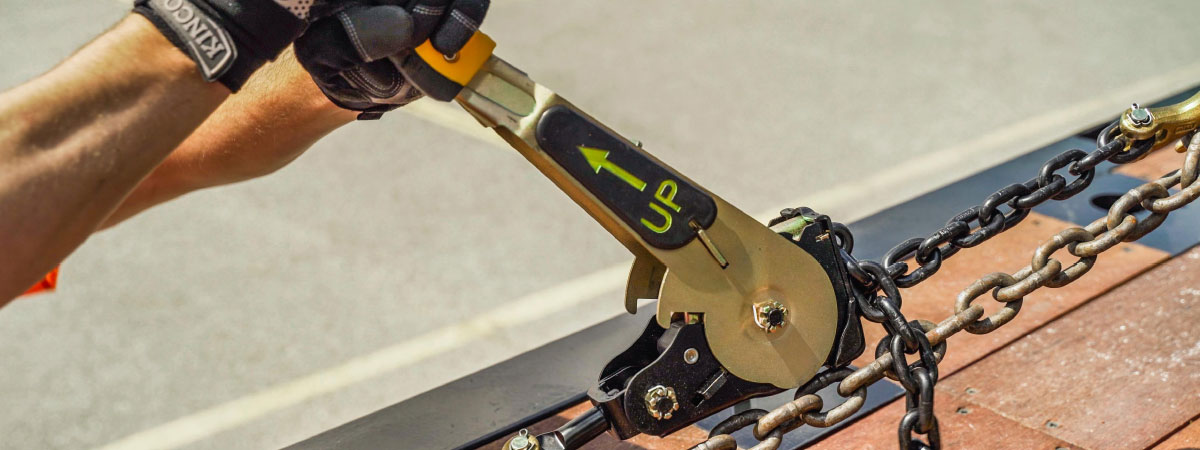
Chains are great for cargo securement, but you need to be sure it stays tight while on the move. ...
Read more
Must-Have Cargo Hauling Accessories

Must-Have Cargo Hauling Accessories

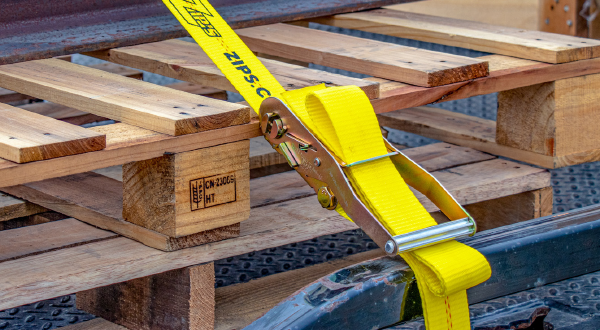
Hauling flatbed freight can be tricky. Make sure you have the right tools and cargo control ...
Read more
10 Tips to Maintain Your Industrial Trailer

10 Tips to Maintain Your Industrial Trailer

Preventative trailer maintenance on your industrial flatbed trailer can keep your rig rolling down ...
Read more
Zip’s is now an authorized Landoll dealer

Zip’s is now an authorized Landoll dealer

Zip’s AW Direct became a fully authorized Landoll dealer in February of 2020. This latest addition ...
Read more
","rss_summary":"

NEW HAMPTON, Iowa – Zip's AW Direct, a leading provider of heavy-duty wreckers, rotators, car carriers, service bodies and industrial trailers, proudly announces the addition of Johnnie Manier to its equipment sales team. This strategic hire strengthens Zip’s ability to deliver knowledgeable, hands-on consultation to customers across Michigan.

\n","rss_body":"

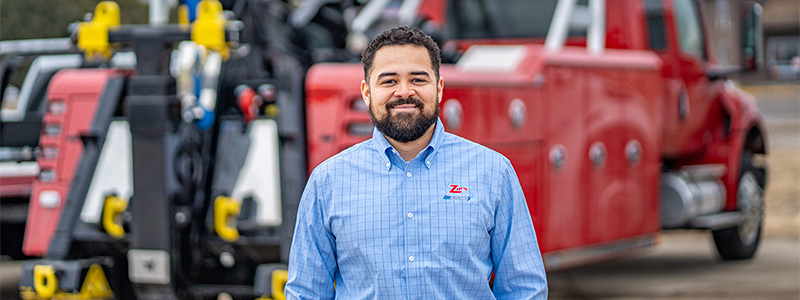
NEW HAMPTON, Iowa – Zip's AW Direct, a leading provider of heavy-duty wreckers, rotators, car carriers, service bodies and industrial trailers, proudly announces the addition of Johnnie Manier to its equipment sales team. This strategic hire strengthens Zip’s ability to deliver knowledgeable, hands-on consultation to customers across Michigan.

\n

Based out of our location in the Detroit suburb of Taylor, Johnnie brings to his new position more than a decade of professional experience in the trucking industry. No stranger to coast-to-coast industrial hauling, he offers firsthand knowledge of equipment operation, real-world road conditions and the day-to-day demands professional operators face.

\n

“We’re excited to officially welcome Johnnie to our sales team,” said Eric Albertson, Executive Director of Equipment Sales at Zip’s. “From the moment he walked in the door, it was clear he brings great energy, strong people skills and a passion for the towing industry. With his background in the trucking industry, Johnnie brings valuable knowledge of over-the-road operations, weight laws and axle limits.”

\n

As an Equipment Sales Specialist, Johnnie will guide customers toward equipment solutions that enhance performance, safety and profitability. A Detroit native, he understands the work ethic and values that define the operators he serves. He is family-oriented, married with a daughter and deeply connected to his community.

\n

“Johnnie will be the face of our Michigan storefront, supporting our loyal local customers while also playing a key role on our national sales team, helping customers across the country find the right trucks for their needs,” Albertson said. “We’re thrilled to have Johnnie on board and look forward to the impact he’ll make. Be sure to stop in and meet him!”

\n

With Johnnie’s addition, Zip’s AW Direct continues to invest in experienced professionals who understand the industry from the ground up and are dedicated to supporting customers with expertise, integrity and service. Johnnie can be reached in the office at 800-222-6047, ext. 70008, by email at or by cell at 313-720-8440.

\n","enable_google_amp_output_override":false,"generate_json_ld_enabled":true,"blog_post_schedule_task_uid":null,"blog_publish_to_social_media_task":"DONE_NOT_SENT","blog_publish_instant_email_task_uid":null,"blog_publish_instant_email_campaign_id":null,"blog_publish_instant_email_retry_count":null,"keywords":[],"composition_id":0,"is_crawlable_by_bots":false,"html_title":"Zip’s AW Direct Welcomes Johnnie Manier to Equipment Sales Team","public_access_rules":[],"public_access_rules_enabled":false,"use_featured_image":true,"published_at":1771538217195,"layout_sections":{},"past_mab_experiment_ids":[],"deleted_by":null,"featured_image_alt_text":"","enable_layout_stylesheets":null,"tweet":null,"tweet_at":null,"campaign_name":null,"campaign_utm":null,"meta_keywords":null,"meta_description":"Zip’s AW Direct Welcomes Johnnie Manier to Equipment Sales Team","tweet_immediately":false,"publish_immediately":true,"security_state":"NONE","scheduled_update_date":0,"placement_guids":[],"header_template_path":null,"header_variant_name":null,"footer_template_path":null,"footer_variant_name":null,"global_block_overrides":{},"property_for_dynamic_page_title":null,"property_for_dynamic_page_slug":null,"property_for_dynamic_page_meta_description":null,"property_for_dynamic_page_featured_image":null,"property_for_dynamic_page_canonical_url":null,"preview_image_src":null,"legacy_blog_tabid":null,"legacy_post_guid":null,"performable_variation_letter":null,"style_override_id":null,"has_user_changes":true,"css":{},"css_text":"","unpublished_at":0,"published_by_id":76755706,"allowed_slug_conflict":false,"ai_features":null,"link_rel_canonical_url":"","page_redirected":false,"page_expiry_enabled":null,"page_expiry_date":null,"page_expiry_redirect_id":null,"page_expiry_redirect_url":null,"deleted_by_id":null,"state_when_deleted":null,"cloned_from":null,"staged_from":null,"personas":[],"compose_body":null,"featured_image":"https://48463649.fs1.hubspotusercontent-na1.net/hubfs/48463649/johnnie-manier-header.jpg","featured_image_width":800,"featured_image_height":300,"publish_timezone_offset":null,"theme_settings_values":null,"head_html":"","footer_html":null,"attached_stylesheets":[],"enable_domain_stylesheets":null,"include_default_custom_css":null,"header":null,"password":null,"last_edit_session_id":null,"last_edit_update_id":null,"created_by_agent":null},"metaDescription":"Zip’s AW Direct Welcomes Johnnie Manier to Equipment Sales Team","metaKeywords":null,"name":"Zip’s AW Direct Welcomes Johnnie Manier to Equipment Sales Team","nextPostFeaturedImage":"https://48463649.fs1.hubspotusercontent-na1.net/hubfs/48463649/truck-showcase-trinity-towing.png","nextPostFeaturedImageAltText":"","nextPostName":"Zip's Truck Showcase: Trinity Towing","nextPostSlug":"blog/zips-truck-showcase-trinity-towing","pageExpiryDate":null,"pageExpiryEnabled":null,"pageExpiryRedirectId":null,"pageExpiryRedirectUrl":null,"pageRedirected":false,"pageTitle":"Zip’s AW Direct Welcomes Johnnie Manier to Equipment Sales Team","parentBlog":{"absoluteUrl":"/blog","allowComments":true,"ampBodyColor":"#404040","ampBodyFont":"'Helvetica Neue', Helvetica, Arial, sans-serif","ampBodyFontSize":"18","ampCustomCss":"","ampHeaderBackgroundColor":"#ffffff","ampHeaderColor":"#1e1e1e","ampHeaderFont":"'Helvetica Neue', Helvetica, Arial, sans-serif","ampHeaderFontSize":"36","ampLinkColor":"#416bb3","ampLogoAlt":"","ampLogoHeight":0,"ampLogoSrc":"","ampLogoWidth":0,"analyticsPageId":190096341139,"attachedStylesheets":[],"audienceAccess":"PUBLIC","businessUnitId":null,"captchaAfterDays":7,"captchaAlways":false,"categoryId":3,"cdnPurgeEmbargoTime":null,"closeCommentsOlder":0,"commentDateFormat":"medium","commentFormGuid":"a4128401-39db-4c54-a62b-88ff335d3a69","commentMaxThreadDepth":1,"commentModeration":false,"commentNotificationEmails":[],"commentShouldCreateContact":false,"commentVerificationText":"","cosObjectType":"BLOG","created":1747163443999,"createdDateTime":1747163443999,"dailyNotificationEmailId":null,"dateFormattingLanguage":null,"defaultGroupStyleId":"","defaultNotificationFromName":"","defaultNotificationReplyTo":"","deletedAt":0,"description":"","domain":"","domainWhenPublished":"www.zips.com","emailApiSubscriptionId":null,"enableGoogleAmpOutput":true,"enableSocialAutoPublishing":false,"generateJsonLdEnabled":true,"header":null,"htmlFooter":"","htmlFooterIsShared":true,"htmlHead":"","htmlHeadIsShared":true,"htmlKeywords":[],"htmlTitle":"blog","id":190096341139,"ilsSubscriptionListsByType":{},"instantNotificationEmailId":null,"itemLayoutId":null,"itemTemplateIsShared":false,"itemTemplatePath":"zips-basic-theme/templates/blog-post.html","label":"blog","language":"en","legacyGuid":null,"legacyModuleId":null,"legacyTabId":null,"listingLayoutId":null,"listingPageId":190096341141,"listingTemplatePath":"","liveDomain":"www.zips.com","monthFilterFormat":"MMMM yyyy","monthlyNotificationEmailId":null,"name":"blog","parentBlogUpdateTaskId":null,"portalId":48463649,"postHtmlFooter":"","postHtmlHead":"","postsPerListingPage":111,"postsPerRssFeed":10,"publicAccessRules":[],"publicAccessRulesEnabled":false,"publicTitle":"blog","publishDateFormat":"medium","resolvedDomain":"www.zips.com","rootUrl":"/blog","rssCustomFeed":null,"rssDescription":null,"rssItemFooter":null,"rssItemHeader":null,"settingsOverrides":{"itemLayoutId":false,"itemTemplatePath":false,"itemTemplateIsShared":false,"listingLayoutId":false,"listingTemplatePath":false,"postsPerListingPage":false,"showSummaryInListing":false,"useFeaturedImageInSummary":false,"htmlHead":false,"postHtmlHead":false,"htmlHeadIsShared":false,"htmlFooter":false,"listingPageHtmlFooter":false,"postHtmlFooter":false,"htmlFooterIsShared":false,"attachedStylesheets":false,"postsPerRssFeed":false,"showSummaryInRss":false,"showSummaryInEmails":false,"showSummariesInEmails":false,"allowComments":false,"commentShouldCreateContact":false,"commentModeration":false,"closeCommentsOlder":false,"commentNotificationEmails":false,"commentMaxThreadDepth":false,"commentVerificationText":false,"socialAccountTwitter":false,"showSocialLinkTwitter":false,"showSocialLinkLinkedin":false,"showSocialLinkFacebook":false,"enableGoogleAmpOutput":false,"ampLogoSrc":false,"ampLogoHeight":false,"ampLogoWidth":false,"ampLogoAlt":false,"ampHeaderFont":false,"ampHeaderFontSize":false,"ampHeaderColor":false,"ampHeaderBackgroundColor":false,"ampBodyFont":false,"ampBodyFontSize":false,"ampBodyColor":false,"ampLinkColor":false,"generateJsonLdEnabled":false},"showSocialLinkFacebook":true,"showSocialLinkLinkedin":true,"showSocialLinkTwitter":true,"showSummaryInEmails":true,"showSummaryInListing":true,"showSummaryInRss":true,"siteId":null,"slug":"blog","socialAccountTwitter":"","state":null,"subscriptionContactsProperty":null,"subscriptionEmailType":null,"subscriptionFormGuid":null,"subscriptionListsByType":{},"title":null,"translatedFromId":null,"translations":{},"updated":1755110916417,"updatedDateTime":1755110916417,"urlBase":"www.zips.com/blog","urlSegments":{"all":"all","archive":"archive","author":"author","page":"page","tag":"tag"},"useFeaturedImageInSummary":true,"usesDefaultTemplate":false,"weeklyNotificationEmailId":null},"password":null,"pastMabExperimentIds":[],"performableGuid":null,"performableVariationLetter":null,"personalizationStrategyId":null,"personalizationVariantStatus":null,"personas":[],"placementGuids":[],"portableKey":null,"portalId":48463649,"position":null,"postBody":"

NEW HAMPTON, Iowa – Zip's AW Direct, a leading provider of heavy-duty wreckers, rotators, car carriers, service bodies and industrial trailers, proudly announces the addition of Johnnie Manier to its equipment sales team. This strategic hire strengthens Zip’s ability to deliver knowledgeable, hands-on consultation to customers across Michigan.

\n

Based out of our location in the Detroit suburb of Taylor, Johnnie brings to his new position more than a decade of professional experience in the trucking industry. No stranger to coast-to-coast industrial hauling, he offers firsthand knowledge of equipment operation, real-world road conditions and the day-to-day demands professional operators face.

\n

“We’re excited to officially welcome Johnnie to our sales team,” said Eric Albertson, Executive Director of Equipment Sales at Zip’s. “From the moment he walked in the door, it was clear he brings great energy, strong people skills and a passion for the towing industry. With his background in the trucking industry, Johnnie brings valuable knowledge of over-the-road operations, weight laws and axle limits.”

\n

As an Equipment Sales Specialist, Johnnie will guide customers toward equipment solutions that enhance performance, safety and profitability. A Detroit native, he understands the work ethic and values that define the operators he serves. He is family-oriented, married with a daughter and deeply connected to his community.

\n

“Johnnie will be the face of our Michigan storefront, supporting our loyal local customers while also playing a key role on our national sales team, helping customers across the country find the right trucks for their needs,” Albertson said. “We’re thrilled to have Johnnie on board and look forward to the impact he’ll make. Be sure to stop in and meet him!”

\n

With Johnnie’s addition, Zip’s AW Direct continues to invest in experienced professionals who understand the industry from the ground up and are dedicated to supporting customers with expertise, integrity and service. Johnnie can be reached in the office at 800-222-6047, ext. 70008, by email at or by cell at 313-720-8440.

\n","postBodyRss":"

NEW HAMPTON, Iowa – Zip's AW Direct, a leading provider of heavy-duty wreckers, rotators, car carriers, service bodies and industrial trailers, proudly announces the addition of Johnnie Manier to its equipment sales team. This strategic hire strengthens Zip’s ability to deliver knowledgeable, hands-on consultation to customers across Michigan.

\n

Based out of our location in the Detroit suburb of Taylor, Johnnie brings to his new position more than a decade of professional experience in the trucking industry. No stranger to coast-to-coast industrial hauling, he offers firsthand knowledge of equipment operation, real-world road conditions and the day-to-day demands professional operators face.

\n

“We’re excited to officially welcome Johnnie to our sales team,” said Eric Albertson, Executive Director of Equipment Sales at Zip’s. “From the moment he walked in the door, it was clear he brings great energy, strong people skills and a passion for the towing industry. With his background in the trucking industry, Johnnie brings valuable knowledge of over-the-road operations, weight laws and axle limits.”

\n

As an Equipment Sales Specialist, Johnnie will guide customers toward equipment solutions that enhance performance, safety and profitability. A Detroit native, he understands the work ethic and values that define the operators he serves. He is family-oriented, married with a daughter and deeply connected to his community.

\n

“Johnnie will be the face of our Michigan storefront, supporting our loyal local customers while also playing a key role on our national sales team, helping customers across the country find the right trucks for their needs,” Albertson said. “We’re thrilled to have Johnnie on board and look forward to the impact he’ll make. Be sure to stop in and meet him!”

\n

With Johnnie’s addition, Zip’s AW Direct continues to invest in experienced professionals who understand the industry from the ground up and are dedicated to supporting customers with expertise, integrity and service. Johnnie can be reached in the office at 800-222-6047, ext. 70008, by email at or by cell at 313-720-8440.

\n","postEmailContent":"

NEW HAMPTON, Iowa – Zip's AW Direct, a leading provider of heavy-duty wreckers, rotators, car carriers, service bodies and industrial trailers, proudly announces the addition of Johnnie Manier to its equipment sales team. This strategic hire strengthens Zip’s ability to deliver knowledgeable, hands-on consultation to customers across Michigan.

","postFeaturedImageIfEnabled":"https://48463649.fs1.hubspotusercontent-na1.net/hubfs/48463649/johnnie-manier-header.jpg","postListContent":"

NEW HAMPTON, Iowa – Zip's AW Direct, a leading provider of heavy-duty wreckers, rotators, car carriers, service bodies and industrial trailers, proudly announces the addition of Johnnie Manier to its equipment sales team. This strategic hire strengthens Zip’s ability to deliver knowledgeable, hands-on consultation to customers across Michigan.

","postListSummaryFeaturedImage":"https://48463649.fs1.hubspotusercontent-na1.net/hubfs/48463649/johnnie-manier-header.jpg","postRssContent":"

NEW HAMPTON, Iowa – Zip's AW Direct, a leading provider of heavy-duty wreckers, rotators, car carriers, service bodies and industrial trailers, proudly announces the addition of Johnnie Manier to its equipment sales team. This strategic hire strengthens Zip’s ability to deliver knowledgeable, hands-on consultation to customers across Michigan.

","postRssSummaryFeaturedImage":"https://48463649.fs1.hubspotusercontent-na1.net/hubfs/48463649/johnnie-manier-header.jpg","postSummary":"

NEW HAMPTON, Iowa – Zip's AW Direct, a leading provider of heavy-duty wreckers, rotators, car carriers, service bodies and industrial trailers, proudly announces the addition of Johnnie Manier to its equipment sales team. This strategic hire strengthens Zip’s ability to deliver knowledgeable, hands-on consultation to customers across Michigan.

\n","postSummaryRss":"

NEW HAMPTON, Iowa – Zip's AW Direct, a leading provider of heavy-duty wreckers, rotators, car carriers, service bodies and industrial trailers, proudly announces the addition of Johnnie Manier to its equipment sales team. This strategic hire strengthens Zip’s ability to deliver knowledgeable, hands-on consultation to customers across Michigan.

","postTemplate":"zips-basic-theme/templates/blog-post.html","previewImageSrc":null,"previewKey":"BYcLmjGc","previousPostFeaturedImage":"https://48463649.fs1.hubspotusercontent-na1.net/hubfs/48463649/kevin-andera-header.jpg","previousPostFeaturedImageAltText":"","previousPostName":"Kevin Andera - Sales Rep.","previousPostSlug":"blog/kevin-andera-sales-rep","processingStatus":"PUBLISHED","propertyForDynamicPageCanonicalUrl":null,"propertyForDynamicPageFeaturedImage":null,"propertyForDynamicPageMetaDescription":null,"propertyForDynamicPageSlug":null,"propertyForDynamicPageTitle":null,"publicAccessRules":[],"publicAccessRulesEnabled":false,"publishDate":1771538217000,"publishDateLocalTime":1771538217000,"publishDateLocalized":{"date":1771538217000,"format":"medium","language":null},"publishImmediately":true,"publishTimezoneOffset":null,"publishedAt":1771538217195,"publishedByEmail":null,"publishedById":76755706,"publishedByName":null,"publishedUrl":"/blog/johnnie-manier-equipment-sales-team","resolvedDomain":"www.zips.com","resolvedLanguage":null,"rssBody":"

NEW HAMPTON, Iowa – Zip's AW Direct, a leading provider of heavy-duty wreckers, rotators, car carriers, service bodies and industrial trailers, proudly announces the addition of Johnnie Manier to its equipment sales team. This strategic hire strengthens Zip’s ability to deliver knowledgeable, hands-on consultation to customers across Michigan.

\n

Based out of our location in the Detroit suburb of Taylor, Johnnie brings to his new position more than a decade of professional experience in the trucking industry. No stranger to coast-to-coast industrial hauling, he offers firsthand knowledge of equipment operation, real-world road conditions and the day-to-day demands professional operators face.

\n

“We’re excited to officially welcome Johnnie to our sales team,” said Eric Albertson, Executive Director of Equipment Sales at Zip’s. “From the moment he walked in the door, it was clear he brings great energy, strong people skills and a passion for the towing industry. With his background in the trucking industry, Johnnie brings valuable knowledge of over-the-road operations, weight laws and axle limits.”

\n

As an Equipment Sales Specialist, Johnnie will guide customers toward equipment solutions that enhance performance, safety and profitability. A Detroit native, he understands the work ethic and values that define the operators he serves. He is family-oriented, married with a daughter and deeply connected to his community.

\n

“Johnnie will be the face of our Michigan storefront, supporting our loyal local customers while also playing a key role on our national sales team, helping customers across the country find the right trucks for their needs,” Albertson said. “We’re thrilled to have Johnnie on board and look forward to the impact he’ll make. Be sure to stop in and meet him!”

\n

With Johnnie’s addition, Zip’s AW Direct continues to invest in experienced professionals who understand the industry from the ground up and are dedicated to supporting customers with expertise, integrity and service. Johnnie can be reached in the office at 800-222-6047, ext. 70008, by email at or by cell at 313-720-8440.

\n","rssSummary":"

NEW HAMPTON, Iowa – Zip's AW Direct, a leading provider of heavy-duty wreckers, rotators, car carriers, service bodies and industrial trailers, proudly announces the addition of Johnnie Manier to its equipment sales team. This strategic hire strengthens Zip’s ability to deliver knowledgeable, hands-on consultation to customers across Michigan.

\n","rssSummaryFeaturedImage":"https://48463649.fs1.hubspotusercontent-na1.net/hubfs/48463649/johnnie-manier-header.jpg","scheduledUpdateDate":0,"screenshotPreviewTakenAt":1771538217564,"screenshotPreviewUrl":"https://cdn1.hubspot.net/hubshotv3/prod/e/0/677d4e78-7a05-499f-9241-08180e4df346.png","sections":{},"securityState":"NONE","siteId":null,"slug":"blog/johnnie-manier-equipment-sales-team","stagedFrom":null,"state":"PUBLISHED","stateWhenDeleted":null,"structuredContentPageType":null,"structuredContentType":null,"styleOverrideId":null,"subcategory":"normal_blog_post","syncedWithBlogRoot":true,"tagIds":[192169769098,192169769490,192174528148,192174529697,192174572390,194719179273,194719586584],"tagList":[{"categoryId":3,"cdnPurgeEmbargoTime":null,"contentIds":[],"cosObjectType":"TAG","created":1751598252099,"deletedAt":0,"description":"","id":192169769098,"label":"Over the Road","language":null,"name":"Over the Road","portalId":48463649,"slug":"over-the-road","translatedFromId":null,"translations":{},"updated":1751598252099},{"categoryId":3,"cdnPurgeEmbargoTime":null,"contentIds":[],"cosObjectType":"TAG","created":1751598346713,"deletedAt":0,"description":"","id":192169769490,"label":"Towing & Recovery","language":null,"name":"Towing & Recovery","portalId":48463649,"slug":"towing-recovery","translatedFromId":null,"translations":{},"updated":1751598346713},{"categoryId":3,"cdnPurgeEmbargoTime":null,"contentIds":[],"cosObjectType":"TAG","created":1751601475164,"deletedAt":0,"description":"","id":192174528148,"label":"Automotive","language":null,"name":"Automotive","portalId":48463649,"slug":"automotive","translatedFromId":null,"translations":{},"updated":1751601475164},{"categoryId":3,"cdnPurgeEmbargoTime":null,"contentIds":[],"cosObjectType":"TAG","created":1751602285139,"deletedAt":0,"description":"","id":192174529697,"label":"Construction","language":null,"name":"Construction","portalId":48463649,"slug":"construction","translatedFromId":null,"translations":{},"updated":1751602285139},{"categoryId":3,"cdnPurgeEmbargoTime":null,"contentIds":[],"cosObjectType":"TAG","created":1751602285335,"deletedAt":0,"description":"","id":192174572390,"label":"Agriculture","language":null,"name":"Agriculture","portalId":48463649,"slug":"agriculture","translatedFromId":null,"translations":{},"updated":1751602285335},{"categoryId":3,"cdnPurgeEmbargoTime":null,"contentIds":[],"cosObjectType":"TAG","created":1755545199638,"deletedAt":0,"description":"","id":194719179273,"label":"News & Insights","language":null,"name":"News & Insights","portalId":48463649,"slug":"news-insights","translatedFromId":null,"translations":{},"updated":1755545199638},{"categoryId":3,"cdnPurgeEmbargoTime":null,"contentIds":[],"cosObjectType":"TAG","created":1755545289731,"deletedAt":0,"description":"","id":194719586584,"label":"Press Release","language":null,"name":"Press Release","portalId":48463649,"slug":"press-release","translatedFromId":null,"translations":{},"updated":1755545289731}],"tagNames":["Over the Road","Towing & Recovery","Automotive","Construction","Agriculture","News & Insights","Press Release"],"teamPerms":[],"templatePath":"","templatePathForRender":"zips-basic-theme/templates/blog-post.html","textToAudioFileId":null,"textToAudioGenerationRequestId":null,"themePath":null,"themeSettingsValues":null,"title":"Zip’s AW Direct Welcomes Johnnie Manier to Equipment Sales Team","tmsId":null,"topicIds":[192169769098,192169769490,192174528148,192174529697,192174572390,194719179273,194719586584],"topicList":[{"categoryId":3,"cdnPurgeEmbargoTime":null,"contentIds":[],"cosObjectType":"TAG","created":1751598252099,"deletedAt":0,"description":"","id":192169769098,"label":"Over the Road","language":null,"name":"Over the Road","portalId":48463649,"slug":"over-the-road","translatedFromId":null,"translations":{},"updated":1751598252099},{"categoryId":3,"cdnPurgeEmbargoTime":null,"contentIds":[],"cosObjectType":"TAG","created":1751598346713,"deletedAt":0,"description":"","id":192169769490,"label":"Towing & Recovery","language":null,"name":"Towing & Recovery","portalId":48463649,"slug":"towing-recovery","translatedFromId":null,"translations":{},"updated":1751598346713},{"categoryId":3,"cdnPurgeEmbargoTime":null,"contentIds":[],"cosObjectType":"TAG","created":1751601475164,"deletedAt":0,"description":"","id":192174528148,"label":"Automotive","language":null,"name":"Automotive","portalId":48463649,"slug":"automotive","translatedFromId":null,"translations":{},"updated":1751601475164},{"categoryId":3,"cdnPurgeEmbargoTime":null,"contentIds":[],"cosObjectType":"TAG","created":1751602285139,"deletedAt":0,"description":"","id":192174529697,"label":"Construction","language":null,"name":"Construction","portalId":48463649,"slug":"construction","translatedFromId":null,"translations":{},"updated":1751602285139},{"categoryId":3,"cdnPurgeEmbargoTime":null,"contentIds":[],"cosObjectType":"TAG","created":1751602285335,"deletedAt":0,"description":"","id":192174572390,"label":"Agriculture","language":null,"name":"Agriculture","portalId":48463649,"slug":"agriculture","translatedFromId":null,"translations":{},"updated":1751602285335},{"categoryId":3,"cdnPurgeEmbargoTime":null,"contentIds":[],"cosObjectType":"TAG","created":1755545199638,"deletedAt":0,"description":"","id":194719179273,"label":"News & Insights","language":null,"name":"News & Insights","portalId":48463649,"slug":"news-insights","translatedFromId":null,"translations":{},"updated":1755545199638},{"categoryId":3,"cdnPurgeEmbargoTime":null,"contentIds":[],"cosObjectType":"TAG","created":1755545289731,"deletedAt":0,"description":"","id":194719586584,"label":"Press Release","language":null,"name":"Press Release","portalId":48463649,"slug":"press-release","translatedFromId":null,"translations":{},"updated":1755545289731}],"topicNames":["Over the Road","Towing & Recovery","Automotive","Construction","Agriculture","News & Insights","Press Release"],"topics":[192169769098,192169769490,192174528148,192174529697,192174572390,194719179273,194719586584],"translatedContent":{},"translatedFromId":null,"translations":{},"tweet":null,"tweetAt":null,"tweetImmediately":false,"unpublishedAt":0,"updated":1771538217199,"updatedById":76755706,"upsizeFeaturedImage":false,"url":"/blog/johnnie-manier-equipment-sales-team","useFeaturedImage":true,"userPerms":[],"views":null,"visibleToAll":null,"widgetContainers":{},"widgetcontainers":{},"widgets":{}},{"ab":false,"abStatus":null,"abTestId":null,"abVariation":false,"abVariationAutomated":false,"absoluteUrl":"/blog/zips-truck-showcase-trinity-towing","afterPostBody":null,"aifeatures":null,"allowedSlugConflict":false,"analytics":null,"analyticsPageId":"196636370252","analyticsPageType":"blog-post","approvalStatus":null,"archived":false,"archivedAt":0,"archivedInDashboard":false,"areCommentsAllowed":true,"attachedStylesheets":[],"audienceAccess":"PUBLIC","author":null,"authorName":null,"authorUsername":null,"blogAuthor":{"avatar":"","bio":"","cdnPurgeEmbargoTime":null,"cosObjectType":"BLOG_AUTHOR","created":1755187092136,"deletedAt":0,"displayName":"Cameron Hanson","email":null,"facebook":"","fullName":"Cameron Hanson","gravatarUrl":null,"hasSocialProfiles":false,"id":194499322288,"label":"Cameron Hanson","language":"en","linkedin":"","name":" Cameron Hanson","portalId":48463649,"slug":"cameron-hanson","translatedFromId":null,"translations":{},"twitter":"","twitterUsername":"","updated":1755187092136,"userId":null,"username":null,"website":""},"blogAuthorId":194499322288,"blogAuthorIdList":[194499322288],"blogAuthorList":[{"avatar":"","bio":"","cdnPurgeEmbargoTime":null,"cosObjectType":"BLOG_AUTHOR","created":1755187092136,"deletedAt":0,"displayName":"Cameron Hanson","email":null,"facebook":"","fullName":"Cameron Hanson","gravatarUrl":null,"hasSocialProfiles":false,"id":194499322288,"label":"Cameron Hanson","language":"en","linkedin":"","name":" Cameron Hanson","portalId":48463649,"slug":"cameron-hanson","translatedFromId":null,"translations":{},"twitter":"","twitterUsername":"","updated":1755187092136,"userId":null,"username":null,"website":""}],"blogPostAuthor":{"avatar":"","bio":"","cdnPurgeEmbargoTime":null,"cosObjectType":"BLOG_AUTHOR","created":1755187092136,"deletedAt":0,"displayName":"Cameron Hanson","email":null,"facebook":"","fullName":"Cameron Hanson","gravatarUrl":null,"hasSocialProfiles":false,"id":194499322288,"label":"Cameron Hanson","language":"en","linkedin":"","name":" Cameron Hanson","portalId":48463649,"slug":"cameron-hanson","translatedFromId":null,"translations":{},"twitter":"","twitterUsername":"","updated":1755187092136,"userId":null,"username":null,"website":""},"blogPostScheduleTaskUid":null,"blogPublishInstantEmailCampaignId":null,"blogPublishInstantEmailRetryCount":null,"blogPublishInstantEmailTaskUid":null,"blogPublishToSocialMediaTask":"DONE_NOT_SENT","blueprintTypeId":0,"businessUnitId":null,"campaign":null,"campaignName":null,"campaignUtm":null,"category":3,"categoryId":3,"cdnPurgeEmbargoTime":null,"checkPostLevelAudienceAccessFirst":true,"clonedFrom":null,"composeBody":null,"compositionId":0,"contentAccessRuleIds":[],"contentAccessRuleTypes":[],"contentGroup":190096341139,"contentGroupId":190096341139,"contentTypeCategory":3,"contentTypeCategoryId":3,"contentTypeId":null,"created":1758825835107,"createdByAgent":null,"createdById":76755706,"createdTime":1758825835107,"crmObjectId":null,"css":{},"cssText":"","ctaClicks":null,"ctaViews":null,"currentState":"PUBLISHED","currentlyPublished":true,"deletedAt":0,"deletedBy":null,"deletedByEmail":null,"deletedById":null,"domain":"","dynamicPageDataSourceId":null,"dynamicPageDataSourceType":null,"dynamicPageHubDbTableId":null,"enableDomainStylesheets":null,"enableGoogleAmpOutputOverride":false,"enableLayoutStylesheets":null,"errors":[],"featuredImage":"https://48463649.fs1.hubspotusercontent-na1.net/hubfs/48463649/truck-showcase-trinity-towing.png","featuredImageAltText":"","featuredImageHeight":434,"featuredImageLength":0,"featuredImageWidth":648,"flexAreas":{},"folderId":null,"footerHtml":null,"footerTemplatePath":null,"footerVariantName":null,"freezeDate":1759006800000,"generateJsonLdEnabledOverride":true,"globalBlockOverrides":{},"hasContentAccessRules":false,"hasUserChanges":true,"headHtml":"","header":null,"headerTemplatePath":null,"headerVariantName":null,"htmlTitle":"Zip's Truck Showcase: Trinity Towing","id":196636370252,"includeDefaultCustomCss":null,"isCaptchaRequired":true,"isCrawlableByBots":false,"isDraft":false,"isInstantEmailEnabled":false,"isPublished":true,"isSocialPublishingEnabled":false,"keywords":[],"label":"Zip's Truck Showcase: Trinity Towing","language":"en","lastEditSessionId":null,"lastEditUpdateId":null,"layoutSections":{},"legacyBlogTabid":null,"legacyId":null,"legacyPostGuid":null,"linkRelCanonicalUrl":"","listTemplate":"","liveDomain":"www.zips.com","mab":false,"mabExperimentId":null,"mabMaster":false,"mabVariant":false,"marketingCampaignGuids":[],"meta":{"html_title":"Zip's Truck Showcase: Trinity Towing","public_access_rules":[],"public_access_rules_enabled":false,"use_featured_image":true,"tag_ids":[192169769098,192169769490,192169769491],"topic_ids":[192169769098,192169769490,192169769491],"post_summary":"
\n
\n
\n
\n
\n

Truck Details: 2024 Ram 4500 Vulcan 810 Wreckers

\n

Company: Trinity Towing

\n

Sales Rep: Cole Schmitt

\n
\n
\n
\"header-truck\"
\n
\n
\n
\n

San Antonio-based company expands with help from Zip’s

\n
","post_body":"
\n
\n
\n
\n
\n

Truck Details: 2024 Ram 4500 Vulcan 810 Wreckers

\n

Company: Trinity Towing

\n

Sales Rep: Cole Schmitt

\n
\n
\n
\"header-truck\"
\n
\n
\n
\n

San Antonio-based company expands with help from Zip’s

\n

Trinity Towing is not your typical towing company. They don't respond to accidents, breakdowns or recoveries. Instead, they cater exclusively to private property management companies to remove nuisance vehicles.

\n
\n
\n

Based in San Antonio, TX, owner Alex Garcia said his team focuses on moving vehicles that are illegally parked at apartment complexes, strip malls and other posted areas. He described their work as \"non-consent\" vehicle relocation.

\n

\"We specialize in private property towing with 100 percent of our calls,\" he explained.

\n

Recent growth within their customer base as well as strategic partnerships has led to the expansion and upgrades to their fleet of light-duty wreckers. Within the last year, they have bought four new wreckers from Zip's.

\n
\n
\n

\"quote-1\"

\n
\n
\n

\"Our growth as a company has been a combination of just good customer service and growing along with our clients,\" Alex said. \"We have a good team of office staff and drivers here.\"

\n

Garcia said he needs trucks that are nimble for navigating tight parking lots and city traffic. That’s why he likes Miller’s Vulcan 810 light-duty wreckers. He said they are just the right fit for their operation.

\n
\n
\"truck-collage-1\"
\n
\n

“We need our drivers to get in and get out as quickly as possible. We have to have trucks that can get into tight spaces that normal flatbeds and medium-size wreckers just can’t do,” he said.

\n

The company purchased three new wreckers from Zip’s in December and added a fourth one this spring. All are identically built to Ram 4500 chassis with autoloaders. These latest additions were their first truck purchases from Zip’s and bring their fleet total to 14 units.

\n

“These new trucks have been both a mix of adding to our fleet as well as taking some of our older trucks out of service,” Alex said.

\n

Before reaching out to Zip’s, they had previously worked with a dealer a little closer to home, but truck orders and deliveries kept getting delayed, thus prompting a change in vendors.

\n

“We were growing at a pace faster than what they could keep up with,” he said. “Our lead times continued to get longer and longer, and we got to a choke point where we couldn't wait any longer on these trucks. So myself and my office manager started looking around and came across Zip’s. They seemed to just kind of fit the bill with everything in one place, so we decided to give them a try.”

\n

The four trucks purchased from Zip’s were completed on time and a few even slightly ahead of schedule. Alex and his staff picked up the trucks at New Hampton and toured the production facility. He said they were impressed by the level of professionalism exhibited by the staff and were especially pleased with sales rep Cole Schmitt. Alex said he appreciated the personal interaction, attention to detail and service after the sale from Cole.

\n

“We were all very impressed by our trip to Iowa,” Alex said. “I would say just the experience from the beginning all the way to the end has been great with Zip’s. Cole has been excellent at following up with us and seeing if we’re having any issues. He was very helpful with any questions we had with the trucks and responding with all the information that we needed. We won’t be going away and will definitely recommend Zip’s to other towing companies.”

\n
\n
\n
\n
\"backed_by_zips_experience\"\n

Meet Cole Schmitt, our newest member of the Zip‘s sales team. He'll take care of your equipment and truck needs from coast to coast. Give him a call or drop him a line at any time.

\n

Start your Zip’s Experience and find the best equipment to meet your needs by giving Cole a call or sending him an email today.

\n
\n
\"cole\"\n

\"contact-1\"

\n
\n
\n
\n
\n


","rss_summary":"
\n
\n
\n
\n
\n

Truck Details: 2024 Ram 4500 Vulcan 810 Wreckers

\n

Company: Trinity Towing

\n

Sales Rep: Cole Schmitt

\n
\n
\n
\"header-truck\"
\n
\n
\n
\n

San Antonio-based company expands with help from Zip’s

\n
","rss_body":"
\n
\n
\n
\n
\n

Truck Details: 2024 Ram 4500 Vulcan 810 Wreckers

\n

Company: Trinity Towing

\n

Sales Rep: Cole Schmitt

\n
\n
\n
\"header-truck\"
\n
\n
\n
\n

San Antonio-based company expands with help from Zip’s

\n

Trinity Towing is not your typical towing company. They don't respond to accidents, breakdowns or recoveries. Instead, they cater exclusively to private property management companies to remove nuisance vehicles.

\n
\n
\n

Based in San Antonio, TX, owner Alex Garcia said his team focuses on moving vehicles that are illegally parked at apartment complexes, strip malls and other posted areas. He described their work as \"non-consent\" vehicle relocation.

\n

\"We specialize in private property towing with 100 percent of our calls,\" he explained.

\n

Recent growth within their customer base as well as strategic partnerships has led to the expansion and upgrades to their fleet of light-duty wreckers. Within the last year, they have bought four new wreckers from Zip's.

\n
\n
\n

\"quote-1\"

\n
\n
\n

\"Our growth as a company has been a combination of just good customer service and growing along with our clients,\" Alex said. \"We have a good team of office staff and drivers here.\"

\n

Garcia said he needs trucks that are nimble for navigating tight parking lots and city traffic. That’s why he likes Miller’s Vulcan 810 light-duty wreckers. He said they are just the right fit for their operation.

\n
\n
\"truck-collage-1\"
\n
\n

“We need our drivers to get in and get out as quickly as possible. We have to have trucks that can get into tight spaces that normal flatbeds and medium-size wreckers just can’t do,” he said.

\n

The company purchased three new wreckers from Zip’s in December and added a fourth one this spring. All are identically built to Ram 4500 chassis with autoloaders. These latest additions were their first truck purchases from Zip’s and bring their fleet total to 14 units.

\n

“These new trucks have been both a mix of adding to our fleet as well as taking some of our older trucks out of service,” Alex said.

\n

Before reaching out to Zip’s, they had previously worked with a dealer a little closer to home, but truck orders and deliveries kept getting delayed, thus prompting a change in vendors.

\n

“We were growing at a pace faster than what they could keep up with,” he said. “Our lead times continued to get longer and longer, and we got to a choke point where we couldn't wait any longer on these trucks. So myself and my office manager started looking around and came across Zip’s. They seemed to just kind of fit the bill with everything in one place, so we decided to give them a try.”

\n

The four trucks purchased from Zip’s were completed on time and a few even slightly ahead of schedule. Alex and his staff picked up the trucks at New Hampton and toured the production facility. He said they were impressed by the level of professionalism exhibited by the staff and were especially pleased with sales rep Cole Schmitt. Alex said he appreciated the personal interaction, attention to detail and service after the sale from Cole.

\n

“We were all very impressed by our trip to Iowa,” Alex said. “I would say just the experience from the beginning all the way to the end has been great with Zip’s. Cole has been excellent at following up with us and seeing if we’re having any issues. He was very helpful with any questions we had with the trucks and responding with all the information that we needed. We won’t be going away and will definitely recommend Zip’s to other towing companies.”

\n
\n
\n
\n
\"backed_by_zips_experience\"\n

Meet Cole Schmitt, our newest member of the Zip‘s sales team. He'll take care of your equipment and truck needs from coast to coast. Give him a call or drop him a line at any time.

\n

Start your Zip’s Experience and find the best equipment to meet your needs by giving Cole a call or sending him an email today.

\n
\n
\"cole\"\n

\"contact-1\"

\n
\n
\n
\n
\n


","enable_google_amp_output_override":false,"generate_json_ld_enabled":true,"blog_post_schedule_task_uid":null,"blog_publish_to_social_media_task":"DONE_NOT_SENT","blog_publish_instant_email_task_uid":null,"blog_publish_instant_email_campaign_id":null,"blog_publish_instant_email_retry_count":null,"keywords":[],"composition_id":0,"is_crawlable_by_bots":false,"head_html":"","footer_html":null,"attached_stylesheets":[],"enable_domain_stylesheets":null,"include_default_custom_css":null,"layout_sections":{},"past_mab_experiment_ids":[],"deleted_by":null,"featured_image_alt_text":"","enable_layout_stylesheets":null,"tweet":null,"tweet_at":null,"campaign_name":null,"campaign_utm":null,"meta_keywords":null,"meta_description":"Trinity Towing caters exclusively to private property management companies to remove nuisance vehicles.","tweet_immediately":false,"publish_immediately":true,"security_state":"NONE","scheduled_update_date":0,"placement_guids":[],"header_template_path":null,"header_variant_name":null,"footer_template_path":null,"footer_variant_name":null,"global_block_overrides":{},"property_for_dynamic_page_title":null,"property_for_dynamic_page_slug":null,"property_for_dynamic_page_meta_description":null,"property_for_dynamic_page_featured_image":null,"property_for_dynamic_page_canonical_url":null,"preview_image_src":null,"legacy_blog_tabid":null,"legacy_post_guid":null,"performable_variation_letter":null,"style_override_id":null,"has_user_changes":true,"css":{},"css_text":"","unpublished_at":0,"published_by_id":76755706,"allowed_slug_conflict":false,"ai_features":null,"link_rel_canonical_url":"","page_redirected":false,"page_expiry_enabled":null,"page_expiry_date":null,"page_expiry_redirect_id":null,"page_expiry_redirect_url":null,"deleted_by_id":null,"state_when_deleted":null,"cloned_from":null,"staged_from":null,"personas":[],"compose_body":null,"featured_image":"https://48463649.fs1.hubspotusercontent-na1.net/hubfs/48463649/truck-showcase-trinity-towing.png","featured_image_width":648,"featured_image_height":434,"publish_timezone_offset":null,"theme_settings_values":null,"header":null,"password":null,"published_at":1759342708193,"last_edit_session_id":null,"last_edit_update_id":null,"created_by_agent":null},"metaDescription":"Trinity Towing caters exclusively to private property management companies to remove nuisance vehicles.","metaKeywords":null,"name":"Zip's Truck Showcase: Trinity Towing","nextPostFeaturedImage":"https://48463649.fs1.hubspotusercontent-na1.net/hubfs/48463649/m&w-towing-header.png","nextPostFeaturedImageAltText":"","nextPostName":"Zip’s Truck Showcase: M&W Towing","nextPostSlug":"blog/zips-truck-showcase-mw-towing","pageExpiryDate":null,"pageExpiryEnabled":null,"pageExpiryRedirectId":null,"pageExpiryRedirectUrl":null,"pageRedirected":false,"pageTitle":"Zip's Truck Showcase: Trinity Towing","parentBlog":{"absoluteUrl":"/blog","allowComments":true,"ampBodyColor":"#404040","ampBodyFont":"'Helvetica Neue', Helvetica, Arial, sans-serif","ampBodyFontSize":"18","ampCustomCss":"","ampHeaderBackgroundColor":"#ffffff","ampHeaderColor":"#1e1e1e","ampHeaderFont":"'Helvetica Neue', Helvetica, Arial, sans-serif","ampHeaderFontSize":"36","ampLinkColor":"#416bb3","ampLogoAlt":"","ampLogoHeight":0,"ampLogoSrc":"","ampLogoWidth":0,"analyticsPageId":190096341139,"attachedStylesheets":[],"audienceAccess":"PUBLIC","businessUnitId":null,"captchaAfterDays":7,"captchaAlways":false,"categoryId":3,"cdnPurgeEmbargoTime":null,"closeCommentsOlder":0,"commentDateFormat":"medium","commentFormGuid":"a4128401-39db-4c54-a62b-88ff335d3a69","commentMaxThreadDepth":1,"commentModeration":false,"commentNotificationEmails":[],"commentShouldCreateContact":false,"commentVerificationText":"","cosObjectType":"BLOG","created":1747163443999,"createdDateTime":1747163443999,"dailyNotificationEmailId":null,"dateFormattingLanguage":null,"defaultGroupStyleId":"","defaultNotificationFromName":"","defaultNotificationReplyTo":"","deletedAt":0,"description":"","domain":"","domainWhenPublished":"www.zips.com","emailApiSubscriptionId":null,"enableGoogleAmpOutput":true,"enableSocialAutoPublishing":false,"generateJsonLdEnabled":true,"header":null,"htmlFooter":"","htmlFooterIsShared":true,"htmlHead":"","htmlHeadIsShared":true,"htmlKeywords":[],"htmlTitle":"blog","id":190096341139,"ilsSubscriptionListsByType":{},"instantNotificationEmailId":null,"itemLayoutId":null,"itemTemplateIsShared":false,"itemTemplatePath":"zips-basic-theme/templates/blog-post.html","label":"blog","language":"en","legacyGuid":null,"legacyModuleId":null,"legacyTabId":null,"listingLayoutId":null,"listingPageId":190096341141,"listingTemplatePath":"","liveDomain":"www.zips.com","monthFilterFormat":"MMMM yyyy","monthlyNotificationEmailId":null,"name":"blog","parentBlogUpdateTaskId":null,"portalId":48463649,"postHtmlFooter":"","postHtmlHead":"","postsPerListingPage":111,"postsPerRssFeed":10,"publicAccessRules":[],"publicAccessRulesEnabled":false,"publicTitle":"blog","publishDateFormat":"medium","resolvedDomain":"www.zips.com","rootUrl":"/blog","rssCustomFeed":null,"rssDescription":null,"rssItemFooter":null,"rssItemHeader":null,"settingsOverrides":{"itemLayoutId":false,"itemTemplatePath":false,"itemTemplateIsShared":false,"listingLayoutId":false,"listingTemplatePath":false,"postsPerListingPage":false,"showSummaryInListing":false,"useFeaturedImageInSummary":false,"htmlHead":false,"postHtmlHead":false,"htmlHeadIsShared":false,"htmlFooter":false,"listingPageHtmlFooter":false,"postHtmlFooter":false,"htmlFooterIsShared":false,"attachedStylesheets":false,"postsPerRssFeed":false,"showSummaryInRss":false,"showSummaryInEmails":false,"showSummariesInEmails":false,"allowComments":false,"commentShouldCreateContact":false,"commentModeration":false,"closeCommentsOlder":false,"commentNotificationEmails":false,"commentMaxThreadDepth":false,"commentVerificationText":false,"socialAccountTwitter":false,"showSocialLinkTwitter":false,"showSocialLinkLinkedin":false,"showSocialLinkFacebook":false,"enableGoogleAmpOutput":false,"ampLogoSrc":false,"ampLogoHeight":false,"ampLogoWidth":false,"ampLogoAlt":false,"ampHeaderFont":false,"ampHeaderFontSize":false,"ampHeaderColor":false,"ampHeaderBackgroundColor":false,"ampBodyFont":false,"ampBodyFontSize":false,"ampBodyColor":false,"ampLinkColor":false,"generateJsonLdEnabled":false},"showSocialLinkFacebook":true,"showSocialLinkLinkedin":true,"showSocialLinkTwitter":true,"showSummaryInEmails":true,"showSummaryInListing":true,"showSummaryInRss":true,"siteId":null,"slug":"blog","socialAccountTwitter":"","state":null,"subscriptionContactsProperty":null,"subscriptionEmailType":null,"subscriptionFormGuid":null,"subscriptionListsByType":{},"title":null,"translatedFromId":null,"translations":{},"updated":1755110916417,"updatedDateTime":1755110916417,"urlBase":"www.zips.com/blog","urlSegments":{"all":"all","archive":"archive","author":"author","page":"page","tag":"tag"},"useFeaturedImageInSummary":true,"usesDefaultTemplate":false,"weeklyNotificationEmailId":null},"password":null,"pastMabExperimentIds":[],"performableGuid":null,"performableVariationLetter":null,"personalizationStrategyId":null,"personalizationVariantStatus":null,"personas":[],"placementGuids":[],"portableKey":null,"portalId":48463649,"position":null,"postBody":"
\n
\n
\n
\n
\n

Truck Details: 2024 Ram 4500 Vulcan 810 Wreckers

\n

Company: Trinity Towing

\n

Sales Rep: Cole Schmitt

\n
\n
\n
\"header-truck\"
\n
\n
\n
\n

San Antonio-based company expands with help from Zip’s

\n

Trinity Towing is not your typical towing company. They don't respond to accidents, breakdowns or recoveries. Instead, they cater exclusively to private property management companies to remove nuisance vehicles.

\n
\n
\n

Based in San Antonio, TX, owner Alex Garcia said his team focuses on moving vehicles that are illegally parked at apartment complexes, strip malls and other posted areas. He described their work as \"non-consent\" vehicle relocation.

\n

\"We specialize in private property towing with 100 percent of our calls,\" he explained.

\n

Recent growth within their customer base as well as strategic partnerships has led to the expansion and upgrades to their fleet of light-duty wreckers. Within the last year, they have bought four new wreckers from Zip's.

\n
\n
\n

\"quote-1\"

\n
\n
\n

\"Our growth as a company has been a combination of just good customer service and growing along with our clients,\" Alex said. \"We have a good team of office staff and drivers here.\"

\n

Garcia said he needs trucks that are nimble for navigating tight parking lots and city traffic. That’s why he likes Miller’s Vulcan 810 light-duty wreckers. He said they are just the right fit for their operation.

\n
\n
\"truck-collage-1\"
\n
\n

“We need our drivers to get in and get out as quickly as possible. We have to have trucks that can get into tight spaces that normal flatbeds and medium-size wreckers just can’t do,” he said.

\n

The company purchased three new wreckers from Zip’s in December and added a fourth one this spring. All are identically built to Ram 4500 chassis with autoloaders. These latest additions were their first truck purchases from Zip’s and bring their fleet total to 14 units.

\n

“These new trucks have been both a mix of adding to our fleet as well as taking some of our older trucks out of service,” Alex said.

\n

Before reaching out to Zip’s, they had previously worked with a dealer a little closer to home, but truck orders and deliveries kept getting delayed, thus prompting a change in vendors.

\n

“We were growing at a pace faster than what they could keep up with,” he said. “Our lead times continued to get longer and longer, and we got to a choke point where we couldn't wait any longer on these trucks. So myself and my office manager started looking around and came across Zip’s. They seemed to just kind of fit the bill with everything in one place, so we decided to give them a try.”

\n

The four trucks purchased from Zip’s were completed on time and a few even slightly ahead of schedule. Alex and his staff picked up the trucks at New Hampton and toured the production facility. He said they were impressed by the level of professionalism exhibited by the staff and were especially pleased with sales rep Cole Schmitt. Alex said he appreciated the personal interaction, attention to detail and service after the sale from Cole.

\n

“We were all very impressed by our trip to Iowa,” Alex said. “I would say just the experience from the beginning all the way to the end has been great with Zip’s. Cole has been excellent at following up with us and seeing if we’re having any issues. He was very helpful with any questions we had with the trucks and responding with all the information that we needed. We won’t be going away and will definitely recommend Zip’s to other towing companies.”

\n
\n
\n
\n
\"backed_by_zips_experience\"\n

Meet Cole Schmitt, our newest member of the Zip‘s sales team. He'll take care of your equipment and truck needs from coast to coast. Give him a call or drop him a line at any time.

\n

Start your Zip’s Experience and find the best equipment to meet your needs by giving Cole a call or sending him an email today.

\n
\n
\"cole\"\n

\"contact-1\"

\n
\n
\n
\n
\n


","postBodyRss":"
\n
\n
\n
\n
\n

Truck Details: 2024 Ram 4500 Vulcan 810 Wreckers

\n

Company: Trinity Towing

\n

Sales Rep: Cole Schmitt

\n
\n
\n
\"header-truck\"
\n
\n
\n
\n

San Antonio-based company expands with help from Zip’s

\n

Trinity Towing is not your typical towing company. They don't respond to accidents, breakdowns or recoveries. Instead, they cater exclusively to private property management companies to remove nuisance vehicles.

\n
\n
\n

Based in San Antonio, TX, owner Alex Garcia said his team focuses on moving vehicles that are illegally parked at apartment complexes, strip malls and other posted areas. He described their work as \"non-consent\" vehicle relocation.

\n

\"We specialize in private property towing with 100 percent of our calls,\" he explained.

\n

Recent growth within their customer base as well as strategic partnerships has led to the expansion and upgrades to their fleet of light-duty wreckers. Within the last year, they have bought four new wreckers from Zip's.

\n
\n
\n

\"quote-1\"

\n
\n
\n

\"Our growth as a company has been a combination of just good customer service and growing along with our clients,\" Alex said. \"We have a good team of office staff and drivers here.\"

\n

Garcia said he needs trucks that are nimble for navigating tight parking lots and city traffic. That’s why he likes Miller’s Vulcan 810 light-duty wreckers. He said they are just the right fit for their operation.

\n
\n
\"truck-collage-1\"
\n
\n

“We need our drivers to get in and get out as quickly as possible. We have to have trucks that can get into tight spaces that normal flatbeds and medium-size wreckers just can’t do,” he said.

\n

The company purchased three new wreckers from Zip’s in December and added a fourth one this spring. All are identically built to Ram 4500 chassis with autoloaders. These latest additions were their first truck purchases from Zip’s and bring their fleet total to 14 units.

\n

“These new trucks have been both a mix of adding to our fleet as well as taking some of our older trucks out of service,” Alex said.

\n

Before reaching out to Zip’s, they had previously worked with a dealer a little closer to home, but truck orders and deliveries kept getting delayed, thus prompting a change in vendors.

\n

“We were growing at a pace faster than what they could keep up with,” he said. “Our lead times continued to get longer and longer, and we got to a choke point where we couldn't wait any longer on these trucks. So myself and my office manager started looking around and came across Zip’s. They seemed to just kind of fit the bill with everything in one place, so we decided to give them a try.”

\n

The four trucks purchased from Zip’s were completed on time and a few even slightly ahead of schedule. Alex and his staff picked up the trucks at New Hampton and toured the production facility. He said they were impressed by the level of professionalism exhibited by the staff and were especially pleased with sales rep Cole Schmitt. Alex said he appreciated the personal interaction, attention to detail and service after the sale from Cole.

\n

“We were all very impressed by our trip to Iowa,” Alex said. “I would say just the experience from the beginning all the way to the end has been great with Zip’s. Cole has been excellent at following up with us and seeing if we’re having any issues. He was very helpful with any questions we had with the trucks and responding with all the information that we needed. We won’t be going away and will definitely recommend Zip’s to other towing companies.”

\n
\n
\n
\n
\"backed_by_zips_experience\"\n

Meet Cole Schmitt, our newest member of the Zip‘s sales team. He'll take care of your equipment and truck needs from coast to coast. Give him a call or drop him a line at any time.

\n

Start your Zip’s Experience and find the best equipment to meet your needs by giving Cole a call or sending him an email today.

\n
\n
\"cole\"\n

\"contact-1\"

\n
\n
\n
\n
\n


","postEmailContent":"
\n
\n
\n
\n
\n

Truck Details: 2024 Ram 4500 Vulcan 810 Wreckers

\n

Company: Trinity Towing

\n

Sales Rep: Cole Schmitt

\n
\n
\n
\n
\n
\n
\n

San Antonio-based company expands with help from Zip’s

\n
\n
","postFeaturedImageIfEnabled":"https://48463649.fs1.hubspotusercontent-na1.net/hubfs/48463649/truck-showcase-trinity-towing.png","postListContent":"
\n
\n
\n
\n
\n

Truck Details: 2024 Ram 4500 Vulcan 810 Wreckers

\n

Company: Trinity Towing

\n

Sales Rep: Cole Schmitt

\n
\n
\n
\n
\n
\n
\n

San Antonio-based company expands with help from Zip’s

\n
\n
","postListSummaryFeaturedImage":"https://48463649.fs1.hubspotusercontent-na1.net/hubfs/48463649/truck-showcase-trinity-towing.png","postRssContent":"
\n
\n
\n
\n
\n

Truck Details: 2024 Ram 4500 Vulcan 810 Wreckers

\n

Company: Trinity Towing

\n

Sales Rep: Cole Schmitt

\n
\n
\n
\n
\n
\n
\n

San Antonio-based company expands with help from Zip’s

\n
\n
","postRssSummaryFeaturedImage":"https://48463649.fs1.hubspotusercontent-na1.net/hubfs/48463649/truck-showcase-trinity-towing.png","postSummary":"
\n
\n
\n
\n
\n

Truck Details: 2024 Ram 4500 Vulcan 810 Wreckers

\n

Company: Trinity Towing

\n

Sales Rep: Cole Schmitt

\n
\n
\n
\"header-truck\"
\n
\n
\n
\n

San Antonio-based company expands with help from Zip’s

\n
","postSummaryRss":"
\n
\n
\n
\n
\n

Truck Details: 2024 Ram 4500 Vulcan 810 Wreckers

\n

Company: Trinity Towing

\n

Sales Rep: Cole Schmitt

\n
\n
\n
\n
\n
\n
\n

San Antonio-based company expands with help from Zip’s

\n
\n
","postTemplate":"zips-basic-theme/templates/blog-post.html","previewImageSrc":null,"previewKey":"ExOPqUBG","previousPostFeaturedImage":"https://48463649.fs1.hubspotusercontent-na1.net/hubfs/48463649/johnnie-manier-header.jpg","previousPostFeaturedImageAltText":"","previousPostName":"Zip’s AW Direct Welcomes Johnnie Manier to Equipment Sales Team","previousPostSlug":"blog/johnnie-manier-equipment-sales-team","processingStatus":"PUBLISHED","propertyForDynamicPageCanonicalUrl":null,"propertyForDynamicPageFeaturedImage":null,"propertyForDynamicPageMetaDescription":null,"propertyForDynamicPageSlug":null,"propertyForDynamicPageTitle":null,"publicAccessRules":[],"publicAccessRulesEnabled":false,"publishDate":1759006800000,"publishDateLocalTime":1759006800000,"publishDateLocalized":{"date":1759006800000,"format":"medium","language":null},"publishImmediately":true,"publishTimezoneOffset":null,"publishedAt":1759342708193,"publishedByEmail":null,"publishedById":76755706,"publishedByName":null,"publishedUrl":"/blog/zips-truck-showcase-trinity-towing","resolvedDomain":"www.zips.com","resolvedLanguage":null,"rssBody":"
\n
\n
\n
\n
\n

Truck Details: 2024 Ram 4500 Vulcan 810 Wreckers

\n

Company: Trinity Towing

\n

Sales Rep: Cole Schmitt

\n
\n
\n
\"header-truck\"
\n
\n
\n
\n

San Antonio-based company expands with help from Zip’s

\n

Trinity Towing is not your typical towing company. They don't respond to accidents, breakdowns or recoveries. Instead, they cater exclusively to private property management companies to remove nuisance vehicles.

\n
\n
\n

Based in San Antonio, TX, owner Alex Garcia said his team focuses on moving vehicles that are illegally parked at apartment complexes, strip malls and other posted areas. He described their work as \"non-consent\" vehicle relocation.

\n

\"We specialize in private property towing with 100 percent of our calls,\" he explained.

\n

Recent growth within their customer base as well as strategic partnerships has led to the expansion and upgrades to their fleet of light-duty wreckers. Within the last year, they have bought four new wreckers from Zip's.

\n
\n
\n

\"quote-1\"

\n
\n
\n

\"Our growth as a company has been a combination of just good customer service and growing along with our clients,\" Alex said. \"We have a good team of office staff and drivers here.\"

\n

Garcia said he needs trucks that are nimble for navigating tight parking lots and city traffic. That’s why he likes Miller’s Vulcan 810 light-duty wreckers. He said they are just the right fit for their operation.

\n
\n
\"truck-collage-1\"
\n
\n

“We need our drivers to get in and get out as quickly as possible. We have to have trucks that can get into tight spaces that normal flatbeds and medium-size wreckers just can’t do,” he said.

\n

The company purchased three new wreckers from Zip’s in December and added a fourth one this spring. All are identically built to Ram 4500 chassis with autoloaders. These latest additions were their first truck purchases from Zip’s and bring their fleet total to 14 units.

\n

“These new trucks have been both a mix of adding to our fleet as well as taking some of our older trucks out of service,” Alex said.

\n

Before reaching out to Zip’s, they had previously worked with a dealer a little closer to home, but truck orders and deliveries kept getting delayed, thus prompting a change in vendors.

\n

“We were growing at a pace faster than what they could keep up with,” he said. “Our lead times continued to get longer and longer, and we got to a choke point where we couldn't wait any longer on these trucks. So myself and my office manager started looking around and came across Zip’s. They seemed to just kind of fit the bill with everything in one place, so we decided to give them a try.”

\n

The four trucks purchased from Zip’s were completed on time and a few even slightly ahead of schedule. Alex and his staff picked up the trucks at New Hampton and toured the production facility. He said they were impressed by the level of professionalism exhibited by the staff and were especially pleased with sales rep Cole Schmitt. Alex said he appreciated the personal interaction, attention to detail and service after the sale from Cole.

\n

“We were all very impressed by our trip to Iowa,” Alex said. “I would say just the experience from the beginning all the way to the end has been great with Zip’s. Cole has been excellent at following up with us and seeing if we’re having any issues. He was very helpful with any questions we had with the trucks and responding with all the information that we needed. We won’t be going away and will definitely recommend Zip’s to other towing companies.”

\n
\n
\n
\n
\"backed_by_zips_experience\"\n

Meet Cole Schmitt, our newest member of the Zip‘s sales team. He'll take care of your equipment and truck needs from coast to coast. Give him a call or drop him a line at any time.

\n

Start your Zip’s Experience and find the best equipment to meet your needs by giving Cole a call or sending him an email today.

\n
\n
\"cole\"\n

\"contact-1\"

\n
\n
\n
\n
\n


","rssSummary":"
\n
\n
\n
\n
\n

Truck Details: 2024 Ram 4500 Vulcan 810 Wreckers

\n

Company: Trinity Towing

\n

Sales Rep: Cole Schmitt

\n
\n
\n
\"header-truck\"
\n
\n
\n
\n

San Antonio-based company expands with help from Zip’s

\n
","rssSummaryFeaturedImage":"https://48463649.fs1.hubspotusercontent-na1.net/hubfs/48463649/truck-showcase-trinity-towing.png","scheduledUpdateDate":0,"screenshotPreviewTakenAt":1766513908141,"screenshotPreviewUrl":"https://cdn1.hubspot.net/hubshotv3/prod/e/0/ff2f5782-d268-4739-b8e5-bbbf5f8e0311.png","sections":{},"securityState":"NONE","siteId":null,"slug":"blog/zips-truck-showcase-trinity-towing","stagedFrom":null,"state":"PUBLISHED","stateWhenDeleted":null,"structuredContentPageType":null,"structuredContentType":null,"styleOverrideId":null,"subcategory":"normal_blog_post","syncedWithBlogRoot":true,"tagIds":[192169769098,192169769490,192169769491],"tagList":[{"categoryId":3,"cdnPurgeEmbargoTime":null,"contentIds":[],"cosObjectType":"TAG","created":1751598252099,"deletedAt":0,"description":"","id":192169769098,"label":"Over the Road","language":null,"name":"Over the Road","portalId":48463649,"slug":"over-the-road","translatedFromId":null,"translations":{},"updated":1751598252099},{"categoryId":3,"cdnPurgeEmbargoTime":null,"contentIds":[],"cosObjectType":"TAG","created":1751598346713,"deletedAt":0,"description":"","id":192169769490,"label":"Towing & Recovery","language":null,"name":"Towing & Recovery","portalId":48463649,"slug":"towing-recovery","translatedFromId":null,"translations":{},"updated":1751598346713},{"categoryId":3,"cdnPurgeEmbargoTime":null,"contentIds":[],"cosObjectType":"TAG","created":1751598346811,"deletedAt":0,"description":"","id":192169769491,"label":"Roadside Assistance","language":null,"name":"Roadside Assistance","portalId":48463649,"slug":"roadside-assistance","translatedFromId":null,"translations":{},"updated":1751598346811}],"tagNames":["Over the Road","Towing & Recovery","Roadside Assistance"],"teamPerms":[],"templatePath":"","templatePathForRender":"zips-basic-theme/templates/blog-post.html","textToAudioFileId":null,"textToAudioGenerationRequestId":null,"themePath":null,"themeSettingsValues":null,"title":"Zip's Truck Showcase: Trinity Towing","tmsId":null,"topicIds":[192169769098,192169769490,192169769491],"topicList":[{"categoryId":3,"cdnPurgeEmbargoTime":null,"contentIds":[],"cosObjectType":"TAG","created":1751598252099,"deletedAt":0,"description":"","id":192169769098,"label":"Over the Road","language":null,"name":"Over the Road","portalId":48463649,"slug":"over-the-road","translatedFromId":null,"translations":{},"updated":1751598252099},{"categoryId":3,"cdnPurgeEmbargoTime":null,"contentIds":[],"cosObjectType":"TAG","created":1751598346713,"deletedAt":0,"description":"","id":192169769490,"label":"Towing & Recovery","language":null,"name":"Towing & Recovery","portalId":48463649,"slug":"towing-recovery","translatedFromId":null,"translations":{},"updated":1751598346713},{"categoryId":3,"cdnPurgeEmbargoTime":null,"contentIds":[],"cosObjectType":"TAG","created":1751598346811,"deletedAt":0,"description":"","id":192169769491,"label":"Roadside Assistance","language":null,"name":"Roadside Assistance","portalId":48463649,"slug":"roadside-assistance","translatedFromId":null,"translations":{},"updated":1751598346811}],"topicNames":["Over the Road","Towing & Recovery","Roadside Assistance"],"topics":[192169769098,192169769490,192169769491],"translatedContent":{},"translatedFromId":null,"translations":{},"tweet":null,"tweetAt":null,"tweetImmediately":false,"unpublishedAt":0,"updated":1759342708197,"updatedById":76755706,"upsizeFeaturedImage":false,"url":"/blog/zips-truck-showcase-trinity-towing","useFeaturedImage":true,"userPerms":[],"views":null,"visibleToAll":null,"widgetContainers":{},"widgetcontainers":{},"widgets":{}},{"ab":false,"abStatus":null,"abTestId":null,"abVariation":false,"abVariationAutomated":false,"absoluteUrl":"/blog/zips-truck-showcase-mw-towing","afterPostBody":null,"aifeatures":null,"allowedSlugConflict":false,"analytics":null,"analyticsPageId":"194870909802","analyticsPageType":"blog-post","approvalStatus":null,"archived":false,"archivedAt":0,"archivedInDashboard":false,"areCommentsAllowed":true,"attachedStylesheets":[],"audienceAccess":"PUBLIC","author":null,"authorName":null,"authorUsername":null,"blogAuthor":{"avatar":"","bio":"","cdnPurgeEmbargoTime":null,"cosObjectType":"BLOG_AUTHOR","created":1755187092136,"deletedAt":0,"displayName":"Cameron Hanson","email":null,"facebook":"","fullName":"Cameron Hanson","gravatarUrl":null,"hasSocialProfiles":false,"id":194499322288,"label":"Cameron Hanson","language":"en","linkedin":"","name":" Cameron Hanson","portalId":48463649,"slug":"cameron-hanson","translatedFromId":null,"translations":{},"twitter":"","twitterUsername":"","updated":1755187092136,"userId":null,"username":null,"website":""},"blogAuthorId":194499322288,"blogAuthorIdList":[194499322288],"blogAuthorList":[{"avatar":"","bio":"","cdnPurgeEmbargoTime":null,"cosObjectType":"BLOG_AUTHOR","created":1755187092136,"deletedAt":0,"displayName":"Cameron Hanson","email":null,"facebook":"","fullName":"Cameron Hanson","gravatarUrl":null,"hasSocialProfiles":false,"id":194499322288,"label":"Cameron Hanson","language":"en","linkedin":"","name":" Cameron Hanson","portalId":48463649,"slug":"cameron-hanson","translatedFromId":null,"translations":{},"twitter":"","twitterUsername":"","updated":1755187092136,"userId":null,"username":null,"website":""}],"blogPostAuthor":{"avatar":"","bio":"","cdnPurgeEmbargoTime":null,"cosObjectType":"BLOG_AUTHOR","created":1755187092136,"deletedAt":0,"displayName":"Cameron Hanson","email":null,"facebook":"","fullName":"Cameron Hanson","gravatarUrl":null,"hasSocialProfiles":false,"id":194499322288,"label":"Cameron Hanson","language":"en","linkedin":"","name":" Cameron Hanson","portalId":48463649,"slug":"cameron-hanson","translatedFromId":null,"translations":{},"twitter":"","twitterUsername":"","updated":1755187092136,"userId":null,"username":null,"website":""},"blogPostScheduleTaskUid":null,"blogPublishInstantEmailCampaignId":null,"blogPublishInstantEmailRetryCount":null,"blogPublishInstantEmailTaskUid":null,"blogPublishToSocialMediaTask":"DONE_NOT_SENT","blueprintTypeId":0,"businessUnitId":null,"campaign":null,"campaignName":null,"campaignUtm":null,"category":3,"categoryId":3,"cdnPurgeEmbargoTime":null,"checkPostLevelAudienceAccessFirst":true,"clonedFrom":null,"composeBody":null,"compositionId":0,"contentAccessRuleIds":[],"contentAccessRuleTypes":[],"contentGroup":190096341139,"contentGroupId":190096341139,"contentTypeCategory":3,"contentTypeCategoryId":3,"contentTypeId":null,"created":1755784015678,"createdByAgent":null,"createdById":76755706,"createdTime":1755784015678,"crmObjectId":null,"css":{},"cssText":"","ctaClicks":null,"ctaViews":null,"currentState":"PUBLISHED","currentlyPublished":true,"deletedAt":0,"deletedBy":null,"deletedByEmail":null,"deletedById":null,"domain":"","dynamicPageDataSourceId":null,"dynamicPageDataSourceType":null,"dynamicPageHubDbTableId":null,"enableDomainStylesheets":null,"enableGoogleAmpOutputOverride":false,"enableLayoutStylesheets":null,"errors":[],"featuredImage":"https://48463649.fs1.hubspotusercontent-na1.net/hubfs/48463649/m&w-towing-header.png","featuredImageAltText":"","featuredImageHeight":367,"featuredImageLength":0,"featuredImageWidth":579,"flexAreas":{},"folderId":null,"footerHtml":null,"footerTemplatePath":null,"footerVariantName":null,"freezeDate":1756098000000,"generateJsonLdEnabledOverride":true,"globalBlockOverrides":{},"hasContentAccessRules":false,"hasUserChanges":true,"headHtml":"","header":null,"headerTemplatePath":null,"headerVariantName":null,"htmlTitle":"Zip’s Truck Showcase: M&W Towing","id":194870909802,"includeDefaultCustomCss":null,"isCaptchaRequired":true,"isCrawlableByBots":false,"isDraft":false,"isInstantEmailEnabled":false,"isPublished":true,"isSocialPublishingEnabled":false,"keywords":[],"label":"Zip’s Truck Showcase: M&W Towing","language":"en","lastEditSessionId":null,"lastEditUpdateId":null,"layoutSections":{},"legacyBlogTabid":null,"legacyId":null,"legacyPostGuid":null,"linkRelCanonicalUrl":"","listTemplate":"","liveDomain":"www.zips.com","mab":false,"mabExperimentId":null,"mabMaster":false,"mabVariant":false,"marketingCampaignGuids":[],"meta":{"html_title":"Zip’s Truck Showcase: M&W Towing","public_access_rules":[],"public_access_rules_enabled":false,"use_featured_image":true,"tag_ids":[192169769098,192169769490,192169769491],"topic_ids":[192169769098,192169769490,192169769491],"post_summary":"
\n
\n
\n
\n
\n

Truck Details: Freightliner M2 Century 12 Series LCG Carriers

\n

Company: M & W Towing, Rapid City, SD

\n

Sales Rep: Cole Schmitt

\n
\n
\n
\"header-2-2\"
\n
\n
\n
\n

M&W Towing expands fleet with uptick in business

\n
","post_body":"
\n
\n
\n
\n
\n

Truck Details: Freightliner M2 Century 12 Series LCG Carriers

\n

Company: M & W Towing, Rapid City, SD

\n

Sales Rep: Cole Schmitt

\n
\n
\n
\"header-2-2\"
\n
\n
\n
\n

M&W Towing expands fleet with uptick in business

\n

M&W Towing in Rapid City, SD, was looking to expand their operation last fall when they ran across a new Freightliner car carrier for sale on the Zip’s AW Direct website. The red color matched the rest of their fleet perfectly, and the steel rollback offered the capacity to keep up with their increased workload in western South Dakota.

\n
\n
\n

Fast forward four months and owners Mike and Wanda Irwin decided to add a second new Freightliner car carrier from Zip’s, bringing their overall equipment count to 28 units. Both car carriers were their first new trucks purchased in the 26 years they’ve been in business. Everything up to this point had been used.

\n

“I found these trucks while searching on the internet,” Mike said. “They were the same color as the rest of our fleet, and they were what we were looking for. We were able to tweak both trucks by changing this and that, like adding more storage and switching out lights to comply with the regulations of the states we serve.”

\n
\n
\n

\"truck-1\"

\n
\n
\n

Irwin worked with sales rep Cole Schmitt to make the adjustments and bring the deals together. Throughout the entire sales process, Mike praised the responsiveness and support from Zip’s, particularly from Cole, who was available even during off-hours. He said that’s the kind of relationship you want in a salesperson.

\n
\n
\"truck-collage\"
\n
\n

“Cole was very easy to work with and even answered my calls on the weekend. I’d absolutely recommend working with Zip’s again,” he said.

\n

Irwin said M&W typically responds to accidents within a 100-mile radius of Rapid City but will travel across the country to serve customer needs. These new trucks offer great fuel mileage and the additional storage and crew space helps with personnel, accident cleanup and accessories required on longer trips.

\n

“You never know what you’re going to end up with at an accident scene,” he said. “The extra storage allows us to clean up debris and bring additional tools and equipment. The new trucks are better for our team to operate. They're a little more fuel efficient than some of the others we have, and they offer a more comfortable ride for our operators and our customers.”

\n

Branded in their flagship red color, the new trucks also project a better, more professional image for the company and provide an overall improved customer experience, which leads to word-of-mouth advertising and customer referrals.

\n

“As long as people are happy with our service, they will call us again,” Irwin said. “If we show up and they don’t know us, we definitely want them to have a nice, positive experience.”

\n
\n
\n
\n
\"backed_by_zips_experience\"\n

Meet Cole Schmitt, our newest member of the Zip‘s sales team. He'll take care of your equipment and truck needs from coast to coast. Give him a call or drop him a line at any time.

\n

Start your Zip’s Experience and find the best equipment to meet your needs by giving Cole a call or sending him an email today.

\n
\n
\"cole\"\n

\"contact-1\"

\n
\n
\n
\n
\n


","rss_summary":"
\n
\n
\n
\n
\n

Truck Details: Freightliner M2 Century 12 Series LCG Carriers

\n

Company: M & W Towing, Rapid City, SD

\n

Sales Rep: Cole Schmitt

\n
\n
\n
\"header-2-2\"
\n
\n
\n
\n

M&W Towing expands fleet with uptick in business

\n
","rss_body":"
\n
\n
\n
\n
\n

Truck Details: Freightliner M2 Century 12 Series LCG Carriers

\n

Company: M & W Towing, Rapid City, SD

\n

Sales Rep: Cole Schmitt

\n
\n
\n
\"header-2-2\"
\n
\n
\n
\n

M&W Towing expands fleet with uptick in business

\n

M&W Towing in Rapid City, SD, was looking to expand their operation last fall when they ran across a new Freightliner car carrier for sale on the Zip’s AW Direct website. The red color matched the rest of their fleet perfectly, and the steel rollback offered the capacity to keep up with their increased workload in western South Dakota.

\n
\n
\n

Fast forward four months and owners Mike and Wanda Irwin decided to add a second new Freightliner car carrier from Zip’s, bringing their overall equipment count to 28 units. Both car carriers were their first new trucks purchased in the 26 years they’ve been in business. Everything up to this point had been used.

\n

“I found these trucks while searching on the internet,” Mike said. “They were the same color as the rest of our fleet, and they were what we were looking for. We were able to tweak both trucks by changing this and that, like adding more storage and switching out lights to comply with the regulations of the states we serve.”

\n
\n
\n

\"truck-1\"

\n
\n
\n

Irwin worked with sales rep Cole Schmitt to make the adjustments and bring the deals together. Throughout the entire sales process, Mike praised the responsiveness and support from Zip’s, particularly from Cole, who was available even during off-hours. He said that’s the kind of relationship you want in a salesperson.

\n
\n
\"truck-collage\"
\n
\n

“Cole was very easy to work with and even answered my calls on the weekend. I’d absolutely recommend working with Zip’s again,” he said.

\n

Irwin said M&W typically responds to accidents within a 100-mile radius of Rapid City but will travel across the country to serve customer needs. These new trucks offer great fuel mileage and the additional storage and crew space helps with personnel, accident cleanup and accessories required on longer trips.

\n

“You never know what you’re going to end up with at an accident scene,” he said. “The extra storage allows us to clean up debris and bring additional tools and equipment. The new trucks are better for our team to operate. They're a little more fuel efficient than some of the others we have, and they offer a more comfortable ride for our operators and our customers.”

\n

Branded in their flagship red color, the new trucks also project a better, more professional image for the company and provide an overall improved customer experience, which leads to word-of-mouth advertising and customer referrals.

\n

“As long as people are happy with our service, they will call us again,” Irwin said. “If we show up and they don’t know us, we definitely want them to have a nice, positive experience.”

\n
\n
\n
\n
\"backed_by_zips_experience\"\n

Meet Cole Schmitt, our newest member of the Zip‘s sales team. He'll take care of your equipment and truck needs from coast to coast. Give him a call or drop him a line at any time.

\n

Start your Zip’s Experience and find the best equipment to meet your needs by giving Cole a call or sending him an email today.

\n
\n
\"cole\"\n

\"contact-1\"

\n
\n
\n
\n
\n


","enable_google_amp_output_override":false,"generate_json_ld_enabled":true,"blog_post_schedule_task_uid":null,"blog_publish_to_social_media_task":"DONE_NOT_SENT","blog_publish_instant_email_task_uid":null,"blog_publish_instant_email_campaign_id":null,"blog_publish_instant_email_retry_count":null,"keywords":[],"composition_id":0,"is_crawlable_by_bots":false,"head_html":"","footer_html":null,"attached_stylesheets":[],"enable_domain_stylesheets":null,"include_default_custom_css":null,"layout_sections":{},"past_mab_experiment_ids":[],"deleted_by":null,"featured_image_alt_text":"","enable_layout_stylesheets":null,"tweet":null,"tweet_at":null,"campaign_name":null,"campaign_utm":null,"meta_keywords":null,"meta_description":"Zip’s Truck Showcase: M&W Towing","tweet_immediately":false,"publish_immediately":true,"security_state":"NONE","scheduled_update_date":0,"placement_guids":[],"header_template_path":null,"header_variant_name":null,"footer_template_path":null,"footer_variant_name":null,"global_block_overrides":{},"property_for_dynamic_page_title":null,"property_for_dynamic_page_slug":null,"property_for_dynamic_page_meta_description":null,"property_for_dynamic_page_featured_image":null,"property_for_dynamic_page_canonical_url":null,"preview_image_src":null,"legacy_blog_tabid":null,"legacy_post_guid":null,"performable_variation_letter":null,"style_override_id":null,"has_user_changes":true,"css":{},"css_text":"","unpublished_at":0,"published_by_id":76755706,"allowed_slug_conflict":false,"ai_features":null,"link_rel_canonical_url":"","page_redirected":false,"page_expiry_enabled":null,"page_expiry_date":null,"page_expiry_redirect_id":null,"page_expiry_redirect_url":null,"deleted_by_id":null,"state_when_deleted":null,"cloned_from":null,"staged_from":null,"personas":[],"compose_body":null,"featured_image":"https://48463649.fs1.hubspotusercontent-na1.net/hubfs/48463649/m&w-towing-header.png","featured_image_width":579,"featured_image_height":367,"publish_timezone_offset":null,"theme_settings_values":null,"header":null,"password":null,"published_at":1759343574631,"last_edit_session_id":null,"last_edit_update_id":null,"created_by_agent":null},"metaDescription":"Zip’s Truck Showcase: M&W Towing","metaKeywords":null,"name":"Zip’s Truck Showcase: M&W Towing","nextPostFeaturedImage":"https://48463649.fs1.hubspotusercontent-na1.net/hubfs/48463649/Blog/image-1-1200x450.jpg","nextPostFeaturedImageAltText":"","nextPostName":"Chain Binders","nextPostSlug":"blog/chain-binders","pageExpiryDate":null,"pageExpiryEnabled":null,"pageExpiryRedirectId":null,"pageExpiryRedirectUrl":null,"pageRedirected":false,"pageTitle":"Zip’s Truck Showcase: M&W Towing","parentBlog":{"absoluteUrl":"/blog","allowComments":true,"ampBodyColor":"#404040","ampBodyFont":"'Helvetica Neue', Helvetica, Arial, sans-serif","ampBodyFontSize":"18","ampCustomCss":"","ampHeaderBackgroundColor":"#ffffff","ampHeaderColor":"#1e1e1e","ampHeaderFont":"'Helvetica Neue', Helvetica, Arial, sans-serif","ampHeaderFontSize":"36","ampLinkColor":"#416bb3","ampLogoAlt":"","ampLogoHeight":0,"ampLogoSrc":"","ampLogoWidth":0,"analyticsPageId":190096341139,"attachedStylesheets":[],"audienceAccess":"PUBLIC","businessUnitId":null,"captchaAfterDays":7,"captchaAlways":false,"categoryId":3,"cdnPurgeEmbargoTime":null,"closeCommentsOlder":0,"commentDateFormat":"medium","commentFormGuid":"a4128401-39db-4c54-a62b-88ff335d3a69","commentMaxThreadDepth":1,"commentModeration":false,"commentNotificationEmails":[],"commentShouldCreateContact":false,"commentVerificationText":"","cosObjectType":"BLOG","created":1747163443999,"createdDateTime":1747163443999,"dailyNotificationEmailId":null,"dateFormattingLanguage":null,"defaultGroupStyleId":"","defaultNotificationFromName":"","defaultNotificationReplyTo":"","deletedAt":0,"description":"","domain":"","domainWhenPublished":"www.zips.com","emailApiSubscriptionId":null,"enableGoogleAmpOutput":true,"enableSocialAutoPublishing":false,"generateJsonLdEnabled":true,"header":null,"htmlFooter":"","htmlFooterIsShared":true,"htmlHead":"","htmlHeadIsShared":true,"htmlKeywords":[],"htmlTitle":"blog","id":190096341139,"ilsSubscriptionListsByType":{},"instantNotificationEmailId":null,"itemLayoutId":null,"itemTemplateIsShared":false,"itemTemplatePath":"zips-basic-theme/templates/blog-post.html","label":"blog","language":"en","legacyGuid":null,"legacyModuleId":null,"legacyTabId":null,"listingLayoutId":null,"listingPageId":190096341141,"listingTemplatePath":"","liveDomain":"www.zips.com","monthFilterFormat":"MMMM yyyy","monthlyNotificationEmailId":null,"name":"blog","parentBlogUpdateTaskId":null,"portalId":48463649,"postHtmlFooter":"","postHtmlHead":"","postsPerListingPage":111,"postsPerRssFeed":10,"publicAccessRules":[],"publicAccessRulesEnabled":false,"publicTitle":"blog","publishDateFormat":"medium","resolvedDomain":"www.zips.com","rootUrl":"/blog","rssCustomFeed":null,"rssDescription":null,"rssItemFooter":null,"rssItemHeader":null,"settingsOverrides":{"itemLayoutId":false,"itemTemplatePath":false,"itemTemplateIsShared":false,"listingLayoutId":false,"listingTemplatePath":false,"postsPerListingPage":false,"showSummaryInListing":false,"useFeaturedImageInSummary":false,"htmlHead":false,"postHtmlHead":false,"htmlHeadIsShared":false,"htmlFooter":false,"listingPageHtmlFooter":false,"postHtmlFooter":false,"htmlFooterIsShared":false,"attachedStylesheets":false,"postsPerRssFeed":false,"showSummaryInRss":false,"showSummaryInEmails":false,"showSummariesInEmails":false,"allowComments":false,"commentShouldCreateContact":false,"commentModeration":false,"closeCommentsOlder":false,"commentNotificationEmails":false,"commentMaxThreadDepth":false,"commentVerificationText":false,"socialAccountTwitter":false,"showSocialLinkTwitter":false,"showSocialLinkLinkedin":false,"showSocialLinkFacebook":false,"enableGoogleAmpOutput":false,"ampLogoSrc":false,"ampLogoHeight":false,"ampLogoWidth":false,"ampLogoAlt":false,"ampHeaderFont":false,"ampHeaderFontSize":false,"ampHeaderColor":false,"ampHeaderBackgroundColor":false,"ampBodyFont":false,"ampBodyFontSize":false,"ampBodyColor":false,"ampLinkColor":false,"generateJsonLdEnabled":false},"showSocialLinkFacebook":true,"showSocialLinkLinkedin":true,"showSocialLinkTwitter":true,"showSummaryInEmails":true,"showSummaryInListing":true,"showSummaryInRss":true,"siteId":null,"slug":"blog","socialAccountTwitter":"","state":null,"subscriptionContactsProperty":null,"subscriptionEmailType":null,"subscriptionFormGuid":null,"subscriptionListsByType":{},"title":null,"translatedFromId":null,"translations":{},"updated":1755110916417,"updatedDateTime":1755110916417,"urlBase":"www.zips.com/blog","urlSegments":{"all":"all","archive":"archive","author":"author","page":"page","tag":"tag"},"useFeaturedImageInSummary":true,"usesDefaultTemplate":false,"weeklyNotificationEmailId":null},"password":null,"pastMabExperimentIds":[],"performableGuid":null,"performableVariationLetter":null,"personalizationStrategyId":null,"personalizationVariantStatus":null,"personas":[],"placementGuids":[],"portableKey":null,"portalId":48463649,"position":null,"postBody":"
\n
\n
\n
\n
\n

Truck Details: Freightliner M2 Century 12 Series LCG Carriers

\n

Company: M & W Towing, Rapid City, SD

\n

Sales Rep: Cole Schmitt

\n
\n
\n
\"header-2-2\"
\n
\n
\n
\n

M&W Towing expands fleet with uptick in business

\n

M&W Towing in Rapid City, SD, was looking to expand their operation last fall when they ran across a new Freightliner car carrier for sale on the Zip’s AW Direct website. The red color matched the rest of their fleet perfectly, and the steel rollback offered the capacity to keep up with their increased workload in western South Dakota.

\n
\n
\n

Fast forward four months and owners Mike and Wanda Irwin decided to add a second new Freightliner car carrier from Zip’s, bringing their overall equipment count to 28 units. Both car carriers were their first new trucks purchased in the 26 years they’ve been in business. Everything up to this point had been used.

\n

“I found these trucks while searching on the internet,” Mike said. “They were the same color as the rest of our fleet, and they were what we were looking for. We were able to tweak both trucks by changing this and that, like adding more storage and switching out lights to comply with the regulations of the states we serve.”

\n
\n
\n

\"truck-1\"

\n
\n
\n

Irwin worked with sales rep Cole Schmitt to make the adjustments and bring the deals together. Throughout the entire sales process, Mike praised the responsiveness and support from Zip’s, particularly from Cole, who was available even during off-hours. He said that’s the kind of relationship you want in a salesperson.

\n
\n
\"truck-collage\"
\n
\n

“Cole was very easy to work with and even answered my calls on the weekend. I’d absolutely recommend working with Zip’s again,” he said.

\n

Irwin said M&W typically responds to accidents within a 100-mile radius of Rapid City but will travel across the country to serve customer needs. These new trucks offer great fuel mileage and the additional storage and crew space helps with personnel, accident cleanup and accessories required on longer trips.

\n

“You never know what you’re going to end up with at an accident scene,” he said. “The extra storage allows us to clean up debris and bring additional tools and equipment. The new trucks are better for our team to operate. They're a little more fuel efficient than some of the others we have, and they offer a more comfortable ride for our operators and our customers.”

\n

Branded in their flagship red color, the new trucks also project a better, more professional image for the company and provide an overall improved customer experience, which leads to word-of-mouth advertising and customer referrals.

\n

“As long as people are happy with our service, they will call us again,” Irwin said. “If we show up and they don’t know us, we definitely want them to have a nice, positive experience.”

\n
\n
\n
\n
\"backed_by_zips_experience\"\n

Meet Cole Schmitt, our newest member of the Zip‘s sales team. He'll take care of your equipment and truck needs from coast to coast. Give him a call or drop him a line at any time.

\n

Start your Zip’s Experience and find the best equipment to meet your needs by giving Cole a call or sending him an email today.

\n
\n
\"cole\"\n

\"contact-1\"

\n
\n
\n
\n
\n


","postBodyRss":"
\n
\n
\n
\n
\n

Truck Details: Freightliner M2 Century 12 Series LCG Carriers

\n

Company: M & W Towing, Rapid City, SD

\n

Sales Rep: Cole Schmitt

\n
\n
\n
\"header-2-2\"
\n
\n
\n
\n

M&W Towing expands fleet with uptick in business

\n

M&W Towing in Rapid City, SD, was looking to expand their operation last fall when they ran across a new Freightliner car carrier for sale on the Zip’s AW Direct website. The red color matched the rest of their fleet perfectly, and the steel rollback offered the capacity to keep up with their increased workload in western South Dakota.

\n
\n
\n

Fast forward four months and owners Mike and Wanda Irwin decided to add a second new Freightliner car carrier from Zip’s, bringing their overall equipment count to 28 units. Both car carriers were their first new trucks purchased in the 26 years they’ve been in business. Everything up to this point had been used.

\n

“I found these trucks while searching on the internet,” Mike said. “They were the same color as the rest of our fleet, and they were what we were looking for. We were able to tweak both trucks by changing this and that, like adding more storage and switching out lights to comply with the regulations of the states we serve.”

\n
\n
\n

\"truck-1\"

\n
\n
\n

Irwin worked with sales rep Cole Schmitt to make the adjustments and bring the deals together. Throughout the entire sales process, Mike praised the responsiveness and support from Zip’s, particularly from Cole, who was available even during off-hours. He said that’s the kind of relationship you want in a salesperson.

\n
\n
\"truck-collage\"
\n
\n

“Cole was very easy to work with and even answered my calls on the weekend. I’d absolutely recommend working with Zip’s again,” he said.

\n

Irwin said M&W typically responds to accidents within a 100-mile radius of Rapid City but will travel across the country to serve customer needs. These new trucks offer great fuel mileage and the additional storage and crew space helps with personnel, accident cleanup and accessories required on longer trips.

\n

“You never know what you’re going to end up with at an accident scene,” he said. “The extra storage allows us to clean up debris and bring additional tools and equipment. The new trucks are better for our team to operate. They're a little more fuel efficient than some of the others we have, and they offer a more comfortable ride for our operators and our customers.”

\n

Branded in their flagship red color, the new trucks also project a better, more professional image for the company and provide an overall improved customer experience, which leads to word-of-mouth advertising and customer referrals.

\n

“As long as people are happy with our service, they will call us again,” Irwin said. “If we show up and they don’t know us, we definitely want them to have a nice, positive experience.”

\n
\n
\n
\n
\"backed_by_zips_experience\"\n

Meet Cole Schmitt, our newest member of the Zip‘s sales team. He'll take care of your equipment and truck needs from coast to coast. Give him a call or drop him a line at any time.

\n

Start your Zip’s Experience and find the best equipment to meet your needs by giving Cole a call or sending him an email today.

\n
\n
\"cole\"\n

\"contact-1\"

\n
\n
\n
\n
\n


","postEmailContent":"
\n
\n
\n
\n
\n

Truck Details: Freightliner M2 Century 12 Series LCG Carriers

\n

Company: M & W Towing, Rapid City, SD

\n

Sales Rep: Cole Schmitt

\n
\n
\n
\n
\n
\n
\n

M&W Towing expands fleet with uptick in business

\n
\n
","postFeaturedImageIfEnabled":"https://48463649.fs1.hubspotusercontent-na1.net/hubfs/48463649/m&w-towing-header.png","postListContent":"
\n
\n
\n
\n
\n

Truck Details: Freightliner M2 Century 12 Series LCG Carriers

\n

Company: M & W Towing, Rapid City, SD

\n

Sales Rep: Cole Schmitt

\n
\n
\n
\n
\n
\n
\n

M&W Towing expands fleet with uptick in business

\n
\n
","postListSummaryFeaturedImage":"https://48463649.fs1.hubspotusercontent-na1.net/hubfs/48463649/m&w-towing-header.png","postRssContent":"
\n
\n
\n
\n
\n

Truck Details: Freightliner M2 Century 12 Series LCG Carriers

\n

Company: M & W Towing, Rapid City, SD

\n

Sales Rep: Cole Schmitt

\n
\n
\n
\n
\n
\n
\n

M&W Towing expands fleet with uptick in business

\n
\n
","postRssSummaryFeaturedImage":"https://48463649.fs1.hubspotusercontent-na1.net/hubfs/48463649/m&w-towing-header.png","postSummary":"
\n
\n
\n
\n
\n

Truck Details: Freightliner M2 Century 12 Series LCG Carriers

\n

Company: M & W Towing, Rapid City, SD

\n

Sales Rep: Cole Schmitt

\n
\n
\n
\"header-2-2\"
\n
\n
\n
\n

M&W Towing expands fleet with uptick in business

\n
","postSummaryRss":"
\n
\n
\n
\n
\n

Truck Details: Freightliner M2 Century 12 Series LCG Carriers

\n

Company: M & W Towing, Rapid City, SD

\n

Sales Rep: Cole Schmitt

\n
\n
\n
\n
\n
\n
\n

M&W Towing expands fleet with uptick in business

\n
\n
","postTemplate":"zips-basic-theme/templates/blog-post.html","previewImageSrc":null,"previewKey":"IMQJqgxs","previousPostFeaturedImage":"https://48463649.fs1.hubspotusercontent-na1.net/hubfs/48463649/truck-showcase-trinity-towing.png","previousPostFeaturedImageAltText":"","previousPostName":"Zip's Truck Showcase: Trinity Towing","previousPostSlug":"blog/zips-truck-showcase-trinity-towing","processingStatus":"PUBLISHED","propertyForDynamicPageCanonicalUrl":null,"propertyForDynamicPageFeaturedImage":null,"propertyForDynamicPageMetaDescription":null,"propertyForDynamicPageSlug":null,"propertyForDynamicPageTitle":null,"publicAccessRules":[],"publicAccessRulesEnabled":false,"publishDate":1756098000000,"publishDateLocalTime":1756098000000,"publishDateLocalized":{"date":1756098000000,"format":"medium","language":null},"publishImmediately":true,"publishTimezoneOffset":null,"publishedAt":1759343574631,"publishedByEmail":null,"publishedById":76755706,"publishedByName":null,"publishedUrl":"/blog/zips-truck-showcase-mw-towing","resolvedDomain":"www.zips.com","resolvedLanguage":null,"rssBody":"
\n
\n
\n
\n
\n

Truck Details: Freightliner M2 Century 12 Series LCG Carriers

\n

Company: M & W Towing, Rapid City, SD

\n

Sales Rep: Cole Schmitt

\n
\n
\n
\"header-2-2\"
\n
\n
\n
\n

M&W Towing expands fleet with uptick in business

\n

M&W Towing in Rapid City, SD, was looking to expand their operation last fall when they ran across a new Freightliner car carrier for sale on the Zip’s AW Direct website. The red color matched the rest of their fleet perfectly, and the steel rollback offered the capacity to keep up with their increased workload in western South Dakota.

\n
\n
\n

Fast forward four months and owners Mike and Wanda Irwin decided to add a second new Freightliner car carrier from Zip’s, bringing their overall equipment count to 28 units. Both car carriers were their first new trucks purchased in the 26 years they’ve been in business. Everything up to this point had been used.

\n

“I found these trucks while searching on the internet,” Mike said. “They were the same color as the rest of our fleet, and they were what we were looking for. We were able to tweak both trucks by changing this and that, like adding more storage and switching out lights to comply with the regulations of the states we serve.”

\n
\n
\n

\"truck-1\"

\n
\n
\n

Irwin worked with sales rep Cole Schmitt to make the adjustments and bring the deals together. Throughout the entire sales process, Mike praised the responsiveness and support from Zip’s, particularly from Cole, who was available even during off-hours. He said that’s the kind of relationship you want in a salesperson.

\n
\n
\"truck-collage\"
\n
\n

“Cole was very easy to work with and even answered my calls on the weekend. I’d absolutely recommend working with Zip’s again,” he said.

\n

Irwin said M&W typically responds to accidents within a 100-mile radius of Rapid City but will travel across the country to serve customer needs. These new trucks offer great fuel mileage and the additional storage and crew space helps with personnel, accident cleanup and accessories required on longer trips.

\n

“You never know what you’re going to end up with at an accident scene,” he said. “The extra storage allows us to clean up debris and bring additional tools and equipment. The new trucks are better for our team to operate. They're a little more fuel efficient than some of the others we have, and they offer a more comfortable ride for our operators and our customers.”

\n

Branded in their flagship red color, the new trucks also project a better, more professional image for the company and provide an overall improved customer experience, which leads to word-of-mouth advertising and customer referrals.

\n

“As long as people are happy with our service, they will call us again,” Irwin said. “If we show up and they don’t know us, we definitely want them to have a nice, positive experience.”

\n
\n
\n
\n
\"backed_by_zips_experience\"\n

Meet Cole Schmitt, our newest member of the Zip‘s sales team. He'll take care of your equipment and truck needs from coast to coast. Give him a call or drop him a line at any time.

\n

Start your Zip’s Experience and find the best equipment to meet your needs by giving Cole a call or sending him an email today.

\n
\n
\"cole\"\n

\"contact-1\"

\n
\n
\n
\n
\n


","rssSummary":"
\n
\n
\n
\n
\n

Truck Details: Freightliner M2 Century 12 Series LCG Carriers

\n

Company: M & W Towing, Rapid City, SD

\n

Sales Rep: Cole Schmitt

\n
\n
\n
\"header-2-2\"
\n
\n
\n
\n

M&W Towing expands fleet with uptick in business

\n
","rssSummaryFeaturedImage":"https://48463649.fs1.hubspotusercontent-na1.net/hubfs/48463649/m&w-towing-header.png","scheduledUpdateDate":0,"screenshotPreviewTakenAt":1766514775053,"screenshotPreviewUrl":"https://cdn1.hubspot.net/hubshotv3/prod/e/0/f9d8e7af-cb1e-4874-91b4-8420c7221aa2.png","sections":{},"securityState":"NONE","siteId":null,"slug":"blog/zips-truck-showcase-mw-towing","stagedFrom":null,"state":"PUBLISHED","stateWhenDeleted":null,"structuredContentPageType":null,"structuredContentType":null,"styleOverrideId":null,"subcategory":"normal_blog_post","syncedWithBlogRoot":true,"tagIds":[192169769098,192169769490,192169769491],"tagList":[{"categoryId":3,"cdnPurgeEmbargoTime":null,"contentIds":[],"cosObjectType":"TAG","created":1751598252099,"deletedAt":0,"description":"","id":192169769098,"label":"Over the Road","language":null,"name":"Over the Road","portalId":48463649,"slug":"over-the-road","translatedFromId":null,"translations":{},"updated":1751598252099},{"categoryId":3,"cdnPurgeEmbargoTime":null,"contentIds":[],"cosObjectType":"TAG","created":1751598346713,"deletedAt":0,"description":"","id":192169769490,"label":"Towing & Recovery","language":null,"name":"Towing & Recovery","portalId":48463649,"slug":"towing-recovery","translatedFromId":null,"translations":{},"updated":1751598346713},{"categoryId":3,"cdnPurgeEmbargoTime":null,"contentIds":[],"cosObjectType":"TAG","created":1751598346811,"deletedAt":0,"description":"","id":192169769491,"label":"Roadside Assistance","language":null,"name":"Roadside Assistance","portalId":48463649,"slug":"roadside-assistance","translatedFromId":null,"translations":{},"updated":1751598346811}],"tagNames":["Over the Road","Towing & Recovery","Roadside Assistance"],"teamPerms":[],"templatePath":"","templatePathForRender":"zips-basic-theme/templates/blog-post.html","textToAudioFileId":null,"textToAudioGenerationRequestId":null,"themePath":null,"themeSettingsValues":null,"title":"Zip’s Truck Showcase: M&W Towing","tmsId":null,"topicIds":[192169769098,192169769490,192169769491],"topicList":[{"categoryId":3,"cdnPurgeEmbargoTime":null,"contentIds":[],"cosObjectType":"TAG","created":1751598252099,"deletedAt":0,"description":"","id":192169769098,"label":"Over the Road","language":null,"name":"Over the Road","portalId":48463649,"slug":"over-the-road","translatedFromId":null,"translations":{},"updated":1751598252099},{"categoryId":3,"cdnPurgeEmbargoTime":null,"contentIds":[],"cosObjectType":"TAG","created":1751598346713,"deletedAt":0,"description":"","id":192169769490,"label":"Towing & Recovery","language":null,"name":"Towing & Recovery","portalId":48463649,"slug":"towing-recovery","translatedFromId":null,"translations":{},"updated":1751598346713},{"categoryId":3,"cdnPurgeEmbargoTime":null,"contentIds":[],"cosObjectType":"TAG","created":1751598346811,"deletedAt":0,"description":"","id":192169769491,"label":"Roadside Assistance","language":null,"name":"Roadside Assistance","portalId":48463649,"slug":"roadside-assistance","translatedFromId":null,"translations":{},"updated":1751598346811}],"topicNames":["Over the Road","Towing & Recovery","Roadside Assistance"],"topics":[192169769098,192169769490,192169769491],"translatedContent":{},"translatedFromId":null,"translations":{},"tweet":null,"tweetAt":null,"tweetImmediately":false,"unpublishedAt":0,"updated":1759343574635,"updatedById":76755706,"upsizeFeaturedImage":false,"url":"/blog/zips-truck-showcase-mw-towing","useFeaturedImage":true,"userPerms":[],"views":null,"visibleToAll":null,"widgetContainers":{},"widgetcontainers":{},"widgets":{}},{"ab":false,"abStatus":null,"abTestId":null,"abVariation":false,"abVariationAutomated":false,"absoluteUrl":"/blog/chain-binders","afterPostBody":null,"aifeatures":null,"allowedSlugConflict":false,"analytics":null,"analyticsPageId":"192201204492","analyticsPageType":"blog-post","approvalStatus":null,"archived":false,"archivedAt":0,"archivedInDashboard":false,"areCommentsAllowed":true,"attachedStylesheets":[],"audienceAccess":"PUBLIC","author":null,"authorName":null,"authorUsername":null,"blogAuthor":{"avatar":"","bio":"","cdnPurgeEmbargoTime":null,"cosObjectType":"BLOG_AUTHOR","created":1755530565784,"deletedAt":0,"displayName":"Tyler Nestvedt","email":null,"facebook":"","fullName":"Tyler Nestvedt","gravatarUrl":null,"hasSocialProfiles":false,"id":194707404365,"label":"Tyler Nestvedt","language":"en","linkedin":"","name":"Tyler Nestvedt","portalId":48463649,"slug":"tyler-nestvedt","translatedFromId":null,"translations":{},"twitter":"","twitterUsername":"","updated":1755530565784,"userId":null,"username":null,"website":""},"blogAuthorId":194707404365,"blogAuthorIdList":[194707404365],"blogAuthorList":[{"avatar":"","bio":"","cdnPurgeEmbargoTime":null,"cosObjectType":"BLOG_AUTHOR","created":1755530565784,"deletedAt":0,"displayName":"Tyler Nestvedt","email":null,"facebook":"","fullName":"Tyler Nestvedt","gravatarUrl":null,"hasSocialProfiles":false,"id":194707404365,"label":"Tyler Nestvedt","language":"en","linkedin":"","name":"Tyler Nestvedt","portalId":48463649,"slug":"tyler-nestvedt","translatedFromId":null,"translations":{},"twitter":"","twitterUsername":"","updated":1755530565784,"userId":null,"username":null,"website":""}],"blogPostAuthor":{"avatar":"","bio":"","cdnPurgeEmbargoTime":null,"cosObjectType":"BLOG_AUTHOR","created":1755530565784,"deletedAt":0,"displayName":"Tyler Nestvedt","email":null,"facebook":"","fullName":"Tyler Nestvedt","gravatarUrl":null,"hasSocialProfiles":false,"id":194707404365,"label":"Tyler Nestvedt","language":"en","linkedin":"","name":"Tyler Nestvedt","portalId":48463649,"slug":"tyler-nestvedt","translatedFromId":null,"translations":{},"twitter":"","twitterUsername":"","updated":1755530565784,"userId":null,"username":null,"website":""},"blogPostScheduleTaskUid":null,"blogPublishInstantEmailCampaignId":null,"blogPublishInstantEmailRetryCount":null,"blogPublishInstantEmailTaskUid":null,"blogPublishToSocialMediaTask":"DONE_NOT_SENT","blueprintTypeId":0,"businessUnitId":null,"campaign":null,"campaignName":null,"campaignUtm":null,"category":3,"categoryId":3,"cdnPurgeEmbargoTime":null,"checkPostLevelAudienceAccessFirst":true,"clonedFrom":null,"composeBody":null,"compositionId":0,"contentAccessRuleIds":[],"contentAccessRuleTypes":[],"contentGroup":190096341139,"contentGroupId":190096341139,"contentTypeCategory":3,"contentTypeCategoryId":3,"contentTypeId":null,"created":1751646154611,"createdByAgent":null,"createdById":74657203,"createdTime":1751646154611,"crmObjectId":null,"css":{},"cssText":"","ctaClicks":null,"ctaViews":null,"currentState":"PUBLISHED","currentlyPublished":true,"deletedAt":0,"deletedBy":null,"deletedByEmail":null,"deletedById":null,"domain":"","dynamicPageDataSourceId":null,"dynamicPageDataSourceType":null,"dynamicPageHubDbTableId":null,"enableDomainStylesheets":null,"enableGoogleAmpOutputOverride":false,"enableLayoutStylesheets":null,"errors":[],"featuredImage":"https://48463649.fs1.hubspotusercontent-na1.net/hubfs/48463649/Blog/image-1-1200x450.jpg","featuredImageAltText":"","featuredImageHeight":450,"featuredImageLength":0,"featuredImageWidth":1200,"flexAreas":{},"folderId":null,"footerHtml":null,"footerTemplatePath":null,"footerVariantName":null,"freezeDate":1713358800000,"generateJsonLdEnabledOverride":true,"globalBlockOverrides":{},"hasContentAccessRules":false,"hasUserChanges":true,"headHtml":null,"header":null,"headerTemplatePath":null,"headerVariantName":null,"htmlTitle":"Chain Binders","id":192201204492,"includeDefaultCustomCss":null,"isCaptchaRequired":true,"isCrawlableByBots":false,"isDraft":false,"isInstantEmailEnabled":false,"isPublished":true,"isSocialPublishingEnabled":false,"keywords":[],"label":"Chain Binders","language":"en","lastEditSessionId":null,"lastEditUpdateId":null,"layoutSections":{},"legacyBlogTabid":null,"legacyId":null,"legacyPostGuid":null,"linkRelCanonicalUrl":"","listTemplate":"","liveDomain":"www.zips.com","mab":false,"mabExperimentId":null,"mabMaster":false,"mabVariant":false,"marketingCampaignGuids":[],"meta":{"html_title":"Chain Binders","public_access_rules":[],"public_access_rules_enabled":false,"use_featured_image":true,"tag_ids":[192169769098,192174572390,194719179289,194719586666],"topic_ids":[192169769098,192174572390,194719179289,194719586666],"post_summary":"
\n

Chains are great for cargo securement, but you need to be sure it stays tight while on the move. The best way to do that is simple: Use a binder. Tighten the transport chain to the point that there’s no way it could budge, even if you tried to move it. What’s less simple is choosing the right binder for you. That’s what we’re here for. We’re more than happy to discuss the differences between lever binders, ratchet binders and torque binders.

\n

Lever Binders

\n

Lever binders use leverage to tighten the chain, and they all have two tension hooks. Typically, it requires more strength to use as you lock it into place by pulling down on the bar to hold it in place. Because it’s just one motion, lever binders tend to be a lot faster than either ratchet or torque binders. It’s also easier because once you’ve pulled it tight, you can get on your way. Lastly, they’re easy to store as they fold flat. This isn’t the case with torque binders or ratchet binders as they have a handle that sticks out at a 90-degree angle.

\n

\"Ratchet

\n

Ratchet Binders

\n

Ratchet binders use a ratchet system to tighten the chain. This makes it significantly safer to use than lever binders as there isn’t a risk of the lever kicking back and hitting the user. As a result, you can get them as tight as you need, without fear. And as tight as you need should be stressed as the ratcheting mechanism allows you to do just that. You can fine-tune how tight the chains are, even without a cheater bar. Finally, ratchet binders have a 50:1 mechanical advantage compared to lever binders, which only have a 25:1 mechanical advantage.

\n

\"Torque

\n

Torque Binders

\n

Torque binders use a cordless drill to apply tension to a chain. Not only are they capable of handling chains between 5/16” and 5/8” and a working load limit of up to 13,000 pounds, they are also extremely quick compared to the ratchet binder because you don’t have to manually use the bar. It also comes with the safety of ratchet binders because there are no risks of the bar kicking back. Plus, you have full control over how tight you get the chain. It’s the best of both worlds.

\n

\"Binder

\n

Hopefully, this dive into the types of binders has helped you understand them a bit more. Our goal is to help you make informed decisions about what kind of products you put your money towards. One last note, before getting yourself a chain binder, make sure it has a high enough working load limit for what you’re securing. With that in mind, feel free to learn more about rigging from our other blog posts, or take a look at our Chain Binder department to shop for the binder of your towing, automotive and over the road uses.

\n
\n","post_body":"
\n

Chains are great for cargo securement, but you need to be sure it stays tight while on the move. The best way to do that is simple: Use a binder. Tighten the transport chain to the point that there’s no way it could budge, even if you tried to move it. What’s less simple is choosing the right binder for you. That’s what we’re here for. We’re more than happy to discuss the differences between lever binders, ratchet binders and torque binders.

\n

Lever Binders

\n

Lever binders use leverage to tighten the chain, and they all have two tension hooks. Typically, it requires more strength to use as you lock it into place by pulling down on the bar to hold it in place. Because it’s just one motion, lever binders tend to be a lot faster than either ratchet or torque binders. It’s also easier because once you’ve pulled it tight, you can get on your way. Lastly, they’re easy to store as they fold flat. This isn’t the case with torque binders or ratchet binders as they have a handle that sticks out at a 90-degree angle.

\n

\"Ratchet

\n

Ratchet Binders

\n

Ratchet binders use a ratchet system to tighten the chain. This makes it significantly safer to use than lever binders as there isn’t a risk of the lever kicking back and hitting the user. As a result, you can get them as tight as you need, without fear. And as tight as you need should be stressed as the ratcheting mechanism allows you to do just that. You can fine-tune how tight the chains are, even without a cheater bar. Finally, ratchet binders have a 50:1 mechanical advantage compared to lever binders, which only have a 25:1 mechanical advantage.

\n

\"Torque

\n

Torque Binders

\n

Torque binders use a cordless drill to apply tension to a chain. Not only are they capable of handling chains between 5/16” and 5/8” and a working load limit of up to 13,000 pounds, they are also extremely quick compared to the ratchet binder because you don’t have to manually use the bar. It also comes with the safety of ratchet binders because there are no risks of the bar kicking back. Plus, you have full control over how tight you get the chain. It’s the best of both worlds.

\n

\"Binder

\n

Hopefully, this dive into the types of binders has helped you understand them a bit more. Our goal is to help you make informed decisions about what kind of products you put your money towards. One last note, before getting yourself a chain binder, make sure it has a high enough working load limit for what you’re securing. With that in mind, feel free to learn more about rigging from our other blog posts, or take a look at our Chain Binder department to shop for the binder of your towing, automotive and over the road uses.

\n
\n","rss_summary":"
\n

Chains are great for cargo securement, but you need to be sure it stays tight while on the move. The best way to do that is simple: Use a binder. Tighten the transport chain to the point that there’s no way it could budge, even if you tried to move it. What’s less simple is choosing the right binder for you. That’s what we’re here for. We’re more than happy to discuss the differences between lever binders, ratchet binders and torque binders.

\n

Lever Binders

\n

Lever binders use leverage to tighten the chain, and they all have two tension hooks. Typically, it requires more strength to use as you lock it into place by pulling down on the bar to hold it in place. Because it’s just one motion, lever binders tend to be a lot faster than either ratchet or torque binders. It’s also easier because once you’ve pulled it tight, you can get on your way. Lastly, they’re easy to store as they fold flat. This isn’t the case with torque binders or ratchet binders as they have a handle that sticks out at a 90-degree angle.

\n

\"Ratchet

\n

Ratchet Binders

\n

Ratchet binders use a ratchet system to tighten the chain. This makes it significantly safer to use than lever binders as there isn’t a risk of the lever kicking back and hitting the user. As a result, you can get them as tight as you need, without fear. And as tight as you need should be stressed as the ratcheting mechanism allows you to do just that. You can fine-tune how tight the chains are, even without a cheater bar. Finally, ratchet binders have a 50:1 mechanical advantage compared to lever binders, which only have a 25:1 mechanical advantage.

\n

\"Torque

\n

Torque Binders

\n

Torque binders use a cordless drill to apply tension to a chain. Not only are they capable of handling chains between 5/16” and 5/8” and a working load limit of up to 13,000 pounds, they are also extremely quick compared to the ratchet binder because you don’t have to manually use the bar. It also comes with the safety of ratchet binders because there are no risks of the bar kicking back. Plus, you have full control over how tight you get the chain. It’s the best of both worlds.

\n

\"Binder

\n

Hopefully, this dive into the types of binders has helped you understand them a bit more. Our goal is to help you make informed decisions about what kind of products you put your money towards. One last note, before getting yourself a chain binder, make sure it has a high enough working load limit for what you’re securing. With that in mind, feel free to learn more about rigging from our other blog posts, or take a look at our Chain Binder department to shop for the binder of your towing, automotive and over the road uses.

\n
\n","rss_body":"
\n

Chains are great for cargo securement, but you need to be sure it stays tight while on the move. The best way to do that is simple: Use a binder. Tighten the transport chain to the point that there’s no way it could budge, even if you tried to move it. What’s less simple is choosing the right binder for you. That’s what we’re here for. We’re more than happy to discuss the differences between lever binders, ratchet binders and torque binders.

\n

Lever Binders

\n

Lever binders use leverage to tighten the chain, and they all have two tension hooks. Typically, it requires more strength to use as you lock it into place by pulling down on the bar to hold it in place. Because it’s just one motion, lever binders tend to be a lot faster than either ratchet or torque binders. It’s also easier because once you’ve pulled it tight, you can get on your way. Lastly, they’re easy to store as they fold flat. This isn’t the case with torque binders or ratchet binders as they have a handle that sticks out at a 90-degree angle.

\n

\"Ratchet

\n

Ratchet Binders

\n

Ratchet binders use a ratchet system to tighten the chain. This makes it significantly safer to use than lever binders as there isn’t a risk of the lever kicking back and hitting the user. As a result, you can get them as tight as you need, without fear. And as tight as you need should be stressed as the ratcheting mechanism allows you to do just that. You can fine-tune how tight the chains are, even without a cheater bar. Finally, ratchet binders have a 50:1 mechanical advantage compared to lever binders, which only have a 25:1 mechanical advantage.

\n

\"Torque

\n

Torque Binders

\n

Torque binders use a cordless drill to apply tension to a chain. Not only are they capable of handling chains between 5/16” and 5/8” and a working load limit of up to 13,000 pounds, they are also extremely quick compared to the ratchet binder because you don’t have to manually use the bar. It also comes with the safety of ratchet binders because there are no risks of the bar kicking back. Plus, you have full control over how tight you get the chain. It’s the best of both worlds.

\n

\"Binder

\n

Hopefully, this dive into the types of binders has helped you understand them a bit more. Our goal is to help you make informed decisions about what kind of products you put your money towards. One last note, before getting yourself a chain binder, make sure it has a high enough working load limit for what you’re securing. With that in mind, feel free to learn more about rigging from our other blog posts, or take a look at our Chain Binder department to shop for the binder of your towing, automotive and over the road uses.

\n
\n","enable_google_amp_output_override":false,"generate_json_ld_enabled":true,"blog_post_schedule_task_uid":null,"blog_publish_to_social_media_task":"DONE_NOT_SENT","blog_publish_instant_email_task_uid":null,"blog_publish_instant_email_campaign_id":null,"blog_publish_instant_email_retry_count":null,"keywords":[],"composition_id":0,"is_crawlable_by_bots":false,"header":null,"published_at":1755715671931,"head_html":null,"footer_html":null,"attached_stylesheets":[],"enable_domain_stylesheets":null,"include_default_custom_css":null,"layout_sections":{},"past_mab_experiment_ids":[],"deleted_by":null,"featured_image_alt_text":"","enable_layout_stylesheets":null,"tweet":null,"tweet_at":null,"campaign_name":null,"campaign_utm":null,"meta_keywords":null,"meta_description":"Explore the types of chain binders—lever, ratchet, and torque binders. Learn what makes each unique and how to choose the best binder for cargo securement and safety.","tweet_immediately":false,"publish_immediately":true,"security_state":"NONE","scheduled_update_date":0,"placement_guids":[],"header_template_path":null,"header_variant_name":null,"footer_template_path":null,"footer_variant_name":null,"global_block_overrides":{},"property_for_dynamic_page_title":null,"property_for_dynamic_page_slug":null,"property_for_dynamic_page_meta_description":null,"property_for_dynamic_page_featured_image":null,"property_for_dynamic_page_canonical_url":null,"preview_image_src":null,"legacy_blog_tabid":null,"legacy_post_guid":null,"performable_variation_letter":null,"style_override_id":null,"has_user_changes":true,"css":{},"css_text":"","unpublished_at":0,"published_by_id":79766377,"allowed_slug_conflict":false,"ai_features":null,"link_rel_canonical_url":"","page_redirected":false,"page_expiry_enabled":null,"page_expiry_date":null,"page_expiry_redirect_id":null,"page_expiry_redirect_url":null,"deleted_by_id":null,"state_when_deleted":null,"cloned_from":null,"staged_from":null,"personas":[],"compose_body":null,"featured_image":"https://48463649.fs1.hubspotusercontent-na1.net/hubfs/48463649/Blog/image-1-1200x450.jpg","featured_image_width":1200,"featured_image_height":450,"publish_timezone_offset":null,"theme_settings_values":null,"password":null,"last_edit_session_id":null,"last_edit_update_id":null,"created_by_agent":null},"metaDescription":"Explore the types of chain binders—lever, ratchet, and torque binders. Learn what makes each unique and how to choose the best binder for cargo securement and safety.","metaKeywords":null,"name":"Chain Binders","nextPostFeaturedImage":"https://48463649.fs1.hubspotusercontent-na1.net/hubfs/48463649/Blog/img-1-600x330.png","nextPostFeaturedImageAltText":"","nextPostName":"Ratchet Strap Guide: Set Up, Use and Release","nextPostSlug":"blog/ratchet-strap-guide-set-up-use-and-release","pageExpiryDate":null,"pageExpiryEnabled":null,"pageExpiryRedirectId":null,"pageExpiryRedirectUrl":null,"pageRedirected":false,"pageTitle":"Chain Binders","parentBlog":{"absoluteUrl":"/blog","allowComments":true,"ampBodyColor":"#404040","ampBodyFont":"'Helvetica Neue', Helvetica, Arial, sans-serif","ampBodyFontSize":"18","ampCustomCss":"","ampHeaderBackgroundColor":"#ffffff","ampHeaderColor":"#1e1e1e","ampHeaderFont":"'Helvetica Neue', Helvetica, Arial, sans-serif","ampHeaderFontSize":"36","ampLinkColor":"#416bb3","ampLogoAlt":"","ampLogoHeight":0,"ampLogoSrc":"","ampLogoWidth":0,"analyticsPageId":190096341139,"attachedStylesheets":[],"audienceAccess":"PUBLIC","businessUnitId":null,"captchaAfterDays":7,"captchaAlways":false,"categoryId":3,"cdnPurgeEmbargoTime":null,"closeCommentsOlder":0,"commentDateFormat":"medium","commentFormGuid":"a4128401-39db-4c54-a62b-88ff335d3a69","commentMaxThreadDepth":1,"commentModeration":false,"commentNotificationEmails":[],"commentShouldCreateContact":false,"commentVerificationText":"","cosObjectType":"BLOG","created":1747163443999,"createdDateTime":1747163443999,"dailyNotificationEmailId":null,"dateFormattingLanguage":null,"defaultGroupStyleId":"","defaultNotificationFromName":"","defaultNotificationReplyTo":"","deletedAt":0,"description":"","domain":"","domainWhenPublished":"www.zips.com","emailApiSubscriptionId":null,"enableGoogleAmpOutput":true,"enableSocialAutoPublishing":false,"generateJsonLdEnabled":true,"header":null,"htmlFooter":"","htmlFooterIsShared":true,"htmlHead":"","htmlHeadIsShared":true,"htmlKeywords":[],"htmlTitle":"blog","id":190096341139,"ilsSubscriptionListsByType":{},"instantNotificationEmailId":null,"itemLayoutId":null,"itemTemplateIsShared":false,"itemTemplatePath":"zips-basic-theme/templates/blog-post.html","label":"blog","language":"en","legacyGuid":null,"legacyModuleId":null,"legacyTabId":null,"listingLayoutId":null,"listingPageId":190096341141,"listingTemplatePath":"","liveDomain":"www.zips.com","monthFilterFormat":"MMMM yyyy","monthlyNotificationEmailId":null,"name":"blog","parentBlogUpdateTaskId":null,"portalId":48463649,"postHtmlFooter":"","postHtmlHead":"","postsPerListingPage":111,"postsPerRssFeed":10,"publicAccessRules":[],"publicAccessRulesEnabled":false,"publicTitle":"blog","publishDateFormat":"medium","resolvedDomain":"www.zips.com","rootUrl":"/blog","rssCustomFeed":null,"rssDescription":null,"rssItemFooter":null,"rssItemHeader":null,"settingsOverrides":{"itemLayoutId":false,"itemTemplatePath":false,"itemTemplateIsShared":false,"listingLayoutId":false,"listingTemplatePath":false,"postsPerListingPage":false,"showSummaryInListing":false,"useFeaturedImageInSummary":false,"htmlHead":false,"postHtmlHead":false,"htmlHeadIsShared":false,"htmlFooter":false,"listingPageHtmlFooter":false,"postHtmlFooter":false,"htmlFooterIsShared":false,"attachedStylesheets":false,"postsPerRssFeed":false,"showSummaryInRss":false,"showSummaryInEmails":false,"showSummariesInEmails":false,"allowComments":false,"commentShouldCreateContact":false,"commentModeration":false,"closeCommentsOlder":false,"commentNotificationEmails":false,"commentMaxThreadDepth":false,"commentVerificationText":false,"socialAccountTwitter":false,"showSocialLinkTwitter":false,"showSocialLinkLinkedin":false,"showSocialLinkFacebook":false,"enableGoogleAmpOutput":false,"ampLogoSrc":false,"ampLogoHeight":false,"ampLogoWidth":false,"ampLogoAlt":false,"ampHeaderFont":false,"ampHeaderFontSize":false,"ampHeaderColor":false,"ampHeaderBackgroundColor":false,"ampBodyFont":false,"ampBodyFontSize":false,"ampBodyColor":false,"ampLinkColor":false,"generateJsonLdEnabled":false},"showSocialLinkFacebook":true,"showSocialLinkLinkedin":true,"showSocialLinkTwitter":true,"showSummaryInEmails":true,"showSummaryInListing":true,"showSummaryInRss":true,"siteId":null,"slug":"blog","socialAccountTwitter":"","state":null,"subscriptionContactsProperty":null,"subscriptionEmailType":null,"subscriptionFormGuid":null,"subscriptionListsByType":{},"title":null,"translatedFromId":null,"translations":{},"updated":1755110916417,"updatedDateTime":1755110916417,"urlBase":"www.zips.com/blog","urlSegments":{"all":"all","archive":"archive","author":"author","page":"page","tag":"tag"},"useFeaturedImageInSummary":true,"usesDefaultTemplate":false,"weeklyNotificationEmailId":null},"password":null,"pastMabExperimentIds":[],"performableGuid":null,"performableVariationLetter":null,"personalizationStrategyId":null,"personalizationVariantStatus":null,"personas":[],"placementGuids":[],"portableKey":null,"portalId":48463649,"position":null,"postBody":"
\n

Chains are great for cargo securement, but you need to be sure it stays tight while on the move. The best way to do that is simple: Use a binder. Tighten the transport chain to the point that there’s no way it could budge, even if you tried to move it. What’s less simple is choosing the right binder for you. That’s what we’re here for. We’re more than happy to discuss the differences between lever binders, ratchet binders and torque binders.

\n

Lever Binders

\n

Lever binders use leverage to tighten the chain, and they all have two tension hooks. Typically, it requires more strength to use as you lock it into place by pulling down on the bar to hold it in place. Because it’s just one motion, lever binders tend to be a lot faster than either ratchet or torque binders. It’s also easier because once you’ve pulled it tight, you can get on your way. Lastly, they’re easy to store as they fold flat. This isn’t the case with torque binders or ratchet binders as they have a handle that sticks out at a 90-degree angle.

\n

\"Ratchet

\n

Ratchet Binders

\n

Ratchet binders use a ratchet system to tighten the chain. This makes it significantly safer to use than lever binders as there isn’t a risk of the lever kicking back and hitting the user. As a result, you can get them as tight as you need, without fear. And as tight as you need should be stressed as the ratcheting mechanism allows you to do just that. You can fine-tune how tight the chains are, even without a cheater bar. Finally, ratchet binders have a 50:1 mechanical advantage compared to lever binders, which only have a 25:1 mechanical advantage.

\n

\"Torque

\n

Torque Binders

\n

Torque binders use a cordless drill to apply tension to a chain. Not only are they capable of handling chains between 5/16” and 5/8” and a working load limit of up to 13,000 pounds, they are also extremely quick compared to the ratchet binder because you don’t have to manually use the bar. It also comes with the safety of ratchet binders because there are no risks of the bar kicking back. Plus, you have full control over how tight you get the chain. It’s the best of both worlds.

\n

\"Binder

\n

Hopefully, this dive into the types of binders has helped you understand them a bit more. Our goal is to help you make informed decisions about what kind of products you put your money towards. One last note, before getting yourself a chain binder, make sure it has a high enough working load limit for what you’re securing. With that in mind, feel free to learn more about rigging from our other blog posts, or take a look at our Chain Binder department to shop for the binder of your towing, automotive and over the road uses.

\n
\n","postBodyRss":"
\n

Chains are great for cargo securement, but you need to be sure it stays tight while on the move. The best way to do that is simple: Use a binder. Tighten the transport chain to the point that there’s no way it could budge, even if you tried to move it. What’s less simple is choosing the right binder for you. That’s what we’re here for. We’re more than happy to discuss the differences between lever binders, ratchet binders and torque binders.

\n

Lever Binders

\n

Lever binders use leverage to tighten the chain, and they all have two tension hooks. Typically, it requires more strength to use as you lock it into place by pulling down on the bar to hold it in place. Because it’s just one motion, lever binders tend to be a lot faster than either ratchet or torque binders. It’s also easier because once you’ve pulled it tight, you can get on your way. Lastly, they’re easy to store as they fold flat. This isn’t the case with torque binders or ratchet binders as they have a handle that sticks out at a 90-degree angle.

\n

\"Ratchet

\n

Ratchet Binders

\n

Ratchet binders use a ratchet system to tighten the chain. This makes it significantly safer to use than lever binders as there isn’t a risk of the lever kicking back and hitting the user. As a result, you can get them as tight as you need, without fear. And as tight as you need should be stressed as the ratcheting mechanism allows you to do just that. You can fine-tune how tight the chains are, even without a cheater bar. Finally, ratchet binders have a 50:1 mechanical advantage compared to lever binders, which only have a 25:1 mechanical advantage.

\n

\"Torque

\n

Torque Binders

\n

Torque binders use a cordless drill to apply tension to a chain. Not only are they capable of handling chains between 5/16” and 5/8” and a working load limit of up to 13,000 pounds, they are also extremely quick compared to the ratchet binder because you don’t have to manually use the bar. It also comes with the safety of ratchet binders because there are no risks of the bar kicking back. Plus, you have full control over how tight you get the chain. It’s the best of both worlds.

\n

\"Binder

\n

Hopefully, this dive into the types of binders has helped you understand them a bit more. Our goal is to help you make informed decisions about what kind of products you put your money towards. One last note, before getting yourself a chain binder, make sure it has a high enough working load limit for what you’re securing. With that in mind, feel free to learn more about rigging from our other blog posts, or take a look at our Chain Binder department to shop for the binder of your towing, automotive and over the road uses.

\n
\n","postEmailContent":"
\n

Chains are great for cargo securement, but you need to be sure it stays tight while on the move. The best way to do that is simple: Use a binder. Tighten the transport chain to the point that there’s no way it could budge, even if you tried to move it. What’s less simple is choosing the right binder for you. That’s what we’re here for. We’re more than happy to discuss the differences between lever binders, ratchet binders and torque binders.

\n

Lever Binders

\n

Lever binders use leverage to tighten the chain, and they all have two tension hooks. Typically, it requires more strength to use as you lock it into place by pulling down on the bar to hold it in place. Because it’s just one motion, lever binders tend to be a lot faster than either ratchet or torque binders. It’s also easier because once you’ve pulled it tight, you can get on your way. Lastly, they’re easy to store as they fold flat. This isn’t the case with torque binders or ratchet binders as they have a handle that sticks out at a 90-degree angle.

\n

Ratchet Binders

\n

Ratchet binders use a ratchet system to tighten the chain. This makes it significantly safer to use than lever binders as there isn’t a risk of the lever kicking back and hitting the user. As a result, you can get them as tight as you need, without fear. And as tight as you need should be stressed as the ratcheting mechanism allows you to do just that. You can fine-tune how tight the chains are, even without a cheater bar. Finally, ratchet binders have a 50:1 mechanical advantage compared to lever binders, which only have a 25:1 mechanical advantage.

\n

Torque Binders

\n

Torque binders use a cordless drill to apply tension to a chain. Not only are they capable of handling chains between 5/16” and 5/8” and a working load limit of up to 13,000 pounds, they are also extremely quick compared to the ratchet binder because you don’t have to manually use the bar. It also comes with the safety of ratchet binders because there are no risks of the bar kicking back. Plus, you have full control over how tight you get the chain. It’s the best of both worlds.

\n

Hopefully, this dive into the types of binders has helped you understand them a bit more. Our goal is to help you make informed decisions about what kind of products you put your money towards. One last note, before getting yourself a chain binder, make sure it has a high enough working load limit for what you’re securing. With that in mind, feel free to learn more about rigging from our other blog posts, or take a look at our Chain Binder department to shop for the binder of your towing, automotive and over the road uses.

\n
","postFeaturedImageIfEnabled":"https://48463649.fs1.hubspotusercontent-na1.net/hubfs/48463649/Blog/image-1-1200x450.jpg","postListContent":"
\n

Chains are great for cargo securement, but you need to be sure it stays tight while on the move. The best way to do that is simple: Use a binder. Tighten the transport chain to the point that there’s no way it could budge, even if you tried to move it. What’s less simple is choosing the right binder for you. That’s what we’re here for. We’re more than happy to discuss the differences between lever binders, ratchet binders and torque binders.

\n

Lever Binders

\n

Lever binders use leverage to tighten the chain, and they all have two tension hooks. Typically, it requires more strength to use as you lock it into place by pulling down on the bar to hold it in place. Because it’s just one motion, lever binders tend to be a lot faster than either ratchet or torque binders. It’s also easier because once you’ve pulled it tight, you can get on your way. Lastly, they’re easy to store as they fold flat. This isn’t the case with torque binders or ratchet binders as they have a handle that sticks out at a 90-degree angle.

\n

Ratchet Binders

\n

Ratchet binders use a ratchet system to tighten the chain. This makes it significantly safer to use than lever binders as there isn’t a risk of the lever kicking back and hitting the user. As a result, you can get them as tight as you need, without fear. And as tight as you need should be stressed as the ratcheting mechanism allows you to do just that. You can fine-tune how tight the chains are, even without a cheater bar. Finally, ratchet binders have a 50:1 mechanical advantage compared to lever binders, which only have a 25:1 mechanical advantage.

\n

Torque Binders

\n

Torque binders use a cordless drill to apply tension to a chain. Not only are they capable of handling chains between 5/16” and 5/8” and a working load limit of up to 13,000 pounds, they are also extremely quick compared to the ratchet binder because you don’t have to manually use the bar. It also comes with the safety of ratchet binders because there are no risks of the bar kicking back. Plus, you have full control over how tight you get the chain. It’s the best of both worlds.

\n

Hopefully, this dive into the types of binders has helped you understand them a bit more. Our goal is to help you make informed decisions about what kind of products you put your money towards. One last note, before getting yourself a chain binder, make sure it has a high enough working load limit for what you’re securing. With that in mind, feel free to learn more about rigging from our other blog posts, or take a look at our Chain Binder department to shop for the binder of your towing, automotive and over the road uses.

\n
","postListSummaryFeaturedImage":"https://48463649.fs1.hubspotusercontent-na1.net/hubfs/48463649/Blog/image-1-1200x450.jpg","postRssContent":"
\n

Chains are great for cargo securement, but you need to be sure it stays tight while on the move. The best way to do that is simple: Use a binder. Tighten the transport chain to the point that there’s no way it could budge, even if you tried to move it. What’s less simple is choosing the right binder for you. That’s what we’re here for. We’re more than happy to discuss the differences between lever binders, ratchet binders and torque binders.

\n

Lever Binders

\n

Lever binders use leverage to tighten the chain, and they all have two tension hooks. Typically, it requires more strength to use as you lock it into place by pulling down on the bar to hold it in place. Because it’s just one motion, lever binders tend to be a lot faster than either ratchet or torque binders. It’s also easier because once you’ve pulled it tight, you can get on your way. Lastly, they’re easy to store as they fold flat. This isn’t the case with torque binders or ratchet binders as they have a handle that sticks out at a 90-degree angle.

\n

Ratchet Binders

\n

Ratchet binders use a ratchet system to tighten the chain. This makes it significantly safer to use than lever binders as there isn’t a risk of the lever kicking back and hitting the user. As a result, you can get them as tight as you need, without fear. And as tight as you need should be stressed as the ratcheting mechanism allows you to do just that. You can fine-tune how tight the chains are, even without a cheater bar. Finally, ratchet binders have a 50:1 mechanical advantage compared to lever binders, which only have a 25:1 mechanical advantage.

\n

Torque Binders

\n

Torque binders use a cordless drill to apply tension to a chain. Not only are they capable of handling chains between 5/16” and 5/8” and a working load limit of up to 13,000 pounds, they are also extremely quick compared to the ratchet binder because you don’t have to manually use the bar. It also comes with the safety of ratchet binders because there are no risks of the bar kicking back. Plus, you have full control over how tight you get the chain. It’s the best of both worlds.

\n

Hopefully, this dive into the types of binders has helped you understand them a bit more. Our goal is to help you make informed decisions about what kind of products you put your money towards. One last note, before getting yourself a chain binder, make sure it has a high enough working load limit for what you’re securing. With that in mind, feel free to learn more about rigging from our other blog posts, or take a look at our Chain Binder department to shop for the binder of your towing, automotive and over the road uses.

\n
","postRssSummaryFeaturedImage":"https://48463649.fs1.hubspotusercontent-na1.net/hubfs/48463649/Blog/image-1-1200x450.jpg","postSummary":"
\n

Chains are great for cargo securement, but you need to be sure it stays tight while on the move. The best way to do that is simple: Use a binder. Tighten the transport chain to the point that there’s no way it could budge, even if you tried to move it. What’s less simple is choosing the right binder for you. That’s what we’re here for. We’re more than happy to discuss the differences between lever binders, ratchet binders and torque binders.

\n

Lever Binders

\n

Lever binders use leverage to tighten the chain, and they all have two tension hooks. Typically, it requires more strength to use as you lock it into place by pulling down on the bar to hold it in place. Because it’s just one motion, lever binders tend to be a lot faster than either ratchet or torque binders. It’s also easier because once you’ve pulled it tight, you can get on your way. Lastly, they’re easy to store as they fold flat. This isn’t the case with torque binders or ratchet binders as they have a handle that sticks out at a 90-degree angle.

\n

\"Ratchet

\n

Ratchet Binders

\n

Ratchet binders use a ratchet system to tighten the chain. This makes it significantly safer to use than lever binders as there isn’t a risk of the lever kicking back and hitting the user. As a result, you can get them as tight as you need, without fear. And as tight as you need should be stressed as the ratcheting mechanism allows you to do just that. You can fine-tune how tight the chains are, even without a cheater bar. Finally, ratchet binders have a 50:1 mechanical advantage compared to lever binders, which only have a 25:1 mechanical advantage.

\n

\"Torque

\n

Torque Binders

\n

Torque binders use a cordless drill to apply tension to a chain. Not only are they capable of handling chains between 5/16” and 5/8” and a working load limit of up to 13,000 pounds, they are also extremely quick compared to the ratchet binder because you don’t have to manually use the bar. It also comes with the safety of ratchet binders because there are no risks of the bar kicking back. Plus, you have full control over how tight you get the chain. It’s the best of both worlds.

\n

\"Binder

\n

Hopefully, this dive into the types of binders has helped you understand them a bit more. Our goal is to help you make informed decisions about what kind of products you put your money towards. One last note, before getting yourself a chain binder, make sure it has a high enough working load limit for what you’re securing. With that in mind, feel free to learn more about rigging from our other blog posts, or take a look at our Chain Binder department to shop for the binder of your towing, automotive and over the road uses.

\n
\n","postSummaryRss":"
\n

Chains are great for cargo securement, but you need to be sure it stays tight while on the move. The best way to do that is simple: Use a binder. Tighten the transport chain to the point that there’s no way it could budge, even if you tried to move it. What’s less simple is choosing the right binder for you. That’s what we’re here for. We’re more than happy to discuss the differences between lever binders, ratchet binders and torque binders.

\n

Lever Binders

\n

Lever binders use leverage to tighten the chain, and they all have two tension hooks. Typically, it requires more strength to use as you lock it into place by pulling down on the bar to hold it in place. Because it’s just one motion, lever binders tend to be a lot faster than either ratchet or torque binders. It’s also easier because once you’ve pulled it tight, you can get on your way. Lastly, they’re easy to store as they fold flat. This isn’t the case with torque binders or ratchet binders as they have a handle that sticks out at a 90-degree angle.

\n

Ratchet Binders

\n

Ratchet binders use a ratchet system to tighten the chain. This makes it significantly safer to use than lever binders as there isn’t a risk of the lever kicking back and hitting the user. As a result, you can get them as tight as you need, without fear. And as tight as you need should be stressed as the ratcheting mechanism allows you to do just that. You can fine-tune how tight the chains are, even without a cheater bar. Finally, ratchet binders have a 50:1 mechanical advantage compared to lever binders, which only have a 25:1 mechanical advantage.

\n

Torque Binders

\n

Torque binders use a cordless drill to apply tension to a chain. Not only are they capable of handling chains between 5/16” and 5/8” and a working load limit of up to 13,000 pounds, they are also extremely quick compared to the ratchet binder because you don’t have to manually use the bar. It also comes with the safety of ratchet binders because there are no risks of the bar kicking back. Plus, you have full control over how tight you get the chain. It’s the best of both worlds.

\n

Hopefully, this dive into the types of binders has helped you understand them a bit more. Our goal is to help you make informed decisions about what kind of products you put your money towards. One last note, before getting yourself a chain binder, make sure it has a high enough working load limit for what you’re securing. With that in mind, feel free to learn more about rigging from our other blog posts, or take a look at our Chain Binder department to shop for the binder of your towing, automotive and over the road uses.

\n
","postTemplate":"zips-basic-theme/templates/blog-post.html","previewImageSrc":null,"previewKey":"tGmENDVv","previousPostFeaturedImage":"https://48463649.fs1.hubspotusercontent-na1.net/hubfs/48463649/m&w-towing-header.png","previousPostFeaturedImageAltText":"","previousPostName":"Zip’s Truck Showcase: M&W Towing","previousPostSlug":"blog/zips-truck-showcase-mw-towing","processingStatus":"PUBLISHED","propertyForDynamicPageCanonicalUrl":null,"propertyForDynamicPageFeaturedImage":null,"propertyForDynamicPageMetaDescription":null,"propertyForDynamicPageSlug":null,"propertyForDynamicPageTitle":null,"publicAccessRules":[],"publicAccessRulesEnabled":false,"publishDate":1713358800000,"publishDateLocalTime":1713358800000,"publishDateLocalized":{"date":1713358800000,"format":"medium","language":null},"publishImmediately":true,"publishTimezoneOffset":null,"publishedAt":1755715671931,"publishedByEmail":null,"publishedById":79766377,"publishedByName":null,"publishedUrl":"/blog/chain-binders","resolvedDomain":"www.zips.com","resolvedLanguage":null,"rssBody":"
\n

Chains are great for cargo securement, but you need to be sure it stays tight while on the move. The best way to do that is simple: Use a binder. Tighten the transport chain to the point that there’s no way it could budge, even if you tried to move it. What’s less simple is choosing the right binder for you. That’s what we’re here for. We’re more than happy to discuss the differences between lever binders, ratchet binders and torque binders.

\n

Lever Binders

\n

Lever binders use leverage to tighten the chain, and they all have two tension hooks. Typically, it requires more strength to use as you lock it into place by pulling down on the bar to hold it in place. Because it’s just one motion, lever binders tend to be a lot faster than either ratchet or torque binders. It’s also easier because once you’ve pulled it tight, you can get on your way. Lastly, they’re easy to store as they fold flat. This isn’t the case with torque binders or ratchet binders as they have a handle that sticks out at a 90-degree angle.

\n

\"Ratchet

\n

Ratchet Binders

\n

Ratchet binders use a ratchet system to tighten the chain. This makes it significantly safer to use than lever binders as there isn’t a risk of the lever kicking back and hitting the user. As a result, you can get them as tight as you need, without fear. And as tight as you need should be stressed as the ratcheting mechanism allows you to do just that. You can fine-tune how tight the chains are, even without a cheater bar. Finally, ratchet binders have a 50:1 mechanical advantage compared to lever binders, which only have a 25:1 mechanical advantage.

\n

\"Torque

\n

Torque Binders

\n

Torque binders use a cordless drill to apply tension to a chain. Not only are they capable of handling chains between 5/16” and 5/8” and a working load limit of up to 13,000 pounds, they are also extremely quick compared to the ratchet binder because you don’t have to manually use the bar. It also comes with the safety of ratchet binders because there are no risks of the bar kicking back. Plus, you have full control over how tight you get the chain. It’s the best of both worlds.

\n

\"Binder

\n

Hopefully, this dive into the types of binders has helped you understand them a bit more. Our goal is to help you make informed decisions about what kind of products you put your money towards. One last note, before getting yourself a chain binder, make sure it has a high enough working load limit for what you’re securing. With that in mind, feel free to learn more about rigging from our other blog posts, or take a look at our Chain Binder department to shop for the binder of your towing, automotive and over the road uses.

\n
\n","rssSummary":"
\n

Chains are great for cargo securement, but you need to be sure it stays tight while on the move. The best way to do that is simple: Use a binder. Tighten the transport chain to the point that there’s no way it could budge, even if you tried to move it. What’s less simple is choosing the right binder for you. That’s what we’re here for. We’re more than happy to discuss the differences between lever binders, ratchet binders and torque binders.

\n

Lever Binders

\n

Lever binders use leverage to tighten the chain, and they all have two tension hooks. Typically, it requires more strength to use as you lock it into place by pulling down on the bar to hold it in place. Because it’s just one motion, lever binders tend to be a lot faster than either ratchet or torque binders. It’s also easier because once you’ve pulled it tight, you can get on your way. Lastly, they’re easy to store as they fold flat. This isn’t the case with torque binders or ratchet binders as they have a handle that sticks out at a 90-degree angle.

\n

\"Ratchet

\n

Ratchet Binders

\n

Ratchet binders use a ratchet system to tighten the chain. This makes it significantly safer to use than lever binders as there isn’t a risk of the lever kicking back and hitting the user. As a result, you can get them as tight as you need, without fear. And as tight as you need should be stressed as the ratcheting mechanism allows you to do just that. You can fine-tune how tight the chains are, even without a cheater bar. Finally, ratchet binders have a 50:1 mechanical advantage compared to lever binders, which only have a 25:1 mechanical advantage.

\n

\"Torque

\n

Torque Binders

\n

Torque binders use a cordless drill to apply tension to a chain. Not only are they capable of handling chains between 5/16” and 5/8” and a working load limit of up to 13,000 pounds, they are also extremely quick compared to the ratchet binder because you don’t have to manually use the bar. It also comes with the safety of ratchet binders because there are no risks of the bar kicking back. Plus, you have full control over how tight you get the chain. It’s the best of both worlds.

\n

\"Binder

\n

Hopefully, this dive into the types of binders has helped you understand them a bit more. Our goal is to help you make informed decisions about what kind of products you put your money towards. One last note, before getting yourself a chain binder, make sure it has a high enough working load limit for what you’re securing. With that in mind, feel free to learn more about rigging from our other blog posts, or take a look at our Chain Binder department to shop for the binder of your towing, automotive and over the road uses.

\n
\n","rssSummaryFeaturedImage":"https://48463649.fs1.hubspotusercontent-na1.net/hubfs/48463649/Blog/image-1-1200x450.jpg","scheduledUpdateDate":0,"screenshotPreviewTakenAt":1770058071951,"screenshotPreviewUrl":"https://cdn1.hubspot.net/hubshotv3/prod/e/0/74004f9b-a5f9-42c6-bff7-3bb02da49b6d.png","sections":{},"securityState":"NONE","siteId":null,"slug":"blog/chain-binders","stagedFrom":null,"state":"PUBLISHED","stateWhenDeleted":null,"structuredContentPageType":null,"structuredContentType":null,"styleOverrideId":null,"subcategory":"normal_blog_post","syncedWithBlogRoot":true,"tagIds":[192169769098,192174572390,194719179289,194719586666],"tagList":[{"categoryId":3,"cdnPurgeEmbargoTime":null,"contentIds":[],"cosObjectType":"TAG","created":1751598252099,"deletedAt":0,"description":"","id":192169769098,"label":"Over the Road","language":null,"name":"Over the Road","portalId":48463649,"slug":"over-the-road","translatedFromId":null,"translations":{},"updated":1751598252099},{"categoryId":3,"cdnPurgeEmbargoTime":null,"contentIds":[],"cosObjectType":"TAG","created":1751602285335,"deletedAt":0,"description":"","id":192174572390,"label":"Agriculture","language":null,"name":"Agriculture","portalId":48463649,"slug":"agriculture","translatedFromId":null,"translations":{},"updated":1751602285335},{"categoryId":3,"cdnPurgeEmbargoTime":null,"contentIds":[],"cosObjectType":"TAG","created":1755545213046,"deletedAt":0,"description":"","id":194719179289,"label":"Industry Knowledge & Updates","language":null,"name":"Industry Knowledge & Updates","portalId":48463649,"slug":"industry-knowledge-updates","translatedFromId":null,"translations":{},"updated":1755545213046},{"categoryId":3,"cdnPurgeEmbargoTime":null,"contentIds":[],"cosObjectType":"TAG","created":1755545331471,"deletedAt":0,"description":"","id":194719586666,"label":"Product Guides","language":null,"name":"Product Guides","portalId":48463649,"slug":"product-guides","translatedFromId":null,"translations":{},"updated":1755545331471}],"tagNames":["Over the Road","Agriculture","Industry Knowledge & Updates","Product Guides"],"teamPerms":[],"templatePath":"","templatePathForRender":"zips-basic-theme/templates/blog-post.html","textToAudioFileId":null,"textToAudioGenerationRequestId":null,"themePath":null,"themeSettingsValues":null,"title":"Chain Binders","tmsId":null,"topicIds":[192169769098,192174572390,194719179289,194719586666],"topicList":[{"categoryId":3,"cdnPurgeEmbargoTime":null,"contentIds":[],"cosObjectType":"TAG","created":1751598252099,"deletedAt":0,"description":"","id":192169769098,"label":"Over the Road","language":null,"name":"Over the Road","portalId":48463649,"slug":"over-the-road","translatedFromId":null,"translations":{},"updated":1751598252099},{"categoryId":3,"cdnPurgeEmbargoTime":null,"contentIds":[],"cosObjectType":"TAG","created":1751602285335,"deletedAt":0,"description":"","id":192174572390,"label":"Agriculture","language":null,"name":"Agriculture","portalId":48463649,"slug":"agriculture","translatedFromId":null,"translations":{},"updated":1751602285335},{"categoryId":3,"cdnPurgeEmbargoTime":null,"contentIds":[],"cosObjectType":"TAG","created":1755545213046,"deletedAt":0,"description":"","id":194719179289,"label":"Industry Knowledge & Updates","language":null,"name":"Industry Knowledge & Updates","portalId":48463649,"slug":"industry-knowledge-updates","translatedFromId":null,"translations":{},"updated":1755545213046},{"categoryId":3,"cdnPurgeEmbargoTime":null,"contentIds":[],"cosObjectType":"TAG","created":1755545331471,"deletedAt":0,"description":"","id":194719586666,"label":"Product Guides","language":null,"name":"Product Guides","portalId":48463649,"slug":"product-guides","translatedFromId":null,"translations":{},"updated":1755545331471}],"topicNames":["Over the Road","Agriculture","Industry Knowledge & Updates","Product Guides"],"topics":[192169769098,192174572390,194719179289,194719586666],"translatedContent":{},"translatedFromId":null,"translations":{},"tweet":null,"tweetAt":null,"tweetImmediately":false,"unpublishedAt":0,"updated":1755715671936,"updatedById":79766377,"upsizeFeaturedImage":false,"url":"/blog/chain-binders","useFeaturedImage":true,"userPerms":[],"views":null,"visibleToAll":null,"widgetContainers":{},"widgetcontainers":{},"widgets":{}},{"ab":false,"abStatus":null,"abTestId":null,"abVariation":false,"abVariationAutomated":false,"absoluteUrl":"/blog/ratchet-strap-guide-set-up-use-and-release","afterPostBody":null,"aifeatures":null,"allowedSlugConflict":false,"analytics":null,"analyticsPageId":"192174571434","analyticsPageType":"blog-post","approvalStatus":null,"archived":false,"archivedAt":0,"archivedInDashboard":false,"areCommentsAllowed":true,"attachedStylesheets":[],"audienceAccess":"PUBLIC","author":null,"authorName":null,"authorUsername":null,"blogAuthor":{"avatar":"","bio":"","cdnPurgeEmbargoTime":null,"cosObjectType":"BLOG_AUTHOR","created":1755187092136,"deletedAt":0,"displayName":"Cameron Hanson","email":null,"facebook":"","fullName":"Cameron Hanson","gravatarUrl":null,"hasSocialProfiles":false,"id":194499322288,"label":"Cameron Hanson","language":"en","linkedin":"","name":" Cameron Hanson","portalId":48463649,"slug":"cameron-hanson","translatedFromId":null,"translations":{},"twitter":"","twitterUsername":"","updated":1755187092136,"userId":null,"username":null,"website":""},"blogAuthorId":194499322288,"blogAuthorIdList":[194499322288],"blogAuthorList":[{"avatar":"","bio":"","cdnPurgeEmbargoTime":null,"cosObjectType":"BLOG_AUTHOR","created":1755187092136,"deletedAt":0,"displayName":"Cameron Hanson","email":null,"facebook":"","fullName":"Cameron Hanson","gravatarUrl":null,"hasSocialProfiles":false,"id":194499322288,"label":"Cameron Hanson","language":"en","linkedin":"","name":" Cameron Hanson","portalId":48463649,"slug":"cameron-hanson","translatedFromId":null,"translations":{},"twitter":"","twitterUsername":"","updated":1755187092136,"userId":null,"username":null,"website":""}],"blogPostAuthor":{"avatar":"","bio":"","cdnPurgeEmbargoTime":null,"cosObjectType":"BLOG_AUTHOR","created":1755187092136,"deletedAt":0,"displayName":"Cameron Hanson","email":null,"facebook":"","fullName":"Cameron Hanson","gravatarUrl":null,"hasSocialProfiles":false,"id":194499322288,"label":"Cameron Hanson","language":"en","linkedin":"","name":" Cameron Hanson","portalId":48463649,"slug":"cameron-hanson","translatedFromId":null,"translations":{},"twitter":"","twitterUsername":"","updated":1755187092136,"userId":null,"username":null,"website":""},"blogPostScheduleTaskUid":null,"blogPublishInstantEmailCampaignId":null,"blogPublishInstantEmailRetryCount":null,"blogPublishInstantEmailTaskUid":null,"blogPublishToSocialMediaTask":"DONE_NOT_SENT","blueprintTypeId":0,"businessUnitId":null,"campaign":null,"campaignName":null,"campaignUtm":null,"category":3,"categoryId":3,"cdnPurgeEmbargoTime":null,"checkPostLevelAudienceAccessFirst":true,"clonedFrom":null,"composeBody":null,"compositionId":0,"contentAccessRuleIds":[],"contentAccessRuleTypes":[],"contentGroup":190096341139,"contentGroupId":190096341139,"contentTypeCategory":3,"contentTypeCategoryId":3,"contentTypeId":null,"created":1751602002486,"createdByAgent":null,"createdById":74657203,"createdTime":1751602002486,"crmObjectId":null,"css":{},"cssText":"","ctaClicks":null,"ctaViews":null,"currentState":"PUBLISHED","currentlyPublished":true,"deletedAt":0,"deletedBy":null,"deletedByEmail":null,"deletedById":null,"domain":"","dynamicPageDataSourceId":null,"dynamicPageDataSourceType":null,"dynamicPageHubDbTableId":null,"enableDomainStylesheets":null,"enableGoogleAmpOutputOverride":false,"enableLayoutStylesheets":null,"errors":[],"featuredImage":"https://48463649.fs1.hubspotusercontent-na1.net/hubfs/48463649/Blog/img-1-600x330.png","featuredImageAltText":"","featuredImageHeight":330,"featuredImageLength":0,"featuredImageWidth":600,"flexAreas":{},"folderId":null,"footerHtml":null,"footerTemplatePath":null,"footerVariantName":null,"freezeDate":1692622800000,"generateJsonLdEnabledOverride":true,"globalBlockOverrides":{},"hasContentAccessRules":false,"hasUserChanges":true,"headHtml":null,"header":null,"headerTemplatePath":null,"headerVariantName":null,"htmlTitle":"Ratchet Strap Guide: Set Up, Use and Release","id":192174571434,"includeDefaultCustomCss":null,"isCaptchaRequired":true,"isCrawlableByBots":false,"isDraft":false,"isInstantEmailEnabled":false,"isPublished":true,"isSocialPublishingEnabled":false,"keywords":[],"label":"Ratchet Strap Guide: Set Up, Use and Release","language":"en","lastEditSessionId":null,"lastEditUpdateId":null,"layoutSections":{},"legacyBlogTabid":null,"legacyId":null,"legacyPostGuid":null,"linkRelCanonicalUrl":"","listTemplate":"","liveDomain":"www.zips.com","mab":false,"mabExperimentId":null,"mabMaster":false,"mabVariant":false,"marketingCampaignGuids":[],"meta":{"html_title":"Ratchet Strap Guide: Set Up, Use and Release","public_access_rules":[],"public_access_rules_enabled":false,"use_featured_image":true,"tag_ids":[192169769098,192174572390,194719179289,194719586666],"topic_ids":[192169769098,192174572390,194719179289,194719586666],"post_summary":"
\n
\n
\n
\n
\n","post_body":"
\n
\n
\n
\n
\n\n


\n
\n

Once you have selected the right strap for the load, you need to prepare the strap for transport, and that starts with daily inspection. Here are some helpful hints on what to look for:

\n
\n
\n
\"Prepare
\n
\n
    \n
  • Inspect for signs of damage, including cuts, abrasions and uneven wear.
  • \n
  • Remove any knots to not compromise the strap’s strength.
  • \n
  • Inspect the ratchet mechanism to ensure it is working properly.
  • \n
  • Make sure the strap is clean and free of debris.
  • \n
\n
\n
\n
 
\n
\n
\"Zip's
\n
\n

To clean your straps, soak them in warm water with a mild detergent. Avoid bleach and scrub to loosen any dirt and debris. Rinse and let air dry. Lubricating the ratcheting mechanism will also prolong the life of your straps.

\n
\n
\n
 
\n
\n

Next, make sure the WLL (Working Load Limit) of the strap exceeds the weight of the load. Additional straps may be needed to adequately and safely secure the cargo or equipment. Follow these simple steps to secure the strap to the load:

\n
\n
    \n
  • Position the ratchet strap in the desired location.
  • \n
  • With the handle open, thread the tail end of the ratchet strap under the mandrel and back through the slot.
  • \n
  • Make sure the strap does not interfere with the handle operation.
  • \n
  • Pull the ratchet strap tight and take up the slack.
  • \n
  • Begin ratcheting with the handle to tighten the strap.
  • \n
  • Contain excess loose webbing with a bungee or zip-tie to keep it from flying in the wind as you head down the road.
  • \n
\n

Once you have reached your destination, you can now loosen the strap for unloading. On the handle, locate the release mechanism and simultaneously pull up on the release and push down on the handle to get the strap to unspool from the mandrel. This may take some effort, depending on how new or how well lubricated the ratchet is.

\n

Once loosened, remove the strap from the load and remove the hooks. Be sure to take the time to neatly wind the strap for storage. Not only will it take up less room, this housekeeping measure will prevent damage from other objects while in storage. Smaller straps can be hand wound, but for larger straps, strap winders are available to simplify the process.

\n

Following these steps will help you to use a ratchet strap correctly and safely. It is important to remember to choose the right ratchet strap for your load and to inspect the ratchet strap before each use. Make sure you double check the ratchet strap after you have secured the load to make sure it is secure and safe for transport. And lastly, always follow safety instructions when using ratchet straps.

","rss_summary":"
\n
\n
\n
\n
\n","rss_body":"
\n
\n
\n
\n
\n\n


\n
\n

Once you have selected the right strap for the load, you need to prepare the strap for transport, and that starts with daily inspection. Here are some helpful hints on what to look for:

\n
\n
\n
\"Prepare
\n
\n
    \n
  • Inspect for signs of damage, including cuts, abrasions and uneven wear.
  • \n
  • Remove any knots to not compromise the strap’s strength.
  • \n
  • Inspect the ratchet mechanism to ensure it is working properly.
  • \n
  • Make sure the strap is clean and free of debris.
  • \n
\n
\n
\n
 
\n
\n
\"Zip's
\n
\n

To clean your straps, soak them in warm water with a mild detergent. Avoid bleach and scrub to loosen any dirt and debris. Rinse and let air dry. Lubricating the ratcheting mechanism will also prolong the life of your straps.

\n
\n
\n
 
\n
\n

Next, make sure the WLL (Working Load Limit) of the strap exceeds the weight of the load. Additional straps may be needed to adequately and safely secure the cargo or equipment. Follow these simple steps to secure the strap to the load:

\n
\n
    \n
  • Position the ratchet strap in the desired location.
  • \n
  • With the handle open, thread the tail end of the ratchet strap under the mandrel and back through the slot.
  • \n
  • Make sure the strap does not interfere with the handle operation.
  • \n
  • Pull the ratchet strap tight and take up the slack.
  • \n
  • Begin ratcheting with the handle to tighten the strap.
  • \n
  • Contain excess loose webbing with a bungee or zip-tie to keep it from flying in the wind as you head down the road.
  • \n
\n

Once you have reached your destination, you can now loosen the strap for unloading. On the handle, locate the release mechanism and simultaneously pull up on the release and push down on the handle to get the strap to unspool from the mandrel. This may take some effort, depending on how new or how well lubricated the ratchet is.

\n

Once loosened, remove the strap from the load and remove the hooks. Be sure to take the time to neatly wind the strap for storage. Not only will it take up less room, this housekeeping measure will prevent damage from other objects while in storage. Smaller straps can be hand wound, but for larger straps, strap winders are available to simplify the process.

\n

Following these steps will help you to use a ratchet strap correctly and safely. It is important to remember to choose the right ratchet strap for your load and to inspect the ratchet strap before each use. Make sure you double check the ratchet strap after you have secured the load to make sure it is secure and safe for transport. And lastly, always follow safety instructions when using ratchet straps.

","enable_google_amp_output_override":false,"generate_json_ld_enabled":true,"blog_post_schedule_task_uid":null,"blog_publish_to_social_media_task":"DONE_NOT_SENT","blog_publish_instant_email_task_uid":null,"blog_publish_instant_email_campaign_id":null,"blog_publish_instant_email_retry_count":null,"keywords":[],"composition_id":0,"is_crawlable_by_bots":false,"header":null,"published_at":1755717170431,"head_html":null,"footer_html":null,"attached_stylesheets":[],"enable_domain_stylesheets":null,"include_default_custom_css":null,"layout_sections":{},"past_mab_experiment_ids":[],"deleted_by":null,"featured_image_alt_text":"","enable_layout_stylesheets":null,"tweet":null,"tweet_at":null,"campaign_name":null,"campaign_utm":null,"meta_keywords":null,"meta_description":"Learn how to select, inspect, use, and safely release a ratchet strap for cargo and equipment transport, including daily inspection tips, cleaning, and proper tightening and storage techniques.","tweet_immediately":false,"publish_immediately":true,"security_state":"NONE","scheduled_update_date":0,"placement_guids":[],"header_template_path":null,"header_variant_name":null,"footer_template_path":null,"footer_variant_name":null,"global_block_overrides":{},"property_for_dynamic_page_title":null,"property_for_dynamic_page_slug":null,"property_for_dynamic_page_meta_description":null,"property_for_dynamic_page_featured_image":null,"property_for_dynamic_page_canonical_url":null,"preview_image_src":null,"legacy_blog_tabid":null,"legacy_post_guid":null,"performable_variation_letter":null,"style_override_id":null,"has_user_changes":true,"css":{},"css_text":"","unpublished_at":0,"published_by_id":79766377,"allowed_slug_conflict":false,"ai_features":null,"link_rel_canonical_url":"","page_redirected":false,"page_expiry_enabled":null,"page_expiry_date":null,"page_expiry_redirect_id":null,"page_expiry_redirect_url":null,"deleted_by_id":null,"state_when_deleted":null,"cloned_from":null,"staged_from":null,"personas":[],"compose_body":null,"featured_image":"https://48463649.fs1.hubspotusercontent-na1.net/hubfs/48463649/Blog/img-1-600x330.png","featured_image_width":600,"featured_image_height":330,"publish_timezone_offset":null,"theme_settings_values":null,"password":null,"last_edit_session_id":null,"last_edit_update_id":null,"created_by_agent":null},"metaDescription":"Learn how to select, inspect, use, and safely release a ratchet strap for cargo and equipment transport, including daily inspection tips, cleaning, and proper tightening and storage techniques.","metaKeywords":null,"name":"Ratchet Strap Guide: Set Up, Use and Release","nextPostFeaturedImage":"https://48463649.fs1.hubspotusercontent-na1.net/hubfs/48463649/Blog/straps-1200x380.png","nextPostFeaturedImageAltText":"","nextPostName":"Guide to Ratchet Strap Selection","nextPostSlug":"blog/guide-to-ratchet-strap-selection","pageExpiryDate":null,"pageExpiryEnabled":null,"pageExpiryRedirectId":null,"pageExpiryRedirectUrl":null,"pageRedirected":false,"pageTitle":"Ratchet Strap Guide: Set Up, Use and Release","parentBlog":{"absoluteUrl":"/blog","allowComments":true,"ampBodyColor":"#404040","ampBodyFont":"'Helvetica Neue', Helvetica, Arial, sans-serif","ampBodyFontSize":"18","ampCustomCss":"","ampHeaderBackgroundColor":"#ffffff","ampHeaderColor":"#1e1e1e","ampHeaderFont":"'Helvetica Neue', Helvetica, Arial, sans-serif","ampHeaderFontSize":"36","ampLinkColor":"#416bb3","ampLogoAlt":"","ampLogoHeight":0,"ampLogoSrc":"","ampLogoWidth":0,"analyticsPageId":190096341139,"attachedStylesheets":[],"audienceAccess":"PUBLIC","businessUnitId":null,"captchaAfterDays":7,"captchaAlways":false,"categoryId":3,"cdnPurgeEmbargoTime":null,"closeCommentsOlder":0,"commentDateFormat":"medium","commentFormGuid":"a4128401-39db-4c54-a62b-88ff335d3a69","commentMaxThreadDepth":1,"commentModeration":false,"commentNotificationEmails":[],"commentShouldCreateContact":false,"commentVerificationText":"","cosObjectType":"BLOG","created":1747163443999,"createdDateTime":1747163443999,"dailyNotificationEmailId":null,"dateFormattingLanguage":null,"defaultGroupStyleId":"","defaultNotificationFromName":"","defaultNotificationReplyTo":"","deletedAt":0,"description":"","domain":"","domainWhenPublished":"www.zips.com","emailApiSubscriptionId":null,"enableGoogleAmpOutput":true,"enableSocialAutoPublishing":false,"generateJsonLdEnabled":true,"header":null,"htmlFooter":"","htmlFooterIsShared":true,"htmlHead":"","htmlHeadIsShared":true,"htmlKeywords":[],"htmlTitle":"blog","id":190096341139,"ilsSubscriptionListsByType":{},"instantNotificationEmailId":null,"itemLayoutId":null,"itemTemplateIsShared":false,"itemTemplatePath":"zips-basic-theme/templates/blog-post.html","label":"blog","language":"en","legacyGuid":null,"legacyModuleId":null,"legacyTabId":null,"listingLayoutId":null,"listingPageId":190096341141,"listingTemplatePath":"","liveDomain":"www.zips.com","monthFilterFormat":"MMMM yyyy","monthlyNotificationEmailId":null,"name":"blog","parentBlogUpdateTaskId":null,"portalId":48463649,"postHtmlFooter":"","postHtmlHead":"","postsPerListingPage":111,"postsPerRssFeed":10,"publicAccessRules":[],"publicAccessRulesEnabled":false,"publicTitle":"blog","publishDateFormat":"medium","resolvedDomain":"www.zips.com","rootUrl":"/blog","rssCustomFeed":null,"rssDescription":null,"rssItemFooter":null,"rssItemHeader":null,"settingsOverrides":{"itemLayoutId":false,"itemTemplatePath":false,"itemTemplateIsShared":false,"listingLayoutId":false,"listingTemplatePath":false,"postsPerListingPage":false,"showSummaryInListing":false,"useFeaturedImageInSummary":false,"htmlHead":false,"postHtmlHead":false,"htmlHeadIsShared":false,"htmlFooter":false,"listingPageHtmlFooter":false,"postHtmlFooter":false,"htmlFooterIsShared":false,"attachedStylesheets":false,"postsPerRssFeed":false,"showSummaryInRss":false,"showSummaryInEmails":false,"showSummariesInEmails":false,"allowComments":false,"commentShouldCreateContact":false,"commentModeration":false,"closeCommentsOlder":false,"commentNotificationEmails":false,"commentMaxThreadDepth":false,"commentVerificationText":false,"socialAccountTwitter":false,"showSocialLinkTwitter":false,"showSocialLinkLinkedin":false,"showSocialLinkFacebook":false,"enableGoogleAmpOutput":false,"ampLogoSrc":false,"ampLogoHeight":false,"ampLogoWidth":false,"ampLogoAlt":false,"ampHeaderFont":false,"ampHeaderFontSize":false,"ampHeaderColor":false,"ampHeaderBackgroundColor":false,"ampBodyFont":false,"ampBodyFontSize":false,"ampBodyColor":false,"ampLinkColor":false,"generateJsonLdEnabled":false},"showSocialLinkFacebook":true,"showSocialLinkLinkedin":true,"showSocialLinkTwitter":true,"showSummaryInEmails":true,"showSummaryInListing":true,"showSummaryInRss":true,"siteId":null,"slug":"blog","socialAccountTwitter":"","state":null,"subscriptionContactsProperty":null,"subscriptionEmailType":null,"subscriptionFormGuid":null,"subscriptionListsByType":{},"title":null,"translatedFromId":null,"translations":{},"updated":1755110916417,"updatedDateTime":1755110916417,"urlBase":"www.zips.com/blog","urlSegments":{"all":"all","archive":"archive","author":"author","page":"page","tag":"tag"},"useFeaturedImageInSummary":true,"usesDefaultTemplate":false,"weeklyNotificationEmailId":null},"password":null,"pastMabExperimentIds":[],"performableGuid":null,"performableVariationLetter":null,"personalizationStrategyId":null,"personalizationVariantStatus":null,"personas":[],"placementGuids":[],"portableKey":null,"portalId":48463649,"position":null,"postBody":"
\n
\n
\n
\n
\n\n


\n
\n

Once you have selected the right strap for the load, you need to prepare the strap for transport, and that starts with daily inspection. Here are some helpful hints on what to look for:

\n
\n
\n
\"Prepare
\n
\n
    \n
  • Inspect for signs of damage, including cuts, abrasions and uneven wear.
  • \n
  • Remove any knots to not compromise the strap’s strength.
  • \n
  • Inspect the ratchet mechanism to ensure it is working properly.
  • \n
  • Make sure the strap is clean and free of debris.
  • \n
\n
\n
\n
 
\n
\n
\"Zip's
\n
\n

To clean your straps, soak them in warm water with a mild detergent. Avoid bleach and scrub to loosen any dirt and debris. Rinse and let air dry. Lubricating the ratcheting mechanism will also prolong the life of your straps.

\n
\n
\n
 
\n
\n

Next, make sure the WLL (Working Load Limit) of the strap exceeds the weight of the load. Additional straps may be needed to adequately and safely secure the cargo or equipment. Follow these simple steps to secure the strap to the load:

\n
\n
    \n
  • Position the ratchet strap in the desired location.
  • \n
  • With the handle open, thread the tail end of the ratchet strap under the mandrel and back through the slot.
  • \n
  • Make sure the strap does not interfere with the handle operation.
  • \n
  • Pull the ratchet strap tight and take up the slack.
  • \n
  • Begin ratcheting with the handle to tighten the strap.
  • \n
  • Contain excess loose webbing with a bungee or zip-tie to keep it from flying in the wind as you head down the road.
  • \n
\n

Once you have reached your destination, you can now loosen the strap for unloading. On the handle, locate the release mechanism and simultaneously pull up on the release and push down on the handle to get the strap to unspool from the mandrel. This may take some effort, depending on how new or how well lubricated the ratchet is.

\n

Once loosened, remove the strap from the load and remove the hooks. Be sure to take the time to neatly wind the strap for storage. Not only will it take up less room, this housekeeping measure will prevent damage from other objects while in storage. Smaller straps can be hand wound, but for larger straps, strap winders are available to simplify the process.

\n

Following these steps will help you to use a ratchet strap correctly and safely. It is important to remember to choose the right ratchet strap for your load and to inspect the ratchet strap before each use. Make sure you double check the ratchet strap after you have secured the load to make sure it is secure and safe for transport. And lastly, always follow safety instructions when using ratchet straps.

","postBodyRss":"
\n
\n
\n
\n
\n\n


\n
\n

Once you have selected the right strap for the load, you need to prepare the strap for transport, and that starts with daily inspection. Here are some helpful hints on what to look for:

\n
\n
\n
\"Prepare
\n
\n
    \n
  • Inspect for signs of damage, including cuts, abrasions and uneven wear.
  • \n
  • Remove any knots to not compromise the strap’s strength.
  • \n
  • Inspect the ratchet mechanism to ensure it is working properly.
  • \n
  • Make sure the strap is clean and free of debris.
  • \n
\n
\n
\n
 
\n
\n
\"Zip's
\n
\n

To clean your straps, soak them in warm water with a mild detergent. Avoid bleach and scrub to loosen any dirt and debris. Rinse and let air dry. Lubricating the ratcheting mechanism will also prolong the life of your straps.

\n
\n
\n
 
\n
\n

Next, make sure the WLL (Working Load Limit) of the strap exceeds the weight of the load. Additional straps may be needed to adequately and safely secure the cargo or equipment. Follow these simple steps to secure the strap to the load:

\n
\n
    \n
  • Position the ratchet strap in the desired location.
  • \n
  • With the handle open, thread the tail end of the ratchet strap under the mandrel and back through the slot.
  • \n
  • Make sure the strap does not interfere with the handle operation.
  • \n
  • Pull the ratchet strap tight and take up the slack.
  • \n
  • Begin ratcheting with the handle to tighten the strap.
  • \n
  • Contain excess loose webbing with a bungee or zip-tie to keep it from flying in the wind as you head down the road.
  • \n
\n

Once you have reached your destination, you can now loosen the strap for unloading. On the handle, locate the release mechanism and simultaneously pull up on the release and push down on the handle to get the strap to unspool from the mandrel. This may take some effort, depending on how new or how well lubricated the ratchet is.

\n

Once loosened, remove the strap from the load and remove the hooks. Be sure to take the time to neatly wind the strap for storage. Not only will it take up less room, this housekeeping measure will prevent damage from other objects while in storage. Smaller straps can be hand wound, but for larger straps, strap winders are available to simplify the process.

\n

Following these steps will help you to use a ratchet strap correctly and safely. It is important to remember to choose the right ratchet strap for your load and to inspect the ratchet strap before each use. Make sure you double check the ratchet strap after you have secured the load to make sure it is secure and safe for transport. And lastly, always follow safety instructions when using ratchet straps.

","postEmailContent":"
\n
\n
\n \n
\n
\n
","postFeaturedImageIfEnabled":"https://48463649.fs1.hubspotusercontent-na1.net/hubfs/48463649/Blog/img-1-600x330.png","postListContent":"
\n
\n
\n \n
\n
\n
","postListSummaryFeaturedImage":"https://48463649.fs1.hubspotusercontent-na1.net/hubfs/48463649/Blog/img-1-600x330.png","postRssContent":"
\n
\n
\n \n
\n
\n
","postRssSummaryFeaturedImage":"https://48463649.fs1.hubspotusercontent-na1.net/hubfs/48463649/Blog/img-1-600x330.png","postSummary":"
\n
\n
\n
\n
\n","postSummaryRss":"
\n
\n
\n \n
\n
\n
","postTemplate":"zips-basic-theme/templates/blog-post.html","previewImageSrc":null,"previewKey":"nSFwDEUO","previousPostFeaturedImage":"https://48463649.fs1.hubspotusercontent-na1.net/hubfs/48463649/Blog/image-1-1200x450.jpg","previousPostFeaturedImageAltText":"","previousPostName":"Chain Binders","previousPostSlug":"blog/chain-binders","processingStatus":"PUBLISHED","propertyForDynamicPageCanonicalUrl":null,"propertyForDynamicPageFeaturedImage":null,"propertyForDynamicPageMetaDescription":null,"propertyForDynamicPageSlug":null,"propertyForDynamicPageTitle":null,"publicAccessRules":[],"publicAccessRulesEnabled":false,"publishDate":1692622800000,"publishDateLocalTime":1692622800000,"publishDateLocalized":{"date":1692622800000,"format":"medium","language":null},"publishImmediately":true,"publishTimezoneOffset":null,"publishedAt":1755717170431,"publishedByEmail":null,"publishedById":79766377,"publishedByName":null,"publishedUrl":"/blog/ratchet-strap-guide-set-up-use-and-release","resolvedDomain":"www.zips.com","resolvedLanguage":null,"rssBody":"
\n
\n
\n
\n
\n\n


\n
\n

Once you have selected the right strap for the load, you need to prepare the strap for transport, and that starts with daily inspection. Here are some helpful hints on what to look for:

\n
\n
\n
\"Prepare
\n
\n
    \n
  • Inspect for signs of damage, including cuts, abrasions and uneven wear.
  • \n
  • Remove any knots to not compromise the strap’s strength.
  • \n
  • Inspect the ratchet mechanism to ensure it is working properly.
  • \n
  • Make sure the strap is clean and free of debris.
  • \n
\n
\n
\n
 
\n
\n
\"Zip's
\n
\n

To clean your straps, soak them in warm water with a mild detergent. Avoid bleach and scrub to loosen any dirt and debris. Rinse and let air dry. Lubricating the ratcheting mechanism will also prolong the life of your straps.

\n
\n
\n
 
\n
\n

Next, make sure the WLL (Working Load Limit) of the strap exceeds the weight of the load. Additional straps may be needed to adequately and safely secure the cargo or equipment. Follow these simple steps to secure the strap to the load:

\n
\n
    \n
  • Position the ratchet strap in the desired location.
  • \n
  • With the handle open, thread the tail end of the ratchet strap under the mandrel and back through the slot.
  • \n
  • Make sure the strap does not interfere with the handle operation.
  • \n
  • Pull the ratchet strap tight and take up the slack.
  • \n
  • Begin ratcheting with the handle to tighten the strap.
  • \n
  • Contain excess loose webbing with a bungee or zip-tie to keep it from flying in the wind as you head down the road.
  • \n
\n

Once you have reached your destination, you can now loosen the strap for unloading. On the handle, locate the release mechanism and simultaneously pull up on the release and push down on the handle to get the strap to unspool from the mandrel. This may take some effort, depending on how new or how well lubricated the ratchet is.

\n

Once loosened, remove the strap from the load and remove the hooks. Be sure to take the time to neatly wind the strap for storage. Not only will it take up less room, this housekeeping measure will prevent damage from other objects while in storage. Smaller straps can be hand wound, but for larger straps, strap winders are available to simplify the process.

\n

Following these steps will help you to use a ratchet strap correctly and safely. It is important to remember to choose the right ratchet strap for your load and to inspect the ratchet strap before each use. Make sure you double check the ratchet strap after you have secured the load to make sure it is secure and safe for transport. And lastly, always follow safety instructions when using ratchet straps.

","rssSummary":"
\n
\n
\n
\n
\n","rssSummaryFeaturedImage":"https://48463649.fs1.hubspotusercontent-na1.net/hubfs/48463649/Blog/img-1-600x330.png","scheduledUpdateDate":0,"screenshotPreviewTakenAt":1770059569790,"screenshotPreviewUrl":"https://cdn1.hubspot.net/hubshotv3/prod/e/0/e7095c06-0c23-4f28-92de-e84940f14e3a.png","sections":{},"securityState":"NONE","siteId":null,"slug":"blog/ratchet-strap-guide-set-up-use-and-release","stagedFrom":null,"state":"PUBLISHED","stateWhenDeleted":null,"structuredContentPageType":null,"structuredContentType":null,"styleOverrideId":null,"subcategory":"normal_blog_post","syncedWithBlogRoot":true,"tagIds":[192169769098,192174572390,194719179289,194719586666],"tagList":[{"categoryId":3,"cdnPurgeEmbargoTime":null,"contentIds":[],"cosObjectType":"TAG","created":1751598252099,"deletedAt":0,"description":"","id":192169769098,"label":"Over the Road","language":null,"name":"Over the Road","portalId":48463649,"slug":"over-the-road","translatedFromId":null,"translations":{},"updated":1751598252099},{"categoryId":3,"cdnPurgeEmbargoTime":null,"contentIds":[],"cosObjectType":"TAG","created":1751602285335,"deletedAt":0,"description":"","id":192174572390,"label":"Agriculture","language":null,"name":"Agriculture","portalId":48463649,"slug":"agriculture","translatedFromId":null,"translations":{},"updated":1751602285335},{"categoryId":3,"cdnPurgeEmbargoTime":null,"contentIds":[],"cosObjectType":"TAG","created":1755545213046,"deletedAt":0,"description":"","id":194719179289,"label":"Industry Knowledge & Updates","language":null,"name":"Industry Knowledge & Updates","portalId":48463649,"slug":"industry-knowledge-updates","translatedFromId":null,"translations":{},"updated":1755545213046},{"categoryId":3,"cdnPurgeEmbargoTime":null,"contentIds":[],"cosObjectType":"TAG","created":1755545331471,"deletedAt":0,"description":"","id":194719586666,"label":"Product Guides","language":null,"name":"Product Guides","portalId":48463649,"slug":"product-guides","translatedFromId":null,"translations":{},"updated":1755545331471}],"tagNames":["Over the Road","Agriculture","Industry Knowledge & Updates","Product Guides"],"teamPerms":[],"templatePath":"","templatePathForRender":"zips-basic-theme/templates/blog-post.html","textToAudioFileId":null,"textToAudioGenerationRequestId":null,"themePath":null,"themeSettingsValues":null,"title":"Ratchet Strap Guide: Set Up, Use and Release","tmsId":null,"topicIds":[192169769098,192174572390,194719179289,194719586666],"topicList":[{"categoryId":3,"cdnPurgeEmbargoTime":null,"contentIds":[],"cosObjectType":"TAG","created":1751598252099,"deletedAt":0,"description":"","id":192169769098,"label":"Over the Road","language":null,"name":"Over the Road","portalId":48463649,"slug":"over-the-road","translatedFromId":null,"translations":{},"updated":1751598252099},{"categoryId":3,"cdnPurgeEmbargoTime":null,"contentIds":[],"cosObjectType":"TAG","created":1751602285335,"deletedAt":0,"description":"","id":192174572390,"label":"Agriculture","language":null,"name":"Agriculture","portalId":48463649,"slug":"agriculture","translatedFromId":null,"translations":{},"updated":1751602285335},{"categoryId":3,"cdnPurgeEmbargoTime":null,"contentIds":[],"cosObjectType":"TAG","created":1755545213046,"deletedAt":0,"description":"","id":194719179289,"label":"Industry Knowledge & Updates","language":null,"name":"Industry Knowledge & Updates","portalId":48463649,"slug":"industry-knowledge-updates","translatedFromId":null,"translations":{},"updated":1755545213046},{"categoryId":3,"cdnPurgeEmbargoTime":null,"contentIds":[],"cosObjectType":"TAG","created":1755545331471,"deletedAt":0,"description":"","id":194719586666,"label":"Product Guides","language":null,"name":"Product Guides","portalId":48463649,"slug":"product-guides","translatedFromId":null,"translations":{},"updated":1755545331471}],"topicNames":["Over the Road","Agriculture","Industry Knowledge & Updates","Product Guides"],"topics":[192169769098,192174572390,194719179289,194719586666],"translatedContent":{},"translatedFromId":null,"translations":{},"tweet":null,"tweetAt":null,"tweetImmediately":false,"unpublishedAt":0,"updated":1755717170436,"updatedById":79766377,"upsizeFeaturedImage":false,"url":"/blog/ratchet-strap-guide-set-up-use-and-release","useFeaturedImage":true,"userPerms":[],"views":null,"visibleToAll":null,"widgetContainers":{},"widgetcontainers":{},"widgets":{}},{"ab":false,"abStatus":null,"abTestId":null,"abVariation":false,"abVariationAutomated":false,"absoluteUrl":"/blog/guide-to-ratchet-strap-selection","afterPostBody":null,"aifeatures":null,"allowedSlugConflict":false,"analytics":null,"analyticsPageId":"192174304597","analyticsPageType":"blog-post","approvalStatus":null,"archived":false,"archivedAt":0,"archivedInDashboard":false,"areCommentsAllowed":true,"attachedStylesheets":[],"audienceAccess":"PUBLIC","author":null,"authorName":null,"authorUsername":null,"blogAuthor":{"avatar":"","bio":"","cdnPurgeEmbargoTime":null,"cosObjectType":"BLOG_AUTHOR","created":1750825727422,"deletedAt":0,"displayName":"Zip's","email":null,"facebook":"","fullName":"Zip's","gravatarUrl":null,"hasSocialProfiles":false,"id":191785406258,"label":"Zip's","language":"en","linkedin":"","name":"Zip's","portalId":48463649,"slug":"zips","translatedFromId":null,"translations":{},"twitter":"","twitterUsername":"","updated":1750825727422,"userId":null,"username":null,"website":""},"blogAuthorId":191785406258,"blogAuthorIdList":[191785406258],"blogAuthorList":[{"avatar":"","bio":"","cdnPurgeEmbargoTime":null,"cosObjectType":"BLOG_AUTHOR","created":1750825727422,"deletedAt":0,"displayName":"Zip's","email":null,"facebook":"","fullName":"Zip's","gravatarUrl":null,"hasSocialProfiles":false,"id":191785406258,"label":"Zip's","language":"en","linkedin":"","name":"Zip's","portalId":48463649,"slug":"zips","translatedFromId":null,"translations":{},"twitter":"","twitterUsername":"","updated":1750825727422,"userId":null,"username":null,"website":""}],"blogPostAuthor":{"avatar":"","bio":"","cdnPurgeEmbargoTime":null,"cosObjectType":"BLOG_AUTHOR","created":1750825727422,"deletedAt":0,"displayName":"Zip's","email":null,"facebook":"","fullName":"Zip's","gravatarUrl":null,"hasSocialProfiles":false,"id":191785406258,"label":"Zip's","language":"en","linkedin":"","name":"Zip's","portalId":48463649,"slug":"zips","translatedFromId":null,"translations":{},"twitter":"","twitterUsername":"","updated":1750825727422,"userId":null,"username":null,"website":""},"blogPostScheduleTaskUid":null,"blogPublishInstantEmailCampaignId":null,"blogPublishInstantEmailRetryCount":null,"blogPublishInstantEmailTaskUid":null,"blogPublishToSocialMediaTask":"DONE_NOT_SENT","blueprintTypeId":0,"businessUnitId":null,"campaign":null,"campaignName":null,"campaignUtm":null,"category":3,"categoryId":3,"cdnPurgeEmbargoTime":null,"checkPostLevelAudienceAccessFirst":true,"clonedFrom":null,"composeBody":null,"compositionId":0,"contentAccessRuleIds":[],"contentAccessRuleTypes":[],"contentGroup":190096341139,"contentGroupId":190096341139,"contentTypeCategory":3,"contentTypeCategoryId":3,"contentTypeId":null,"created":1751601423450,"createdByAgent":null,"createdById":74657203,"createdTime":1751601423450,"crmObjectId":null,"css":{},"cssText":"","ctaClicks":null,"ctaViews":null,"currentState":"PUBLISHED","currentlyPublished":true,"deletedAt":0,"deletedBy":null,"deletedByEmail":null,"deletedById":null,"domain":"","dynamicPageDataSourceId":null,"dynamicPageDataSourceType":null,"dynamicPageHubDbTableId":null,"enableDomainStylesheets":null,"enableGoogleAmpOutputOverride":false,"enableLayoutStylesheets":null,"errors":[],"featuredImage":"https://48463649.fs1.hubspotusercontent-na1.net/hubfs/48463649/Blog/straps-1200x380.png","featuredImageAltText":"","featuredImageHeight":380,"featuredImageLength":0,"featuredImageWidth":1200,"flexAreas":{},"folderId":null,"footerHtml":null,"footerTemplatePath":null,"footerVariantName":null,"freezeDate":1687352400000,"generateJsonLdEnabledOverride":true,"globalBlockOverrides":{},"hasContentAccessRules":false,"hasUserChanges":true,"headHtml":null,"header":null,"headerTemplatePath":null,"headerVariantName":null,"htmlTitle":"Guide to Ratchet Strap Selection","id":192174304597,"includeDefaultCustomCss":null,"isCaptchaRequired":true,"isCrawlableByBots":false,"isDraft":false,"isInstantEmailEnabled":false,"isPublished":true,"isSocialPublishingEnabled":false,"keywords":[],"label":"Guide to Ratchet Strap Selection","language":"en","lastEditSessionId":null,"lastEditUpdateId":null,"layoutSections":{},"legacyBlogTabid":null,"legacyId":null,"legacyPostGuid":null,"linkRelCanonicalUrl":"","listTemplate":"","liveDomain":"www.zips.com","mab":false,"mabExperimentId":null,"mabMaster":false,"mabVariant":false,"marketingCampaignGuids":[],"meta":{"html_title":"Guide to Ratchet Strap Selection","public_access_rules":[],"public_access_rules_enabled":false,"use_featured_image":true,"tag_ids":[192169769098,192174572390,194719179289,194719586666],"topic_ids":[192169769098,192174572390,194719179289,194719586666],"post_summary":"
\n
\n
\n
\n
\n","post_body":"
\n
\n
\n
\n
\n\n


\n

How to Select a Ratchet Strap

\n

A ratchet strap is an adjustable strap used to secure freight, vehicles, materials and equipment for transport. Each assembly includes a short strap attached to a ratchet and a long strap to reach over the load. Both sections include an end hook fitting to secure the cargo to the other side of the truck or trailer.

\n

Made from polyester webbing, the straps are available in varying widths. Professional truck drivers typically use 3”W and 4”W straps to secure their freight on flatbeds or inside van trailers, while tow operators commonly use 2”W straps on their car carriers and wheel lifts. Weekend warriors often use 1”W straps to tie down off-road recreational vehicles.

\n

\"straps-1200x380\"

\n

The size of the strap dictates the amount of weight it can secure, otherwise known as the Working Load Limit (WLL). Each strap should have its stated capacity stitched into the webbing or affixed to an identification label. For obvious safety considerations, the WLL should be never be exceeded. Here are some common per/strap capacities:

\n
\n
1″W = 1,000 lbs.
2″W = 3,300 lbs.
\n
3″W = 4,000 lbs.
4″W = 5,000 lbs.
\n
\n


\n

Like the WLL, hook attachments on ratchet strap assemblies can vary as well, depending on the type of equipment or freight you are hauling and the type of truck or trailer you are using to haul it. Perhaps the most common hook fitting for all straps is the Double J hook. Here are some specific applications for various trailers and decks:

\n
\n
\n
    \n
  • For flatbeds, a flat hook or Double J hook is a typical attachment to a rail or stake pocket.
  • \n
  • For an open car carrier or car trailer, a chain tail is preferred to fit into a keyhole slot.
  • \n
  • For inside a van or refrigerated trailer, an E-Track fitting works well if so equipped with that style of track.
  • \n
  • For a recreation trailer, a coated, wire, or single J or S hook usually suffices.
  • \n
\n
\n
\"hero-600x300\"
\n
\n
\n

In addition to the end hook fitting, the length of strap is another consideration. Truck drivers typically need 20’ of length, while the recreational enthusiasts can usually get by with 12’. The length you need, again, depends on what you’re hauling. Please note the length does not affect the WLL.

","rss_summary":"
\n
\n
\n
\n
\n","rss_body":"
\n
\n
\n
\n
\n\n


\n

How to Select a Ratchet Strap

\n

A ratchet strap is an adjustable strap used to secure freight, vehicles, materials and equipment for transport. Each assembly includes a short strap attached to a ratchet and a long strap to reach over the load. Both sections include an end hook fitting to secure the cargo to the other side of the truck or trailer.

\n

Made from polyester webbing, the straps are available in varying widths. Professional truck drivers typically use 3”W and 4”W straps to secure their freight on flatbeds or inside van trailers, while tow operators commonly use 2”W straps on their car carriers and wheel lifts. Weekend warriors often use 1”W straps to tie down off-road recreational vehicles.

\n

\"straps-1200x380\"

\n

The size of the strap dictates the amount of weight it can secure, otherwise known as the Working Load Limit (WLL). Each strap should have its stated capacity stitched into the webbing or affixed to an identification label. For obvious safety considerations, the WLL should be never be exceeded. Here are some common per/strap capacities:

\n
\n
1″W = 1,000 lbs.
2″W = 3,300 lbs.
\n
3″W = 4,000 lbs.
4″W = 5,000 lbs.
\n
\n


\n

Like the WLL, hook attachments on ratchet strap assemblies can vary as well, depending on the type of equipment or freight you are hauling and the type of truck or trailer you are using to haul it. Perhaps the most common hook fitting for all straps is the Double J hook. Here are some specific applications for various trailers and decks:

\n
\n
\n
    \n
  • For flatbeds, a flat hook or Double J hook is a typical attachment to a rail or stake pocket.
  • \n
  • For an open car carrier or car trailer, a chain tail is preferred to fit into a keyhole slot.
  • \n
  • For inside a van or refrigerated trailer, an E-Track fitting works well if so equipped with that style of track.
  • \n
  • For a recreation trailer, a coated, wire, or single J or S hook usually suffices.
  • \n
\n
\n
\"hero-600x300\"
\n
\n
\n

In addition to the end hook fitting, the length of strap is another consideration. Truck drivers typically need 20’ of length, while the recreational enthusiasts can usually get by with 12’. The length you need, again, depends on what you’re hauling. Please note the length does not affect the WLL.

","enable_google_amp_output_override":false,"generate_json_ld_enabled":true,"blog_post_schedule_task_uid":null,"blog_publish_to_social_media_task":"DONE_NOT_SENT","blog_publish_instant_email_task_uid":null,"blog_publish_instant_email_campaign_id":null,"blog_publish_instant_email_retry_count":null,"keywords":[],"composition_id":0,"is_crawlable_by_bots":false,"header":null,"published_at":1757358742553,"head_html":null,"footer_html":null,"attached_stylesheets":[],"enable_domain_stylesheets":null,"include_default_custom_css":null,"layout_sections":{},"past_mab_experiment_ids":[],"deleted_by":null,"featured_image_alt_text":"","enable_layout_stylesheets":null,"tweet":null,"tweet_at":null,"campaign_name":null,"campaign_utm":null,"meta_keywords":null,"meta_description":"A comprehensive guide to choosing ratchet straps for different vehicles and equipment. Covers sizing, working load limits, hook types, typical applications, and safety tips for professional and recreational users.","tweet_immediately":false,"publish_immediately":true,"security_state":"NONE","scheduled_update_date":0,"placement_guids":[],"header_template_path":null,"header_variant_name":null,"footer_template_path":null,"footer_variant_name":null,"global_block_overrides":{},"property_for_dynamic_page_title":null,"property_for_dynamic_page_slug":null,"property_for_dynamic_page_meta_description":null,"property_for_dynamic_page_featured_image":null,"property_for_dynamic_page_canonical_url":null,"preview_image_src":null,"legacy_blog_tabid":null,"legacy_post_guid":null,"performable_variation_letter":null,"style_override_id":null,"has_user_changes":true,"css":{},"css_text":"","unpublished_at":0,"published_by_id":76755706,"allowed_slug_conflict":false,"ai_features":null,"link_rel_canonical_url":"","page_redirected":false,"page_expiry_enabled":null,"page_expiry_date":null,"page_expiry_redirect_id":null,"page_expiry_redirect_url":null,"deleted_by_id":null,"state_when_deleted":null,"cloned_from":null,"staged_from":null,"personas":[],"compose_body":null,"featured_image":"https://48463649.fs1.hubspotusercontent-na1.net/hubfs/48463649/Blog/straps-1200x380.png","featured_image_width":1200,"featured_image_height":380,"publish_timezone_offset":null,"theme_settings_values":null,"password":null,"last_edit_session_id":null,"last_edit_update_id":null,"created_by_agent":null},"metaDescription":"A comprehensive guide to choosing ratchet straps for different vehicles and equipment. Covers sizing, working load limits, hook types, typical applications, and safety tips for professional and recreational users.","metaKeywords":null,"name":"Guide to Ratchet Strap Selection","nextPostFeaturedImage":"https://48463649.fs1.hubspotusercontent-na1.net/hubfs/48463649/Blog/ai-50117-10-1-web.jpg","nextPostFeaturedImageAltText":"","nextPostName":"Must-Have Cargo Hauling Accessories","nextPostSlug":"blog/must-have-hauling-accessories","pageExpiryDate":null,"pageExpiryEnabled":null,"pageExpiryRedirectId":null,"pageExpiryRedirectUrl":null,"pageRedirected":false,"pageTitle":"Guide to Ratchet Strap Selection","parentBlog":{"absoluteUrl":"/blog","allowComments":true,"ampBodyColor":"#404040","ampBodyFont":"'Helvetica Neue', Helvetica, Arial, sans-serif","ampBodyFontSize":"18","ampCustomCss":"","ampHeaderBackgroundColor":"#ffffff","ampHeaderColor":"#1e1e1e","ampHeaderFont":"'Helvetica Neue', Helvetica, Arial, sans-serif","ampHeaderFontSize":"36","ampLinkColor":"#416bb3","ampLogoAlt":"","ampLogoHeight":0,"ampLogoSrc":"","ampLogoWidth":0,"analyticsPageId":190096341139,"attachedStylesheets":[],"audienceAccess":"PUBLIC","businessUnitId":null,"captchaAfterDays":7,"captchaAlways":false,"categoryId":3,"cdnPurgeEmbargoTime":null,"closeCommentsOlder":0,"commentDateFormat":"medium","commentFormGuid":"a4128401-39db-4c54-a62b-88ff335d3a69","commentMaxThreadDepth":1,"commentModeration":false,"commentNotificationEmails":[],"commentShouldCreateContact":false,"commentVerificationText":"","cosObjectType":"BLOG","created":1747163443999,"createdDateTime":1747163443999,"dailyNotificationEmailId":null,"dateFormattingLanguage":null,"defaultGroupStyleId":"","defaultNotificationFromName":"","defaultNotificationReplyTo":"","deletedAt":0,"description":"","domain":"","domainWhenPublished":"www.zips.com","emailApiSubscriptionId":null,"enableGoogleAmpOutput":true,"enableSocialAutoPublishing":false,"generateJsonLdEnabled":true,"header":null,"htmlFooter":"","htmlFooterIsShared":true,"htmlHead":"","htmlHeadIsShared":true,"htmlKeywords":[],"htmlTitle":"blog","id":190096341139,"ilsSubscriptionListsByType":{},"instantNotificationEmailId":null,"itemLayoutId":null,"itemTemplateIsShared":false,"itemTemplatePath":"zips-basic-theme/templates/blog-post.html","label":"blog","language":"en","legacyGuid":null,"legacyModuleId":null,"legacyTabId":null,"listingLayoutId":null,"listingPageId":190096341141,"listingTemplatePath":"","liveDomain":"www.zips.com","monthFilterFormat":"MMMM yyyy","monthlyNotificationEmailId":null,"name":"blog","parentBlogUpdateTaskId":null,"portalId":48463649,"postHtmlFooter":"","postHtmlHead":"","postsPerListingPage":111,"postsPerRssFeed":10,"publicAccessRules":[],"publicAccessRulesEnabled":false,"publicTitle":"blog","publishDateFormat":"medium","resolvedDomain":"www.zips.com","rootUrl":"/blog","rssCustomFeed":null,"rssDescription":null,"rssItemFooter":null,"rssItemHeader":null,"settingsOverrides":{"itemLayoutId":false,"itemTemplatePath":false,"itemTemplateIsShared":false,"listingLayoutId":false,"listingTemplatePath":false,"postsPerListingPage":false,"showSummaryInListing":false,"useFeaturedImageInSummary":false,"htmlHead":false,"postHtmlHead":false,"htmlHeadIsShared":false,"htmlFooter":false,"listingPageHtmlFooter":false,"postHtmlFooter":false,"htmlFooterIsShared":false,"attachedStylesheets":false,"postsPerRssFeed":false,"showSummaryInRss":false,"showSummaryInEmails":false,"showSummariesInEmails":false,"allowComments":false,"commentShouldCreateContact":false,"commentModeration":false,"closeCommentsOlder":false,"commentNotificationEmails":false,"commentMaxThreadDepth":false,"commentVerificationText":false,"socialAccountTwitter":false,"showSocialLinkTwitter":false,"showSocialLinkLinkedin":false,"showSocialLinkFacebook":false,"enableGoogleAmpOutput":false,"ampLogoSrc":false,"ampLogoHeight":false,"ampLogoWidth":false,"ampLogoAlt":false,"ampHeaderFont":false,"ampHeaderFontSize":false,"ampHeaderColor":false,"ampHeaderBackgroundColor":false,"ampBodyFont":false,"ampBodyFontSize":false,"ampBodyColor":false,"ampLinkColor":false,"generateJsonLdEnabled":false},"showSocialLinkFacebook":true,"showSocialLinkLinkedin":true,"showSocialLinkTwitter":true,"showSummaryInEmails":true,"showSummaryInListing":true,"showSummaryInRss":true,"siteId":null,"slug":"blog","socialAccountTwitter":"","state":null,"subscriptionContactsProperty":null,"subscriptionEmailType":null,"subscriptionFormGuid":null,"subscriptionListsByType":{},"title":null,"translatedFromId":null,"translations":{},"updated":1755110916417,"updatedDateTime":1755110916417,"urlBase":"www.zips.com/blog","urlSegments":{"all":"all","archive":"archive","author":"author","page":"page","tag":"tag"},"useFeaturedImageInSummary":true,"usesDefaultTemplate":false,"weeklyNotificationEmailId":null},"password":null,"pastMabExperimentIds":[],"performableGuid":null,"performableVariationLetter":null,"personalizationStrategyId":null,"personalizationVariantStatus":null,"personas":[],"placementGuids":[],"portableKey":null,"portalId":48463649,"position":null,"postBody":"
\n
\n
\n
\n
\n\n


\n

How to Select a Ratchet Strap

\n

A ratchet strap is an adjustable strap used to secure freight, vehicles, materials and equipment for transport. Each assembly includes a short strap attached to a ratchet and a long strap to reach over the load. Both sections include an end hook fitting to secure the cargo to the other side of the truck or trailer.

\n

Made from polyester webbing, the straps are available in varying widths. Professional truck drivers typically use 3”W and 4”W straps to secure their freight on flatbeds or inside van trailers, while tow operators commonly use 2”W straps on their car carriers and wheel lifts. Weekend warriors often use 1”W straps to tie down off-road recreational vehicles.

\n

\"straps-1200x380\"

\n

The size of the strap dictates the amount of weight it can secure, otherwise known as the Working Load Limit (WLL). Each strap should have its stated capacity stitched into the webbing or affixed to an identification label. For obvious safety considerations, the WLL should be never be exceeded. Here are some common per/strap capacities:

\n
\n
1″W = 1,000 lbs.
2″W = 3,300 lbs.
\n
3″W = 4,000 lbs.
4″W = 5,000 lbs.
\n
\n


\n

Like the WLL, hook attachments on ratchet strap assemblies can vary as well, depending on the type of equipment or freight you are hauling and the type of truck or trailer you are using to haul it. Perhaps the most common hook fitting for all straps is the Double J hook. Here are some specific applications for various trailers and decks:

\n
\n
\n
    \n
  • For flatbeds, a flat hook or Double J hook is a typical attachment to a rail or stake pocket.
  • \n
  • For an open car carrier or car trailer, a chain tail is preferred to fit into a keyhole slot.
  • \n
  • For inside a van or refrigerated trailer, an E-Track fitting works well if so equipped with that style of track.
  • \n
  • For a recreation trailer, a coated, wire, or single J or S hook usually suffices.
  • \n
\n
\n
\"hero-600x300\"
\n
\n
\n

In addition to the end hook fitting, the length of strap is another consideration. Truck drivers typically need 20’ of length, while the recreational enthusiasts can usually get by with 12’. The length you need, again, depends on what you’re hauling. Please note the length does not affect the WLL.

","postBodyRss":"
\n
\n
\n
\n
\n\n


\n

How to Select a Ratchet Strap

\n

A ratchet strap is an adjustable strap used to secure freight, vehicles, materials and equipment for transport. Each assembly includes a short strap attached to a ratchet and a long strap to reach over the load. Both sections include an end hook fitting to secure the cargo to the other side of the truck or trailer.

\n

Made from polyester webbing, the straps are available in varying widths. Professional truck drivers typically use 3”W and 4”W straps to secure their freight on flatbeds or inside van trailers, while tow operators commonly use 2”W straps on their car carriers and wheel lifts. Weekend warriors often use 1”W straps to tie down off-road recreational vehicles.

\n

\"straps-1200x380\"

\n

The size of the strap dictates the amount of weight it can secure, otherwise known as the Working Load Limit (WLL). Each strap should have its stated capacity stitched into the webbing or affixed to an identification label. For obvious safety considerations, the WLL should be never be exceeded. Here are some common per/strap capacities:

\n
\n
1″W = 1,000 lbs.
2″W = 3,300 lbs.
\n
3″W = 4,000 lbs.
4″W = 5,000 lbs.
\n
\n


\n

Like the WLL, hook attachments on ratchet strap assemblies can vary as well, depending on the type of equipment or freight you are hauling and the type of truck or trailer you are using to haul it. Perhaps the most common hook fitting for all straps is the Double J hook. Here are some specific applications for various trailers and decks:

\n
\n
\n
    \n
  • For flatbeds, a flat hook or Double J hook is a typical attachment to a rail or stake pocket.
  • \n
  • For an open car carrier or car trailer, a chain tail is preferred to fit into a keyhole slot.
  • \n
  • For inside a van or refrigerated trailer, an E-Track fitting works well if so equipped with that style of track.
  • \n
  • For a recreation trailer, a coated, wire, or single J or S hook usually suffices.
  • \n
\n
\n
\"hero-600x300\"
\n
\n
\n

In addition to the end hook fitting, the length of strap is another consideration. Truck drivers typically need 20’ of length, while the recreational enthusiasts can usually get by with 12’. The length you need, again, depends on what you’re hauling. Please note the length does not affect the WLL.

","postEmailContent":"
\n
\n
\n \n
\n
\n
","postFeaturedImageIfEnabled":"https://48463649.fs1.hubspotusercontent-na1.net/hubfs/48463649/Blog/straps-1200x380.png","postListContent":"
\n
\n
\n \n
\n
\n
","postListSummaryFeaturedImage":"https://48463649.fs1.hubspotusercontent-na1.net/hubfs/48463649/Blog/straps-1200x380.png","postRssContent":"
\n
\n
\n \n
\n
\n
","postRssSummaryFeaturedImage":"https://48463649.fs1.hubspotusercontent-na1.net/hubfs/48463649/Blog/straps-1200x380.png","postSummary":"
\n
\n
\n
\n
\n","postSummaryRss":"
\n
\n
\n \n
\n
\n
","postTemplate":"zips-basic-theme/templates/blog-post.html","previewImageSrc":null,"previewKey":"utbTvPUm","previousPostFeaturedImage":"https://48463649.fs1.hubspotusercontent-na1.net/hubfs/48463649/Blog/img-1-600x330.png","previousPostFeaturedImageAltText":"","previousPostName":"Ratchet Strap Guide: Set Up, Use and Release","previousPostSlug":"blog/ratchet-strap-guide-set-up-use-and-release","processingStatus":"PUBLISHED","propertyForDynamicPageCanonicalUrl":null,"propertyForDynamicPageFeaturedImage":null,"propertyForDynamicPageMetaDescription":null,"propertyForDynamicPageSlug":null,"propertyForDynamicPageTitle":null,"publicAccessRules":[],"publicAccessRulesEnabled":false,"publishDate":1687352400000,"publishDateLocalTime":1687352400000,"publishDateLocalized":{"date":1687352400000,"format":"medium","language":null},"publishImmediately":true,"publishTimezoneOffset":null,"publishedAt":1757358742553,"publishedByEmail":null,"publishedById":76755706,"publishedByName":null,"publishedUrl":"/blog/guide-to-ratchet-strap-selection","resolvedDomain":"www.zips.com","resolvedLanguage":null,"rssBody":"
\n
\n
\n
\n
\n\n


\n

How to Select a Ratchet Strap

\n

A ratchet strap is an adjustable strap used to secure freight, vehicles, materials and equipment for transport. Each assembly includes a short strap attached to a ratchet and a long strap to reach over the load. Both sections include an end hook fitting to secure the cargo to the other side of the truck or trailer.

\n

Made from polyester webbing, the straps are available in varying widths. Professional truck drivers typically use 3”W and 4”W straps to secure their freight on flatbeds or inside van trailers, while tow operators commonly use 2”W straps on their car carriers and wheel lifts. Weekend warriors often use 1”W straps to tie down off-road recreational vehicles.

\n

\"straps-1200x380\"

\n

The size of the strap dictates the amount of weight it can secure, otherwise known as the Working Load Limit (WLL). Each strap should have its stated capacity stitched into the webbing or affixed to an identification label. For obvious safety considerations, the WLL should be never be exceeded. Here are some common per/strap capacities:

\n
\n
1″W = 1,000 lbs.
2″W = 3,300 lbs.
\n
3″W = 4,000 lbs.
4″W = 5,000 lbs.
\n
\n


\n

Like the WLL, hook attachments on ratchet strap assemblies can vary as well, depending on the type of equipment or freight you are hauling and the type of truck or trailer you are using to haul it. Perhaps the most common hook fitting for all straps is the Double J hook. Here are some specific applications for various trailers and decks:

\n
\n
\n
    \n
  • For flatbeds, a flat hook or Double J hook is a typical attachment to a rail or stake pocket.
  • \n
  • For an open car carrier or car trailer, a chain tail is preferred to fit into a keyhole slot.
  • \n
  • For inside a van or refrigerated trailer, an E-Track fitting works well if so equipped with that style of track.
  • \n
  • For a recreation trailer, a coated, wire, or single J or S hook usually suffices.
  • \n
\n
\n
\"hero-600x300\"
\n
\n
\n

In addition to the end hook fitting, the length of strap is another consideration. Truck drivers typically need 20’ of length, while the recreational enthusiasts can usually get by with 12’. The length you need, again, depends on what you’re hauling. Please note the length does not affect the WLL.

","rssSummary":"
\n
\n
\n
\n
\n","rssSummaryFeaturedImage":"https://48463649.fs1.hubspotusercontent-na1.net/hubfs/48463649/Blog/straps-1200x380.png","scheduledUpdateDate":0,"screenshotPreviewTakenAt":1771701142678,"screenshotPreviewUrl":"https://cdn1.hubspot.net/hubshotv3/prod/e/0/93e579e3-f191-4b11-a738-55de7bfdeeed.png","sections":{},"securityState":"NONE","siteId":null,"slug":"blog/guide-to-ratchet-strap-selection","stagedFrom":null,"state":"PUBLISHED","stateWhenDeleted":null,"structuredContentPageType":null,"structuredContentType":null,"styleOverrideId":null,"subcategory":"normal_blog_post","syncedWithBlogRoot":true,"tagIds":[192169769098,192174572390,194719179289,194719586666],"tagList":[{"categoryId":3,"cdnPurgeEmbargoTime":null,"contentIds":[],"cosObjectType":"TAG","created":1751598252099,"deletedAt":0,"description":"","id":192169769098,"label":"Over the Road","language":null,"name":"Over the Road","portalId":48463649,"slug":"over-the-road","translatedFromId":null,"translations":{},"updated":1751598252099},{"categoryId":3,"cdnPurgeEmbargoTime":null,"contentIds":[],"cosObjectType":"TAG","created":1751602285335,"deletedAt":0,"description":"","id":192174572390,"label":"Agriculture","language":null,"name":"Agriculture","portalId":48463649,"slug":"agriculture","translatedFromId":null,"translations":{},"updated":1751602285335},{"categoryId":3,"cdnPurgeEmbargoTime":null,"contentIds":[],"cosObjectType":"TAG","created":1755545213046,"deletedAt":0,"description":"","id":194719179289,"label":"Industry Knowledge & Updates","language":null,"name":"Industry Knowledge & Updates","portalId":48463649,"slug":"industry-knowledge-updates","translatedFromId":null,"translations":{},"updated":1755545213046},{"categoryId":3,"cdnPurgeEmbargoTime":null,"contentIds":[],"cosObjectType":"TAG","created":1755545331471,"deletedAt":0,"description":"","id":194719586666,"label":"Product Guides","language":null,"name":"Product Guides","portalId":48463649,"slug":"product-guides","translatedFromId":null,"translations":{},"updated":1755545331471}],"tagNames":["Over the Road","Agriculture","Industry Knowledge & Updates","Product Guides"],"teamPerms":[],"templatePath":"","templatePathForRender":"zips-basic-theme/templates/blog-post.html","textToAudioFileId":null,"textToAudioGenerationRequestId":null,"themePath":null,"themeSettingsValues":null,"title":"Guide to Ratchet Strap Selection","tmsId":null,"topicIds":[192169769098,192174572390,194719179289,194719586666],"topicList":[{"categoryId":3,"cdnPurgeEmbargoTime":null,"contentIds":[],"cosObjectType":"TAG","created":1751598252099,"deletedAt":0,"description":"","id":192169769098,"label":"Over the Road","language":null,"name":"Over the Road","portalId":48463649,"slug":"over-the-road","translatedFromId":null,"translations":{},"updated":1751598252099},{"categoryId":3,"cdnPurgeEmbargoTime":null,"contentIds":[],"cosObjectType":"TAG","created":1751602285335,"deletedAt":0,"description":"","id":192174572390,"label":"Agriculture","language":null,"name":"Agriculture","portalId":48463649,"slug":"agriculture","translatedFromId":null,"translations":{},"updated":1751602285335},{"categoryId":3,"cdnPurgeEmbargoTime":null,"contentIds":[],"cosObjectType":"TAG","created":1755545213046,"deletedAt":0,"description":"","id":194719179289,"label":"Industry Knowledge & Updates","language":null,"name":"Industry Knowledge & Updates","portalId":48463649,"slug":"industry-knowledge-updates","translatedFromId":null,"translations":{},"updated":1755545213046},{"categoryId":3,"cdnPurgeEmbargoTime":null,"contentIds":[],"cosObjectType":"TAG","created":1755545331471,"deletedAt":0,"description":"","id":194719586666,"label":"Product Guides","language":null,"name":"Product Guides","portalId":48463649,"slug":"product-guides","translatedFromId":null,"translations":{},"updated":1755545331471}],"topicNames":["Over the Road","Agriculture","Industry Knowledge & Updates","Product Guides"],"topics":[192169769098,192174572390,194719179289,194719586666],"translatedContent":{},"translatedFromId":null,"translations":{},"tweet":null,"tweetAt":null,"tweetImmediately":false,"unpublishedAt":0,"updated":1757358742556,"updatedById":76755706,"upsizeFeaturedImage":false,"url":"/blog/guide-to-ratchet-strap-selection","useFeaturedImage":true,"userPerms":[],"views":null,"visibleToAll":null,"widgetContainers":{},"widgetcontainers":{},"widgets":{}},{"ab":false,"abStatus":null,"abTestId":null,"abVariation":false,"abVariationAutomated":false,"absoluteUrl":"/blog/must-have-hauling-accessories","afterPostBody":null,"aifeatures":null,"allowedSlugConflict":false,"analytics":null,"analyticsPageId":"192174529180","analyticsPageType":"blog-post","approvalStatus":null,"archived":false,"archivedAt":0,"archivedInDashboard":false,"areCommentsAllowed":true,"attachedStylesheets":[],"audienceAccess":"PUBLIC","author":null,"authorName":null,"authorUsername":null,"blogAuthor":{"avatar":"","bio":"","cdnPurgeEmbargoTime":null,"cosObjectType":"BLOG_AUTHOR","created":1750825727422,"deletedAt":0,"displayName":"Zip's","email":null,"facebook":"","fullName":"Zip's","gravatarUrl":null,"hasSocialProfiles":false,"id":191785406258,"label":"Zip's","language":"en","linkedin":"","name":"Zip's","portalId":48463649,"slug":"zips","translatedFromId":null,"translations":{},"twitter":"","twitterUsername":"","updated":1750825727422,"userId":null,"username":null,"website":""},"blogAuthorId":191785406258,"blogAuthorIdList":[191785406258],"blogAuthorList":[{"avatar":"","bio":"","cdnPurgeEmbargoTime":null,"cosObjectType":"BLOG_AUTHOR","created":1750825727422,"deletedAt":0,"displayName":"Zip's","email":null,"facebook":"","fullName":"Zip's","gravatarUrl":null,"hasSocialProfiles":false,"id":191785406258,"label":"Zip's","language":"en","linkedin":"","name":"Zip's","portalId":48463649,"slug":"zips","translatedFromId":null,"translations":{},"twitter":"","twitterUsername":"","updated":1750825727422,"userId":null,"username":null,"website":""}],"blogPostAuthor":{"avatar":"","bio":"","cdnPurgeEmbargoTime":null,"cosObjectType":"BLOG_AUTHOR","created":1750825727422,"deletedAt":0,"displayName":"Zip's","email":null,"facebook":"","fullName":"Zip's","gravatarUrl":null,"hasSocialProfiles":false,"id":191785406258,"label":"Zip's","language":"en","linkedin":"","name":"Zip's","portalId":48463649,"slug":"zips","translatedFromId":null,"translations":{},"twitter":"","twitterUsername":"","updated":1750825727422,"userId":null,"username":null,"website":""},"blogPostScheduleTaskUid":null,"blogPublishInstantEmailCampaignId":null,"blogPublishInstantEmailRetryCount":null,"blogPublishInstantEmailTaskUid":null,"blogPublishToSocialMediaTask":"DONE_NOT_SENT","blueprintTypeId":0,"businessUnitId":null,"campaign":null,"campaignName":null,"campaignUtm":null,"category":3,"categoryId":3,"cdnPurgeEmbargoTime":null,"checkPostLevelAudienceAccessFirst":true,"clonedFrom":null,"composeBody":null,"compositionId":0,"contentAccessRuleIds":[],"contentAccessRuleTypes":[],"contentGroup":190096341139,"contentGroupId":190096341139,"contentTypeCategory":3,"contentTypeCategoryId":3,"contentTypeId":null,"created":1751601976510,"createdByAgent":null,"createdById":74657203,"createdTime":1751601976510,"crmObjectId":null,"css":{},"cssText":"","ctaClicks":null,"ctaViews":null,"currentState":"PUBLISHED","currentlyPublished":true,"deletedAt":0,"deletedBy":null,"deletedByEmail":null,"deletedById":null,"domain":"","dynamicPageDataSourceId":null,"dynamicPageDataSourceType":null,"dynamicPageHubDbTableId":null,"enableDomainStylesheets":null,"enableGoogleAmpOutputOverride":false,"enableLayoutStylesheets":null,"errors":[],"featuredImage":"https://48463649.fs1.hubspotusercontent-na1.net/hubfs/48463649/Blog/ai-50117-10-1-web.jpg","featuredImageAltText":"","featuredImageHeight":667,"featuredImageLength":0,"featuredImageWidth":1000,"flexAreas":{},"folderId":null,"footerHtml":null,"footerTemplatePath":null,"footerVariantName":null,"freezeDate":1675173600000,"generateJsonLdEnabledOverride":true,"globalBlockOverrides":{},"hasContentAccessRules":false,"hasUserChanges":true,"headHtml":null,"header":null,"headerTemplatePath":null,"headerVariantName":null,"htmlTitle":"Must-Have Cargo Hauling Accessories","id":192174529180,"includeDefaultCustomCss":null,"isCaptchaRequired":true,"isCrawlableByBots":false,"isDraft":false,"isInstantEmailEnabled":false,"isPublished":true,"isSocialPublishingEnabled":false,"keywords":[],"label":"Must-Have Cargo Hauling Accessories","language":"en","lastEditSessionId":null,"lastEditUpdateId":null,"layoutSections":{},"legacyBlogTabid":null,"legacyId":null,"legacyPostGuid":null,"linkRelCanonicalUrl":"","listTemplate":"","liveDomain":"www.zips.com","mab":false,"mabExperimentId":null,"mabMaster":false,"mabVariant":false,"marketingCampaignGuids":[],"meta":{"html_title":"Must-Have Cargo Hauling Accessories","public_access_rules":[],"public_access_rules_enabled":false,"use_featured_image":true,"tag_ids":[192169769098,192174572390,194718191114,194719586666],"topic_ids":[192169769098,192174572390,194718191114,194719586666],"post_summary":"

Hauling flatbed freight can be tricky. Make sure you have the right tools and cargo control accessories to help simplify the process. Zip’s AW Direct offers a full line of Cargo Control products. These products protect your load, assist in tarping and keep everything secure.

\n","post_body":"

Hauling flatbed freight can be tricky. Make sure you have the right tools and cargo control accessories to help simplify the process. Zip’s AW Direct offers a full line of Cargo Control products. These products protect your load, assist in tarping and keep everything secure.

\n\n

You already know about our durable straps and chains. In today’s blog, we are going to look at the types of accessories that can make any tie-down job easier. We call them ‘must-haves’. Find room in your storage compartments for these hand-picked favorites that can help your flatbed operation.

\n

Ancra Lever Binder Lock

\n\n
\n
\n

Once you have tightened down your chain, make sure the chain binder lever binder stays put. Using the Ancra Binder Lock you can lock the lever in place. Featuring a two-position pin, this metal lock prevents the accidental release of the lever in transit.

\n
    \n
  • Secures binder lever to body frame with locking pin
  • \n
  • Powder-coated to withstand harsh road spray
  • \n
  • Safety yellow finish easily identifiable
  • \n
\n
\n
\"ai-50117-10-1-web\" \n
Item #: AI-50117-10
Buy it
\n
\n
\n

Strap Winders

\n

We’ve all seen the tail of a winch strap flying in the wind behind a trailer. Don’t be that driver. Zip’s AW Direct offers three types of strap winders. They store excess webbing neatly behind the winch cap and keep it from becoming a streamer.

\n
    \n
  • Winds straps up to 4\"W
  • \n
  • Attaches to rail for mechanical operation
  • \n
  • Dual handles for improved control
  • \n
\n\n
\n
\"ancra-web-winder\" Ancra Web Winder
Item #: AI-45801-10
Buy it
\n
\"ai-50092-10-1-web\" Ancra EZ Winder 2 Handle Strap Winder
Item #: AI-50092-10Buy it
\n
\"ai-50391-10-1-web\" Premium Cargo Strap Winder
Item #: AI-50391-10
Buy it
\n
\n

Ancra Heavy-Duty Strap Storage Band Pack

\n
\n
\n

When you’re empty or don’t need all of your ratchet straps, make sure you keep them organized. Don’t create a rat’s nest in your storage compartment with loose straps. Count on Ancra Storage Bands to keep them rolled tightly so they can be stacked and stored with ease.

\n
    \n
  • Keeps straps from unraveling
  • \n
  • Dimensions: 1”W x 7”L
  • \n
  • Ancra-blue heavy-duty rubber
  • \n
\n
\n
\"ai-50433-10-web\" \n
Item #: AI-50433-10
Buy it
\n
\n
\n\n

All-Grip Telescoping Retrieval & Rigging Tool

\n
\n
\n

Your loaded trailer can reach as high as 13’6”. Throwing straps, chains and tarps over that stack of freight can be challenging. Use the All-Grip Telescoping Retrieval and Rigging Tool to get your tie-down gear where it needs to get. This lightweight aluminum pole extends to 8’ and locks into position for easy maneuverability.

\n
    \n
  • Collapses to 42” for easy storage
  • \n
  • Hi-tech poly retrieval hook
  • \n
  • Marine finish for durability
  • \n
\n
\n
\"all-grip-telescoping-tool\" \n
Item #: 11810-5
Buy it
\n
\n
\n
\n
\n

Corner Protectors

\n

Your freight comes in all shapes and sizes. When it shows up as pallets, building materials and angle iron, make sure you have corner protectors to shield your straps from cuts and abrasions. Zip’s AW Direct offers 13 different options to add a layer of defense against sharp corners and edges.

\n
    \n
  • Wide footprint evenly distributes pressure
  • \n
  • Metal or plastic construction
  • \n
  • Pre-bent to 90 degrees
  • \n
\n
\n
\n\n
\n
\"zcsp-1-zips-corner-strap-protector-web\" Zip's Corner Strap Protector
Item #: ZCSP
Buy it
\n
\"ai-50089-guard-1-ancra-x-treme-guard-corner-protector-web-1\" Ancra X-Treme Guard HD Poly Corner Protector
Item #: AI-50089-GUARD
Buy it
\n
\"ws-25037025-all-grip-plastic-corner-protector\" All-Grip Plastic Corner Protector
Item #: WS-25037025
Buy it
\n
\n

Reversible Load Signs

\n

Sometimes, your freight doesn’t fit the width of your trailer. To maintain compliance with DOT regulations, you need to notify other motorists of your oversized load. If that’s the case, Zip’s AW Direct offers several different options for reversible banners to address the situation.

\n
    \n
  • Double-sided, DOT-compliant sign
  • \n
  • Secures with attached rope
  • \n
  • Vinyl material rolls up for convenient storage
  • \n
\n
\n
\"zol1472v-sr-2-zips-wide-oversize-load-sign-reverse-web\" \n
Zip's Wide/Oversize Load Banner
Item #: ZIPS-WIDE-OVERSIZED
Buy it
\n
\n
\"ai-49894-15-web-1\" \n
Ancra Wide/Oversize Load Banner
Item #: AI-49894-BANNER
Buy it
\n
\n
\n
\n
\n

Ancra Toss 'N Tie Strap

\n

Don’t throw your arm out tossing heavy straps over your flatbed freight. Use the Toss ‘N Tie from Ancra to get your straps where they need to go. Attach the carabiner to a strap end and then toss the much lighter nylon string and rubber reel over the freight. Then go to the other side and pull the tie-down strap over.  

\n
    \n
  • String length: 28’
  • \n
  • Molded synthetic rubber reel
  • \n
  • Includes high quality carabiner and ring
  • \n
\n
\n
\"ai-50409-10-web\" \n
Item #: AI-50409-10
Buy it
\n
\n
\n
\n
\n

Ancra Tarp Protector

\n

Tarping your load is likely the least desirable aspect of your job. Don’t add to the frustration by causing tears and holes in your expensive tarps. Use Ancra’s Tarp Protector to soften corners and prevent cuts and abrasions. This plastic pyramid makes contact with each surface and the rounded tip won’t pierce straps or fabric.

\n
    \n
  • Yellow plastic for visibility
  • \n
  • Three points of contact
  • \n
  • Rounded tip to soften corner
  • \n
\n
\n
\"ai-49913-1042ba335459ba668cbcc4ff0000ad64cd\" \n
Item #: AI-49913-10
Buy it
\n
\n
\n

We hope you find these accessories useful and beneficial to your operation. You can browse more options by visiting the Cargo Control section at Zips.com. Just remember, the most important tip is making sure you have the right tools to perform your job safely and efficiently.

","rss_summary":"

Hauling flatbed freight can be tricky. Make sure you have the right tools and cargo control accessories to help simplify the process. Zip’s AW Direct offers a full line of Cargo Control products. These products protect your load, assist in tarping and keep everything secure.

\n","rss_body":"

Hauling flatbed freight can be tricky. Make sure you have the right tools and cargo control accessories to help simplify the process. Zip’s AW Direct offers a full line of Cargo Control products. These products protect your load, assist in tarping and keep everything secure.

\n\n

You already know about our durable straps and chains. In today’s blog, we are going to look at the types of accessories that can make any tie-down job easier. We call them ‘must-haves’. Find room in your storage compartments for these hand-picked favorites that can help your flatbed operation.

\n

Ancra Lever Binder Lock

\n\n
\n
\n

Once you have tightened down your chain, make sure the chain binder lever binder stays put. Using the Ancra Binder Lock you can lock the lever in place. Featuring a two-position pin, this metal lock prevents the accidental release of the lever in transit.

\n
    \n
  • Secures binder lever to body frame with locking pin
  • \n
  • Powder-coated to withstand harsh road spray
  • \n
  • Safety yellow finish easily identifiable
  • \n
\n
\n
\"ai-50117-10-1-web\" \n
Item #: AI-50117-10
Buy it
\n
\n
\n

Strap Winders

\n

We’ve all seen the tail of a winch strap flying in the wind behind a trailer. Don’t be that driver. Zip’s AW Direct offers three types of strap winders. They store excess webbing neatly behind the winch cap and keep it from becoming a streamer.

\n
    \n
  • Winds straps up to 4\"W
  • \n
  • Attaches to rail for mechanical operation
  • \n
  • Dual handles for improved control
  • \n
\n\n
\n
\"ancra-web-winder\" Ancra Web Winder
Item #: AI-45801-10
Buy it
\n
\"ai-50092-10-1-web\" Ancra EZ Winder 2 Handle Strap Winder
Item #: AI-50092-10Buy it
\n
\"ai-50391-10-1-web\" Premium Cargo Strap Winder
Item #: AI-50391-10
Buy it
\n
\n

Ancra Heavy-Duty Strap Storage Band Pack

\n
\n
\n

When you’re empty or don’t need all of your ratchet straps, make sure you keep them organized. Don’t create a rat’s nest in your storage compartment with loose straps. Count on Ancra Storage Bands to keep them rolled tightly so they can be stacked and stored with ease.

\n
    \n
  • Keeps straps from unraveling
  • \n
  • Dimensions: 1”W x 7”L
  • \n
  • Ancra-blue heavy-duty rubber
  • \n
\n
\n
\"ai-50433-10-web\" \n
Item #: AI-50433-10
Buy it
\n
\n
\n\n

All-Grip Telescoping Retrieval & Rigging Tool

\n
\n
\n

Your loaded trailer can reach as high as 13’6”. Throwing straps, chains and tarps over that stack of freight can be challenging. Use the All-Grip Telescoping Retrieval and Rigging Tool to get your tie-down gear where it needs to get. This lightweight aluminum pole extends to 8’ and locks into position for easy maneuverability.

\n
    \n
  • Collapses to 42” for easy storage
  • \n
  • Hi-tech poly retrieval hook
  • \n
  • Marine finish for durability
  • \n
\n
\n
\"all-grip-telescoping-tool\" \n
Item #: 11810-5
Buy it
\n
\n
\n
\n
\n

Corner Protectors

\n

Your freight comes in all shapes and sizes. When it shows up as pallets, building materials and angle iron, make sure you have corner protectors to shield your straps from cuts and abrasions. Zip’s AW Direct offers 13 different options to add a layer of defense against sharp corners and edges.

\n
    \n
  • Wide footprint evenly distributes pressure
  • \n
  • Metal or plastic construction
  • \n
  • Pre-bent to 90 degrees
  • \n
\n
\n
\n\n
\n
\"zcsp-1-zips-corner-strap-protector-web\" Zip's Corner Strap Protector
Item #: ZCSP
Buy it
\n
\"ai-50089-guard-1-ancra-x-treme-guard-corner-protector-web-1\" Ancra X-Treme Guard HD Poly Corner Protector
Item #: AI-50089-GUARD
Buy it
\n
\"ws-25037025-all-grip-plastic-corner-protector\" All-Grip Plastic Corner Protector
Item #: WS-25037025
Buy it
\n
\n

Reversible Load Signs

\n

Sometimes, your freight doesn’t fit the width of your trailer. To maintain compliance with DOT regulations, you need to notify other motorists of your oversized load. If that’s the case, Zip’s AW Direct offers several different options for reversible banners to address the situation.

\n
    \n
  • Double-sided, DOT-compliant sign
  • \n
  • Secures with attached rope
  • \n
  • Vinyl material rolls up for convenient storage
  • \n
\n
\n
\"zol1472v-sr-2-zips-wide-oversize-load-sign-reverse-web\" \n
Zip's Wide/Oversize Load Banner
Item #: ZIPS-WIDE-OVERSIZED
Buy it
\n
\n
\"ai-49894-15-web-1\" \n
Ancra Wide/Oversize Load Banner
Item #: AI-49894-BANNER
Buy it
\n
\n
\n
\n
\n

Ancra Toss 'N Tie Strap

\n

Don’t throw your arm out tossing heavy straps over your flatbed freight. Use the Toss ‘N Tie from Ancra to get your straps where they need to go. Attach the carabiner to a strap end and then toss the much lighter nylon string and rubber reel over the freight. Then go to the other side and pull the tie-down strap over.  

\n
    \n
  • String length: 28’
  • \n
  • Molded synthetic rubber reel
  • \n
  • Includes high quality carabiner and ring
  • \n
\n
\n
\"ai-50409-10-web\" \n
Item #: AI-50409-10
Buy it
\n
\n
\n
\n
\n

Ancra Tarp Protector

\n

Tarping your load is likely the least desirable aspect of your job. Don’t add to the frustration by causing tears and holes in your expensive tarps. Use Ancra’s Tarp Protector to soften corners and prevent cuts and abrasions. This plastic pyramid makes contact with each surface and the rounded tip won’t pierce straps or fabric.

\n
    \n
  • Yellow plastic for visibility
  • \n
  • Three points of contact
  • \n
  • Rounded tip to soften corner
  • \n
\n
\n
\"ai-49913-1042ba335459ba668cbcc4ff0000ad64cd\" \n
Item #: AI-49913-10
Buy it
\n
\n
\n

We hope you find these accessories useful and beneficial to your operation. You can browse more options by visiting the Cargo Control section at Zips.com. Just remember, the most important tip is making sure you have the right tools to perform your job safely and efficiently.

","enable_google_amp_output_override":false,"generate_json_ld_enabled":true,"blog_post_schedule_task_uid":null,"blog_publish_to_social_media_task":"DONE_NOT_SENT","blog_publish_instant_email_task_uid":null,"blog_publish_instant_email_campaign_id":null,"blog_publish_instant_email_retry_count":null,"keywords":[],"composition_id":0,"is_crawlable_by_bots":false,"published_at":1755717928821,"head_html":null,"footer_html":null,"attached_stylesheets":[],"enable_domain_stylesheets":null,"include_default_custom_css":null,"layout_sections":{},"past_mab_experiment_ids":[],"deleted_by":null,"featured_image_alt_text":"","enable_layout_stylesheets":null,"tweet":null,"tweet_at":null,"campaign_name":null,"campaign_utm":null,"meta_keywords":null,"meta_description":"Discover essential cargo hauling accessories for flatbed operations, including strap winders, storage bands, corner protectors, and DOT-compliant load signs. Stay safe and efficient on the road with the right tools from Zip's!","tweet_immediately":false,"publish_immediately":true,"security_state":"NONE","scheduled_update_date":0,"placement_guids":[],"header_template_path":null,"header_variant_name":null,"footer_template_path":null,"footer_variant_name":null,"global_block_overrides":{},"property_for_dynamic_page_title":null,"property_for_dynamic_page_slug":null,"property_for_dynamic_page_meta_description":null,"property_for_dynamic_page_featured_image":null,"property_for_dynamic_page_canonical_url":null,"preview_image_src":null,"legacy_blog_tabid":null,"legacy_post_guid":null,"performable_variation_letter":null,"style_override_id":null,"has_user_changes":true,"css":{},"css_text":"","unpublished_at":0,"published_by_id":79766377,"allowed_slug_conflict":false,"ai_features":null,"link_rel_canonical_url":"","page_redirected":false,"page_expiry_enabled":null,"page_expiry_date":null,"page_expiry_redirect_id":null,"page_expiry_redirect_url":null,"deleted_by_id":null,"state_when_deleted":null,"cloned_from":null,"staged_from":null,"personas":[],"compose_body":null,"featured_image":"https://48463649.fs1.hubspotusercontent-na1.net/hubfs/48463649/Blog/ai-50117-10-1-web.jpg","featured_image_width":1000,"featured_image_height":667,"publish_timezone_offset":null,"theme_settings_values":null,"password":null,"header":null,"last_edit_session_id":null,"last_edit_update_id":null,"created_by_agent":null},"metaDescription":"Discover essential cargo hauling accessories for flatbed operations, including strap winders, storage bands, corner protectors, and DOT-compliant load signs. Stay safe and efficient on the road with the right tools from Zip's!","metaKeywords":null,"name":"Must-Have Cargo Hauling Accessories","nextPostFeaturedImage":"https://48463649.fs1.hubspotusercontent-na1.net/hubfs/48463649/Blog/hero-1200x450.png","nextPostFeaturedImageAltText":"","nextPostName":"10 Tips to Maintain Your Industrial Trailer","nextPostSlug":"blog/10-tips-to-maintain-your-industrial-trailer","pageExpiryDate":null,"pageExpiryEnabled":null,"pageExpiryRedirectId":null,"pageExpiryRedirectUrl":null,"pageRedirected":false,"pageTitle":"Must-Have Cargo Hauling Accessories","parentBlog":{"absoluteUrl":"/blog","allowComments":true,"ampBodyColor":"#404040","ampBodyFont":"'Helvetica Neue', Helvetica, Arial, sans-serif","ampBodyFontSize":"18","ampCustomCss":"","ampHeaderBackgroundColor":"#ffffff","ampHeaderColor":"#1e1e1e","ampHeaderFont":"'Helvetica Neue', Helvetica, Arial, sans-serif","ampHeaderFontSize":"36","ampLinkColor":"#416bb3","ampLogoAlt":"","ampLogoHeight":0,"ampLogoSrc":"","ampLogoWidth":0,"analyticsPageId":190096341139,"attachedStylesheets":[],"audienceAccess":"PUBLIC","businessUnitId":null,"captchaAfterDays":7,"captchaAlways":false,"categoryId":3,"cdnPurgeEmbargoTime":null,"closeCommentsOlder":0,"commentDateFormat":"medium","commentFormGuid":"a4128401-39db-4c54-a62b-88ff335d3a69","commentMaxThreadDepth":1,"commentModeration":false,"commentNotificationEmails":[],"commentShouldCreateContact":false,"commentVerificationText":"","cosObjectType":"BLOG","created":1747163443999,"createdDateTime":1747163443999,"dailyNotificationEmailId":null,"dateFormattingLanguage":null,"defaultGroupStyleId":"","defaultNotificationFromName":"","defaultNotificationReplyTo":"","deletedAt":0,"description":"","domain":"","domainWhenPublished":"www.zips.com","emailApiSubscriptionId":null,"enableGoogleAmpOutput":true,"enableSocialAutoPublishing":false,"generateJsonLdEnabled":true,"header":null,"htmlFooter":"","htmlFooterIsShared":true,"htmlHead":"","htmlHeadIsShared":true,"htmlKeywords":[],"htmlTitle":"blog","id":190096341139,"ilsSubscriptionListsByType":{},"instantNotificationEmailId":null,"itemLayoutId":null,"itemTemplateIsShared":false,"itemTemplatePath":"zips-basic-theme/templates/blog-post.html","label":"blog","language":"en","legacyGuid":null,"legacyModuleId":null,"legacyTabId":null,"listingLayoutId":null,"listingPageId":190096341141,"listingTemplatePath":"","liveDomain":"www.zips.com","monthFilterFormat":"MMMM yyyy","monthlyNotificationEmailId":null,"name":"blog","parentBlogUpdateTaskId":null,"portalId":48463649,"postHtmlFooter":"","postHtmlHead":"","postsPerListingPage":111,"postsPerRssFeed":10,"publicAccessRules":[],"publicAccessRulesEnabled":false,"publicTitle":"blog","publishDateFormat":"medium","resolvedDomain":"www.zips.com","rootUrl":"/blog","rssCustomFeed":null,"rssDescription":null,"rssItemFooter":null,"rssItemHeader":null,"settingsOverrides":{"itemLayoutId":false,"itemTemplatePath":false,"itemTemplateIsShared":false,"listingLayoutId":false,"listingTemplatePath":false,"postsPerListingPage":false,"showSummaryInListing":false,"useFeaturedImageInSummary":false,"htmlHead":false,"postHtmlHead":false,"htmlHeadIsShared":false,"htmlFooter":false,"listingPageHtmlFooter":false,"postHtmlFooter":false,"htmlFooterIsShared":false,"attachedStylesheets":false,"postsPerRssFeed":false,"showSummaryInRss":false,"showSummaryInEmails":false,"showSummariesInEmails":false,"allowComments":false,"commentShouldCreateContact":false,"commentModeration":false,"closeCommentsOlder":false,"commentNotificationEmails":false,"commentMaxThreadDepth":false,"commentVerificationText":false,"socialAccountTwitter":false,"showSocialLinkTwitter":false,"showSocialLinkLinkedin":false,"showSocialLinkFacebook":false,"enableGoogleAmpOutput":false,"ampLogoSrc":false,"ampLogoHeight":false,"ampLogoWidth":false,"ampLogoAlt":false,"ampHeaderFont":false,"ampHeaderFontSize":false,"ampHeaderColor":false,"ampHeaderBackgroundColor":false,"ampBodyFont":false,"ampBodyFontSize":false,"ampBodyColor":false,"ampLinkColor":false,"generateJsonLdEnabled":false},"showSocialLinkFacebook":true,"showSocialLinkLinkedin":true,"showSocialLinkTwitter":true,"showSummaryInEmails":true,"showSummaryInListing":true,"showSummaryInRss":true,"siteId":null,"slug":"blog","socialAccountTwitter":"","state":null,"subscriptionContactsProperty":null,"subscriptionEmailType":null,"subscriptionFormGuid":null,"subscriptionListsByType":{},"title":null,"translatedFromId":null,"translations":{},"updated":1755110916417,"updatedDateTime":1755110916417,"urlBase":"www.zips.com/blog","urlSegments":{"all":"all","archive":"archive","author":"author","page":"page","tag":"tag"},"useFeaturedImageInSummary":true,"usesDefaultTemplate":false,"weeklyNotificationEmailId":null},"password":null,"pastMabExperimentIds":[],"performableGuid":null,"performableVariationLetter":null,"personalizationStrategyId":null,"personalizationVariantStatus":null,"personas":[],"placementGuids":[],"portableKey":null,"portalId":48463649,"position":null,"postBody":"

Hauling flatbed freight can be tricky. Make sure you have the right tools and cargo control accessories to help simplify the process. Zip’s AW Direct offers a full line of Cargo Control products. These products protect your load, assist in tarping and keep everything secure.

\n\n

You already know about our durable straps and chains. In today’s blog, we are going to look at the types of accessories that can make any tie-down job easier. We call them ‘must-haves’. Find room in your storage compartments for these hand-picked favorites that can help your flatbed operation.

\n

Ancra Lever Binder Lock

\n\n
\n
\n

Once you have tightened down your chain, make sure the chain binder lever binder stays put. Using the Ancra Binder Lock you can lock the lever in place. Featuring a two-position pin, this metal lock prevents the accidental release of the lever in transit.

\n
    \n
  • Secures binder lever to body frame with locking pin
  • \n
  • Powder-coated to withstand harsh road spray
  • \n
  • Safety yellow finish easily identifiable
  • \n
\n
\n
\"ai-50117-10-1-web\" \n
Item #: AI-50117-10
Buy it
\n
\n
\n

Strap Winders

\n

We’ve all seen the tail of a winch strap flying in the wind behind a trailer. Don’t be that driver. Zip’s AW Direct offers three types of strap winders. They store excess webbing neatly behind the winch cap and keep it from becoming a streamer.

\n
    \n
  • Winds straps up to 4\"W
  • \n
  • Attaches to rail for mechanical operation
  • \n
  • Dual handles for improved control
  • \n
\n\n
\n
\"ancra-web-winder\" Ancra Web Winder
Item #: AI-45801-10
Buy it
\n
\"ai-50092-10-1-web\" Ancra EZ Winder 2 Handle Strap Winder
Item #: AI-50092-10Buy it
\n
\"ai-50391-10-1-web\" Premium Cargo Strap Winder
Item #: AI-50391-10
Buy it
\n
\n

Ancra Heavy-Duty Strap Storage Band Pack

\n
\n
\n

When you’re empty or don’t need all of your ratchet straps, make sure you keep them organized. Don’t create a rat’s nest in your storage compartment with loose straps. Count on Ancra Storage Bands to keep them rolled tightly so they can be stacked and stored with ease.

\n
    \n
  • Keeps straps from unraveling
  • \n
  • Dimensions: 1”W x 7”L
  • \n
  • Ancra-blue heavy-duty rubber
  • \n
\n
\n
\"ai-50433-10-web\" \n
Item #: AI-50433-10
Buy it
\n
\n
\n\n

All-Grip Telescoping Retrieval & Rigging Tool

\n
\n
\n

Your loaded trailer can reach as high as 13’6”. Throwing straps, chains and tarps over that stack of freight can be challenging. Use the All-Grip Telescoping Retrieval and Rigging Tool to get your tie-down gear where it needs to get. This lightweight aluminum pole extends to 8’ and locks into position for easy maneuverability.

\n
    \n
  • Collapses to 42” for easy storage
  • \n
  • Hi-tech poly retrieval hook
  • \n
  • Marine finish for durability
  • \n
\n
\n
\"all-grip-telescoping-tool\" \n
Item #: 11810-5
Buy it
\n
\n
\n
\n
\n

Corner Protectors

\n

Your freight comes in all shapes and sizes. When it shows up as pallets, building materials and angle iron, make sure you have corner protectors to shield your straps from cuts and abrasions. Zip’s AW Direct offers 13 different options to add a layer of defense against sharp corners and edges.

\n
    \n
  • Wide footprint evenly distributes pressure
  • \n
  • Metal or plastic construction
  • \n
  • Pre-bent to 90 degrees
  • \n
\n
\n
\n\n
\n
\"zcsp-1-zips-corner-strap-protector-web\" Zip's Corner Strap Protector
Item #: ZCSP
Buy it
\n
\"ai-50089-guard-1-ancra-x-treme-guard-corner-protector-web-1\" Ancra X-Treme Guard HD Poly Corner Protector
Item #: AI-50089-GUARD
Buy it
\n
\"ws-25037025-all-grip-plastic-corner-protector\" All-Grip Plastic Corner Protector
Item #: WS-25037025
Buy it
\n
\n

Reversible Load Signs

\n

Sometimes, your freight doesn’t fit the width of your trailer. To maintain compliance with DOT regulations, you need to notify other motorists of your oversized load. If that’s the case, Zip’s AW Direct offers several different options for reversible banners to address the situation.

\n
    \n
  • Double-sided, DOT-compliant sign
  • \n
  • Secures with attached rope
  • \n
  • Vinyl material rolls up for convenient storage
  • \n
\n
\n
\"zol1472v-sr-2-zips-wide-oversize-load-sign-reverse-web\" \n
Zip's Wide/Oversize Load Banner
Item #: ZIPS-WIDE-OVERSIZED
Buy it
\n
\n
\"ai-49894-15-web-1\" \n
Ancra Wide/Oversize Load Banner
Item #: AI-49894-BANNER
Buy it
\n
\n
\n
\n
\n

Ancra Toss 'N Tie Strap

\n

Don’t throw your arm out tossing heavy straps over your flatbed freight. Use the Toss ‘N Tie from Ancra to get your straps where they need to go. Attach the carabiner to a strap end and then toss the much lighter nylon string and rubber reel over the freight. Then go to the other side and pull the tie-down strap over.  

\n
    \n
  • String length: 28’
  • \n
  • Molded synthetic rubber reel
  • \n
  • Includes high quality carabiner and ring
  • \n
\n
\n
\"ai-50409-10-web\" \n
Item #: AI-50409-10
Buy it
\n
\n
\n
\n
\n

Ancra Tarp Protector

\n

Tarping your load is likely the least desirable aspect of your job. Don’t add to the frustration by causing tears and holes in your expensive tarps. Use Ancra’s Tarp Protector to soften corners and prevent cuts and abrasions. This plastic pyramid makes contact with each surface and the rounded tip won’t pierce straps or fabric.

\n
    \n
  • Yellow plastic for visibility
  • \n
  • Three points of contact
  • \n
  • Rounded tip to soften corner
  • \n
\n
\n
\"ai-49913-1042ba335459ba668cbcc4ff0000ad64cd\" \n
Item #: AI-49913-10
Buy it
\n
\n
\n

We hope you find these accessories useful and beneficial to your operation. You can browse more options by visiting the Cargo Control section at Zips.com. Just remember, the most important tip is making sure you have the right tools to perform your job safely and efficiently.

","postBodyRss":"

Hauling flatbed freight can be tricky. Make sure you have the right tools and cargo control accessories to help simplify the process. Zip’s AW Direct offers a full line of Cargo Control products. These products protect your load, assist in tarping and keep everything secure.

\n\n

You already know about our durable straps and chains. In today’s blog, we are going to look at the types of accessories that can make any tie-down job easier. We call them ‘must-haves’. Find room in your storage compartments for these hand-picked favorites that can help your flatbed operation.

\n

Ancra Lever Binder Lock

\n\n
\n
\n

Once you have tightened down your chain, make sure the chain binder lever binder stays put. Using the Ancra Binder Lock you can lock the lever in place. Featuring a two-position pin, this metal lock prevents the accidental release of the lever in transit.

\n
    \n
  • Secures binder lever to body frame with locking pin
  • \n
  • Powder-coated to withstand harsh road spray
  • \n
  • Safety yellow finish easily identifiable
  • \n
\n
\n
\"ai-50117-10-1-web\" \n
Item #: AI-50117-10
Buy it
\n
\n
\n

Strap Winders

\n

We’ve all seen the tail of a winch strap flying in the wind behind a trailer. Don’t be that driver. Zip’s AW Direct offers three types of strap winders. They store excess webbing neatly behind the winch cap and keep it from becoming a streamer.

\n
    \n
  • Winds straps up to 4\"W
  • \n
  • Attaches to rail for mechanical operation
  • \n
  • Dual handles for improved control
  • \n
\n\n
\n
\"ancra-web-winder\" Ancra Web Winder
Item #: AI-45801-10
Buy it
\n
\"ai-50092-10-1-web\" Ancra EZ Winder 2 Handle Strap Winder
Item #: AI-50092-10Buy it
\n
\"ai-50391-10-1-web\" Premium Cargo Strap Winder
Item #: AI-50391-10
Buy it
\n
\n

Ancra Heavy-Duty Strap Storage Band Pack

\n
\n
\n

When you’re empty or don’t need all of your ratchet straps, make sure you keep them organized. Don’t create a rat’s nest in your storage compartment with loose straps. Count on Ancra Storage Bands to keep them rolled tightly so they can be stacked and stored with ease.

\n
    \n
  • Keeps straps from unraveling
  • \n
  • Dimensions: 1”W x 7”L
  • \n
  • Ancra-blue heavy-duty rubber
  • \n
\n
\n
\"ai-50433-10-web\" \n
Item #: AI-50433-10
Buy it
\n
\n
\n\n

All-Grip Telescoping Retrieval & Rigging Tool

\n
\n
\n

Your loaded trailer can reach as high as 13’6”. Throwing straps, chains and tarps over that stack of freight can be challenging. Use the All-Grip Telescoping Retrieval and Rigging Tool to get your tie-down gear where it needs to get. This lightweight aluminum pole extends to 8’ and locks into position for easy maneuverability.

\n
    \n
  • Collapses to 42” for easy storage
  • \n
  • Hi-tech poly retrieval hook
  • \n
  • Marine finish for durability
  • \n
\n
\n
\"all-grip-telescoping-tool\" \n
Item #: 11810-5
Buy it
\n
\n
\n
\n
\n

Corner Protectors

\n

Your freight comes in all shapes and sizes. When it shows up as pallets, building materials and angle iron, make sure you have corner protectors to shield your straps from cuts and abrasions. Zip’s AW Direct offers 13 different options to add a layer of defense against sharp corners and edges.

\n
    \n
  • Wide footprint evenly distributes pressure
  • \n
  • Metal or plastic construction
  • \n
  • Pre-bent to 90 degrees
  • \n
\n
\n
\n\n
\n
\"zcsp-1-zips-corner-strap-protector-web\" Zip's Corner Strap Protector
Item #: ZCSP
Buy it
\n
\"ai-50089-guard-1-ancra-x-treme-guard-corner-protector-web-1\" Ancra X-Treme Guard HD Poly Corner Protector
Item #: AI-50089-GUARD
Buy it
\n
\"ws-25037025-all-grip-plastic-corner-protector\" All-Grip Plastic Corner Protector
Item #: WS-25037025
Buy it
\n
\n

Reversible Load Signs

\n

Sometimes, your freight doesn’t fit the width of your trailer. To maintain compliance with DOT regulations, you need to notify other motorists of your oversized load. If that’s the case, Zip’s AW Direct offers several different options for reversible banners to address the situation.

\n
    \n
  • Double-sided, DOT-compliant sign
  • \n
  • Secures with attached rope
  • \n
  • Vinyl material rolls up for convenient storage
  • \n
\n
\n
\"zol1472v-sr-2-zips-wide-oversize-load-sign-reverse-web\" \n
Zip's Wide/Oversize Load Banner
Item #: ZIPS-WIDE-OVERSIZED
Buy it
\n
\n
\"ai-49894-15-web-1\" \n
Ancra Wide/Oversize Load Banner
Item #: AI-49894-BANNER
Buy it
\n
\n
\n
\n
\n

Ancra Toss 'N Tie Strap

\n

Don’t throw your arm out tossing heavy straps over your flatbed freight. Use the Toss ‘N Tie from Ancra to get your straps where they need to go. Attach the carabiner to a strap end and then toss the much lighter nylon string and rubber reel over the freight. Then go to the other side and pull the tie-down strap over.  

\n
    \n
  • String length: 28’
  • \n
  • Molded synthetic rubber reel
  • \n
  • Includes high quality carabiner and ring
  • \n
\n
\n
\"ai-50409-10-web\" \n
Item #: AI-50409-10
Buy it
\n
\n
\n
\n
\n

Ancra Tarp Protector

\n

Tarping your load is likely the least desirable aspect of your job. Don’t add to the frustration by causing tears and holes in your expensive tarps. Use Ancra’s Tarp Protector to soften corners and prevent cuts and abrasions. This plastic pyramid makes contact with each surface and the rounded tip won’t pierce straps or fabric.

\n
    \n
  • Yellow plastic for visibility
  • \n
  • Three points of contact
  • \n
  • Rounded tip to soften corner
  • \n
\n
\n
\"ai-49913-1042ba335459ba668cbcc4ff0000ad64cd\" \n
Item #: AI-49913-10
Buy it
\n
\n
\n

We hope you find these accessories useful and beneficial to your operation. You can browse more options by visiting the Cargo Control section at Zips.com. Just remember, the most important tip is making sure you have the right tools to perform your job safely and efficiently.

","postEmailContent":"

Hauling flatbed freight can be tricky. Make sure you have the right tools and cargo control accessories to help simplify the process. Zip’s AW Direct offers a full line of Cargo Control products. These products protect your load, assist in tarping and keep everything secure.

","postFeaturedImageIfEnabled":"https://48463649.fs1.hubspotusercontent-na1.net/hubfs/48463649/Blog/ai-50117-10-1-web.jpg","postListContent":"

Hauling flatbed freight can be tricky. Make sure you have the right tools and cargo control accessories to help simplify the process. Zip’s AW Direct offers a full line of Cargo Control products. These products protect your load, assist in tarping and keep everything secure.

","postListSummaryFeaturedImage":"https://48463649.fs1.hubspotusercontent-na1.net/hubfs/48463649/Blog/ai-50117-10-1-web.jpg","postRssContent":"

Hauling flatbed freight can be tricky. Make sure you have the right tools and cargo control accessories to help simplify the process. Zip’s AW Direct offers a full line of Cargo Control products. These products protect your load, assist in tarping and keep everything secure.

","postRssSummaryFeaturedImage":"https://48463649.fs1.hubspotusercontent-na1.net/hubfs/48463649/Blog/ai-50117-10-1-web.jpg","postSummary":"

Hauling flatbed freight can be tricky. Make sure you have the right tools and cargo control accessories to help simplify the process. Zip’s AW Direct offers a full line of Cargo Control products. These products protect your load, assist in tarping and keep everything secure.

\n","postSummaryRss":"

Hauling flatbed freight can be tricky. Make sure you have the right tools and cargo control accessories to help simplify the process. Zip’s AW Direct offers a full line of Cargo Control products. These products protect your load, assist in tarping and keep everything secure.

","postTemplate":"zips-basic-theme/templates/blog-post.html","previewImageSrc":null,"previewKey":"yWQSRKsf","previousPostFeaturedImage":"https://48463649.fs1.hubspotusercontent-na1.net/hubfs/48463649/Blog/straps-1200x380.png","previousPostFeaturedImageAltText":"","previousPostName":"Guide to Ratchet Strap Selection","previousPostSlug":"blog/guide-to-ratchet-strap-selection","processingStatus":"PUBLISHED","propertyForDynamicPageCanonicalUrl":null,"propertyForDynamicPageFeaturedImage":null,"propertyForDynamicPageMetaDescription":null,"propertyForDynamicPageSlug":null,"propertyForDynamicPageTitle":null,"publicAccessRules":[],"publicAccessRulesEnabled":false,"publishDate":1675173600000,"publishDateLocalTime":1675173600000,"publishDateLocalized":{"date":1675173600000,"format":"medium","language":null},"publishImmediately":true,"publishTimezoneOffset":null,"publishedAt":1755717928821,"publishedByEmail":null,"publishedById":79766377,"publishedByName":null,"publishedUrl":"/blog/must-have-hauling-accessories","resolvedDomain":"www.zips.com","resolvedLanguage":null,"rssBody":"

Hauling flatbed freight can be tricky. Make sure you have the right tools and cargo control accessories to help simplify the process. Zip’s AW Direct offers a full line of Cargo Control products. These products protect your load, assist in tarping and keep everything secure.

\n\n

You already know about our durable straps and chains. In today’s blog, we are going to look at the types of accessories that can make any tie-down job easier. We call them ‘must-haves’. Find room in your storage compartments for these hand-picked favorites that can help your flatbed operation.

\n

Ancra Lever Binder Lock

\n\n
\n
\n

Once you have tightened down your chain, make sure the chain binder lever binder stays put. Using the Ancra Binder Lock you can lock the lever in place. Featuring a two-position pin, this metal lock prevents the accidental release of the lever in transit.

\n
    \n
  • Secures binder lever to body frame with locking pin
  • \n
  • Powder-coated to withstand harsh road spray
  • \n
  • Safety yellow finish easily identifiable
  • \n
\n
\n
\"ai-50117-10-1-web\" \n
Item #: AI-50117-10
Buy it
\n
\n
\n

Strap Winders

\n

We’ve all seen the tail of a winch strap flying in the wind behind a trailer. Don’t be that driver. Zip’s AW Direct offers three types of strap winders. They store excess webbing neatly behind the winch cap and keep it from becoming a streamer.

\n
    \n
  • Winds straps up to 4\"W
  • \n
  • Attaches to rail for mechanical operation
  • \n
  • Dual handles for improved control
  • \n
\n\n
\n
\"ancra-web-winder\" Ancra Web Winder
Item #: AI-45801-10
Buy it
\n
\"ai-50092-10-1-web\" Ancra EZ Winder 2 Handle Strap Winder
Item #: AI-50092-10Buy it
\n
\"ai-50391-10-1-web\" Premium Cargo Strap Winder
Item #: AI-50391-10
Buy it
\n
\n

Ancra Heavy-Duty Strap Storage Band Pack

\n
\n
\n

When you’re empty or don’t need all of your ratchet straps, make sure you keep them organized. Don’t create a rat’s nest in your storage compartment with loose straps. Count on Ancra Storage Bands to keep them rolled tightly so they can be stacked and stored with ease.

\n
    \n
  • Keeps straps from unraveling
  • \n
  • Dimensions: 1”W x 7”L
  • \n
  • Ancra-blue heavy-duty rubber
  • \n
\n
\n
\"ai-50433-10-web\" \n
Item #: AI-50433-10
Buy it
\n
\n
\n\n

All-Grip Telescoping Retrieval & Rigging Tool

\n
\n
\n

Your loaded trailer can reach as high as 13’6”. Throwing straps, chains and tarps over that stack of freight can be challenging. Use the All-Grip Telescoping Retrieval and Rigging Tool to get your tie-down gear where it needs to get. This lightweight aluminum pole extends to 8’ and locks into position for easy maneuverability.

\n
    \n
  • Collapses to 42” for easy storage
  • \n
  • Hi-tech poly retrieval hook
  • \n
  • Marine finish for durability
  • \n
\n
\n
\"all-grip-telescoping-tool\" \n
Item #: 11810-5
Buy it
\n
\n
\n
\n
\n

Corner Protectors

\n

Your freight comes in all shapes and sizes. When it shows up as pallets, building materials and angle iron, make sure you have corner protectors to shield your straps from cuts and abrasions. Zip’s AW Direct offers 13 different options to add a layer of defense against sharp corners and edges.

\n
    \n
  • Wide footprint evenly distributes pressure
  • \n
  • Metal or plastic construction
  • \n
  • Pre-bent to 90 degrees
  • \n
\n
\n
\n\n
\n
\"zcsp-1-zips-corner-strap-protector-web\" Zip's Corner Strap Protector
Item #: ZCSP
Buy it
\n
\"ai-50089-guard-1-ancra-x-treme-guard-corner-protector-web-1\" Ancra X-Treme Guard HD Poly Corner Protector
Item #: AI-50089-GUARD
Buy it
\n
\"ws-25037025-all-grip-plastic-corner-protector\" All-Grip Plastic Corner Protector
Item #: WS-25037025
Buy it
\n
\n

Reversible Load Signs

\n

Sometimes, your freight doesn’t fit the width of your trailer. To maintain compliance with DOT regulations, you need to notify other motorists of your oversized load. If that’s the case, Zip’s AW Direct offers several different options for reversible banners to address the situation.

\n
    \n
  • Double-sided, DOT-compliant sign
  • \n
  • Secures with attached rope
  • \n
  • Vinyl material rolls up for convenient storage
  • \n
\n
\n
\"zol1472v-sr-2-zips-wide-oversize-load-sign-reverse-web\" \n
Zip's Wide/Oversize Load Banner
Item #: ZIPS-WIDE-OVERSIZED
Buy it
\n
\n
\"ai-49894-15-web-1\" \n
Ancra Wide/Oversize Load Banner
Item #: AI-49894-BANNER
Buy it
\n
\n
\n
\n
\n

Ancra Toss 'N Tie Strap

\n

Don’t throw your arm out tossing heavy straps over your flatbed freight. Use the Toss ‘N Tie from Ancra to get your straps where they need to go. Attach the carabiner to a strap end and then toss the much lighter nylon string and rubber reel over the freight. Then go to the other side and pull the tie-down strap over.  

\n
    \n
  • String length: 28’
  • \n
  • Molded synthetic rubber reel
  • \n
  • Includes high quality carabiner and ring
  • \n
\n
\n
\"ai-50409-10-web\" \n
Item #: AI-50409-10
Buy it
\n
\n
\n
\n
\n

Ancra Tarp Protector

\n

Tarping your load is likely the least desirable aspect of your job. Don’t add to the frustration by causing tears and holes in your expensive tarps. Use Ancra’s Tarp Protector to soften corners and prevent cuts and abrasions. This plastic pyramid makes contact with each surface and the rounded tip won’t pierce straps or fabric.

\n
    \n
  • Yellow plastic for visibility
  • \n
  • Three points of contact
  • \n
  • Rounded tip to soften corner
  • \n
\n
\n
\"ai-49913-1042ba335459ba668cbcc4ff0000ad64cd\" \n
Item #: AI-49913-10
Buy it
\n
\n
\n

We hope you find these accessories useful and beneficial to your operation. You can browse more options by visiting the Cargo Control section at Zips.com. Just remember, the most important tip is making sure you have the right tools to perform your job safely and efficiently.

","rssSummary":"

Hauling flatbed freight can be tricky. Make sure you have the right tools and cargo control accessories to help simplify the process. Zip’s AW Direct offers a full line of Cargo Control products. These products protect your load, assist in tarping and keep everything secure.

\n","rssSummaryFeaturedImage":"https://48463649.fs1.hubspotusercontent-na1.net/hubfs/48463649/Blog/ai-50117-10-1-web.jpg","scheduledUpdateDate":0,"screenshotPreviewTakenAt":1770060328186,"screenshotPreviewUrl":"https://cdn1.hubspot.net/hubshotv3/prod/e/0/c2442883-9bc2-4b9a-bf00-0d802143f6ca.png","sections":{},"securityState":"NONE","siteId":null,"slug":"blog/must-have-hauling-accessories","stagedFrom":null,"state":"PUBLISHED","stateWhenDeleted":null,"structuredContentPageType":null,"structuredContentType":null,"styleOverrideId":null,"subcategory":"normal_blog_post","syncedWithBlogRoot":true,"tagIds":[192169769098,192174572390,194718191114,194719586666],"tagList":[{"categoryId":3,"cdnPurgeEmbargoTime":null,"contentIds":[],"cosObjectType":"TAG","created":1751598252099,"deletedAt":0,"description":"","id":192169769098,"label":"Over the Road","language":null,"name":"Over the Road","portalId":48463649,"slug":"over-the-road","translatedFromId":null,"translations":{},"updated":1751598252099},{"categoryId":3,"cdnPurgeEmbargoTime":null,"contentIds":[],"cosObjectType":"TAG","created":1751602285335,"deletedAt":0,"description":"","id":192174572390,"label":"Agriculture","language":null,"name":"Agriculture","portalId":48463649,"slug":"agriculture","translatedFromId":null,"translations":{},"updated":1751602285335},{"categoryId":3,"cdnPurgeEmbargoTime":null,"contentIds":[],"cosObjectType":"TAG","created":1755545220719,"deletedAt":0,"description":"","id":194718191114,"label":"Trending","language":null,"name":"Trending","portalId":48463649,"slug":"trending","translatedFromId":null,"translations":{},"updated":1755545220719},{"categoryId":3,"cdnPurgeEmbargoTime":null,"contentIds":[],"cosObjectType":"TAG","created":1755545331471,"deletedAt":0,"description":"","id":194719586666,"label":"Product Guides","language":null,"name":"Product Guides","portalId":48463649,"slug":"product-guides","translatedFromId":null,"translations":{},"updated":1755545331471}],"tagNames":["Over the Road","Agriculture","Trending","Product Guides"],"teamPerms":[],"templatePath":"","templatePathForRender":"zips-basic-theme/templates/blog-post.html","textToAudioFileId":null,"textToAudioGenerationRequestId":null,"themePath":null,"themeSettingsValues":null,"title":"Must-Have Cargo Hauling Accessories","tmsId":null,"topicIds":[192169769098,192174572390,194718191114,194719586666],"topicList":[{"categoryId":3,"cdnPurgeEmbargoTime":null,"contentIds":[],"cosObjectType":"TAG","created":1751598252099,"deletedAt":0,"description":"","id":192169769098,"label":"Over the Road","language":null,"name":"Over the Road","portalId":48463649,"slug":"over-the-road","translatedFromId":null,"translations":{},"updated":1751598252099},{"categoryId":3,"cdnPurgeEmbargoTime":null,"contentIds":[],"cosObjectType":"TAG","created":1751602285335,"deletedAt":0,"description":"","id":192174572390,"label":"Agriculture","language":null,"name":"Agriculture","portalId":48463649,"slug":"agriculture","translatedFromId":null,"translations":{},"updated":1751602285335},{"categoryId":3,"cdnPurgeEmbargoTime":null,"contentIds":[],"cosObjectType":"TAG","created":1755545220719,"deletedAt":0,"description":"","id":194718191114,"label":"Trending","language":null,"name":"Trending","portalId":48463649,"slug":"trending","translatedFromId":null,"translations":{},"updated":1755545220719},{"categoryId":3,"cdnPurgeEmbargoTime":null,"contentIds":[],"cosObjectType":"TAG","created":1755545331471,"deletedAt":0,"description":"","id":194719586666,"label":"Product Guides","language":null,"name":"Product Guides","portalId":48463649,"slug":"product-guides","translatedFromId":null,"translations":{},"updated":1755545331471}],"topicNames":["Over the Road","Agriculture","Trending","Product Guides"],"topics":[192169769098,192174572390,194718191114,194719586666],"translatedContent":{},"translatedFromId":null,"translations":{},"tweet":null,"tweetAt":null,"tweetImmediately":false,"unpublishedAt":0,"updated":1755717928826,"updatedById":79766377,"upsizeFeaturedImage":false,"url":"/blog/must-have-hauling-accessories","useFeaturedImage":true,"userPerms":[],"views":null,"visibleToAll":null,"widgetContainers":{},"widgetcontainers":{},"widgets":{}},{"ab":false,"abStatus":null,"abTestId":null,"abVariation":false,"abVariationAutomated":false,"absoluteUrl":"/blog/10-tips-to-maintain-your-industrial-trailer","afterPostBody":null,"aifeatures":null,"allowedSlugConflict":false,"analytics":null,"analyticsPageId":"192171259540","analyticsPageType":"blog-post","approvalStatus":null,"archived":false,"archivedAt":0,"archivedInDashboard":false,"areCommentsAllowed":true,"attachedStylesheets":[],"audienceAccess":"PUBLIC","author":null,"authorName":null,"authorUsername":null,"blogAuthor":{"avatar":"","bio":"","cdnPurgeEmbargoTime":null,"cosObjectType":"BLOG_AUTHOR","created":1750825727422,"deletedAt":0,"displayName":"Zip's","email":null,"facebook":"","fullName":"Zip's","gravatarUrl":null,"hasSocialProfiles":false,"id":191785406258,"label":"Zip's","language":"en","linkedin":"","name":"Zip's","portalId":48463649,"slug":"zips","translatedFromId":null,"translations":{},"twitter":"","twitterUsername":"","updated":1750825727422,"userId":null,"username":null,"website":""},"blogAuthorId":191785406258,"blogAuthorIdList":[191785406258],"blogAuthorList":[{"avatar":"","bio":"","cdnPurgeEmbargoTime":null,"cosObjectType":"BLOG_AUTHOR","created":1750825727422,"deletedAt":0,"displayName":"Zip's","email":null,"facebook":"","fullName":"Zip's","gravatarUrl":null,"hasSocialProfiles":false,"id":191785406258,"label":"Zip's","language":"en","linkedin":"","name":"Zip's","portalId":48463649,"slug":"zips","translatedFromId":null,"translations":{},"twitter":"","twitterUsername":"","updated":1750825727422,"userId":null,"username":null,"website":""}],"blogPostAuthor":{"avatar":"","bio":"","cdnPurgeEmbargoTime":null,"cosObjectType":"BLOG_AUTHOR","created":1750825727422,"deletedAt":0,"displayName":"Zip's","email":null,"facebook":"","fullName":"Zip's","gravatarUrl":null,"hasSocialProfiles":false,"id":191785406258,"label":"Zip's","language":"en","linkedin":"","name":"Zip's","portalId":48463649,"slug":"zips","translatedFromId":null,"translations":{},"twitter":"","twitterUsername":"","updated":1750825727422,"userId":null,"username":null,"website":""},"blogPostScheduleTaskUid":null,"blogPublishInstantEmailCampaignId":null,"blogPublishInstantEmailRetryCount":null,"blogPublishInstantEmailTaskUid":null,"blogPublishToSocialMediaTask":"DONE_NOT_SENT","blueprintTypeId":0,"businessUnitId":null,"campaign":null,"campaignName":null,"campaignUtm":null,"category":3,"categoryId":3,"cdnPurgeEmbargoTime":null,"checkPostLevelAudienceAccessFirst":true,"clonedFrom":null,"composeBody":null,"compositionId":0,"contentAccessRuleIds":[],"contentAccessRuleTypes":[],"contentGroup":190096341139,"contentGroupId":190096341139,"contentTypeCategory":3,"contentTypeCategoryId":3,"contentTypeId":null,"created":1751598263797,"createdByAgent":null,"createdById":74657203,"createdTime":1751598263797,"crmObjectId":null,"css":{},"cssText":"","ctaClicks":null,"ctaViews":null,"currentState":"PUBLISHED","currentlyPublished":true,"deletedAt":0,"deletedBy":null,"deletedByEmail":null,"deletedById":null,"domain":"","dynamicPageDataSourceId":null,"dynamicPageDataSourceType":null,"dynamicPageHubDbTableId":null,"enableDomainStylesheets":null,"enableGoogleAmpOutputOverride":false,"enableLayoutStylesheets":null,"errors":[],"featuredImage":"https://48463649.fs1.hubspotusercontent-na1.net/hubfs/48463649/Blog/hero-1200x450.png","featuredImageAltText":"","featuredImageHeight":450,"featuredImageLength":0,"featuredImageWidth":1200,"flexAreas":{},"folderId":null,"footerHtml":null,"footerTemplatePath":null,"footerVariantName":null,"freezeDate":1674741600000,"generateJsonLdEnabledOverride":true,"globalBlockOverrides":{},"hasContentAccessRules":false,"hasUserChanges":true,"headHtml":"","header":null,"headerTemplatePath":null,"headerVariantName":null,"htmlTitle":"10 Tips to Maintain Your Industrial Trailer","id":192171259540,"includeDefaultCustomCss":null,"isCaptchaRequired":true,"isCrawlableByBots":false,"isDraft":false,"isInstantEmailEnabled":false,"isPublished":true,"isSocialPublishingEnabled":false,"keywords":[],"label":"10 Tips to Maintain Your Industrial Trailer","language":"en","lastEditSessionId":null,"lastEditUpdateId":null,"layoutSections":{},"legacyBlogTabid":null,"legacyId":null,"legacyPostGuid":null,"linkRelCanonicalUrl":"","listTemplate":"","liveDomain":"www.zips.com","mab":false,"mabExperimentId":null,"mabMaster":false,"mabVariant":false,"marketingCampaignGuids":[],"meta":{"html_title":"10 Tips to Maintain Your Industrial Trailer","public_access_rules":[],"public_access_rules_enabled":false,"use_featured_image":true,"tag_ids":[192169769098,192174572390,194718191195,194719179289],"topic_ids":[192169769098,192174572390,194718191195,194719179289],"post_summary":"

Preventative trailer maintenance on your industrial flatbed trailer can keep your rig rolling down the road. By performing regular checks to catch and fix defects before they become problematic. This early intervention makes sure your deliveries stay on time. It also avoids service delays caused by unexpected downtime and fix-it tickets from roadside inspections.

\n","post_body":"

Preventative trailer maintenance on your industrial flatbed trailer can keep your rig rolling down the road. By performing regular checks to catch and fix defects before they become problematic. This early intervention makes sure your deliveries stay on time. It also avoids service delays caused by unexpected downtime and fix-it tickets from roadside inspections.

\n\n

In today’s blog, we are going to look at the 10 most common areas to address. These tips of all types of trailers including your lowboy, dropdeck or traveling axle trailer. Some tips should already be part of your daily inspection routine. Others may occur during PMs, and some need to be completed at other regularly-scheduled intervals.

\n

Find the schedule that works the best for you and your fleet’s operation. The key takeaway here is to not ignore issues or put off routine maintenance. Preventative maintenance measures can ultimately save you time and money and preserve your reputation as a dependable carrier. Let’s start our rundown where the rubber meets the road.

\n
\n
\n

1. Wheel torque

\n\"Wheel\n

Rust streaks on the surface of your rim are a tell-tale sign of loose lugnuts and possible issues. Make sure you keep your lugnuts tight and secure by properly torquing them to manufacturer specifications. Correct torque settings prevent tire, axle and bearing wear, especially following a hub service or the arrival of a new trailer.

\n

When mounting a set of tandems, be careful not to damage the wheel studs and make sure the valve stem for the inner wheel is accessible from the outside wheel hole. Tighten the nuts by following an alternating criss-cross pattern to an initial setting of 50 ft.-lbs. Once the wheel set is snug, torque the lugnuts to the final setting of 450-500 ft.-lbs. following the same rotation.

\n
\n
\n

2. Hub inspection

\n\"2-405x270\"\n

Similar to wheel torque settings, you should also take a good look at the hub. According to manufacturers like Landoll, the wheel end contains the most “consumable service items.” Major repair costs can be occurred when components are not maintained and serviced properly.

\n

During your visual inspection, make sure the hub oil is at the recommended level on the sight glass and fill accordingly. Excessive hub temperature is a sign of poor lubrication and low oil levels. During your pre-trip, be sure to look for oil leaking on the inside of the rim and on brake components.

You should also keep an eye out for loose, damaged or missing fasteners. If you discover any, put the trailer out of service if any of these defective conditions are present.

\n
\n
\n
\n
\n

3. Suspension overview

\n\"Suspension\n

While still under the trailer, proceed next to suspension components, once again looking for loose, cracked or broken parts and verifying torque specifications on all nuts, bolts and fittings. Air bags should also be inspected for equal firmness, and leaf springs should be scanned for cracks. Refer to the trailer manufacturer’s manual for further instructions.

\n
\n
\n

4. Tire alignment

\n\"Tire\n

After looking at your trailer’s lugnuts, wheel bearings, hubs and suspension, take a minute to check the tire pressure and the wear patterns on your trailer tires. Many industrial trailers offer tire inflation systems to maintain tire pressure. A quick check with an inflation gauge will prevent a roadside repair farther down the highway.

\n

If you see signs of uneven tread wear, notify shop personnel. The trailer may be out of alignment or may be suffering from a damaged suspension or axle component. Scuffed tires or tires with feathered edges could be a sign of negative camber and should be addressed by certified technicians.

\n

According to trailer manufacturer Landoll, proper axle-to-kingpin alignment is “necessary to obtain straight tracking.” If axle alignment is off, “dog-tracking” occurs. Check alignment manually or with a semi trailer alignment machine. A thorough inspection of the complete suspension system must be performed, and all defects need to be corrected before alignment.

\n
\n
\n

5. Brake systems

\n\"Brake\n

The importance of stopping your trailer needs little explanation. Whether equipped with drum or disc brakes, daily brake inspections on your trailer need to be part of your dispatch routine. Most out-of-service tickets are related to brakes being out of adjustment, and most roadside DOT inspections are looking for brake system violations. Don’t risk an out-of-service ticket.

\n

At a minimum, manufacturers like Landoll recommend trailer brake systems be inspected every 500 miles. Drivers and technicians should be looking for chafing air lines, hose kinks and damaged fittings. Keep an eye out for loose, missing or corroded fasteners. As always, any defects discovered should be fixed before the trailer returns to service.

\n

Brakes need compressed air to operate, so make sure your power unit’s compressor is in operational condition. The gladhands should be sealed with plumber’s tape and the rubber grommet insert is not missing or deformed. Always remember, audible air leaks do not pass inspections.

\n

To prevent ice build-up in air lines, be sure to drain the air reservoir daily. A drain cock is located on the bottom of the reservoir and allows collected water and oil to drain properly and exit the system before problems develop. Once complete, make sure the cock is sealed tightly to the bottom of the tank.

\n

6. Hydraulic system

\n

Your industrial trailer needs uninterrupted hydraulic fluid to function properly. Make sure you keep your tractor’s wet kit free of debris and water so fluids can flow freely without restriction. Start with a 10-micron filter and regular service changes. A well-maintained system will keep your trailer working as it should when you need it to.

\n

Just like your semi’s engine oil, be sure to check the hydraulic oil level daily and look for signs of fluid contamination. Evidence or presence of foreign materials can clog your system and may require a full-system flush. Don’t let debris stop you in your tracks when you are in the middle of a delivery.

\n

7. Deck condition

\n\"Deck\n

It’s hard to haul flatbed freight with a compromised deck surface. Whether your trailer’s deck is made from wood, metal or a combination of both, inspect for loose sections, missing fasteners and other surface defects. Over time, the condition of your trailer’s deck can suffer from loading abuse, road vibration, weather elements and repeated washing.

\n

If primarily wood, the best way to prolong the life of your deck is to treat the wood annually with preservatives. A deep penetrating oil-based formula that repels moisture will pay itself back over time. Check with your local home improvement store or refer to the can for application instructions. Periodic recoating could prevent deck failures in the future.

\n
\n
\n

8. Electrical connections

\n\"8-400x240\"\n

The mark of any good pre-trip inspection is working lights on both the tractor and trailer. How many times have you seen a tractor-trailer heading down the highway with a burned-out headlight or clearance light? Did the driver actually perform a walkaround inspection?

Don’t get trapped by apathy. Make sure you do your job. Just remember, if a light is on your trailer, it needs to work.

\n

Faulty trailer lights are just the beginning of your trailer’s electrical inspection. Always check the seven-pin connection to the trailer and ensure a solid fit. The cord end should be free of debris and bent or loose pins. Additionally check for, any wire, electrical connection or electrical component showing signs of corrosion, wear, breakage or unraveling.

\n
\n
\n

9. Roller and wear pad inspection

\n\"9-400x240\"\n

If your industrial trailer features a traveling axle setup, make sure you inspect the rollers and wear pads located on the undercarriage. These key components must be properly maintained to ensure smooth axle travel. If a bearing is seized and not rolling freely on the main beams, the roller could suffer a flat spot and require replacement, causing additional cost and downtime.

\n

Landoll recommends lubricating rollers monthly or every 2,000 miles. Refer to your trailer owner’s manual for grease zerk locations and scheduled maintenance intervals. Wear pads need to be replaced any time unusual wear appears, compromising bolt heads and mating material.

\n
\n
\n

10. Dock leveler maintenance

\n\"Dock\n

Lastly, dock levelers round out our list of inspection points on your industrial flatbed trailer. Typically located between the rear axles, these dropdown legs provide support while loading equipment from a ramp or dock and prevent unnecessary suspension damage. Before moving a trailer, always make sure the legs are in the raised position for transport.

\n

Daily use of leveler’s legs keeps the system fresh, but if your cylinders are seldomly used, you should still cycle the legs up and down at least weekly so oil circulates through the lines. This extra step ensures the leveler’s legs are ready and available when you need them.

\n

Leveler legs should always be in the retracted position prior to transport. During your pre-trip inspection, you should check for loose, missing or damaged hardware. You should also look for hydraulic leaks and any unsupported lines that may be damaged. If any unsatisfactory conditions exist, put the trailer out of service for repair.

\n

We hope you find this list useful. Always refer to your trailer’s owner’s and service manuals for exact details and instructions. Inspection points may vary by manufacturer, but the intent here is to not skip a step.

Once again, drivers and fleet managers need to remain mindful of all the moving parts on a trailer. Keeping your trailer in its best shape is in everyone’s best interest.

\n

Having the products and equipment that you’d need to inspect your trailer on-hand can be the difference between performing these inspections or not. Be sure you have the supplies you need by visiting our Auto & Truck Service department.

","rss_summary":"

Preventative trailer maintenance on your industrial flatbed trailer can keep your rig rolling down the road. By performing regular checks to catch and fix defects before they become problematic. This early intervention makes sure your deliveries stay on time. It also avoids service delays caused by unexpected downtime and fix-it tickets from roadside inspections.

\n","rss_body":"

Preventative trailer maintenance on your industrial flatbed trailer can keep your rig rolling down the road. By performing regular checks to catch and fix defects before they become problematic. This early intervention makes sure your deliveries stay on time. It also avoids service delays caused by unexpected downtime and fix-it tickets from roadside inspections.

\n\n

In today’s blog, we are going to look at the 10 most common areas to address. These tips of all types of trailers including your lowboy, dropdeck or traveling axle trailer. Some tips should already be part of your daily inspection routine. Others may occur during PMs, and some need to be completed at other regularly-scheduled intervals.

\n

Find the schedule that works the best for you and your fleet’s operation. The key takeaway here is to not ignore issues or put off routine maintenance. Preventative maintenance measures can ultimately save you time and money and preserve your reputation as a dependable carrier. Let’s start our rundown where the rubber meets the road.

\n
\n
\n

1. Wheel torque

\n\"Wheel\n

Rust streaks on the surface of your rim are a tell-tale sign of loose lugnuts and possible issues. Make sure you keep your lugnuts tight and secure by properly torquing them to manufacturer specifications. Correct torque settings prevent tire, axle and bearing wear, especially following a hub service or the arrival of a new trailer.

\n

When mounting a set of tandems, be careful not to damage the wheel studs and make sure the valve stem for the inner wheel is accessible from the outside wheel hole. Tighten the nuts by following an alternating criss-cross pattern to an initial setting of 50 ft.-lbs. Once the wheel set is snug, torque the lugnuts to the final setting of 450-500 ft.-lbs. following the same rotation.

\n
\n
\n

2. Hub inspection

\n\"2-405x270\"\n

Similar to wheel torque settings, you should also take a good look at the hub. According to manufacturers like Landoll, the wheel end contains the most “consumable service items.” Major repair costs can be occurred when components are not maintained and serviced properly.

\n

During your visual inspection, make sure the hub oil is at the recommended level on the sight glass and fill accordingly. Excessive hub temperature is a sign of poor lubrication and low oil levels. During your pre-trip, be sure to look for oil leaking on the inside of the rim and on brake components.

You should also keep an eye out for loose, damaged or missing fasteners. If you discover any, put the trailer out of service if any of these defective conditions are present.

\n
\n
\n
\n
\n

3. Suspension overview

\n\"Suspension\n

While still under the trailer, proceed next to suspension components, once again looking for loose, cracked or broken parts and verifying torque specifications on all nuts, bolts and fittings. Air bags should also be inspected for equal firmness, and leaf springs should be scanned for cracks. Refer to the trailer manufacturer’s manual for further instructions.

\n
\n
\n

4. Tire alignment

\n\"Tire\n

After looking at your trailer’s lugnuts, wheel bearings, hubs and suspension, take a minute to check the tire pressure and the wear patterns on your trailer tires. Many industrial trailers offer tire inflation systems to maintain tire pressure. A quick check with an inflation gauge will prevent a roadside repair farther down the highway.

\n

If you see signs of uneven tread wear, notify shop personnel. The trailer may be out of alignment or may be suffering from a damaged suspension or axle component. Scuffed tires or tires with feathered edges could be a sign of negative camber and should be addressed by certified technicians.

\n

According to trailer manufacturer Landoll, proper axle-to-kingpin alignment is “necessary to obtain straight tracking.” If axle alignment is off, “dog-tracking” occurs. Check alignment manually or with a semi trailer alignment machine. A thorough inspection of the complete suspension system must be performed, and all defects need to be corrected before alignment.

\n
\n
\n

5. Brake systems

\n\"Brake\n

The importance of stopping your trailer needs little explanation. Whether equipped with drum or disc brakes, daily brake inspections on your trailer need to be part of your dispatch routine. Most out-of-service tickets are related to brakes being out of adjustment, and most roadside DOT inspections are looking for brake system violations. Don’t risk an out-of-service ticket.

\n

At a minimum, manufacturers like Landoll recommend trailer brake systems be inspected every 500 miles. Drivers and technicians should be looking for chafing air lines, hose kinks and damaged fittings. Keep an eye out for loose, missing or corroded fasteners. As always, any defects discovered should be fixed before the trailer returns to service.

\n

Brakes need compressed air to operate, so make sure your power unit’s compressor is in operational condition. The gladhands should be sealed with plumber’s tape and the rubber grommet insert is not missing or deformed. Always remember, audible air leaks do not pass inspections.

\n

To prevent ice build-up in air lines, be sure to drain the air reservoir daily. A drain cock is located on the bottom of the reservoir and allows collected water and oil to drain properly and exit the system before problems develop. Once complete, make sure the cock is sealed tightly to the bottom of the tank.

\n

6. Hydraulic system

\n

Your industrial trailer needs uninterrupted hydraulic fluid to function properly. Make sure you keep your tractor’s wet kit free of debris and water so fluids can flow freely without restriction. Start with a 10-micron filter and regular service changes. A well-maintained system will keep your trailer working as it should when you need it to.

\n

Just like your semi’s engine oil, be sure to check the hydraulic oil level daily and look for signs of fluid contamination. Evidence or presence of foreign materials can clog your system and may require a full-system flush. Don’t let debris stop you in your tracks when you are in the middle of a delivery.

\n

7. Deck condition

\n\"Deck\n

It’s hard to haul flatbed freight with a compromised deck surface. Whether your trailer’s deck is made from wood, metal or a combination of both, inspect for loose sections, missing fasteners and other surface defects. Over time, the condition of your trailer’s deck can suffer from loading abuse, road vibration, weather elements and repeated washing.

\n

If primarily wood, the best way to prolong the life of your deck is to treat the wood annually with preservatives. A deep penetrating oil-based formula that repels moisture will pay itself back over time. Check with your local home improvement store or refer to the can for application instructions. Periodic recoating could prevent deck failures in the future.

\n
\n
\n

8. Electrical connections

\n\"8-400x240\"\n

The mark of any good pre-trip inspection is working lights on both the tractor and trailer. How many times have you seen a tractor-trailer heading down the highway with a burned-out headlight or clearance light? Did the driver actually perform a walkaround inspection?

Don’t get trapped by apathy. Make sure you do your job. Just remember, if a light is on your trailer, it needs to work.

\n

Faulty trailer lights are just the beginning of your trailer’s electrical inspection. Always check the seven-pin connection to the trailer and ensure a solid fit. The cord end should be free of debris and bent or loose pins. Additionally check for, any wire, electrical connection or electrical component showing signs of corrosion, wear, breakage or unraveling.

\n
\n
\n

9. Roller and wear pad inspection

\n\"9-400x240\"\n

If your industrial trailer features a traveling axle setup, make sure you inspect the rollers and wear pads located on the undercarriage. These key components must be properly maintained to ensure smooth axle travel. If a bearing is seized and not rolling freely on the main beams, the roller could suffer a flat spot and require replacement, causing additional cost and downtime.

\n

Landoll recommends lubricating rollers monthly or every 2,000 miles. Refer to your trailer owner’s manual for grease zerk locations and scheduled maintenance intervals. Wear pads need to be replaced any time unusual wear appears, compromising bolt heads and mating material.

\n
\n
\n

10. Dock leveler maintenance

\n\"Dock\n

Lastly, dock levelers round out our list of inspection points on your industrial flatbed trailer. Typically located between the rear axles, these dropdown legs provide support while loading equipment from a ramp or dock and prevent unnecessary suspension damage. Before moving a trailer, always make sure the legs are in the raised position for transport.

\n

Daily use of leveler’s legs keeps the system fresh, but if your cylinders are seldomly used, you should still cycle the legs up and down at least weekly so oil circulates through the lines. This extra step ensures the leveler’s legs are ready and available when you need them.

\n

Leveler legs should always be in the retracted position prior to transport. During your pre-trip inspection, you should check for loose, missing or damaged hardware. You should also look for hydraulic leaks and any unsupported lines that may be damaged. If any unsatisfactory conditions exist, put the trailer out of service for repair.

\n

We hope you find this list useful. Always refer to your trailer’s owner’s and service manuals for exact details and instructions. Inspection points may vary by manufacturer, but the intent here is to not skip a step.

Once again, drivers and fleet managers need to remain mindful of all the moving parts on a trailer. Keeping your trailer in its best shape is in everyone’s best interest.

\n

Having the products and equipment that you’d need to inspect your trailer on-hand can be the difference between performing these inspections or not. Be sure you have the supplies you need by visiting our Auto & Truck Service department.

","enable_google_amp_output_override":false,"generate_json_ld_enabled":true,"blog_post_schedule_task_uid":null,"blog_publish_to_social_media_task":"DONE_NOT_SENT","blog_publish_instant_email_task_uid":null,"blog_publish_instant_email_campaign_id":null,"blog_publish_instant_email_retry_count":null,"keywords":[],"composition_id":0,"is_crawlable_by_bots":false,"header":null,"published_at":1756222798940,"head_html":"","footer_html":null,"attached_stylesheets":[],"enable_domain_stylesheets":null,"include_default_custom_css":null,"layout_sections":{},"past_mab_experiment_ids":[],"deleted_by":null,"featured_image_alt_text":"","enable_layout_stylesheets":null,"tweet":null,"tweet_at":null,"campaign_name":null,"campaign_utm":null,"meta_keywords":null,"meta_description":"Stay safe, save money, and keep downtime low with these 10 essential industrial trailer maintenance tips covering wheels, hubs, brakes, tires, deck, hydraulics, suspension, electrical, and roller components. Prevent costly repairs and ensure reliability.","tweet_immediately":false,"publish_immediately":true,"security_state":"NONE","scheduled_update_date":0,"placement_guids":[],"header_template_path":null,"header_variant_name":null,"footer_template_path":null,"footer_variant_name":null,"global_block_overrides":{},"property_for_dynamic_page_title":null,"property_for_dynamic_page_slug":null,"property_for_dynamic_page_meta_description":null,"property_for_dynamic_page_featured_image":null,"property_for_dynamic_page_canonical_url":null,"preview_image_src":null,"legacy_blog_tabid":null,"legacy_post_guid":null,"performable_variation_letter":null,"style_override_id":null,"has_user_changes":true,"css":{},"css_text":"","unpublished_at":0,"published_by_id":76755706,"allowed_slug_conflict":false,"ai_features":null,"link_rel_canonical_url":"","page_redirected":false,"page_expiry_enabled":null,"page_expiry_date":null,"page_expiry_redirect_id":null,"page_expiry_redirect_url":null,"deleted_by_id":null,"state_when_deleted":null,"cloned_from":null,"staged_from":null,"personas":[],"compose_body":null,"featured_image":"https://48463649.fs1.hubspotusercontent-na1.net/hubfs/48463649/Blog/hero-1200x450.png","featured_image_width":1200,"featured_image_height":450,"publish_timezone_offset":null,"theme_settings_values":null,"password":null,"last_edit_session_id":null,"last_edit_update_id":null,"created_by_agent":null},"metaDescription":"Stay safe, save money, and keep downtime low with these 10 essential industrial trailer maintenance tips covering wheels, hubs, brakes, tires, deck, hydraulics, suspension, electrical, and roller components. Prevent costly repairs and ensure reliability.","metaKeywords":null,"name":"10 Tips to Maintain Your Industrial Trailer","nextPostFeaturedImage":"https://48463649.fs1.hubspotusercontent-na1.net/hubfs/48463649/Blog/2016-foleycat-400series-april1-construction-82.jpg","nextPostFeaturedImageAltText":"","nextPostName":"Zip’s is now an authorized Landoll dealer","nextPostSlug":"blog/zip-s-is-now-an-authorized-landoll-dealer","pageExpiryDate":null,"pageExpiryEnabled":null,"pageExpiryRedirectId":null,"pageExpiryRedirectUrl":null,"pageRedirected":false,"pageTitle":"10 Tips to Maintain Your Industrial Trailer","parentBlog":{"absoluteUrl":"/blog","allowComments":true,"ampBodyColor":"#404040","ampBodyFont":"'Helvetica Neue', Helvetica, Arial, sans-serif","ampBodyFontSize":"18","ampCustomCss":"","ampHeaderBackgroundColor":"#ffffff","ampHeaderColor":"#1e1e1e","ampHeaderFont":"'Helvetica Neue', Helvetica, Arial, sans-serif","ampHeaderFontSize":"36","ampLinkColor":"#416bb3","ampLogoAlt":"","ampLogoHeight":0,"ampLogoSrc":"","ampLogoWidth":0,"analyticsPageId":190096341139,"attachedStylesheets":[],"audienceAccess":"PUBLIC","businessUnitId":null,"captchaAfterDays":7,"captchaAlways":false,"categoryId":3,"cdnPurgeEmbargoTime":null,"closeCommentsOlder":0,"commentDateFormat":"medium","commentFormGuid":"a4128401-39db-4c54-a62b-88ff335d3a69","commentMaxThreadDepth":1,"commentModeration":false,"commentNotificationEmails":[],"commentShouldCreateContact":false,"commentVerificationText":"","cosObjectType":"BLOG","created":1747163443999,"createdDateTime":1747163443999,"dailyNotificationEmailId":null,"dateFormattingLanguage":null,"defaultGroupStyleId":"","defaultNotificationFromName":"","defaultNotificationReplyTo":"","deletedAt":0,"description":"","domain":"","domainWhenPublished":"www.zips.com","emailApiSubscriptionId":null,"enableGoogleAmpOutput":true,"enableSocialAutoPublishing":false,"generateJsonLdEnabled":true,"header":null,"htmlFooter":"","htmlFooterIsShared":true,"htmlHead":"","htmlHeadIsShared":true,"htmlKeywords":[],"htmlTitle":"blog","id":190096341139,"ilsSubscriptionListsByType":{},"instantNotificationEmailId":null,"itemLayoutId":null,"itemTemplateIsShared":false,"itemTemplatePath":"zips-basic-theme/templates/blog-post.html","label":"blog","language":"en","legacyGuid":null,"legacyModuleId":null,"legacyTabId":null,"listingLayoutId":null,"listingPageId":190096341141,"listingTemplatePath":"","liveDomain":"www.zips.com","monthFilterFormat":"MMMM yyyy","monthlyNotificationEmailId":null,"name":"blog","parentBlogUpdateTaskId":null,"portalId":48463649,"postHtmlFooter":"","postHtmlHead":"","postsPerListingPage":111,"postsPerRssFeed":10,"publicAccessRules":[],"publicAccessRulesEnabled":false,"publicTitle":"blog","publishDateFormat":"medium","resolvedDomain":"www.zips.com","rootUrl":"/blog","rssCustomFeed":null,"rssDescription":null,"rssItemFooter":null,"rssItemHeader":null,"settingsOverrides":{"itemLayoutId":false,"itemTemplatePath":false,"itemTemplateIsShared":false,"listingLayoutId":false,"listingTemplatePath":false,"postsPerListingPage":false,"showSummaryInListing":false,"useFeaturedImageInSummary":false,"htmlHead":false,"postHtmlHead":false,"htmlHeadIsShared":false,"htmlFooter":false,"listingPageHtmlFooter":false,"postHtmlFooter":false,"htmlFooterIsShared":false,"attachedStylesheets":false,"postsPerRssFeed":false,"showSummaryInRss":false,"showSummaryInEmails":false,"showSummariesInEmails":false,"allowComments":false,"commentShouldCreateContact":false,"commentModeration":false,"closeCommentsOlder":false,"commentNotificationEmails":false,"commentMaxThreadDepth":false,"commentVerificationText":false,"socialAccountTwitter":false,"showSocialLinkTwitter":false,"showSocialLinkLinkedin":false,"showSocialLinkFacebook":false,"enableGoogleAmpOutput":false,"ampLogoSrc":false,"ampLogoHeight":false,"ampLogoWidth":false,"ampLogoAlt":false,"ampHeaderFont":false,"ampHeaderFontSize":false,"ampHeaderColor":false,"ampHeaderBackgroundColor":false,"ampBodyFont":false,"ampBodyFontSize":false,"ampBodyColor":false,"ampLinkColor":false,"generateJsonLdEnabled":false},"showSocialLinkFacebook":true,"showSocialLinkLinkedin":true,"showSocialLinkTwitter":true,"showSummaryInEmails":true,"showSummaryInListing":true,"showSummaryInRss":true,"siteId":null,"slug":"blog","socialAccountTwitter":"","state":null,"subscriptionContactsProperty":null,"subscriptionEmailType":null,"subscriptionFormGuid":null,"subscriptionListsByType":{},"title":null,"translatedFromId":null,"translations":{},"updated":1755110916417,"updatedDateTime":1755110916417,"urlBase":"www.zips.com/blog","urlSegments":{"all":"all","archive":"archive","author":"author","page":"page","tag":"tag"},"useFeaturedImageInSummary":true,"usesDefaultTemplate":false,"weeklyNotificationEmailId":null},"password":null,"pastMabExperimentIds":[],"performableGuid":null,"performableVariationLetter":null,"personalizationStrategyId":null,"personalizationVariantStatus":null,"personas":[],"placementGuids":[],"portableKey":null,"portalId":48463649,"position":null,"postBody":"

Preventative trailer maintenance on your industrial flatbed trailer can keep your rig rolling down the road. By performing regular checks to catch and fix defects before they become problematic. This early intervention makes sure your deliveries stay on time. It also avoids service delays caused by unexpected downtime and fix-it tickets from roadside inspections.

\n\n

In today’s blog, we are going to look at the 10 most common areas to address. These tips of all types of trailers including your lowboy, dropdeck or traveling axle trailer. Some tips should already be part of your daily inspection routine. Others may occur during PMs, and some need to be completed at other regularly-scheduled intervals.

\n

Find the schedule that works the best for you and your fleet’s operation. The key takeaway here is to not ignore issues or put off routine maintenance. Preventative maintenance measures can ultimately save you time and money and preserve your reputation as a dependable carrier. Let’s start our rundown where the rubber meets the road.

\n
\n
\n

1. Wheel torque

\n\"Wheel\n

Rust streaks on the surface of your rim are a tell-tale sign of loose lugnuts and possible issues. Make sure you keep your lugnuts tight and secure by properly torquing them to manufacturer specifications. Correct torque settings prevent tire, axle and bearing wear, especially following a hub service or the arrival of a new trailer.

\n

When mounting a set of tandems, be careful not to damage the wheel studs and make sure the valve stem for the inner wheel is accessible from the outside wheel hole. Tighten the nuts by following an alternating criss-cross pattern to an initial setting of 50 ft.-lbs. Once the wheel set is snug, torque the lugnuts to the final setting of 450-500 ft.-lbs. following the same rotation.

\n
\n
\n

2. Hub inspection

\n\"2-405x270\"\n

Similar to wheel torque settings, you should also take a good look at the hub. According to manufacturers like Landoll, the wheel end contains the most “consumable service items.” Major repair costs can be occurred when components are not maintained and serviced properly.

\n

During your visual inspection, make sure the hub oil is at the recommended level on the sight glass and fill accordingly. Excessive hub temperature is a sign of poor lubrication and low oil levels. During your pre-trip, be sure to look for oil leaking on the inside of the rim and on brake components.

You should also keep an eye out for loose, damaged or missing fasteners. If you discover any, put the trailer out of service if any of these defective conditions are present.

\n
\n
\n
\n
\n

3. Suspension overview

\n\"Suspension\n

While still under the trailer, proceed next to suspension components, once again looking for loose, cracked or broken parts and verifying torque specifications on all nuts, bolts and fittings. Air bags should also be inspected for equal firmness, and leaf springs should be scanned for cracks. Refer to the trailer manufacturer’s manual for further instructions.

\n
\n
\n

4. Tire alignment

\n\"Tire\n

After looking at your trailer’s lugnuts, wheel bearings, hubs and suspension, take a minute to check the tire pressure and the wear patterns on your trailer tires. Many industrial trailers offer tire inflation systems to maintain tire pressure. A quick check with an inflation gauge will prevent a roadside repair farther down the highway.

\n

If you see signs of uneven tread wear, notify shop personnel. The trailer may be out of alignment or may be suffering from a damaged suspension or axle component. Scuffed tires or tires with feathered edges could be a sign of negative camber and should be addressed by certified technicians.

\n

According to trailer manufacturer Landoll, proper axle-to-kingpin alignment is “necessary to obtain straight tracking.” If axle alignment is off, “dog-tracking” occurs. Check alignment manually or with a semi trailer alignment machine. A thorough inspection of the complete suspension system must be performed, and all defects need to be corrected before alignment.

\n
\n
\n

5. Brake systems

\n\"Brake\n

The importance of stopping your trailer needs little explanation. Whether equipped with drum or disc brakes, daily brake inspections on your trailer need to be part of your dispatch routine. Most out-of-service tickets are related to brakes being out of adjustment, and most roadside DOT inspections are looking for brake system violations. Don’t risk an out-of-service ticket.

\n

At a minimum, manufacturers like Landoll recommend trailer brake systems be inspected every 500 miles. Drivers and technicians should be looking for chafing air lines, hose kinks and damaged fittings. Keep an eye out for loose, missing or corroded fasteners. As always, any defects discovered should be fixed before the trailer returns to service.

\n

Brakes need compressed air to operate, so make sure your power unit’s compressor is in operational condition. The gladhands should be sealed with plumber’s tape and the rubber grommet insert is not missing or deformed. Always remember, audible air leaks do not pass inspections.

\n

To prevent ice build-up in air lines, be sure to drain the air reservoir daily. A drain cock is located on the bottom of the reservoir and allows collected water and oil to drain properly and exit the system before problems develop. Once complete, make sure the cock is sealed tightly to the bottom of the tank.

\n

6. Hydraulic system

\n

Your industrial trailer needs uninterrupted hydraulic fluid to function properly. Make sure you keep your tractor’s wet kit free of debris and water so fluids can flow freely without restriction. Start with a 10-micron filter and regular service changes. A well-maintained system will keep your trailer working as it should when you need it to.

\n

Just like your semi’s engine oil, be sure to check the hydraulic oil level daily and look for signs of fluid contamination. Evidence or presence of foreign materials can clog your system and may require a full-system flush. Don’t let debris stop you in your tracks when you are in the middle of a delivery.

\n

7. Deck condition

\n\"Deck\n

It’s hard to haul flatbed freight with a compromised deck surface. Whether your trailer’s deck is made from wood, metal or a combination of both, inspect for loose sections, missing fasteners and other surface defects. Over time, the condition of your trailer’s deck can suffer from loading abuse, road vibration, weather elements and repeated washing.

\n

If primarily wood, the best way to prolong the life of your deck is to treat the wood annually with preservatives. A deep penetrating oil-based formula that repels moisture will pay itself back over time. Check with your local home improvement store or refer to the can for application instructions. Periodic recoating could prevent deck failures in the future.

\n
\n
\n

8. Electrical connections

\n\"8-400x240\"\n

The mark of any good pre-trip inspection is working lights on both the tractor and trailer. How many times have you seen a tractor-trailer heading down the highway with a burned-out headlight or clearance light? Did the driver actually perform a walkaround inspection?

Don’t get trapped by apathy. Make sure you do your job. Just remember, if a light is on your trailer, it needs to work.

\n

Faulty trailer lights are just the beginning of your trailer’s electrical inspection. Always check the seven-pin connection to the trailer and ensure a solid fit. The cord end should be free of debris and bent or loose pins. Additionally check for, any wire, electrical connection or electrical component showing signs of corrosion, wear, breakage or unraveling.

\n
\n
\n

9. Roller and wear pad inspection

\n\"9-400x240\"\n

If your industrial trailer features a traveling axle setup, make sure you inspect the rollers and wear pads located on the undercarriage. These key components must be properly maintained to ensure smooth axle travel. If a bearing is seized and not rolling freely on the main beams, the roller could suffer a flat spot and require replacement, causing additional cost and downtime.

\n

Landoll recommends lubricating rollers monthly or every 2,000 miles. Refer to your trailer owner’s manual for grease zerk locations and scheduled maintenance intervals. Wear pads need to be replaced any time unusual wear appears, compromising bolt heads and mating material.

\n
\n
\n

10. Dock leveler maintenance

\n\"Dock\n

Lastly, dock levelers round out our list of inspection points on your industrial flatbed trailer. Typically located between the rear axles, these dropdown legs provide support while loading equipment from a ramp or dock and prevent unnecessary suspension damage. Before moving a trailer, always make sure the legs are in the raised position for transport.

\n

Daily use of leveler’s legs keeps the system fresh, but if your cylinders are seldomly used, you should still cycle the legs up and down at least weekly so oil circulates through the lines. This extra step ensures the leveler’s legs are ready and available when you need them.

\n

Leveler legs should always be in the retracted position prior to transport. During your pre-trip inspection, you should check for loose, missing or damaged hardware. You should also look for hydraulic leaks and any unsupported lines that may be damaged. If any unsatisfactory conditions exist, put the trailer out of service for repair.

\n

We hope you find this list useful. Always refer to your trailer’s owner’s and service manuals for exact details and instructions. Inspection points may vary by manufacturer, but the intent here is to not skip a step.

Once again, drivers and fleet managers need to remain mindful of all the moving parts on a trailer. Keeping your trailer in its best shape is in everyone’s best interest.

\n

Having the products and equipment that you’d need to inspect your trailer on-hand can be the difference between performing these inspections or not. Be sure you have the supplies you need by visiting our Auto & Truck Service department.

","postBodyRss":"

Preventative trailer maintenance on your industrial flatbed trailer can keep your rig rolling down the road. By performing regular checks to catch and fix defects before they become problematic. This early intervention makes sure your deliveries stay on time. It also avoids service delays caused by unexpected downtime and fix-it tickets from roadside inspections.

\n\n

In today’s blog, we are going to look at the 10 most common areas to address. These tips of all types of trailers including your lowboy, dropdeck or traveling axle trailer. Some tips should already be part of your daily inspection routine. Others may occur during PMs, and some need to be completed at other regularly-scheduled intervals.

\n

Find the schedule that works the best for you and your fleet’s operation. The key takeaway here is to not ignore issues or put off routine maintenance. Preventative maintenance measures can ultimately save you time and money and preserve your reputation as a dependable carrier. Let’s start our rundown where the rubber meets the road.

\n
\n
\n

1. Wheel torque

\n\"Wheel\n

Rust streaks on the surface of your rim are a tell-tale sign of loose lugnuts and possible issues. Make sure you keep your lugnuts tight and secure by properly torquing them to manufacturer specifications. Correct torque settings prevent tire, axle and bearing wear, especially following a hub service or the arrival of a new trailer.

\n

When mounting a set of tandems, be careful not to damage the wheel studs and make sure the valve stem for the inner wheel is accessible from the outside wheel hole. Tighten the nuts by following an alternating criss-cross pattern to an initial setting of 50 ft.-lbs. Once the wheel set is snug, torque the lugnuts to the final setting of 450-500 ft.-lbs. following the same rotation.

\n
\n
\n

2. Hub inspection

\n\"2-405x270\"\n

Similar to wheel torque settings, you should also take a good look at the hub. According to manufacturers like Landoll, the wheel end contains the most “consumable service items.” Major repair costs can be occurred when components are not maintained and serviced properly.

\n

During your visual inspection, make sure the hub oil is at the recommended level on the sight glass and fill accordingly. Excessive hub temperature is a sign of poor lubrication and low oil levels. During your pre-trip, be sure to look for oil leaking on the inside of the rim and on brake components.

You should also keep an eye out for loose, damaged or missing fasteners. If you discover any, put the trailer out of service if any of these defective conditions are present.

\n
\n
\n
\n
\n

3. Suspension overview

\n\"Suspension\n

While still under the trailer, proceed next to suspension components, once again looking for loose, cracked or broken parts and verifying torque specifications on all nuts, bolts and fittings. Air bags should also be inspected for equal firmness, and leaf springs should be scanned for cracks. Refer to the trailer manufacturer’s manual for further instructions.

\n
\n
\n

4. Tire alignment

\n\"Tire\n

After looking at your trailer’s lugnuts, wheel bearings, hubs and suspension, take a minute to check the tire pressure and the wear patterns on your trailer tires. Many industrial trailers offer tire inflation systems to maintain tire pressure. A quick check with an inflation gauge will prevent a roadside repair farther down the highway.

\n

If you see signs of uneven tread wear, notify shop personnel. The trailer may be out of alignment or may be suffering from a damaged suspension or axle component. Scuffed tires or tires with feathered edges could be a sign of negative camber and should be addressed by certified technicians.

\n

According to trailer manufacturer Landoll, proper axle-to-kingpin alignment is “necessary to obtain straight tracking.” If axle alignment is off, “dog-tracking” occurs. Check alignment manually or with a semi trailer alignment machine. A thorough inspection of the complete suspension system must be performed, and all defects need to be corrected before alignment.

\n
\n
\n

5. Brake systems

\n\"Brake\n

The importance of stopping your trailer needs little explanation. Whether equipped with drum or disc brakes, daily brake inspections on your trailer need to be part of your dispatch routine. Most out-of-service tickets are related to brakes being out of adjustment, and most roadside DOT inspections are looking for brake system violations. Don’t risk an out-of-service ticket.

\n

At a minimum, manufacturers like Landoll recommend trailer brake systems be inspected every 500 miles. Drivers and technicians should be looking for chafing air lines, hose kinks and damaged fittings. Keep an eye out for loose, missing or corroded fasteners. As always, any defects discovered should be fixed before the trailer returns to service.

\n

Brakes need compressed air to operate, so make sure your power unit’s compressor is in operational condition. The gladhands should be sealed with plumber’s tape and the rubber grommet insert is not missing or deformed. Always remember, audible air leaks do not pass inspections.

\n

To prevent ice build-up in air lines, be sure to drain the air reservoir daily. A drain cock is located on the bottom of the reservoir and allows collected water and oil to drain properly and exit the system before problems develop. Once complete, make sure the cock is sealed tightly to the bottom of the tank.

\n

6. Hydraulic system

\n

Your industrial trailer needs uninterrupted hydraulic fluid to function properly. Make sure you keep your tractor’s wet kit free of debris and water so fluids can flow freely without restriction. Start with a 10-micron filter and regular service changes. A well-maintained system will keep your trailer working as it should when you need it to.

\n

Just like your semi’s engine oil, be sure to check the hydraulic oil level daily and look for signs of fluid contamination. Evidence or presence of foreign materials can clog your system and may require a full-system flush. Don’t let debris stop you in your tracks when you are in the middle of a delivery.

\n

7. Deck condition

\n\"Deck\n

It’s hard to haul flatbed freight with a compromised deck surface. Whether your trailer’s deck is made from wood, metal or a combination of both, inspect for loose sections, missing fasteners and other surface defects. Over time, the condition of your trailer’s deck can suffer from loading abuse, road vibration, weather elements and repeated washing.

\n

If primarily wood, the best way to prolong the life of your deck is to treat the wood annually with preservatives. A deep penetrating oil-based formula that repels moisture will pay itself back over time. Check with your local home improvement store or refer to the can for application instructions. Periodic recoating could prevent deck failures in the future.

\n
\n
\n

8. Electrical connections

\n\"8-400x240\"\n

The mark of any good pre-trip inspection is working lights on both the tractor and trailer. How many times have you seen a tractor-trailer heading down the highway with a burned-out headlight or clearance light? Did the driver actually perform a walkaround inspection?

Don’t get trapped by apathy. Make sure you do your job. Just remember, if a light is on your trailer, it needs to work.

\n

Faulty trailer lights are just the beginning of your trailer’s electrical inspection. Always check the seven-pin connection to the trailer and ensure a solid fit. The cord end should be free of debris and bent or loose pins. Additionally check for, any wire, electrical connection or electrical component showing signs of corrosion, wear, breakage or unraveling.

\n
\n
\n

9. Roller and wear pad inspection

\n\"9-400x240\"\n

If your industrial trailer features a traveling axle setup, make sure you inspect the rollers and wear pads located on the undercarriage. These key components must be properly maintained to ensure smooth axle travel. If a bearing is seized and not rolling freely on the main beams, the roller could suffer a flat spot and require replacement, causing additional cost and downtime.

\n

Landoll recommends lubricating rollers monthly or every 2,000 miles. Refer to your trailer owner’s manual for grease zerk locations and scheduled maintenance intervals. Wear pads need to be replaced any time unusual wear appears, compromising bolt heads and mating material.

\n
\n
\n

10. Dock leveler maintenance

\n\"Dock\n

Lastly, dock levelers round out our list of inspection points on your industrial flatbed trailer. Typically located between the rear axles, these dropdown legs provide support while loading equipment from a ramp or dock and prevent unnecessary suspension damage. Before moving a trailer, always make sure the legs are in the raised position for transport.

\n

Daily use of leveler’s legs keeps the system fresh, but if your cylinders are seldomly used, you should still cycle the legs up and down at least weekly so oil circulates through the lines. This extra step ensures the leveler’s legs are ready and available when you need them.

\n

Leveler legs should always be in the retracted position prior to transport. During your pre-trip inspection, you should check for loose, missing or damaged hardware. You should also look for hydraulic leaks and any unsupported lines that may be damaged. If any unsatisfactory conditions exist, put the trailer out of service for repair.

\n

We hope you find this list useful. Always refer to your trailer’s owner’s and service manuals for exact details and instructions. Inspection points may vary by manufacturer, but the intent here is to not skip a step.

Once again, drivers and fleet managers need to remain mindful of all the moving parts on a trailer. Keeping your trailer in its best shape is in everyone’s best interest.

\n

Having the products and equipment that you’d need to inspect your trailer on-hand can be the difference between performing these inspections or not. Be sure you have the supplies you need by visiting our Auto & Truck Service department.

","postEmailContent":"

Preventative trailer maintenance on your industrial flatbed trailer can keep your rig rolling down the road. By performing regular checks to catch and fix defects before they become problematic. This early intervention makes sure your deliveries stay on time. It also avoids service delays caused by unexpected downtime and fix-it tickets from roadside inspections.

","postFeaturedImageIfEnabled":"https://48463649.fs1.hubspotusercontent-na1.net/hubfs/48463649/Blog/hero-1200x450.png","postListContent":"

Preventative trailer maintenance on your industrial flatbed trailer can keep your rig rolling down the road. By performing regular checks to catch and fix defects before they become problematic. This early intervention makes sure your deliveries stay on time. It also avoids service delays caused by unexpected downtime and fix-it tickets from roadside inspections.

","postListSummaryFeaturedImage":"https://48463649.fs1.hubspotusercontent-na1.net/hubfs/48463649/Blog/hero-1200x450.png","postRssContent":"

Preventative trailer maintenance on your industrial flatbed trailer can keep your rig rolling down the road. By performing regular checks to catch and fix defects before they become problematic. This early intervention makes sure your deliveries stay on time. It also avoids service delays caused by unexpected downtime and fix-it tickets from roadside inspections.

","postRssSummaryFeaturedImage":"https://48463649.fs1.hubspotusercontent-na1.net/hubfs/48463649/Blog/hero-1200x450.png","postSummary":"

Preventative trailer maintenance on your industrial flatbed trailer can keep your rig rolling down the road. By performing regular checks to catch and fix defects before they become problematic. This early intervention makes sure your deliveries stay on time. It also avoids service delays caused by unexpected downtime and fix-it tickets from roadside inspections.

\n","postSummaryRss":"

Preventative trailer maintenance on your industrial flatbed trailer can keep your rig rolling down the road. By performing regular checks to catch and fix defects before they become problematic. This early intervention makes sure your deliveries stay on time. It also avoids service delays caused by unexpected downtime and fix-it tickets from roadside inspections.

","postTemplate":"zips-basic-theme/templates/blog-post.html","previewImageSrc":null,"previewKey":"oMWTkrzN","previousPostFeaturedImage":"https://48463649.fs1.hubspotusercontent-na1.net/hubfs/48463649/Blog/ai-50117-10-1-web.jpg","previousPostFeaturedImageAltText":"","previousPostName":"Must-Have Cargo Hauling Accessories","previousPostSlug":"blog/must-have-hauling-accessories","processingStatus":"PUBLISHED","propertyForDynamicPageCanonicalUrl":null,"propertyForDynamicPageFeaturedImage":null,"propertyForDynamicPageMetaDescription":null,"propertyForDynamicPageSlug":null,"propertyForDynamicPageTitle":null,"publicAccessRules":[],"publicAccessRulesEnabled":false,"publishDate":1674741600000,"publishDateLocalTime":1674741600000,"publishDateLocalized":{"date":1674741600000,"format":"medium","language":null},"publishImmediately":true,"publishTimezoneOffset":null,"publishedAt":1756222798940,"publishedByEmail":null,"publishedById":76755706,"publishedByName":null,"publishedUrl":"/blog/10-tips-to-maintain-your-industrial-trailer","resolvedDomain":"www.zips.com","resolvedLanguage":null,"rssBody":"

Preventative trailer maintenance on your industrial flatbed trailer can keep your rig rolling down the road. By performing regular checks to catch and fix defects before they become problematic. This early intervention makes sure your deliveries stay on time. It also avoids service delays caused by unexpected downtime and fix-it tickets from roadside inspections.

\n\n

In today’s blog, we are going to look at the 10 most common areas to address. These tips of all types of trailers including your lowboy, dropdeck or traveling axle trailer. Some tips should already be part of your daily inspection routine. Others may occur during PMs, and some need to be completed at other regularly-scheduled intervals.

\n

Find the schedule that works the best for you and your fleet’s operation. The key takeaway here is to not ignore issues or put off routine maintenance. Preventative maintenance measures can ultimately save you time and money and preserve your reputation as a dependable carrier. Let’s start our rundown where the rubber meets the road.

\n
\n
\n

1. Wheel torque

\n\"Wheel\n

Rust streaks on the surface of your rim are a tell-tale sign of loose lugnuts and possible issues. Make sure you keep your lugnuts tight and secure by properly torquing them to manufacturer specifications. Correct torque settings prevent tire, axle and bearing wear, especially following a hub service or the arrival of a new trailer.

\n

When mounting a set of tandems, be careful not to damage the wheel studs and make sure the valve stem for the inner wheel is accessible from the outside wheel hole. Tighten the nuts by following an alternating criss-cross pattern to an initial setting of 50 ft.-lbs. Once the wheel set is snug, torque the lugnuts to the final setting of 450-500 ft.-lbs. following the same rotation.

\n
\n
\n

2. Hub inspection

\n\"2-405x270\"\n

Similar to wheel torque settings, you should also take a good look at the hub. According to manufacturers like Landoll, the wheel end contains the most “consumable service items.” Major repair costs can be occurred when components are not maintained and serviced properly.

\n

During your visual inspection, make sure the hub oil is at the recommended level on the sight glass and fill accordingly. Excessive hub temperature is a sign of poor lubrication and low oil levels. During your pre-trip, be sure to look for oil leaking on the inside of the rim and on brake components.

You should also keep an eye out for loose, damaged or missing fasteners. If you discover any, put the trailer out of service if any of these defective conditions are present.

\n
\n
\n
\n
\n

3. Suspension overview

\n\"Suspension\n

While still under the trailer, proceed next to suspension components, once again looking for loose, cracked or broken parts and verifying torque specifications on all nuts, bolts and fittings. Air bags should also be inspected for equal firmness, and leaf springs should be scanned for cracks. Refer to the trailer manufacturer’s manual for further instructions.

\n
\n
\n

4. Tire alignment

\n\"Tire\n

After looking at your trailer’s lugnuts, wheel bearings, hubs and suspension, take a minute to check the tire pressure and the wear patterns on your trailer tires. Many industrial trailers offer tire inflation systems to maintain tire pressure. A quick check with an inflation gauge will prevent a roadside repair farther down the highway.

\n

If you see signs of uneven tread wear, notify shop personnel. The trailer may be out of alignment or may be suffering from a damaged suspension or axle component. Scuffed tires or tires with feathered edges could be a sign of negative camber and should be addressed by certified technicians.

\n

According to trailer manufacturer Landoll, proper axle-to-kingpin alignment is “necessary to obtain straight tracking.” If axle alignment is off, “dog-tracking” occurs. Check alignment manually or with a semi trailer alignment machine. A thorough inspection of the complete suspension system must be performed, and all defects need to be corrected before alignment.

\n
\n
\n

5. Brake systems

\n\"Brake\n

The importance of stopping your trailer needs little explanation. Whether equipped with drum or disc brakes, daily brake inspections on your trailer need to be part of your dispatch routine. Most out-of-service tickets are related to brakes being out of adjustment, and most roadside DOT inspections are looking for brake system violations. Don’t risk an out-of-service ticket.

\n

At a minimum, manufacturers like Landoll recommend trailer brake systems be inspected every 500 miles. Drivers and technicians should be looking for chafing air lines, hose kinks and damaged fittings. Keep an eye out for loose, missing or corroded fasteners. As always, any defects discovered should be fixed before the trailer returns to service.

\n

Brakes need compressed air to operate, so make sure your power unit’s compressor is in operational condition. The gladhands should be sealed with plumber’s tape and the rubber grommet insert is not missing or deformed. Always remember, audible air leaks do not pass inspections.

\n

To prevent ice build-up in air lines, be sure to drain the air reservoir daily. A drain cock is located on the bottom of the reservoir and allows collected water and oil to drain properly and exit the system before problems develop. Once complete, make sure the cock is sealed tightly to the bottom of the tank.

\n

6. Hydraulic system

\n

Your industrial trailer needs uninterrupted hydraulic fluid to function properly. Make sure you keep your tractor’s wet kit free of debris and water so fluids can flow freely without restriction. Start with a 10-micron filter and regular service changes. A well-maintained system will keep your trailer working as it should when you need it to.

\n

Just like your semi’s engine oil, be sure to check the hydraulic oil level daily and look for signs of fluid contamination. Evidence or presence of foreign materials can clog your system and may require a full-system flush. Don’t let debris stop you in your tracks when you are in the middle of a delivery.

\n

7. Deck condition

\n\"Deck\n

It’s hard to haul flatbed freight with a compromised deck surface. Whether your trailer’s deck is made from wood, metal or a combination of both, inspect for loose sections, missing fasteners and other surface defects. Over time, the condition of your trailer’s deck can suffer from loading abuse, road vibration, weather elements and repeated washing.

\n

If primarily wood, the best way to prolong the life of your deck is to treat the wood annually with preservatives. A deep penetrating oil-based formula that repels moisture will pay itself back over time. Check with your local home improvement store or refer to the can for application instructions. Periodic recoating could prevent deck failures in the future.

\n
\n
\n

8. Electrical connections

\n\"8-400x240\"\n

The mark of any good pre-trip inspection is working lights on both the tractor and trailer. How many times have you seen a tractor-trailer heading down the highway with a burned-out headlight or clearance light? Did the driver actually perform a walkaround inspection?

Don’t get trapped by apathy. Make sure you do your job. Just remember, if a light is on your trailer, it needs to work.

\n

Faulty trailer lights are just the beginning of your trailer’s electrical inspection. Always check the seven-pin connection to the trailer and ensure a solid fit. The cord end should be free of debris and bent or loose pins. Additionally check for, any wire, electrical connection or electrical component showing signs of corrosion, wear, breakage or unraveling.

\n
\n
\n

9. Roller and wear pad inspection

\n\"9-400x240\"\n

If your industrial trailer features a traveling axle setup, make sure you inspect the rollers and wear pads located on the undercarriage. These key components must be properly maintained to ensure smooth axle travel. If a bearing is seized and not rolling freely on the main beams, the roller could suffer a flat spot and require replacement, causing additional cost and downtime.

\n

Landoll recommends lubricating rollers monthly or every 2,000 miles. Refer to your trailer owner’s manual for grease zerk locations and scheduled maintenance intervals. Wear pads need to be replaced any time unusual wear appears, compromising bolt heads and mating material.

\n
\n
\n

10. Dock leveler maintenance

\n\"Dock\n

Lastly, dock levelers round out our list of inspection points on your industrial flatbed trailer. Typically located between the rear axles, these dropdown legs provide support while loading equipment from a ramp or dock and prevent unnecessary suspension damage. Before moving a trailer, always make sure the legs are in the raised position for transport.

\n

Daily use of leveler’s legs keeps the system fresh, but if your cylinders are seldomly used, you should still cycle the legs up and down at least weekly so oil circulates through the lines. This extra step ensures the leveler’s legs are ready and available when you need them.

\n

Leveler legs should always be in the retracted position prior to transport. During your pre-trip inspection, you should check for loose, missing or damaged hardware. You should also look for hydraulic leaks and any unsupported lines that may be damaged. If any unsatisfactory conditions exist, put the trailer out of service for repair.

\n

We hope you find this list useful. Always refer to your trailer’s owner’s and service manuals for exact details and instructions. Inspection points may vary by manufacturer, but the intent here is to not skip a step.

Once again, drivers and fleet managers need to remain mindful of all the moving parts on a trailer. Keeping your trailer in its best shape is in everyone’s best interest.

\n

Having the products and equipment that you’d need to inspect your trailer on-hand can be the difference between performing these inspections or not. Be sure you have the supplies you need by visiting our Auto & Truck Service department.

","rssSummary":"

Preventative trailer maintenance on your industrial flatbed trailer can keep your rig rolling down the road. By performing regular checks to catch and fix defects before they become problematic. This early intervention makes sure your deliveries stay on time. It also avoids service delays caused by unexpected downtime and fix-it tickets from roadside inspections.

\n","rssSummaryFeaturedImage":"https://48463649.fs1.hubspotusercontent-na1.net/hubfs/48463649/Blog/hero-1200x450.png","scheduledUpdateDate":0,"screenshotPreviewTakenAt":1770565198149,"screenshotPreviewUrl":"https://cdn1.hubspot.net/hubshotv3/prod/e/0/483f143f-4c41-4d28-a04e-f1f62f864e34.png","sections":{},"securityState":"NONE","siteId":null,"slug":"blog/10-tips-to-maintain-your-industrial-trailer","stagedFrom":null,"state":"PUBLISHED","stateWhenDeleted":null,"structuredContentPageType":null,"structuredContentType":null,"styleOverrideId":null,"subcategory":"normal_blog_post","syncedWithBlogRoot":true,"tagIds":[192169769098,192174572390,194718191195,194719179289],"tagList":[{"categoryId":3,"cdnPurgeEmbargoTime":null,"contentIds":[],"cosObjectType":"TAG","created":1751598252099,"deletedAt":0,"description":"","id":192169769098,"label":"Over the Road","language":null,"name":"Over the Road","portalId":48463649,"slug":"over-the-road","translatedFromId":null,"translations":{},"updated":1751598252099},{"categoryId":3,"cdnPurgeEmbargoTime":null,"contentIds":[],"cosObjectType":"TAG","created":1751602285335,"deletedAt":0,"description":"","id":192174572390,"label":"Agriculture","language":null,"name":"Agriculture","portalId":48463649,"slug":"agriculture","translatedFromId":null,"translations":{},"updated":1751602285335},{"categoryId":3,"cdnPurgeEmbargoTime":null,"contentIds":[],"cosObjectType":"TAG","created":1755545324474,"deletedAt":0,"description":"","id":194718191195,"label":"Equipment Guides","language":null,"name":"Equipment Guides","portalId":48463649,"slug":"equipment-guides","translatedFromId":null,"translations":{},"updated":1755545324474},{"categoryId":3,"cdnPurgeEmbargoTime":null,"contentIds":[],"cosObjectType":"TAG","created":1755545213046,"deletedAt":0,"description":"","id":194719179289,"label":"Industry Knowledge & Updates","language":null,"name":"Industry Knowledge & Updates","portalId":48463649,"slug":"industry-knowledge-updates","translatedFromId":null,"translations":{},"updated":1755545213046}],"tagNames":["Over the Road","Agriculture","Equipment Guides","Industry Knowledge & Updates"],"teamPerms":[],"templatePath":"","templatePathForRender":"zips-basic-theme/templates/blog-post.html","textToAudioFileId":null,"textToAudioGenerationRequestId":null,"themePath":null,"themeSettingsValues":null,"title":"10 Tips to Maintain Your Industrial Trailer","tmsId":null,"topicIds":[192169769098,192174572390,194718191195,194719179289],"topicList":[{"categoryId":3,"cdnPurgeEmbargoTime":null,"contentIds":[],"cosObjectType":"TAG","created":1751598252099,"deletedAt":0,"description":"","id":192169769098,"label":"Over the Road","language":null,"name":"Over the Road","portalId":48463649,"slug":"over-the-road","translatedFromId":null,"translations":{},"updated":1751598252099},{"categoryId":3,"cdnPurgeEmbargoTime":null,"contentIds":[],"cosObjectType":"TAG","created":1751602285335,"deletedAt":0,"description":"","id":192174572390,"label":"Agriculture","language":null,"name":"Agriculture","portalId":48463649,"slug":"agriculture","translatedFromId":null,"translations":{},"updated":1751602285335},{"categoryId":3,"cdnPurgeEmbargoTime":null,"contentIds":[],"cosObjectType":"TAG","created":1755545324474,"deletedAt":0,"description":"","id":194718191195,"label":"Equipment Guides","language":null,"name":"Equipment Guides","portalId":48463649,"slug":"equipment-guides","translatedFromId":null,"translations":{},"updated":1755545324474},{"categoryId":3,"cdnPurgeEmbargoTime":null,"contentIds":[],"cosObjectType":"TAG","created":1755545213046,"deletedAt":0,"description":"","id":194719179289,"label":"Industry Knowledge & Updates","language":null,"name":"Industry Knowledge & Updates","portalId":48463649,"slug":"industry-knowledge-updates","translatedFromId":null,"translations":{},"updated":1755545213046}],"topicNames":["Over the Road","Agriculture","Equipment Guides","Industry Knowledge & Updates"],"topics":[192169769098,192174572390,194718191195,194719179289],"translatedContent":{},"translatedFromId":null,"translations":{},"tweet":null,"tweetAt":null,"tweetImmediately":false,"unpublishedAt":0,"updated":1756222798944,"updatedById":76755706,"upsizeFeaturedImage":false,"url":"/blog/10-tips-to-maintain-your-industrial-trailer","useFeaturedImage":true,"userPerms":[],"views":null,"visibleToAll":null,"widgetContainers":{},"widgetcontainers":{},"widgets":{}},{"ab":false,"abStatus":null,"abTestId":null,"abVariation":false,"abVariationAutomated":false,"absoluteUrl":"/blog/zip-s-is-now-an-authorized-landoll-dealer","afterPostBody":null,"aifeatures":null,"allowedSlugConflict":false,"analytics":null,"analyticsPageId":"192174573907","analyticsPageType":"blog-post","approvalStatus":null,"archived":false,"archivedAt":0,"archivedInDashboard":false,"areCommentsAllowed":true,"attachedStylesheets":[],"audienceAccess":"PUBLIC","author":null,"authorName":null,"authorUsername":null,"blogAuthor":{"avatar":"","bio":"","cdnPurgeEmbargoTime":null,"cosObjectType":"BLOG_AUTHOR","created":1755187092136,"deletedAt":0,"displayName":"Cameron Hanson","email":null,"facebook":"","fullName":"Cameron Hanson","gravatarUrl":null,"hasSocialProfiles":false,"id":194499322288,"label":"Cameron Hanson","language":"en","linkedin":"","name":" Cameron Hanson","portalId":48463649,"slug":"cameron-hanson","translatedFromId":null,"translations":{},"twitter":"","twitterUsername":"","updated":1755187092136,"userId":null,"username":null,"website":""},"blogAuthorId":194499322288,"blogAuthorIdList":[194499322288],"blogAuthorList":[{"avatar":"","bio":"","cdnPurgeEmbargoTime":null,"cosObjectType":"BLOG_AUTHOR","created":1755187092136,"deletedAt":0,"displayName":"Cameron Hanson","email":null,"facebook":"","fullName":"Cameron Hanson","gravatarUrl":null,"hasSocialProfiles":false,"id":194499322288,"label":"Cameron Hanson","language":"en","linkedin":"","name":" Cameron Hanson","portalId":48463649,"slug":"cameron-hanson","translatedFromId":null,"translations":{},"twitter":"","twitterUsername":"","updated":1755187092136,"userId":null,"username":null,"website":""}],"blogPostAuthor":{"avatar":"","bio":"","cdnPurgeEmbargoTime":null,"cosObjectType":"BLOG_AUTHOR","created":1755187092136,"deletedAt":0,"displayName":"Cameron Hanson","email":null,"facebook":"","fullName":"Cameron Hanson","gravatarUrl":null,"hasSocialProfiles":false,"id":194499322288,"label":"Cameron Hanson","language":"en","linkedin":"","name":" Cameron Hanson","portalId":48463649,"slug":"cameron-hanson","translatedFromId":null,"translations":{},"twitter":"","twitterUsername":"","updated":1755187092136,"userId":null,"username":null,"website":""},"blogPostScheduleTaskUid":null,"blogPublishInstantEmailCampaignId":null,"blogPublishInstantEmailRetryCount":null,"blogPublishInstantEmailTaskUid":null,"blogPublishToSocialMediaTask":"DONE_NOT_SENT","blueprintTypeId":0,"businessUnitId":null,"campaign":null,"campaignName":null,"campaignUtm":null,"category":3,"categoryId":3,"cdnPurgeEmbargoTime":null,"checkPostLevelAudienceAccessFirst":true,"clonedFrom":null,"composeBody":null,"compositionId":0,"contentAccessRuleIds":[],"contentAccessRuleTypes":[],"contentGroup":190096341139,"contentGroupId":190096341139,"contentTypeCategory":3,"contentTypeCategoryId":3,"contentTypeId":null,"created":1751602643587,"createdByAgent":null,"createdById":74657203,"createdTime":1751602643587,"crmObjectId":null,"css":{},"cssText":"","ctaClicks":null,"ctaViews":null,"currentState":"PUBLISHED","currentlyPublished":true,"deletedAt":0,"deletedBy":null,"deletedByEmail":null,"deletedById":null,"domain":"","dynamicPageDataSourceId":null,"dynamicPageDataSourceType":null,"dynamicPageHubDbTableId":null,"enableDomainStylesheets":null,"enableGoogleAmpOutputOverride":false,"enableLayoutStylesheets":null,"errors":[],"featuredImage":"https://48463649.fs1.hubspotusercontent-na1.net/hubfs/48463649/Blog/2016-foleycat-400series-april1-construction-82.jpg","featuredImageAltText":"","featuredImageHeight":324,"featuredImageLength":0,"featuredImageWidth":864,"flexAreas":{},"folderId":null,"footerHtml":null,"footerTemplatePath":null,"footerVariantName":null,"freezeDate":1584450000000,"generateJsonLdEnabledOverride":true,"globalBlockOverrides":{},"hasContentAccessRules":false,"hasUserChanges":true,"headHtml":null,"header":null,"headerTemplatePath":null,"headerVariantName":null,"htmlTitle":"Zip’s is now an authorized Landoll dealer","id":192174573907,"includeDefaultCustomCss":null,"isCaptchaRequired":true,"isCrawlableByBots":false,"isDraft":false,"isInstantEmailEnabled":false,"isPublished":true,"isSocialPublishingEnabled":false,"keywords":[],"label":"Zip’s is now an authorized Landoll dealer","language":"en","lastEditSessionId":null,"lastEditUpdateId":null,"layoutSections":{},"legacyBlogTabid":null,"legacyId":null,"legacyPostGuid":null,"linkRelCanonicalUrl":"","listTemplate":"","liveDomain":"www.zips.com","mab":false,"mabExperimentId":null,"mabMaster":false,"mabVariant":false,"marketingCampaignGuids":[],"meta":{"html_title":"Zip’s is now an authorized Landoll dealer","public_access_rules":[],"public_access_rules_enabled":false,"use_featured_image":true,"tag_ids":[192169769098,192169769490,192174572390,194719179273,194719586483],"topic_ids":[192169769098,192169769490,192174572390,194719179273,194719586483],"post_summary":"

Zip’s AW Direct became a fully authorized Landoll dealer in February of 2020. This latest addition of heavy-duty industrial trailers complements Zip’s already impressive inventory of tow trucks, industrial carriers, rollbacks and service vehicles.

","post_body":"

Zip’s AW Direct became a fully authorized Landoll dealer in February of 2020. This latest addition of heavy-duty industrial trailers complements Zip’s already impressive inventory of tow trucks, industrial carriers, rollbacks and service vehicles.

“We are excited about this new opportunity for our company and look forward to sharing Landoll’s extensive lineup of heavy-duty trailers with our existing and future customer base,” Zip’s President Paul Rottinghaus said.

Based in Marysville, KS, Landoll has been producing trailers and farm equipment for more than 55 years. In addition to traveling axle trailers, the company also builds detachable trailers, traveling tail trailers, bottom dump trailers, industrial tag trailers and more.

Zip’s is authorized to sell all types of Landoll trailers and replacement parts. Tow operators will find these trailers useful for large-scale recovery operations, and construction, rental and agricultural companies will appreciate how easy it is to transport their equipment with them.

Complete details are available in our Landoll Brochures and Landoll Parts Manuals. You can also visit our Industrial Trailers page at Zips.com to view our current inventory.

To purchase, contact one of our personal truck sales consultants at 800-222-6047 today. We look forward to working with you.

","rss_summary":"

Zip’s AW Direct became a fully authorized Landoll dealer in February of 2020. This latest addition of heavy-duty industrial trailers complements Zip’s already impressive inventory of tow trucks, industrial carriers, rollbacks and service vehicles.

","rss_body":"

Zip’s AW Direct became a fully authorized Landoll dealer in February of 2020. This latest addition of heavy-duty industrial trailers complements Zip’s already impressive inventory of tow trucks, industrial carriers, rollbacks and service vehicles.

“We are excited about this new opportunity for our company and look forward to sharing Landoll’s extensive lineup of heavy-duty trailers with our existing and future customer base,” Zip’s President Paul Rottinghaus said.

Based in Marysville, KS, Landoll has been producing trailers and farm equipment for more than 55 years. In addition to traveling axle trailers, the company also builds detachable trailers, traveling tail trailers, bottom dump trailers, industrial tag trailers and more.

Zip’s is authorized to sell all types of Landoll trailers and replacement parts. Tow operators will find these trailers useful for large-scale recovery operations, and construction, rental and agricultural companies will appreciate how easy it is to transport their equipment with them.

Complete details are available in our Landoll Brochures and Landoll Parts Manuals. You can also visit our Industrial Trailers page at Zips.com to view our current inventory.

To purchase, contact one of our personal truck sales consultants at 800-222-6047 today. We look forward to working with you.

","enable_google_amp_output_override":false,"generate_json_ld_enabled":true,"blog_post_schedule_task_uid":null,"blog_publish_to_social_media_task":"DONE_NOT_SENT","blog_publish_instant_email_task_uid":null,"blog_publish_instant_email_campaign_id":null,"blog_publish_instant_email_retry_count":null,"keywords":[],"composition_id":0,"is_crawlable_by_bots":false,"head_html":null,"footer_html":null,"attached_stylesheets":[],"enable_domain_stylesheets":null,"include_default_custom_css":null,"layout_sections":{},"past_mab_experiment_ids":[],"deleted_by":null,"featured_image_alt_text":"","enable_layout_stylesheets":null,"tweet":null,"tweet_at":null,"campaign_name":null,"campaign_utm":null,"meta_keywords":null,"meta_description":"Zip’s AW Direct is now an authorized Landoll dealer, offering the full lineup of Landoll heavy-duty industrial trailers, parts, and support. Learn more about the range of trailer types available for towing, construction, rental, and agriculture.","tweet_immediately":false,"publish_immediately":true,"security_state":"NONE","scheduled_update_date":0,"placement_guids":[],"header_template_path":null,"header_variant_name":null,"footer_template_path":null,"footer_variant_name":null,"global_block_overrides":{},"property_for_dynamic_page_title":null,"property_for_dynamic_page_slug":null,"property_for_dynamic_page_meta_description":null,"property_for_dynamic_page_featured_image":null,"property_for_dynamic_page_canonical_url":null,"preview_image_src":null,"legacy_blog_tabid":null,"legacy_post_guid":null,"performable_variation_letter":null,"style_override_id":null,"has_user_changes":true,"css":{},"css_text":"","unpublished_at":0,"published_by_id":79766377,"allowed_slug_conflict":false,"ai_features":null,"link_rel_canonical_url":"","page_redirected":false,"page_expiry_enabled":null,"page_expiry_date":null,"page_expiry_redirect_id":null,"page_expiry_redirect_url":null,"deleted_by_id":null,"state_when_deleted":null,"cloned_from":null,"staged_from":null,"personas":[],"compose_body":null,"featured_image":"https://48463649.fs1.hubspotusercontent-na1.net/hubfs/48463649/Blog/2016-foleycat-400series-april1-construction-82.jpg","featured_image_width":864,"featured_image_height":324,"publish_timezone_offset":null,"theme_settings_values":null,"header":null,"password":null,"published_at":1755718513311,"last_edit_session_id":null,"last_edit_update_id":null,"created_by_agent":null},"metaDescription":"Zip’s AW Direct is now an authorized Landoll dealer, offering the full lineup of Landoll heavy-duty industrial trailers, parts, and support. Learn more about the range of trailer types available for towing, construction, rental, and agriculture.","metaKeywords":null,"name":"Zip’s is now an authorized Landoll dealer","nextPostFeaturedImage":"https://48463649.fs1.hubspotusercontent-na1.net/hubfs/48463649/cit-spotlight-aug2023-screengrabs-11_CC%20thumbnail.png","nextPostFeaturedImageAltText":"","nextPostName":"Zip’s Spotlight: Central Iowa Towing","nextPostSlug":"blog/zip-s-spotlight-central-iowa-towing","pageExpiryDate":null,"pageExpiryEnabled":null,"pageExpiryRedirectId":null,"pageExpiryRedirectUrl":null,"pageRedirected":false,"pageTitle":"Zip’s is now an authorized Landoll dealer","parentBlog":{"absoluteUrl":"/blog","allowComments":true,"ampBodyColor":"#404040","ampBodyFont":"'Helvetica Neue', Helvetica, Arial, sans-serif","ampBodyFontSize":"18","ampCustomCss":"","ampHeaderBackgroundColor":"#ffffff","ampHeaderColor":"#1e1e1e","ampHeaderFont":"'Helvetica Neue', Helvetica, Arial, sans-serif","ampHeaderFontSize":"36","ampLinkColor":"#416bb3","ampLogoAlt":"","ampLogoHeight":0,"ampLogoSrc":"","ampLogoWidth":0,"analyticsPageId":190096341139,"attachedStylesheets":[],"audienceAccess":"PUBLIC","businessUnitId":null,"captchaAfterDays":7,"captchaAlways":false,"categoryId":3,"cdnPurgeEmbargoTime":null,"closeCommentsOlder":0,"commentDateFormat":"medium","commentFormGuid":"a4128401-39db-4c54-a62b-88ff335d3a69","commentMaxThreadDepth":1,"commentModeration":false,"commentNotificationEmails":[],"commentShouldCreateContact":false,"commentVerificationText":"","cosObjectType":"BLOG","created":1747163443999,"createdDateTime":1747163443999,"dailyNotificationEmailId":null,"dateFormattingLanguage":null,"defaultGroupStyleId":"","defaultNotificationFromName":"","defaultNotificationReplyTo":"","deletedAt":0,"description":"","domain":"","domainWhenPublished":"www.zips.com","emailApiSubscriptionId":null,"enableGoogleAmpOutput":true,"enableSocialAutoPublishing":false,"generateJsonLdEnabled":true,"header":null,"htmlFooter":"","htmlFooterIsShared":true,"htmlHead":"","htmlHeadIsShared":true,"htmlKeywords":[],"htmlTitle":"blog","id":190096341139,"ilsSubscriptionListsByType":{},"instantNotificationEmailId":null,"itemLayoutId":null,"itemTemplateIsShared":false,"itemTemplatePath":"zips-basic-theme/templates/blog-post.html","label":"blog","language":"en","legacyGuid":null,"legacyModuleId":null,"legacyTabId":null,"listingLayoutId":null,"listingPageId":190096341141,"listingTemplatePath":"","liveDomain":"www.zips.com","monthFilterFormat":"MMMM yyyy","monthlyNotificationEmailId":null,"name":"blog","parentBlogUpdateTaskId":null,"portalId":48463649,"postHtmlFooter":"","postHtmlHead":"","postsPerListingPage":111,"postsPerRssFeed":10,"publicAccessRules":[],"publicAccessRulesEnabled":false,"publicTitle":"blog","publishDateFormat":"medium","resolvedDomain":"www.zips.com","rootUrl":"/blog","rssCustomFeed":null,"rssDescription":null,"rssItemFooter":null,"rssItemHeader":null,"settingsOverrides":{"itemLayoutId":false,"itemTemplatePath":false,"itemTemplateIsShared":false,"listingLayoutId":false,"listingTemplatePath":false,"postsPerListingPage":false,"showSummaryInListing":false,"useFeaturedImageInSummary":false,"htmlHead":false,"postHtmlHead":false,"htmlHeadIsShared":false,"htmlFooter":false,"listingPageHtmlFooter":false,"postHtmlFooter":false,"htmlFooterIsShared":false,"attachedStylesheets":false,"postsPerRssFeed":false,"showSummaryInRss":false,"showSummaryInEmails":false,"showSummariesInEmails":false,"allowComments":false,"commentShouldCreateContact":false,"commentModeration":false,"closeCommentsOlder":false,"commentNotificationEmails":false,"commentMaxThreadDepth":false,"commentVerificationText":false,"socialAccountTwitter":false,"showSocialLinkTwitter":false,"showSocialLinkLinkedin":false,"showSocialLinkFacebook":false,"enableGoogleAmpOutput":false,"ampLogoSrc":false,"ampLogoHeight":false,"ampLogoWidth":false,"ampLogoAlt":false,"ampHeaderFont":false,"ampHeaderFontSize":false,"ampHeaderColor":false,"ampHeaderBackgroundColor":false,"ampBodyFont":false,"ampBodyFontSize":false,"ampBodyColor":false,"ampLinkColor":false,"generateJsonLdEnabled":false},"showSocialLinkFacebook":true,"showSocialLinkLinkedin":true,"showSocialLinkTwitter":true,"showSummaryInEmails":true,"showSummaryInListing":true,"showSummaryInRss":true,"siteId":null,"slug":"blog","socialAccountTwitter":"","state":null,"subscriptionContactsProperty":null,"subscriptionEmailType":null,"subscriptionFormGuid":null,"subscriptionListsByType":{},"title":null,"translatedFromId":null,"translations":{},"updated":1755110916417,"updatedDateTime":1755110916417,"urlBase":"www.zips.com/blog","urlSegments":{"all":"all","archive":"archive","author":"author","page":"page","tag":"tag"},"useFeaturedImageInSummary":true,"usesDefaultTemplate":false,"weeklyNotificationEmailId":null},"password":null,"pastMabExperimentIds":[],"performableGuid":null,"performableVariationLetter":null,"personalizationStrategyId":null,"personalizationVariantStatus":null,"personas":[],"placementGuids":[],"portableKey":null,"portalId":48463649,"position":null,"postBody":"

Zip’s AW Direct became a fully authorized Landoll dealer in February of 2020. This latest addition of heavy-duty industrial trailers complements Zip’s already impressive inventory of tow trucks, industrial carriers, rollbacks and service vehicles.

“We are excited about this new opportunity for our company and look forward to sharing Landoll’s extensive lineup of heavy-duty trailers with our existing and future customer base,” Zip’s President Paul Rottinghaus said.

Based in Marysville, KS, Landoll has been producing trailers and farm equipment for more than 55 years. In addition to traveling axle trailers, the company also builds detachable trailers, traveling tail trailers, bottom dump trailers, industrial tag trailers and more.

Zip’s is authorized to sell all types of Landoll trailers and replacement parts. Tow operators will find these trailers useful for large-scale recovery operations, and construction, rental and agricultural companies will appreciate how easy it is to transport their equipment with them.

Complete details are available in our Landoll Brochures and Landoll Parts Manuals. You can also visit our Industrial Trailers page at Zips.com to view our current inventory.

To purchase, contact one of our personal truck sales consultants at 800-222-6047 today. We look forward to working with you.

","postBodyRss":"

Zip’s AW Direct became a fully authorized Landoll dealer in February of 2020. This latest addition of heavy-duty industrial trailers complements Zip’s already impressive inventory of tow trucks, industrial carriers, rollbacks and service vehicles.

“We are excited about this new opportunity for our company and look forward to sharing Landoll’s extensive lineup of heavy-duty trailers with our existing and future customer base,” Zip’s President Paul Rottinghaus said.

Based in Marysville, KS, Landoll has been producing trailers and farm equipment for more than 55 years. In addition to traveling axle trailers, the company also builds detachable trailers, traveling tail trailers, bottom dump trailers, industrial tag trailers and more.

Zip’s is authorized to sell all types of Landoll trailers and replacement parts. Tow operators will find these trailers useful for large-scale recovery operations, and construction, rental and agricultural companies will appreciate how easy it is to transport their equipment with them.

Complete details are available in our Landoll Brochures and Landoll Parts Manuals. You can also visit our Industrial Trailers page at Zips.com to view our current inventory.

To purchase, contact one of our personal truck sales consultants at 800-222-6047 today. We look forward to working with you.

","postEmailContent":"

Zip’s AW Direct became a fully authorized Landoll dealer in February of 2020. This latest addition of heavy-duty industrial trailers complements Zip’s already impressive inventory of tow trucks, industrial carriers, rollbacks and service vehicles.

","postFeaturedImageIfEnabled":"https://48463649.fs1.hubspotusercontent-na1.net/hubfs/48463649/Blog/2016-foleycat-400series-april1-construction-82.jpg","postListContent":"

Zip’s AW Direct became a fully authorized Landoll dealer in February of 2020. This latest addition of heavy-duty industrial trailers complements Zip’s already impressive inventory of tow trucks, industrial carriers, rollbacks and service vehicles.

","postListSummaryFeaturedImage":"https://48463649.fs1.hubspotusercontent-na1.net/hubfs/48463649/Blog/2016-foleycat-400series-april1-construction-82.jpg","postRssContent":"

Zip’s AW Direct became a fully authorized Landoll dealer in February of 2020. This latest addition of heavy-duty industrial trailers complements Zip’s already impressive inventory of tow trucks, industrial carriers, rollbacks and service vehicles.

","postRssSummaryFeaturedImage":"https://48463649.fs1.hubspotusercontent-na1.net/hubfs/48463649/Blog/2016-foleycat-400series-april1-construction-82.jpg","postSummary":"

Zip’s AW Direct became a fully authorized Landoll dealer in February of 2020. This latest addition of heavy-duty industrial trailers complements Zip’s already impressive inventory of tow trucks, industrial carriers, rollbacks and service vehicles.

","postSummaryRss":"

Zip’s AW Direct became a fully authorized Landoll dealer in February of 2020. This latest addition of heavy-duty industrial trailers complements Zip’s already impressive inventory of tow trucks, industrial carriers, rollbacks and service vehicles.

","postTemplate":"zips-basic-theme/templates/blog-post.html","previewImageSrc":null,"previewKey":"FEnkfkGL","previousPostFeaturedImage":"https://48463649.fs1.hubspotusercontent-na1.net/hubfs/48463649/Blog/hero-1200x450.png","previousPostFeaturedImageAltText":"","previousPostName":"10 Tips to Maintain Your Industrial Trailer","previousPostSlug":"blog/10-tips-to-maintain-your-industrial-trailer","processingStatus":"PUBLISHED","propertyForDynamicPageCanonicalUrl":null,"propertyForDynamicPageFeaturedImage":null,"propertyForDynamicPageMetaDescription":null,"propertyForDynamicPageSlug":null,"propertyForDynamicPageTitle":null,"publicAccessRules":[],"publicAccessRulesEnabled":false,"publishDate":1584450000000,"publishDateLocalTime":1584450000000,"publishDateLocalized":{"date":1584450000000,"format":"medium","language":null},"publishImmediately":true,"publishTimezoneOffset":null,"publishedAt":1755718513311,"publishedByEmail":null,"publishedById":79766377,"publishedByName":null,"publishedUrl":"/blog/zip-s-is-now-an-authorized-landoll-dealer","resolvedDomain":"www.zips.com","resolvedLanguage":null,"rssBody":"

Zip’s AW Direct became a fully authorized Landoll dealer in February of 2020. This latest addition of heavy-duty industrial trailers complements Zip’s already impressive inventory of tow trucks, industrial carriers, rollbacks and service vehicles.

“We are excited about this new opportunity for our company and look forward to sharing Landoll’s extensive lineup of heavy-duty trailers with our existing and future customer base,” Zip’s President Paul Rottinghaus said.

Based in Marysville, KS, Landoll has been producing trailers and farm equipment for more than 55 years. In addition to traveling axle trailers, the company also builds detachable trailers, traveling tail trailers, bottom dump trailers, industrial tag trailers and more.

Zip’s is authorized to sell all types of Landoll trailers and replacement parts. Tow operators will find these trailers useful for large-scale recovery operations, and construction, rental and agricultural companies will appreciate how easy it is to transport their equipment with them.

Complete details are available in our Landoll Brochures and Landoll Parts Manuals. You can also visit our Industrial Trailers page at Zips.com to view our current inventory.

To purchase, contact one of our personal truck sales consultants at 800-222-6047 today. We look forward to working with you.

","rssSummary":"

Zip’s AW Direct became a fully authorized Landoll dealer in February of 2020. This latest addition of heavy-duty industrial trailers complements Zip’s already impressive inventory of tow trucks, industrial carriers, rollbacks and service vehicles.

","rssSummaryFeaturedImage":"https://48463649.fs1.hubspotusercontent-na1.net/hubfs/48463649/Blog/2016-foleycat-400series-april1-construction-82.jpg","scheduledUpdateDate":0,"screenshotPreviewTakenAt":1770060912158,"screenshotPreviewUrl":"https://cdn1.hubspot.net/hubshotv3/prod/e/0/0458d98b-ade0-4f71-a319-9f20405a67df.png","sections":{},"securityState":"NONE","siteId":null,"slug":"blog/zip-s-is-now-an-authorized-landoll-dealer","stagedFrom":null,"state":"PUBLISHED","stateWhenDeleted":null,"structuredContentPageType":null,"structuredContentType":null,"styleOverrideId":null,"subcategory":"normal_blog_post","syncedWithBlogRoot":true,"tagIds":[192169769098,192169769490,192174572390,194719179273,194719586483],"tagList":[{"categoryId":3,"cdnPurgeEmbargoTime":null,"contentIds":[],"cosObjectType":"TAG","created":1751598252099,"deletedAt":0,"description":"","id":192169769098,"label":"Over the Road","language":null,"name":"Over the Road","portalId":48463649,"slug":"over-the-road","translatedFromId":null,"translations":{},"updated":1751598252099},{"categoryId":3,"cdnPurgeEmbargoTime":null,"contentIds":[],"cosObjectType":"TAG","created":1751598346713,"deletedAt":0,"description":"","id":192169769490,"label":"Towing & Recovery","language":null,"name":"Towing & Recovery","portalId":48463649,"slug":"towing-recovery","translatedFromId":null,"translations":{},"updated":1751598346713},{"categoryId":3,"cdnPurgeEmbargoTime":null,"contentIds":[],"cosObjectType":"TAG","created":1751602285335,"deletedAt":0,"description":"","id":192174572390,"label":"Agriculture","language":null,"name":"Agriculture","portalId":48463649,"slug":"agriculture","translatedFromId":null,"translations":{},"updated":1751602285335},{"categoryId":3,"cdnPurgeEmbargoTime":null,"contentIds":[],"cosObjectType":"TAG","created":1755545199638,"deletedAt":0,"description":"","id":194719179273,"label":"News & Insights","language":null,"name":"News & Insights","portalId":48463649,"slug":"news-insights","translatedFromId":null,"translations":{},"updated":1755545199638},{"categoryId":3,"cdnPurgeEmbargoTime":null,"contentIds":[],"cosObjectType":"TAG","created":1755545267510,"deletedAt":0,"description":"","id":194719586483,"label":"Business News","language":null,"name":"Business News","portalId":48463649,"slug":"business-news","translatedFromId":null,"translations":{},"updated":1755545267510}],"tagNames":["Over the Road","Towing & Recovery","Agriculture","News & Insights","Business News"],"teamPerms":[],"templatePath":"","templatePathForRender":"zips-basic-theme/templates/blog-post.html","textToAudioFileId":null,"textToAudioGenerationRequestId":null,"themePath":null,"themeSettingsValues":null,"title":"Zip’s is now an authorized Landoll dealer","tmsId":null,"topicIds":[192169769098,192169769490,192174572390,194719179273,194719586483],"topicList":[{"categoryId":3,"cdnPurgeEmbargoTime":null,"contentIds":[],"cosObjectType":"TAG","created":1751598252099,"deletedAt":0,"description":"","id":192169769098,"label":"Over the Road","language":null,"name":"Over the Road","portalId":48463649,"slug":"over-the-road","translatedFromId":null,"translations":{},"updated":1751598252099},{"categoryId":3,"cdnPurgeEmbargoTime":null,"contentIds":[],"cosObjectType":"TAG","created":1751598346713,"deletedAt":0,"description":"","id":192169769490,"label":"Towing & Recovery","language":null,"name":"Towing & Recovery","portalId":48463649,"slug":"towing-recovery","translatedFromId":null,"translations":{},"updated":1751598346713},{"categoryId":3,"cdnPurgeEmbargoTime":null,"contentIds":[],"cosObjectType":"TAG","created":1751602285335,"deletedAt":0,"description":"","id":192174572390,"label":"Agriculture","language":null,"name":"Agriculture","portalId":48463649,"slug":"agriculture","translatedFromId":null,"translations":{},"updated":1751602285335},{"categoryId":3,"cdnPurgeEmbargoTime":null,"contentIds":[],"cosObjectType":"TAG","created":1755545199638,"deletedAt":0,"description":"","id":194719179273,"label":"News & Insights","language":null,"name":"News & Insights","portalId":48463649,"slug":"news-insights","translatedFromId":null,"translations":{},"updated":1755545199638},{"categoryId":3,"cdnPurgeEmbargoTime":null,"contentIds":[],"cosObjectType":"TAG","created":1755545267510,"deletedAt":0,"description":"","id":194719586483,"label":"Business News","language":null,"name":"Business News","portalId":48463649,"slug":"business-news","translatedFromId":null,"translations":{},"updated":1755545267510}],"topicNames":["Over the Road","Towing & Recovery","Agriculture","News & Insights","Business News"],"topics":[192169769098,192169769490,192174572390,194719179273,194719586483],"translatedContent":{},"translatedFromId":null,"translations":{},"tweet":null,"tweetAt":null,"tweetImmediately":false,"unpublishedAt":0,"updated":1755718513315,"updatedById":79766377,"upsizeFeaturedImage":false,"url":"/blog/zip-s-is-now-an-authorized-landoll-dealer","useFeaturedImage":true,"userPerms":[],"views":null,"visibleToAll":null,"widgetContainers":{},"widgetcontainers":{},"widgets":{}}],"offset":0,"total":9,"totalCount":9}; window.filteredContents = articles.objects; window.contents = articles.objects;